
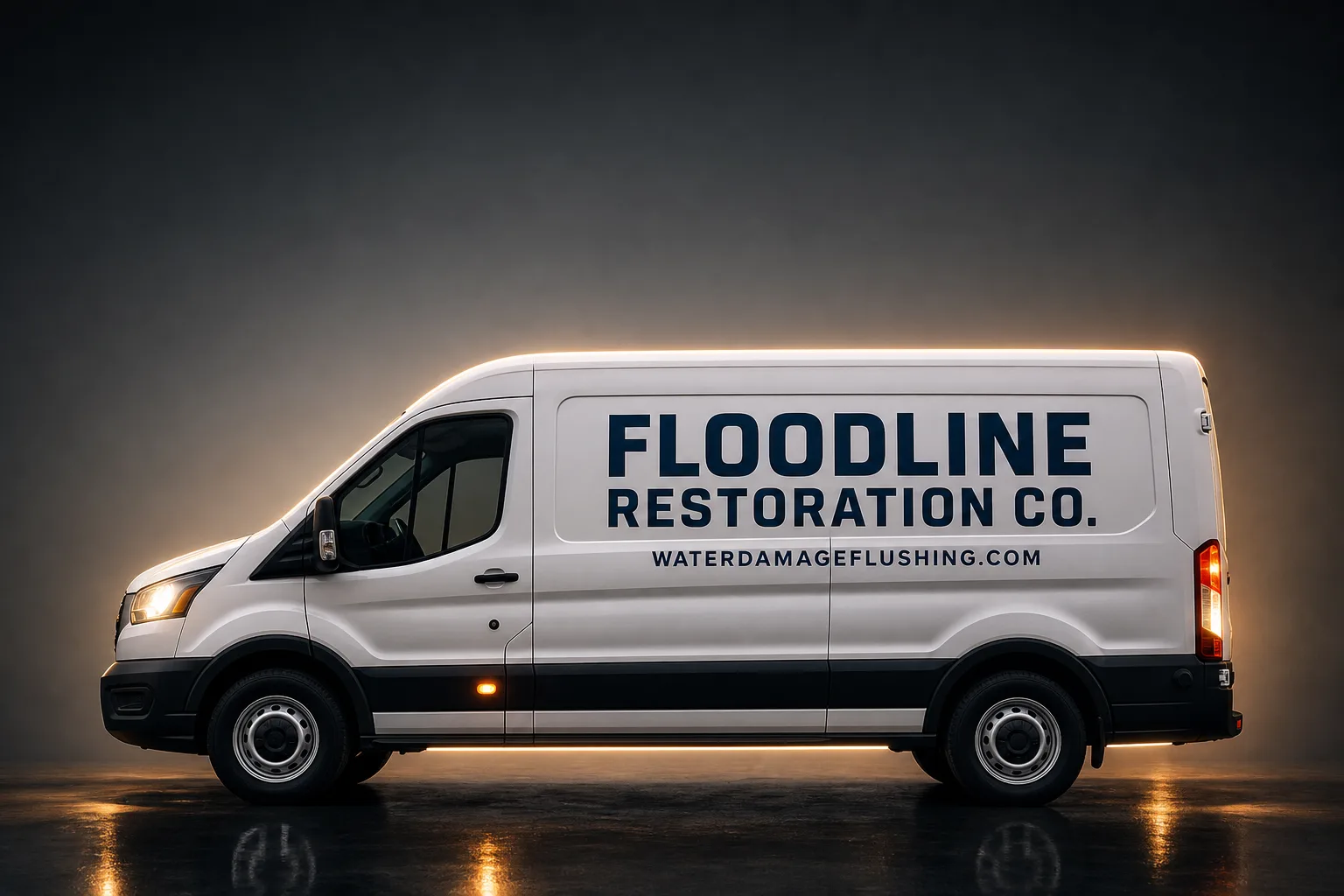
Free visual inspection and a written scope of work before any mitigation begins - photos, moisture readings, and drying logs go in your claim file
The scope we write is the scope we bill. Anything new gets shown to you, in writing, before we touch it.
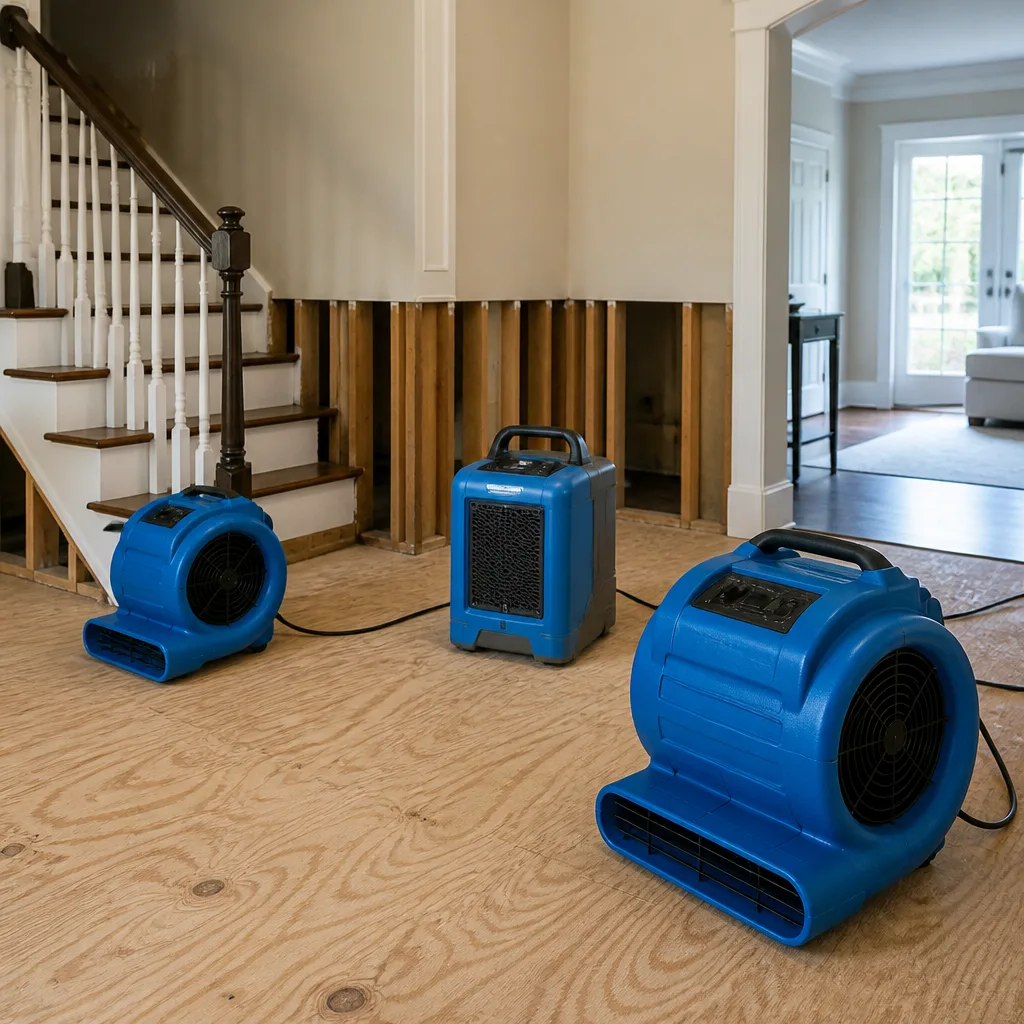
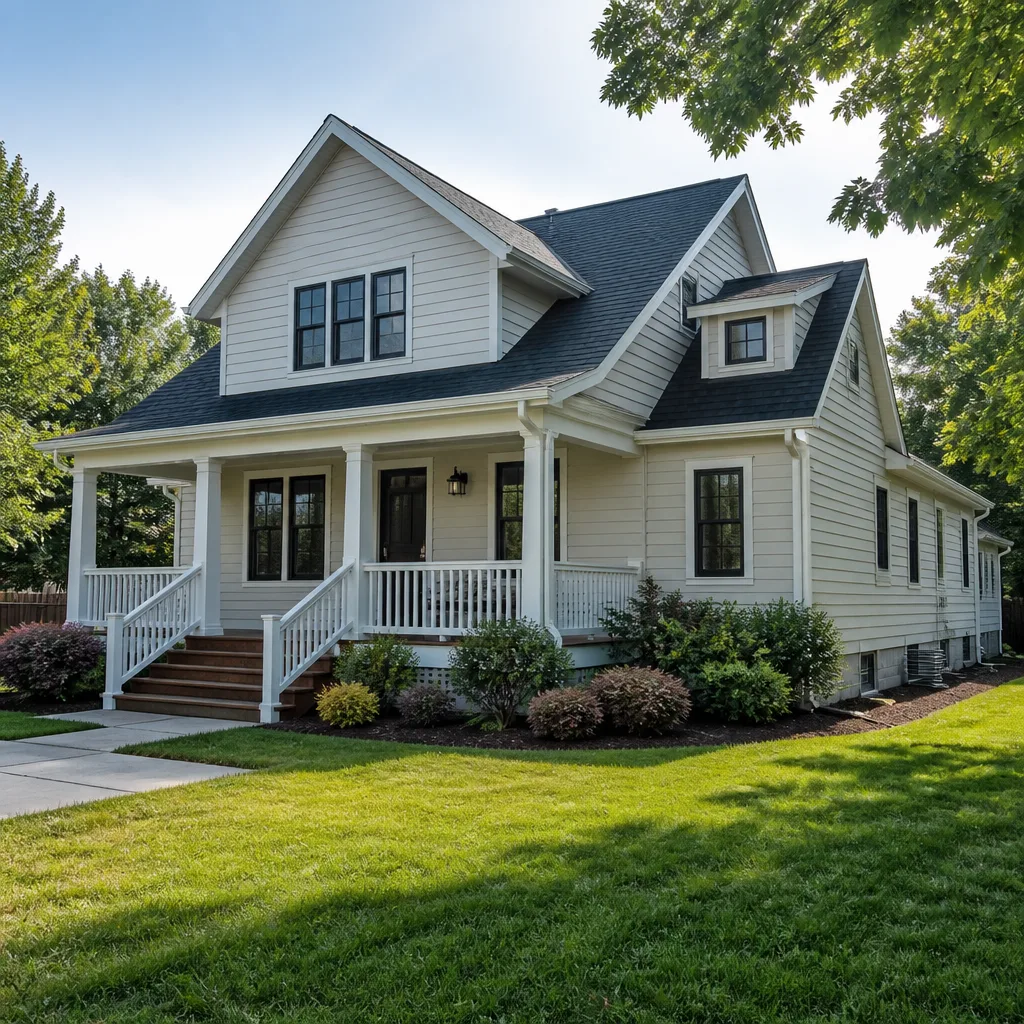
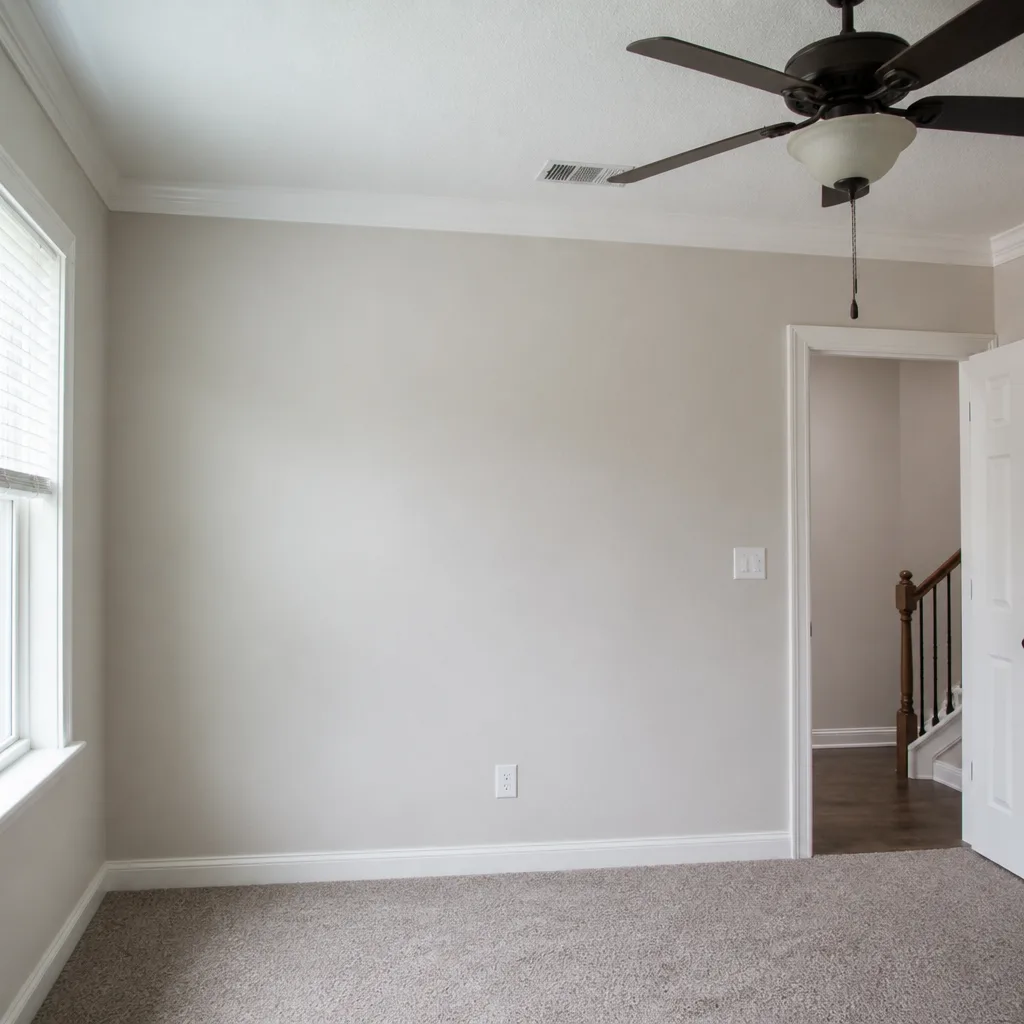
Storm responseSewage cleanup
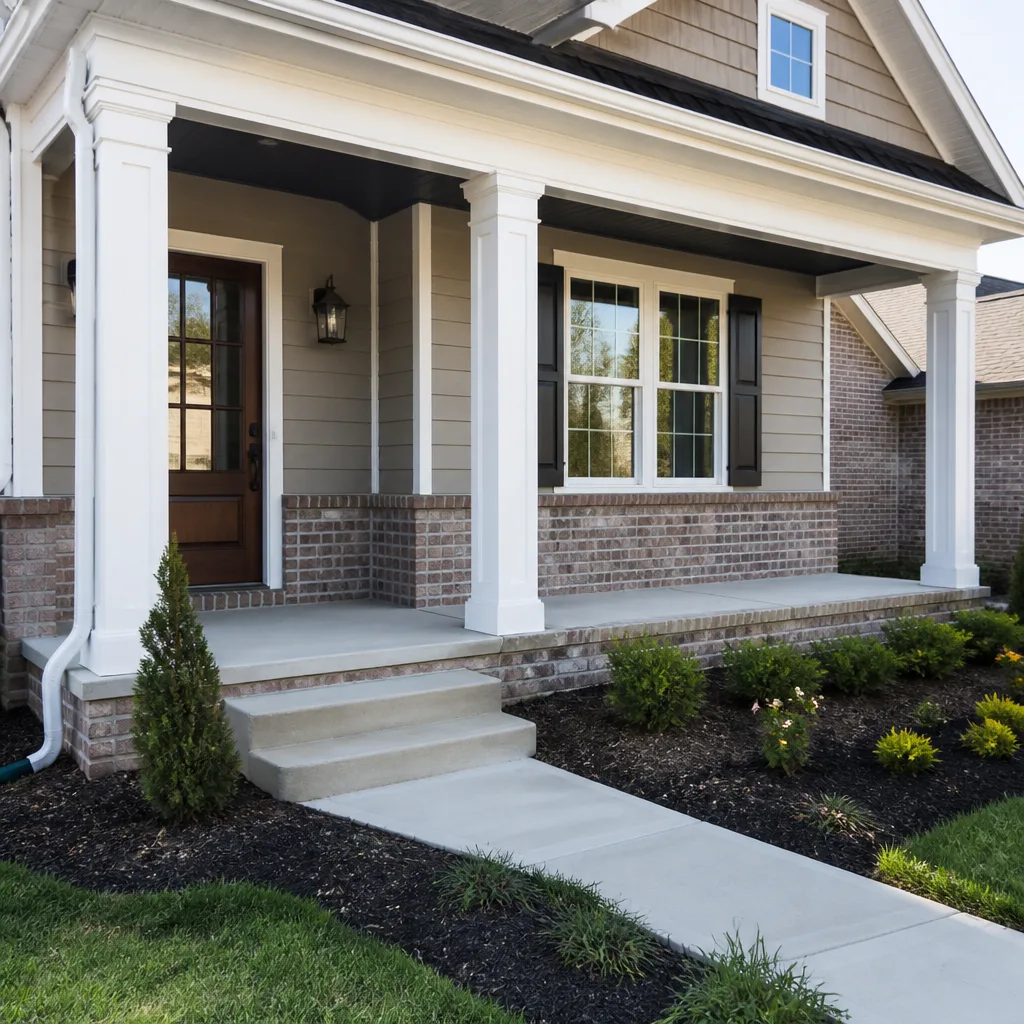
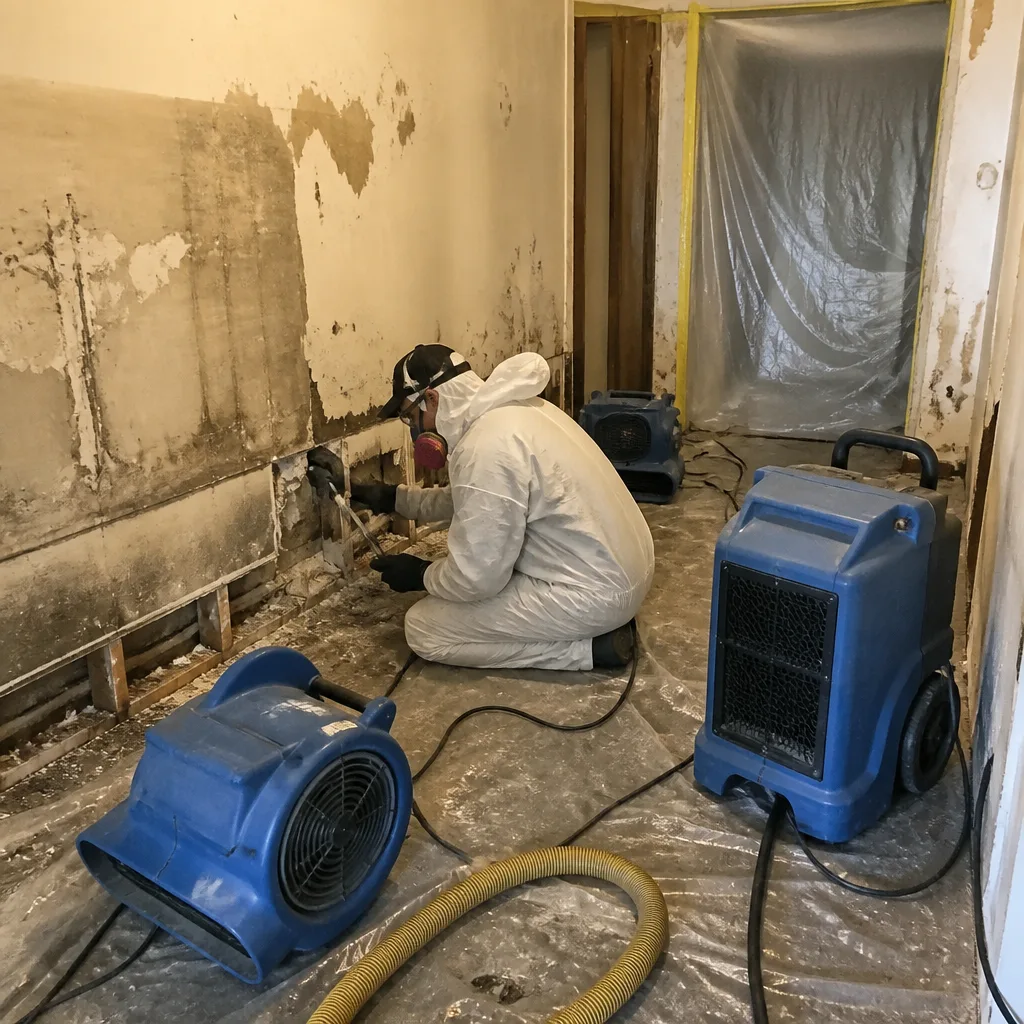 Before
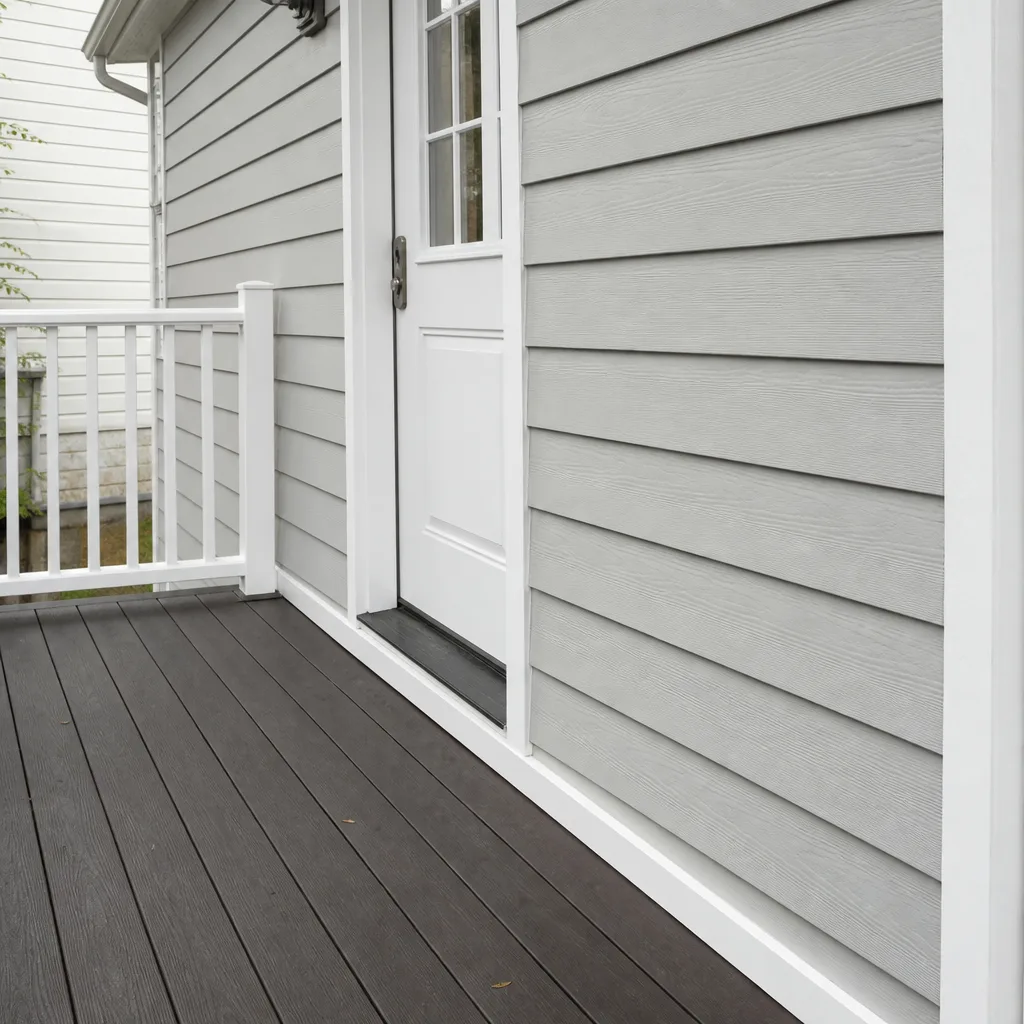 After
After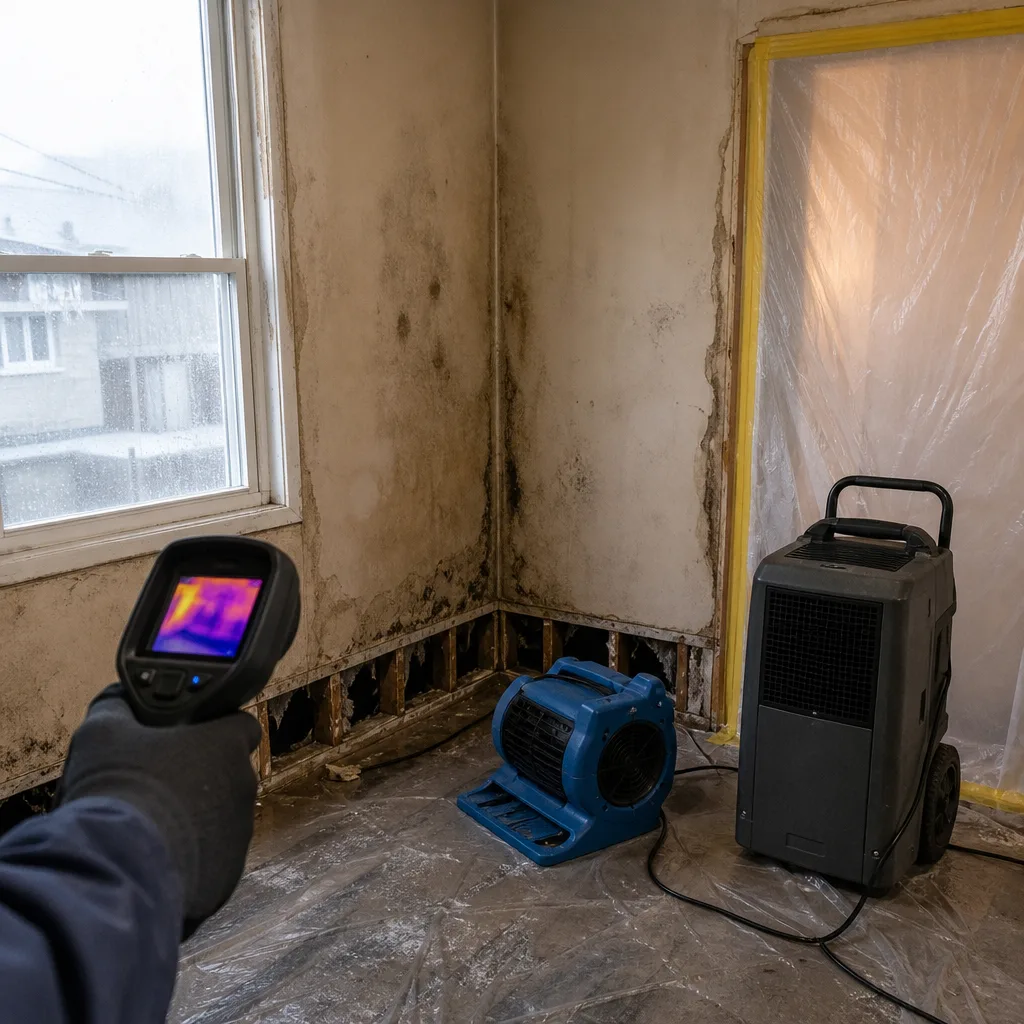 Before
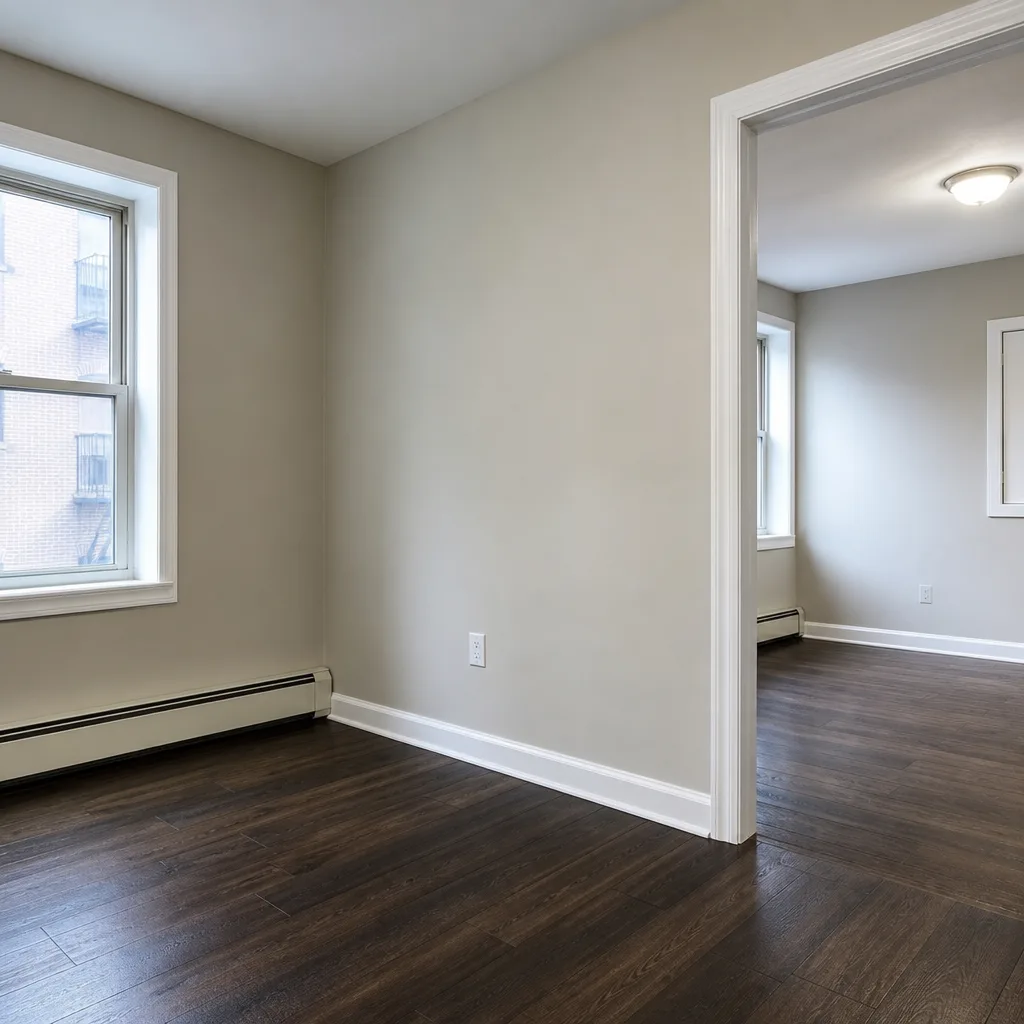 After
After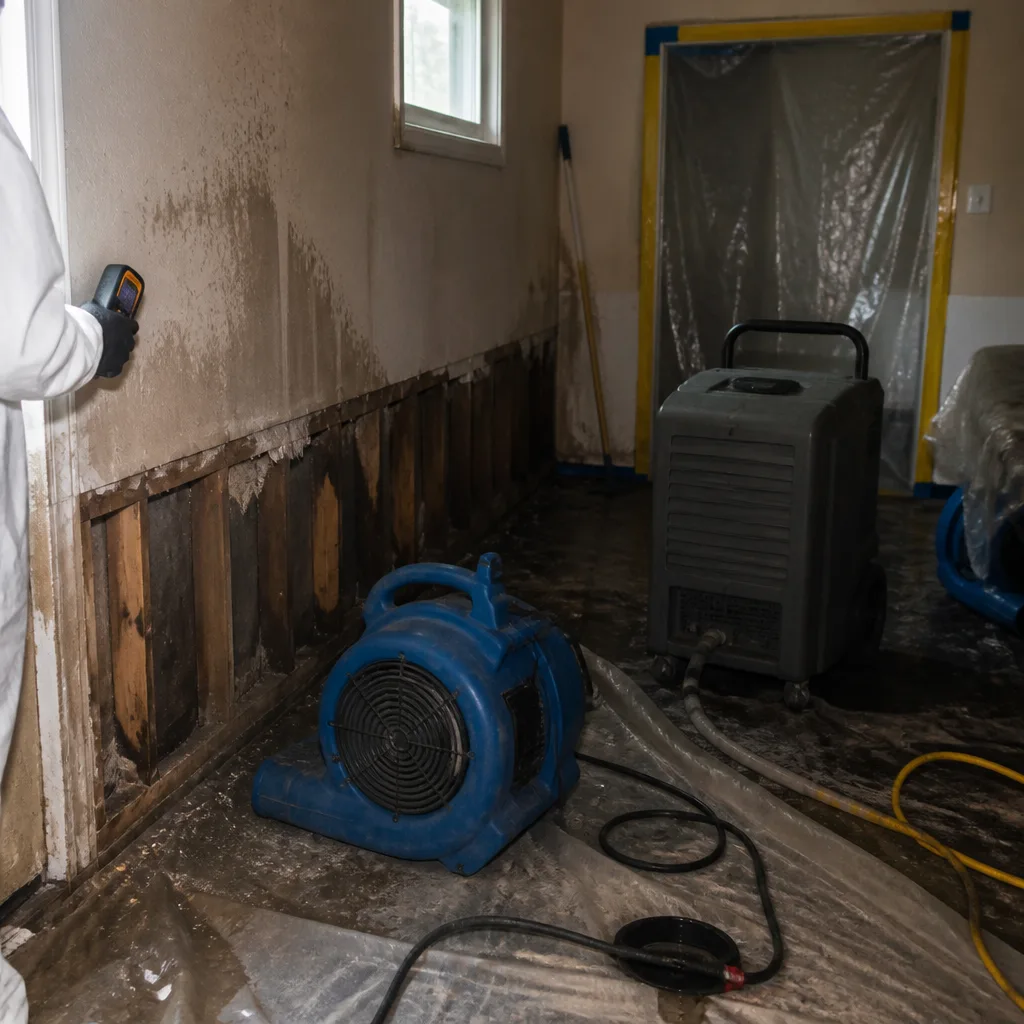 Before
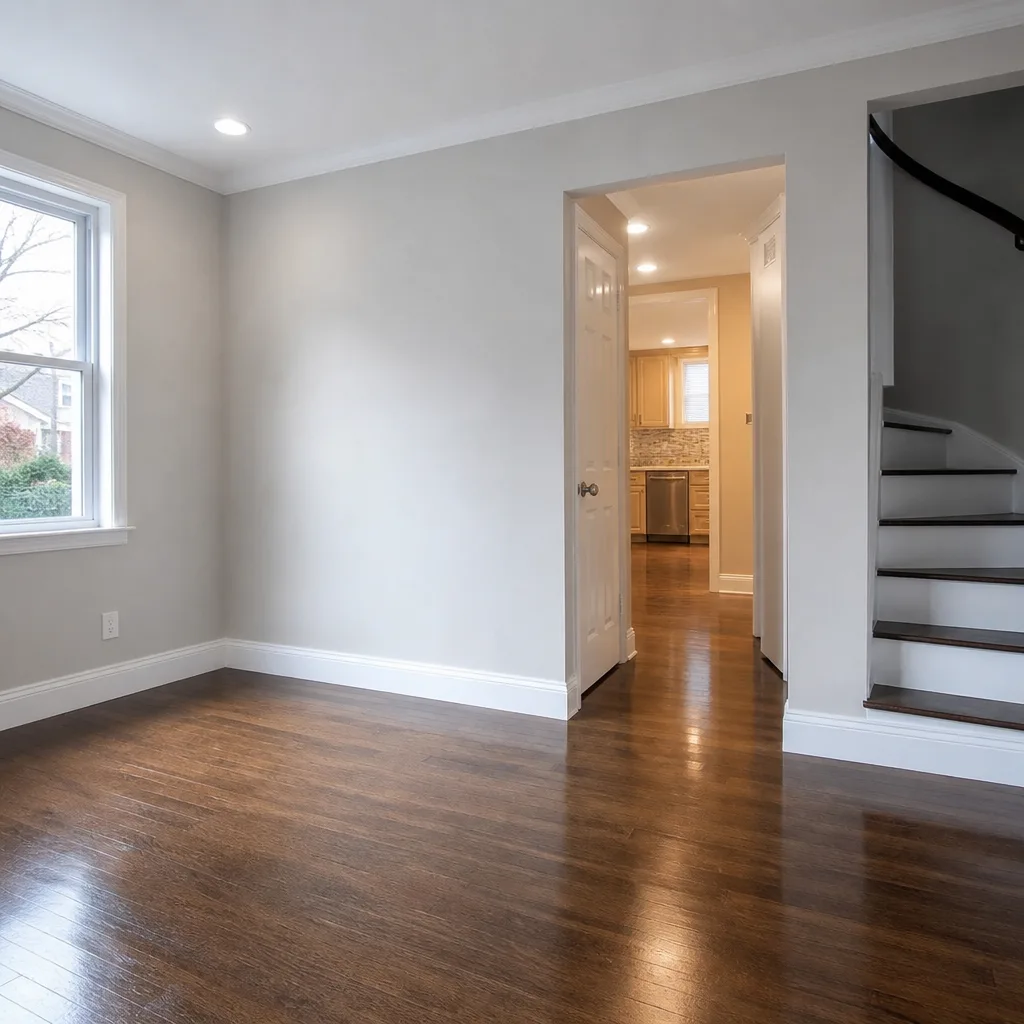 After
After24/7 Emergency Commercial Restoration in Jackson Heights
Commercial restoration in Jackson Heights means one thing above all: acting before the co-op board convenes, before the next unit owner files a claim, and before the water reaches the plaster. Floodline Restoration Co. answers live at (518) 872-6111 around the clock, every day of the year. We dispatch crews into the Roosevelt Avenue, 34th Avenue, and 82nd Street corridors within minutes, not hours. The first hour after a pipe burst or sewer surge determines whether you’re drying drywall or replacing it. In Jackson Heights’s pre-war brick co-ops, water travels between units through shared chases and original cast-iron stacks. A delay of ninety minutes can turn one storefront’s claim into three residential claims above and beside it. We start with a free visual inspection, moisture readings on the spot, and a written scope before any removal begins. Call (518) 872-6111 the moment you see standing water, a sagging ceiling, or a buckled commercial door.
Understanding Commercial Restoration Severity in Jackson Heights Properties
Jackson Heights commercial spaces sit inside buildings constructed between 1910 and 1940. That matters. The plaster-and-lathe walls hide original cast-iron drain stacks. The pipe insulation frequently tests positive for asbestos. And the floor plans stack courtyard-facing retail below six stories of residential units. Water from a burst supply line starts in a basement stockroom and wicks upward through masonry, conduit, and the spaces where steam risers pass from floor to floor. We classify water on site: category 1 is clean supply-line water. Category 2 carries detergents or soil from chases and floor drains. Category 3 is sewage, storm surge, or Roosevelt Avenue street runoff. It carries pathogens and requires containment, EPA-compliant disposal, and full sanitization before drying even starts. Jackson Heights sees category 3 often because the combined sewer system under 11372 surcharges during heavy rain, sending black water up through floor drains and into garden-level restaurants and shops. Fire restoration here works the same way: older vent shafts and unsealed chase penetrations move smoke through entire co-op buildings, so we use HEPA air scrubbers and negative-pressure containment well beyond the origin unit. Mold follows water inside cavity walls here more often than single-family markets, because plaster holds moisture and pre-war construction offers almost no cavity ventilation. Severity in Jackson Heights is rarely one unit’s problem.
Why Jackson Heights Property Owners Choose Floodline Restoration Co.
- 45-minute response commitment in Jackson Heights. Our dispatcher confirms your address, cross-references the nearest crew, and gives you a real ETA. A live person answers, not an answering service.
- 24/7 live answer, every call, every time. Two in the morning on a Sunday, a person picks up. No phone tree. No “leave a message.” We dispatch from our New York City office to Jackson Heights crews on staggered shifts.
- IICRC-certified technicians on every job. Our crews hold WRT, FSRT, and AMRT certifications. They know pre-war plaster, cast-iron stacks, and co-op board protocols before they walk in.
- Free visual inspection with written scope. We show you what we found, what we recommend, and exactly what it costs before any removal begins. No surprise change orders.
- Direct insurance billing. We bill the carrier and work the adjuster. You don’t carry paperwork between your co-op board, your insurer, and us.
- One team from extraction to reconstruction. The same crew that sets the drying chambers replaces the drywall, rehangs the door, and hands you the final moisture log.
Our Commercial Restoration Process
Inspection & Assessment
We map the loss with thermal imaging and hygrometers. In a Jackson Heights co-op, that means locating how water moved between units and identifying every substrate it touched, from plaster to subfloor to coving.
Extraction & Stabilization
Standing water comes out first. We run truck-mounted and portable extraction units across concrete, terrazzo, and wood-frame commercial floors. If asbestos-wrapped steam pipes sit inside the affected walls, we stop removal and bring in abatement before drying begins.
Drying & Dehumidification
We run Dri-Eaz LGR dehumidifiers, XPOWER air movers, and Injectidry systems on cavity walls. Plaster dries slower than drywall. We log daily readings and hit structural drying targets before the rebuild phase.
Cleaning & Sanitization
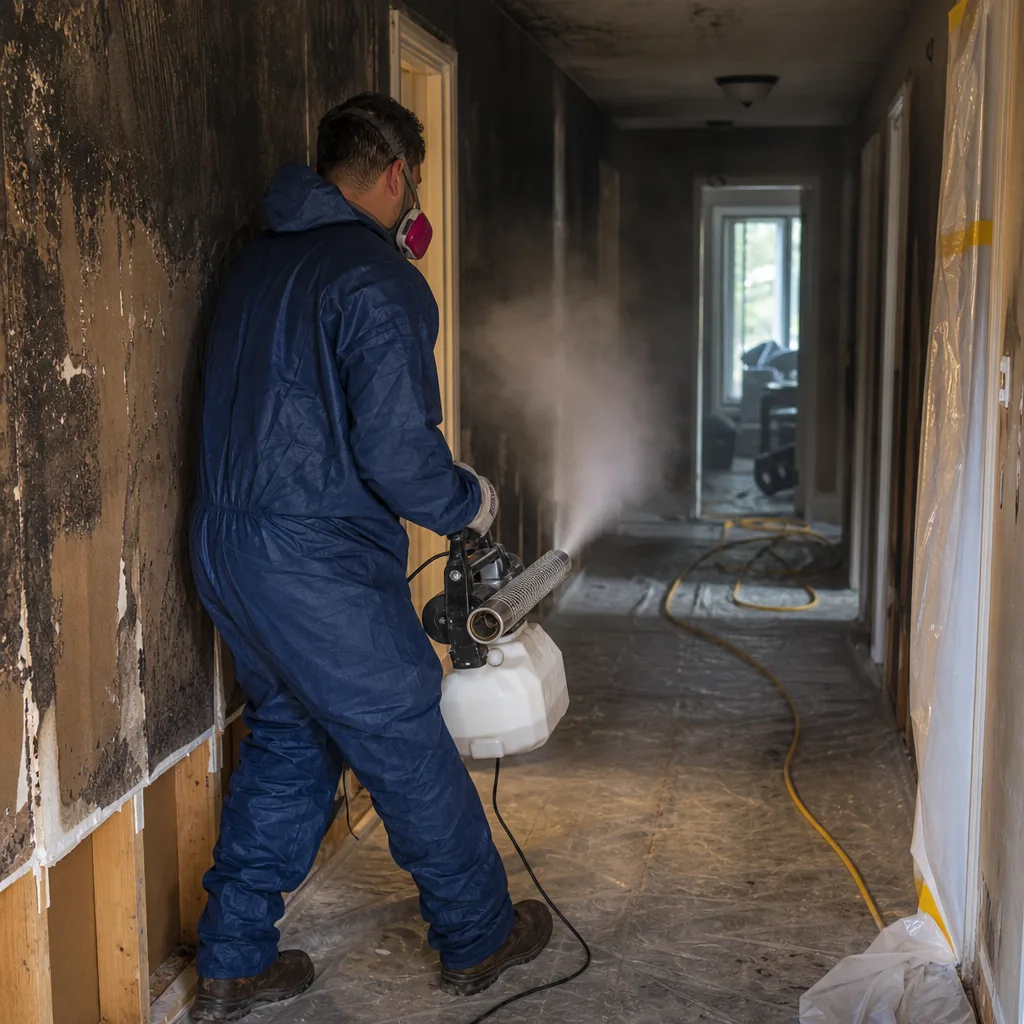
Category 3 losses in Jackson Heights require full sanitization. We run HEPA air scrubbers during and after removal, treat affected framing, and document every chamber reading for your carrier.
Commercial-Specific Treatment
We handle storefront door systems, rolling shutters, and wind-rated entry units. We coordinate with board engineers and the Landmarks Preservation Commission when a 1930s storefront needs replacement to current wind-load standards.
Repairs & Restoration
The same crew closes the walls, refinishes, sets the door, and hands you the moisture log, the photo documentation, and the 90-Day Done Right Promise in writing.
Need Emergency Commercial Restoration in Jackson Heights Now?
Crews minutes away, answering live 24 hours a day. The sooner we start, the less it costs.
Working With Your Insurance Company
Jackson Heights commercial claims almost always involve a co-op board, a unit owner, and at least one carrier. Floodline Restoration Co. runs that triangle for you. We bill the carrier directly, correspond with the adjuster from the first reading, and produce industry-standard estimates. Our documentation begins in the first hour on scene: photos of the loss before we touch anything, room-by-room inventories, and line-item scopes of work. Your board gets the same documentation your carrier gets. No separate billing drama. No messenger work in either direction. When a garden-level restaurant on Roosevelt Avenue floods with category 3 water, we document the sewage exposure, run the drying log, and bill the carrier for every chamber day. When a co-op board needs a vote before storefront door replacement, we write the replacement scope and hold the number until the board meets. We’ve handled enough claims in 11372 to know what adjusters require here.
What We Provide Your Insurer
- Thorough documentation of the loss
- Photos of all damage, room by room
- Moisture readings and drying logs
- A detailed, line-item scope of work
- Direct coordination with your carrier
Built for Jackson Heights’s Loss Calendar
Jackson Heights commercial losses follow a pattern you can set a calendar to. January and February deep freezes burst uninsulated supply lines in pre-war wall cavities, and that water travels down through stacked floor plates into basement retail. March and April bring thaw cycles and the first real test of hundred-year-old drain stacks, many of them original cast iron with decades of scale. May through August sees thunderstorm downpours that overwhelm the combined sewer under Roosevelt Avenue, sending sewage-contaminated water into garden-level apartments and basement storefronts. Those are category 3 events, and they happen here more than most of Queens because of the neighborhood’s impervious surface coverage and below-grade commercial stock. September through November is nor’easter and hurricane-remnant season. Wind-driven rain finds the original steel casement windows and wood-frame storefronts along 34th through 37th Avenues. When a storm rips a track panel off a 1930s co-op’s retail door, the water that follows can flood a stockroom before the board votes on anything. December returns to freeze-thaw cycles that crack supply lines and stress already-patched risers. A Jackson Heights property manager plans restoration around this calendar, not against it.
Commercial Restoration Across Jackson Heights’s Neighborhoods
Jackson Heights is not one market. It’s a half-dozen corridors, each with its own failure pattern. Along 34th Avenue, the landmarked co-ops and garden apartments hold original wood-frame storefronts with no wind-load ratings. Storms here tear doors off track panels and push water under sills. Response routes run east from Junction Boulevard, and our crews know which buildings have board-level sign-off requirements before any storefront replacement. On 37th Avenue, the retail spine of the neighborhood, basement and garden-level restaurants sit directly atop the worst sewer-surcharge points in 11372. A heavy rain event backs water up through floor drains faster than a sump can keep pace. Around 82nd Street and the Roosevelt Avenue corridor, the density of storefronts means a single roof leak can cascade through three commercial units before it reaches the street. The historic district between 70th and 90th Streets brings Landmarks Preservation Commission rules into play on any storefront or entry door work. East of 90th Street toward Elmhurst, the buildings skew slightly newer but the shared stacks and courtyard plumbing remain. Each of these areas needs a crew that knows what a restoration job actually involves before demolition starts.
Specialized Commercial Restoration Services We Offer in Jackson Heights
Office & Retail Restoration
Storefronts, offices, and medical suites in Jackson Heights ride inside pre-war envelopes. We dry plaster walls, replace wind-damaged entry systems, and keep document and inventory recovery moving so a business doesn’t lose a quarter to a two-foot flood.
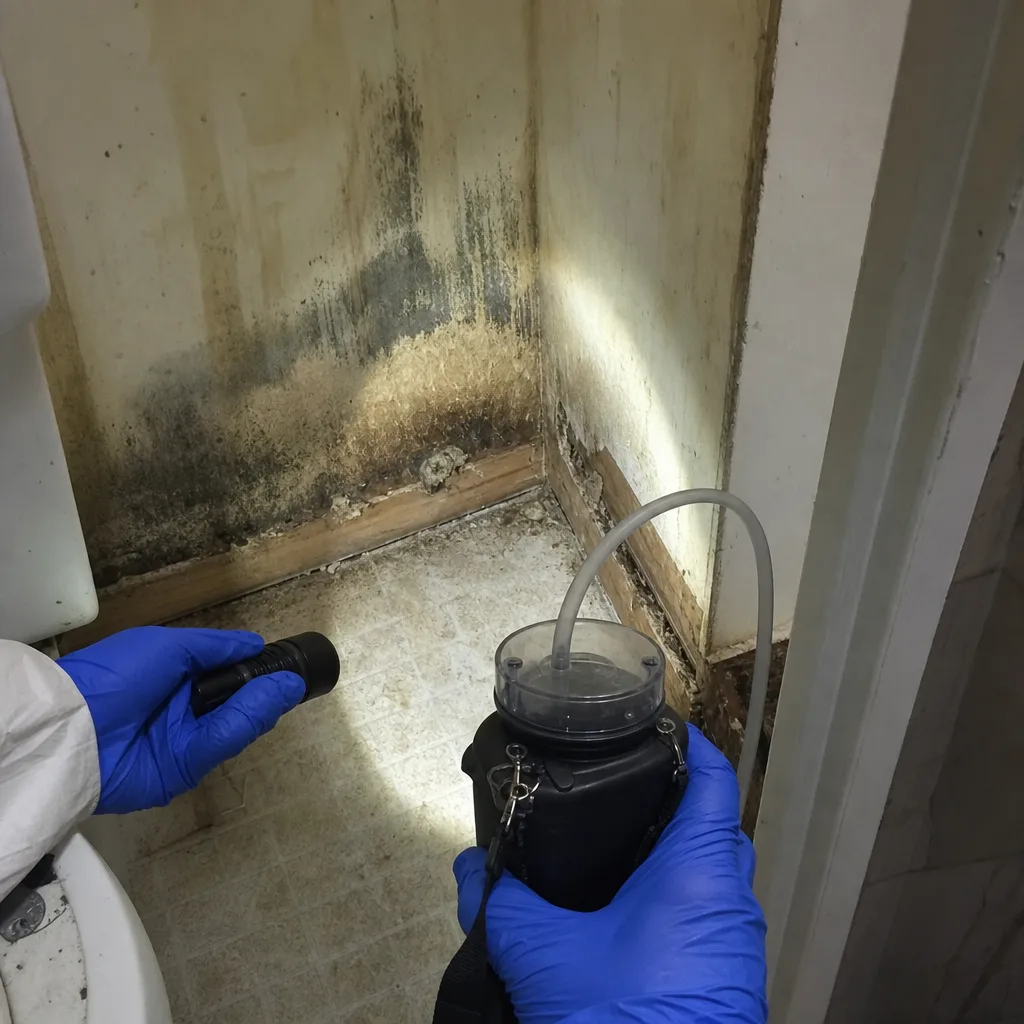
Multi-Unit & HOA Restoration
This is the core of Jackson Heights commercial work. A middle-unit pipe burst sends water through two retail spaces below and a common hallway above. We work with board approval timelines, file the scope for the management company, and restore every affected unit with one crew and one moisture log.
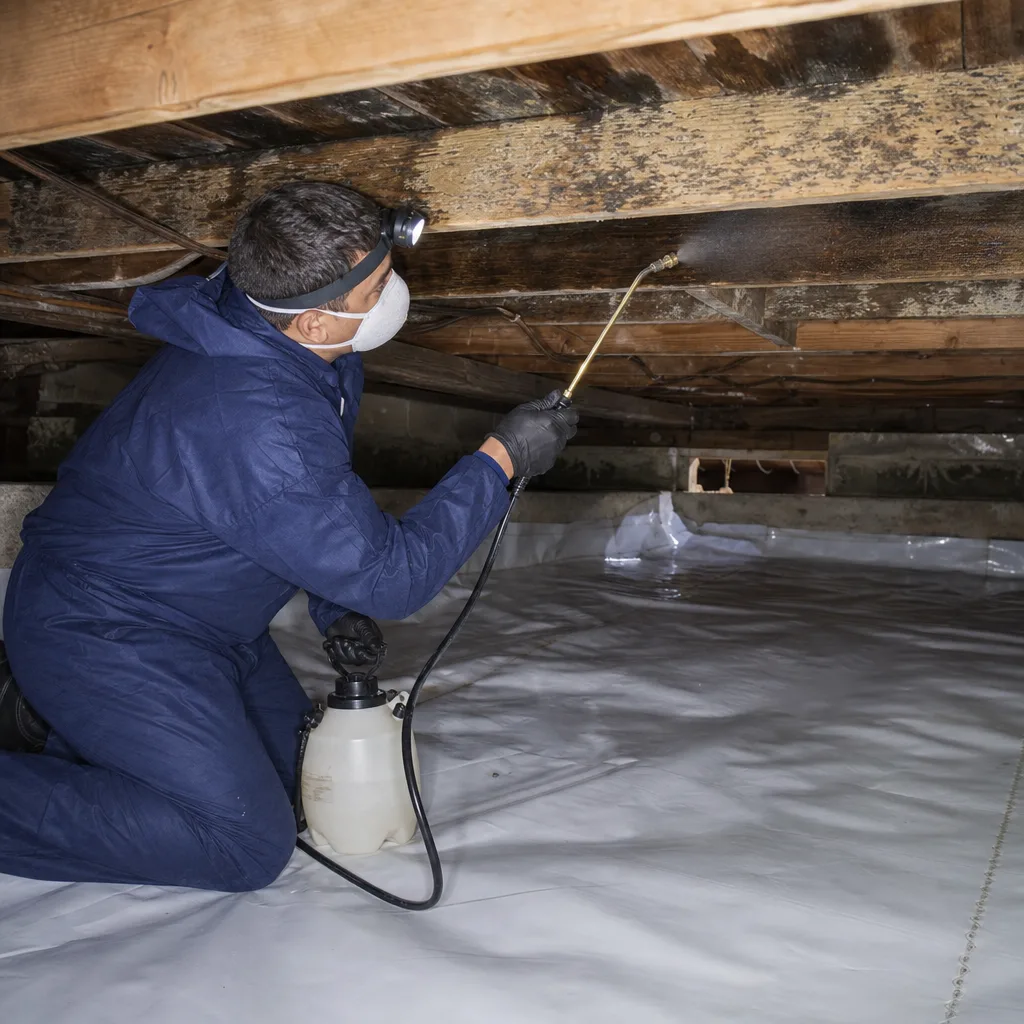
Industrial Facility Cleanup
The light industrial and warehouse spaces near the BQE and 69th Street have concrete floors, high-bay racking, and deep floor drains. Sewer backups here are category 3 events. We run containment, extract, sanitize, and dry large floor plates with multiple LGR units staged for full air exchanges.
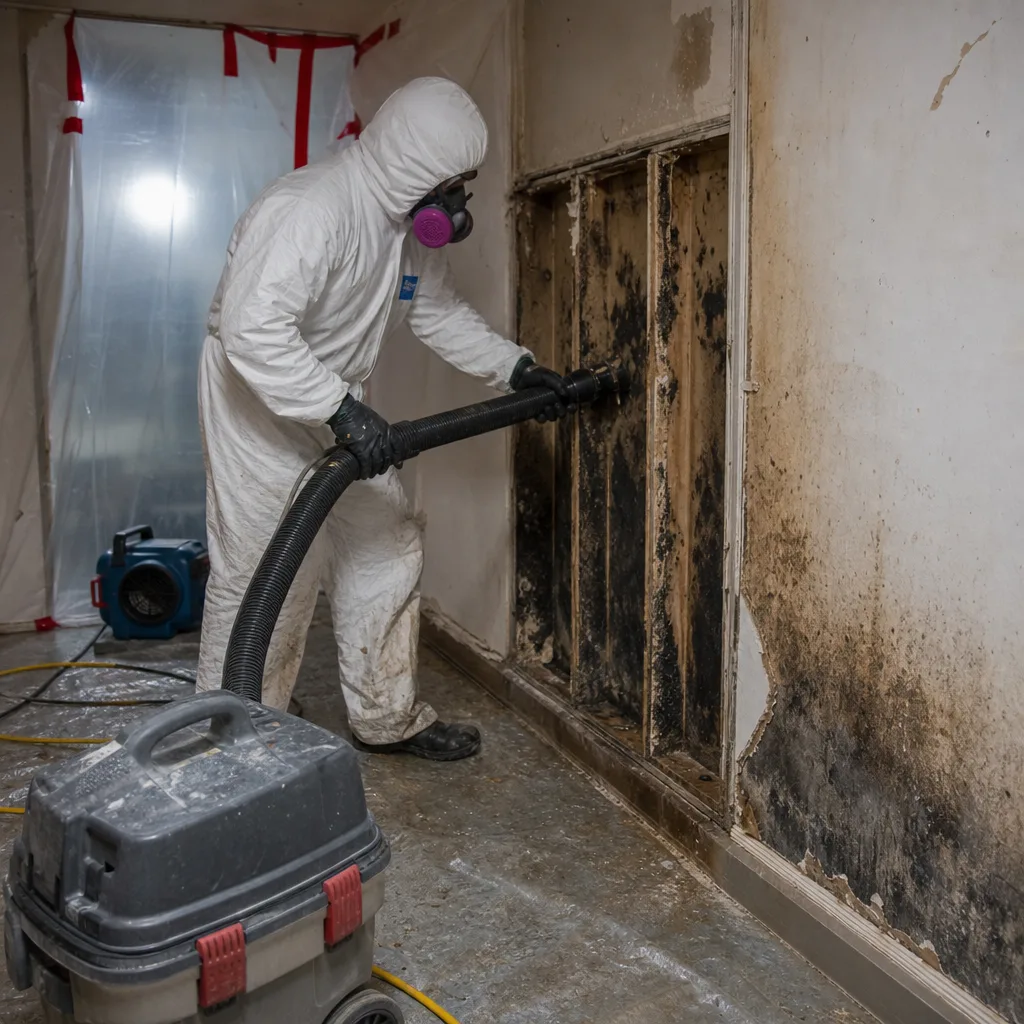
Large-Loss Response
When a nor’easter puts a track panel through a storefront on 37th Avenue or a cast-iron riser lets go across four floors, Jackson Heights needs a crew that can scale on the same call. We stage extraction teams, bring in generators and remote drying chambers, and manage the claim as one continuous job.
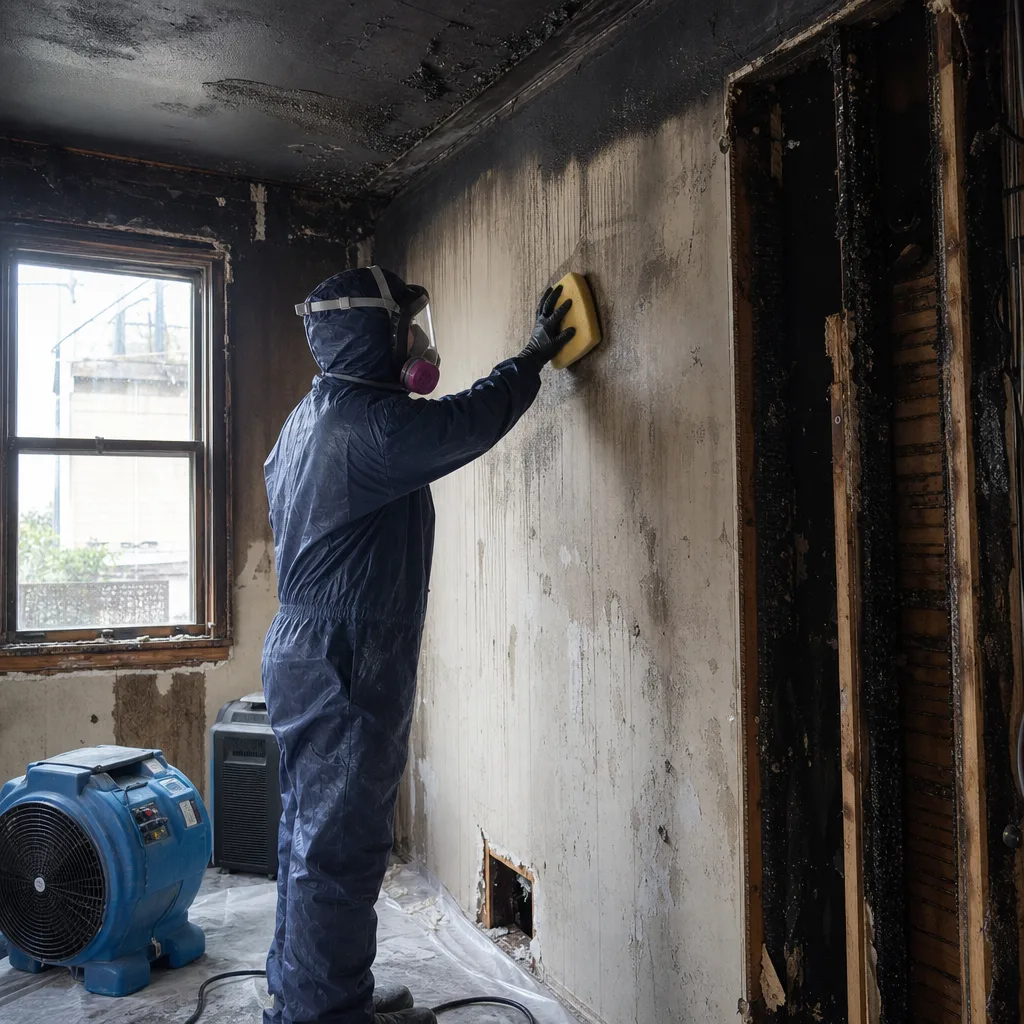
Business Interruption Minimization
Every day closed is revenue lost. We phase restoration around your business hours where it’s safe, set temporary wind-rated shutters after storm damage, and sequence reconstruction so the front of house opens while the back of house dries.
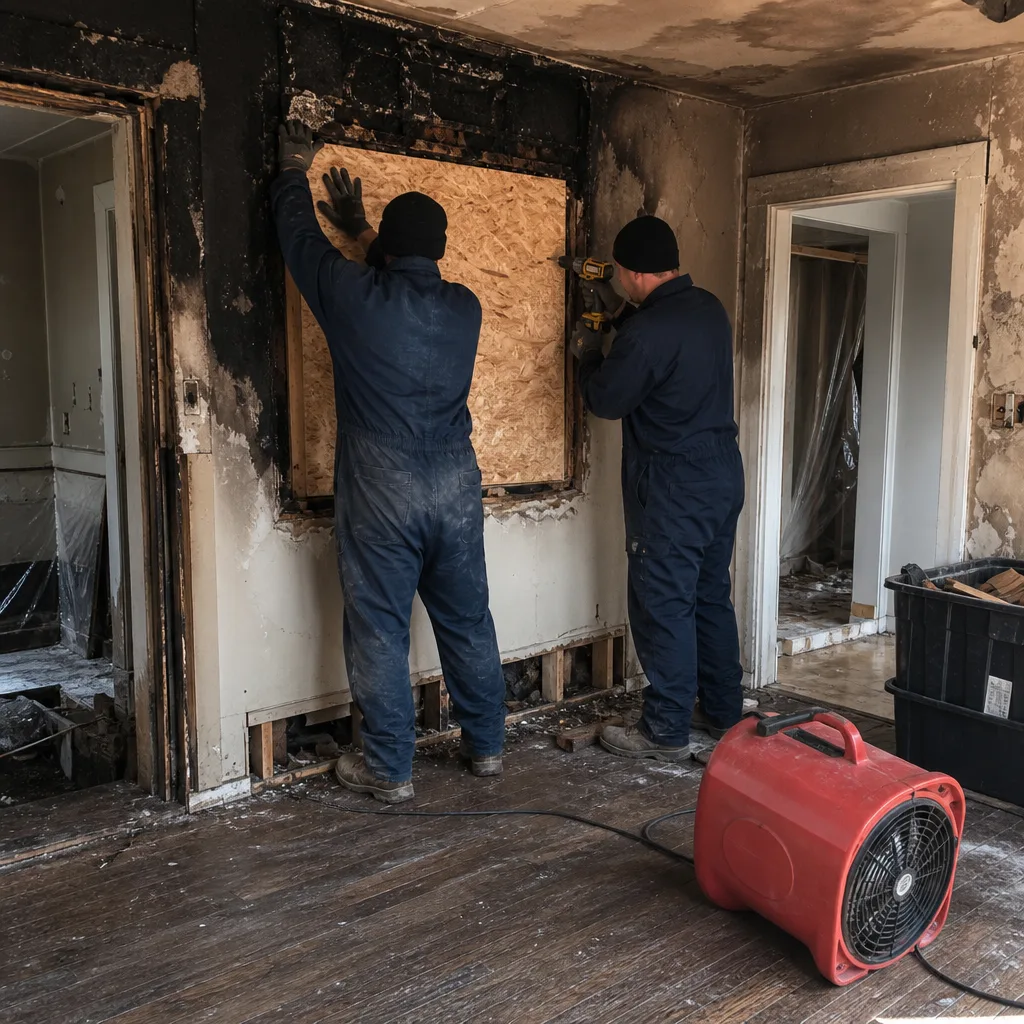
Document & Inventory Recovery
Stock, files, and equipment in a Jackson Heights basement take on sewage and humidity fast. We triage salvageable inventory, run document drying when claims require it, and document every discarded item for the carrier.
What happens when you call
- 1
A real person answersNo phone trees - you reach a local pro.
- 2
You get an upfront price rangeHonest numbers before anyone is dispatched.
- 3
A background-checked tech heads outLicensed & insured, dispatched right away.
- 4
You approve before work beginsNothing starts until you say go.
Commercial Restoration Costs in Jackson Heights, NY
Commercial restoration in Jackson Heights runs higher than the outer-borough average because of three factors: pre-war plaster, co-op board protocols, and the frequency of category 3 water. A small retail water extraction with drying equipment and basic finish repair typically runs $4,000 to $9,000. A garden-level restaurant flood from a surcharged sewer line, with full containment, sanitization, dry-out, and rebuild, lands between $15,000 and $45,000 depending on how much plaster and cabinetry the water reached. Storefront door replacement after wind damage starts around $6,500 for a basic wind-rated steel unit and climbs past $20,000 when the Landmarks Preservation Commission requires a full storefront restoration. A multi-floor pipe burst restoration across co-op retail and residential units often exceeds $60,000. What moves the number most is whether asbestos is present inside the affected walls. If it is, abatement adds $3,000 to $9,000 before drying can start. The free visual inspection gives you a firm line-item scope for your carrier and your board before any work begins. Call (518) 872-6111 and we’ll give you real numbers on the first visit.
We Also Serve Cities Near Jackson Heights
Floodline Restoration Co. runs emergency commercial restoration crews into Jackson Heights and the surrounding neighborhoods. We serve building owners and property managers in East Elmhurst, Elmhurst, Corona, and Astoria with the same 45-minute response commitment and 24/7 live dispatch. If your building sits near the border of 11372 and your loss is spreading, call us. A crew is already staged in the area.
Jackson Heights Commercial Restoration Questions, Answered
Does my Jackson Heights co-op board need to approve commercial restoration work inside my storefront before your crew can start?
Yes. In most Jackson Heights co-ops, any work inside walls, common plumbing, or the building envelope requires board approval before restoration begins. We handle the paperwork and the board walkthrough. Our crews can start emergency extraction and stabilization immediately while the board authorization is pending, because those are life-safety and loss-prevention measures. The reconstruction phase waits for the vote.
What wind rating does a replacement commercial door need on 34th Avenue after a storm rips off my storefront panel?
In the landmarked Jackson Heights Historic District, a replacement storefront door on 34th Avenue typically needs to meet the Landmarks Preservation Commission’s current wind-load standard, which generally means an impact-rated steel or aluminum unit engineered for the building’s specific exposure. We coordinate with your board’s engineer and the LPC before we order the door. A standard hollow-metal unit without the rating will fail the LPC review and you’ll pay for a second door.
How do you handle category 3 water in a garden-level restaurant on Roosevelt Avenue after the sewer surges?
We treat it exactly as it is: sewage-contaminated water that carries pathogens. That means full containment, removal of affected finishes, sanitization of all framing and substrate, and HEPA air scrubbing during the entire drying cycle. We record every reading and sanitization step for your carrier. You do not want category 3 water treated as clean water in a Jackson Heights garden-level space because the plaster will hold the contamination and mold will follow.
Can you save our co-op’s original plaster walls after a roof leak soaked a 4th-floor commercial office?
In most cases, yes. Plaster walls in Jackson Heights pre-war buildings dry differently than drywall, but with cavity injection drying and controlled air movement, original plaster often survives. We save the plaster, match the finish, and avoid a full gut. The deciding factors are how long the water sat and whether asbestos-wrapped steam pipes run behind the affected walls. We test before we touch.
What does a Jackson Heights HOA expect in the scope of work after a middle-unit pipe burst floods the two retail spaces below?
The board and the property manager expect a line-item scope that separates emergency extraction from reconstruction, identifies every affected unit, and names the drying protocol. They also expect a moisture log they can hand to the building’s carrier. We write that scope, run the drying, and manage the rebuild with the same crew. That continuity is what keeps the board from slowing the whole claim down.
How fast can you actually get to Jackson Heights for a commercial emergency?
We commit to 45 minutes for commercial losses in the 11372 area. Our dispatcher confirms a crew’s distance from your address when you call and gives you a hard ETA. The crew that arrives starts extraction on the first visit. In a co-op building, we’ll also make the first call to the super and the property manager so the board knows work has started.
Will my insurance cover commercial restoration after a sewer backup in Jackson Heights?
Most commercial policies cover sewer backup as a named peril, but the coverage limit is often lower than the full loss. In Jackson Heights co-ops, the building’s master policy may cover common plumbing and the commercial unit’s policy covers tenant improvements. We work both policies and bill directly. The exact split depends on where the pipe failed and who owns it. We’ll document the failure point in the first inspection.
What should I do in the first 30 minutes after water starts entering my Jackson Heights storefront?
Shut the water at the nearest accessible valve if it’s a plumbing failure. Kill power to the affected area if water is near outlets. Move stock, files, and equipment out of the water path. Call (518) 872-6111. Do not wait for the board to convene. Emergency extraction is a loss-prevention measure, and every hour of delay in a pre-war building spreads damage to units that weren’t even wet yet.
The Jackson Heights Wind-Load Problem
Here’s what sets commercial restoration in Commercial Restoration apart from any other Queens market: the buildings themselves were never engineered for modern wind events. The landmarked 1910s-to-1930s brick co-ops along 34th through 37th Avenues have original steel casement windows and wood-frame storefronts with no wind-load ratings. After a nor’easter or hurricane remnant tears a track panel off a basement retail door, the replacement isn’t a simple swap. The Landmarks Preservation Commission’s storefront guidelines require an engineered, impact-rated unit. The board’s engineer signs off, the board votes, and only then does the door go in. Neighboring Woodside or Elmhurst rental buildings rarely trigger that requirement. Here, it’s standard procedure. A contractor who ignores it installs a standard hollow-metal door, the LPC clerk catches it during review, and the whole job is redone at the contractor’s cost. We’ve seen it happen. We don’t let it happen on our jobs.
After a September storm tore a track panel off a 1930s co-op’s basement retail door on 37th Avenue, our crew installed a temporary wind-rated rolling shutter and set up containment before extracting category 3 water from the below-grade stockroom. We used Dri-Eaz LGR dehumidifiers and air movers to hit structural drying targets, logged moisture readings every four hours, and replaced the damaged door with an impact-rated steel unit after the co-op board’s vote. The store stayed open for business the entire time. That’s the standard we hold on every Jackson Heights commercial job.
One more thing Jackson Heights teaches you fast: the asbestos issue. Along 34th through 37th Avenues, asbestos-wrapped steam pipes run directly through water-damaged walls. A crew that doesn’t test before demolition gets an EPA stop-work order, a board-mandated abatement, and a claim that stalls for weeks. We test every affected cavity before we remove a single piece of drywall or plaster. If abatement is required, we sequence it into the drying plan and keep the claim moving. That’s the difference between a restoration company that knows Jackson Heights and one that’s learning it on your building.
Serving Jackson Heights, NY - Our Local Coverage Area
We’re based in the Jackson Heights area and know this community well. Use the map below to see our service coverage - if you’re nearby, we can almost certainly help.
Done Right, Backed in Writing
Floodline Restoration Co. has been led by Curt Bowman with one steady standard since the day we started: no job leaves our hands until it’s done right, and every job carries the 90-Day Done Right Promise in writing. If it’s not right, we make it right. No paperwork battles, no arguing. That promise applies to every commercial restoration we run in Jackson Heights, from a single storefront door to a four-floor co-op loss. We answer the phone with a live person around the clock. We send background-checked, uniformed technicians who know pre-war buildings. We bill your carrier directly and we stand behind our work. Call (518) 872-6111 for a free estimate. A crew is minutes away, and the sooner we start, the less this costs.
Written by Curt Bowman, Owner at Floodline Restoration Co.