

Free visual inspection and a written scope of work before any mitigation begins - photos, moisture readings, and drying logs go in your claim file
The scope we write is the scope we bill. Anything new gets shown to you, in writing, before we touch it.
Storm responseSewage cleanup
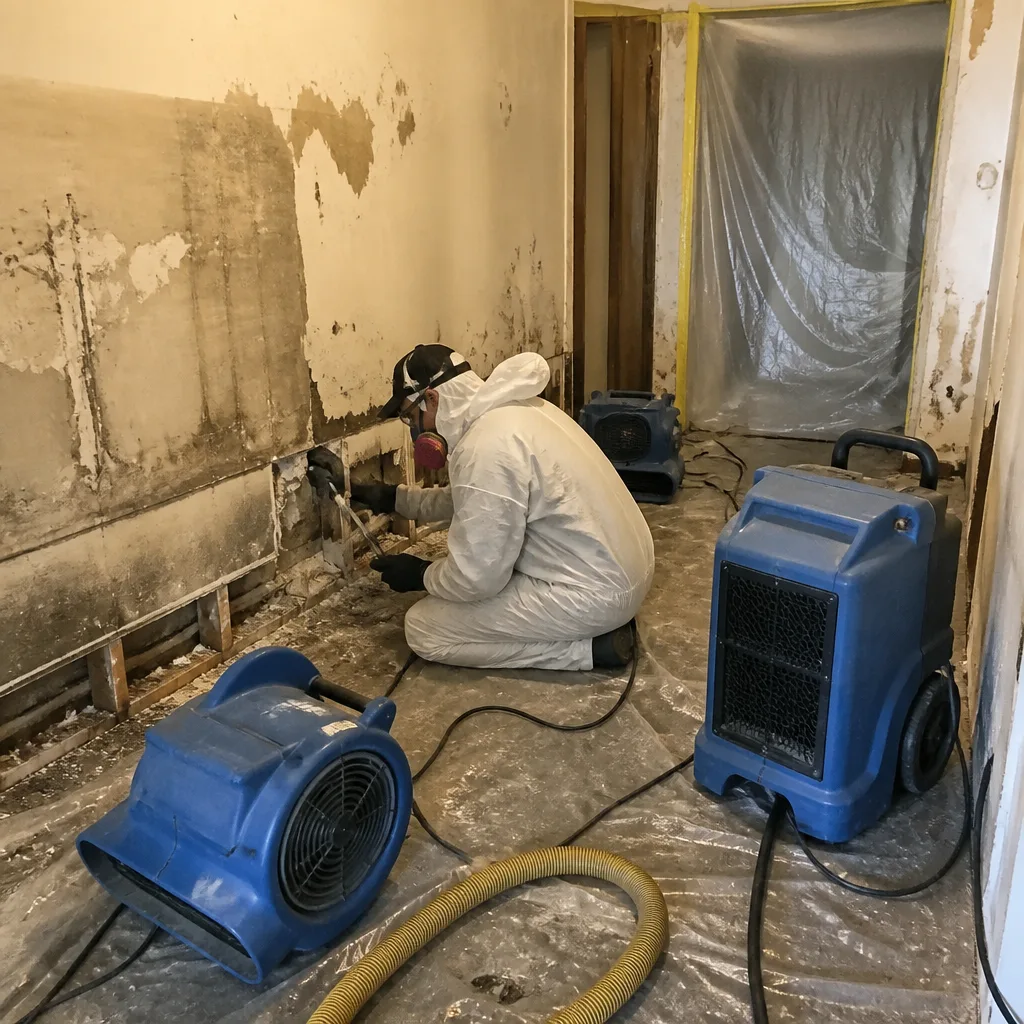 Before
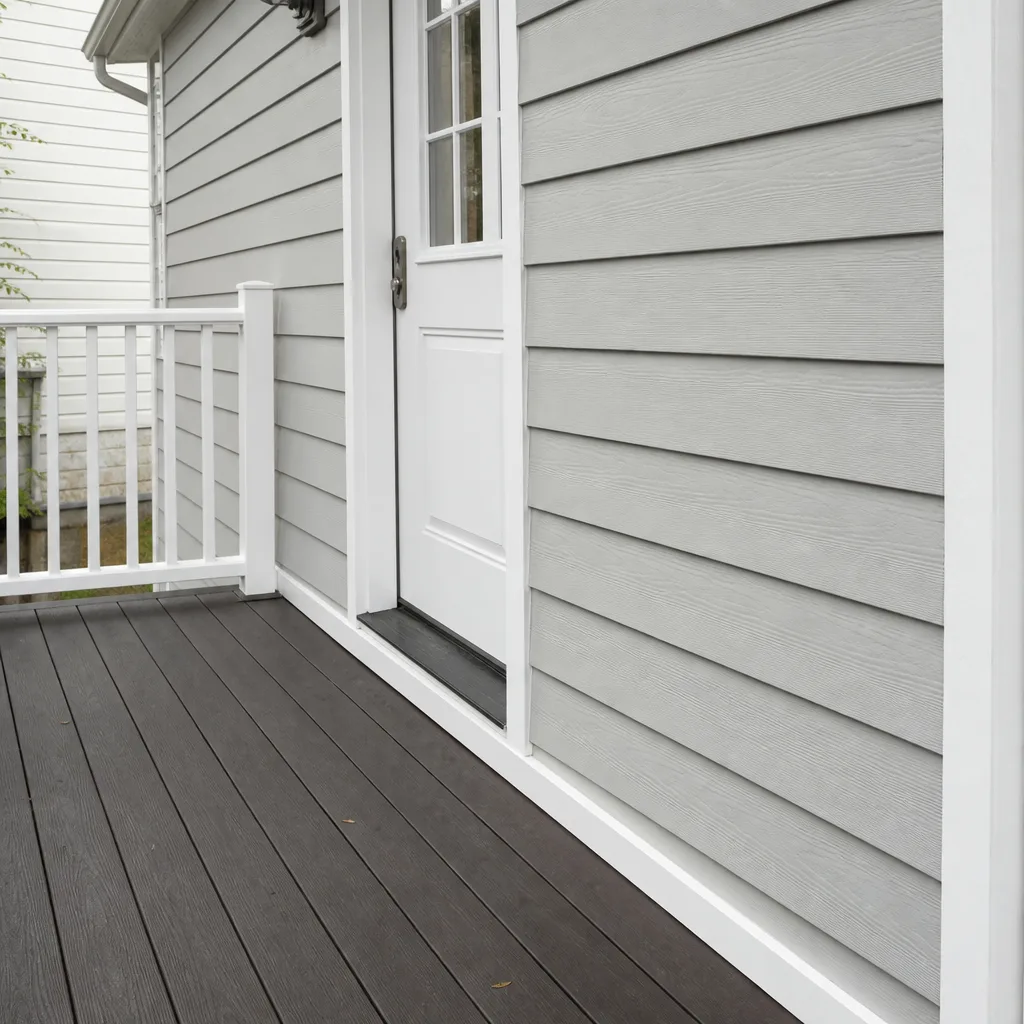 After
After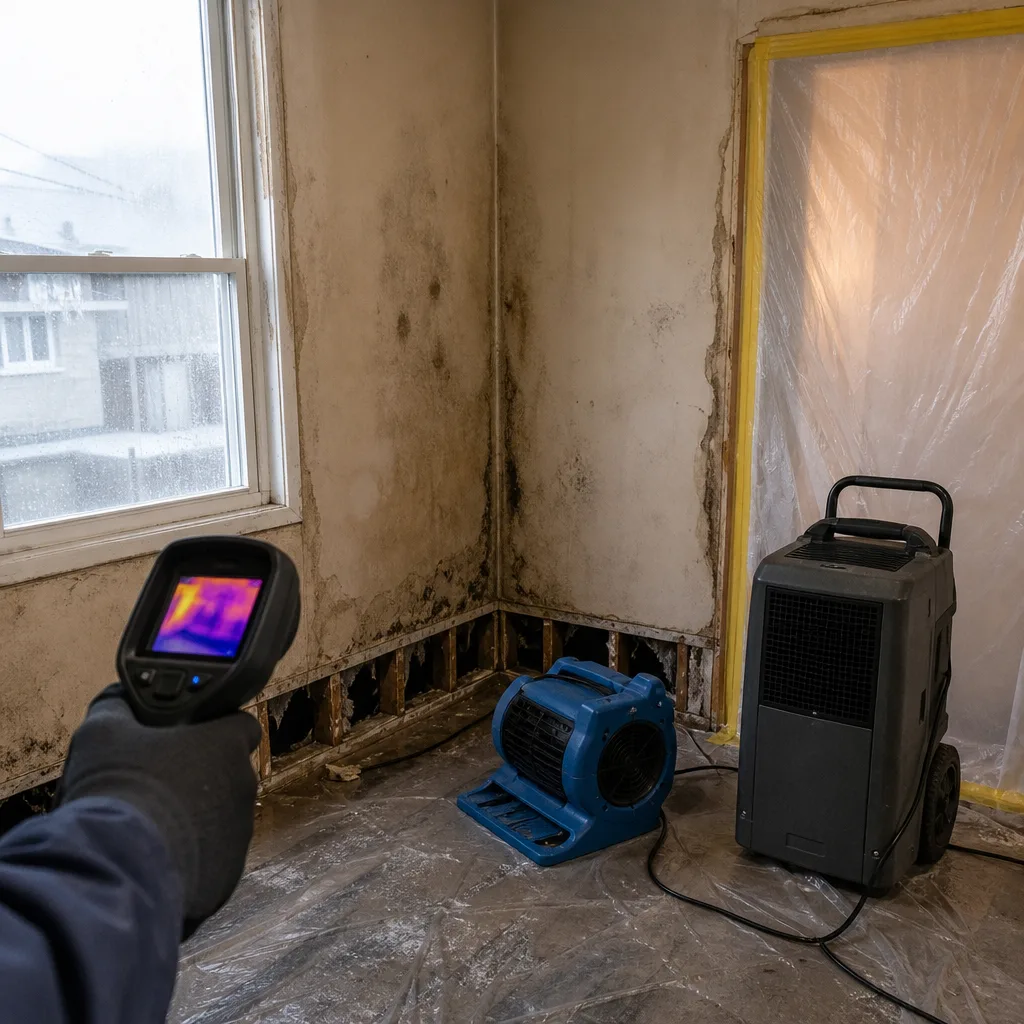 Before
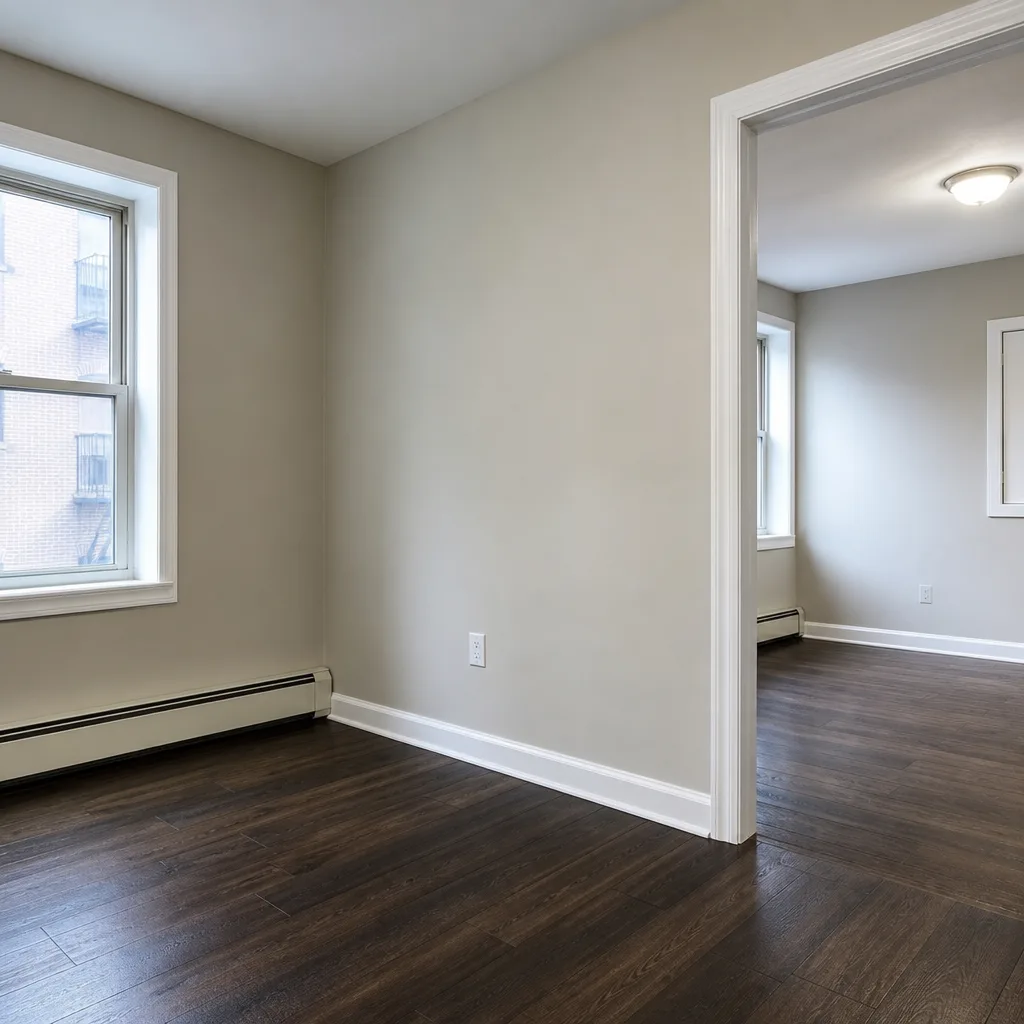 After
After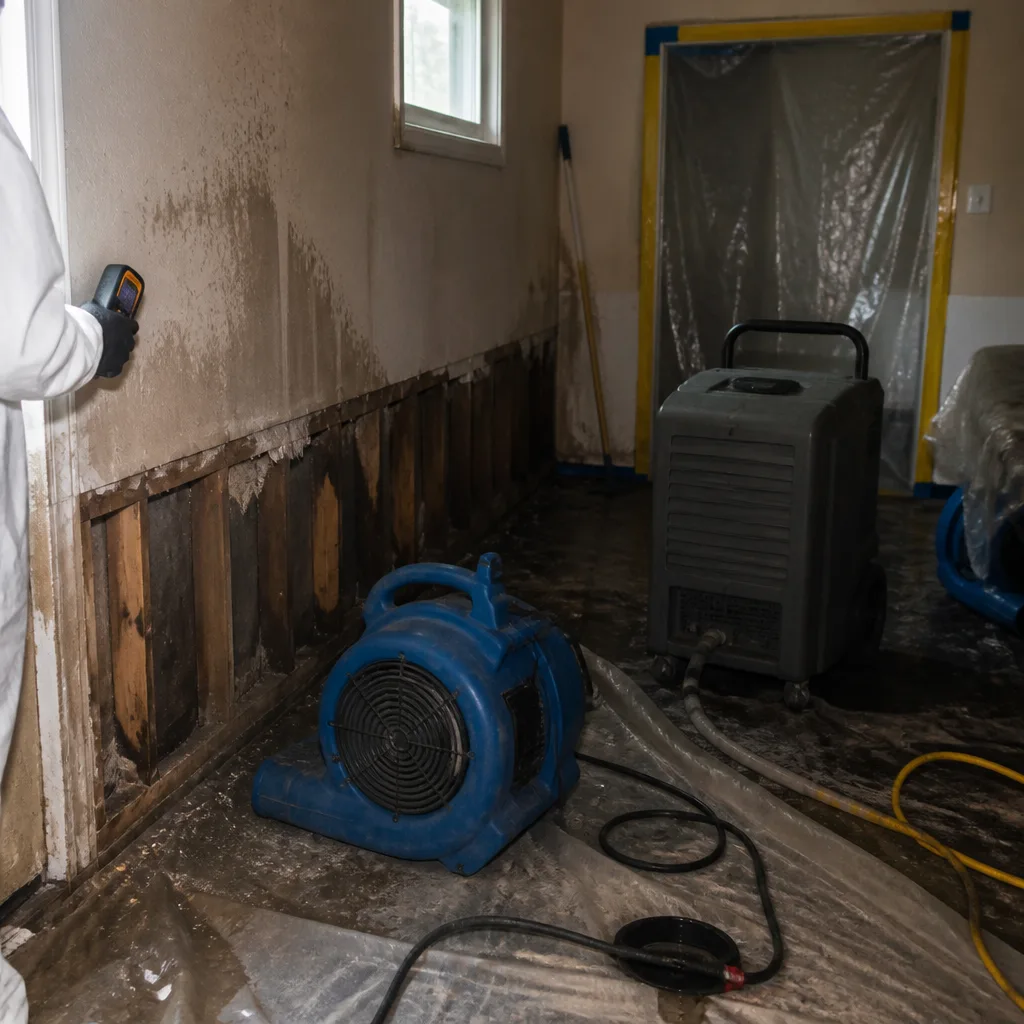 Before
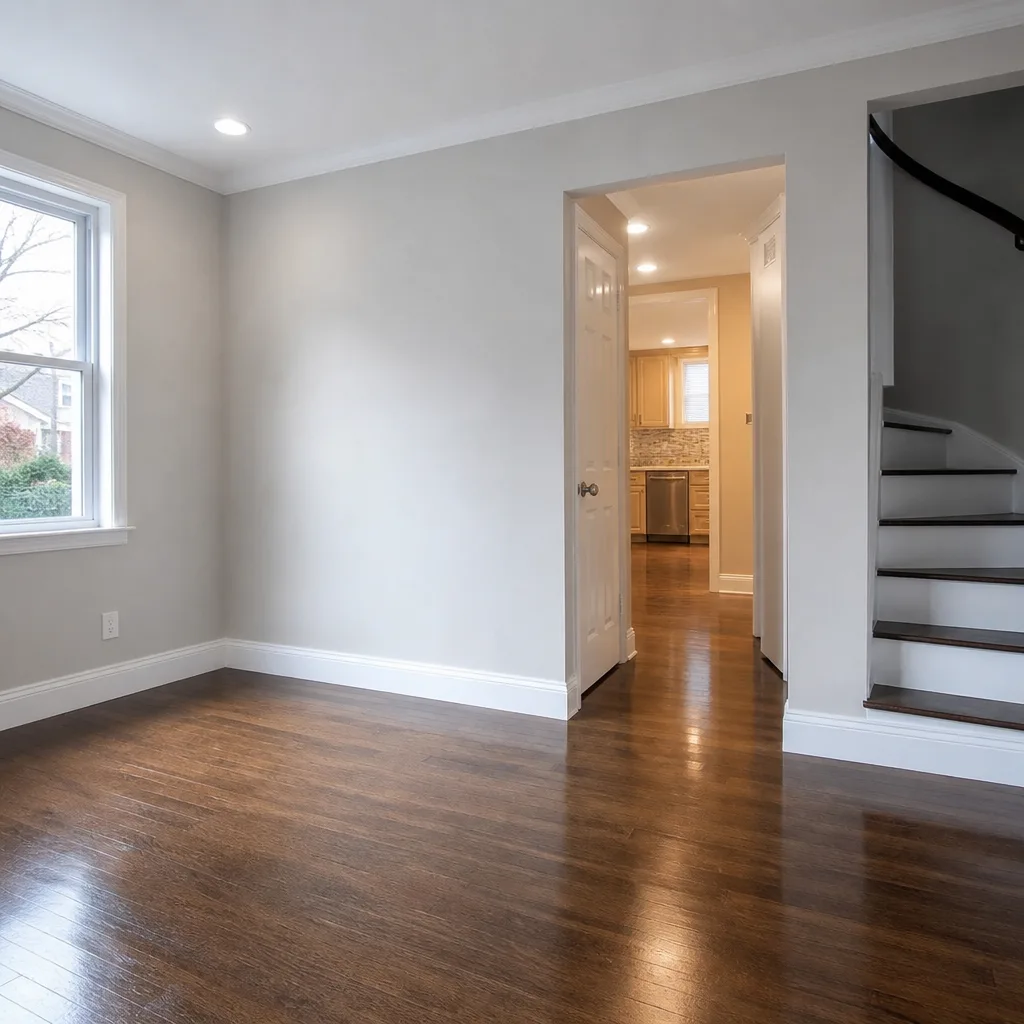 After
After24/7 Emergency Fire & Smoke Damage Restoration in Throggs Neck
Fire and smoke damage in Throggs Neck moves fast, and so do we. Our crews are dispatched from the Bronx and reach most Throggs Neck blocks within 45 minutes, ready to board up, extract suppression water, and start pulling smoke out of the air the same visit. Call (518) 872-6111 any hour, any day. A live dispatcher answers, not a recording. The first hour after a fire determines how much of your home can be saved, because soot turns acidic as it sits and smoke odor sinks deeper into drywall, insulation, and framing with every hour it goes untreated.
Here’s what most homeowners in the 10465 ZIP code don’t realize until it’s too late: fire suppression water in a Throggs Neck basement doesn’t behave like water anywhere else. The peninsula’s high water table, salt-laden air, and older housing stock mean standing water from a fire hose finds cavities already compromised by decades of coastal exposure. We start every fire job here with a full moisture map and a salt assessment, not just a soot sponge and an air freshener.
Understanding Fire & Smoke Damage Restoration Severity in Throggs Neck Properties
Fire damage is never just what you can see. Soot residue falls into three categories, and each requires a different removal method. Light surface soot from a dry, fast-burning fire can often be dry-sponged and HEPA-vacuumed. Oily soot from a kitchen grease fire needs aggressive degreasing and alkaline treatments. Protein soot from an electrical fire or burned food is nearly invisible, but it leaves a varnish-like film that traps odor and corrodes metal within days. In Throggs Neck’s 1940s to 1960s Cape Cods and brick colonials, protein soot is especially dangerous because it bonds with salt residue already present in wall cavities and on structural steel.
Smoke migration follows the same paths as nor’easter air: up through balloon-framed walls, across shared attic spaces in semi-detached homes, and into every crack around original cast-iron plumbing penetrations. We’ve opened walls after small kitchen fires on Pennyfield Avenue and Locust Point and found smoke residue packed behind brick veneer that hadn’t seen daylight since the house was built. The point: in Throggs Neck, a “minor” fire is rarely minor once you open the wall. That’s why we scope with thermal imaging and moisture meters from the first walkthrough, not just a visual once-over.
Why Throggs Neck Property Owners Choose Floodline Restoration Co.
- 45-minute response commitment. We dispatch crews from the Bronx and reach Throggs Neck quickly, because every hour of soot exposure costs you more in restoration. Board-up and tarping start the same visit.
- 24/7 live answer, not a phone tree. A real person picks up at 2 a.m., every time. You’ll never press 1 for anything. Curt Bowman built this company around a dispatch board, not a sales desk.
- IICRC-certified crews on every job. Our fire and smoke technicians hold IICRC FSRT (Fire and Smoke Restoration Technician) and WRT (Water Damage Restoration Technician) certifications, with RIA and IFA training layered on. They’re background-checked and uniformed.
- Free visual inspection and written scope. Before any work starts, you’ll see the full printout: what we found, what it costs, what insurance will likely cover. No surprises, no pressure.
- Direct insurance billing. We bill your carrier directly and talk to your adjuster ourselves. You don’t play messenger between us and the insurance company.
- One team from extraction to reconstruction. The same crew that seals the roof now rebuilds the kitchen later. No mid-job handoff to a subcontractor you’ve never met.
Our Fire & Smoke Damage Restoration Process
Inspection & Assessment
We walk every room with a thermal camera and moisture meter, then produce a line-item scope. In Throggs Neck, this includes checking for pre-existing salt damage behind walls, because it changes what needs to come out.
Extraction & Stabilization
Suppression water gets extracted with truck-mounted and portable extractors. We board up broken windows, tarp roof penetrations, and seal the structure so weather and vandals can’t add to the loss.
Drying & Dehumidification
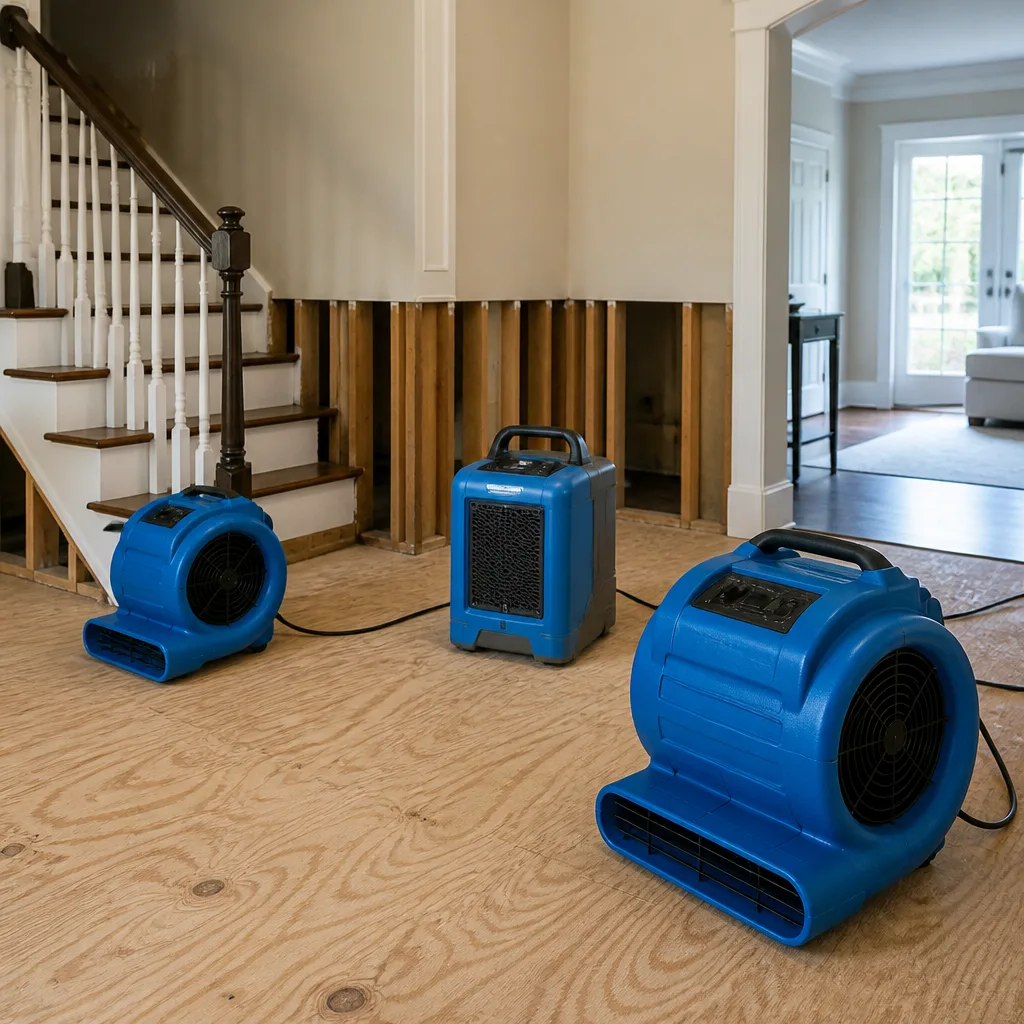
We set Dri-Eaz and Phoenix air movers with dehumidifiers and log readings daily until the dry standard is met. In a peninsula home, that often means opening wall cavities that look dry but aren’t, because salt holds moisture.
Cleaning & Sanitization
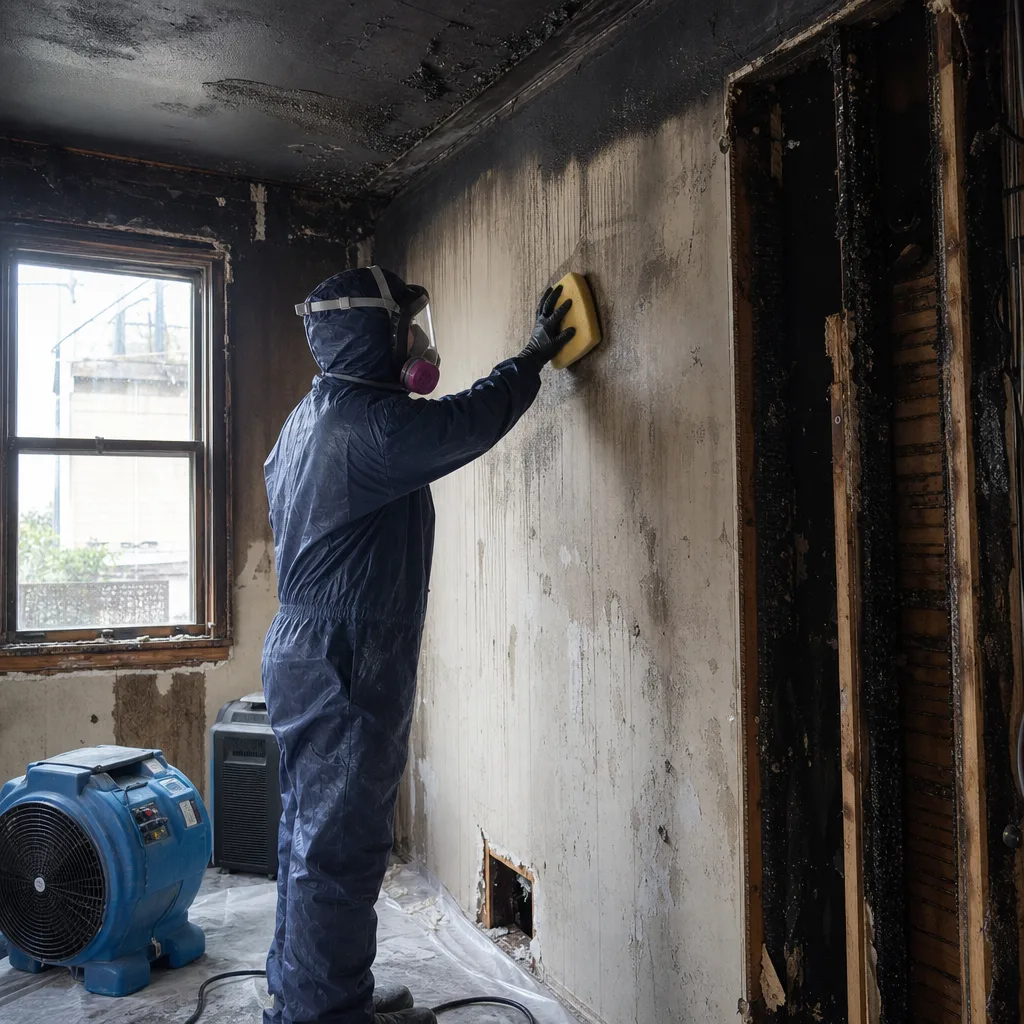
Soot gets removed with HEPA vacuums, dry sponges, and alkaline degreasers appropriate to the residue type. We run HEPA air scrubbers and negative air pressure to keep soot from migrating to clean rooms.
Odor Removal & Deodorization
Smoke odor gets treated at the source with hydroxyl generators, ozone treatments, and thermal fogging. In salt-exposed homes, we also seal wall cavities with odor-blocking primers before rebuild.
Repairs & Restoration
The same crew that pulled the wet drywall reinstalls it, paints, and rebuilds. From charred stud to finished trim, one team stands behind the whole job. That’s the 90-Day Done Right Promise.
Need Emergency Fire & Smoke Damage Restoration in Throggs Neck Now?
Crews minutes away, answering live 24 hours a day. The sooner we start, the less it costs.
Working With Your Insurance Company
Insurance claims after a Throggs Neck fire get complicated quickly, especially when the carrier sends an adjuster who doesn’t know the local housing stock. We handle that for you. From the first hour, we document everything: room-by-room photos, moisture logs, thermal imaging reads, and a detailed scope written to industry standards your adjuster recognizes. We talk to the carrier directly, send the documentation, and follow up until the claim moves. You won’t be copying us on emails or relaying “the adjuster said this.” We bill the carrier directly for covered work, and you’ll know exactly what your out-of-pocket share is before anything starts.
What We Provide Your Insurer
- Thorough documentation of the loss
- Photos of all damage, room by room
- Moisture readings and drying logs
- A detailed, line-item scope of work
- Direct coordination with your carrier
Built for Throggs Neck’s Loss Calendar
Fire losses on a peninsula don’t happen on a tidy calendar, but there are patterns. Winter brings space-heater and electrical fires in older Cape Cods, especially when salt-corroded original panels get pushed by holiday load. Spring and fall are the nor’easter months, when coastal wind-driven rain finds its way into wiring and junction boxes that salt air has been quietly eating for years. Summer thunderstorms flash through with electrical strikes and lightning-related fires. Every season here carries a fire risk, and suppression water always lands in a structure already breathing salt. That’s why our response doesn’t change with the month: same crew, same equipment, same 90-Day Done Right Promise. The line the fire left is where we start, and we don’t stop until the rebuild is finished and the moisture log is in your hand.
Fire & Smoke Damage Restoration Across Throggs Neck’s Neighborhoods
Throggs Neck isn’t one flat grid. It’s a collection of distinct pockets, and each one changes how we work. Along East Tremont Avenue and the commercial stretch near the Throggs Neck Shopping Center, we respond to more kitchen fires in two-family homes and apartment conversions. In Locust Point, where streets like Pennyfield Avenue and Lawton Avenue run close to the water, we see older single-family colonials where smoke travels through balloon-framed walls and settles in attics that rarely get opened. Silver Beach and Edgewater Park, with their tightly packed homes near the Long Island Sound shoreline, pose tight-access board-up jobs; we carry smaller equipment that fits down narrow side yards. Further inland around the Bicentennial Veterans Memorial Park area, we see more brick colonials where smoke collects behind veneer and needs cavity sealing before odor treatment. Each block gets the same IICRC-certified crew, but the approach changes based on building age, wall construction, and how close the salt air really is.
Specialized Fire & Smoke Damage Restoration Services We Offer in Throggs Neck
Fire Damage Cleanup
We remove charred materials, haul debris, and clean every surface the fire touched. In Throggs Neck’s 1940s-1960s homes, that means checking for hidden fire spread inside original balloon-framed walls and behind brick veneer where old mortar has opened gaps.
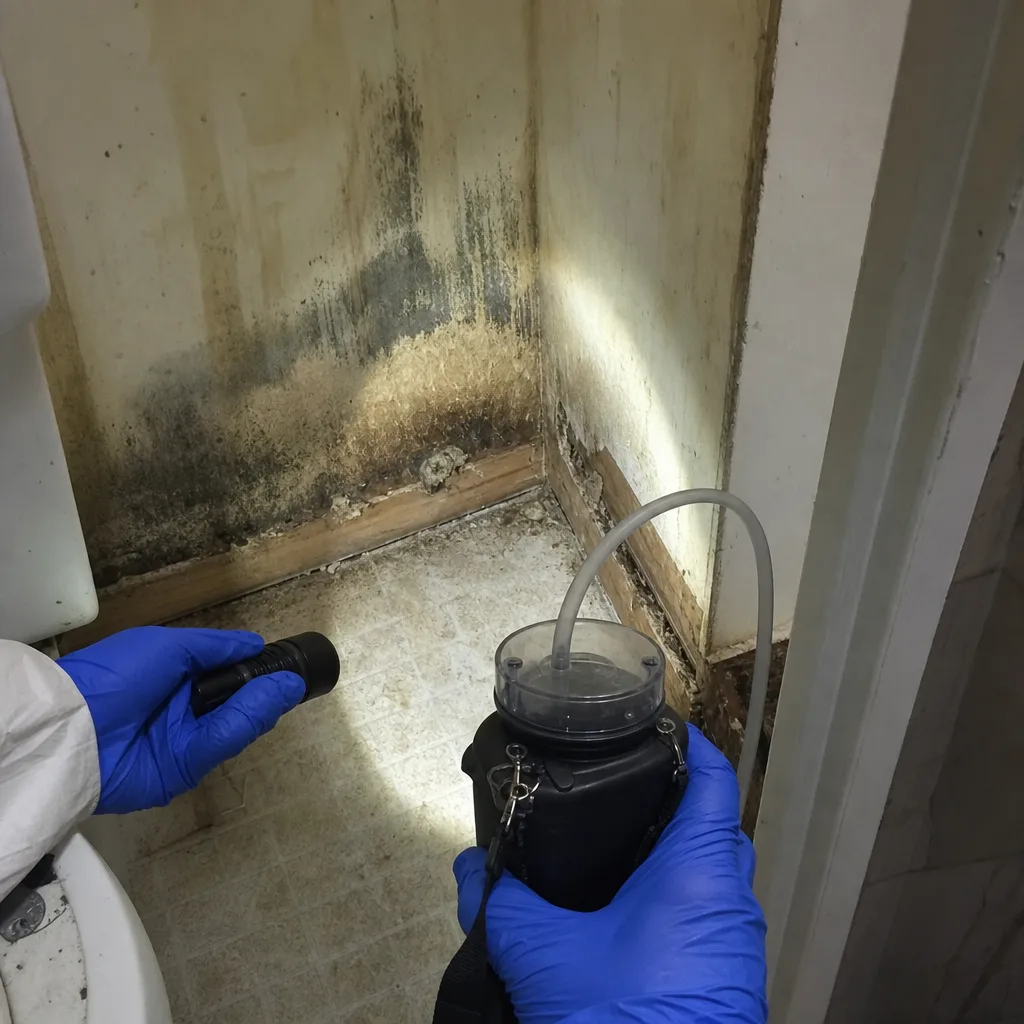
Smoke & Soot Removal
Soot is acidic, and in salt-air homes it bonds with existing corrosion on metal surfaces. We match removal methods to the soot type: dry sponge and HEPA vacuum for dry soot, alkaline degreasing for oily soot, and specialized solvents for protein soot before it etches glass and metal permanently.
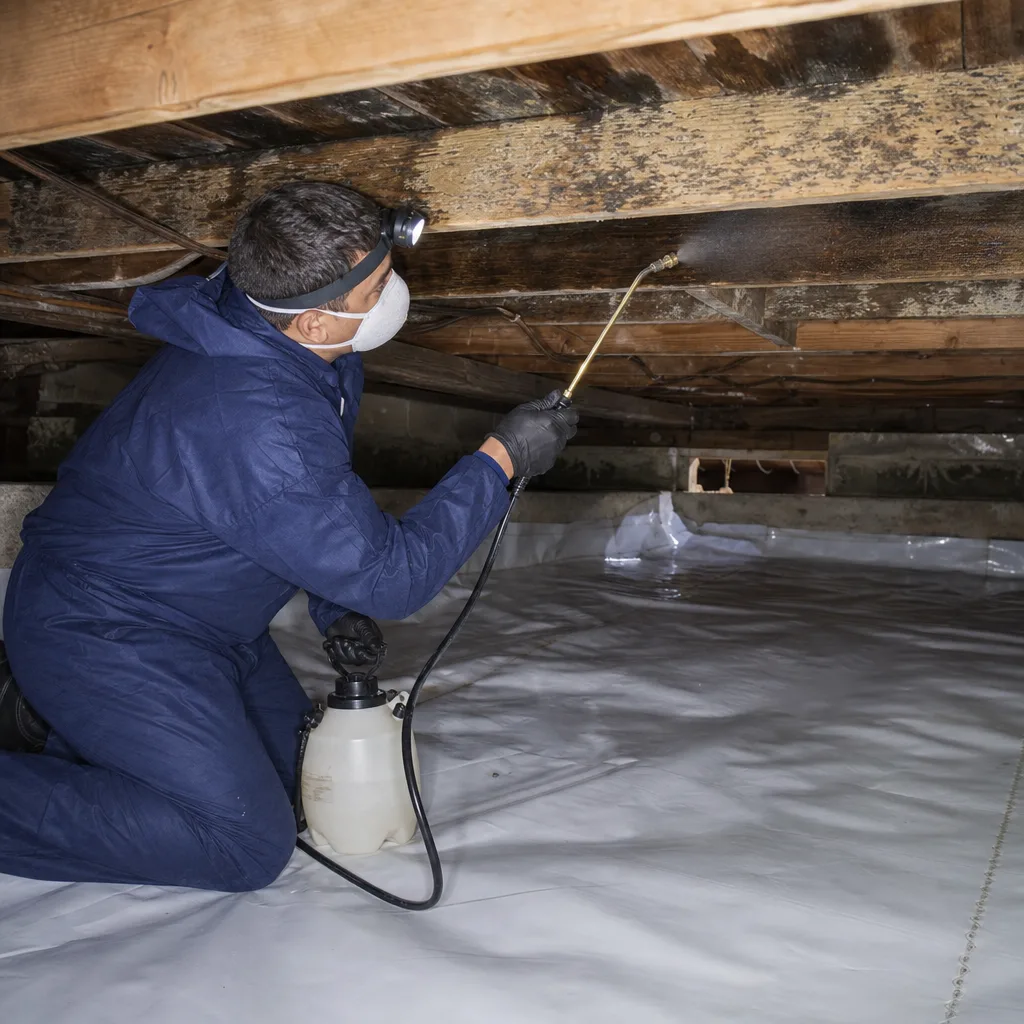
Odor Removal & Deodorization
Smoke odor in a Throggs Neck home hides where salt has already been at work: inside wall cavities, behind brick veneer, in original plaster. We treat the source with hydroxyl and ozone, then seal cavities and structural surfaces before rebuild. Masking it with air freshener is what a repaint-and-flip contractor does. We remove it.
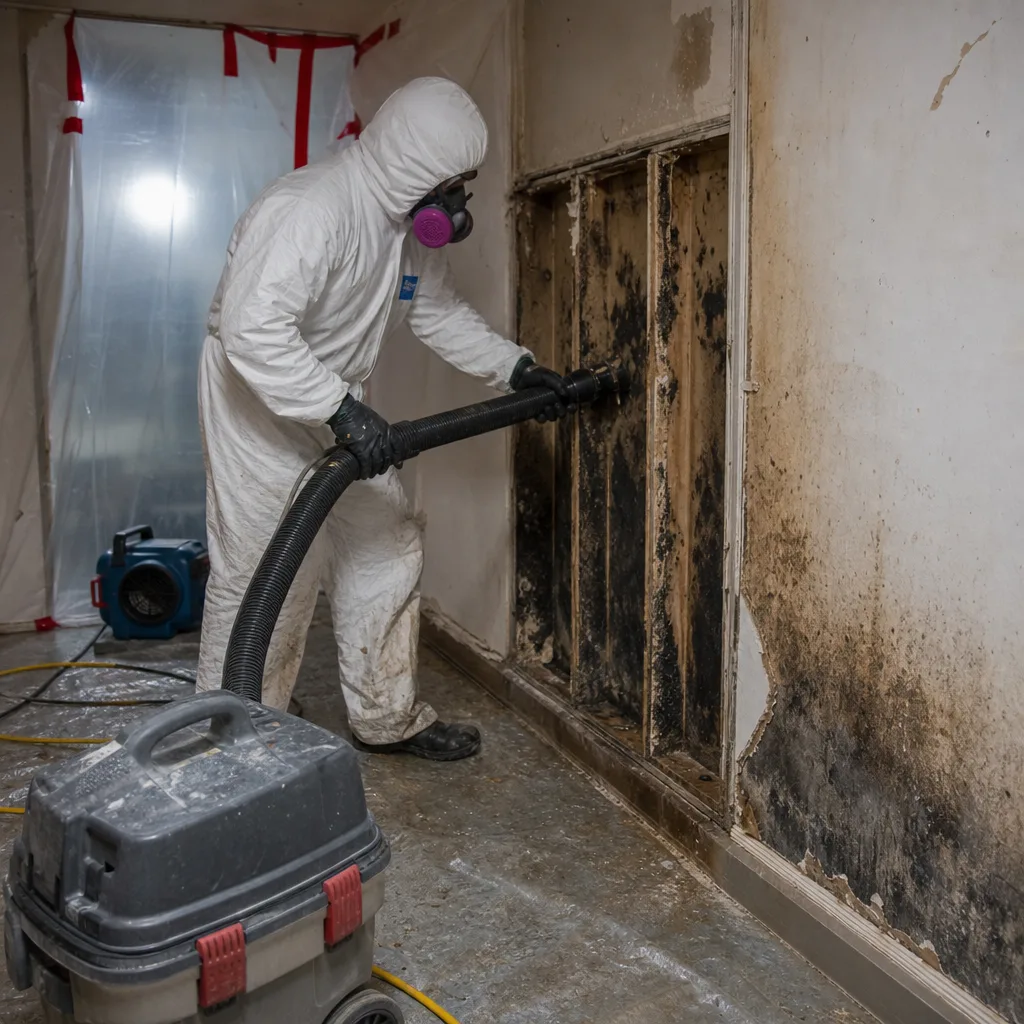
Contents Cleaning & Pack-Out
Heavy smoke damage means contents need to come out. We pack, inventory, and transport your belongings to a secure off-site facility where they’re cleaned, deodorized, and stored until restoration is done. We document everything for your insurer, so nothing gets lost in the claim.
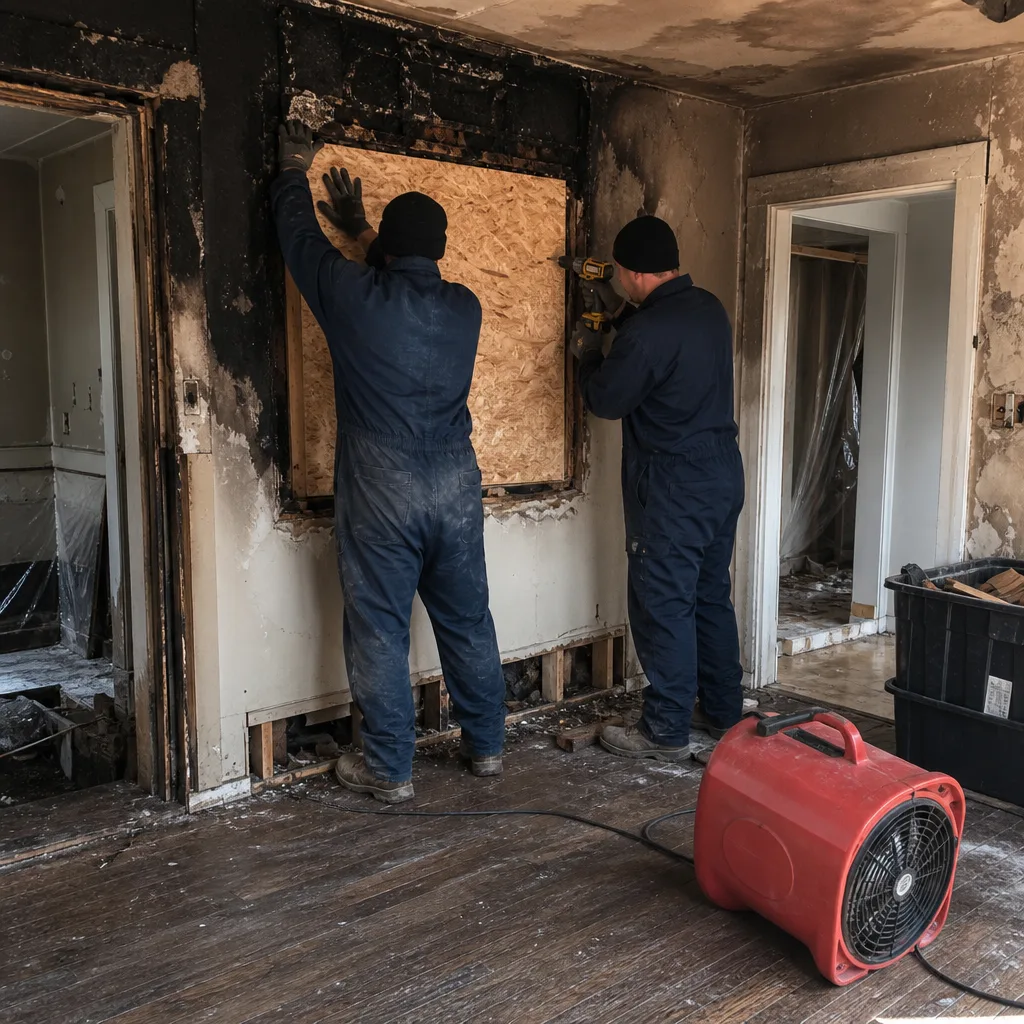
Emergency Board-Up & Tarping
On a peninsula, an open window or missing roof section invites salt wind, rain, and everything the East River air carries. We board up and tarp the same visit, with crews carrying materials sized for Throggs Neck’s narrow side yards and tight drives.
What happens when you call
- 1
A real person answersNo phone trees - you reach a local pro.
- 2
You get an upfront price rangeHonest numbers before anyone is dispatched.
- 3
A background-checked tech heads outLicensed & insured, dispatched right away.
- 4
You approve before work beginsNothing starts until you say go.
Fire & Smoke Damage Restoration Costs in Throggs Neck, NY
In this neighborhood, a small contained kitchen fire with light smoke damage typically runs $2,800 to $5,500 for cleanup, odor treatment, and refinishing. A moderate fire with suppression water in a finished basement on streets like Pennyfield Avenue or Lawton Avenue often lands between $8,000 and $18,000, because the water extraction, drying, and mold prevention get layered onto the fire scope. A major structural fire that requires board-up, full contents pack-out, and reconstruction of a room or two regularly reaches $35,000 to $80,000 before insurance endorsement. What moves the price: how far smoke traveled through balloon framing, whether salt damage means additional wall cavity work, and how much original cast-iron drain or electrical panel work needs addressing. Your estimate is free, and we walk you through what insurance covers before you sign anything.
We Also Serve Cities Near Throggs Neck
Our crews reach Flushing, Bayside, College Point, and East Elmhurst with the same 45-minute response commitment and 24/7 live dispatch. If you’re just over the bridge and need fire and smoke restoration, call the same number: (518) 872-6111.
Serving Throggs Neck, NY - Our Local Coverage Area
We’re based in the Throggs Neck area and know this community well. Use the map below to see our service coverage - if you’re nearby, we can almost certainly help.
Throggs Neck Fire & Smoke Damage Restoration Questions, Answered
Why does Throggs Neck require a Sandy legacy audit before fire and smoke restoration?
Because virtually every block in Throggs Neck sits in a FEMA-designated flood zone, and many homes were “fixed” after Hurricane Sandy with cosmetic drywall patches that never addressed what the salt water left behind. That hidden salt wicks smoke odor into fresh paint and corrodes steel lintels and electrical components from the inside. We open walls, check for salt efflorescence and trapped moisture, and document what we find before any restoration begins. Skipping this step means paying twice: once for the fire cleanup, and again when the hidden damage surfaces months later. Call (518) 872-6111 for a free inspection that includes this audit.
How does coastal salt air affect smoke odor removal in Throggs Neck?
Salt in the air and in wall cavities gives smoke particles something to bond to, which makes odor removal harder than inland. Surface cleaning alone won’t cut it. We treat wall cavities, seal structural surfaces with odor-blocking primers, and use hydroxyl and ozone generators rather than just masking agents. The salt also means we run longer drying times after suppression water, because salt holds moisture longer than gypsum alone. The free estimate includes a full scope so you see the plan before work starts.
What’s different about board-up and tarping on a Throggs Neck peninsula home?
The wind. Nor’easter gusts off Long Island Sound rip through loose tarps and push rain sideways into any gap. We use heavier-gauge sheeting, mechanical fastening, and additional anchors on homes along the water side, especially in Locust Point and Silver Beach. Board-up frames get reinforced because salt air has often weakened the original window frames. We don’t do a one-size-fits-all board-up. Call (518) 872-6111 and we’ll have a crew out the same visit.
Do Cape Cods and brick colonials in Throggs Neck need different fire damage cleanup?
Yes. Cape Cods and brick colonials built between the 1940s and 1960s have balloon-framed walls that act like chimneys; smoke travels through wall cavities and collects in the attic long after the fire is out. Brick colonials add another layer, because smoke gets trapped between the brick veneer and the interior framing, where it saturates the cavity and needs sealing before any paint goes back on. The cleanup approach changes based on wall construction, and our IICRC-certified technicians scope accordingly.
What category of water does fire suppression usually leave behind in Throggs Neck?
Fire suppression water is typically Category 2, sometimes Category 3 in older basements with original cast-iron drains that back up. In Throggs Neck, that water often lands in a basement already carrying salt residue from past storm surge, which accelerates mold growth within 24 hours. We extract, dry, and treat it the same visit, using moisture mapping to catch what the eye misses. The drying log gets handed to you and your carrier, so there’s a written record. Call (518) 872-6111 to get someone on the way.
How fast can you actually get to a Throggs Neck home?
We commit to 45 minutes from dispatch for Throggs Neck addresses. Crews stage from the Bronx and know the response routes: over the Throggs Neck Bridge, up East Tremont Avenue, down Pennyfield Avenue toward Locust Point. A live dispatcher confirms the address, and the crew calls when they’re rolling. You’re never waiting on a recording.
Does homeowner’s insurance cover fire and smoke restoration in Throggs Neck?
Most standard homeowner’s policies cover fire and smoke damage, including board-up, smoke removal, contents cleaning, and reconstruction, minus your deductible. The nuance in Throggs Neck is when salt damage from pre-existing storm surge complicates the scope. Your carrier may dispute that portion. We document the pre-loss condition with photos and thermal imaging, then coordinate directly with your adjuster so the covered work moves forward. You won’t be the one arguing.
What should I do in the first 30 minutes after a fire in Throggs Neck?
Call (518) 872-6111. Then, if it’s safe, open windows to ventilate but don’t touch anything else. Don’t wipe soot off walls, don’t run the HVAC, don’t plug anything in. Soot is acidic, and wiping it spreads the damage. On a peninsula home, the salt air is already working against you. The sooner we arrive, run a salt audit, and start extraction and air scrubbing, the less gets replaced. Estimates are free, and you’ll get a written scope before any work begins.
Written by Curt Bowman, Owner at Floodline Restoration Co., serving Throggs Neck and the surrounding Bronx and Queens communities. Curt founded Floodline in 2010 around a dispatch board, not a sales desk, and has built the company on the 90-Day Done Right Promise: if it’s not done right, we make it right, in writing.