

Free visual inspection and a written scope of work before any mitigation begins - photos, moisture readings, and drying logs go in your claim file
The scope we write is the scope we bill. Anything new gets shown to you, in writing, before we touch it.
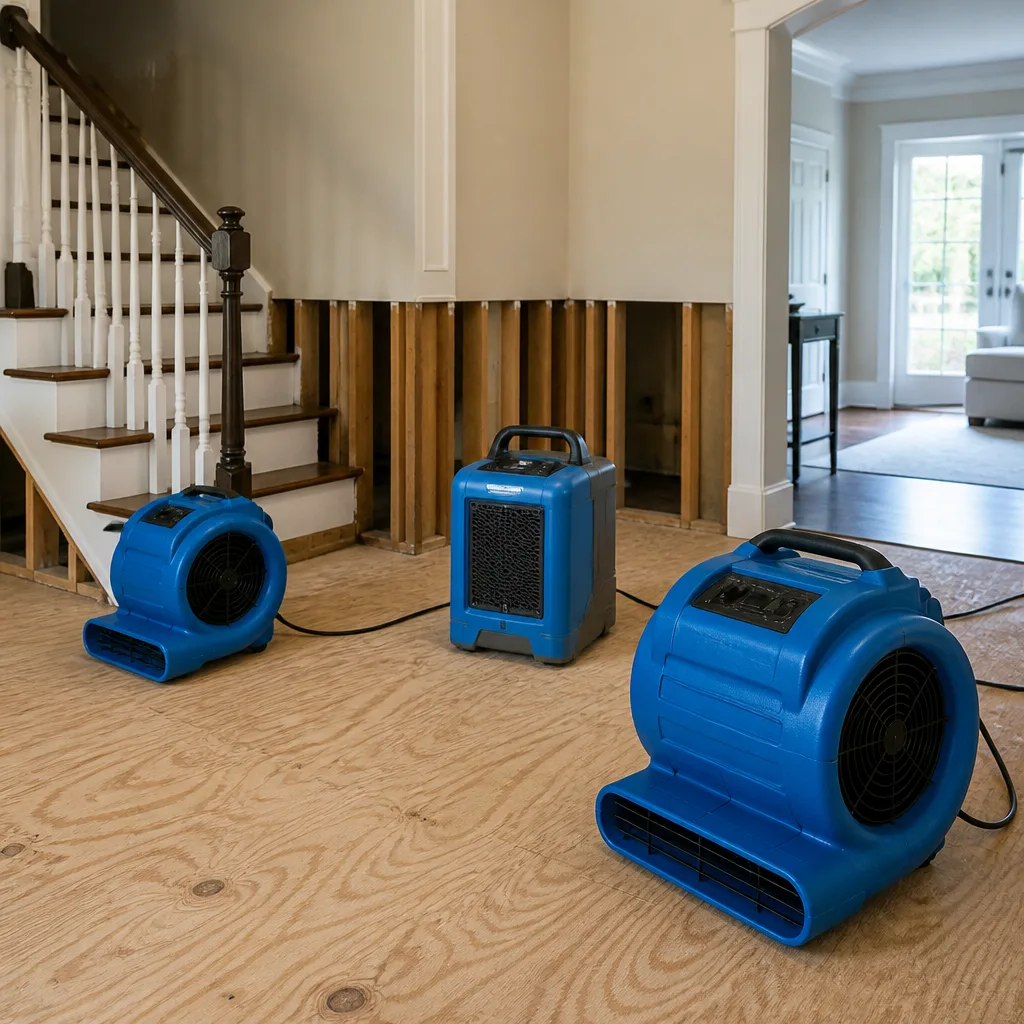
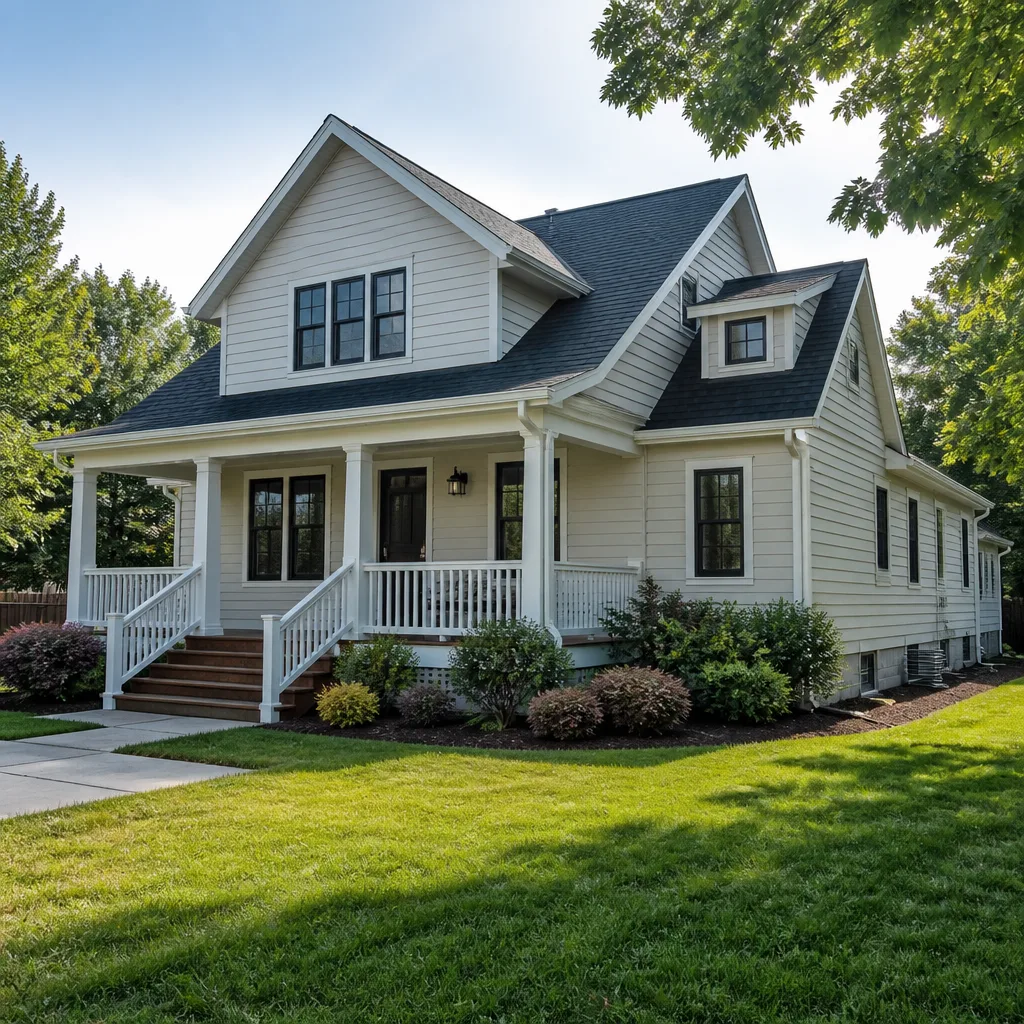
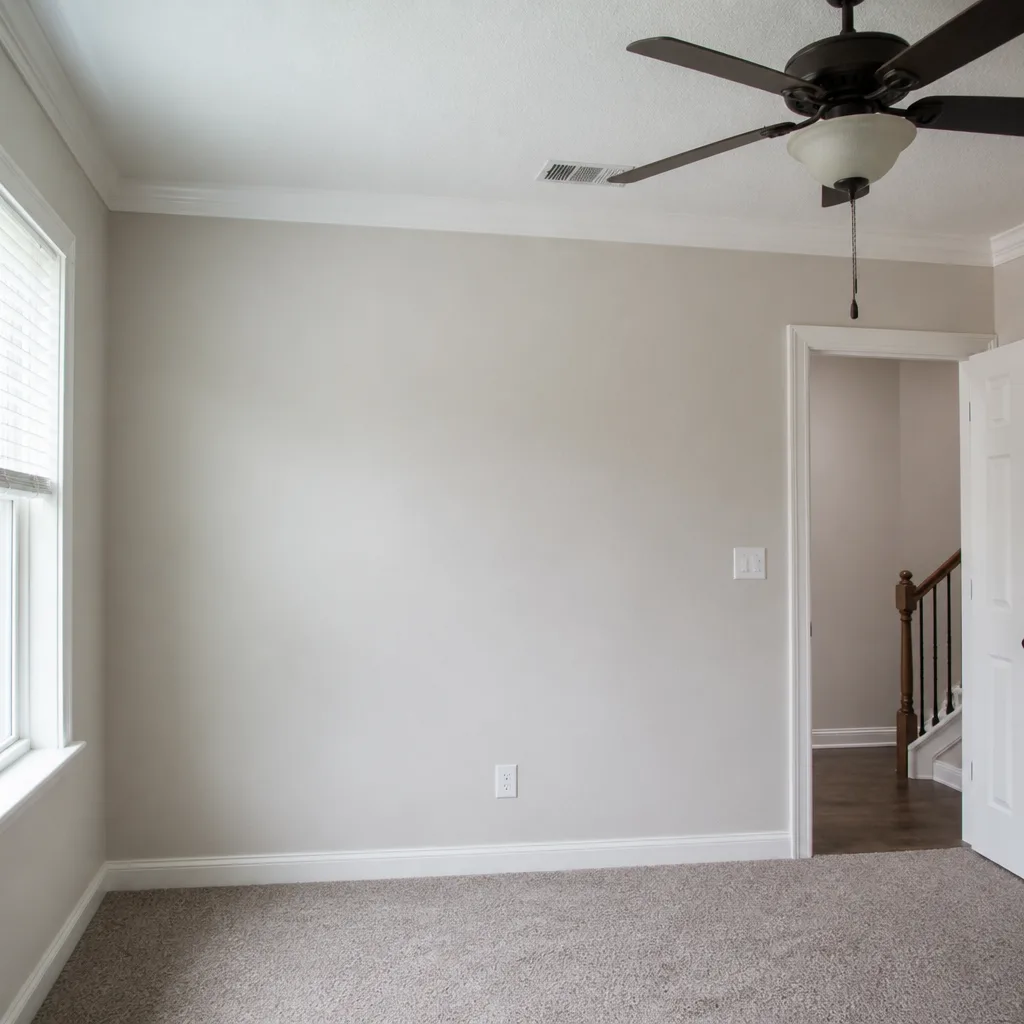
Storm responseSewage cleanup
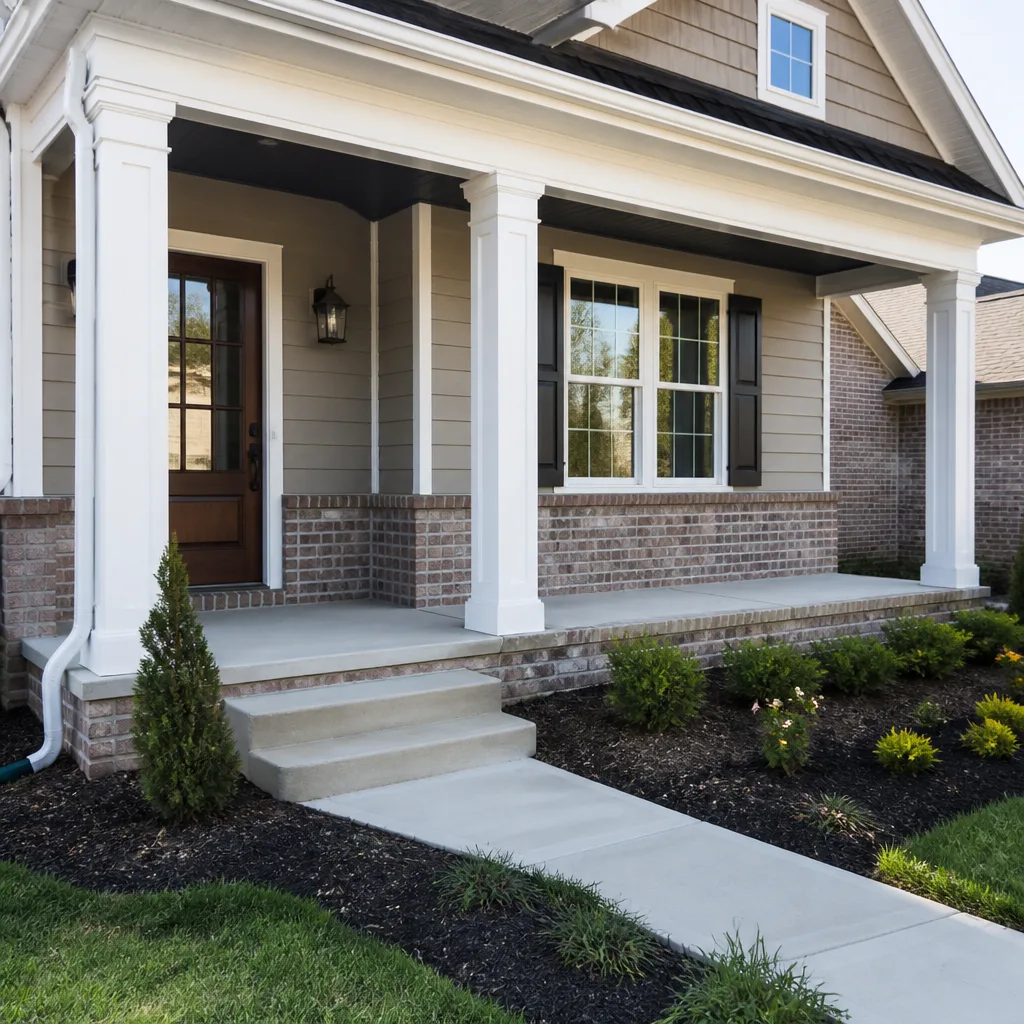
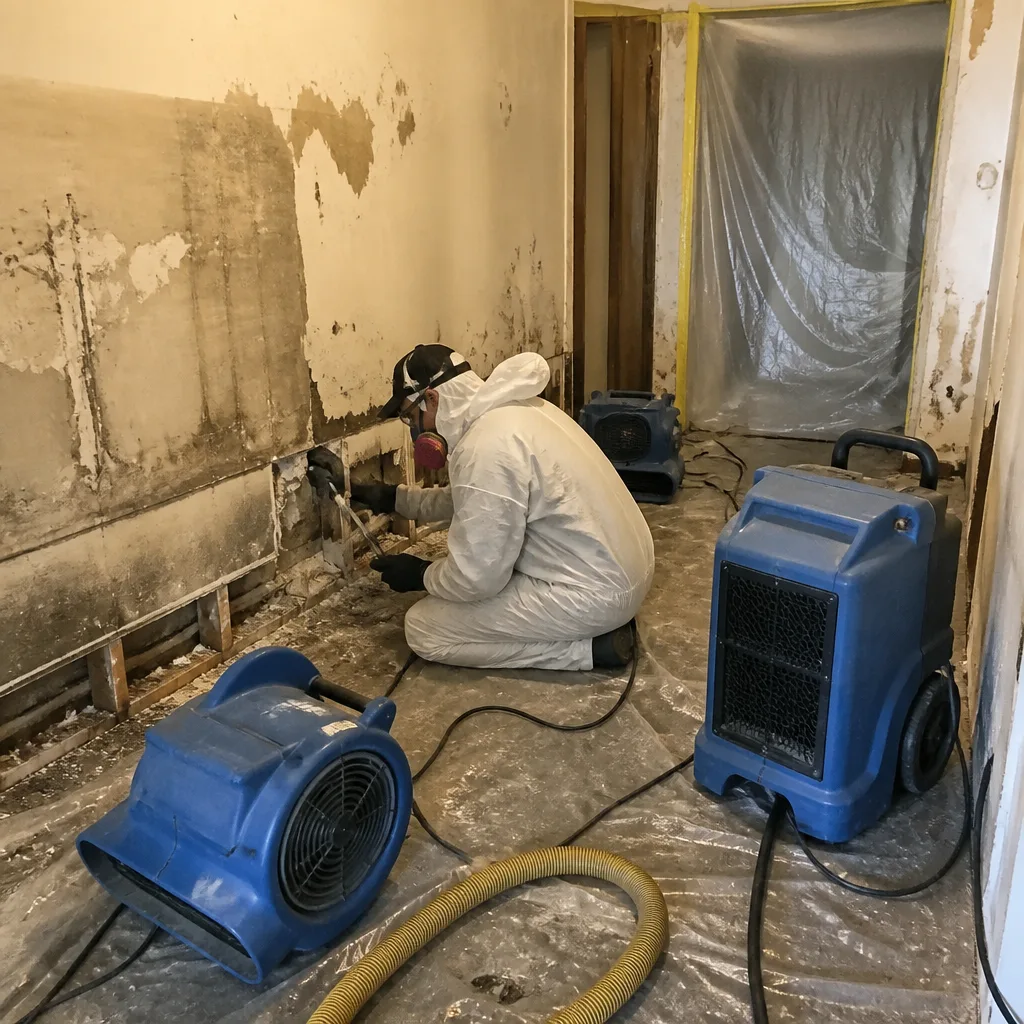 Before
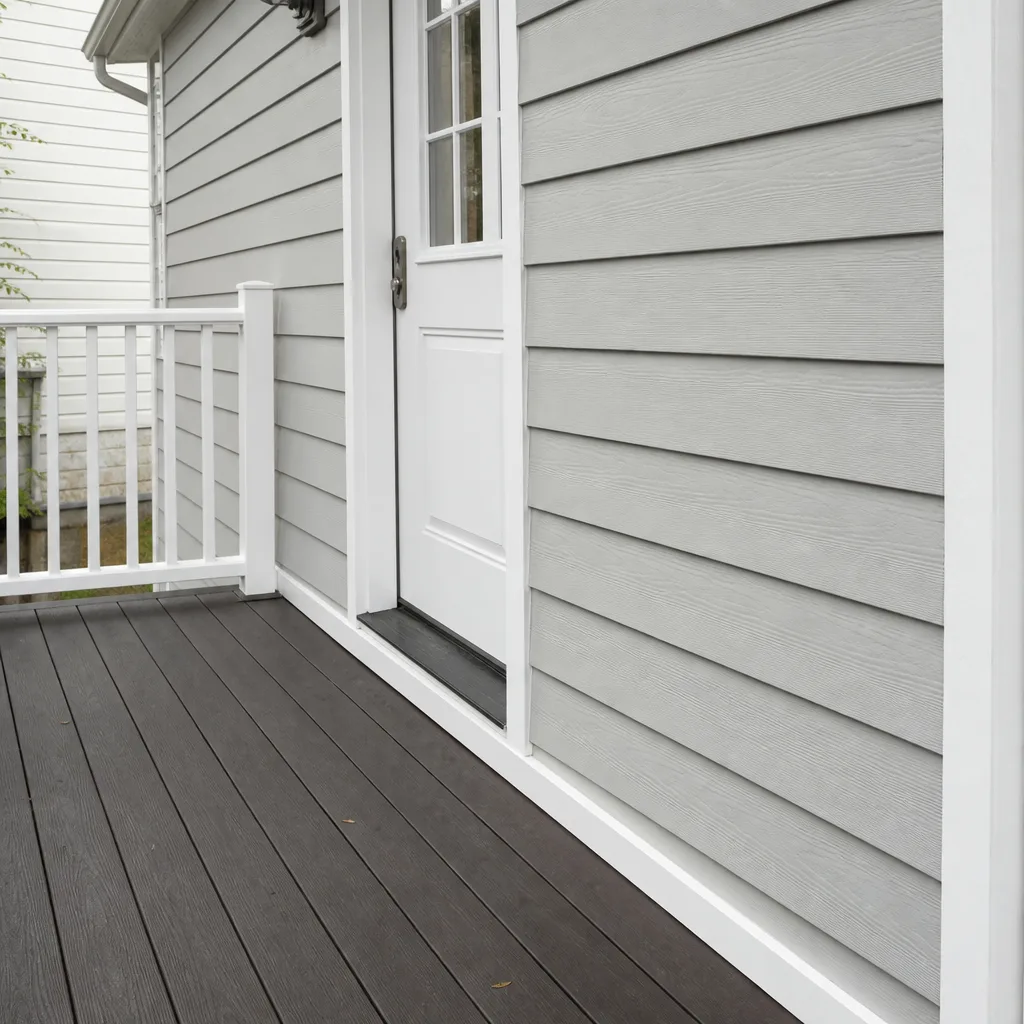 After
After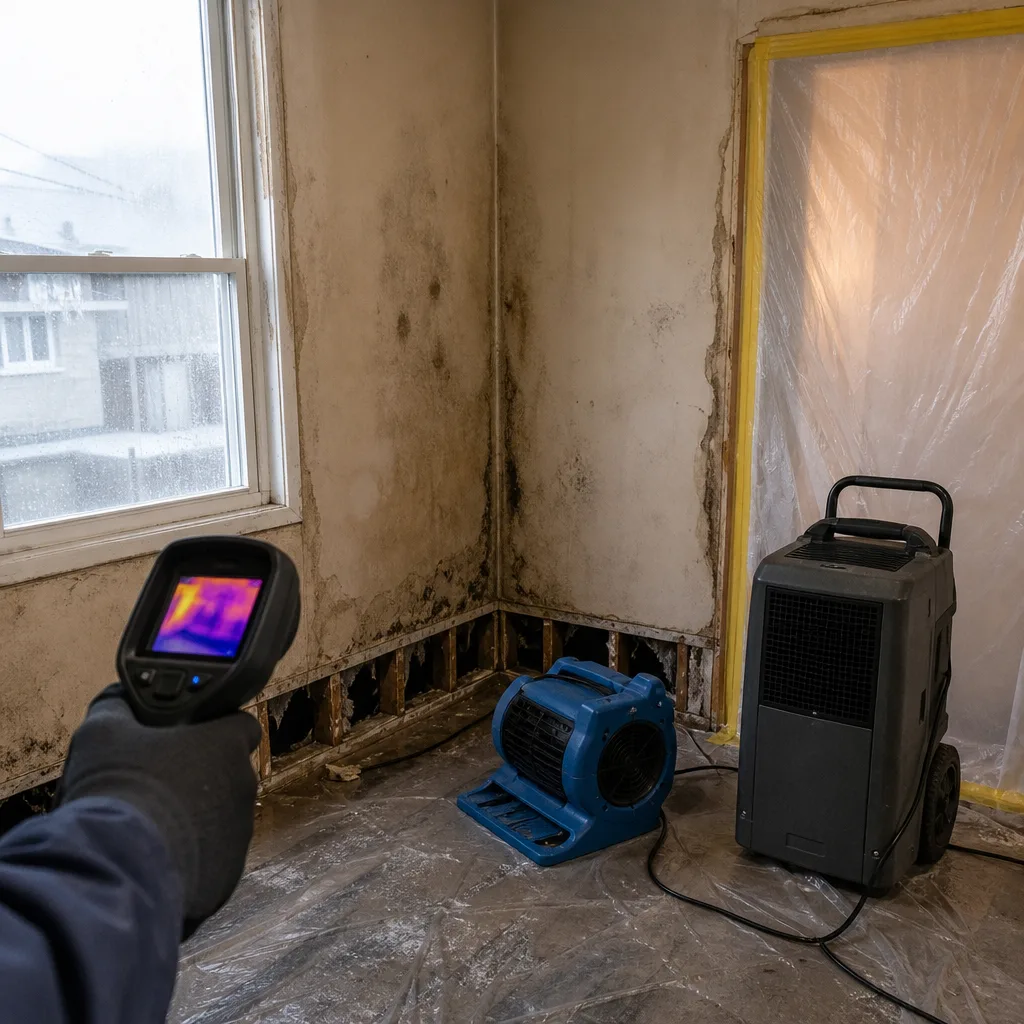 Before
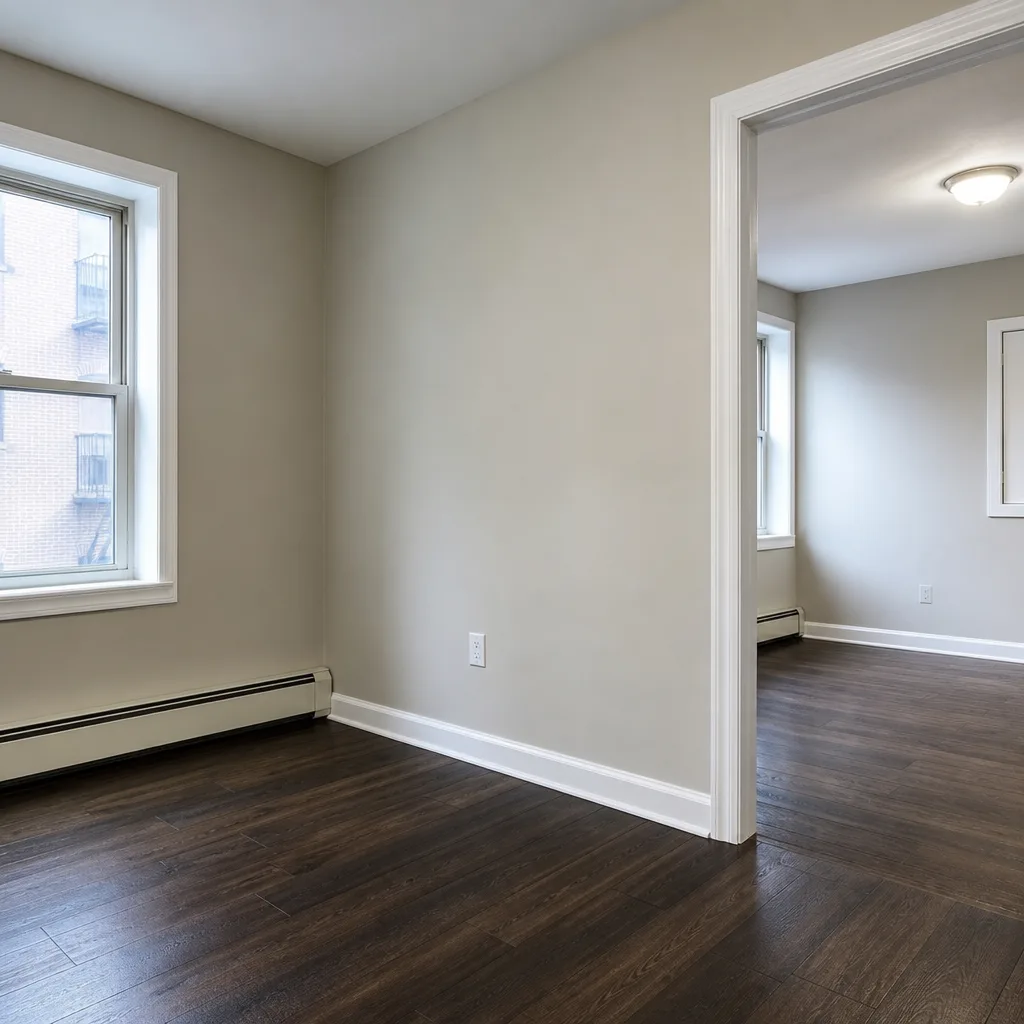 After
After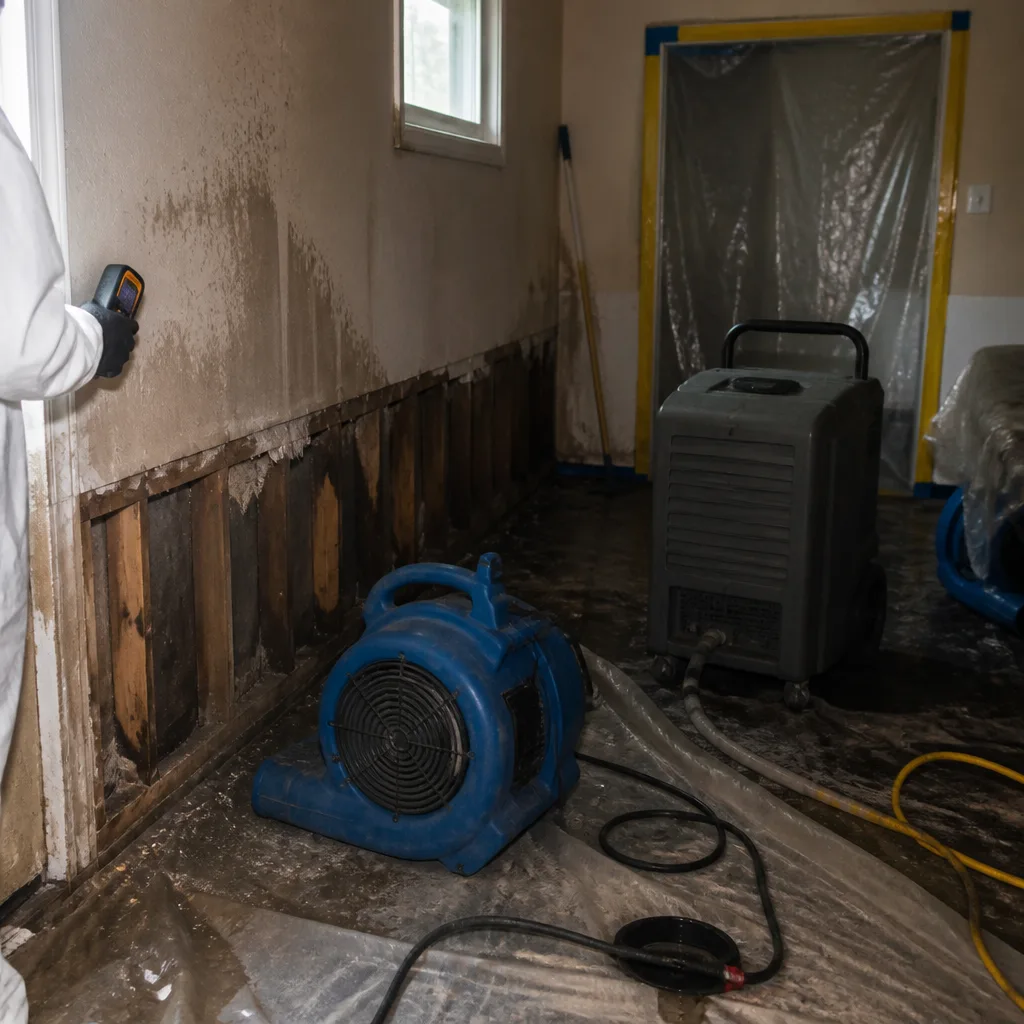 Before
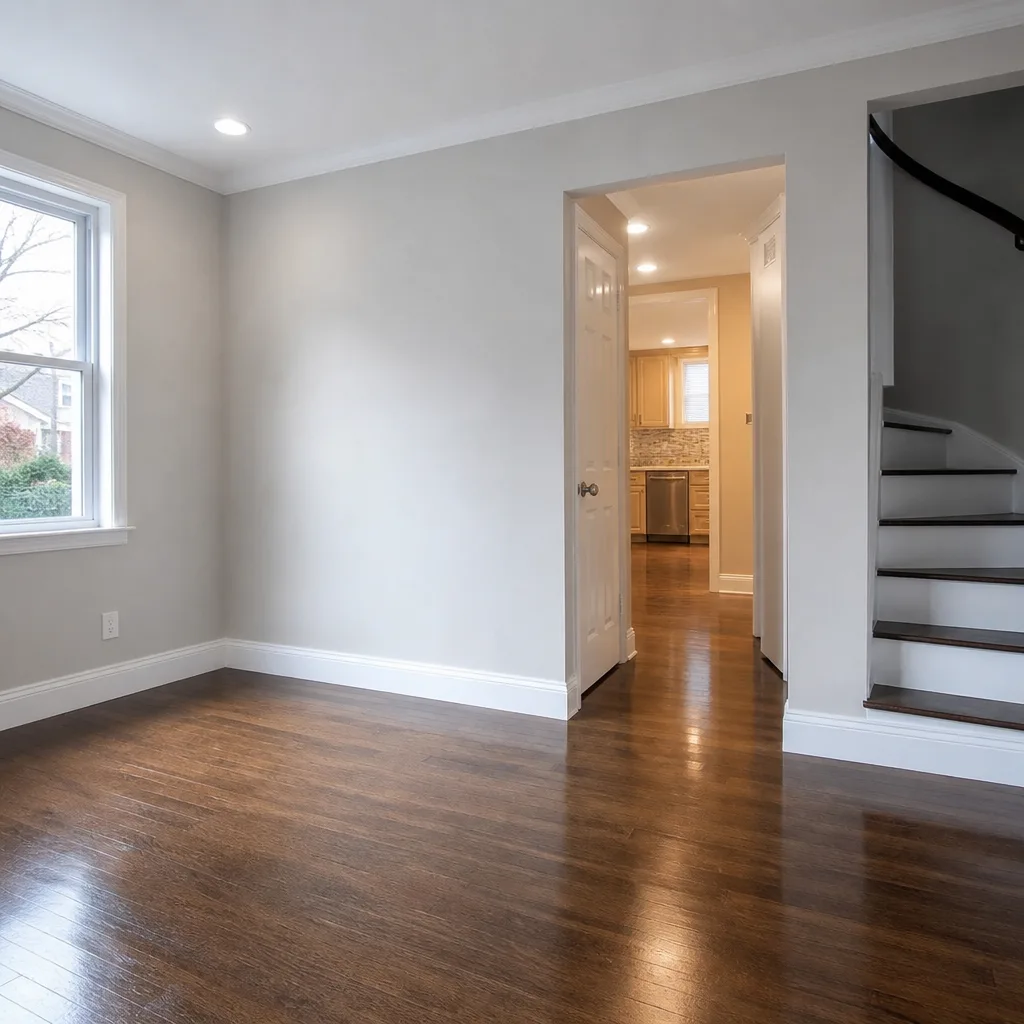 After
After24/7 Emergency Storm & Disaster Restoration in Forest Hills
Storm damage in Forest Hills moves fast. A nor’easter tears off flashing along Queens Boulevard at midnight, a frozen supply line lets go inside a Gardens co-op at 5 a.m., and within hours water is behind original plaster, wicking through horsehair lathe, saturating the neighbor’s ceiling below. We answer the phone with a live person at any hour, seven days a week. When you call (518) 872-6111, a dispatcher picks up and starts routing a crew toward your block, not a recording that promises a callback. The first hour after storm damage determines whether you’re drying one room or rebuilding three. That’s why we get a certified team to Forest Hills properties fast, with extraction running the same visit. The visual inspection is free. The assessment tells you what’s wet, what’s threatened, and what the next 48 hours should look like. No guessing. No waiting on a sales guy. Just crews who know pre-war construction and Garden district rules, already on the way.
Understanding Storm & Disaster Restoration Severity in Forest Hills Properties
Storm restoration in Forest Hills isn’t one problem; it’s usually two or three stacked. Water comes in through a failed parapet cap on a six-story brick co-op, runs down inside the wall cavity for days, and doesn’t show itself until the dining room ceiling sags. The hidden water is category 1 when it enters; by the time it’s visible, it may have picked up decades of dust, rodent debris, and degraded plaster, pushing contamination higher and drying complexity with it. Roof breaches on Tudor stucco homes in the Gardens are a different animal. Original horsehair plaster holds water like a sponge, and stucco facades hide moisture behind a vapor barrier that traps dampness rather than releasing it. Moisture mapping with thermal imaging shows us where the water actually traveled, not just where it pooled. Structural drying then requires calculated air movement and dehumidification, not just equipment running at random. We test and log readings daily until the dry standard is met. That written log is what insurance adjusters accept and what prevents a second claim for mold six months later. In pre-war co-ops on Austin Street, cast iron stacks and shared risers mean a water event in one unit is a water event in every unit below. Severity isn’t measured by how much water you see. It’s measured by how much building material is saturated that you can’t see, and what kind of water it is.
Why Forest Hills Property Owners Choose Floodline Restoration Co.
- 45-minute response commitment. Once you’re on the phone with dispatch, a crew is assigned and moving toward Forest Hills. We treat storm conditions as active events, not tomorrow’s schedule.
- A live person answers, 24 hours a day. Two in the morning, during a nor’easter, on a holiday. A dispatcher picks up. Not a machine, not a message service. A person in New York City who can route a certified team to 11375 immediately.
- IICRC-certified crews. Our technicians carry WRT and ASD certifications, with FSRT on fire-related events. They’re trained, uniformed, and background-checked before they ever touch a Forest Hills doorway.
- Free visual inspection with a written scope. We assess the damage, write what needs to happen, and you approve it before work begins. No surprises on the bill. No mid-job add-ons explained later.
- Direct insurance billing. We coordinate with your carrier, submit the drying logs and photos, and bill directly. You don’t play messenger between us and an adjuster.
- One crew from extraction to reconstruction. The same team that pulls the water and dries the structure is the team that hangs the drywall and repaints. No handoff to an unknown subcontractor. We stand behind it in writing with the 90-Day Done Right Promise.
Our Storm & Disaster Restoration Process
Inspection & Assessment
We arrive, walk the property inside and out, and start documenting. Thermal imaging identifies moisture hidden in walls and ceilings, hygrometers read ambient humidity, and we determine water classification. In Forest Hills Gardens properties, we note anything that will require architectural review before repairs proceed. For co-ops, we identify what needs board authorization and what qualifies as emergency stabilization.
Extraction & Stabilization
Water is extracted immediately using professional-grade truck-mounted and portable extraction systems. We set up containment to isolate affected areas and prevent cross-contamination to unaffected rooms. At this stage, we also secure building openings where storm entry occurred.
Drying & Dehumidification
We map the moisture migration and place XPOWER air movers and Dri-Eaz dehumidifiers according to airflow calculations, not guesswork. In plaster-walled homes, this requires patience: plaster releases moisture slowly, and pushing too hard can crack original finishes. We monitor daily and adjust equipment as drying progresses.
Cleaning & Sanitization
Affected surfaces are cleaned and treated with professional-grade antimicrobials appropriate to the material. Contents are inventoried, sorted for salvage versus full loss, and processed accordingly. This is where we document everything in writing for your claim.
Structural Drying Verification
B-Air air scrubbers run HEPA filtration throughout the process to control airborne contaminants. We don’t declare the drying complete until moisture readings are consistent with the dry standard for every affected material, verified with penetrating and non-penetrating meters. The drying log is yours, and we send it to your insurer.
Repairs & Restoration
This is where a full-cycle company earns its keep. We handle the rebuild ourselves: the plaster repair on that Garden District ceiling, the co-op drywall replacement, the stucco repointing, the fresh paint. One crew, one standard, one written guarantee. Done right, and backed.
Need Emergency Storm & Disaster Restoration in Forest Hills Now?
Crews minutes away, answering live 24 hours a day. The sooner we start, the less it costs.
Working With Your Insurance Company
Storm damage claims in Forest Hills get complicated when documentation is thin. Adjusters want to see the timeline: when the water entered, what classification it was, how you responded. We start building that file from the first hour. Photos of every affected room. Moisture readings from day one. A line-item scope that separates storm-caused damage from pre-existing conditions so your claim moves without getting kicked back. Our team communicates directly with your adjuster, answers their questions, provides the drying records they need. You don’t sit on hold with a carrier while a damp wall keeps drying itself the wrong way. Forest Hills Gardens claims need one more layer: documentation that emergency work was required before architectural review could occur. We’ve managed that process before, and we’ll write the timeline in the language the Garden Corporation and your carrier both accept. The 90-Day Done Right Promise applies to the physical work. The insurance file is part of the job.
What We Provide Your Insurer
- Thorough documentation of the loss
- Photos of all damage, room by room
- Moisture readings and drying logs
- A detailed, line-item scope of work
- Direct coordination with your carrier
Built for Forest Hills’s Loss Calendar
Forest Hills sees its worst storm damage in four distinct waves. January and February bring deep-freeze weeks where the temperature rides below freezing for days, and supply lines in uninsulated exterior walls of pre-war co-ops let go without warning. We’ve watched a burst riser in an eight-story building dump water through five floors in under an hour. March thaws put stress on roof ice dams and old flashings around brick chimneys, and that’s when the Gardens starts calling about water stains spreading across bedroom ceilings. July and August thunderstorms come fast and violent, overwhelming aging gutters on Tudor homes and sending runoff down stucco walls that haven’t been repointed in forty years. September through November is nor’easter season, and that’s the big one: wind-driven rain finding every failed mortar joint, lifting roof flashing, testing every exterior wall in the neighborhood. Each season has a different first-day playbook, and each season we’ve done it before. The goal is always the same: stop the water, dry the structure, and get you back to your routine without a lawsuit from the co-op board or a violation from the Gardens Corporation.
Storm & Disaster Restoration Across Forest Hills’s Neighborhoods
Storm response in Forest Hills looks different depending on which block we’re driving to. A call from a co-op on Queens Boulevard near Austin Street means parking a box truck against a service lane, coordinating with a super, and sometimes getting a freight elevator approved before equipment moves. Those buildings are brick masonry with parapet walls that catch wind, and water intrusion tends to run down shared walls, making containment in one unit only half the job. Over in Forest Hills Gardens, the streets are tight and tree-lined, and the architecture is timber-frame with stucco skin. We respond to those homes with a different protocol: document the damage, stabilize it, and check whether the Gardens Corporation needs to see the scope before we touch anything structural. Ascan Avenue, Greenway Terrace, and the blocks around Station Square all fall under that umbrella. Out toward 11375’s eastern edge by Yellowstone Boulevard, it’s more of a mix: attached brick row homes with flat roofs that pond water, small yards with basement stairwells that flood in a hard rain. We keep response routes to every one of these areas mapped, and the crews know the roads.
Specialized Storm & Disaster Restoration Services We Offer in Forest Hills
Storm Damage Cleanup
After a storm moves through Forest Hills, the damage usually isn’t one thing. Tree limbs down on a Gardens lawn, water in the garage, a bedroom window blown out along a Queens Boulevard co-op. We handle the full cleanup: debris out, water extracted, unsalvageable materials cut out and bagged. You get a clean, documented starting point and a clear list of what must be rebuilt. Curated to follow whatever the co-op or Garden standards require before any permanent repair begins.
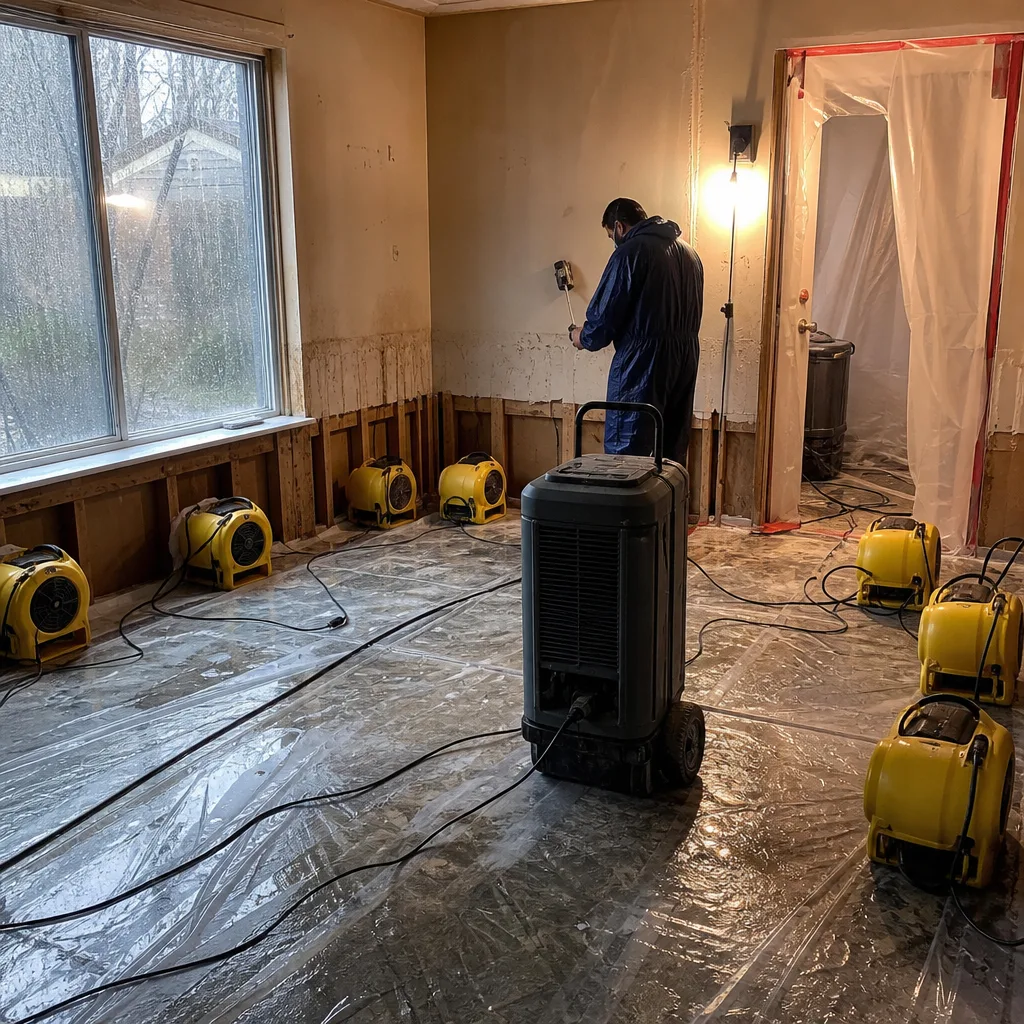
Flood Damage Restoration
Flooding in a Forest Hills pre-war building is almost always pipe-driven rather than groundwater-driven, thanks to the neighborhood’s elevation. When a supply line fails or a storm drain backs up into a lower-level unit, the water is usually category 2 or 3, and the restoration protocol follows accordingly. We extract, contain, treat, and dry. For homes with original plaster, we dry with patience because that material cannot be replaced like drywall and it can’t be rushed without cracking.
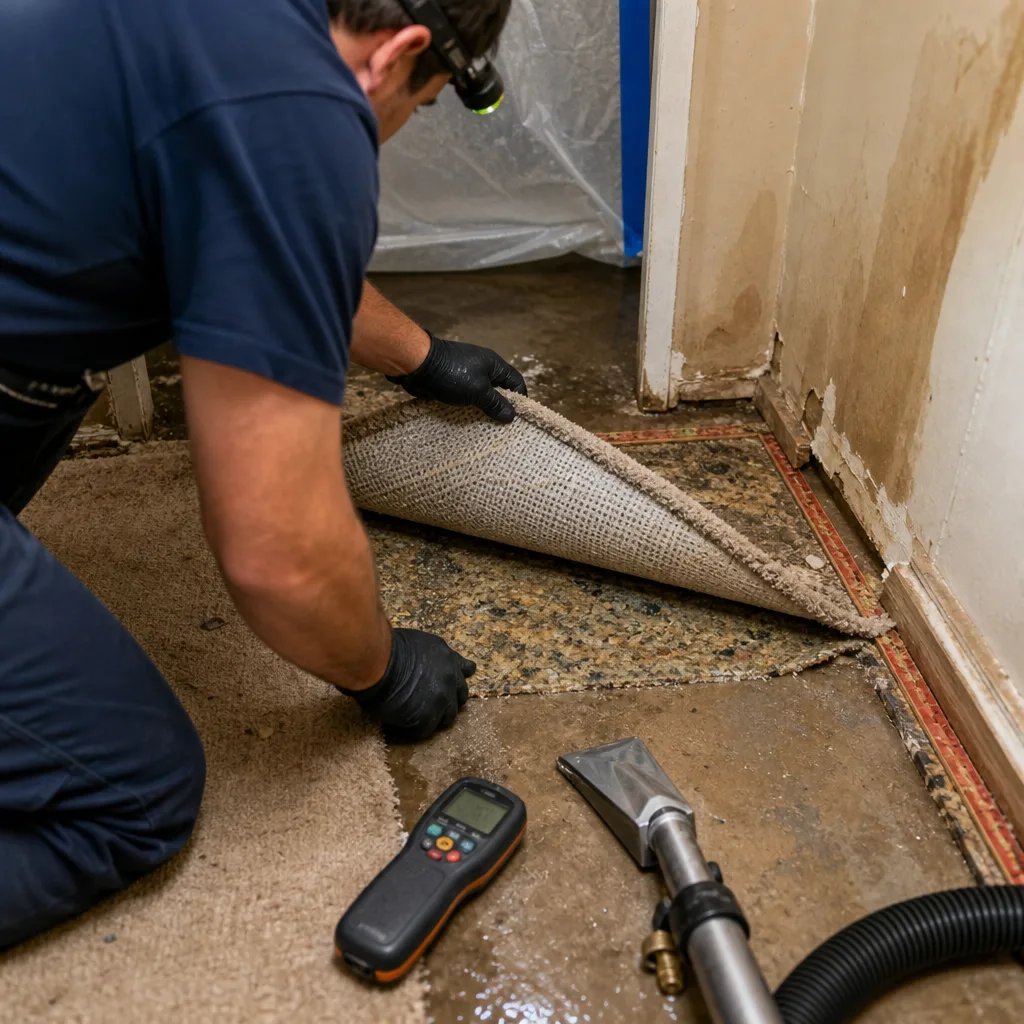
Emergency Board-Up
A shattered window on Austin Street at 2 a.m. needs plywood immediately, not after the board meets. We board up with clean, uniform materials and document the work for your claim. If your co-op requires a particular appearance even for temporary board-up, we’ll meet that standard. We know the difference between emergency stabilization and permanent repair, and we don’t blur the two.
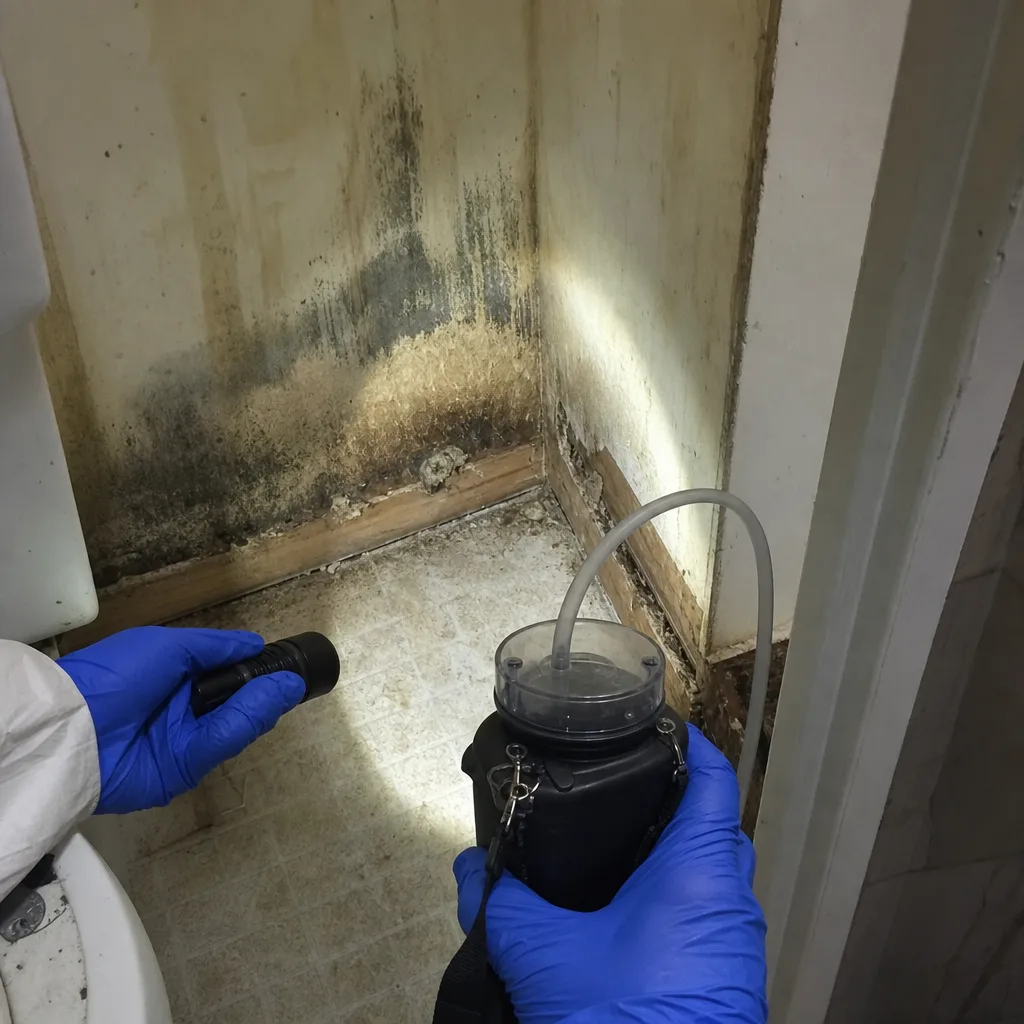
Roof Tarping
When a nor’easter tears shingles or a section of flashing off a Tudor roof in Forest Hills Gardens, tarping is the emergency stopgap. But in this neighborhood, not any blue tarp will do. We’ve seen the violation letters. We tarp with materials that meet the Gardens Corporation’s expectations for temporary protection, and we document the installation so there’s no question about whether emergency work was justified before review. This is a Forest Hills-specific step that a generic restoration outfit will miss.
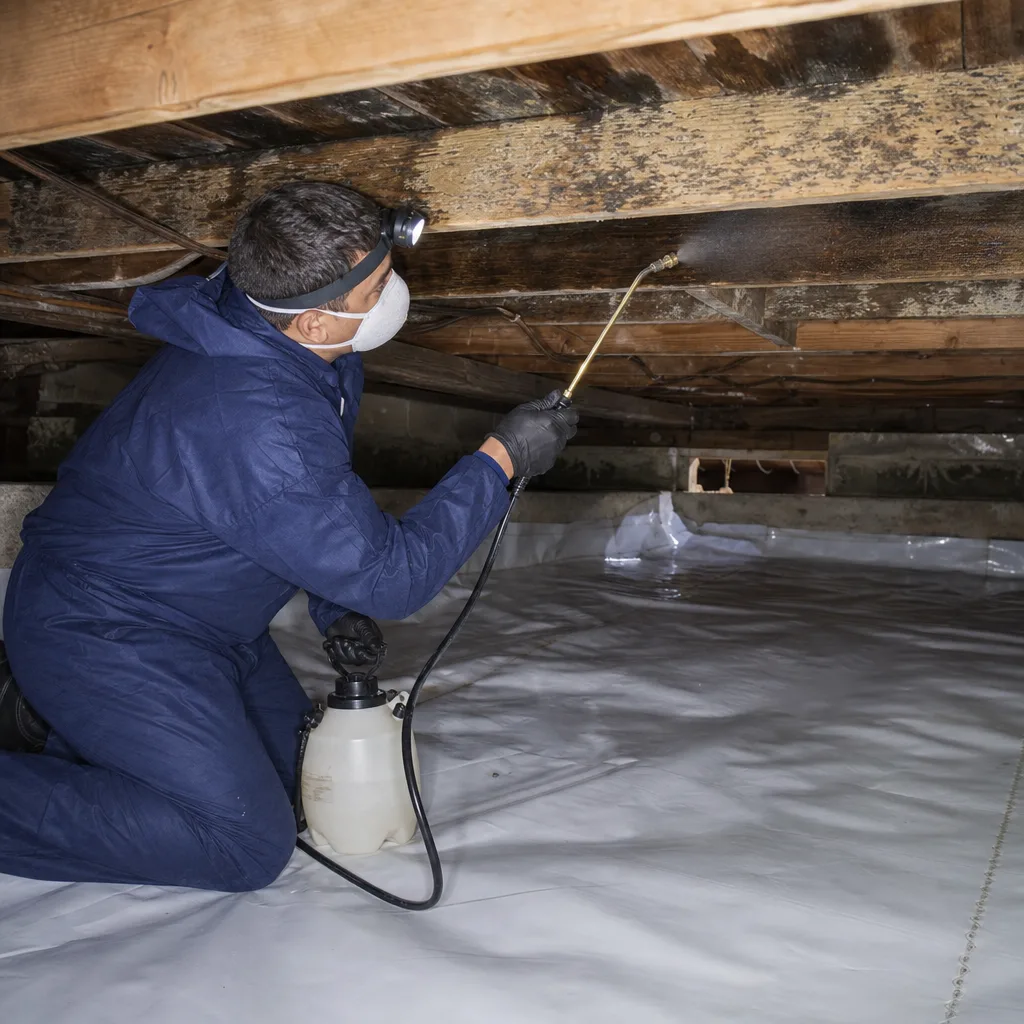
Debris Removal
Fallen branches, torn siding, wet insulation, ruined furnishings. We haul it all and separate what’s salvageable. For co-op buildings, we coordinate debris staging so it doesn’t block driveways or violate building rules. For private homes, we leave the property cleaner than we found it, with the waste properly disposed. This is the part of the job that’s easy to overlook in the chaos of a storm, but it’s what keeps a property livable while the real work proceeds. Our Storm & Disaster Restoration team handles all of it, start to finish.
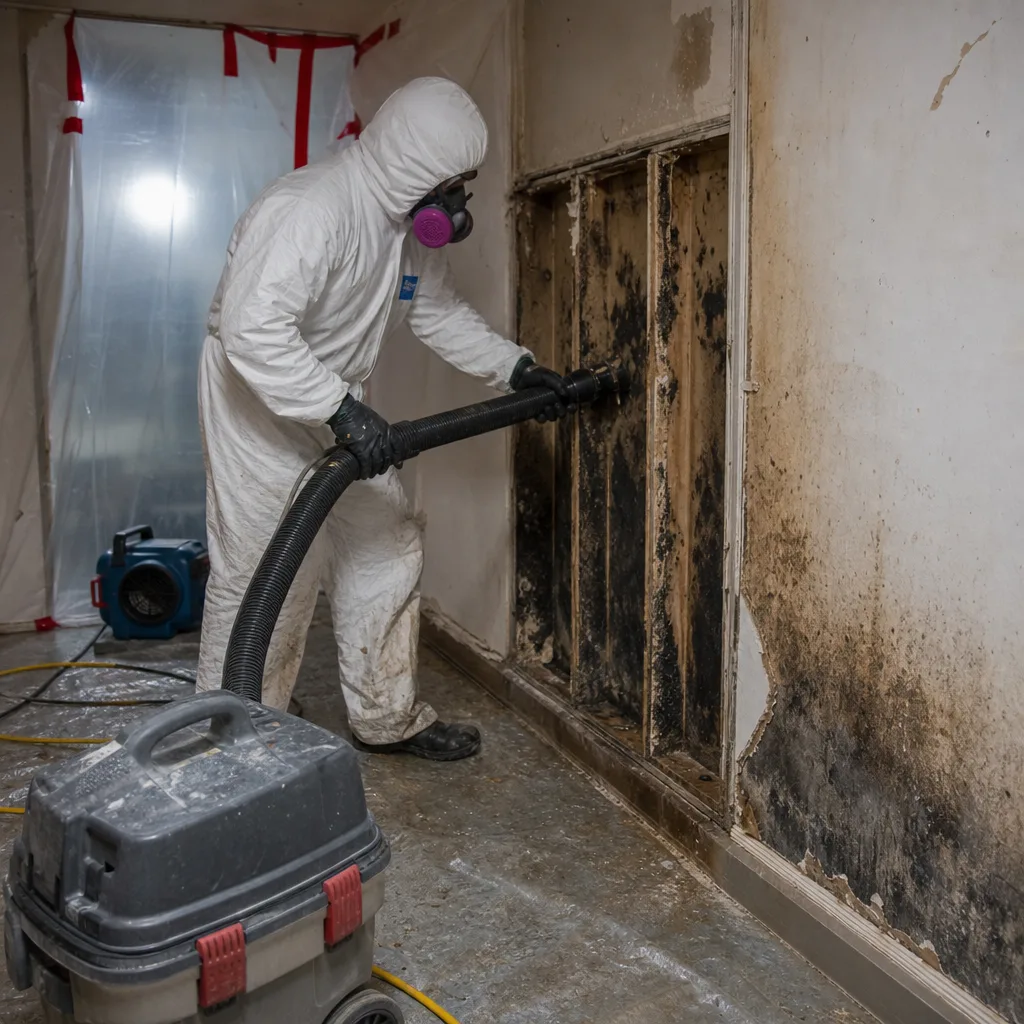
What happens when you call
- 1
A real person answersNo phone trees - you reach a local pro.
- 2
You get an upfront price rangeHonest numbers before anyone is dispatched.
- 3
A background-checked tech heads outLicensed & insured, dispatched right away.
- 4
You approve before work beginsNothing starts until you say go.
Storm & Disaster Restoration Costs in Forest Hills, NY
Storm restoration pricing in Forest Hills reflects the building stock and the approval layers. A typical emergency roof tarping job on a single-family home in Forest Hills runs $350 to $650 depending on the roof pitch and access. Emergency board-up for a shattered window or forced entry after storm damage runs $200 to $450. Water extraction and structural drying for a single room affected by a burst pipe in a co-op runs $1,800 to $4,200, with the cost influenced by how many wall cavities need to be opened and whether original plaster is involved. A full flood damage restoration involving multiple rooms, containment, and sanitation can run $5,000 to $14,000 on a pre-war co-op line. Most of these costs are covered by insurance when the loss is sudden and the claim is documented properly. We give you a firm written scope after the free inspection, not a vague estimate that grows. Direct billing takes the pressure off your checking account. The only way to know your exact number is to call (518) 872-6111 and let us look at it. The inspection costs nothing.
We Also Serve Cities Near Forest Hills
Our storm and disaster teams work throughout central Queens. In addition to Forest Hills, we serve Storm & Disaster Restoration in Forest Hills neighbors in Corona, Middle Village, Elmhurst, and Richmond Hill. Each area has its own building patterns and approval quirks, and our crews know them. If you’re in a nearby zip code and staring at a wet ceiling, call us. If we can route a crew to Forest Hills, we can often reach those blocks even faster.
Serving Forest Hills, NY - Our Local Coverage Area
We’re based in the Forest Hills area and know this community well. Use the map below to see our service coverage - if you’re nearby, we can almost certainly help.
Forest Hills Storm & Disaster Restoration Questions, Answered
How fast can you get to Forest Hills after I call?
Our dispatch commitment for Forest Hills is 45 minutes or less, depending on traffic and weather, with a live dispatcher reaching you by phone immediately. During active nor’easters or city-wide events, we coordinate with crews already stationed across Queens so we can respond without waiting for someone to drive in from outside the borough. When you call (518) 872-6111, you get a person, and that person starts routing help from that moment.
Who is responsible for coordinating the Forest Hills Gardens Corporation approval?
We are. Floodline Restoration Co. has experience navigating the architectural review process in Forest Hills Gardens, and we document the emergency stabilization work separately from the permanent repair scope. That separation is the difference between a smooth restoration and a violation letter. We handle the submission, the follow-up, and the communication with the Corporation so you don’t have to learn their process in the middle of a crisis.
Will my insurance cover storm and flood damage in Forest Hills?
Most sudden storm damage is covered under homeowners or co-op policies, but the key is documentation. We provide photos, moisture readings, drying logs, and a line-item scope that matches insurance industry standards. For co-op buildings where multiple units are affected, we coordinate with the building’s master policy carrier and the individual unit policy as needed. Direct billing means the carrier pays us, and you don’t front the claim.
How long does storm damage restoration take in a Forest Hills property?
Most water extraction and structural drying in a single Forest Hills home or co-op unit takes 3 to 5 days, depending on the materials involved and the saturation. Original plaster walls take longer than drywall. Full reconstruction after a severe storm loss, such as a collapsed ceiling or wind-damaged facade, can extend to 2 to 4 weeks including architectural review and finishes. We give you a timeline in writing after the free inspection and we stick to it.
Can I stay in my home during storm restoration in Forest Hills?
Usually, yes, especially for localized water or wind damage in a single room. Containment barriers separate the work area from the rest of the home, and HEPA air scrubbers run continuously. If the damage affects a kitchen, sole bathroom, or involves category 3 water, we’ll recommend temporary relocation, and we’ll document why so your insurer can evaluate additional living expense coverage.
What certifications do your Forest Hills restoration crews hold?
Our crews are trained and certified to IICRC standards, including WRT for water damage restoration and ASD for applied structural drying. That means the technician running the dehumidifier is following an industry protocol, not just turning equipment on. We put our credentials behind the 90-Day Done Right Promise in writing.
Do I need to wait for my co-op board before starting emergency extraction?
No. Emergency water extraction and stabilization are considered mitigation, not modification, and we proceed immediately. What we don’t do is start demolition or structural repair that changes a common element without board authorization. That line is critical in Forest Hills co-ops, and we’ve managed it on hundreds of projects. We document the mitigation so the board can review the repairs separately.
What should I do in the first 30 minutes after storm damage in Forest Hills?
Call us. Call (518) 872-6111 right now. Then, if it’s safe, shut off water at the main valve if a pipe has failed, move valuables out of standing water, and take photos of everything. Don’t use a wet vacuum on sewage-affected water, and don’t run your HVAC fan, because that circulates moisture and contaminants through the whole unit. Our dispatcher will talk you through exactly what to do while the crew is in transit. The first minutes matter more than most people understand.
Written by Curt Bowman, Owner at Floodline Restoration Co., serving Forest Hills, NY and surrounding Queens neighborhoods.
Call (518) 872-6111 for a free estimate and immediate dispatch in Forest Hills. A live person answers, day or night.