
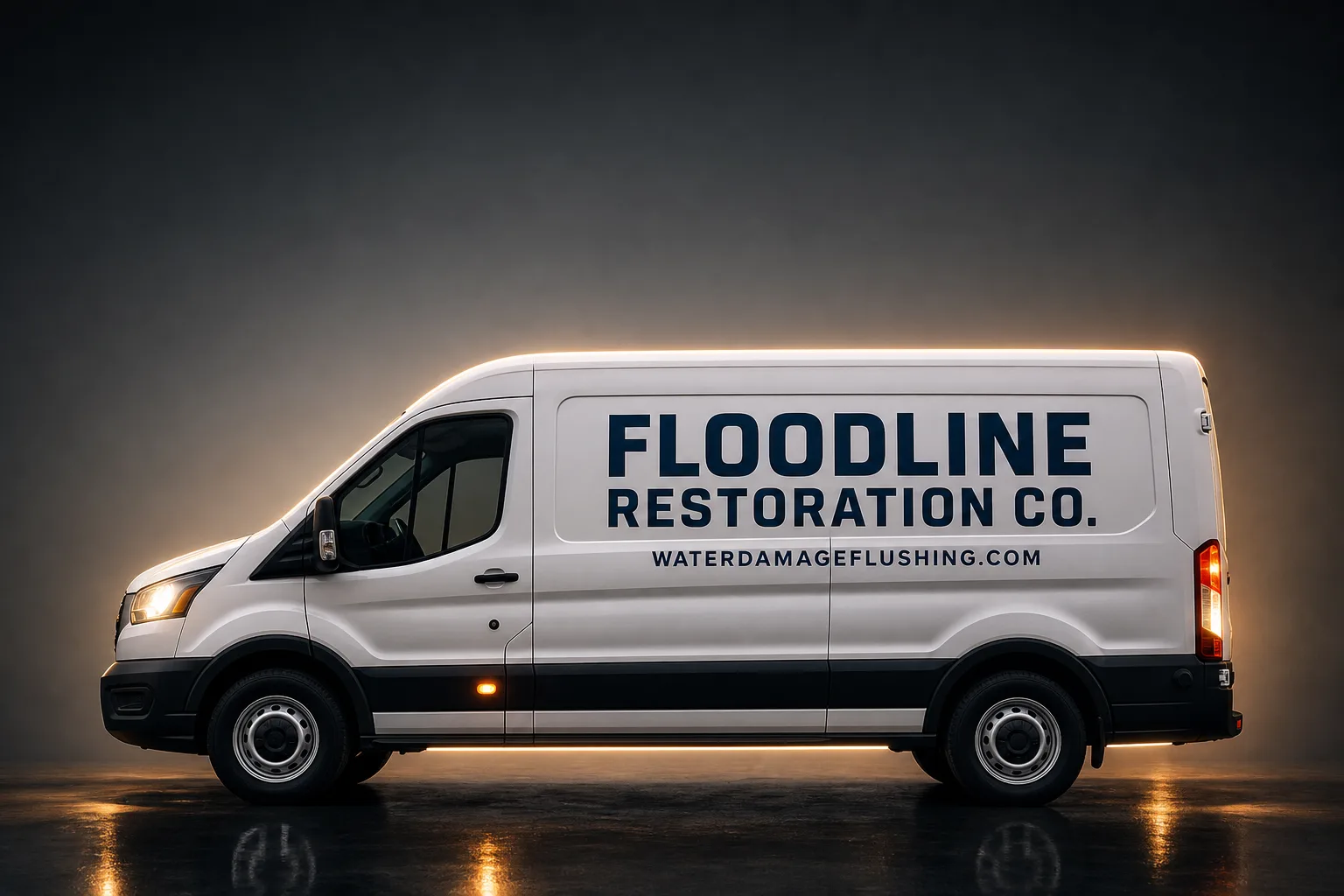
Free visual inspection and a written scope of work before any mitigation begins - photos, moisture readings, and drying logs go in your claim file
The scope we write is the scope we bill. Anything new gets shown to you, in writing, before we touch it.
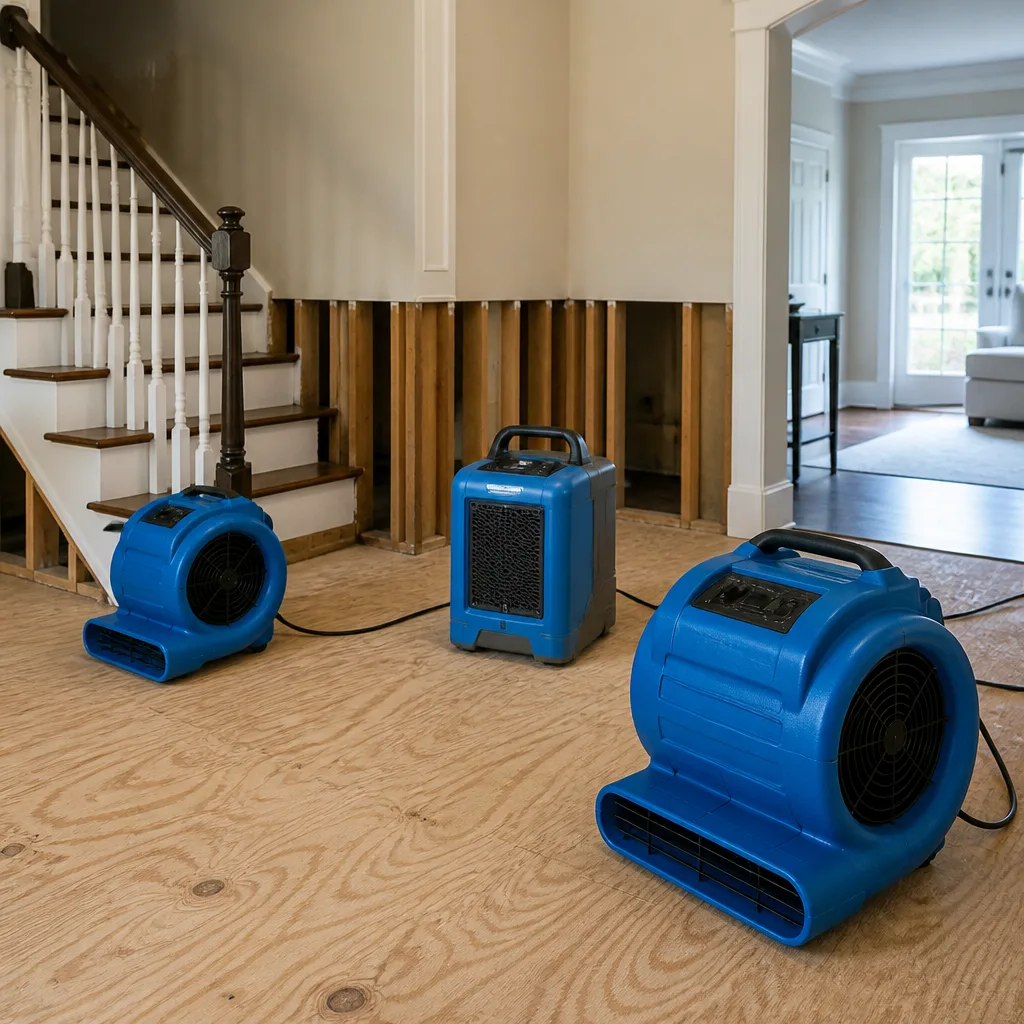
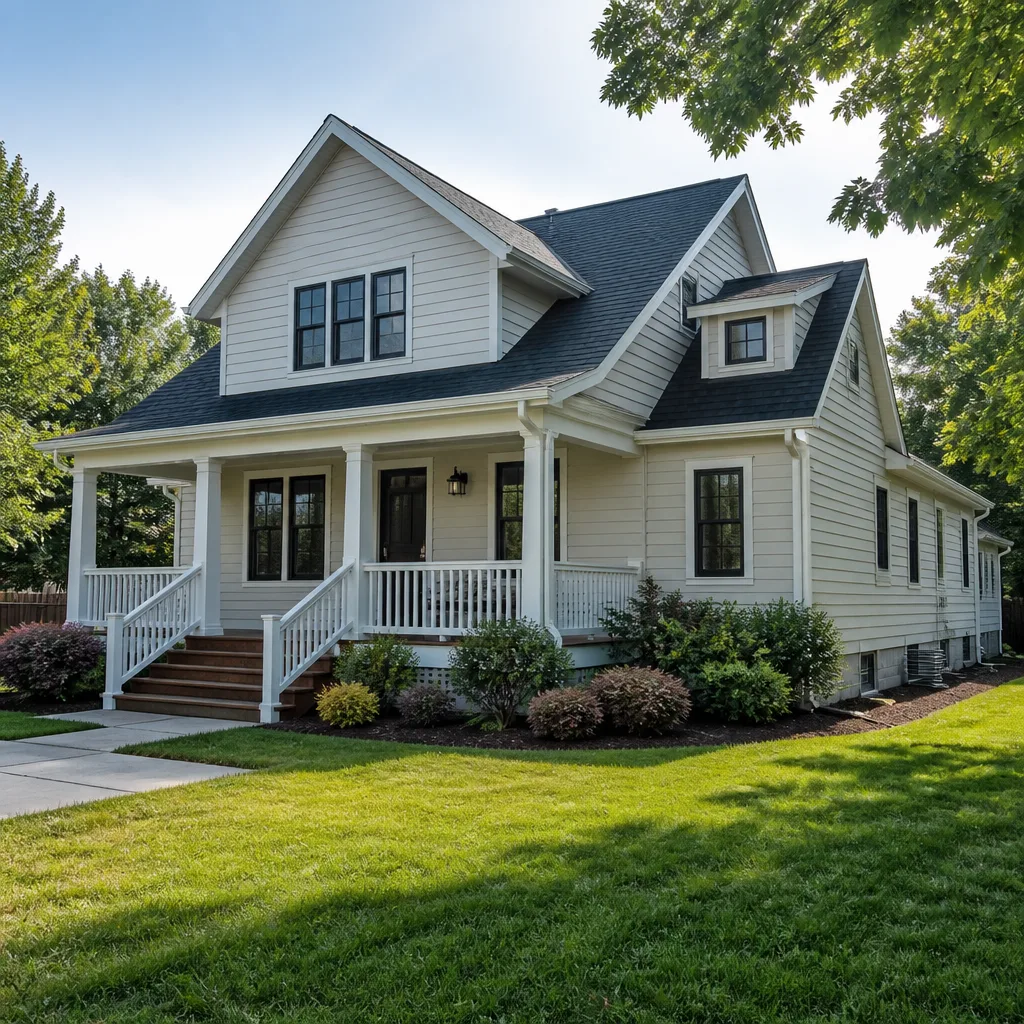
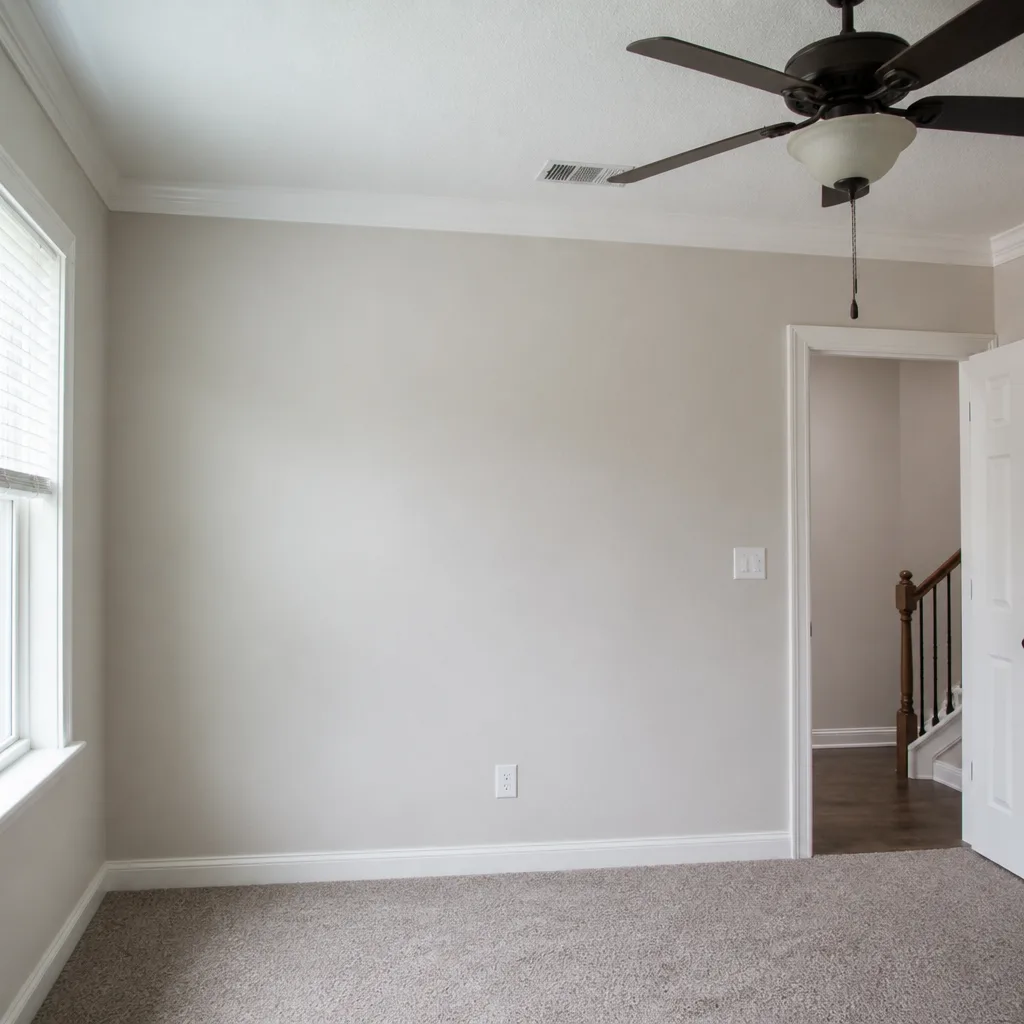
Storm responseSewage cleanup
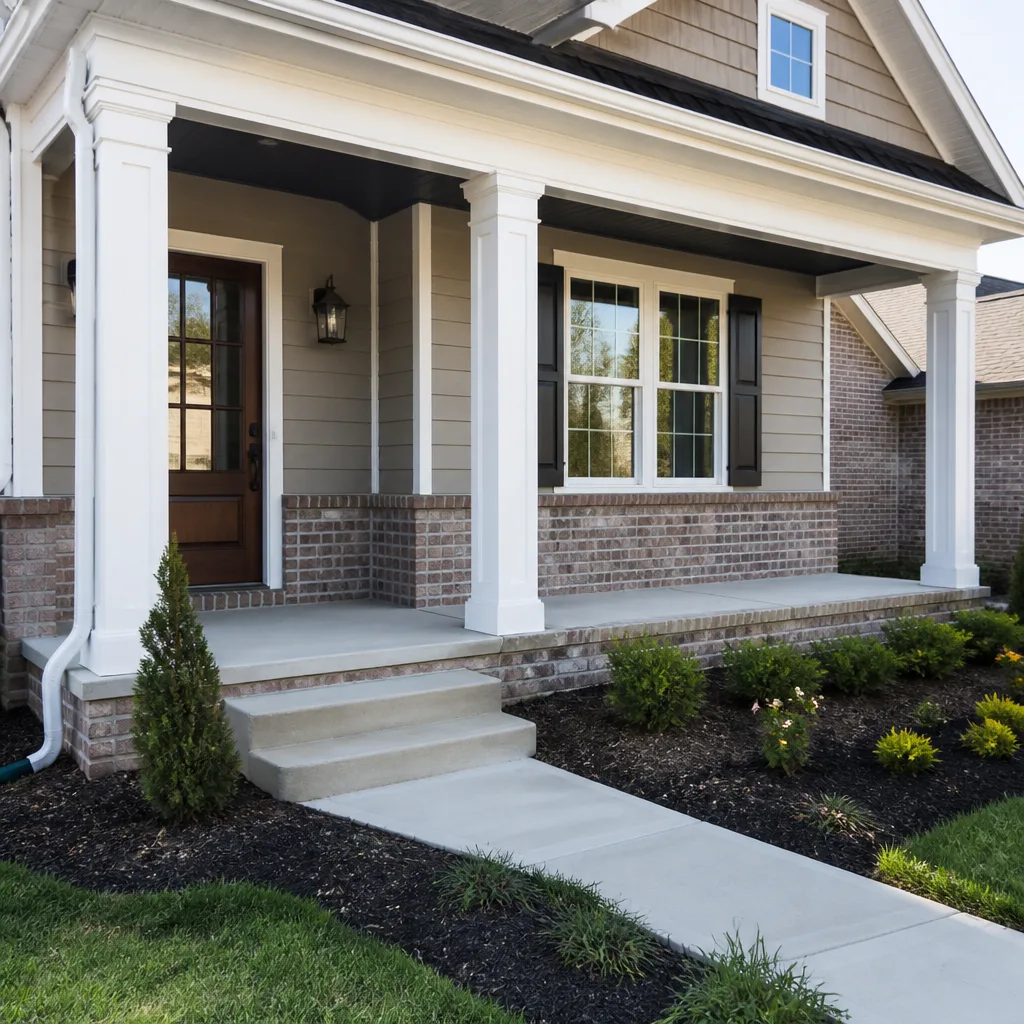
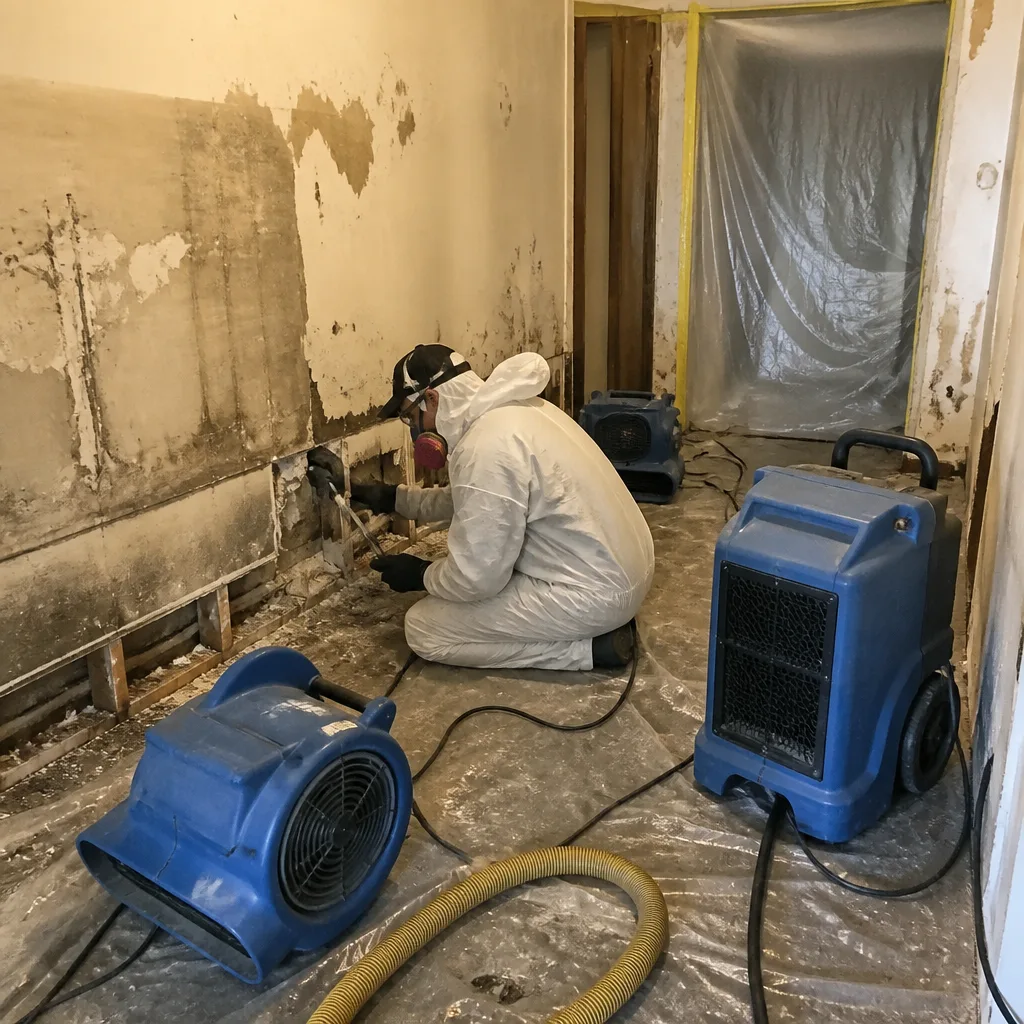 Before
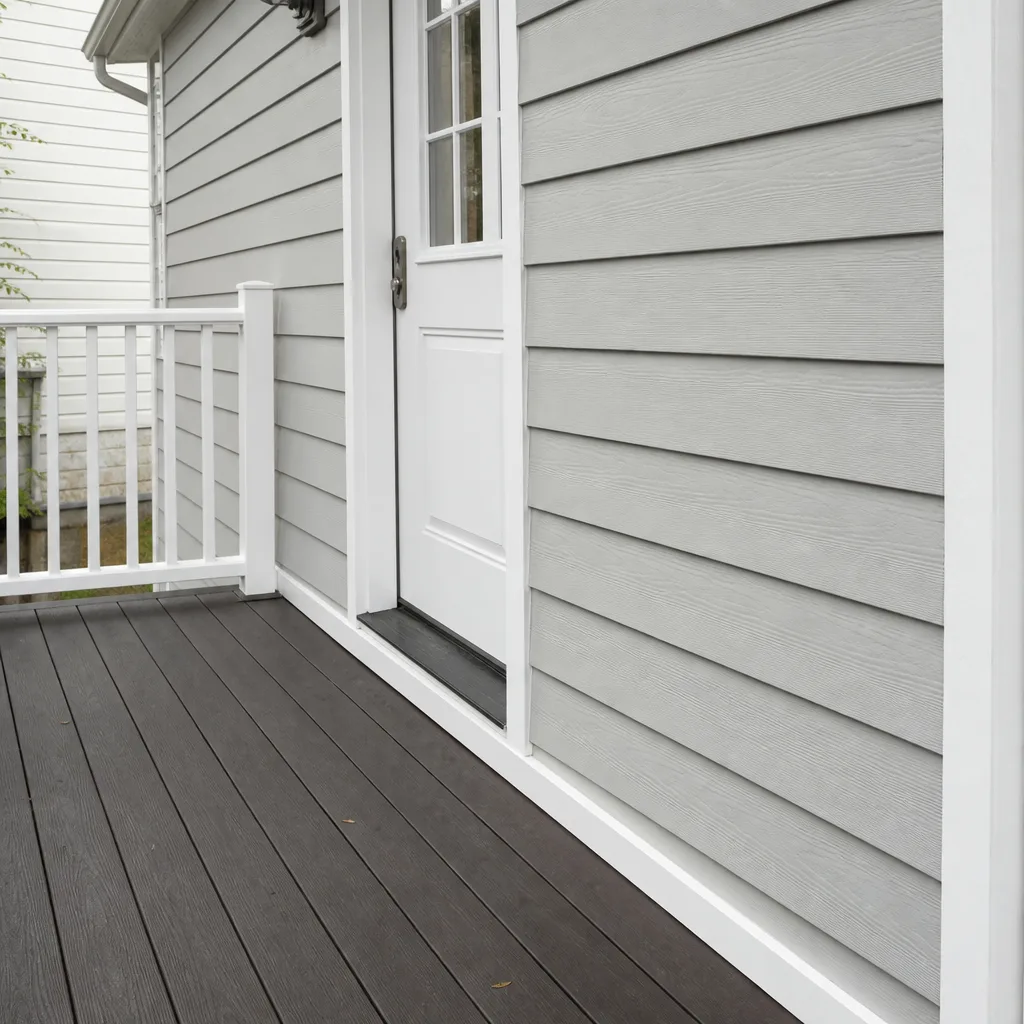 After
After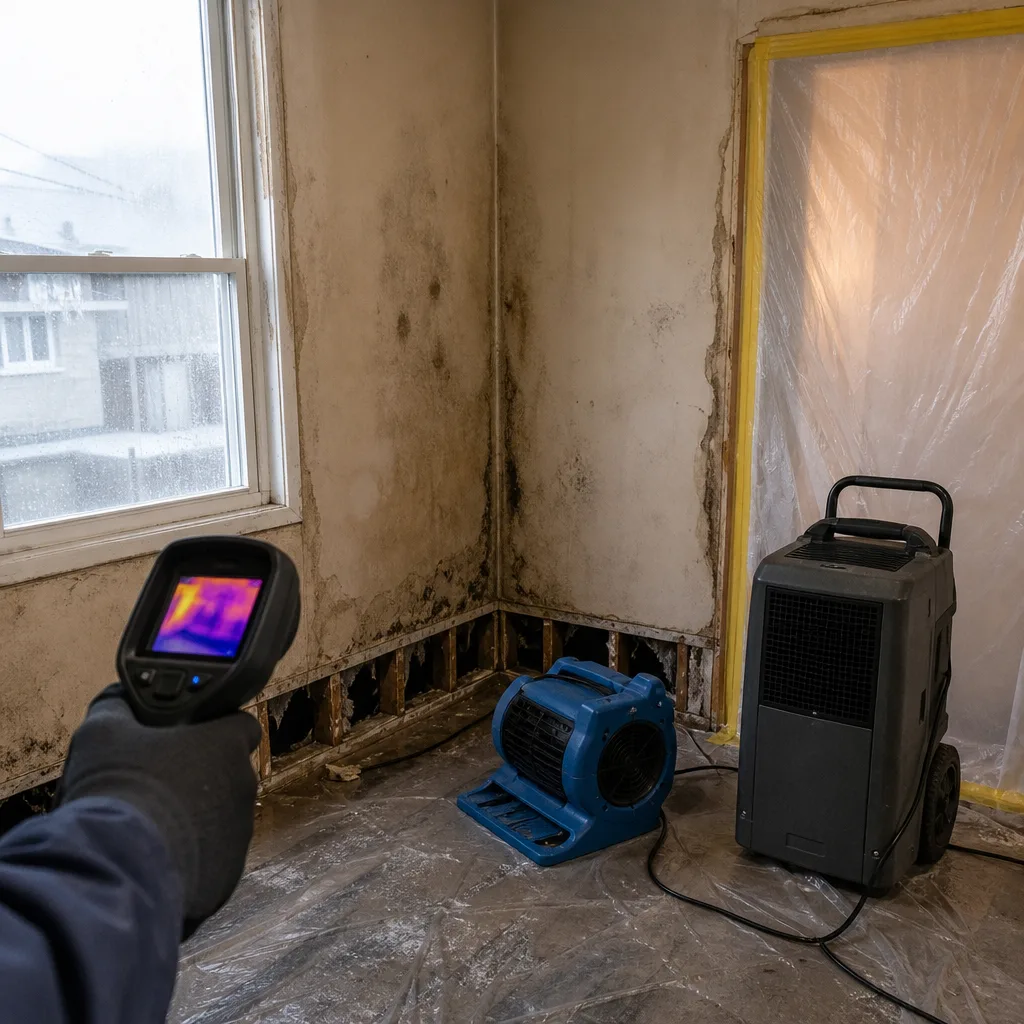 Before
 After
After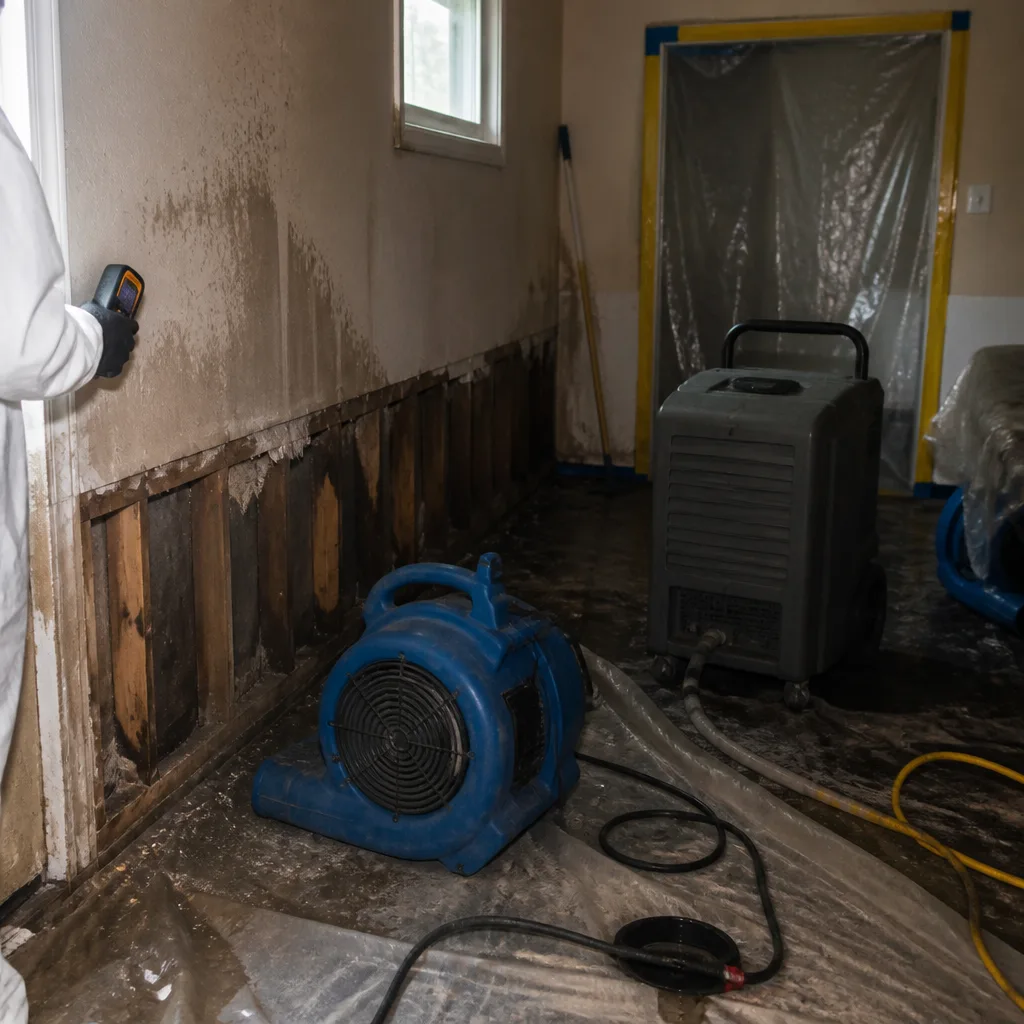 Before
 After
After24/7 Emergency Storm & Disaster Restoration in Jackson Heights
When wind tears a section of roofing off a six-story co-op on 35th Avenue, or a nor’easter drives rain through original steel casement windows, Jackson Heights property owners need a crew that answers the phone at 2 a.m. and knows the co-op board rules before the first piece of plywood goes up. Storm & Disaster Restoration in Jackson Heights typically runs $1,200-$18,000 depending on whether you’re looking at emergency board-up and roof tarping or full wind damage repair with structural drying. Call (518) 872-6111 and a live dispatcher answers. Not a recording. Not a callback service. A person who can have a certified crew dispatched toward 11372 while you’re still on the line.
The first hour after storm damage matters in Jackson Heights more than in most Queens neighborhoods. Water migrating through a pre-war building’s plaster-and-lathe walls spreads laterally and vertically through stacked co-op units before it ever shows up on your ceiling. What starts as wind-blown rain through one shattered courtyard-facing window becomes a moisture problem in four units by morning. Our Storm & Disaster Restoration team starts extraction and stabilization the same visit. Every job begins with a free visual inspection, and we document everything from the first hour for your insurance carrier.
Understanding Storm & Disaster Restoration Severity in Jackson Heights Properties
Storm damage in Jackson Heights doesn’t behave the way it does in a postwar suburb. The dominant housing stock here is 6-7 story pre-war brick cooperative and garden apartment buildings from the 1910s-1930s. That means original cast-iron drain stacks, plaster-and-lathe walls, and pipe insulation materials that frequently test positive for asbestos. When wind-driven rain enters through a compromised roof or blown-out window, it travels through wall cavities packed with materials that change the entire restoration equation.
We classify water by category. Category 1 is clean water, Category 2 carries significant contamination, and Category 3 is black water, the kind that surged into basement and garden-level apartments during Hurricane Ida in September 2021. Jackson Heights was among the Queens neighborhoods hardest hit, and the neighborhood’s high density of below-grade living spaces makes Category 3 flood restoration a recurring service call here, not an exceptional one. Wind damage that compromises a building envelope during heavy rain often introduces Category 2 water into wall cavities, which requires antimicrobial treatment before drying can proceed. Moisture mapping with thermal imaging tells us where water actually went, not just where it’s visible. In plaster-and-lathe construction, the visible stain is often the last place water reached, not the first.
Why Jackson Heights Property Owners Choose Floodline Restoration Co.
- 45-minute response commitment - We dispatch crews from our New York City office directly into Jackson Heights, and we commit to having a certified technician on-site within 45 minutes of your call for emergency board-up and tarping situations.
- 24/7 live answer, every time - A real dispatcher picks up at 2 a.m. on a Sunday during a nor’easter. Floodline Restoration Co. was built around a dispatch board, not a sales desk.
- IICRC-certified crews - Our technicians hold IICRC certifications including WRT (Water Restoration Technician) and FSRT (Fire & Smoke Restoration Technician), with additional training in storm damage protocols. They’re background-checked and uniformed.
- Free visual inspection - We come out, assess the damage, and give you a written scope before any work begins. No charge, no obligation, no pressure.
- Direct insurance billing - We bill your carrier directly and coordinate with adjusters from the first moisture reading to the final rebuild. You don’t play messenger.
- One team from extraction to reconstruction - The same certified crew that reads the moisture map on day one handles the drying log, the rebuild, and hands you the 90-Day Done Right Promise in writing.
Our Storm & Disaster Restoration Process
Inspection & Assessment
We arrive with thermal imaging cameras and moisture meters. We map every affected area, identify the water category, and check for hidden conditions Jackson Heights buildings are known for: asbestos-wrapped steam risers, cast-iron drain stack damage, and co-op board access requirements for common-area plumbing.
Extraction & Stabilization
Standing water comes out first using truck-mounted extraction equipment. We simultaneously secure the building envelope with emergency board-up and roof tarping so no additional water enters while we work.
Drying & Dehumidification
We deploy XPOWER air movers and Dri-Eaz dehumidifiers in a calculated pattern based on the moisture map. Daily readings are logged until the dry standard is met, and that log goes to you and your carrier.
Cleaning & Sanitization
Antimicrobial treatments, HEPA air scrubbing, and surface cleaning eliminate contaminants introduced by stormwater. In Category 3 situations, we follow full biohazard protocols.
Wind Damage Repair & Reinforcement
We assess door track alignment, window frame integrity, and roof membrane condition. Where co-op board or landmark approval is required for permanent replacement, we install temporary bracing that keeps the building safe while the board deliberates.
Repairs & Restoration
Drywall, plaster, flooring, cabinetry, and roofing are rebuilt to pre-loss condition or better. Every job ends with the 90-Day Done Right Promise in writing. If it’s not done right, we make it right.
Need Emergency Storm & Disaster Restoration in Jackson Heights Now?
Crews minutes away, answering live 24 hours a day. The sooner we start, the less it costs.
Working With Your Insurance Company
Storm damage in Jackson Heights rarely involves just one insurance policy. When a tree limb takes out a courtyard-facing window on the fourth floor of a co-op building, five different unit owners might be filing claims, plus the co-op’s master policy for the building envelope. We handle that complexity every week. From the first hour, we photograph every room, every damaged surface, every moisture reading. Our technicians document the loss in the format adjusters expect, with industry-standard estimating software and line-item scopes. When your adjuster calls with questions, we answer them directly. You shouldn’t have to explain drying logs to an insurance carrier at eleven o’clock at night. That’s our job.
What We Provide Your Insurer
- Thorough documentation of the loss
- Photos of all damage, room by room
- Moisture readings and drying logs
- A detailed, line-item scope of work
- Direct coordination with your carrier
Built for Jackson Heights’s Loss Calendar
Jackson Heights has a storm damage calendar that repeats every year, and we plan our equipment staging around it. January and February bring deep freezes that burst supply lines in pre-war buildings where original plumbing runs through uninsulated exterior walls. March and April bring nor’easters, the storms that tear roofing membranes off six-story co-ops along 34th and 35th Avenues and drive rain through original steel casement windows. Summer thunderstorms hit fast, and the Roosevelt Avenue corridor’s largely impervious surface coverage accelerates stormwater runoff directly toward residential side streets, overwhelming basement drains and sending water into garden-level duplexes. September through November brings hurricane remnants like Ida in 2021, when sewage-contaminated floodwater poured into basement apartments across the neighborhood. Each season demands different equipment, different response priorities, and different coordination with co-op boards and the landmarks commission.
Storm & Disaster Restoration Across Jackson Heights’s Neighborhoods
The Jackson Heights Historic District runs roughly between Roosevelt Avenue and Northern Boulevard, and the building stock there changes block by block. Along 34th and 35th Avenues, the landmarked garden apartment complexes with their interior courtyards create a specific wind damage pattern: when high winds blow out a courtyard-facing window, the courtyard itself acts as a wind tunnel, pressurizing the building and forcing rain into every gap around windows and doors on the interior side. We’ve responded to nor’easters where one building had six units with wind-driven rain intrusion, all on the courtyard side, while street-facing units stayed dry.
East of 82nd Street and toward the Elmhurst border, you find more six-story elevator buildings with flat roofs and parapet walls. Parapet failures are common there, with brick and mortar breaking loose in high winds and falling onto sidewalks and parked cars. North of 37th Avenue, the garden-level duplexes and converted basements face the highest flood risk, especially near the combined sewer overflow points that failed during Ida. Every block in 11372 has a different loss pattern, and our crews know the routes, the parking restrictions, and the co-op boards on each block.
Specialized Storm & Disaster Restoration Services We Offer in Jackson Heights
Emergency Board-Up
In Jackson Heights, emergency board-up isn’t just about securing a broken window. Many pre-war buildings have original steel casement windows that cannot be retrofitted without landmark approval, so our crews secure openings with plywood and temporary bracing while the co-op board deliberates. We use the right fasteners and framing so the board doesn’t reject our temporary work and you don’t pay twice. The board-up keeps water out, keeps heat in, and keeps your insurance claim moving.
Roof Tarping
Six-story co-op roofs take a beating in Queens windstorms. We deploy reinforced poly tarps with proper anchoring that holds through follow-up storms, not just until the next breeze. After a nor’easter tore off a section of roofing at a co-op on 35th Avenue, our techs set up roof tarping and installed emergency board-up over shattered courtyard-facing windows while we ran moisture mapping on the top-floor units. The tarp has to hold until the co-op board votes on permanent repairs, which can take weeks, and we build tarps that last that long.
Wind Damage Repair
Wind-rated doors and window reinforcement in Jackson Heights must pass co-op board review before installation. We work with boards, managing agents, and landmarks requirements to spec the right product, prepare the submission, and install once approved. For garden-level duplexes, the biggest wind-load risk is often the entry door: a weak door frame lets wind pressurize the unit and blow out windows on the opposite wall. We check door track alignment, frame anchoring, and weatherstripping on every storm response.
Storm Damage Cleanup
Debris removal, water extraction, and sanitization after a storm event in Jackson Heights often involves coordinating with building superintendents, co-op boards, and the Department of Sanitation. We handle the full cleanup, including bulk debris from wind-damaged parapets, fallen tree limbs in courtyards, and waterlogged materials from flooded garden apartments.
Flood Damage Restoration
Jackson Heights basement and garden-level apartments face recurring flood risk from the combined sewer system. When sewage-contaminated water enters a below-grade apartment, it’s Category 3 water, which requires full containment, antimicrobial treatment, and disposal of affected porous materials. We’ve done this work throughout 11372 since Ida, and we know what the buildings along Roosevelt Avenue’s side streets need.
Debris Removal
Windstorms leave Jackson Heights courtyards littered with broken glass, roof aggregate, and sometimes brick from failing parapets. We remove it safely, document it for your carrier, and dispose of it properly. For co-op buildings, we coordinate disposal with the super and managing agent so there’s no confusion about who’s responsible for the dumpster.
What happens when you call
- 1
A real person answersNo phone trees - you reach a local pro.
- 2
You get an upfront price rangeHonest numbers before anyone is dispatched.
- 3
A background-checked tech heads outLicensed & insured, dispatched right away.
- 4
You approve before work beginsNothing starts until you say go.
Storm & Disaster Restoration Costs in Jackson Heights, NY
Emergency board-up for a broken window in Jackson Heights typically runs $350-$800 depending on window size and access difficulty. Roof tarping on a six-story co-op building runs $1,500-$4,500 for a standard section, more if parapet work or multiple roof penetrations are involved. Full wind damage repair with structural drying in a two-bedroom co-op apartment usually falls between $4,000 and $18,000, driven by whether asbestos abatement is required and how many unit owners and carriers are involved. Category 3 flood restoration for a basement apartment starts around $6,000 and goes up from there, because everything Category 3 touches gets removed, treated, or replaced. The free visual inspection is the path to a firm written scope. No surprises on the bill, no mid-job change orders, and we bill your carrier directly whenever coverage applies.
We Also Serve Cities Near Jackson Heights
Floodline Restoration Co. serves Jackson Heights plus the surrounding Queens neighborhoods: East Elmhurst, Elmhurst, Corona, and Astoria. Our crews know the co-op boards, street layouts, and building types across this part of Queens. If your building is on the border, call us. We’ll tell you honestly whether you’re in our core service area or need a different crew.
Serving Jackson Heights, NY - Our Local Coverage Area
We’re based in the Jackson Heights area and know this community well. Use the map below to see our service coverage - if you’re nearby, we can almost certainly help.
Jackson Heights Storm & Disaster Restoration Questions, Answered
Does a co-op board in Jackson Heights need to approve emergency board-up after a storm?
Emergency board-up is considered a life-safety and property-protection measure, so co-op boards cannot legally require advance approval in most situations. But many boards require notification within 24 hours, and they can reject the materials or methods used if they don’t meet building standards. We board up first, document everything, and submit the notification paperwork to the board and managing agent the same day. That keeps you protected immediately and keeps the board from rejecting the temporary work later.
What wind rating should a replacement door have in Jackson Heights?
For Jackson Heights buildings, we recommend a minimum wind rating of 90 mph per New York City building code, with many co-op boards now requiring higher ratings for courtyard-facing doors that get the wind tunnel effect. Impact-rated doors are the safer choice for garden-level entries, especially in buildings that took wind damage before. Your co-op board may have a specific specification already written into the house rules. We pull that document before we spec the door, so you don’t buy twice.
How do you dry a Jackson Heights co-op apartment after wind-driven rain without damaging original plaster walls?
We use moisture mapping to locate the actual water path, then drill small access points behind baseboards and inside closets rather than opening up large sections of plaster. XPOWER air movers and Dri-Eaz dehumidifiers create a calculated drying environment, and we run daily readings until the dry standard is met. In many pre-war units, the plaster can be saved if drying starts within 48 hours and the wall cavity is properly ventilated. The moisture log we keep is your proof that drying was done to IICRC standards.
Can wind damage expose asbestos in a Jackson Heights building’s walls?
Yes, and it happens regularly. Many pre-war buildings in Jackson Heights have asbestos-wrapped steam risers running directly through wall cavities. When wind tears open a wall or drives water into the cavity, that insulation can be disturbed or can release fibers when drying air moves through it. We test suspect materials before we start structural drying. If asbestos is present, we set up containment and bring in an EPA-compliant abatement contractor before any wall work proceeds. Skipping this step creates a containment breach and a much bigger problem.
What is the biggest wind-load risk for garden-level duplexes in Jackson Heights?
The entry door. When a garden-level door has a weak frame or poor weatherstripping, wind pressurizes the entire unit, and the pressure escapes by blowing out windows on the opposite wall. We’ve seen this pattern repeatedly in the duplexes north of 37th Avenue. Reinforcing the door frame and installing a wind-rated door is usually the single most effective storm hardening step for these units.
How fast can Floodline Restoration Co. actually get to Jackson Heights?
We commit to a 45-minute on-site response for emergency storm situations in Jackson Heights. Our dispatch is in New York City, and we keep crews staged within the Queens response zone during storm warnings. Call (518) 872-6111 and a live dispatcher will tell you exactly when your crew arrives.
Will my insurance cover storm damage repair in Jackson Heights?
Most homeowners and co-op policies cover wind and storm damage, but the claim path depends on whether your building is also filing a master policy claim for the building envelope. We photograph everything from the first hour, write the scope in industry-standard format, and bill your carrier directly. If you’re in a co-op, we also coordinate with the board and the building’s carrier so there’s no gap between what your policy covers and what the building covers.
What should I do in the first 30 minutes after storm damage in Jackson Heights?
First, get everyone to safety away from broken glass or water. Second, call us at (518) 872-6111. Third, if you can do so safely, shut off electricity to wet areas and move valuables away from the water. Don’t touch water that may have come from a sewer line. Don’t open walls or pull up carpeting, because you could disturb asbestos or spread contamination. Take photos of everything before you move anything. Then let us handle the rest.
Storm damage in Jackson Heights has a specific character, shaped by co-op board rules, landmark restrictions, and building construction that’s a century old. The right restoration contractor knows those rules before the first plywood goes up, and doesn’t hand the job off when the drying is done and the rebuild begins. That’s the work we do at Floodline Restoration Co., and we stand behind it in writing.
Call (518) 872-6111 for a free estimate. A live person answers, day or night.
Written by Curt Bowman, Owner at Floodline Restoration Co., serving Jackson Heights with certified storm and disaster restoration crews.