
Free visual inspection and a written scope of work before any mitigation begins - photos, moisture readings, and drying logs go in your claim file
The scope we write is the scope we bill. Anything new gets shown to you, in writing, before we touch it.
Storm responseSewage cleanup
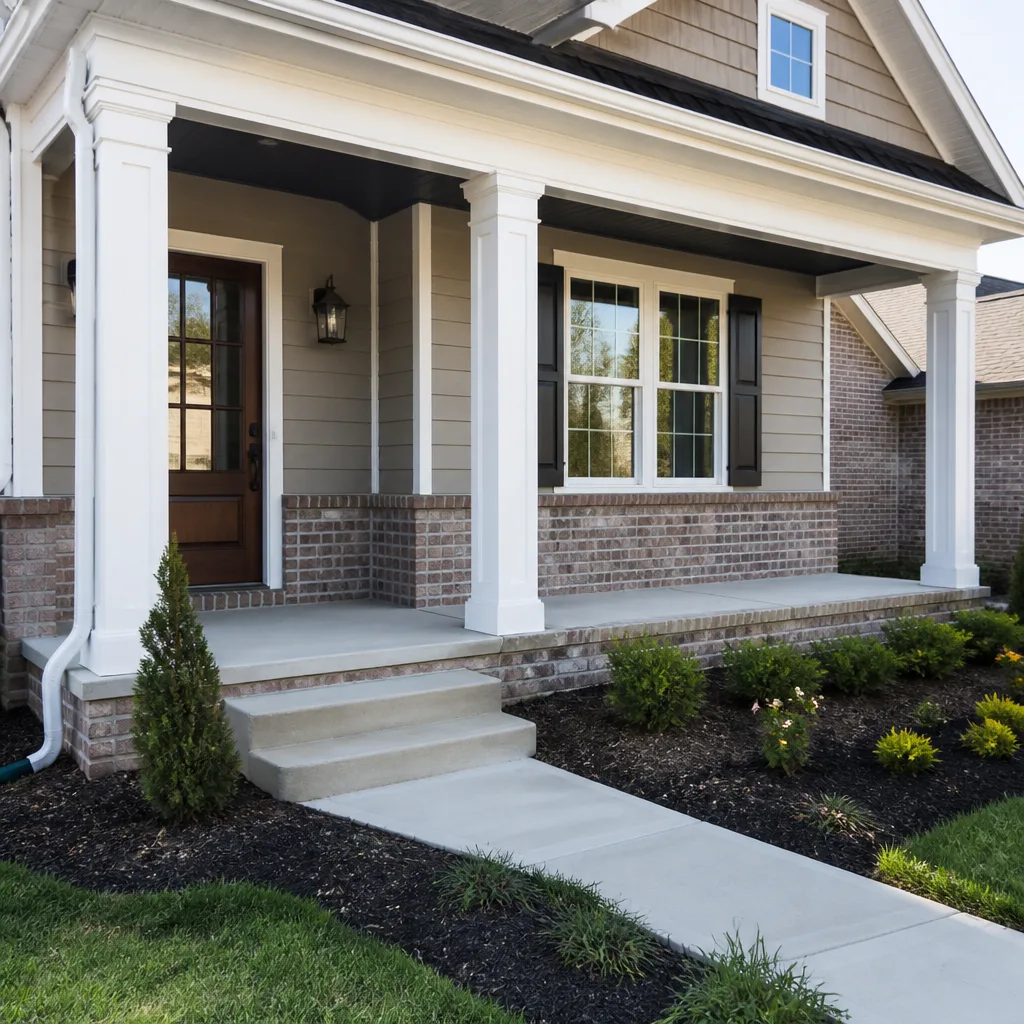
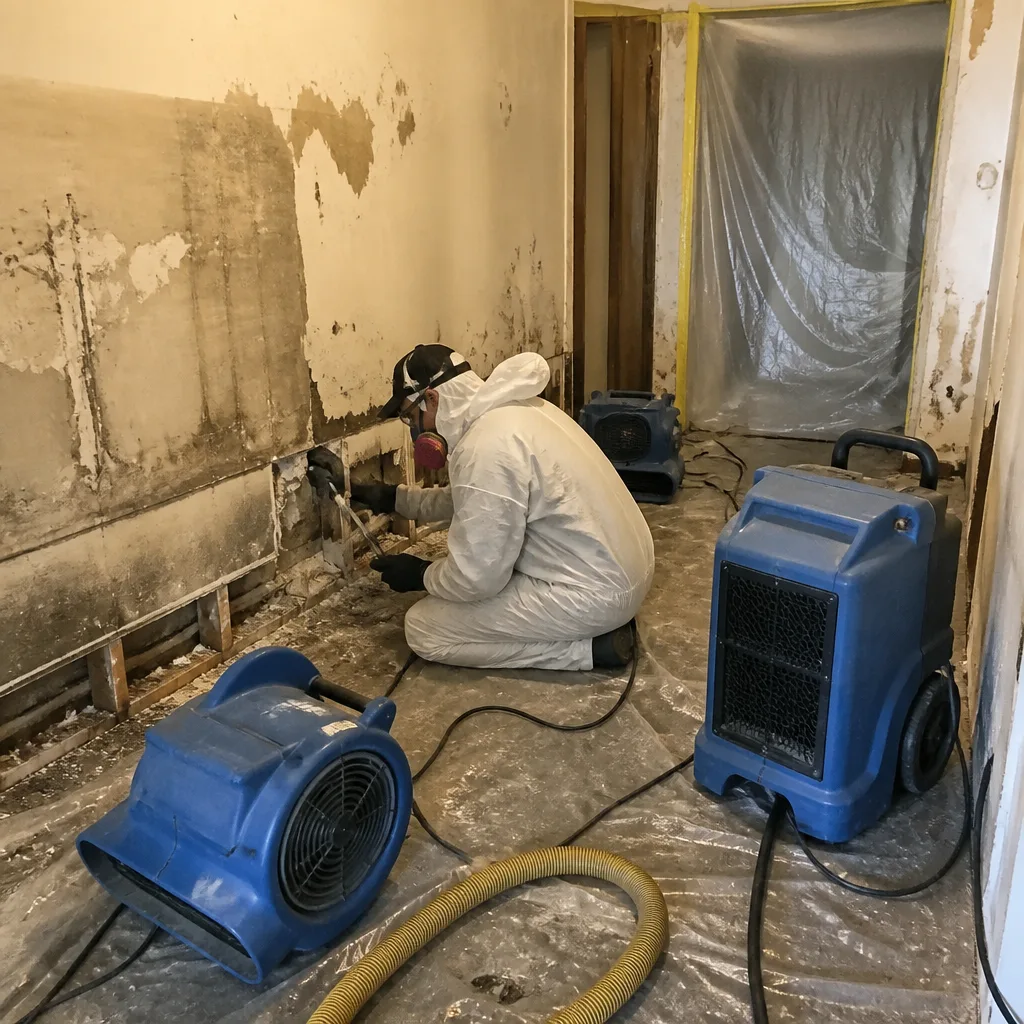 Before
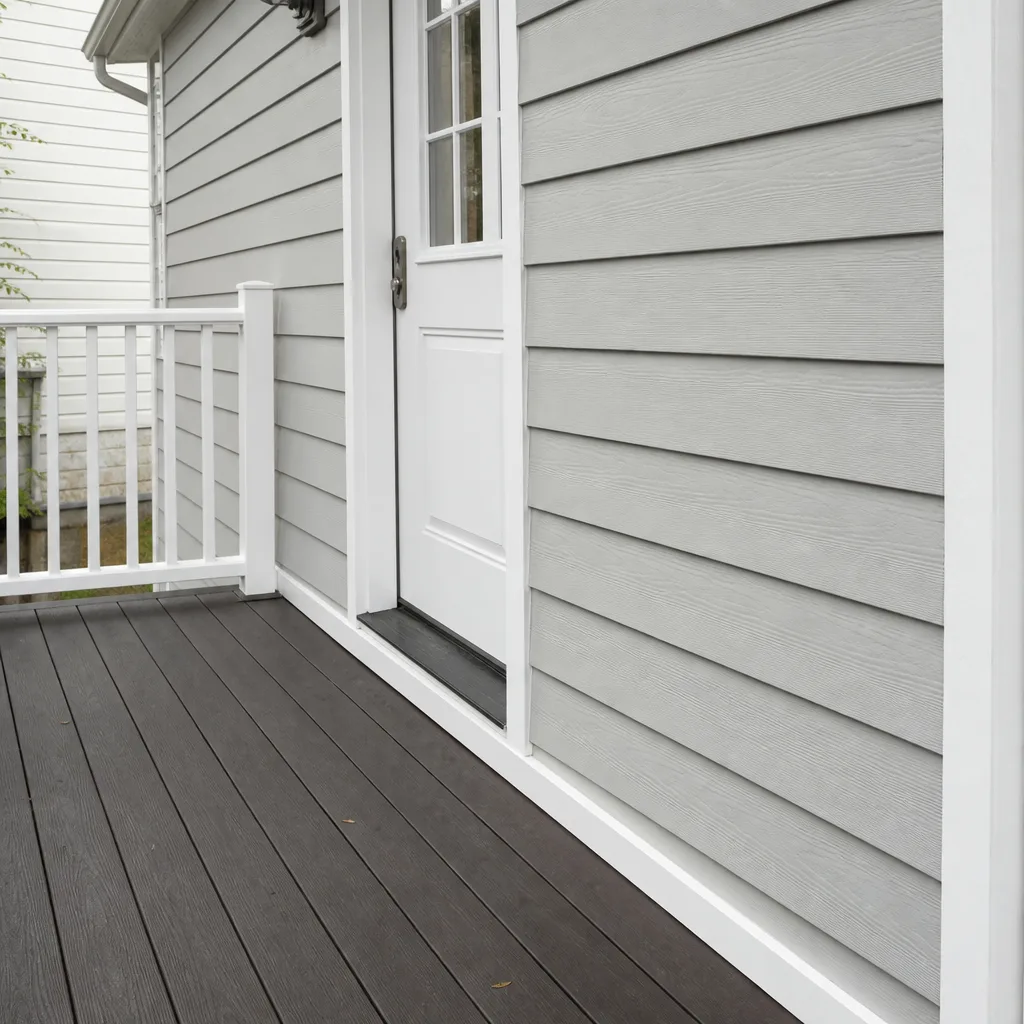 After
After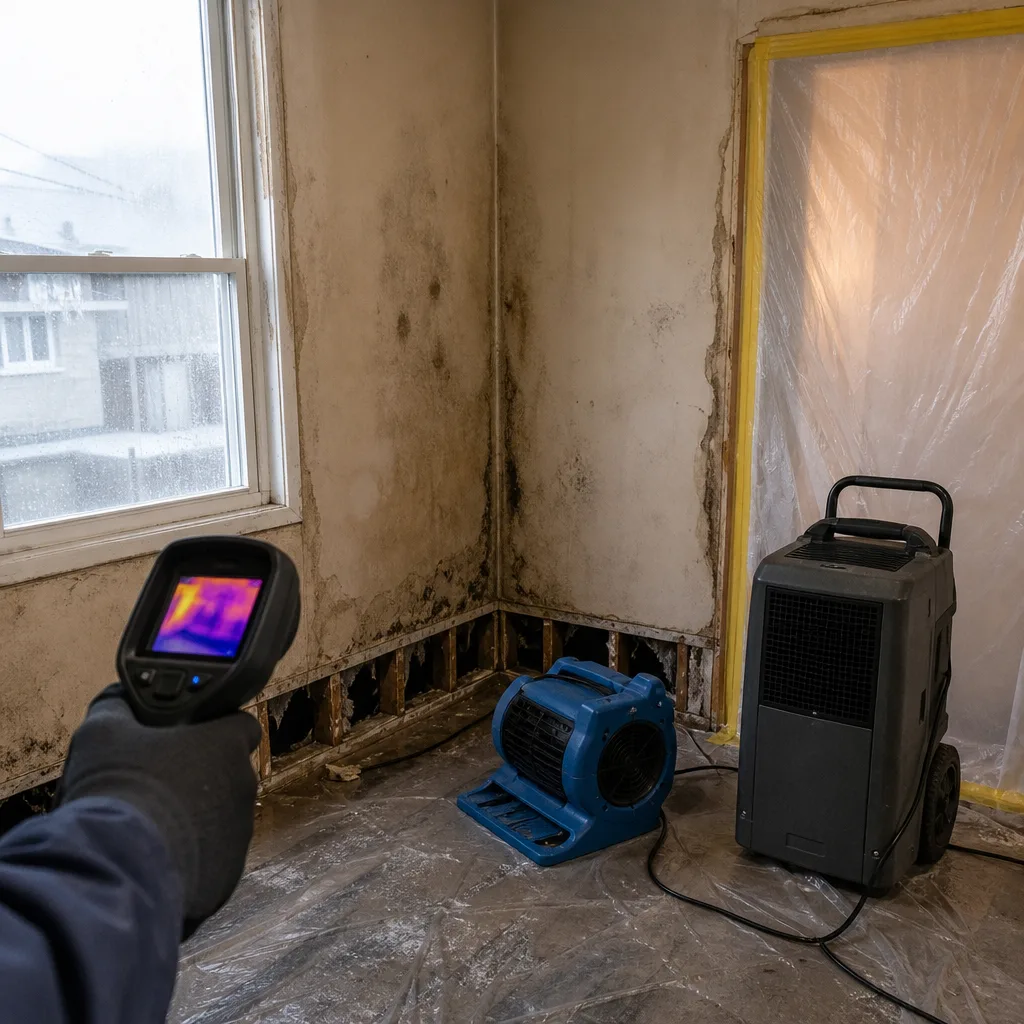 Before
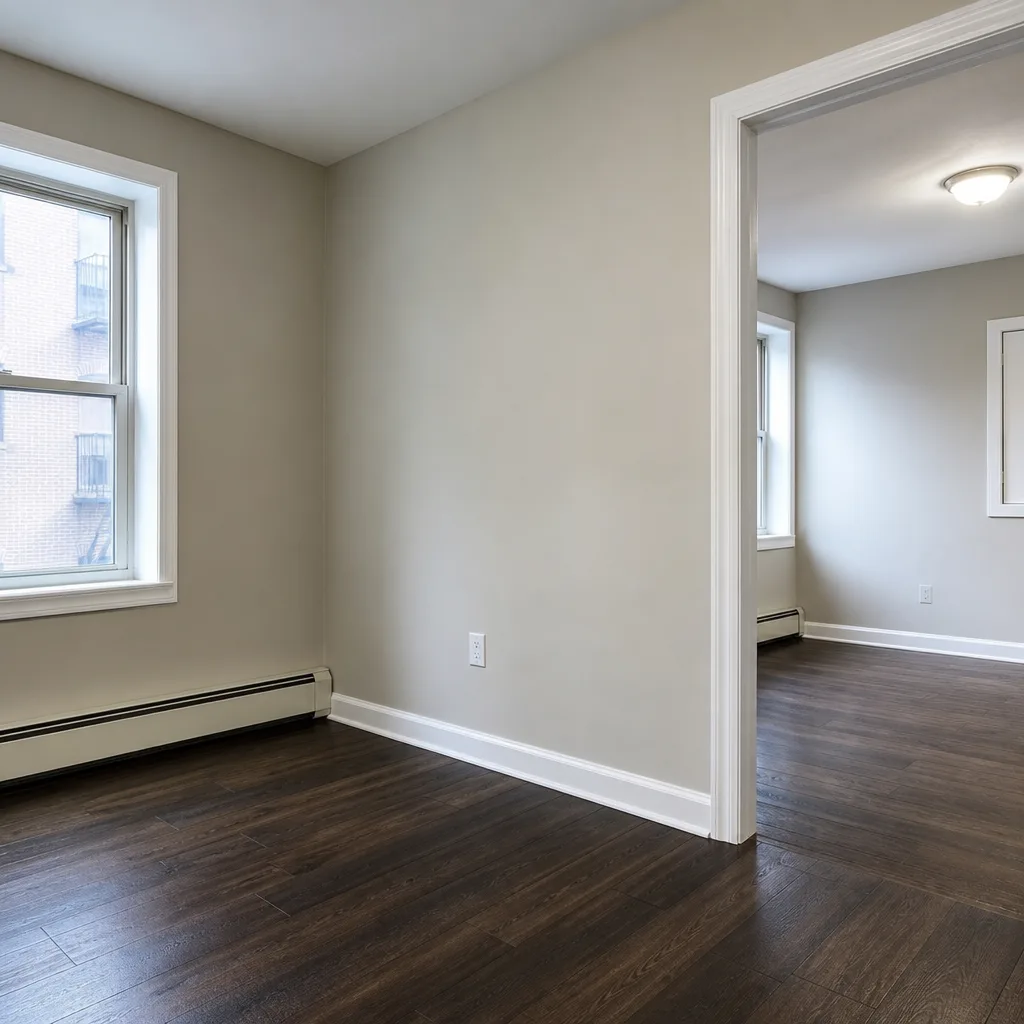 After
After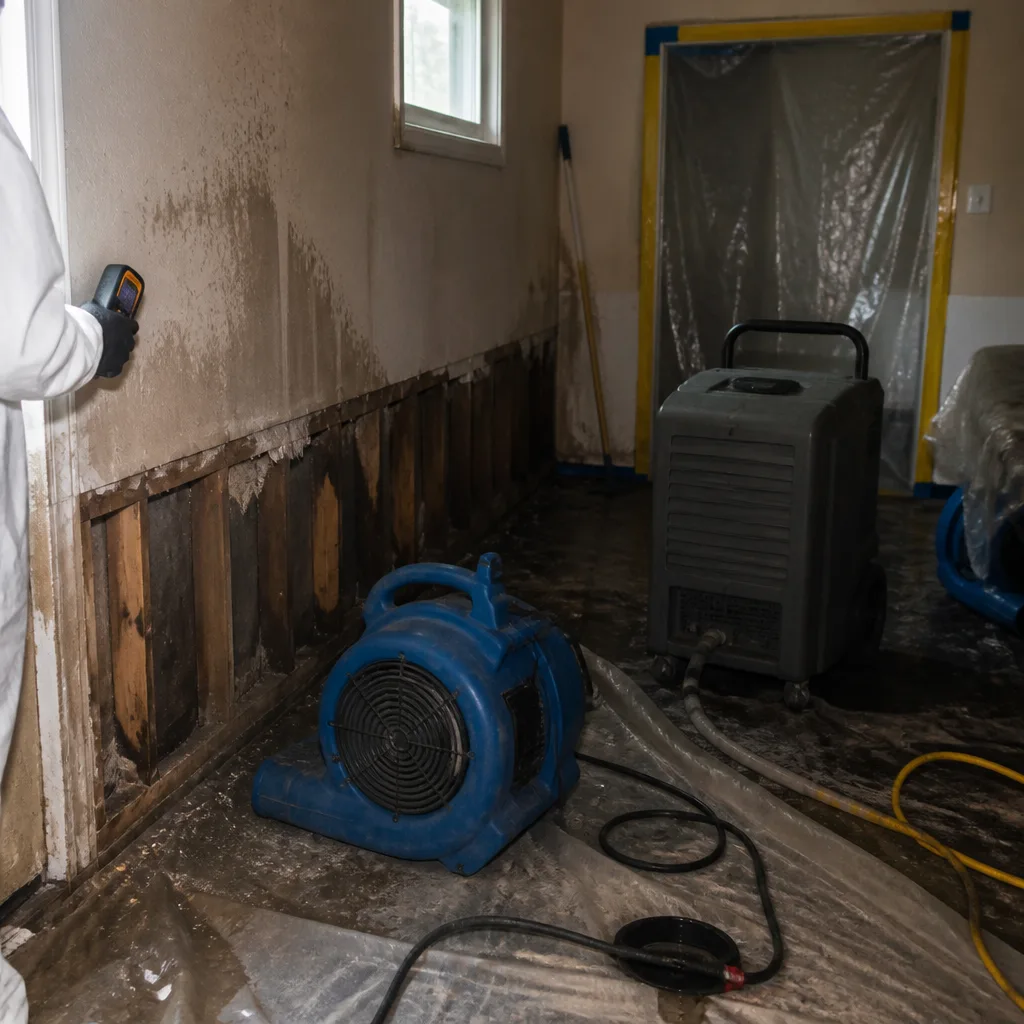 Before
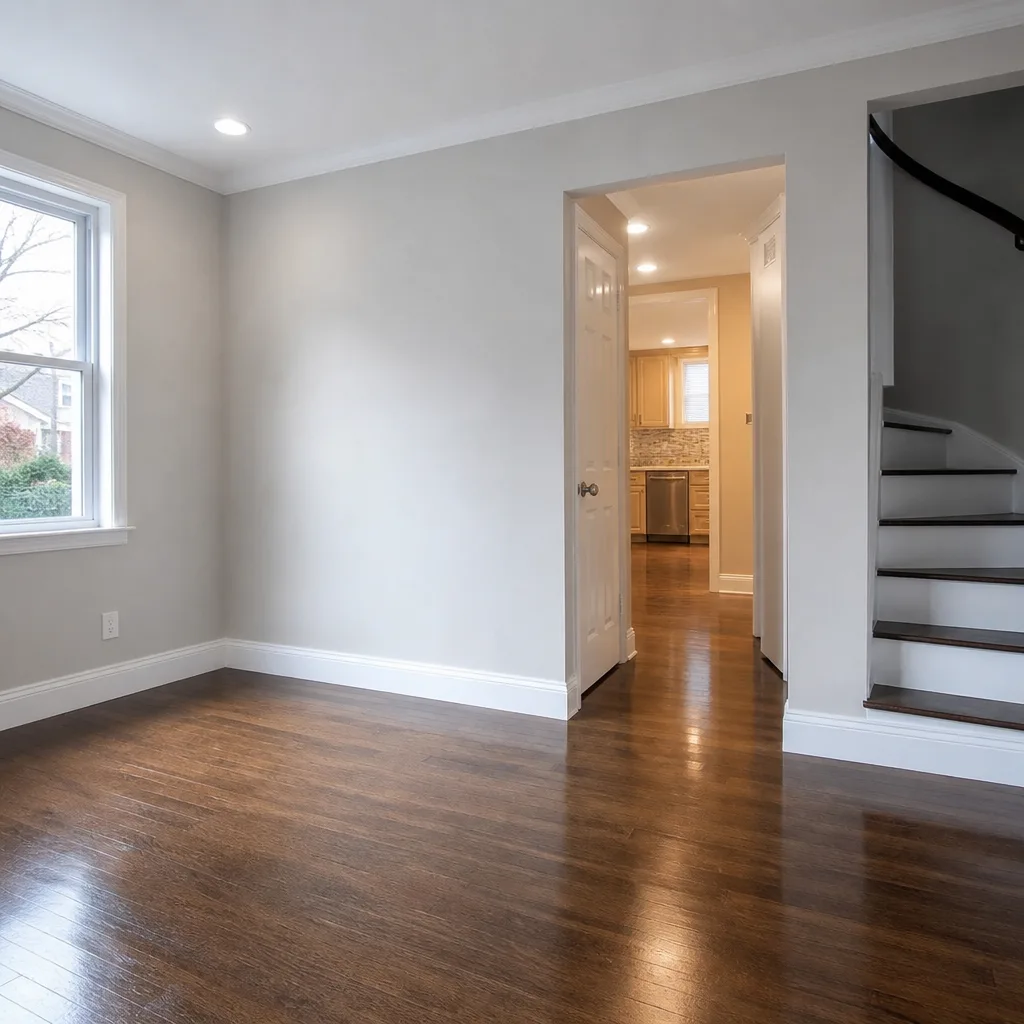 After
After24/7 Emergency Storm & Disaster Restoration in Middle Village
Storm damage in Middle Village moves fast. Water from a breached roof or combined sewer backup reaches finished basement living space within minutes, and smoke from a rowhouse fire travels through shared party walls before the trucks even clear Juniper Boulevard. That’s why Floodline Restoration Co. answers live, around the clock, with crews dispatched into Middle Village from our New York City office the moment you call (518) 872-6111. A certified technician reaches your block, completes a free visual inspection, and in most storm and flood cases gets extraction running that same visit. The first hour determines whether you’re drying a space or rebuilding it.
Understanding Storm & Disaster Restoration Severity in Middle Village Properties
Not every storm event in Middle Village calls for the same response. We classify water the way the IICRC teaches: Category 1 is clean supply water from a burst pipe; Category 2 carries contaminants, typical of combined sewer backups that push grey water up through floor drains during heavy summer downpours; Category 3 is grossly unsanitary, often from street-level floodwater mixing with sewage. In a 1940s brick rowhouse, Category 2 or 3 water in a finished basement in-law suite means removing saturated drywall, baseboard, and carpet, then pulling moisture readings behind plaster-over-brick walls where hidden cavities hold water long after surfaces feel dry. Smoke damage carries its own severity ladder: dry soot from a high-heat kitchen fire behaves differently than the wet, sticky residue left by smoldering contents. Both migrate through the shared wall cavities that define Middle Village’s zero-setback blocks.
Moisture mapping is not optional here. With attached and semi-detached homes built largely between 1940 and 1965, water moves laterally through original brick and shared framing. We log daily readings with Dri-Eaz, Phoenix, and B-Air equipment until the dry standard is met, because anything less invites mold colonization inside walls within 48 hours.
Why Middle Village Property Owners Choose Floodline Restoration Co.
- 45-minute response commitment: when you call, a certified crew is dispatched immediately and typically reaches Middle Village addresses within 45 minutes, not the next morning.
- A real person answers, 24/7: no recordings, no answering service handoffs. A live dispatcher takes the call at 2 a.m. and stays in contact until the crew arrives.
- IICRC-certified crews: technicians hold WRT, FSRT, and AMRT certifications and follow the same drying standards on every job.
- Free visual inspection: before any work begins, you get eyes on the damage and an honest read on what actually needs to happen.
- Direct insurance billing: we bill your carrier directly and talk to the adjuster ourselves, so you’re never the messenger.
- One team, start to finish: the same Floodline crew that handles extraction and drying also handles the rebuild. No mid-job handoff to strangers.
Our Storm & Disaster Restoration Process
Inspection & Assessment
We map the full extent of damage with thermal imaging and hygrometers, trace water into shared wall cavities, and identify whether you’re dealing with Category 1, 2, or 3 water. Where party walls are involved, we assess adjacent units before mitigation begins.
Extraction & Stabilization
Standing water comes out first, using truck-mounted and portable extraction. If roof damage has exposed the interior, we board up and tarp immediately to stop further intrusion before extraction starts.
Drying & Dehumidification
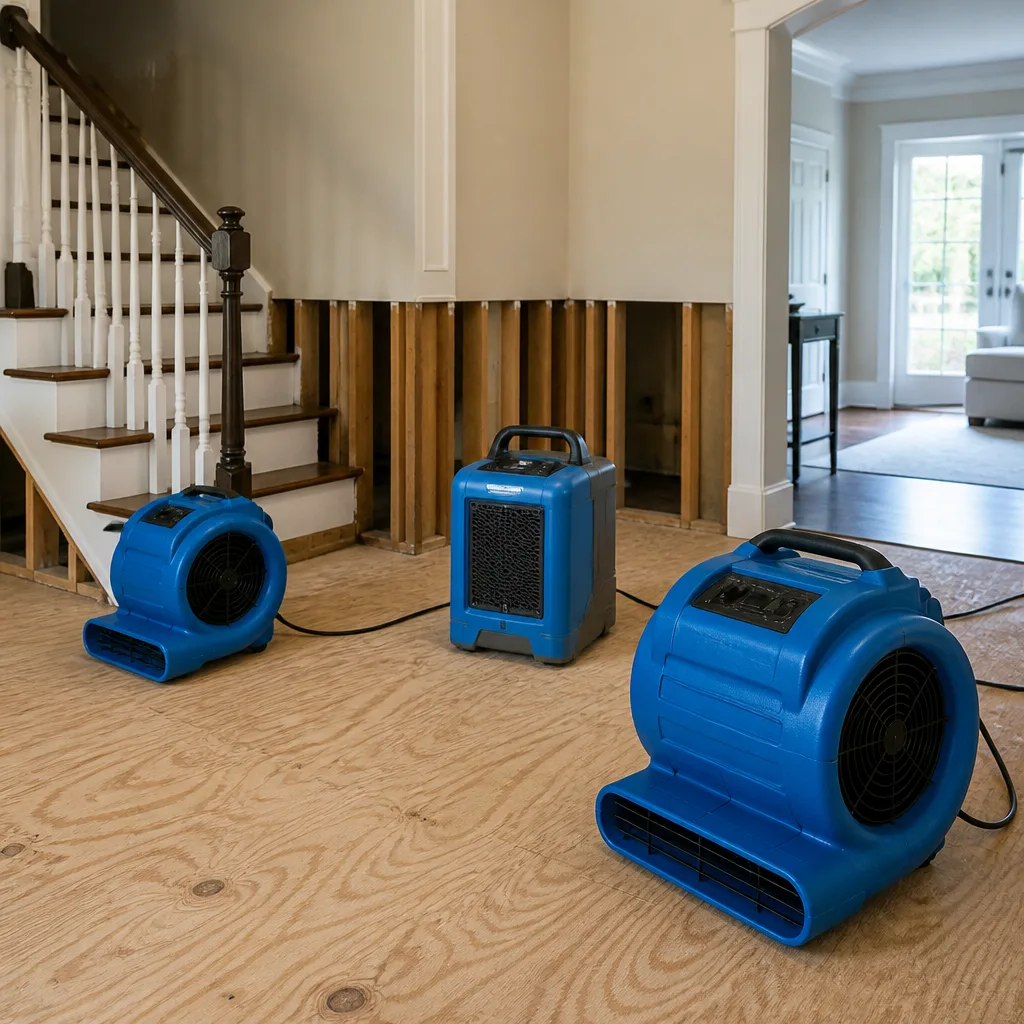
Air movers and dehumidifiers go in the same day, positioned to create cross-flow through the affected space. We log daily moisture readings until materials hit the dry standard, not just the surface.
Cleaning & Sanitization
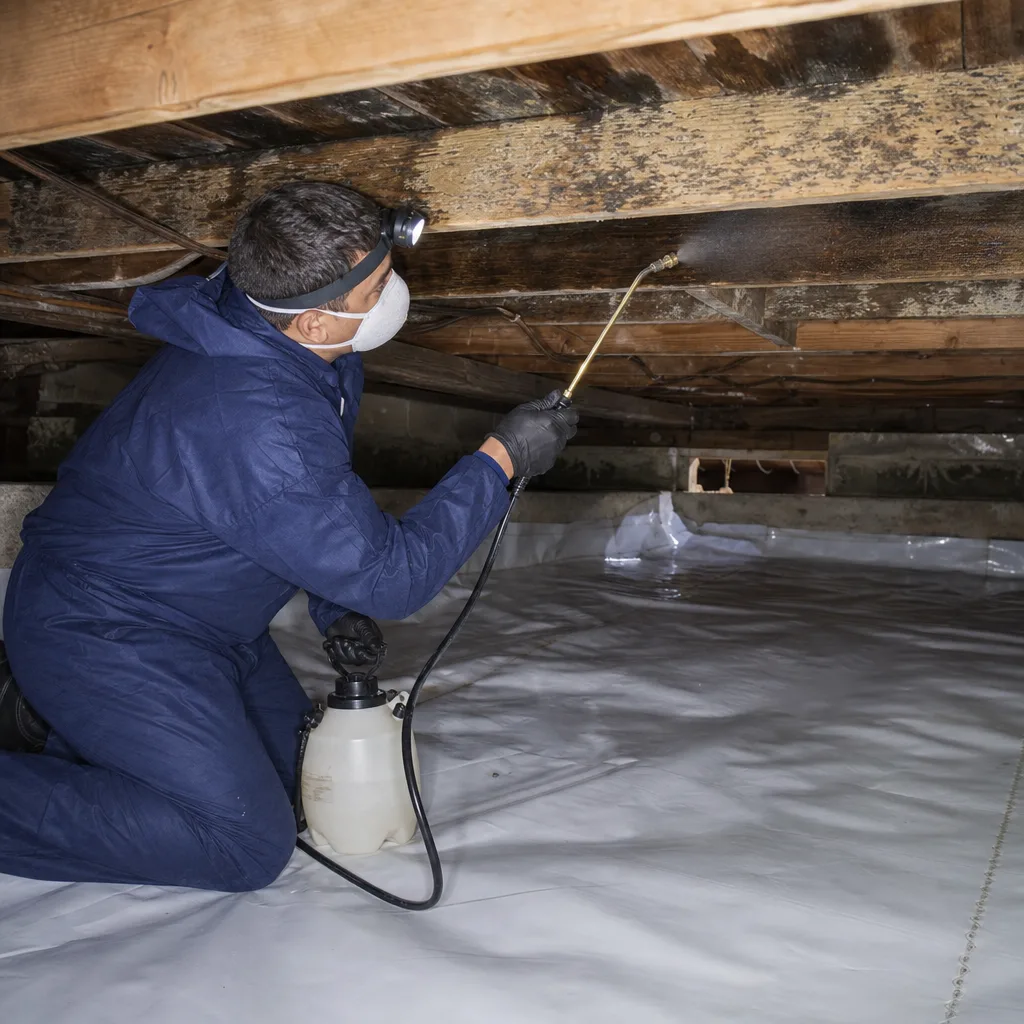
Category 2 and 3 water requires antimicrobial application and HEPA vacuuming of affected surfaces. Smoke-affected areas get dry or wet soot removal appropriate to the residue type, with content cleaning for salvageable belongings.
Storm-Specific Specialty Treatment
In Middle Village rowhouses, this means checking original brick parapet walls for water intrusion after wind-driven rain, inspecting rebuilt basements for sewer-backup contamination, and confirming containment on party walls before mold has a chance to colonize.
Repairs & Restoration
We rebuild what needs rebuilding: drywall, flooring, trim, cabinetry, and structural repairs to original brick where freeze-thaw cycles have opened mortar joints. The same crew that started the job finishes it.
Need Emergency Storm & Disaster Restoration in Middle Village Now?
Crews minutes away, answering live 24 hours a day. The sooner we start, the less it costs.
Working With Your Insurance Company
Most Middle Village storm and flood claims involve two or three carriers, because damage on a zero-setback block rarely stays behind one front door. We handle that complexity from the first hour. Our documentation starts when the crew arrives: photos of every affected room before work begins, moisture readings in writing, daily drying logs, and a line-item scope of work with the pre-loss condition noted. We speak directly with adjusters, including when neighbor units and their separate policies are part of the same loss event. The 90-Day Done Right Promise means if something isn’t right after we’ve finished, we make it right, in writing, with no argument. That’s the Keystone Standard, and it applies to every job in Middle Village.
What We Provide Your Insurer
- Thorough documentation of the loss
- Photos of all damage, room by room
- Moisture readings and drying logs
- A detailed, line-item scope of work
- Direct coordination with your carrier
Built for Middle Village’s Loss Calendar
Middle Village storm and disaster losses follow a predictable pattern through the year, and we plan for it. January and February bring deep freezes that burst supply lines in unheated basement stairwells and behind kitchen walls of 1940s rowhouses. March and April thaw loosens original brick mortar, and freeze-thaw cycles send water through parapet walls and window lintels into finished basement spaces. July and August deliver the summer thunderstorms that overwhelm the combined sewer infrastructure under central Queens, backing Category 2 grey water up through floor drains in basement in-law suites. September tropical remnants, like Ida in 2021, flood finished basements across 11379 and test every sump pump on the block. Nor’easters arriving in late fall bring wind damage to older roofs, and that’s where emergency board-up and roof tarping on zero-setback homes becomes urgent. Each season has a signature loss in Middle Village, and our crews are ready for the one you’re dealing with right now.
Storm & Disaster Restoration Across Middle Village’s Neighborhoods
Middle Village’s housing stock is remarkably consistent, and that consistency shapes restoration work block by block. Around Juniper Valley Park and the streets feeding Juniper Boulevard, attached brick rowhouses share uninterrupted zero-setback walls, which means water from one failing waste line migrates into two neighbors’ basements before anyone notices. On the blocks south of Metropolitan Avenue, many homes retain original cast-iron plumbing from the 1940s, and we regularly see Category 3 releases from failed waste lines flowing through party walls into occupied in-law suites. Over near St. John’s Cemetery and along 69th Street, semi-detached homes with finished basements flood during summer downpours when the combined sewer system backs up. Up by Dry Harbor Road and the 11379 zip code’s northern edge, wind damage to older roof membranes and parapet caps is more common, and tarping is often the difference between a leak and a full ceiling collapse. In every one of these areas, the same rule applies: the faster the response, the smaller the job.
Specialized Storm & Disaster Restoration Services We Offer in Middle Village
Flood Damage Restoration
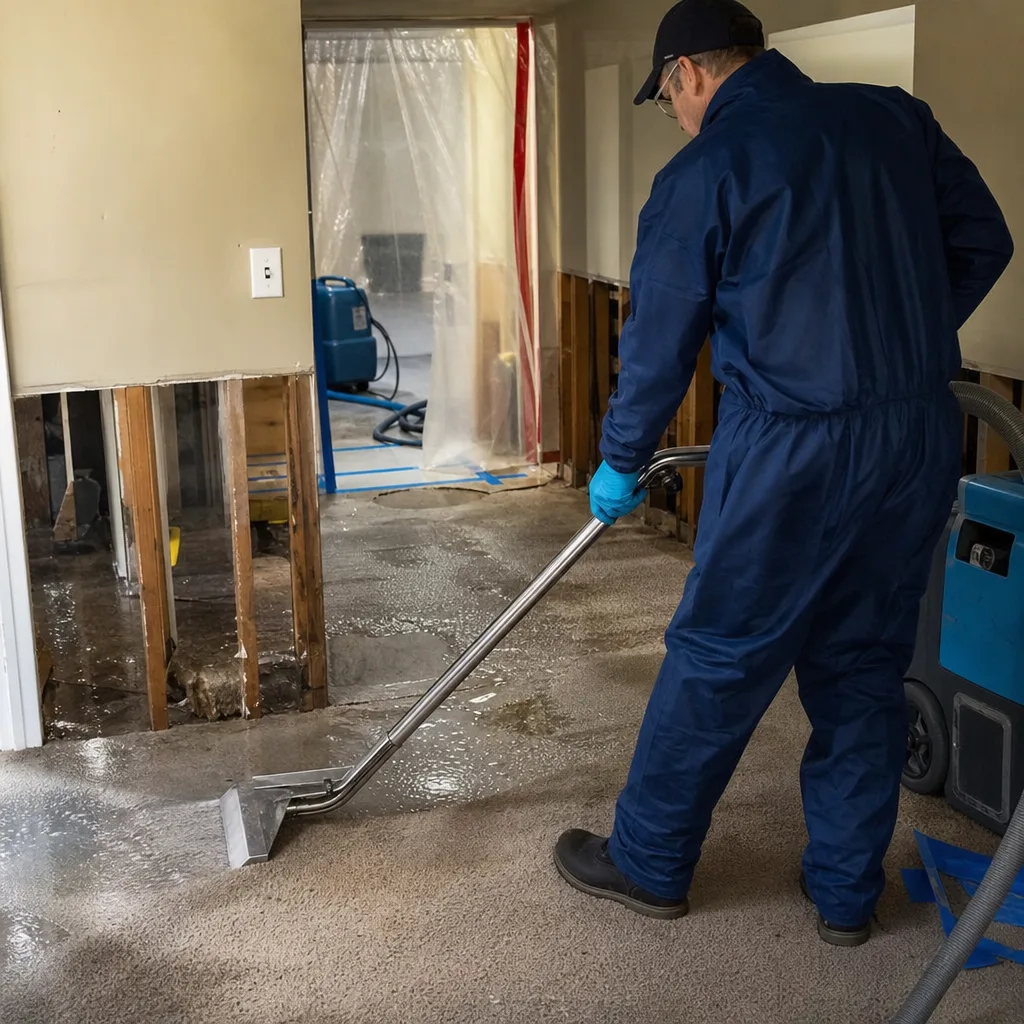
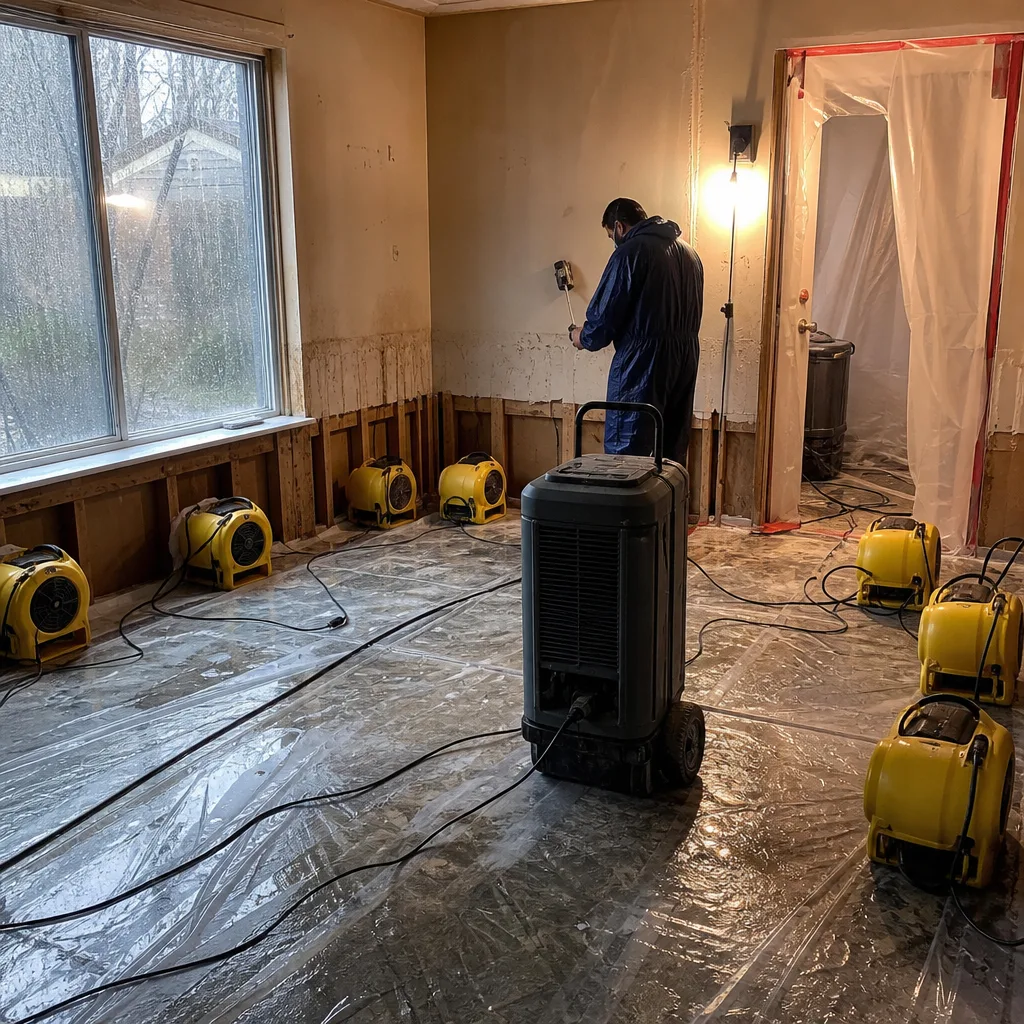
A flooded basement in Middle Village is rarely just a utility room. Most are finished living spaces, often converted to rental units or in-law suites. We extract the standing water, remove saturated finishes, and run drying logs until the structure meets the dry standard. When the water came up through a floor drain, it’s Category 2 or 3, and sanitization is part of the scope, not an upsell.
Emergency Board-Up
When wind or fire compromises a window or door, an open opening invites more damage and wrong kinds of attention. Our crews board up with plywood and proper fastening so the home is secure before you deal with adjusters or contractors. On zero-setback rowhouse blocks, board-up on one unit often protects the neighbor’s shared wall too.
Roof Tarping
A storm-damaged roof on a 1950s Middle Village rowhouse can’t wait for a roofing crew’s schedule. We tarp the damaged area the same visit, secured against what the next nor’easter throws at it, and document everything for your carrier. The goal is to stop water at the source, not chase it through three floors below.
Storm Damage Cleanup
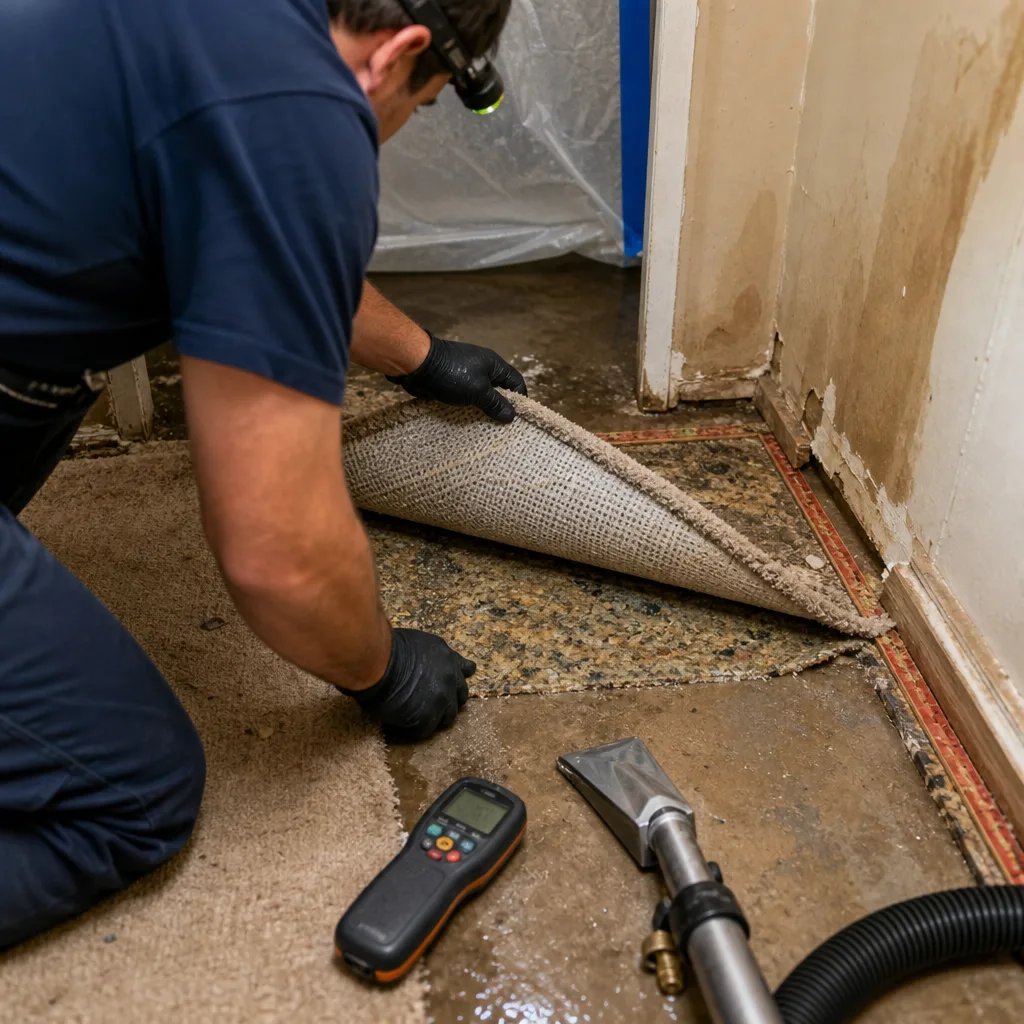
After a storm passes, the cleanup starts. Downed tree limbs, debris in the yard and on the roof, water in the basement, and wind-torn siding all need attention before they become bigger problems. We handle the full cleanup and document what the storm did versus what pre-existed, because insurers draw that line carefully in Queens.
Debris Removal
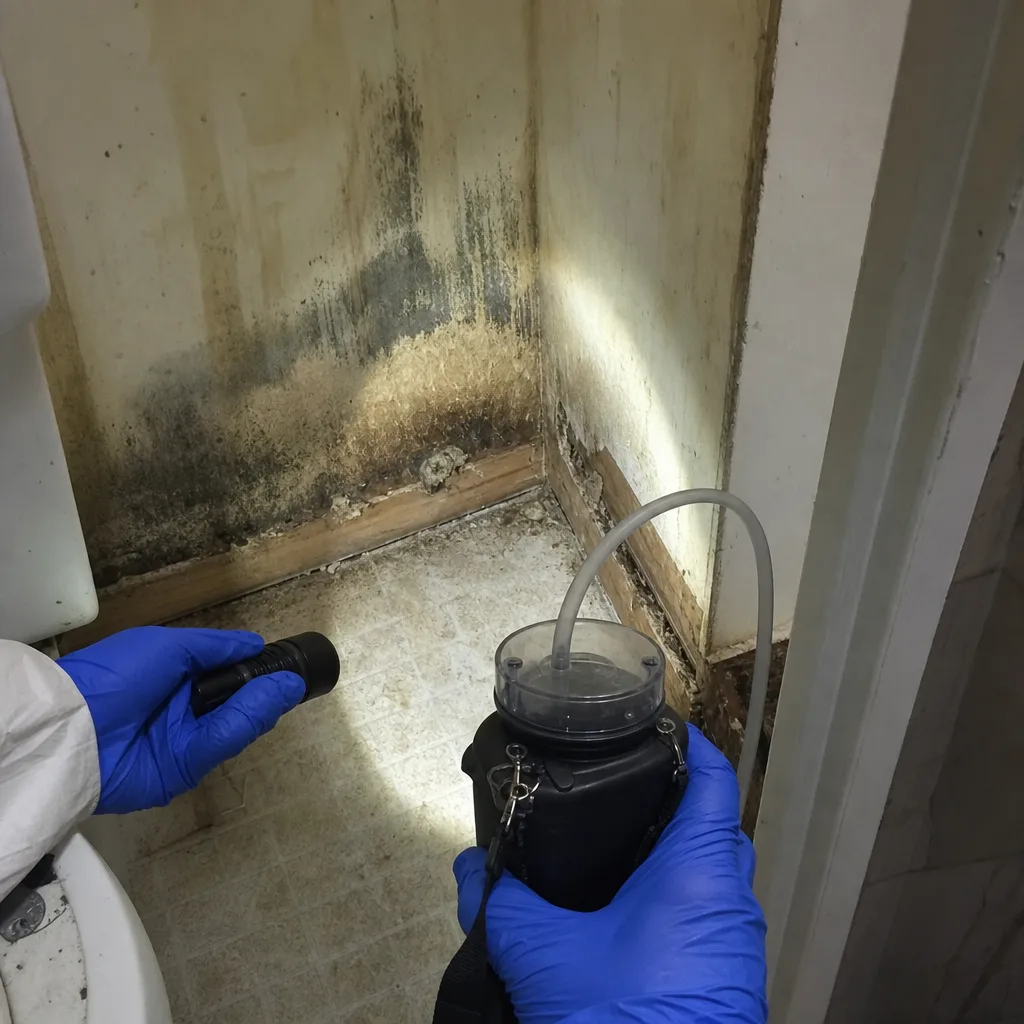
Storm debris on a Middle Village block is a shared problem, especially when a neighbor’s tree lands in your yard or on your roof. We remove it safely, document the point of impact for your claim, and make sure the debris doesn’t sit and breed mold or pests. The same crew can then assess what structural damage the debris caused.
What happens when you call
- 1
A real person answersNo phone trees - you reach a local pro.
- 2
You get an upfront price rangeHonest numbers before anyone is dispatched.
- 3
A background-checked tech heads outLicensed & insured, dispatched right away.
- 4
You approve before work beginsNothing starts until you say go.
Storm & Disaster Restoration Costs in Middle Village, NY
What does storm and disaster restoration actually cost in Middle Village? Here are real ranges, based on the jobs we see in the 11379 area. Emergency board-up typically runs $400-$900 depending on the number of openings. Roof tarping usually lands between $500-$1,200 for a standard row house front slope. Water extraction and drying for a finished basement flood averages $2,800-$5,500, with Category 3 contamination pushing that higher. Full flood restoration with rebuild of a finished basement in-law suite commonly runs $9,000-$20,000 depending on finishes and how much original plaster and framing is involved. Insurance covers most storm-related losses when the cause is sudden and accidental, but sewer backup coverage is a separate rider on many New York policies, and plenty of Middle Village homeowners discover that gap during the claim. The free visual inspection gives you a firm scope before any work begins, so there’s no mystery on price. Call (518) 872-6111 and we’ll walk the loss with you and put numbers on paper.
We Also Serve Cities Near Middle Village
Floodline Restoration Co. crews serve the full central Queens corridor from our New York City office. If you’re in Elmhurst, Forest Hills, Corona, or Jackson Heights, we answer live 24/7 and dispatch certified crews the same way we do in Middle Village. Same equipment, same documentation, same written guarantee.
Serving Middle Village, NY - Our Local Coverage Area
We’re based in the Middle Village area and know this community well. Use the map below to see our service coverage - if you’re nearby, we can almost certainly help.
Middle Village Storm & Disaster Restoration Questions, Answered
How does Floodline Restoration handle multi-unit mitigation when a Middle Village rowhouse flood crosses party walls into neighbors’ basements?
We treat it as one job with multiple stakeholders. When water from one unit crosses into adjoining basements, we set containment in every affected unit, stop the source, extract, and run separate drying logs for each space. Then we coordinate directly with each property owner’s insurance carrier so the adjusters talk to us, not to you. On a zero-setback block, this is the job, not an exception. Call (518) 872-6111 and a certified crew will map the full spread of damage.
What does Floodline Restoration do differently for Category 3 water from a combined sewer backup in a finished Middle Village basement?
Category 3 water carries sewage and pathogens, so we treat every surface it touched as contaminated. That means removing affected drywall, baseboard, carpet, and insulation, not just drying. We apply antimicrobial treatments to structural framing, HEPA-vacuum salvageable surfaces, and run air scrubbers during the process. The same crew handles the rebuild afterward, which matters when your finished basement is an occupied rental unit. The free inspection includes a frank read on whether cleanup alone is enough or full remediation is required.
Can Floodline Restoration’s board-up and tarping crews secure a Middle Village rowhouse after storm damage before adjusters arrive?
Yes, and they should. We don’t wait for adjuster approval before stopping further water intrusion. Board-up and tarping are standard mitigation steps that insurers expect and reimburse, and doing them the same visit protects the claim by preventing additional damage. Our documentation includes photos of the exterior and interior before anything is touched, exactly what your adjuster needs. Call (518) 872-6111 and a crew heads your way immediately.
How quickly does Floodline Restoration start water extraction after a burst pipe in an occupied Middle Village basement rental?
We commit to a 45-minute response time for Middle Village addresses, and extraction starts the same visit in nearly every case. A burst pipe in an occupied basement suite is a housing emergency for your tenant and a liability issue for you, so speed is not a luxury. The faster water comes out and drying begins, the less finished space you lose. Live dispatch answers 24 hours a day, including weekends and holidays.
Does Floodline Restoration repair original 1940s brick party walls after winter freeze-thaw water infiltration, or just dry them out?
We do both. Drying alone leaves the pathway for water to return with the next storm. Our crews remove compromised mortar, repoint original brick where freeze-thaw cycles have opened joints, and address drainage and flashing issues that sent water into the wall in the first place. The rebuild is part of the same contract, not a handoff to another contractor. The 90-Day Done Right Promise covers the full scope, including the masonry work.
Will my insurance cover storm and flood damage in Middle Village?
Most sudden storm damage, like a tree through a roof or wind-torn siding, is covered under standard homeowners policies. Water that enters from rising surface water or a failing foundation is typically not. Sewer backup is only covered if you carry the specific rider, and many New York policies don’t include it by default. We document everything, bill your carrier directly, and talk to your adjuster about the pre-loss condition, because that’s where claims get made or broken. We’ll give you an honest read during the free inspection.
How long does drying and remediation take after a Middle Village basement flood?
Most basement floods dry to standard in 3 to 5 days with proper equipment placement and daily monitoring. Original plaster over brick and hidden wall cavities can extend that, which is why we use moisture mapping rather than just checking the surface. Remediation of Category 3 water adds time for cleaning and sanitization. We’ll give you a written drying plan and update the log every day until the job is done.
What should I do in the first 30 minutes after storm damage in Middle Village?
Call (518) 872-6111 first. Then shut off electricity to affected areas if it’s safe to do so, and keep clear of standing water that may be carrying sewage. Don’t open walls or try to dry things yourself, because improper drying hides moisture and breeds mold. Our live dispatcher will talk you through the immediate steps while a crew is already on the way.
On a zero-setback block off Juniper Valley Road, a Category 3 water release from a failed original cast-iron waste line in one rowhouse flowed through the shared party wall into two neighbors’ finished basement in-law suites. Our techs set containment in all three units, extracted standing water, and ran drying logs with Phoenix and Dri-Eaz air movers while coordinating three separate adjusters over the same pre-loss condition. That’s the Middle Village restoration job in one scene: three property owners, three policies, one shared wall. Floodline Restoration Co. has done this work for over 42 years, and every job is Storm & Disaster Restoration done right, backed in writing by the 90-Day Done Right Promise. We answer live, 24 hours a day. Call (518) 872-6111 for a free visual inspection, and we’ll be there when we say.
Written by Curt Bowman, Owner at Floodline Restoration Co., serving Middle Village and central Queens with certified storm and disaster restoration crews.