

Free visual inspection and a written scope of work before any mitigation begins - photos, moisture readings, and drying logs go in your claim file
The scope we write is the scope we bill. Anything new gets shown to you, in writing, before we touch it.
Storm responseSewage cleanup
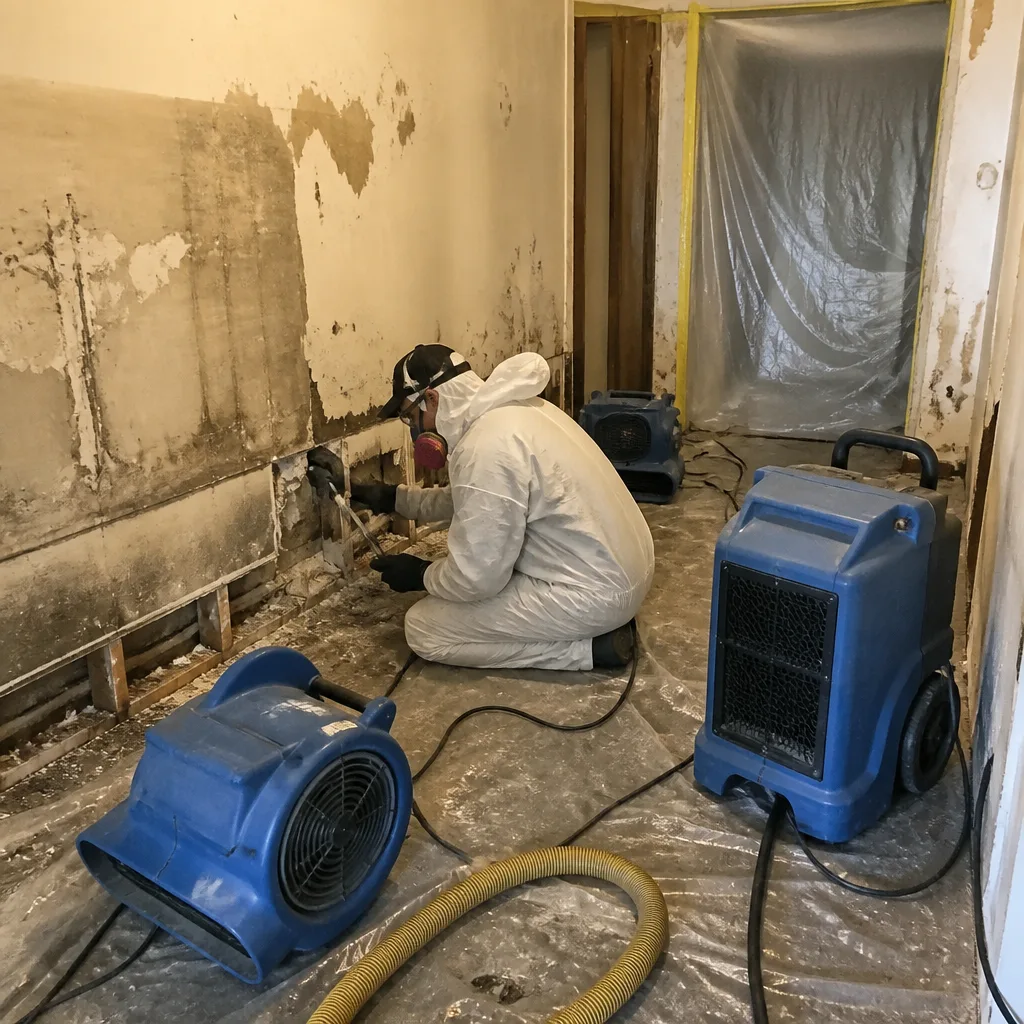 Before
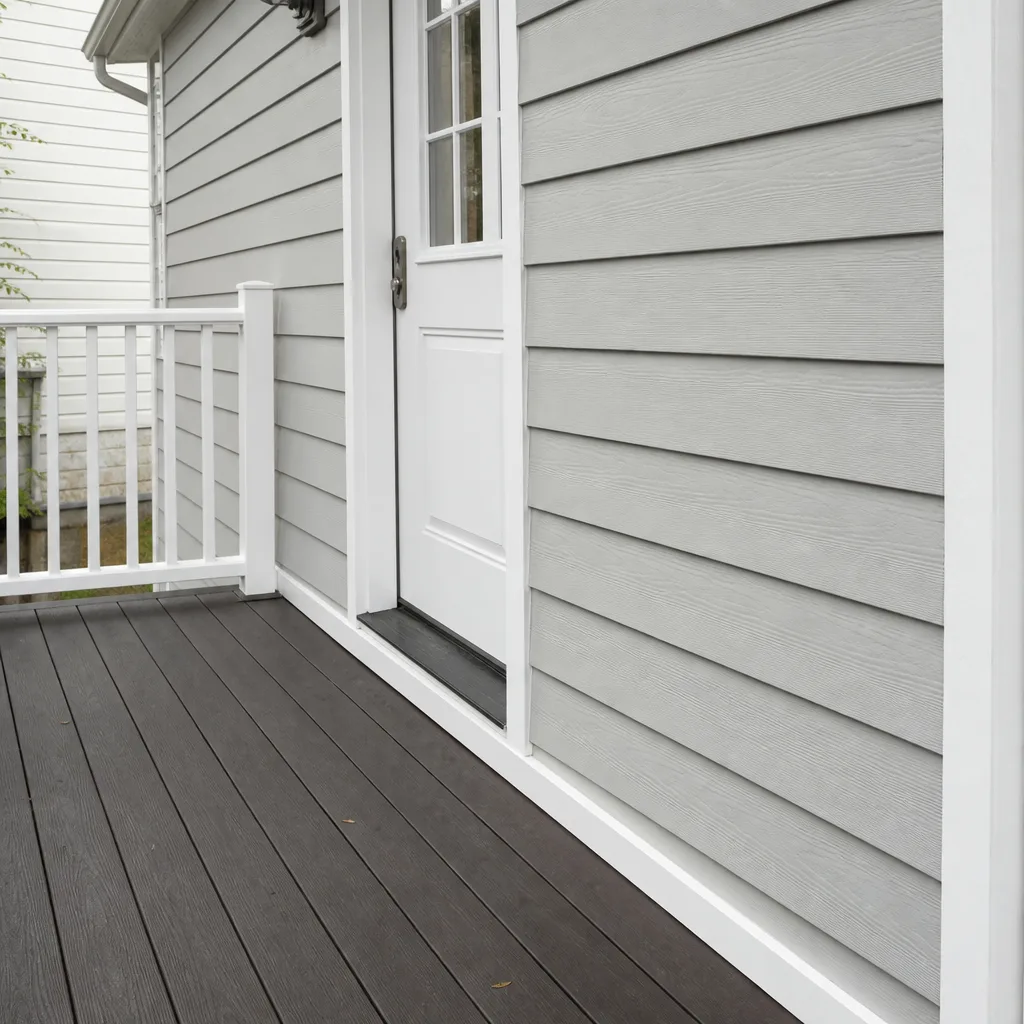 After
After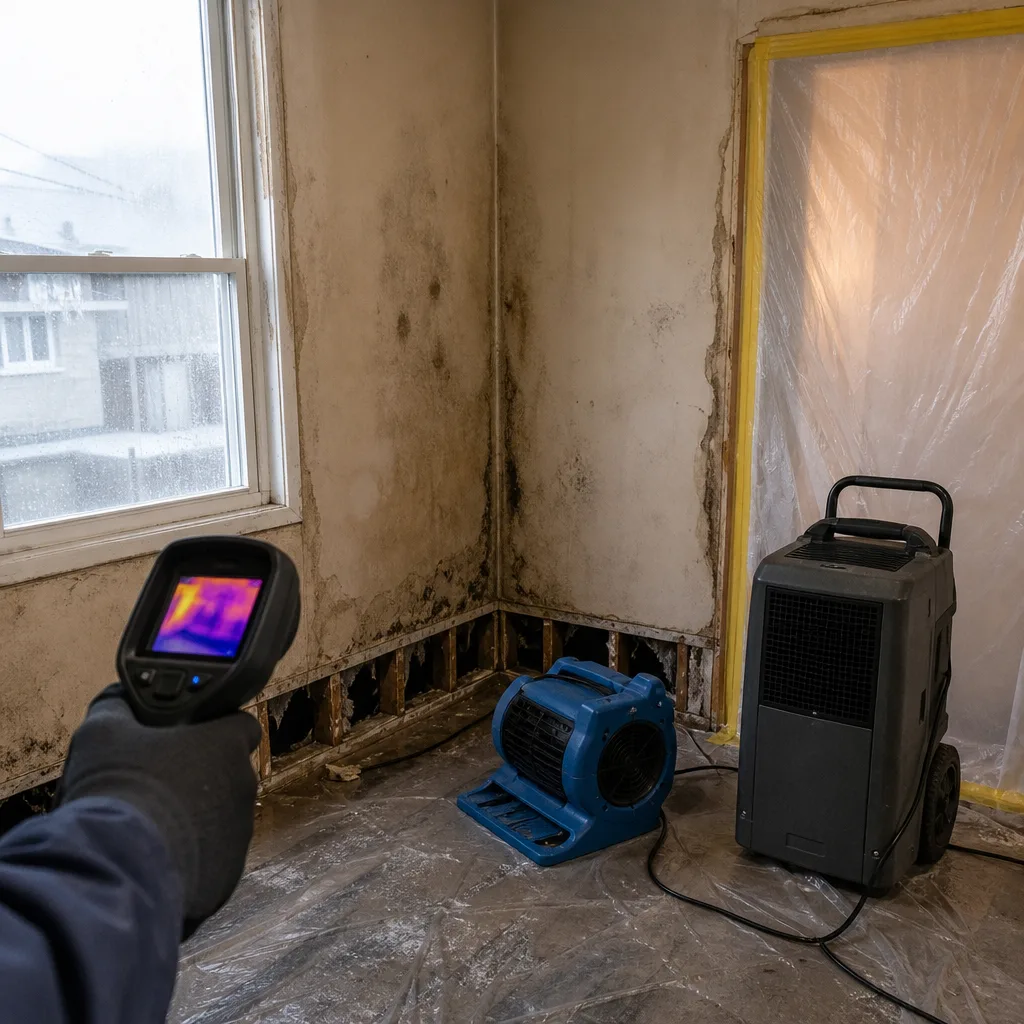 Before
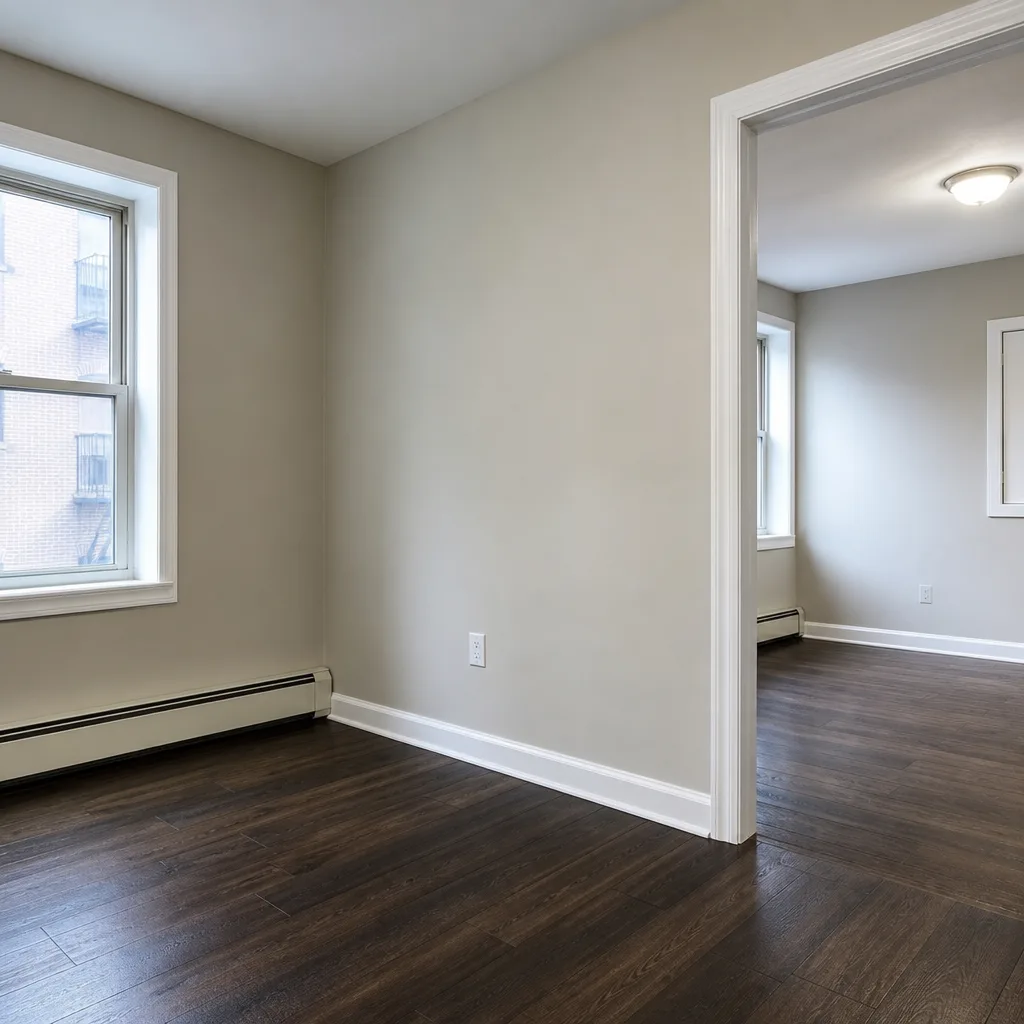 After
After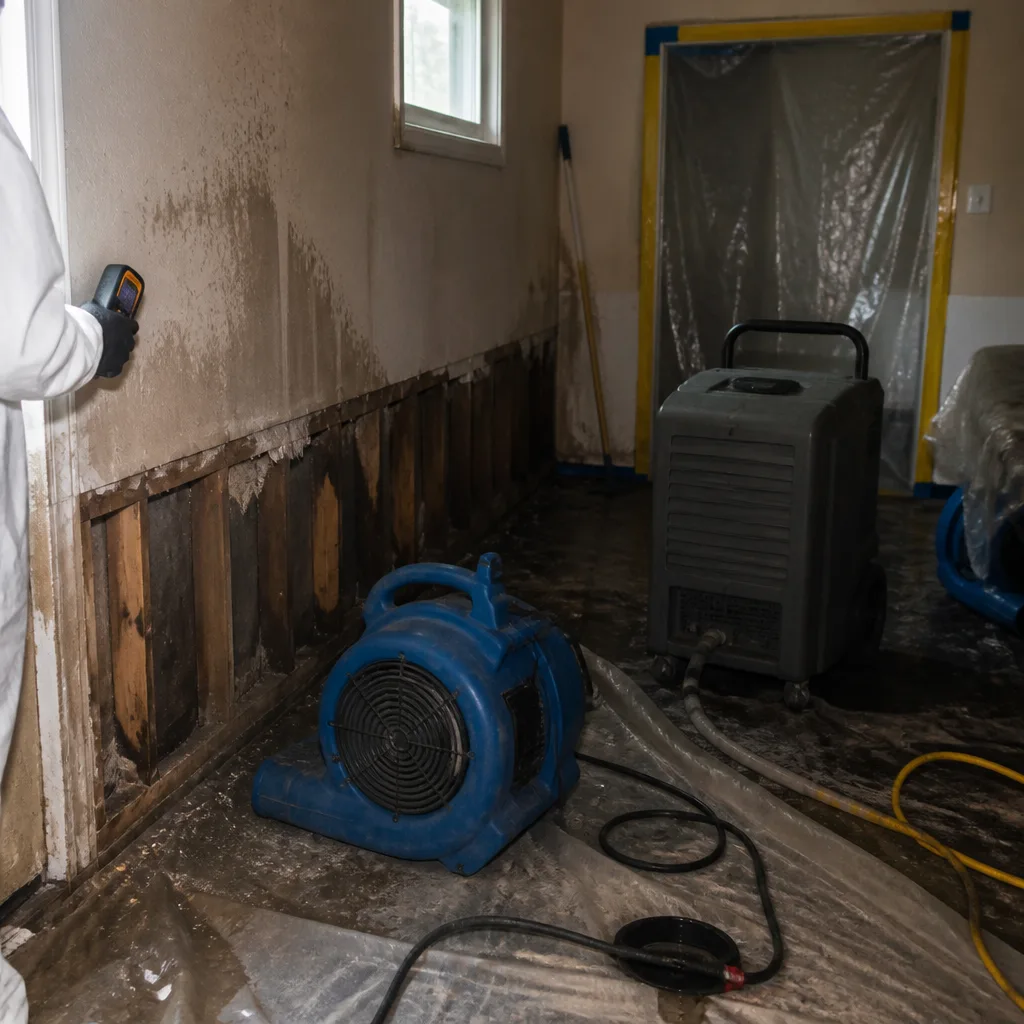 Before
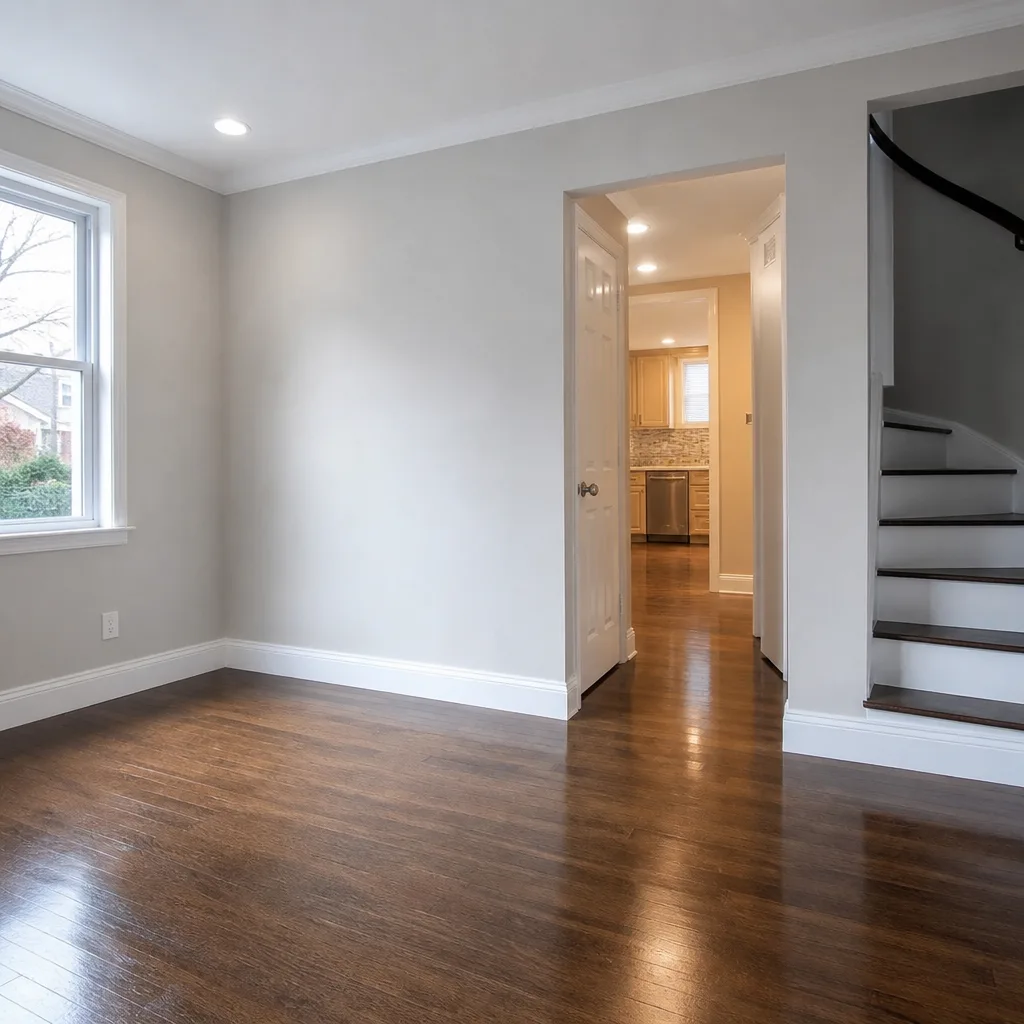 After
After24/7 Emergency Storm & Disaster Restoration in Throggs Neck
Storm & Disaster Restoration in Throggs Neck starts the moment you call (518) 872-6111. A live dispatcher answers, not a recording, and a certified crew is on the road to your block inside 45 minutes. Floodline Restoration Co. has served this peninsula long enough to know that water moving through a basement off East Tremont Avenue at 2 a.m. can’t wait for regular business hours. Free visual inspections, direct insurance billing, and the 90-Day Done Right Promise come with every job we start in Throggs Neck. The first hour after storm water enters a house decides whether you’re dealing with extraction and drying or full demolition and rebuild.
Understanding Storm & Disaster Restoration Severity in Throggs Neck Properties
Throggs Neck storm damage runs on saltwater, and that changes every calculation. When the East River or Long Island Sound pushes surge water into a 1940s Cape Cod or a 1950s brick colonial off Dean Avenue, you’re not dealing with Category 1 water from a burst supply line. You’re dealing with Category 3 water: contaminated by sewage, marine organisms, and dissolved salts. Moisture mapping in these homes routinely finds capillary action pulling brackish water up through cast-iron drain lines and into base plates. Structural drying here isn’t a two-day affair. Salt crystallization inside wall cavities holds moisture against framing lumber and steel lintels long after surface readings drop into the dry range. We use IICRC-certified protocols for saltwater intrusion specifically, because the standard freshwater playbook fails in Throggs Neck. Every one of these houses sits close to the water table, and most have finished basements that flood repeatedly. The restoration scope has to account for what the water carried in and what it will keep doing inside the wall.
Why Throggs Neck Property Owners Choose Floodline Restoration Co.
- 45-minute response commitment. When storm surge moves through a block near Weir Creek, we have a crew dispatched from the metro NYC office before you hang up. Extraction starts the same visit.
- 24/7 live answer, always a real person. No automated phone trees at midnight. A dispatcher picks up, asks the right questions, and moves a certified team toward Throggs Neck immediately.
- IICRC-certified crews. Our technicians hold WRT, FSRT, and AMRT certifications. The certifications are not decorative. They mean the moisture map on day one gets checked against daily readings until the dry standard is met.
- Free visual inspection. We walk the damage, mark the waterline, and sketch the scope before any equipment rolls in. No obligation, no pressure.
- Direct insurance billing. You do not play messenger between us and your carrier. We send the line-item scope, photos, and drying logs ourselves.
- One team from extraction to reconstruction. The crew that pulls water from your basement floor is the same crew that rebuilds the finished walls. No mid-job handoff, no inherited strangers.
Our Storm & Disaster Restoration Process
Inspection & Assessment
We start where the water marked your wall, usually in the basement of one of Throggs Neck’s 1940s to 1960s homes. Thermal imaging and hygrometers map moisture inside framing and behind brick veneer. For homes that saw Sandy or repeated nor’easter flooding, we include a Sandy legacy damage audit in this first step.
Extraction & Stabilization
High-capacity extraction units pull standing water from floors, base plates, and wall cavities. If a ceiling or roof section is compromised, we emergency board-up and tarp first to stop outdoor water from feeding the loss.
Drying & Dehumidification
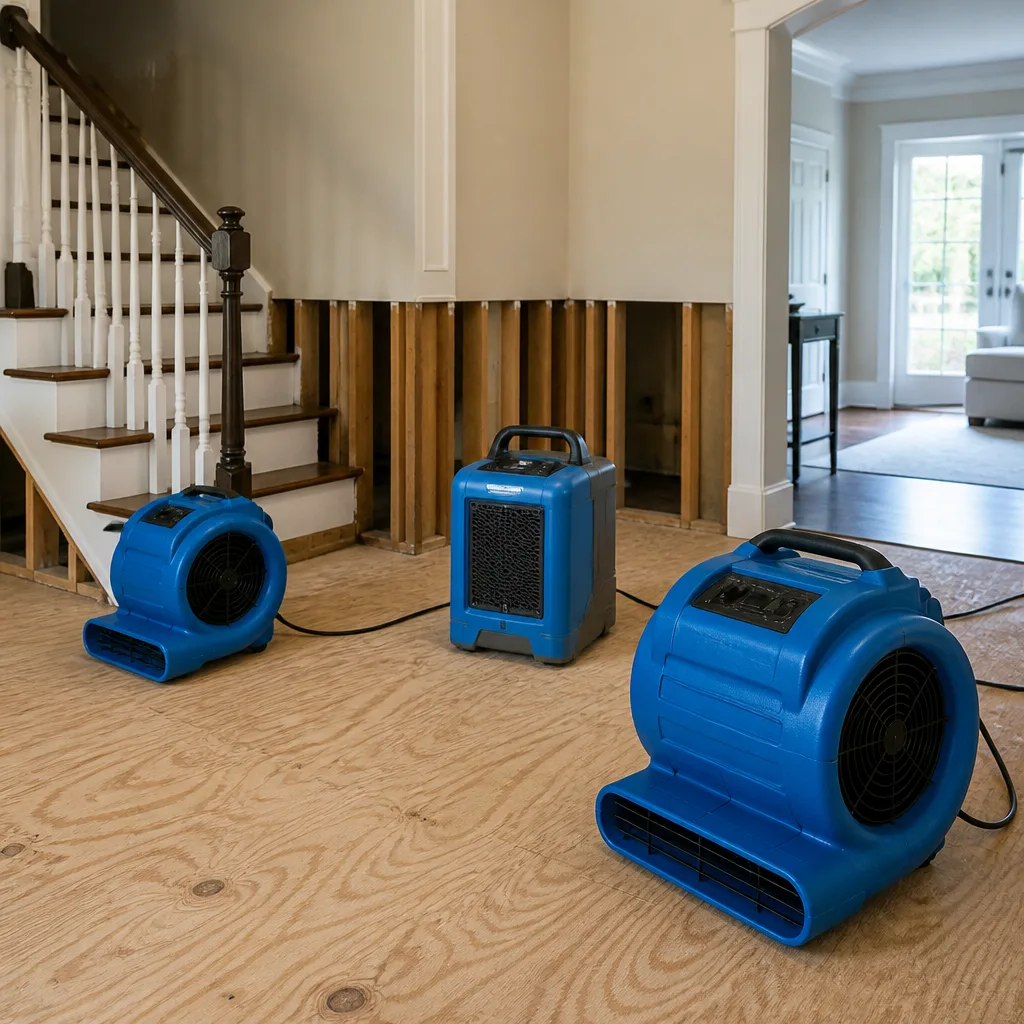
XPOWER air movers and B-Air dehumidifiers run on a patient schedule tied to daily moisture readings. In saltwater events, we add salt-neutralization treatments before hidden chlorides can keep corroding steel lintels and electrical boxes.
Cleaning & Sanitization
Category 3 water carries sewage and marine contaminants. We remove contaminated drywall and insulation, then sanitize framing and subfloor with antimicrobials appropriate for the salt residue profile we mapped.
Salt & Corrosion Treatment
This is the step franchise templates skip. We inspect cast-iron drain lines, steel lintels, and electrical components for corrosion that begins after the water is gone. Where needed, we specify corrosion remediation and code-upgrade work alongside the primary restoration.
Repairs & Restoration
New drywall, rebuilt finished basements, flooring, trim, and paint. The same uniformed crew that did the extraction handles the rebuild, and the whole job carries the 90-Day Done Right Promise in writing.
Need Emergency Storm & Disaster Restoration in Throggs Neck Now?
Crews minutes away, answering live 24 hours a day. The sooner we start, the less it costs.
Working With Your Insurance Company
If storm water entered your Throggs Neck home, your insurer needs documentation that holds up. We start building that file in the first hour: photos of every affected room before anything is moved, moisture readings from the first visit, and a line-item scope of work written the way adjusters expect. Our team communicates with your carrier directly, sends the drying log as the job progresses, and pushes back when initial estimates miss what’s actually necessary. On the Throggs Neck peninsula, that often means documenting salt contamination and hidden corrosion damage that a cosmetic repair estimate would never include. We represent the full scope of what your policy covers. The written guarantee applies to the work itself, not the claim, but we make sure the claim reflects what the house actually needs.
What We Provide Your Insurer
- Thorough documentation of the loss
- Photos of all damage, room by room
- Moisture readings and drying logs
- A detailed, line-item scope of work
- Direct coordination with your carrier
Built for Throggs Neck’s Loss Calendar
Throggs Neck’s storm losses follow a rhythm that inland Bronx neighborhoods never see. January freezes burst supply lines in uninsulated basements under these 1950s split-levels off Randall Avenue. Spring thaw and heavy rains push groundwater up through cast-iron drain lines and into the finished basements that sit so close to the water table. Summer thunderstorms drop flash flood volumes faster than the old drainage systems near Westchester Creek can carry them away. Then comes the real season. Nor’easters from October through March push multi-directional surge across this three-sided peninsula. Hurricane Sandy was the extreme, but smaller coastal floods happen here almost every year. Each event leaves saltwater in places freshwater restoration protocols never look. We plan for all of it: freeze-and-burst response in winter, storm surge and roof tarping in the fall and winter, and flash-flood extraction every summer.
Storm & Disaster Restoration Across Throggs Neck’s Neighborhoods
Our crews know Throggs Neck block by block, because response routes here are dictated by the water, not by a grid. Homes between East Tremont Avenue and the East River shoreline sit lowest and take surge first when a nor’easter drives water up from the Sound. The blocks closer to Westchester Creek see a different pattern: slow-rising brackish water that backs up through the neighborhood’s aging storm drains during heavy rain events. Around Fort Schuyler and the streets off Pennyfield Avenue, wind-driven rain and roof damage are more common, with emergency board-up and tarping calls clustering after coastal storms roll through. The commercial strips along Tremont and Lafayette Avenue deal with water pushing into storefront basements and utility closets the same storms hit. Housing stock shifts block to block too: detached brick colonials on wider lots, semi-detached two-families, and the occasional pre-war one-family that still has its original knob-and-tube wiring. Restoration in Throggs Neck means reading the block before reading the damage, because the storm did not treat every street the same.
Specialized Storm & Disaster Restoration Services We Offer in Throggs Neck
Storm Damage Cleanup
When the storm passes, you’re left looking at wet insulation, splintered wood, and whatever the surge dragged in. We clear the wreckage, dispose of contaminated material, and prep the space for drying and rebuild. In Throggs Neck, cleanup includes checking for the salt line the water left behind, because that’s the line everything else is measured from.
Flood Damage Restoration
This is our core work on the peninsula. Extraction, structural drying, and rebuild after flood water enters a finished basement or main level. For Throggs Neck specifically, Storm & Disaster Restoration means understanding that the water here carries salt, and the damage doesn’t stop when the floor looks dry.
Emergency Board-Up
When wind takes out a window or a tree limb opens a wall, the house keeps losing heat and gaining rain until somebody closes it. We get plywood over openings the same visit and make it weathertight, then schedule the permanent repair. This matters more on exposed corners of the Throggs Neck peninsula, where southwest gusts off the Sound hit hard.
Roof Tarping
A lifted shingle or punctured roof deck in a nor’easter becomes a waterfall by the next tide. We send a crew up to secure a tarp as soon as the weather allows, then document everything for the insurance file. The goal is freezing the loss where it stands.
Debris Removal
After heavy wind and coastal surge, debris on a Throggs Neck lawn is rarely just branches: it’s salt-logged drywall, roofing, and whatever the tide carried in. We remove and haul it properly, separating hazardous material from ordinary storm debris, so your property is safe to walk and ready for the next step.
What happens when you call
- 1
A real person answersNo phone trees - you reach a local pro.
- 2
You get an upfront price rangeHonest numbers before anyone is dispatched.
- 3
A background-checked tech heads outLicensed & insured, dispatched right away.
- 4
You approve before work beginsNothing starts until you say go.
Storm & Disaster Restoration Costs in Throggs Neck, NY
A coastal basement flood in Throggs Neck with Category 3 water typically runs $4,500 to $12,000 for extraction, drying, and sanitization, before reconstruction starts. Emergency board-up for storm damage averages $350 to $800 per opening, and roof tarping falls between $450 and $1,200 depending on roof pitch and access. Full rebuilds of finished basements flooded with saltwater in these 1940s and 1950s homes often land between $18,000 and $40,000 once code-upgrade work on cast-iron drains or electrical panels is included. The free visual inspection is the path to a firm number: we map the actual moisture profile, identify what’s salt-damaged versus purely water-damaged, and hand you a written scope. Senior & Veteran 5% Discount applies to every job, and the $50 Off Any Repair Over $250 offer stacks where eligible. Insurance covered most of the Storm & Disaster Restoration losses we handle here, and we bill the carrier directly.
We Also Serve Cities Near Throggs Neck
Our crews working Throggs Neck handle storm calls across the neighboring communities of Flushing, Bayside, College Point, and East Elmhurst. Same 45-minute response commitment, same saltwater-aware protocols, same written guarantee.
Throggs Neck Storm & Disaster Restoration Questions, Answered
How do I know if my Throggs Neck basement still has salt damage from Hurricane Sandy even if it was repaired?
If the wall was patched but never opened to check for salt, assume the damage is still there. Salt crystallization behind drywall keeps pulling moisture and feeds mold within 48 hours of any new water event. We open a small section, test for chlorides in the base plates, and tell you what’s real.
Why does flood restoration in Throggs Neck cost more or take longer than in the inland Bronx?
Because the water here is saltwater, and salt does not leave when the surface dries. Restoration requires salt-neutralization treatments, corrosion checks on steel lintels and electrical boxes, and longer structural drying. Inland Bronx floods are usually freshwater events that dry and rebuild faster.
Does my 1950s Cape Cod in Throggs Neck need a different flood-damage scope than a newer home?
Yes. Older Cape Cods here retain original cast-iron drain lines and electrical panels that flood water exposes to code-upgrade requirements. The finished basement, sitting close to the water table, also traps salt and moisture differently than a modern slab-on-grade build with flood vents.
After a nor’easter, how quickly should I call for storm damage cleanup in Throggs Neck before mold sets in?
Call within the first hour if you can. Mold colonization starts in 24 to 48 hours on wet organic materials. With saltwater from a Throggs Neck nor’easter, that timeline collapses: salt holds moisture against framing and feeds microbial growth even after the air feels dry. Call (518) 872-6111 now.
What should I expect from an emergency board-up and roof tarping call on the Throggs Neck peninsula?
A crew arrives in less than an hour in most cases, documents the damage for your carrier, secures plywood over openings, and tarps roof penetrations same visit if weather allows. You get photos of everything we do and a written scope for the permanent repair.
Can you respond to Throggs Neck the same day a storm hits?
Yes. Our dispatch coordinates from the metro NYC office and crews are on the road to Throggs Neck as soon as you call. In a major storm event, response windows stretch with volume, but our 45-minute commitment holds for emergency calls whenever roads are passable.
Will my insurance cover saltwater flood damage in Throggs Neck?
Most homeowner policies here cover wind-driven rain and burst pipes, but flood surge from the East River or Long Island Sound typically requires a separate flood policy. We document equipment, appliances, and structural damage carefully, and we coordinate with your adjuster directly so the claim reflects everything the policy actually covers.
What should I do in the first 30 minutes after storm water enters my Throggs Neck home?
Turn off the main electrical breaker if the panel is accessible and dry. Call (518) 872-6111. Move valuables upstairs if it’s safe. Do not walk through standing water if it may be in contact with electrical sources. Do not open walls yourself; let our crew map the moisture first.
Serving Throggs Neck, NY - Our Local Coverage Area
We’re based in the Throggs Neck area and know this community well. Use the map below to see our service coverage - if you’re nearby, we can almost certainly help.
Contact Floodline Restoration Co. in Throggs Neck
Curt Bowman founded Floodline Restoration Co. in 2010, built around a dispatch board and a simple rule: answer the phone with a person, show up when you say, and stand behind the work in writing. That’s the standard for every storm and disaster restoration job we run in Throggs Neck. If water is in your house right now, or if you suspect the Sandy repair you paid for years ago wasn’t done right, call (518) 872-6111. We’ll come look, give you a straight answer, and hand you a written scope before any work starts. Done right, and backed in writing.
Written by Curt Bowman, Owner at Floodline Restoration Co., serving Throggs Neck and the surrounding Bronx shoreline.