
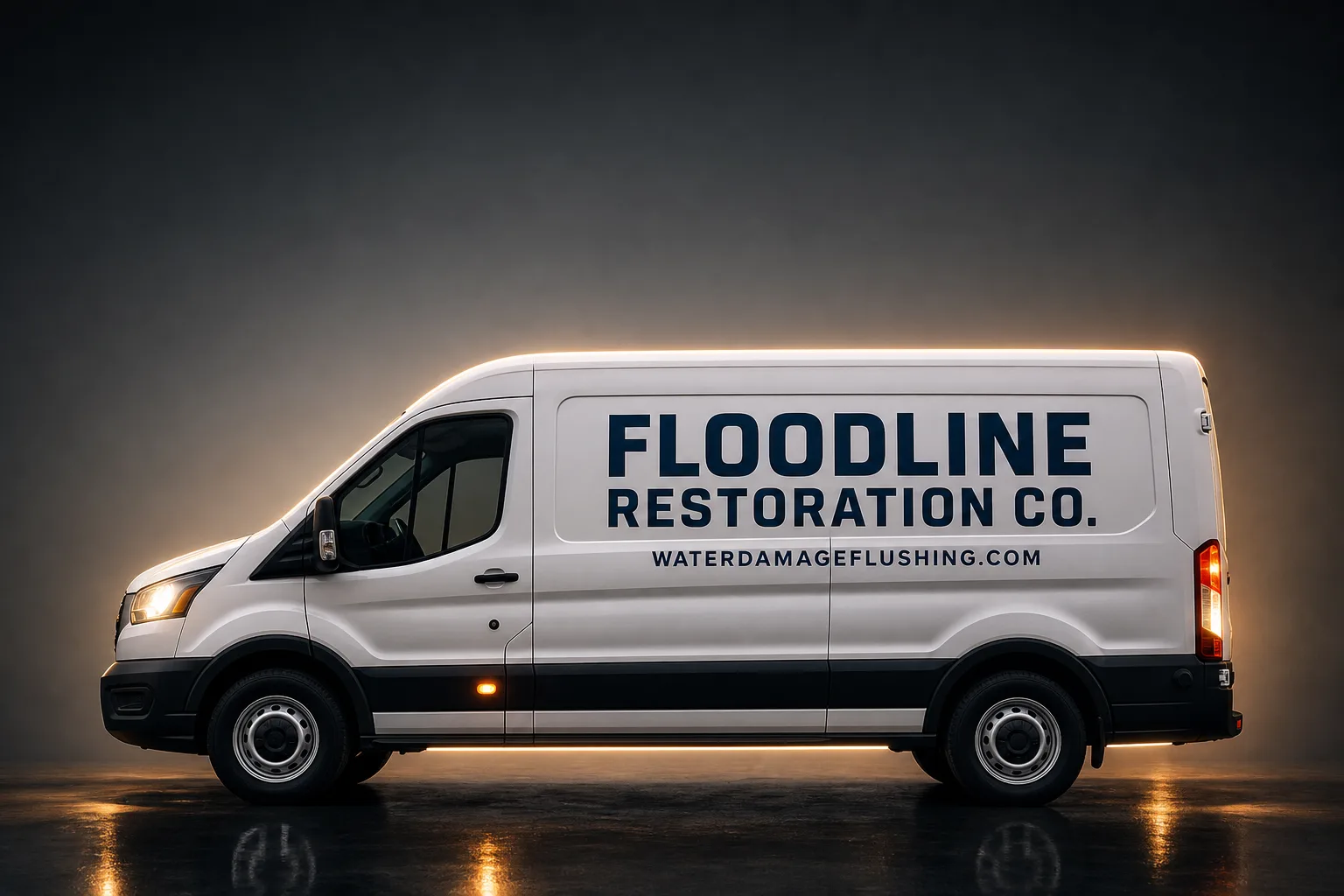
Free visual inspection and a written scope of work before any mitigation begins - photos, moisture readings, and drying logs go in your claim file
The scope we write is the scope we bill. Anything new gets shown to you, in writing, before we touch it.
Storm responseSewage cleanup
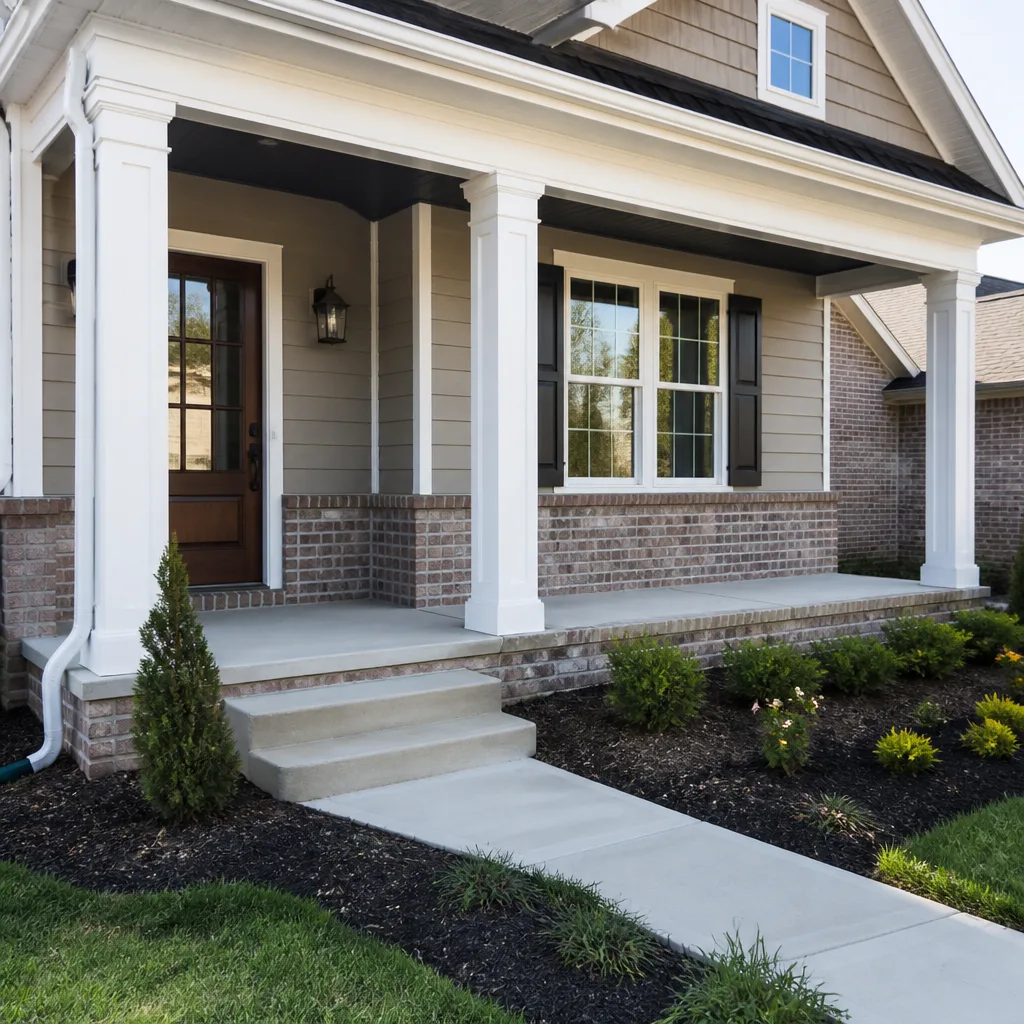
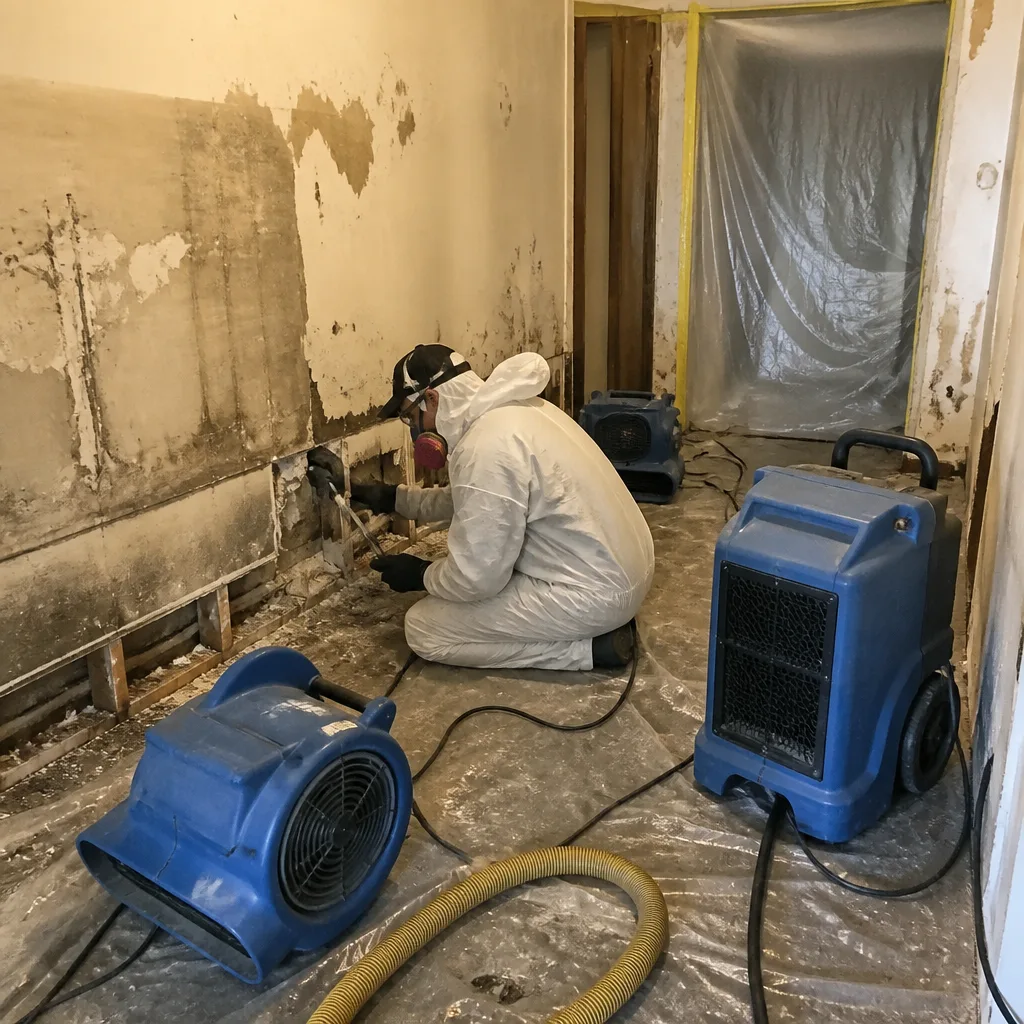 Before
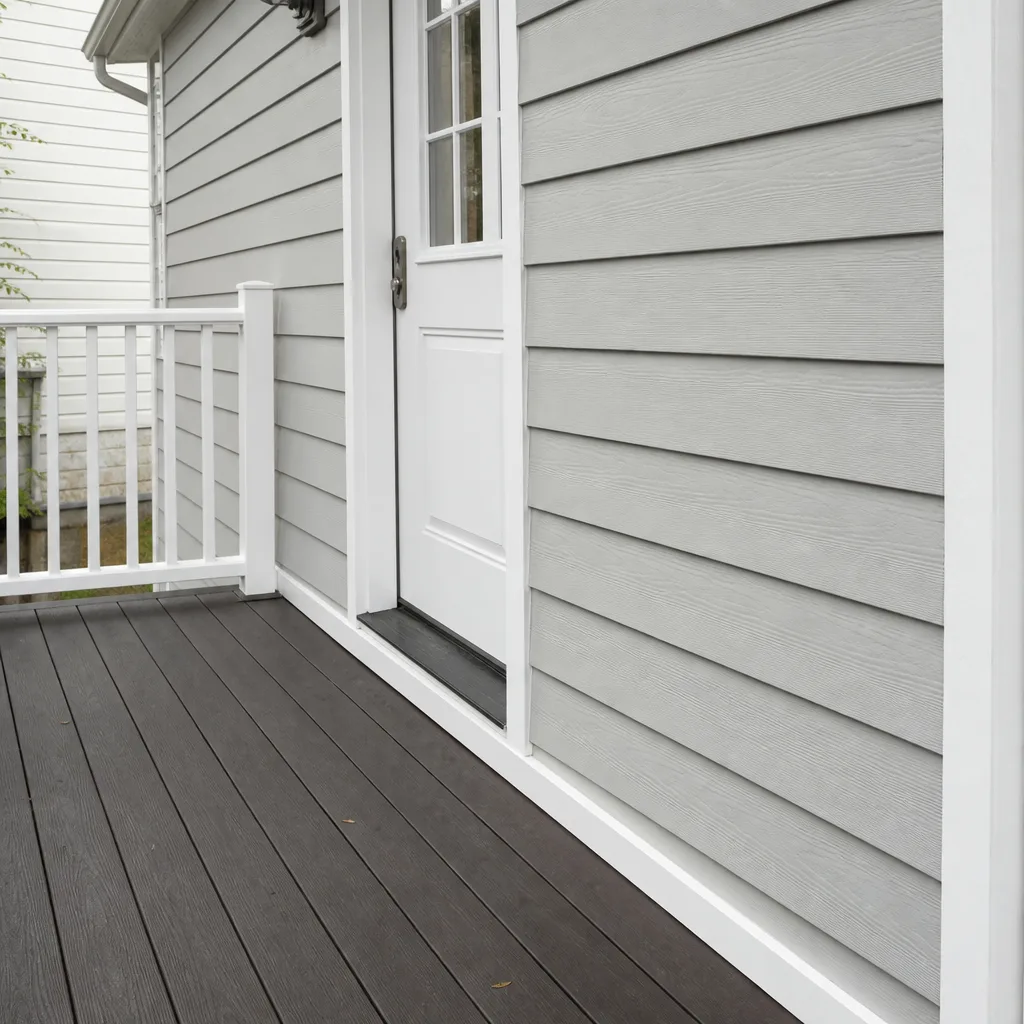 After
After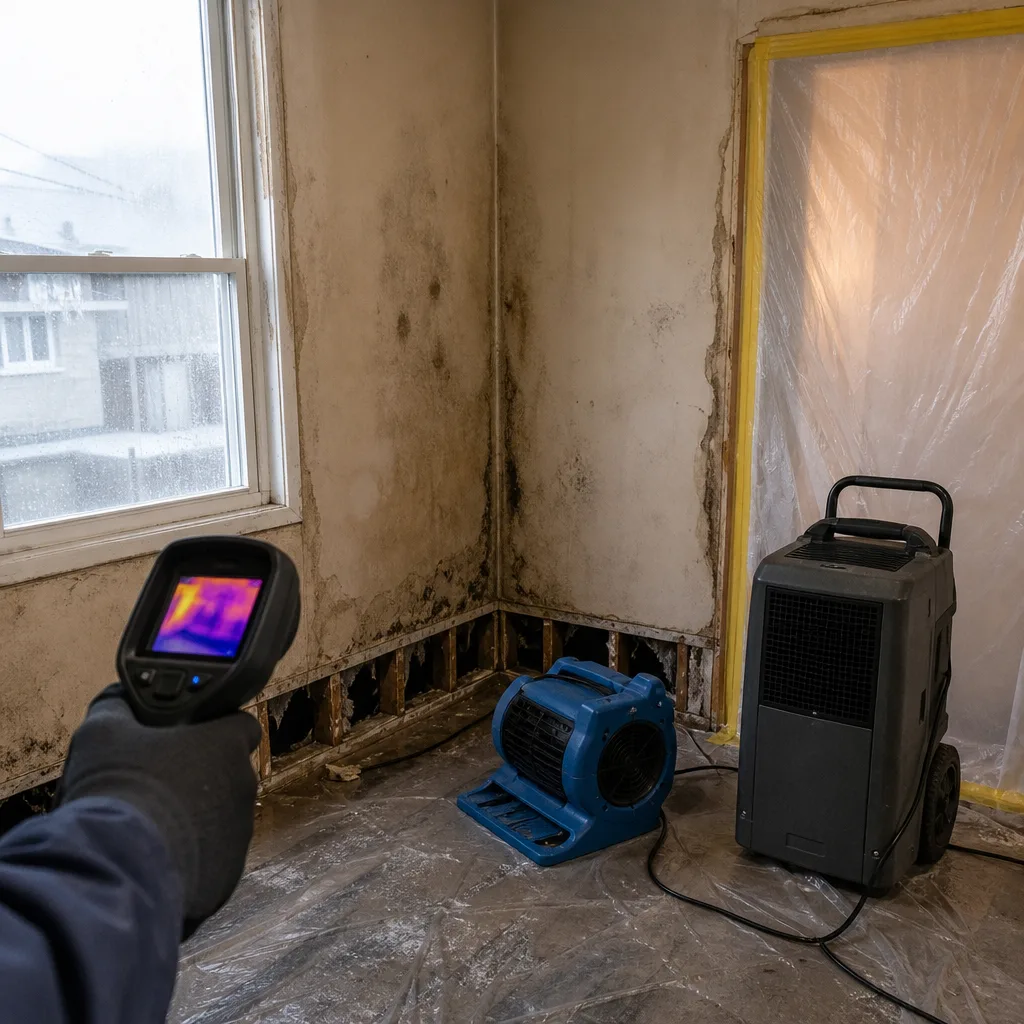 Before
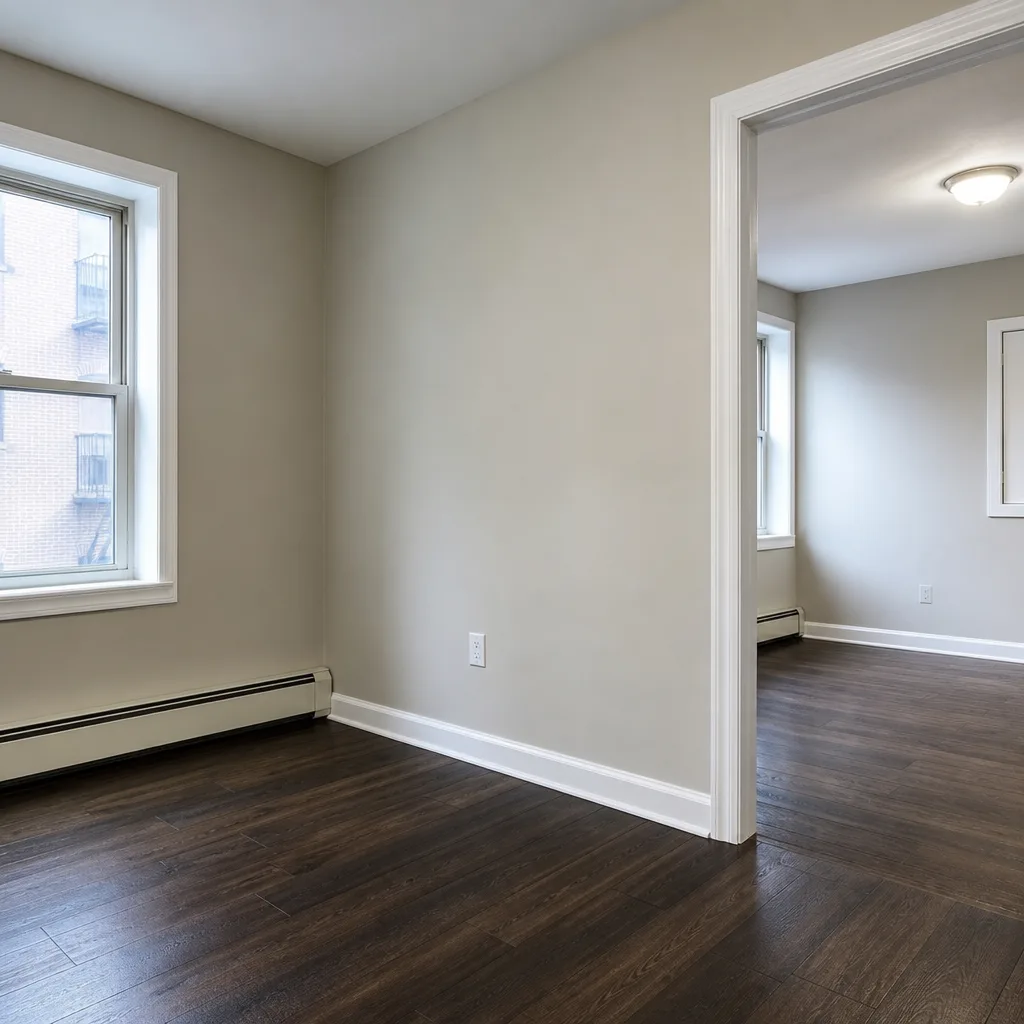 After
After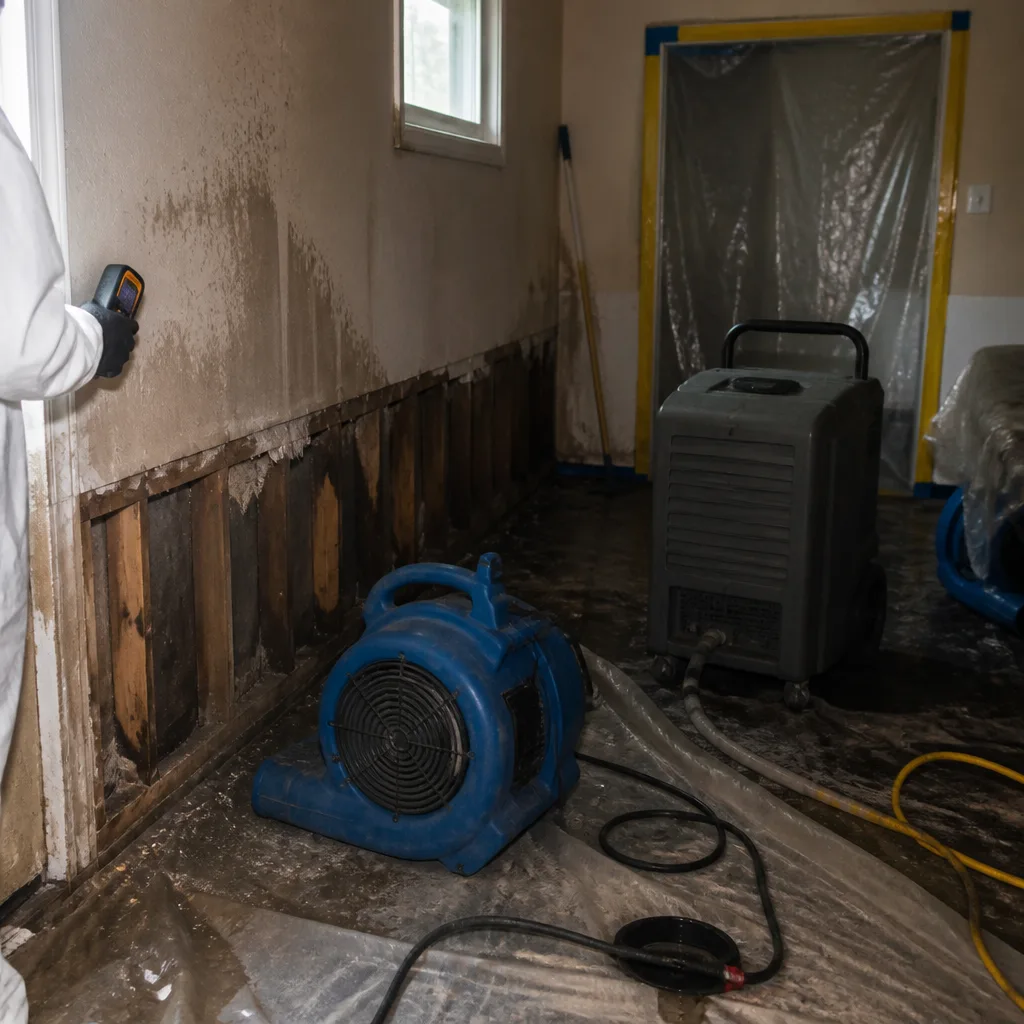 Before
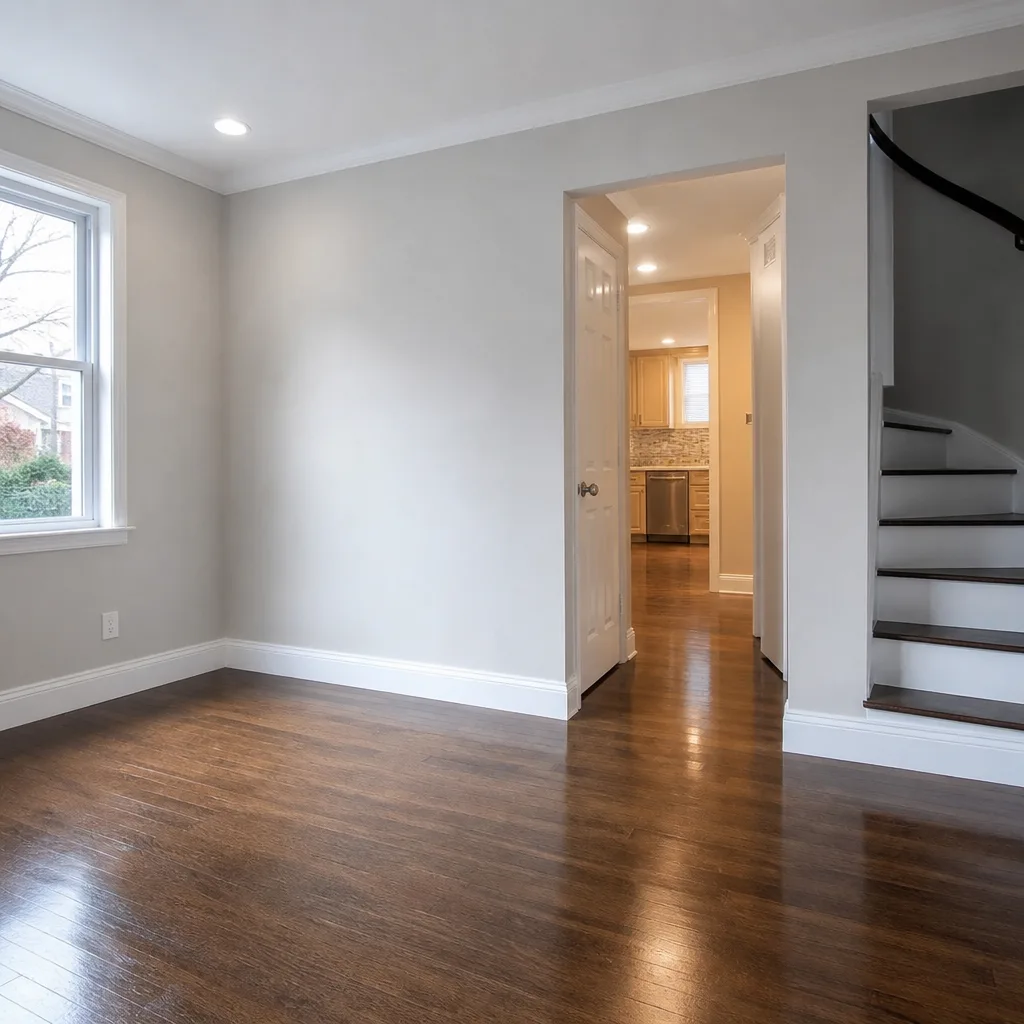 After
After24/7 Emergency Storm & Disaster Restoration in Whitestone
Storm and disaster restoration in Whitestone typically costs between $2,800 and $11,400 depending on how far the water traveled and what it touched. Most tidal flooding jobs in this part of Queens need full basement pack-outs, not just drying, because East River surge carries Category 3 contaminants. If you’re standing in water right now, call (518) 872-6111 and a live dispatcher answers, no recording, no hold music.
The first hour decides whether this is a three-day dry-out or a three-week rebuild. Salt water from Flushing Bay and the East River starts corroding wiring, wicking up drywall, and feeding mold inside wall cavities within 48 hours. Our crews reach Whitestone fast, because we dispatch from the New York City office with crews stationed for northeast Queens. Every job starts with a free visual inspection. Not a phone estimate. A person standing in your basement, reading the moisture, and telling you straight what needs to happen next.
Understanding Storm & Disaster Restoration Severity in Whitestone Properties
Storm restoration in Whitestone is not the same work you’d do in, say, Rego Park or Forest Hills. The building stock changes everything. Most homes north of Cross Island Parkway are 1940s through 1970s brick colonials, Cape Cods, and ranches with finished basements sitting at or just above sea level. Brick is a reservoir. It holds water far longer than drywall or studs, and it hides what it’s holding.
When we talk severity, we classify the water first. Category 1 is clean supply water; a burst pipe. Category 2 is contaminated runoff, what you get from window wells and driveway drainage during heavy rain. Category 3 is what Whitestone sees most often in storm work: floodwater carrying sewage, salt, fuel residue, and whatever the East River picked up before it crossed your foundation. Category 3 means full containment, material removal, antimicrobial treatment, and structural drying with moisture mapping that goes behind the drywall, not just on the surface. You cannot dry Category 3 in place. The drywall comes out to the flood line plus twelve to twenty-four inches, and the brick behind it gets inspected before anything gets rebuilt.
Why Whitestone Property Owners Choose Floodline Restoration Co.
- 45-minute response commitment for active water emergencies in Whitestone. We reach most waterfront blocks off 154th Street and Powell’s Cove in under that.
- A real person answers the phone at 2 a.m. Not an automated system, not a third-party answering service. A dispatcher who can send a certified crew the same call.
- IICRC-certified crews trained for WRT and ASD work in masonry structures. Whitestone’s brick basements are a different animal than stud-and-drywall builds, and we treat them that way.
- Free visual inspection with a written scope before any work starts. You know the number before we touch a wall.
- Direct insurance billing with adjuster coordination handled by our office. You don’t play messenger between Floodline and the carrier.
- One team from extraction through reconstruction. Same certified crew that sets containment handles the rebuild. No handoff to a subcontractor you’ve never met.
Our Storm & Disaster Restoration Process
Inspection & Assessment
We walk the damage with thermal imaging cameras and penetrating moisture meters. For Whitestone’s brick homes, we check inside wall cavities at the flood line, not just the surface of the drywall. You get a written scope with the exact square footage of material removal and drying time.
Extraction & Stabilization
Standing water comes out first with truck-mounted extraction units. Then we cut damaged drywall to the proper line, remove saturated insulation, and stabilize any compromised areas. Emergency board-up and roof tarping happen at this stage if the storm opened the envelope.
Drying & Dehumidification
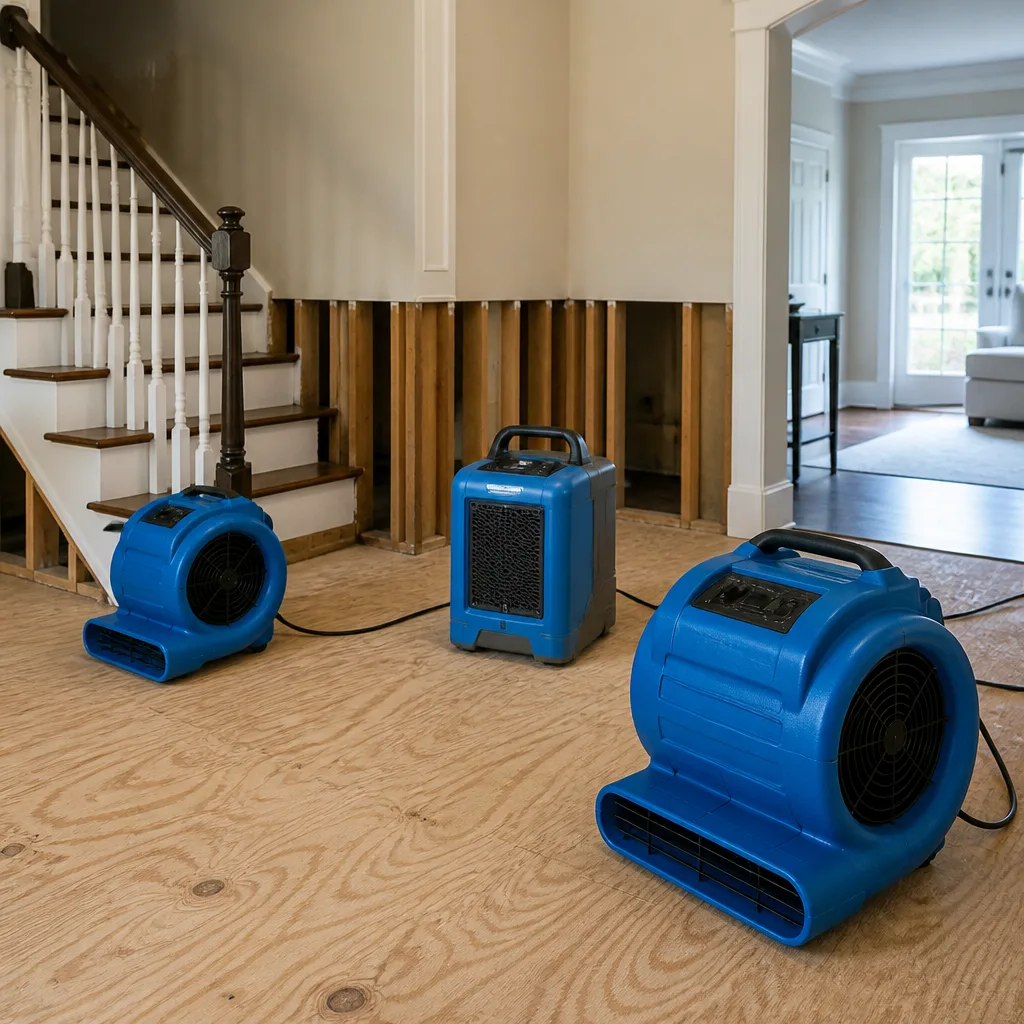
Dri-Eaz air movers and Phoenix dehumidifiers go in with Injectidry systems for wall cavities that would otherwise stay wet. We log daily moisture readings until the dry standard is met, not until the surface feels dry. The drying log goes to you and your carrier.
Cleaning & Sanitization
After removal and drying, every exposed surface gets antimicrobial treatment through our Sanitization Services in Whitestone, matched to the water category. For Category 3 tidal flooding, that includes HEPA vacuuming, air scrubbing, and disposal of contaminated porous materials.
Specialty Treatment for Tidal & Salt Damage
Salt is corrosive and relentless. We treat affected masonry and subflooring for salt residue that would otherwise wick moisture back into finished surfaces every humid season. This step is what separates a Whitestone storm restoration that holds from one that opens back up in six months.
Repairs & Restoration
Floodline handles the rebuild in-house through Reconstruction & Cleanup - Whitestone. Drywall, insulation, trim, flooring, paint, and structural repairs all happen with the same certified crew that did the mitigation. No subcontractor roulette, no new faces mid-job.
Need Emergency Storm & Disaster Restoration in Whitestone Now?
Crews minutes away, answering live 24 hours a day. The sooner we start, the less it costs.
Working With Your Insurance Company
Insurance claims after storm damage in Whitestone get complicated fast. Flood damage from tidal surge is not the same as water damage from a burst supply line, and many homeowners discover the difference too late. Floodline has been through enough of these claims to know what the carrier needs and when they need it. We photograph everything, room by room, before we move a single piece of damaged material. We run the moisture meter in front of the adjuster if they want to see it. We write line-item scopes using what the insurance carrier understands, and we deal with your adjuster directly so you’re not calling a 1-800 number trying to explain Category 3 water to someone reading from an intake script. Our Storm & Disaster Restoration team handles the documentation from hour one, because a claim that’s documented properly in the first 24 hours settles faster than one assembled after the fact.
What We Provide Your Insurer
- Thorough documentation of the loss
- Photos of all damage, room by room
- Moisture readings and drying logs
- A detailed, line-item scope of work
- Direct coordination with your carrier
Built for Whitestone’s Loss Calendar
Whitestone’s damage season is not a season. It’s a calendar of recurring weather patterns that hammer a low-lying peninsula from different angles all year. January through March brings deep freezes that snap aging galvanized supply lines in 1950s colonials, flooding finished basements while homeowners are at work. Spring thaw pushes groundwater up through foundation cracks and floor-wall joints, especially in homes within a few blocks of the East River where the water table sits high. Summer thunderstorms hit fast with street-level flash flooding in low sections near Powell’s Cove Boulevard and the Cross Island corridor. And from October through March, nor’easters push tidal surge up against Whitestone’s northern and western waterfront, sometimes overtopping bulkheads and seawalls and sending Category 3 water into basements that flooded during Sandy and never truly dried. This is what makes Whitestone different from inland Queens. The water here does not come from a random appliance failure. It comes back.
Storm & Disaster Restoration Across Whitestone’s Neighborhoods
The work changes block by block through Whitestone. Up by Powell’s Cove and the waterfront streets running off 154th Street, we see the worst of the tidal surge. These are the homes where East River water comes over seawalls and into basements with force; these jobs almost always mean Category 3 protocols, full containment, and pack-outs of finished lower levels. Closer to Francis Lewis Boulevard and 14th Avenue, the homes sit a bit higher, but the 1950s and 60s brick colonials there have their own issue: wind-driven rain against aging brick facades and windows that were never flashed properly. Those losses start as window leaks and end as hidden mold behind below-grade drywall. Over near the Whitestone Bridge approaches, older ranch homes and Capes take heavy wind loads during nor’easters, which means roof damage, lost shingles, and water entering through the envelope from above. The common thread through every Whitestone neighborhood is the same: brick construction built before modern waterproofing, finished basements at or near sea level, and salt-laden moisture that never fully leaves once it gets in.
Specialized Storm & Disaster Restoration Services We Offer in Whitestone
Flood Damage Restoration
Tidal surge from the East River and Flushing Bay is the flood Whitestone knows best, and it’s the most dangerous kind. Category 3 water carries sewage, fuel, salt, and whatever else the bay picked up. Flood damage restoration here means cutting drywall to the proper line, removing saturated insulation, treating the exposed masonry, and running structural drying until moisture readings return to pre-loss condition. On waterfront blocks, that means checking brick cavities that original Sandy remediation never touched. Call (518) 872-6111 while the water is still there. We start the same visit.
Emergency Board-Up
When a tree limb takes out a window on a Whitestone home or storm winds peel back a door, the property is open to weather, animals, and anyone walking by. Our emergency board-up crews secure openings with plywood and fasteners rated for high wind, not just cosmetic covering. We install temporary protection that holds against the next nor’easter until permanent repairs are scoped and scheduled. Board-up is included in most storm insurance claims when filed as emergency mitigation.
Debris Removal
Nor’easters drop branches, roof shingles, and sometimes entire sections of fence across Whitestone yards and driveways. Before restoration can start, debris has to come out. Our crews handle debris removal as part of the restoration scope, not as a separate line item with a separate truck. We document the debris for your adjuster, haul it, and clear the work area so mitigation can begin the same day.
Roof Tarping
A damaged roof in Whitestone’s winter means water entering the house with every thaw cycle. We tarp roofs fast, using weighted anchor points and securing edges against the wind that comes across the East River. A properly installed tarp buys you the two to three weeks it takes to schedule permanent roofing work without wrecking the ceilings and walls below. The tarp gets inspected after every heavy wind event until the roof is replaced.
Storm Damage Cleanup
Sometimes Whitestone homes take damage that never touches the foundation: wind-driven rain through siding, soaked insulation in attic spaces, flooded window wells, saturated garage drywall. Storm damage cleanup handles all of it, with the same moisture mapping and drying protocols we use on full floods. If it holds water, we find it and dry it. If it dried the first time and is still failing, we find that too.
What happens when you call
- 1
A real person answersNo phone trees - you reach a local pro.
- 2
You get an upfront price rangeHonest numbers before anyone is dispatched.
- 3
A background-checked tech heads outLicensed & insured, dispatched right away.
- 4
You approve before work beginsNothing starts until you say go.
Storm & Disaster Restoration Costs in Whitestone, NY
What you pay depends on how far the water traveled and what it touched. A contained window leak with minor drywall damage typically runs $800 to $1,600 in Whitestone. A partial basement flood from roof or foundation intrusion usually lands between $2,800 and $5,500 once you account for material removal, drying, and basic rebuilding. Full Category 3 tidal surge restoration, the kind we see on waterfront blocks off 154th Street after a nor’easter, commonly runs $8,000 to $18,000 when you factor in containment, full pack-out of finished lower levels, structural drying, antimicrobial treatment, and reconstruction with Floodline’s in-house crew. The range is real because the variables are real: square footage, how much drywall comes out, whether flooring is salvageable, whether the brick behind the wall is saturated, and how long the water sat before we got there. The free visual inspection is the path to a firm number, written on paper, before any work begins. Homeowners in Storm & Disaster Restoration in Whitestone who are caught in the recurring tidal cycle often find insurance covers the bulk of mitigation and restoration. Our office handles that conversation directly with your carrier.
We Also Serve Cities Near Whitestone
Floodline crews cover all of northeast Queens. We run storm restoration in Flushing, Bayside, College Point, and Fresh Meadows with the same 24/7 live dispatch and the same 90-Day Done Right Promise. If you’re in any of these communities and water is coming in, call (518) 872-6111 now.
Whitestone Storm & Disaster Restoration Questions, Answered
Why do Whitestone homes need different flood restoration than inland Queens homes after a nor’easter?
Whitestone sits on a low-lying peninsula with significant residential blocks inside FEMA Special Flood Hazard Areas, so the water that enters homes here is tidal surge from the East River and Flushing Bay, not just rain runoff. That surge is Category 3 water: sewage, salt, fuel, and debris. Restoration requires full containment, material removal, and antimicrobial treatment that inland stormwater jobs often skip. Salt residue also requires specific treatment or moisture keeps wicking back through masonry.
How do you check if older Whitestone brick walls are actually dry after flood damage?
We don’t rely on the surface. Penetrating moisture meters and thermal imaging read into the wall cavity, behind the drywall, against the brick. In 1940s to 1970s brick homes, saturated masonry can hold water for weeks after the drywall feels dry. We log daily readings and only sign off when the entire assembly meets the dry standard, not just the painted surface.
Do I need a pack-out for my Whitestone basement after tidal flooding?
Most of the time, yes. If East River surge reached your finished basement, the water is Category 3 and the drywall, insulation, and any porous materials below the flood line plus the safety margin need to come out. Pack-out includes removal and disposal, inspection of the brick behind the wall, and drying logs that show the structure actually dried. For the most hazardous cases, we also coordinate Biohazard & Crime Scene Cleanup - Whitestone protocols. Patching over Category 3 water without removal is how homes end up with mold behind paint that was never properly remediated.
Why do some Whitestone homes show mold again years after Hurricane Sandy restoration?
The original remediation on many Whitestone homes stopped at surface-level drying. The thick brick construction of 1950s and 60s colonials trapped moisture inside wall cavities, and the drywall got patched and painted over without ever reaching pre-loss moisture levels. Salt from the surge made it worse by holding moisture in the masonry. Whitestone crews still find saturated brick and active mold behind painted-over drywall a decade later, which is why we run penetrating moisture mapping on every storm job, even ones where a previous company already “finished” the work.
What’s the right first step for roof or window damage during a Whitestone storm before restoration crews arrive?
If it’s safe to do so, tarp the opening or board the window from the outside to stop more water from entering. Do not go on the roof; we handle that with proper anchors and wind-rated tarping. If water is already inside, shut off electricity to the affected area if the panel is accessible and dry, then call (518) 872-6111. Do not enter standing water in a flooded basement, especially saltwater from tidal surge, which conducts electricity.
How fast can Floodline reach my Whitestone home during a storm event?
We commit to a 45-minute response time for active water emergencies in Whitestone. During major nor’easters, our crews are staged in northeast Queens before the surge arrives, so we are already in the area when homes start taking water. Live dispatch is available 24/7 at (518) 872-6111, and it’s a real person on the line, not a message service.
Will my homeowners insurance cover tidal flooding in Whitestone?
Standard homeowners policies typically do not cover floodwater from tidal surge unless you carry a separate flood policy through the NFIP or a private carrier. What they do cover is wind-driven rain entering through storm damage, burst pipes, and water damage from a covered peril. We document everything carefully, identify the source of the water accurately, and coordinate directly with your adjuster so the claim is filed under the right coverage. Call us at (518) 872-6111 and we’ll start the documentation the same visit.
Can we stay in our Whitestone home during storm restoration?
It depends on the extent and the category of water. A contained leak in one room usually allows you to stay. A full Category 3 tidal flood with the basement packed out and containment set may require temporary relocation for a few days to a few weeks, depending on whether living spaces are affected and whether air scrubbers need to run continuously. We tell you straight at the initial inspection, and we work with your carrier on ALE coverage if you need to move out temporarily.
Serving Whitestone, NY - Our Local Coverage Area
We’re based in the Whitestone area and know this community well. Use the map below to see our service coverage - if you’re nearby, we can almost certainly help.
The Whitestone Storm Restoration Reality No One Talks About
On a waterfront block off 154th Street, our crew responded after a nor’easter pushed East River surge into a 1960s brick colonial’s finished basement. The homeowners had paid for remediation after Hurricane Sandy and assumed the home was fixed. It wasn’t. Using Injectidry systems and Dri-Eaz air movers, we set containment, cut the drywall at the 36-inch line, and found what our moisture meters already told us to expect. The original Sandy-era remediation had never dried the wall cavities. Moisture mapping showed saturated brick and active mold growth behind drywall that had been painted over and called done. We packed out the entire wall, treated the masonry, and ran structural drying until the readings matched pre-loss condition. That’s the difference between surface-level cleanup and the kind of Storm & Disaster Restoration this peninsula actually requires. The line the water left is where we start, and we don’t stop until what’s behind that line is dry, treated, and rebuilt. Done right, and backed in writing by the 90-Day Done Right Promise.
Written by Curt Bowman, Owner at Floodline Restoration Co., serving Whitestone and greater Queens for over 42 years.