
Last updated August 25, 2026
Free visual inspection and a written scope of work before any mitigation begins - photos, moisture readings, and drying logs go in your claim file
The scope we write is the scope we bill. Anything new gets shown to you, in writing, before we touch it.
Storm responseSewage cleanup
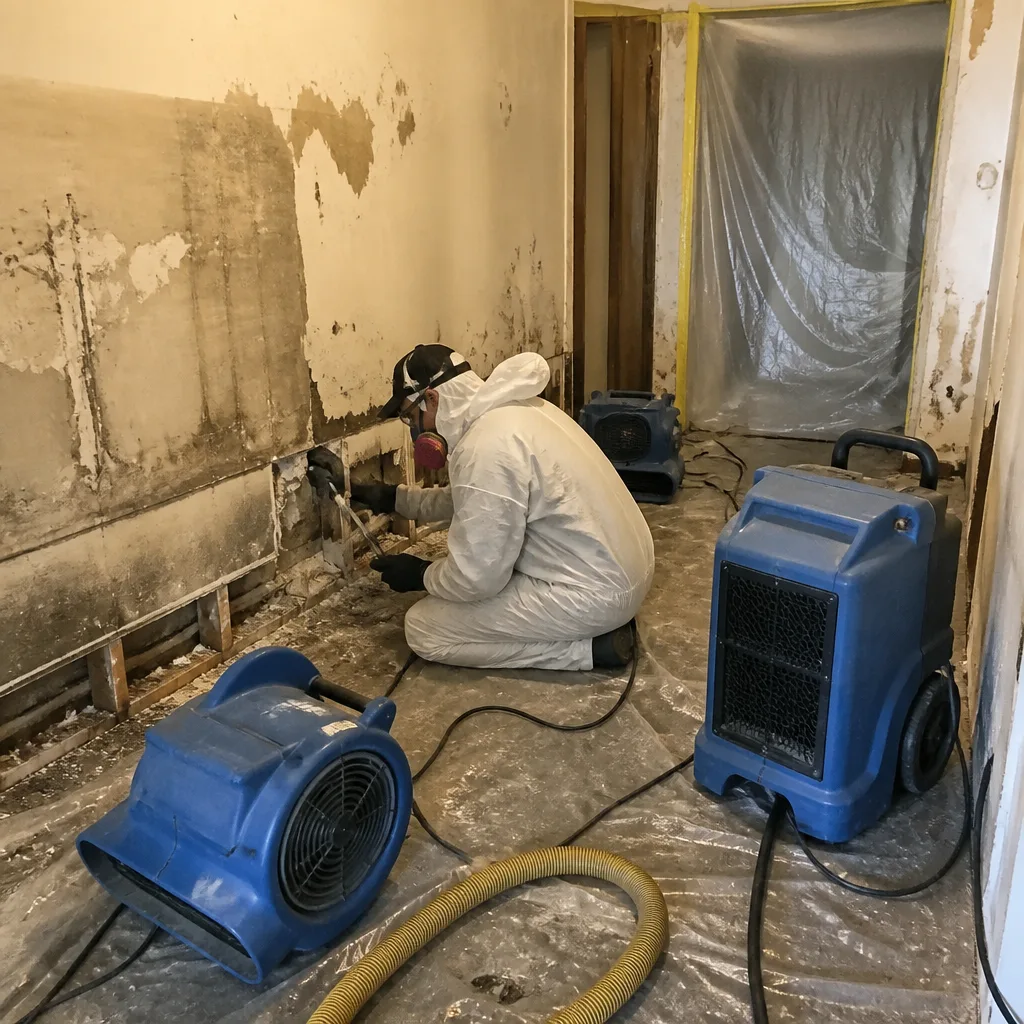 Before
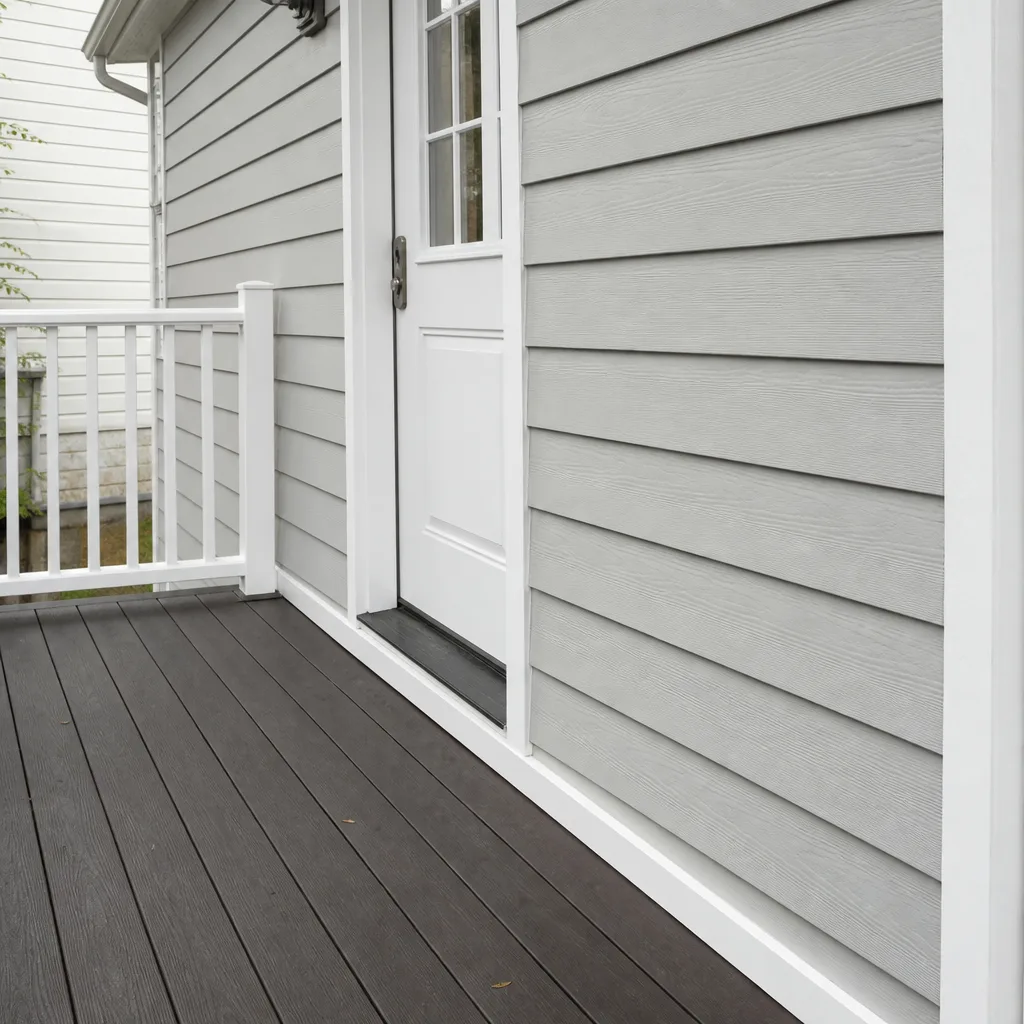 After
After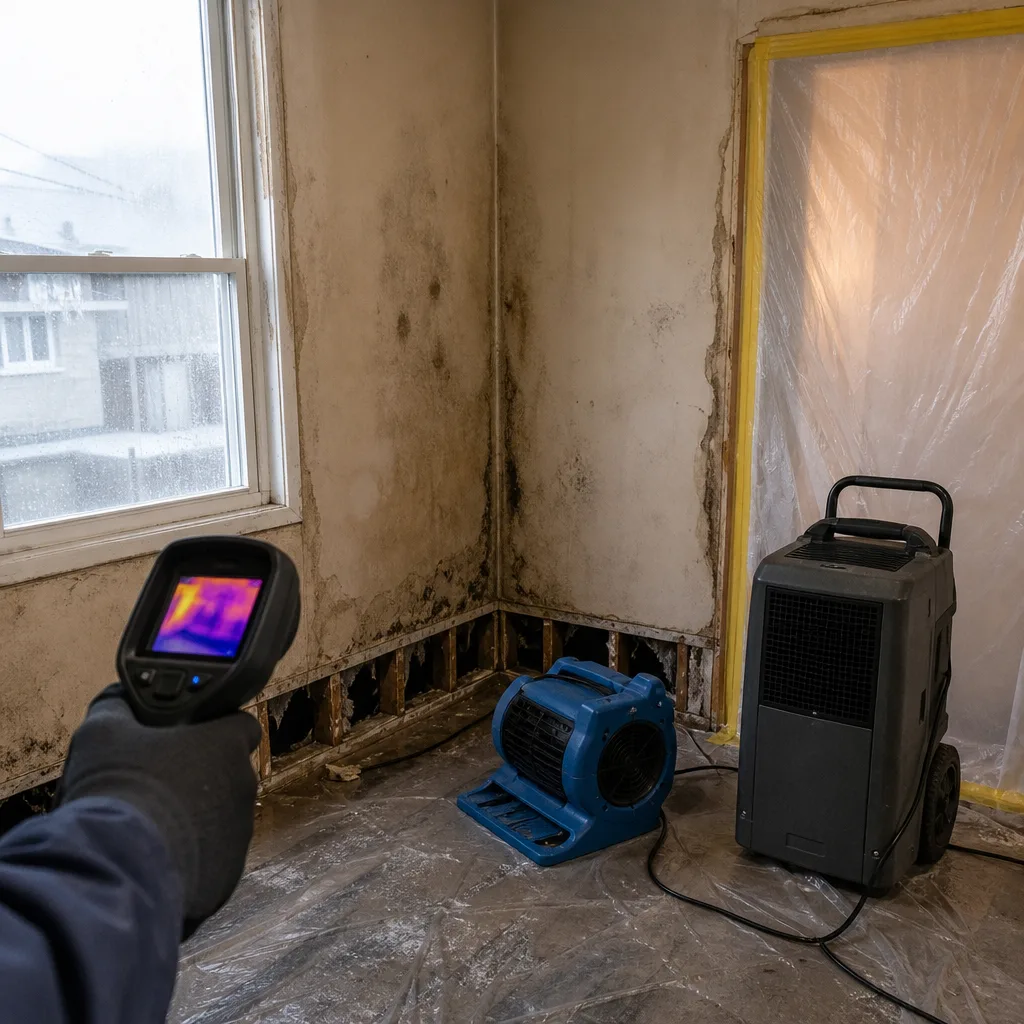 Before
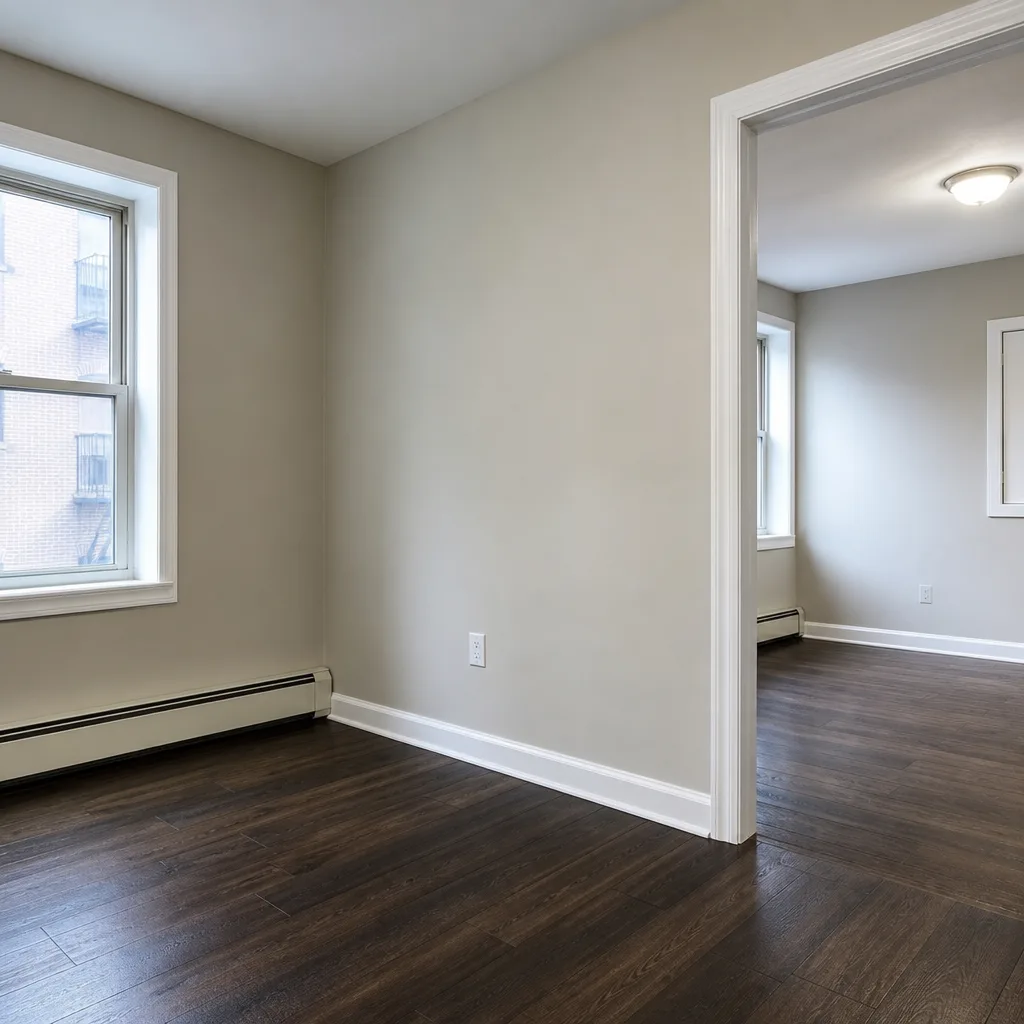 After
After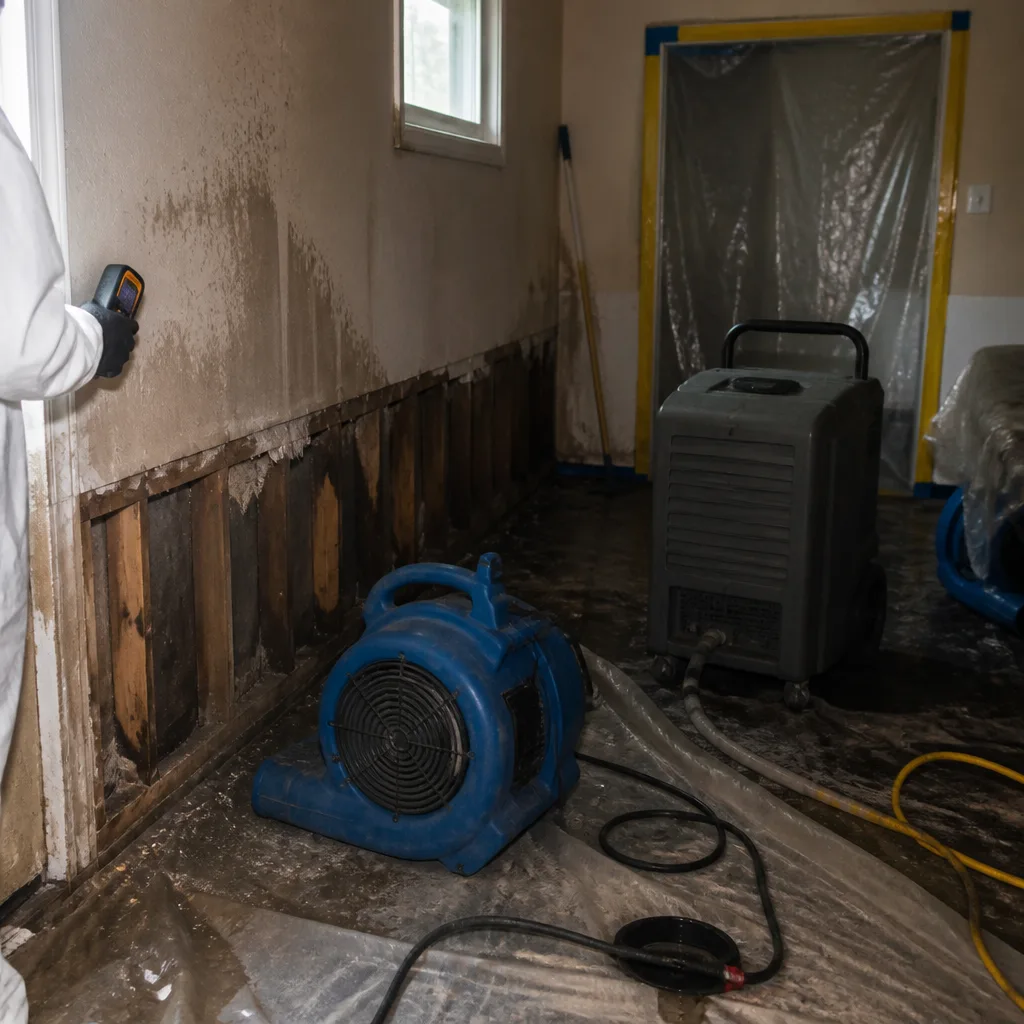 Before
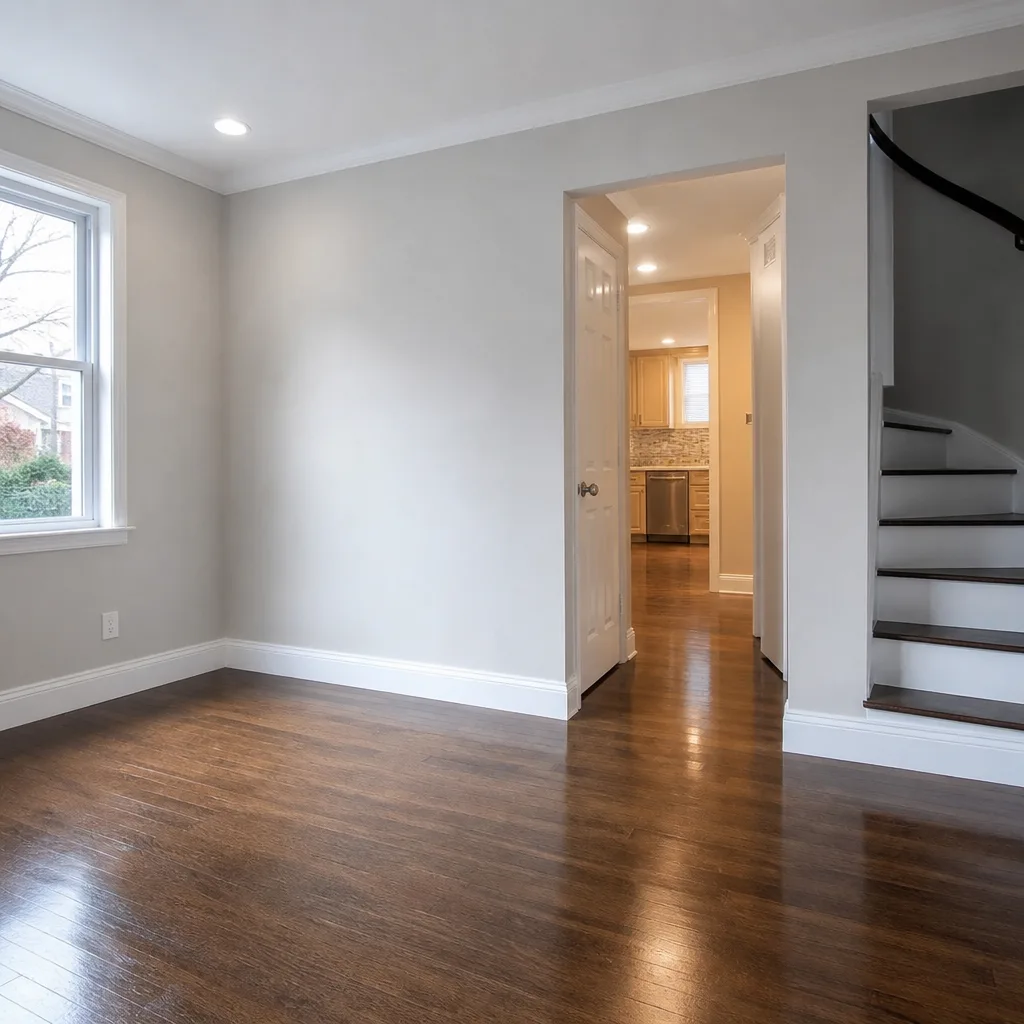 After
AfterThe Complete Guide to Damage Restoration in Flushing
Most homeowners in Flushing don’t discover they need a restoration contractor until the water is already an inch deep, and by then the clock has been running for hours. Here’s what surprises nearly everyone the first time: drying a house is not just moving air around. It’s an engineered process with daily measurements, specific equipment, and a finish line set by a moisture meter, not by a calendar. This guide walks you through what actually happens after a pipe bursts, a basement floods, a fire smokes out a kitchen, or mold colonizes a wall cavity - and how to make sure the company you call finishes the job, not just starts it. We’ve spent over 42 years around these neighborhoods, and we’ve written this so you know what questions to ask before you’re standing in a wet basement at midnight.
Quick Answer
Damage restoration in Flushing is the process of removing water, sewage, smoke residue, or mold contamination from a home, drying the structure to a measurable standard, and rebuilding what cannot be saved - all completed by one certified team rather than handed off between contractors. The work typically starts with emergency extraction and moves through drying, cleaning, and reconstruction, with costs driven by the square footage affected, the water source category, and how quickly mitigation begins. The single most important decision is choosing a company that handles every phase in-house, answers the phone with a live person, and puts its finish standard in writing.
Table of Contents
- Water Damage Restoration in Flushing
- Mold Remediation in Flushing
- Fire & Smoke Damage Restoration in Flushing
- Sewage Cleanup in Flushing
- Storm & Disaster Restoration in Flushing
- Reconstruction & Cleanup in Flushing
- What Restoration Actually Costs in Flushing
- Common Mistakes to Avoid
Water Damage Restoration in Flushing
Water damage in Flushing splits into three categories, and the category determines everything about the cleanup - cost, equipment, and whether you can stay in the house while it happens. Category 1 is clean water from a supply line, a faucet, a water heater tank, or rainwater. Category 2 is grey water with some contamination - think washing machine discharge or a sump pump failure that sat for a day. Category 3 is black water, which means sewage, groundwater, or any water that carried outside soil into the house. Category 3 requires full containment, disposal of porous materials, and antimicrobial treatment before drying even starts.
The restoration sequence is the same across categories, but the intensity changes:
- Stop the source. A plumber shuts off the supply or repairs the rupture. No drying works until the source is stopped.
- Extract standing water. Submersible pumps move the bulk water out, then extraction wands pull water from carpet and pad.
- Contain and protect. Dry rooms are sealed off. If the water is contaminated, full containment with negative air pressure goes up before demolition begins.
- Demolish what cannot be dried. Wet drywall below the water line typically comes out, along with saturated carpet pad, laminate, and any insulation that wicked moisture.
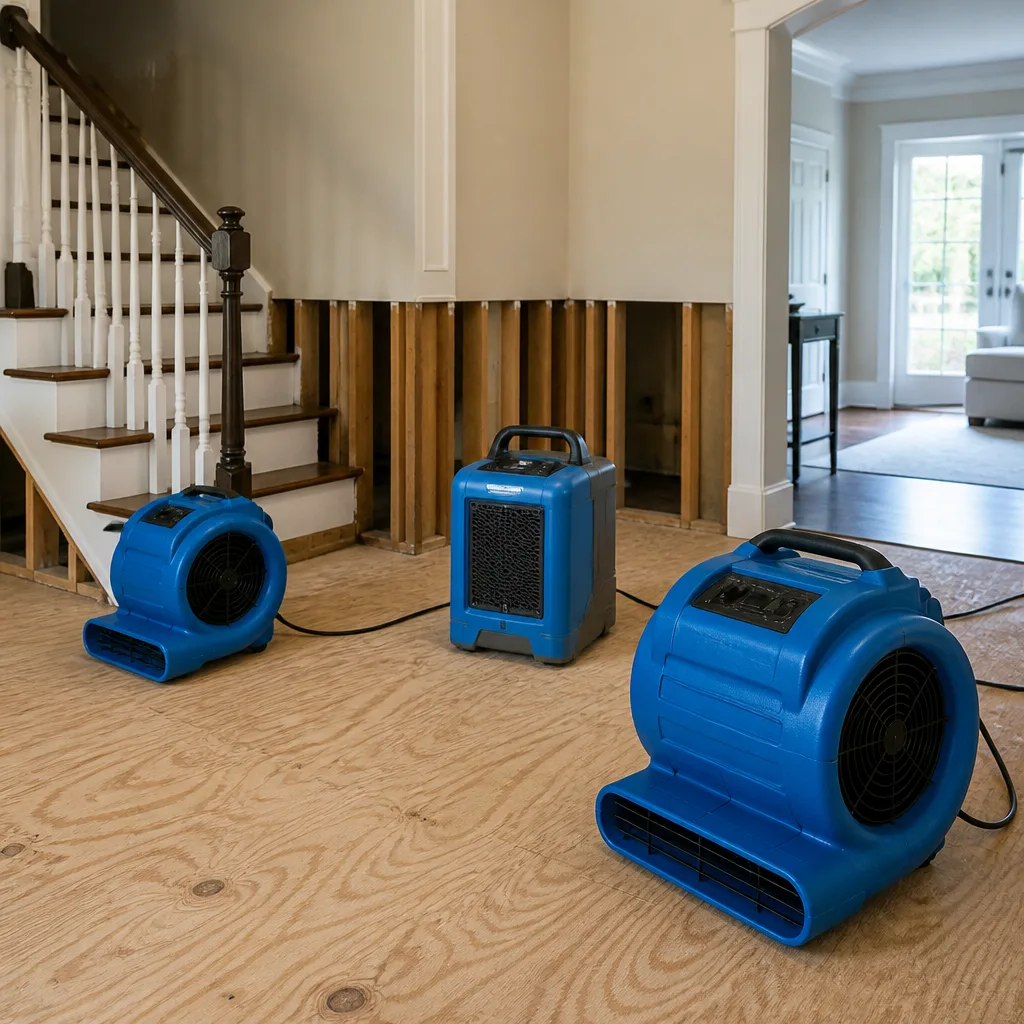
- Set equipment and measure daily. Air movers and dehumidifiers are placed on a calculated layout, and moisture readings are logged every day until the dry standard is met.
- Rebuild. Drywall, trim, paint, and flooring come back to pre-loss condition.
In Flushing, the age of the housing stock drives a specific concern: older frame homes and brick row houses often have plaster walls and original hardwood floors. Plaster can hold hidden moisture pockets longer than modern drywall. Hardwood floors, if dried correctly and caught within the first couple of days, can often be saved without replacement. The difference comes down to daily moisture readings and proper equipment sizing - two things that get skipped when a company hands the job off after extraction.
Mold Remediation in Flushing
Mold remediation is the controlled removal of fungal growth and the correction of the moisture condition that allowed it. The key word is controlled. Opening a moldy wall cavity without containment spreads spores through the house, and that is how a small bathroom issue becomes a whole-floor problem. Proper remediation in Flushing homes follows a specific protocol:
- Identify the moisture source. A roof leak, a leaking pipe, condensation on a cold wall, or a foundation seep. If the source is not fixed first, remediation is pointless.
- Set up containment. The affected area is sealed with plastic sheeting, and negative air pressure pulls air through HEPA filtration so spores don’t migrate to clean rooms.
- Remove affected materials. Porous materials with visible growth - drywall, insulation, ceiling tiles, sometimes carpet - are bagged and disposed of.
- Clean and treat surfaces. Remaining structural surfaces are HEPA-vacuumed, scrubbed, and treated with an antimicrobial to address remaining spores.
- Dry to standard. The area is dried to the same moisture standard applied after water damage. Mold cannot return if the structure is dry.
- Verify. A visual inspection plus moisture readings confirm the space is stable. Air sampling is optional and typically done only when a client requests or a doctor has flagged respiratory concerns.
We see a lot of mold in Flushing basements and first floors after seasonal rains, especially along blocks with older foundation drainage. The soil here holds water, and when a downspout dumps water against a foundation wall, the damp climbs. The honest answer about mold is this: every house has mold spores in the air already. What matters is whether they’re growing, which requires moisture plus a food source like drywall paper or wood. Kill the moisture, remove the food source, and the problem does not come back. That’s the entire job.
Fire & Smoke Damage Restoration in Flushing
Fire restoration in Flushing is less about what burned and more about what the smoke touched. Smoke is a gas carrying microscopic soot particles, and those particles settle into every porous surface in the house - walls, ceilings, carpet, insulation, clothing, and the inside of ductwork. A kitchen fire contained to one room can leave a smoke smell throughout the entire house, because the HVAC system circulated soot through every return register. The restoration sequence is different from water damage:
- Board-up and tarping. Windows and roof openings are secured the same day so weather and animals don’t add to the loss.
- Content assessment. Soft goods, furniture, and personal items are triaged into salvageable and unsalvageable categories, then either cleaned off-site or documented for the insurance claim.
- Soot removal. Dry soot is HEPA-vacuumed from every surface; then surfaces are chemically cleaned with processes matched to the surface type, because soot on painted drywall needs a different treatment than soot on finished wood or tile.
- Deodorization. Ozone or thermal fogging is used after the soot is gone. Fogging works by matching the chemistry of the smoke molecule; it’s not a masking air freshener.
- Structural cleaning and rebuild. Scorched framing is cleaned, sealed, or replaced, and the finish surfaces are restored.
One thing we tell every Flushing homeowner after a fire: do not wipe soot yourself. Dry soot smears into a greasy stain that bonds with paint and becomes far more expensive to remove. The first pass should be a vacuum with a HEPA filter. Everything after that is professional work.
Sewage Cleanup in Flushing
Sewage cleanup is the highest-risk category of water loss, and it demands a different set of protocols than a clean-water pipe break. Sewage contains bacteria, viruses, and parasites. The safety requirements are non-negotiable: full containment, full PPE for technicians, disposal of all porous materials that were contacted, and antimicrobial treatment on every surface before drying starts. This is not a job where a homeowner should be in the room, and it’s not work that can be deferred a day or two.
In Flushing, sewage backups happen most often in two scenarios: older clay sewer laterals that have cracked and been invaded by tree roots, and combined systems that overwhelm during heavy rain. The first sign is usually a slow-draining tub or a gurgling toilet, followed by water backing up in the lowest floor drain. The response sequence:
- Stop the flow. No one enters the water. The source is identified and the backup is stopped.
- Contain the area. Plastic sheeting and negative air pressure isolate the affected room.
- Remove and dispose. Carpet, pad, drywall, insulation, and any furnishings contacted by sewage are bagged as contaminated waste.
- Antimicrobial treatment. Every remaining surface - studs, subfloor, concrete - is cleaned and treated.
- Dry and rebuild. Standard drying protocol followed by reconstruction of removed materials.
The insurance conversation about sewage is important. Most standard homeowners policies cover sudden and accidental sewage backup, but many have a specific dollar limit on sewer and drain backup unless a rider was added. We coordinate directly with the carrier and document everything with photos and moisture readings, so the claim reflects the actual scope of work rather than a contractor’s estimate pulled from a price sheet.
Storm & Disaster Restoration in Flushing
Storm damage in Flushing runs the full range: wind-driven rain through damaged roofs, gutter failures washing water into basements, and flooding from heavy rainfall events. Queens gets the kind of summer thunderstorms that drop an inch of rain in an hour, and when the ground is already saturated, water finds the path of least resistance - which is often a foundation crack or a basement window well.
The storm restoration protocol is triage first, rebuild second:
- Emergency tarp and water diversion. Roof penetrations get tarped; downspouts get extended away from the foundation until permanent repairs can be scheduled.
- Extraction. Standing water from the storm is removed immediately.
- Moisture mapping. The full extent of water intrusion is mapped with a moisture meter, not just the visible puddle.
- Drying. Equipment runs on a calculated layout with daily readings - we use Dri-Eaz, Phoenix, XPOWER, B-Air, and Injectidry equipment tuned to the specific structure type, because a 1920s brick row house in Flushing dries differently than a 1960s frame split-level.
- Permanent repair. The roof, gutter, foundation seal, or window well that failed gets fixed so the same storm doesn’t do the same damage twice.
- Demo completion. Everything that must come out gets removed to the framing or subfloor.
- Structural repairs. Damaged joists, studs, or subfloor sections are sistered or replaced, and the work is inspected before it’s covered.
- Mechanical and electrical. Any wiring, plumbing, or HVAC components damaged by the event are brought to code.
- Insulation and drywall. New insulation in the affected cavities, then drywall hung, taped, and finished.
- Finishes. Trim, doors, paint, and flooring matched to the existing home.
- Final walkthrough and warranty. The homeowner receives a written scope of the completed work and the 90-Day Done Right Promise in writing.
- Water extraction and drying (Category 1): $3.50-$6.00 per sq ft
- Water mitigation (Category 3 sewage): $6.00-$12.00 per sq ft
- Mold remediation: $15-$30 per sq ft, typically $2,000-$6,000 total for a bathroom or closet-sized area
- Fire and smoke cleanup: $8-$20 per sq ft for content and structural cleaning, before rebuild
- Full reconstruction: $25-$45 per sq ft, depending on finishes
- Emergency board-up or tarping: $400-$1,200 same-day service
- Waiting a day to call. Water damage doubles in scope roughly every 24 hours. A clean-water pipe break becomes a mold case in 48 hours. The most expensive restoration is the one that started as a $600 extraction and became a $6,000 rebuild because no one called.
- Wiping soot and staining the paint. Dry soot smears into the surface when wiped. The proper first pass is HEPA vacuuming. Attempting to scrub it makes the cleaning impossible without repainting.
- Hiring a mitigation-only company and then hunting for a contractor. The mitigation company leaves after extraction, and the homeowner is left playing project manager. The gap between those two companies is where moisture gets trapped and framing never gets fully dried.
- Accepting a verbally described scope. If the scope of work isn’t written down, neither party remembers the same version of it. A written scope agreed before work starts protects the homeowner from overselling and protects the contractor from scope creep.
- Putting the dehumidifier in the wrong place and calling it done. Moisture moves through wall cavities and under flooring. Drying air must be calculated by cubic feet and moisture load. One dehumidifier in the middle of the room doesn’t dry a wall cavity behind baseboards.
- Describing storm damage incorrectly to the insurer. Wind damage and flood damage are different coverages. Homeowners who describe a basement backup as “flooding” may get the claim routed to a flood adjuster when the actual cause was a sewer backup, which is covered under a different clause.
- Believing the cheapest mold quote is the fairest. A low quote usually means no containment, no HEPA filtration, and no antimicrobial treatment. The mold comes back because the spores were spread during the work rather than removed.
Most storm claims are covered by standard homeowners policies, but wind and flood are separate coverages. Flood damage - defined as water that touches the ground before entering the house - is generally only covered if the homeowner carries flood insurance through NFIP or a private carrier. We help clients document the distinction accurately, because how a claim is described drives what gets paid.
Reconstruction & Cleanup in Flushing
Reconstruction is the phase most restoration companies in Flushing either outsource or avoid entirely. That handoff - from a mitigation crew to a subcontractor the homeowner has never met - is where timelines slip, budgets creep, and the original promise evaporates. Floodline Restoration Co. was built to keep the job in-house, with Floodline Restoration Co. home serving as the source for that full-cycle approach: the same crew that reads the moisture map on day one handles the daily readings, hands the log to the homeowner and the carrier, and rebuilds what needs rebuilding.
The rebuild scope after water, fire, or mold is specific and sequential:
For a homeowner in Flushing who has lived in the same house for twenty years, reconstruction isn’t a chance to redesign. It’s putting the house back the way it was, with materials that match the existing architecture. That’s the job, and it’s a different one than a remodeler’s job.
What Restoration Actually Costs in Flushing
Restoration pricing in Flushing is driven by square footage, water category, and the materials affected - not by the hour. Emergency mitigation typically runs between $3.50 and $7.00 per square foot of affected area, with full reconstruction from studs landing between $25 and $45 per square foot for typical finishes. The total scope matters more than the line items: a 400-square-foot basement with a clean-water loss might total $2,500 to $4,000 for mitigation, while the same space with Category 3 sewage contamination can run $6,000 to $10,000 because of disposal, containment, and antimicrobial work. Here’s the range we typically see in local homes:
Insurance involvement affects the final cost, not the initial price. When a homeowner files a claim, the carrier sends an adjuster who writes an estimate based on standard pricing software. We bill the carrier directly, provide photo documentation and daily moisture logs, and work from the adjuster’s approved scope. When the scope is insufficient - which happens when hidden damage surfaces after demolition - we document it and submit a supplement directly to the adjuster. The homeowner never plays messenger. We stand behind the result with a written guarantee. The three offers we always extend - $50 Off Any Repair Over $250, the $89 Seasonal Tune-Up, and the Senior & Veteran 5% Discount - apply to out-of-pocket work the same as they do to insurance-covered repairs.
Common Mistakes to Avoid
After 42 years and thousands of local jobs, we can predict the mistakes before they happen. Here’s what we see homeowners in Flushing get wrong most often, and what it costs:
When to Call a Professional
Call a professional the moment you see standing water you cannot quickly remove yourself, water staining that has spread across a ceiling, visible mold growth larger than about ten square feet, or smoke residue that has moved beyond the room where the fire occurred. Any sewage backup is a professional job by definition. Any water loss that sat for more than 24 hours has likely begun to support microbial growth and needs a trained eye and a moisture meter, not a fan from the garage. If the electrical panel was contacted by water, do not enter the room until a professional has assessed it - this is a genuine electrical safety issue and not something to self-assess. Floodline Restoration Co. offers free estimates in Flushing - call (518) 872-6111 and a live person answers, any hour, any day.
Frequently Asked Questions
With Floodline Restoration Co., a live dispatcher answers the phone immediately when you call (518) 872-6111, and a same-visit response is standard for water and sewage emergencies in the Flushing area. Extraction running the same day is the defense against secondary damage, so the call should not wait for business hours. We dispatch a certified crew to the job and extraction is running the same visit.
Most sudden and accidental water damage is covered by a standard homeowners policy - pipe breaks, water heater failures, appliance ruptures, and storm damage are typical covered events. Exclusions apply to gradual leaks that ran for weeks, flood water that touched the ground before entering, and sewer backup unless a rider is in place. We bill the carrier directly, document the claim with daily moisture logs and photos, and handle the adjuster conversation for you.
Visible mold on drywall or in wall cavities requires professional remediation because the growth extends behind what you can see, and cleaning the surface alone leaves the colony active inside the wall. Bleach does not kill mold on porous surfaces at the root; it bleaches the surface color while the organism survives below. If visible growth covers less than about ten square feet and is on a non-porous surface like tile, a careful homeowner cleanup with proper protection and moisture correction is sometimes acceptable - but on drywall, a wall cavity, or anything larger, call a professional.
Emergency water extraction and drying for a clean-water loss in Flushing typically ranges from $3.50 to $6.00 per square foot of affected area, with most residential basements landing between $2,500 and $5,000 for full mitigation. Cat 3 sewage work runs higher because of containment, disposal, and antimicrobial protocols. Call (518) 872-6111 for an exact quote - estimates are free.
Floodline Restoration Co. deals directly with your adjuster, submitting the initial estimate, photo documentation, moisture logs, and any supplements that become necessary as demolition reveals hidden damage. You never play messenger between us and the carrier. The written scope we agree on before work starts is the same scope the carrier sees.
It means if the work isn’t done right, we make it right - in writing, with no arguing and no paperwork battle. The Keystone Standard, as we call it internally, is backed by our K.E.Y.S. values code: Krafted right, Every time, Your home first, Standing behind it. This is the same guarantee every Flushing job carries, from a small extraction to a full reconstruction.
The Bottom Line
Damage restoration in Flushing is a sequence: stop the source, remove what can’t be saved, dry what remains to a measurable standard, and rebuild to match the original home. Every step matters, and skipping one - or splitting the job between two companies - costs money and time. The company you choose should answer the phone with a person, put technicians who are background-checked and certified to IICRC, RIA, and IFA standards in your home, document every moisture reading, bill your carrier directly, and hand you a written guarantee. That’s what we do at Floodline Restoration Co., and we’ve been doing it in Flushing since 2010. If you’re facing a loss right now, call (518) 872-6111. A live person answers, day or night.
Written by Curt Bowman, Owner at Floodline Restoration Co., serving Flushing since 2010.