
Last updated August 25, 2026
Free visual inspection and a written scope of work before any mitigation begins - photos, moisture readings, and drying logs go in your claim file
The scope we write is the scope we bill. Anything new gets shown to you, in writing, before we touch it.
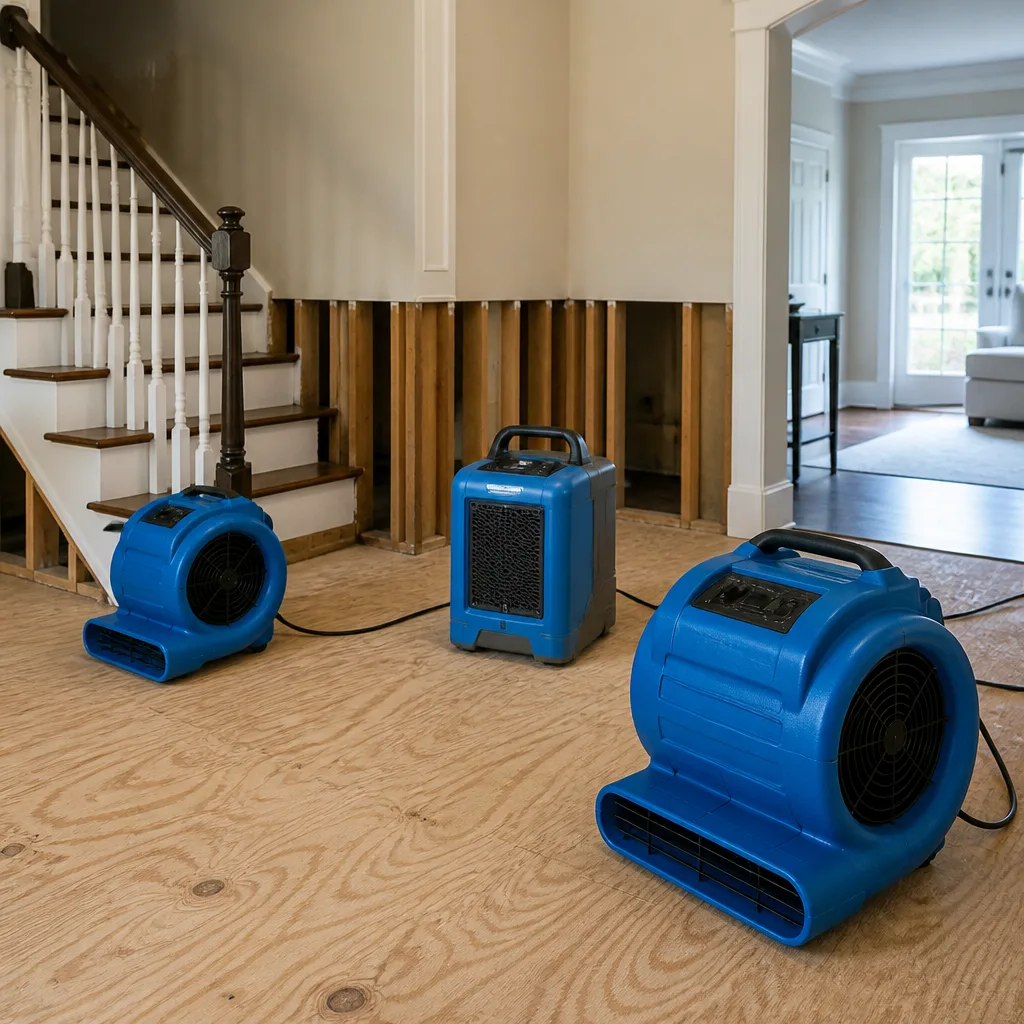

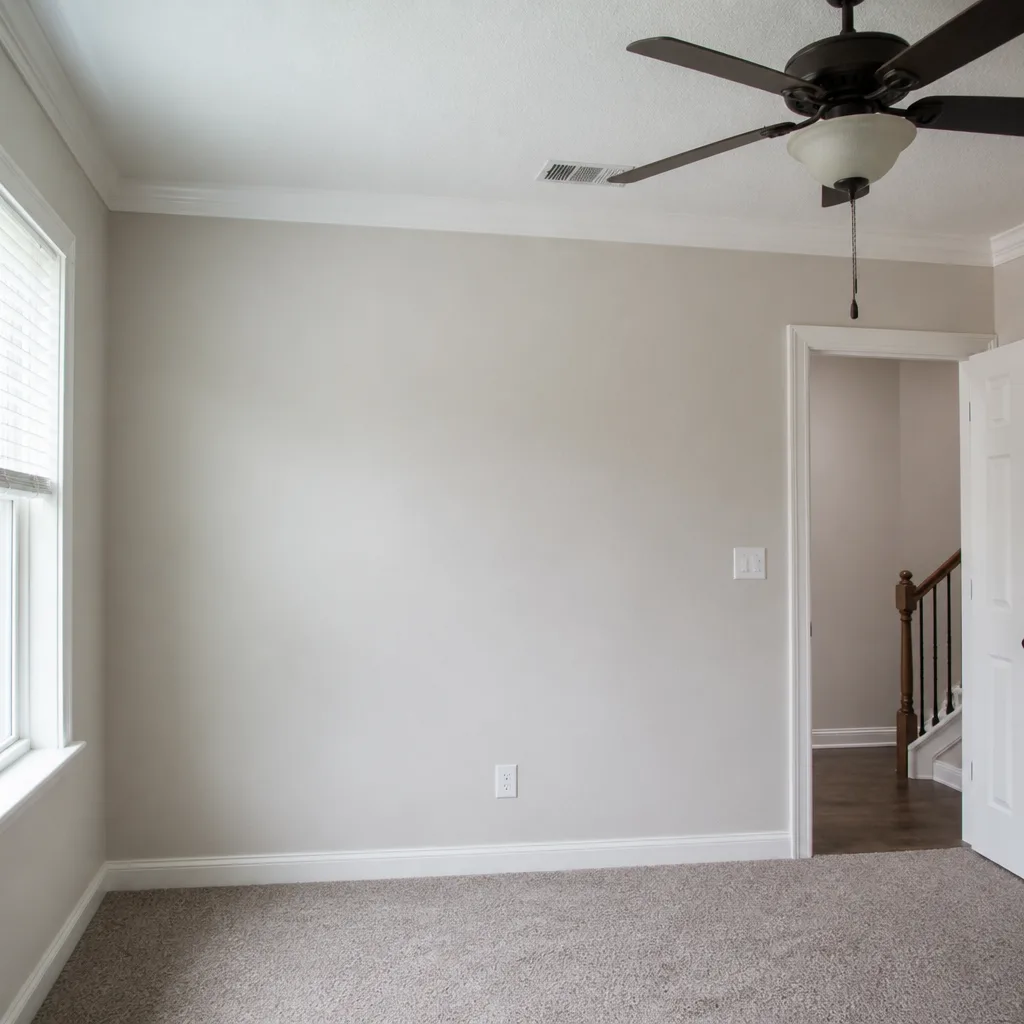
Storm responseSewage cleanup

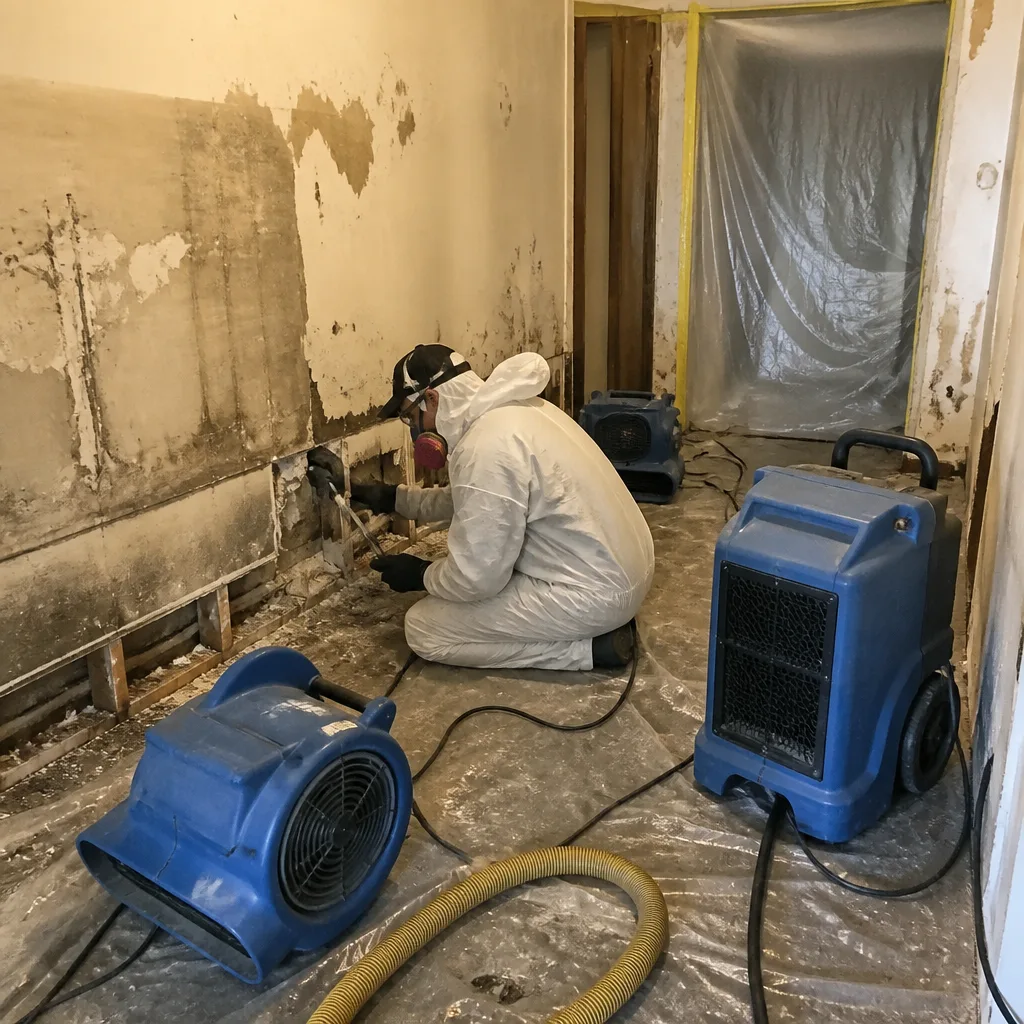 Before
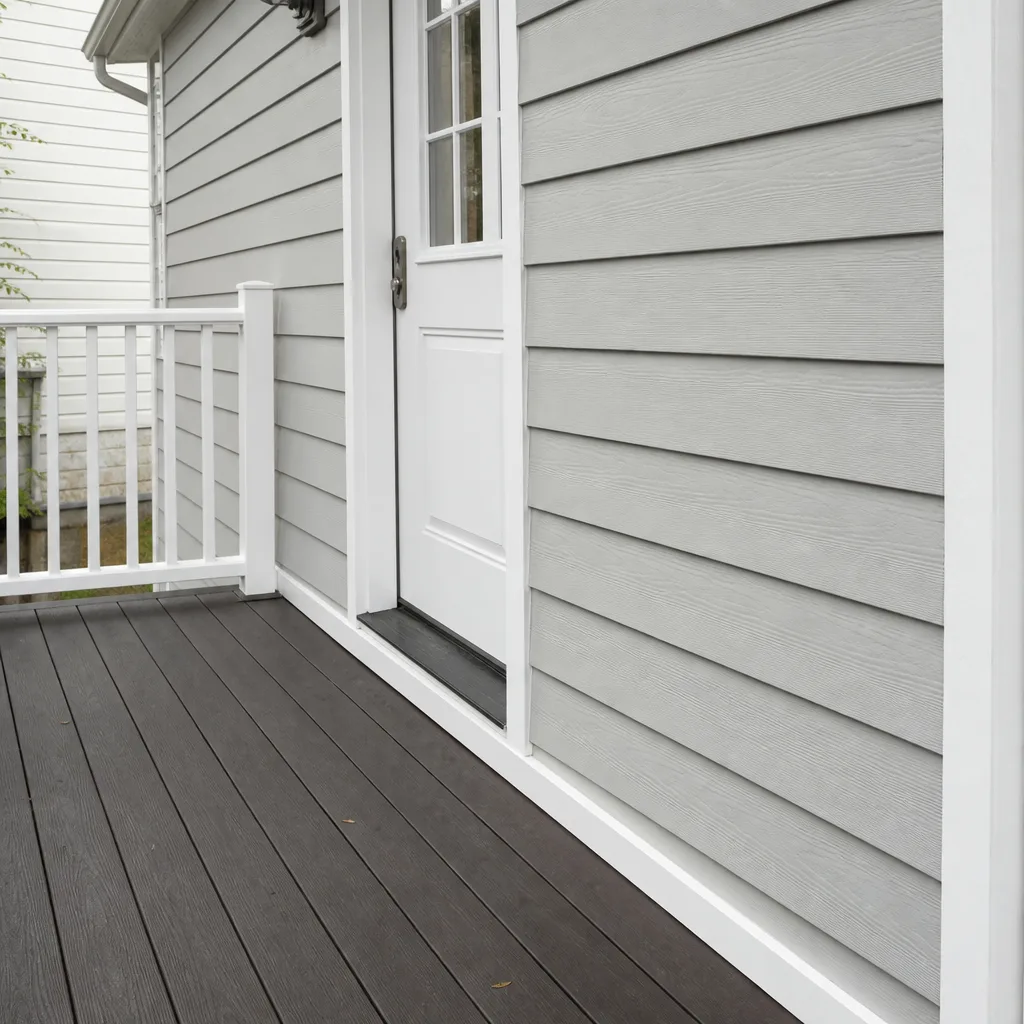 After
After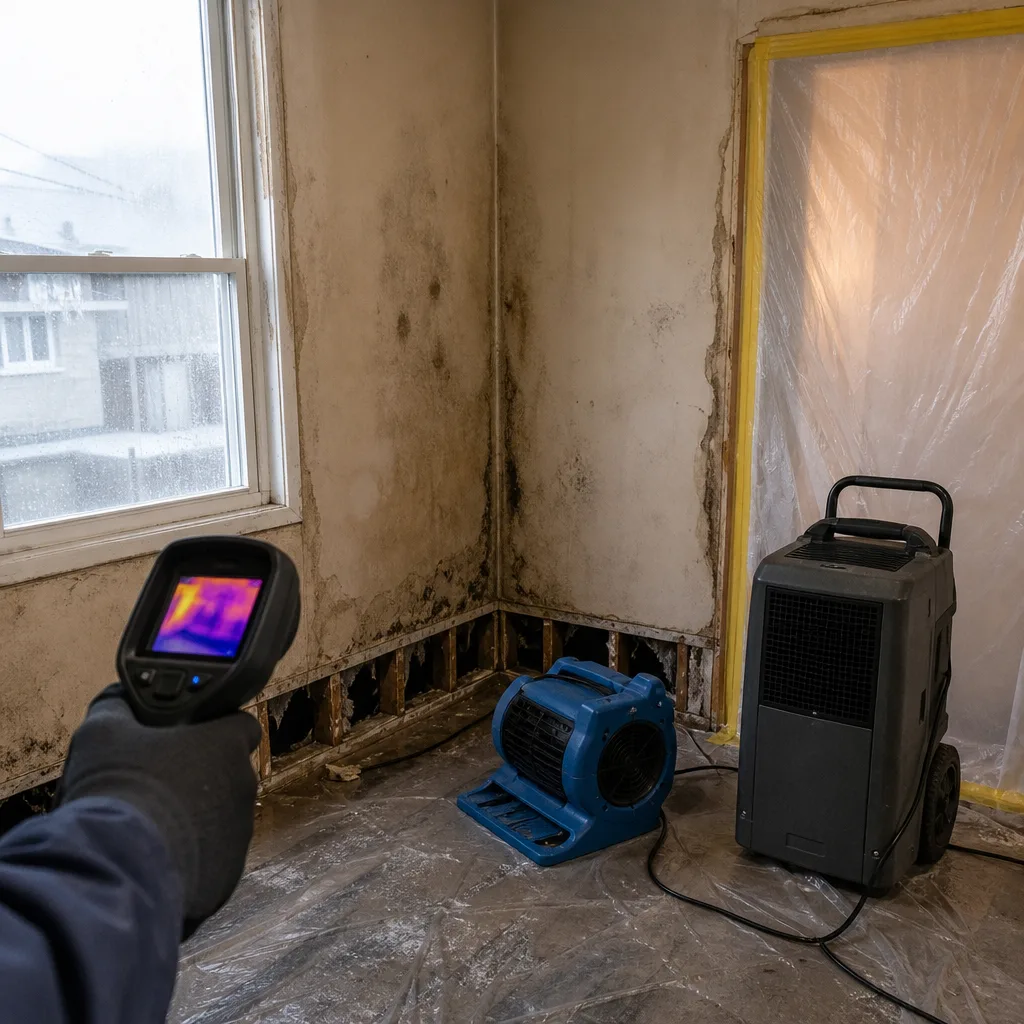 Before
 After
After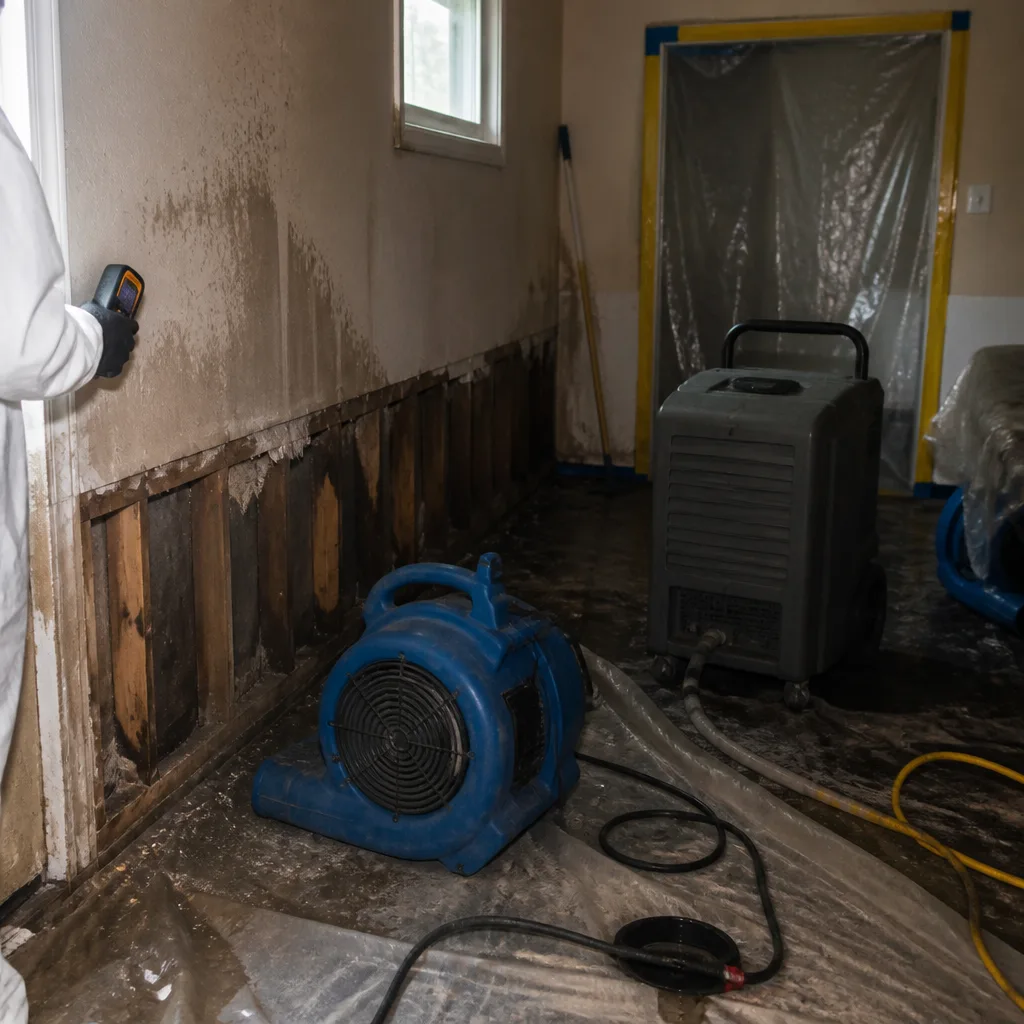 Before
 After
AfterWater Damage Restoration Maintenance Checklist for Flushing Homeowners
Most Flushing homeowners don’t discover a water problem until the damage is already done. A hairline crack in a supply line, a loose toilet flange, a gutter that’s been quietly dumping water against the foundation for eighteen months - none of these announce themselves. They work in the dark, behind walls and under floors, until the drywall stains or the baseboard swells. By then, the repair bill has tripled. This guide is a season-by-season maintenance checklist written for the houses we actually see in Flushing. You’ll learn what to check, when to check it, what a small problem looks like before it becomes a big one, and which jobs genuinely require a certified crew rather than a Saturday afternoon and a wrench. The goal is simple: catch water where it starts, before it writes its own line on your wall.
Quick Answer
Water damage prevention in Flushing comes down to quarterly inspections of five weak points: supply lines, drain connections, exterior grading, gutters and downspouts, and humidity control in basements and crawlspaces. The most important checks are the ones you can do in ten minutes - feeling for soft spots under sinks, looking for rust or mineral staining on shutoff valves, and walking the perimeter after every heavy rain. If you find active water intrusion, stop the source first, document everything for your insurer, and call a restoration company with certified technicians who can map the moisture and dry the structure to the standard - not just to the touch.
Table of Contents
- The Season-by-Season Flushing Water Damage Checklist
- Supply Lines and Shutoff Valves: What Fails First
- Drain Connections and the Slow Leak Problem
- Exterior Water Management: Grading, Gutters, and Downspouts
- Basement and Crawlspace Humidity Control in Flushing
- Appliances That Leak: Washing Machines, Water Heaters, and Dishwashers
- What to Do After a Heavy Rain or Snowmelt
- Common Mistakes to Avoid
- When to Call a Professional
- Frequently Asked Questions
- The Bottom Line
The Season-by-Season Flushing Water Damage Checklist
Flushing’s climate punishes houses in cycles. We get freeze-thaw through late winter and early spring, heavy downpours in summer, and the long wet weight of autumn leaves against foundation walls. A maintenance schedule that works in Arizona is useless here. What works here is checking the same weak points four times a year, because each season attacks a different one.
Spring (March-May): The Freeze-Thaw Reveal
- Walk the exterior perimeter and look for new cracks in the foundation or gaps where soil has settled away from the house. Freeze-thaw cycles in Flushing open small cracks into larger ones every year.
- Check hose bibs and outdoor spigots for drips or frost damage. A split pipe behind the wall from a winter freeze often shows up as a leak only after the first sustained use in April or May.
- Inspect the roof edge and gutters for winter damage. Ice dams are less common here than upstate, but clogged gutters from fall leaves compounded by snow weight can pull gutters loose.
- Test the sump pump if you have one. Pour a bucket of water into the pit and confirm the float switch triggers the pump and the discharge line carries water well away from the foundation.
- Check basement walls and floors for efflorescence - that white, chalky mineral residue that indicates water has been moving through the masonry.
Summer (June-August): The Air Conditioning and Humidity Season
- Inspect the condensate drain line on your air handler or furnace. In Flushing summers, these lines clog with algae and biofilm, back up, and spill water onto floors or into ceiling cavities.
- Check under every sink after a week of normal use. Summer is when supply line fittings that dried out over winter begin to weep.
- Monitor basement humidity. If the air feels heavy and the floor is damp to the touch, run a dehumidifier and figure out where the moisture is entering - it’s rarely just “basement air.”
- Walk the exterior after a heavy thunderstorm. Look for water ponding against the foundation within six feet of the house. Six feet is the line that matters.
Fall (September-November): The Gutter and Drainage Season
- Clean gutters and downspouts after the leaves drop - and then again in November, because Flushing’s street trees drop in waves. A clogged gutter overflows against the fascia and down the wall.
- Check that downspout extensions discharge at least four to six feet from the foundation. A downspout that dumps water at the corner of the house is a basement flood waiting for the next heavy rain.
- Inspect window wells for leaves and debris that trap water against basement windows.
- Have the water heater checked. Sediment buildup in the tank accelerates corrosion, and a leaking water heater in November is a cold, wet emergency you do not want.
Winter (December-February): The Cold Water Intrusion Season
- Inspect exposed pipes in unheated spaces - garages, crawlspaces, and exterior walls. Insulate what you can reach. A burst pipe in a Flushing winter is one of the most common water damage calls we respond to from December through February.
- Check for condensation on cold water pipes. Persistent condensation drips onto wood and drywall, and over a full winter that moisture feeds mold.
- Watch for water stains on ceilings after melting snow. Roof leaks often show up a day or two after snowmelt starts, not during the storm itself.
- Keep cabinet doors open under kitchen and bath sinks during the coldest nights so warm air reaches the supply lines.
Supply Lines and Shutoff Valves: What Fails First
In our experience, supply lines cause more water damage in Flushing than any other single component. A braided stainless supply line under a sink or behind a toilet has a rubber core. That rubber ages. It dries out, cracks, and eventually bursts - usually when no one is home. The shutoff valve is your first and best defense, and most homeowners never test it until the day they need it.
- Know where every shutoff valve is. Under every sink, behind every toilet, behind the washing machine, and on top of the water heater. Show every adult in the house.
- Test each valve twice a year. Turn it clockwise until it stops, then back a quarter turn. If it’s frozen or dripping from the stem, replace it now while the water is off on your schedule - not during an emergency.
- Replace rubber washer supply lines every five years. Braided stainless lines last longer, but the rubber core still has a service life.
- Look for mineral staining or green corrosion where the line meets the valve. That’s a slow, long-term leak that has already been wetting the cabinet floor.
- Never overtighten a supply line fitting. Snug plus a quarter turn is the rule. Overtightening cracks the washer and creates the leak you were trying to prevent.
Most supply line failures happen in the middle of the night or while the house is empty. The shutoff valve is the difference between a puddle and a flooded kitchen. Test yours today. It takes five minutes.
Drain Connections and the Slow Leak Problem
Drain leaks are sneaky. A supply line bursts and you know it immediately. A drain connection fails slowly - a little water with each use, a little more when the fixture is full. The water seeps into the cabinet base, then the subfloor, then the joist cavities below. By the time a Flushing homeowner notices the stain on the ceiling below, that drain has been leaking for months.
Here’s the check that finds drain leaks early:
- Run the fixture - sink, tub, shower - for a full minute with the stopper closed.
- Release the stopper and let the full volume drain all at once. This is the test that matters. A slow drip shows up only under full flow.
- Feel the drain pipe and trap immediately after draining. Any moisture on the outside of the pipe is a leak, not condensation.
- Look at the cabinet floor under every sink. Water staining, warping, or a musty smell means a slow drain leak has already been at work.
- Check the wax ring on toilets. If the toilet rocks slightly, or if you see water staining around the base, the wax ring has failed. This is a small fix now and a floor replacement if ignored.
Drain leaks are the most common missed problem we find on home inspections throughout Flushing. The homeowner’s nose often notices before their eyes do - a persistent musty smell in a bathroom or kitchen that has no other explanation is usually water where it shouldn’t be.
Exterior Water Management: Grading, Gutters, and Downspouts
Water damage starts outside. The ground around your house is your first line of defense, and in Flushing, where many homes sit on flat lots or shallow slopes, grading problems are common. The rule is simple: the ground should slope away from the foundation at least six inches over the first ten feet. Most Flushing homes we inspect fall short of that.
Signs that exterior water management needs attention:
- Water ponding within six feet of the foundation after rain.
- Soil that has settled, leaving a low spot against the house or a gap between soil and foundation wall.
- Gutters that overflow during rain, or that pull away from the fascia.
- Downspouts that discharge at the corner of the house, against the foundation, or into a clogged underground drain.
- Basement efflorescence or dampness that appears consistently after rain, not just in humid weather.
Fix the gutters first. A working gutter system carries roof water away from the house. A failing one dumps thousands of gallons against the foundation wall every year. In Flushing, where many houses are 60 to 100 years old, that water finds its way through foundation cracks, mortar joints, and the old stone or block foundation walls common in the neighborhood. Downspout extensions are cheap insurance - four to six feet of solid pipe moves water far enough to matter.
Basement and Crawlspace Humidity Control in Flushing
Basement humidity is the slow-motion version of water damage. Nothing is actively leaking. The floor gets damp on humid days. The air smells like earth. The walls develop a fine white powder. Maybe there’s a little mold on a cardboard box that’s been sitting on the floor since 2011. None of it looks like an emergency, and none of it goes away on its own.
In Flushing, basement humidity comes from three sources: groundwater wicking through the slab or foundation walls, outside air condensing on cool basement surfaces, and mechanical issues like a dryer venting indoors or an uninsulated cold water pipe sweating through the summer. The fix depends on the source, which is why a moisture meter and a humidity gauge are the two tools every Flushing homeowner with a basement should own.
What to do:
- Buy a basic hygrometer and track basement humidity. Sustained readings above 60% relative humidity support mold growth on organic materials - cardboard, drywall, wood framing.
- Run a dehumidifier sized to the square footage. Empty it daily or connect it to a floor drain. Set it to 50% and let it run.
- Find and fix the water source. A dehumidifier masks the symptom. If the wall is damp after rain, the water is coming from outside, and no dehumidifier on earth will keep up.
- Keep stored items off the floor on plastic pallets or shelving. Cardboard on a concrete slab is mold waiting to happen.
- Inspect the crawlspace if you have one. A dirt-floor crawlspace in Flushing needs a vapor barrier - a plastic sheet over the soil - and often a crawlspace dehumidifier.
We use professional-grade moisture meters and thermal imaging to find water that a hygrometer can’t see. Moisture inside a wall cavity or under a slab reads differently than ambient humidity, and finding it early is the difference between a dehumidifier rental and a full basement remediation.
Appliances That Leak: Washing Machines, Water Heaters, and Dishwashers
Appliance leaks follow a pattern. The washing machine hose bursts while you’re at work. The water heater rusts through from the inside and leaks a slow puddle that soaks the floor for weeks before anyone notices. The dishwasher develops a door seal leak that drips into the cabinet and rots the subfloor. In Flushing, where many homes have laundry areas on upper floors or in finished basements, an appliance leak is rarely a small problem.
What to check, by appliance:
- Washing machine: Replace rubber hoses with braided stainless lines. Check the connections every three months. Look for cracks, bulges, or rust at the fittings. Turn off the water supply valves when leaving home for more than a few days.
- Water heater: Check the area around the base every month for any moisture. Look for rust on the tank, the fittings, or the pressure relief valve. If the water heater is over 10 years old, plan for replacement before it fails - a rusted-out water heater can release 40 to 80 gallons of water onto your floor in under an hour.
- Dishwasher: Check the door seal for cracks and the floor in front of the dishwasher for warping. Run a cycle and feel under the door for drips. Check the supply line and drain hose connections behind the kick plate every six months.
- Refrigerator with ice maker or water line: The saddle valve and the plastic supply line are the weak points. Feel the line for brittleness. Look for water staining on the floor behind or under the fridge.
These are the leaks that happen while you’re away. A weekend trip, a two-week vacation, a month in Florida during Flushing’s worst winter weeks - the house is empty, the water pressure is constant, and a hose that was fine in November lets go in January. If you leave for more than a weekend, turn off the washing machine supply valves and consider turning off the main water supply if no one is checking the house.
What to Do After a Heavy Rain or Snowmelt
Flushing gets its share of heavy downpours, and after a noreaster or a rapid snowmelt, the water table rises and every foundation crack becomes an open door. What you do in the first hours after discovering water intrusion determines how bad the damage gets.
The first priority is always the source. If water is coming through a foundation crack, a clogged gutter, or a failed sump pump, stop it if you safely can. The second priority is documentation. Take photos and video of everything - standing water, wet drywall, wet flooring, the source if visible. Your insurance carrier will want that record, and we provide photo-documented assessments that match what your adjuster needs to see.
Then there’s the drying. This is where most Flushing homeowners go wrong, and it’s worth being precise. Towel drying and household fans remove surface water. They do not remove water that has wicked up drywall, soaked into subflooring, or saturated insulation in wall cavities. That water keeps moving - up walls, through floors, into rooms that never got wet. Professional drying uses equipment designed for the job: high-efficiency dehumidifiers and air movers that create the right conditions for evaporation, plus moisture meters that read inside the wall, not just on the surface. Brands like the Dri-Eaz and Phoenix equipment our technicians run are built specifically for this work, and the drying log we keep - daily moisture readings until the structure reaches dry standard - is what protects you from a mold problem six months later.
After any significant water event in Flushing, be wary of rushing to rebuild too soon. Wet drywall and insulation behind new paint and trim will mold, and you’ll smell it before you see it. The drying has to be verified, not assumed.
Common Mistakes to Avoid
- Painting over a ceiling stain without fixing the source. The stain comes back, and now you’ve painted over a water source that has been quietly growing mold in the cavity. Find the leak first. Paint second.
- Assuming a small leak is a small problem. A drip under a Flushing kitchen sink can soak the cabinet, the subfloor, and the basement ceiling below if it runs for months. Small leaks become big problems on a timeline, not on severity.
- Using a household fan to dry a flooded basement. Household fans move air. They do not dehumidify. Drying with fans alone leaves moisture in materials and sets up the conditions for hidden mold.
- Ignoring a musty smell. A musty smell is a moisture problem you haven’t found yet. In our experience, by the time a homeowner asks us about a smell, the water has been present for weeks or months.
- Waiting to test the shutoff valve until the emergency. Shutoff valves fail when you need them most. Test them twice a year, and if one is frozen, replace it now.
- Filing an insurance claim without documentation. Photos, videos, and a written moisture log make the difference between a straightforward claim and a denied one. Document everything before you move anything.
When to Call a Professional
Some water damage jobs are a homeowner fix. A dripping shutoff valve that gets replaced the same day. A clogged gutter that gets cleaned on a Saturday afternoon. A supply line that gets swapped in twenty minutes with a wrench and a bucket.
Other jobs are not. Call a professional when water has soaked into walls, floors, or ceilings; when the source is unknown or inside a wall cavity; when electrical wiring has been exposed to water; when sewage is involved; or when the wet area is larger than a few square feet. These jobs need moisture mapping, professional extraction, structural drying, and verification - not guesswork. Floodline Restoration Co. offers free estimates in Flushing - call (518) 872-6111 and a live person answers, day or night.
Frequently Asked Questions
Supply line failures, washing machine hose bursts, water heater tank failures, and exterior drainage problems are the four most common causes we see across Flushing. Of those, supply lines and appliance hoses cause the most severe damage because they fail under constant pressure while the house is empty.
Walk through a basic inspection quarterly - once per season - and do a quick check under sinks and around appliances monthly. The full walk-through takes about thirty minutes and catches most problems before they become claims.
Yes. Moisture inside a wall cavity or under flooring feeds mold even when the visible surface feels dry to the touch. Mold needs organic material, moisture, and time - and a slow leak provides all three. This is why professional drying uses moisture meters that read inside materials, not just on the surface.
Floodline Restoration Co. answers the phone with a live dispatcher 24 hours a day, 7 days a week, and our goal is to get a certified crew to your Flushing home the same day - often the same visit - with extraction equipment running before we leave. Call (518) 872-6111 and a person picks up, not a recording.
Most standard homeowners policies cover sudden and accidental water damage, such as a burst pipe or a failed supply line. Coverage for gradual leaks or flooding from exterior sources varies widely by policy. We bill insurance carriers directly and coordinate with your adjuster, so you never play messenger between us and the carrier.
Sustained humidity above 60% is a real problem regardless of what’s “normal” for the neighborhood. Flushing basements often run humid because of shallow groundwater and older foundation construction, but that humidity still supports mold growth and deteriorates stored items. A dehumidifier is a start, but the water source has to be found and addressed.
The Bottom Line
Water damage in Flushing is predictable. The same weak points fail in the same ways, season after season: supply lines age out, drain connections loosen, gutters clog, grading settles, and humidity builds. A homeowner who checks those five weak points quarterly, tests shutoff valves twice a year, and replaces appliance hoses on a schedule will stop most water damage before it starts. For what slips through, speed and documentation are everything. Stop the source, photograph everything, and call a professional who will dry to the standard and stand behind it in writing. That’s the whole game. Floodline Restoration Co. home has served Flushing for over 42 years, and the line the water left is where we start.
Written by Curt Bowman, Owner at Floodline Restoration Co., serving Flushing since 2010.