
Last updated August 25, 2026
Free visual inspection and a written scope of work before any mitigation begins - photos, moisture readings, and drying logs go in your claim file
The scope we write is the scope we bill. Anything new gets shown to you, in writing, before we touch it.

Storm responseSewage cleanup
 Before
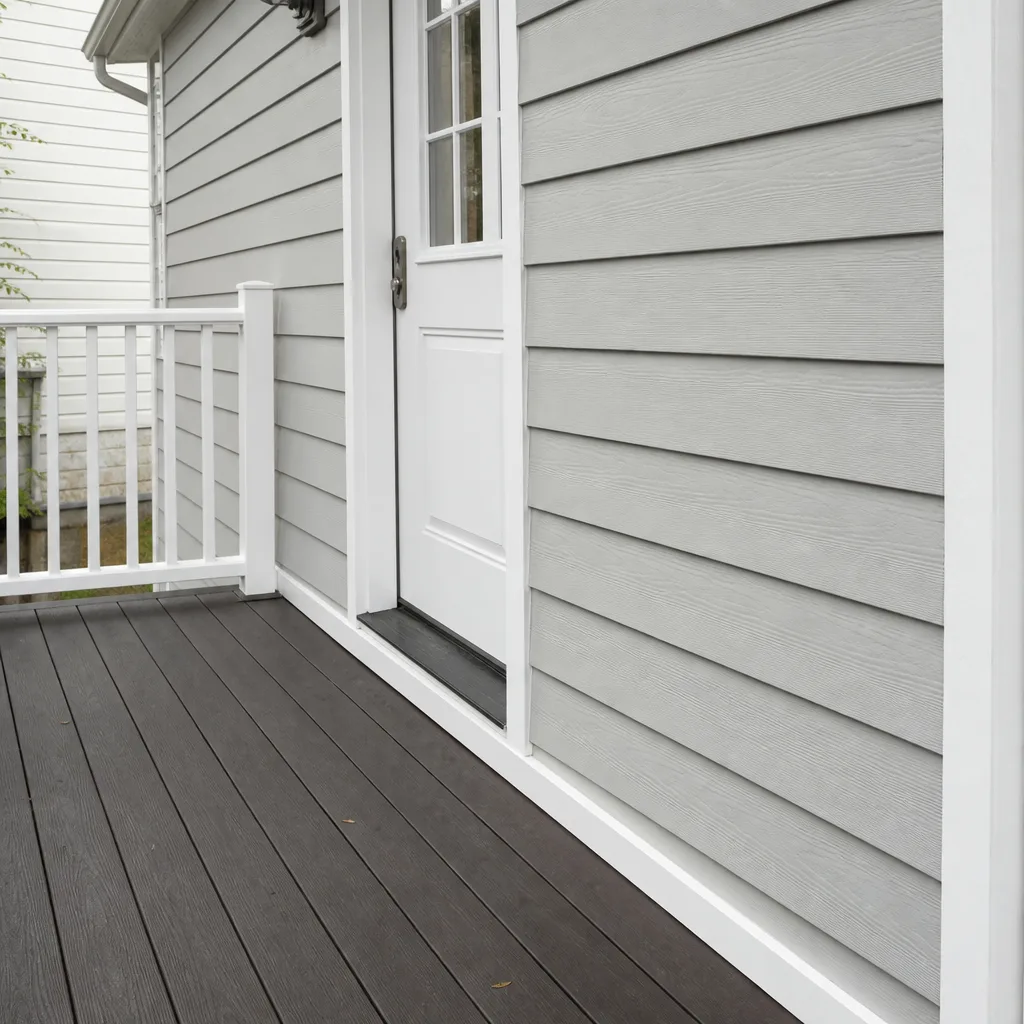 After
After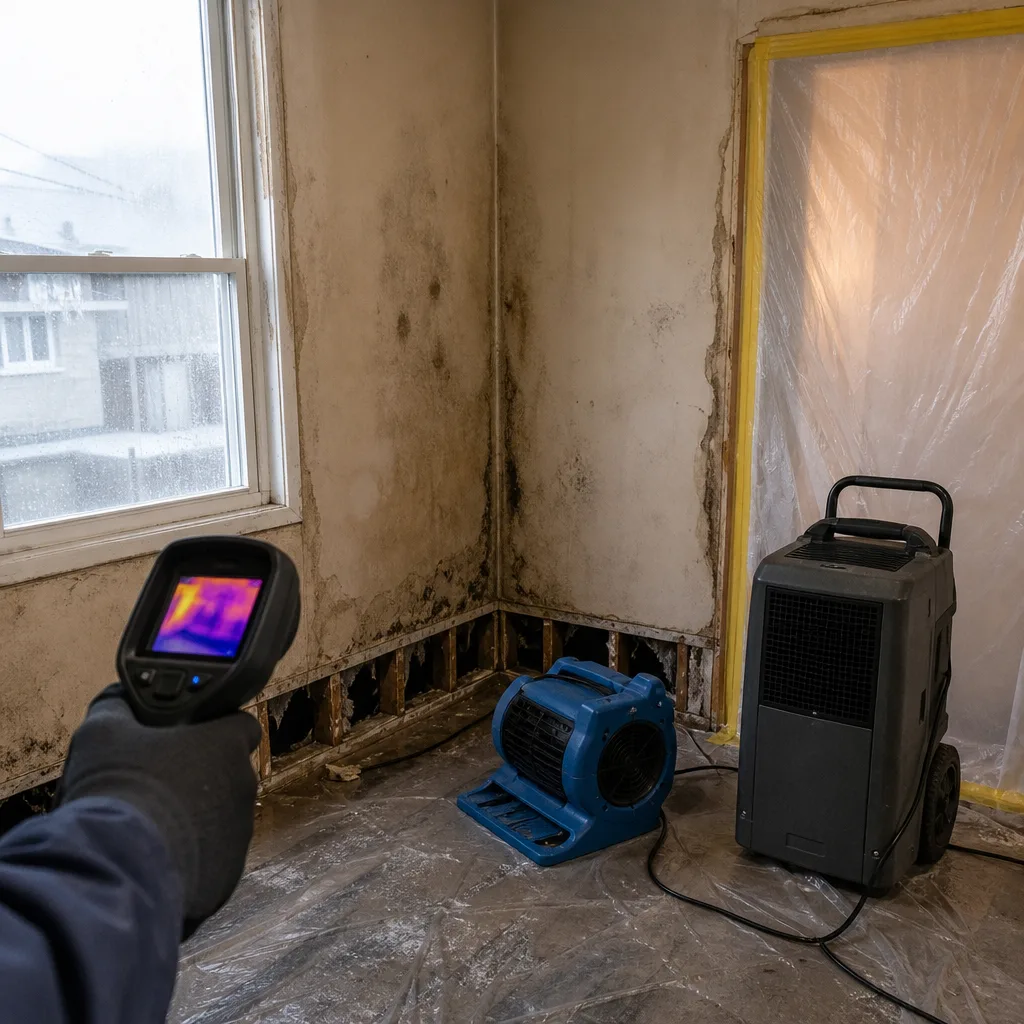 Before
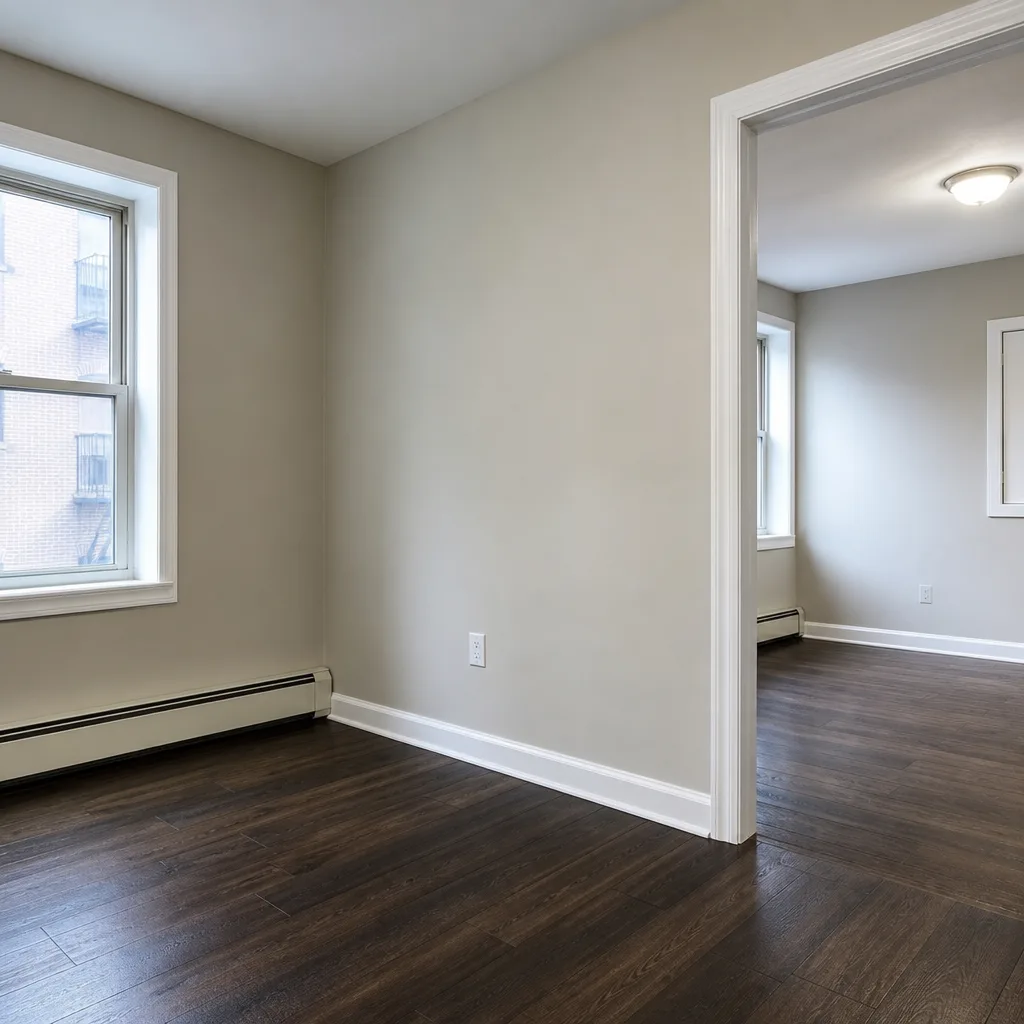 After
After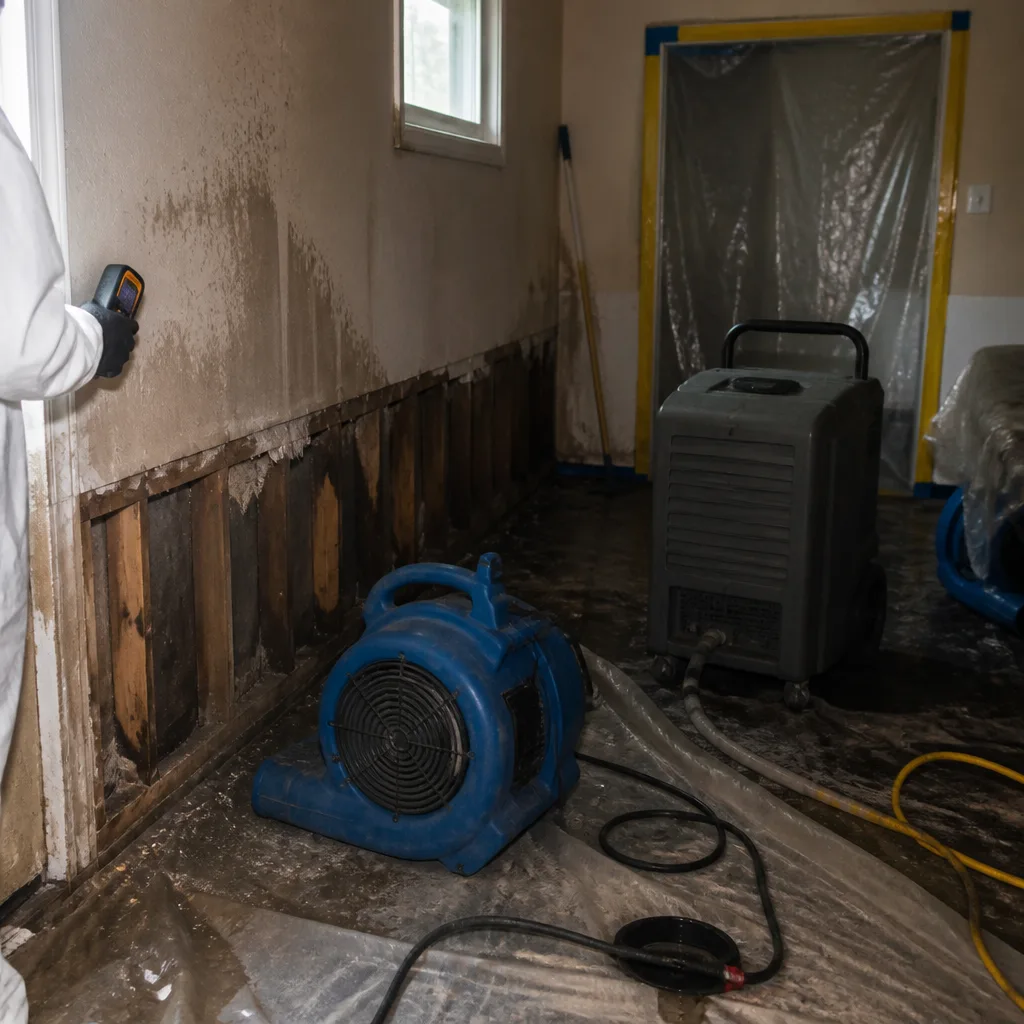 Before
 After
AfterHow to Hire a Damage Restoration Contractor in Flushing: A Step-by-Step Guide
Most Flushing homeowners will make exactly one call to a restoration contractor in their lifetime. That means you have no benchmark for what a fair price looks like, no frame of reference for how long drying should take, and no way to tell whether the crew in your basement knows what they’re doing or is learning on your dime. By the time the water is ankle-deep, you’re not researching - you’re reacting. This guide is written for that moment, and for the calmer one before it. By the end, you’ll know exactly how to vet a contractor, what questions to ask before signing anything, what a legitimate scope of work looks like, and how to avoid the five mistakes that cost Flushing homeowners thousands in unnecessary tear-out and botched rebuilds.
Quick Answer
Hire a damage restoration contractor in Flushing by verifying three things before you sign: proper certification (IICRC, RIA, or IFA), direct insurance billing with photo-documented assessments, and a written guarantee that covers the work after it’s done. A legitimate contractor answers the phone with a person at 2 a.m., sends a background-checked crew the same visit, and hands you a moisture log before they hand you a bill. Get a written scope before any work starts.
Table of Contents
- Step 1: Assess the Damage Before You Pick Up the Phone
- What Flushing Homeowners Face: Water, Sewage, and Old Plumbing
- Step 2: Understand Your Insurance Position First
- Step 3: The 7 Questions to Ask Before You Sign
- Step 4: Get a Written Scope Before Any Work Starts
- What Actually Happens During Restoration: A Day-by-Day Look
- Why Equipment and Certifications Matter in Flushing
- Common Mistakes to Avoid
- When to Call a Professional
- Frequently Asked Questions
Step 1: Assess the Damage Before You Pick Up the Phone
The first 20 minutes after you discover water damage determine how much of your Flushing home gets torn out. That sounds dramatic, and it is. Water moves fast through drywall and flooring, but the real clock starts on mold, which can take hold in 48 to 72 hours in the humid conditions common to Queens basements. Before you call anyone, take stock of what you’re actually dealing with.
Here’s the assessment process we walk homeowners through, in order:
- Identify the water source. Is it a burst supply line, which is clean water? A backed-up drain, which may be gray water? Or sewage, which is black water and a genuine biohazard? Each category changes the scope of the job and the safety precautions required.
- Check the water’s path. Water follows gravity and wicks upward. If the water came through a ceiling in one room, it has likely traveled along joists and pooled in the adjacent room’s ceiling.
- Document everything. Take photos of the standing water, the wet drywall line, and any damaged possessions. Your insurance adjuster will need these, and a restoration company can use the water line on the wall to map the full extent of the damage.
- Shut off water at the main if the source is a plumbing failure. If you cannot reach it safely, don’t wade through standing water near electrical outlets.
- Do not use a household vacuum or fan on sewage or black water. This spreads contamination.
The line the water left on the wall is where any honest restoration job starts. It tells a technician how high the water reached, how long it sat, and how far up the drywall needs to come out. In Flushing, where many homes were built before modern moisture barriers became standard, that line often hides additional issues: old lath and plaster behind newer drywall, or hardwood under carpet that has been wicking water for hours unnoticed.
What Flushing Homeowners Face: Water, Sewage, and Old Plumbing
Flushing is not a flood-zone community like some coastal Queens neighborhoods, but that doesn’t mean water damage is rare here. The plumbing stock in much of Flushing dates to the housing boom of the 1940s through the 1970s. Galvanized steel supply lines corrode from the inside out over 50 to 70 years, and cast-iron drain lines develop cracks and root intrusion. When a galvanized line fails, it doesn’t drip - it lets go. We regularly see basement floods in the neighborhoods around Kissena Park and Murray Hill where a 60-year-old supply line split behind a finished wall.
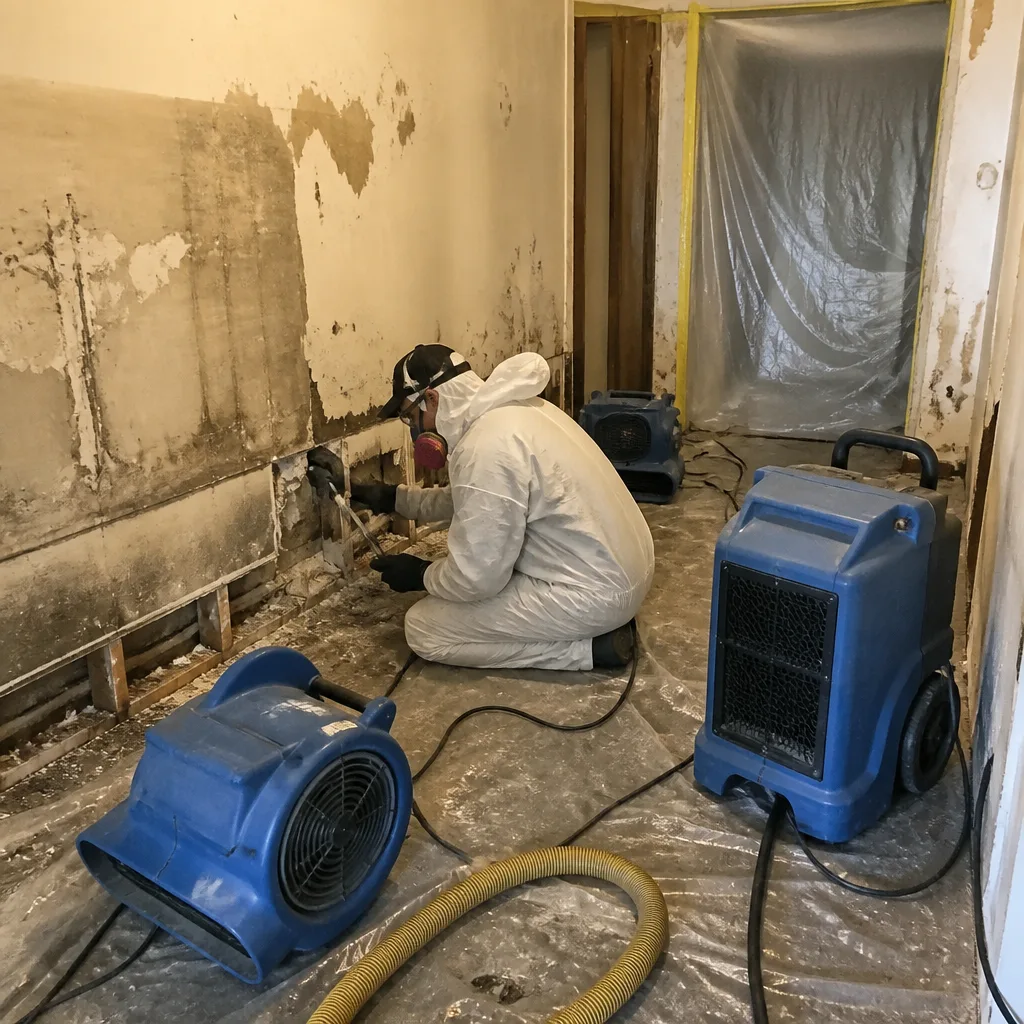
Sewage backups are a different and more common problem in Flushing’s older housing stock. The city’s combined sewer system handles both stormwater and sanitary waste, and during heavy summer thunderstorms, older homes with basement fixtures below street grade are vulnerable to backflow. If the water coming up through a floor drain is dark and has an odor, that’s not rainwater. That’s sewage, and it requires a different protocol: full containment, antimicrobial treatment, and disposal of affected porous materials. A general handyman with a shop vac is not the right call for that job.
Fire damage carries its own Flushing-specific considerations. Many row houses and attached homes share walls, which means smoke travels laterally through shared attics and joist bays. A kitchen fire in one unit can leave soot residue in the neighbor’s unit two doors down. Restoration in these buildings requires coordination with multiple households and sometimes the co-op or condo board, which changes the scope of communication, not just the scope of the work.
Step 2: Understand Your Insurance Position First
Before you call a restoration contractor, call your insurance carrier. We say this not because we want to slow you down, but because the first 30 minutes of an insurance conversation shape everything that follows. Your policy will tell you three things a contractor should know before setting foot in your home:
- Coverage type: Does your policy cover sudden water damage from a burst pipe? Most do. Does it cover gradual damage from a slow leak? Most don’t. Does it cover sewer backup? Only if you have a specific endorsement, which many Flushing homeowners don’t discover they’re missing until the night of the backup.
- Your deductible: If your deductible is $2,500 and the damage is $3,000, you’ll be paying most of that out of pocket. A good contractor will tell you this before they start work, not after.
- Preferred vendors and direct billing: Some carriers have networks of approved restoration companies. Others allow you to choose. In either case, a company that bills the carrier directly - and handles adjuster communication on your behalf - removes the biggest source of stress in the entire process.
The most common insurance mistake Flushing homeowners make is trying to handle everything themselves to avoid a premium increase. That instinct is understandable, but it’s often the most expensive path. Insurance adjusters have seen thousands of water damage claims. They know what a proper moisture log looks like, what daily drying records should contain, and what equipment a legitimate drying job requires. If you hire a contractor who doesn’t produce those documents, your claim gets denied, and you’re left holding the bill. A restoration company that works with carriers directly - and has for years - knows how to build a claim file that holds up.
Step 3: The 7 Questions to Ask Before You Sign
When a restoration contractor is standing in your living room with a clipboard, you have roughly ten minutes of their time before they need to get moving. These seven questions will tell you, before any paperwork appears, whether you’re dealing with a professional or a pickup truck with a logo.
- “Are you certified for this type of damage?” Water damage restoration, mold remediation, and fire damage each have different certification standards. IICRC certification covers water and fire. RIA and IFA certifications cover additional restoration specialties. If the company cannot name its certifying bodies, move on.
- “Will you bill my insurance carrier directly?” Direct billing is not a convenience - it’s a signal of how the company handles accountability. A company that asks you to pay upfront and chase your carrier for reimbursement is asking you to be the project manager of your own insurance claim.
- “Who exactly will be in my home?” You want to know two things: are the technicians background-checked, and are they employees or subcontractors? In Flushing, where tight-knit blocks and attached homes mean your neighbors are watching, a uniformed employee crew with a supervisor on site is a world apart from a subcontracted crew that was hired by phone an hour before.
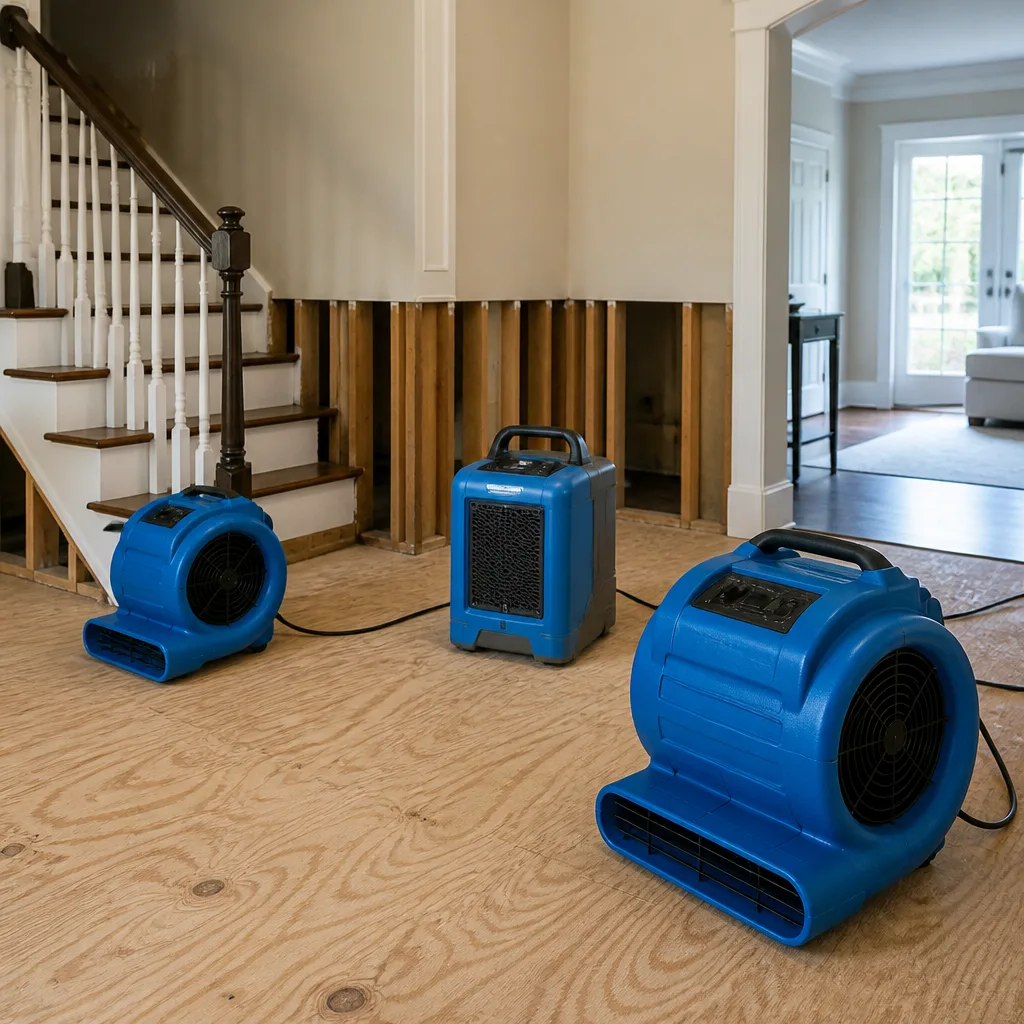
- “What drying equipment will you use, and how long will it run?” Professional-grade equipment matters. Dri-Eaz and Phoenix dehumidifiers, XPOWER air movers, and Injectidry systems for hardwood floors and wall cavities are the standard for a reason: they dry materials to specification, not just to the touch. If a contractor tells you a $200 rental fan will handle it, the answer is no.
- “How do you document that the job is actually dry?” A daily moisture log is non-negotiable. Readings should be taken with a moisture meter, recorded, and shared with both you and your carrier. If the contractor can’t describe this process, they don’t have one.
- “Do you handle the rebuild?” Many restoration companies stop at extraction and drying, then hand you a phone number for a general contractor. That mid-job handoff is where problems compound: the drying crew blames the rebuild crew, the rebuild crew blames the drying crew, and you’re in the middle. A full-cycle company handles extraction, drying, and rebuild under one roof.
- “What guarantee do you offer in writing?” A 90-Day Done Right Promise means something specific: if the work isn’t done right, it gets made right, with no paperwork battles. If the contractor balks at a written guarantee, you’re dealing with someone who plans to disappear the moment the check clears.
Step 4: Get a Written Scope Before Any Work Starts
This is the single most important step in the entire hiring process, and it’s the one most homeowners skip because they’re in a hurry. A written scope of work is not a quote. It’s a document that describes, in plain language, exactly what will be done, what materials will be used, what equipment will be deployed, how long each phase is expected to take, and what the work will cost. No legitimate restoration company in Flushing will refuse to provide one. Companies that insist on “figuring it out as we go” are companies that will figure out how to charge you more as they go.
A proper scope includes:
- Square footage of affected area, measured with a laser or tape, not estimated from the doorway.
- Category of water (clean, gray, or black) and the implications for material disposal.
- Number and type of drying units (for example: two Phoenix LGR dehumidifiers, four XPOWER air movers).
- Specific materials to be removed and replaced, including drywall grade, flooring type, and trim.
- Daily moisture reading schedule and dry standard target (typically matching the unaffected area’s baseline moisture content).
- Timeline for each phase, including drying completion and rebuild start date.
- Payment terms and direct billing arrangement with the carrier.
One note about pricing: a square deal means no surprises on the bill. If the scope says $9,400, the bill should be $9,400 unless the scope changed - in which case, the change should be documented, signed, and added to the scope before the work proceeds. Contractors who treat a scope as a suggestion are the ones who treat your home as an open wallet.
What Actually Happens During Restoration: A Day-by-Day Look
If you’ve never been through a water damage restoration, the process feels like chaos on day one and then, oddly, like waiting. Understanding the arc of the job will help you know whether your contractor is on schedule or stalling. Here’s what a professional restoration timeline looks like for a typical Flushing basement flood.
Day One: Extraction and Assessment
The crew arrives, confirms the water category, and begins extraction immediately. Standing water is removed with truck-mounted or portable extraction units. In our experience, the extraction phase for a 500-square-foot basement takes 2 to 4 hours. The crew sets up containment if needed, removes water-damaged materials that cannot be saved (saturated drywall, carpet pad, insulation), and positions drying equipment. Before they leave, they take initial moisture readings and establish a drying baseline.
Days Two Through Four: Active Drying
Dehumidifiers and air movers run continuously. A technician visits daily to take moisture readings, reposition equipment, and log everything. The homeowner should receive a copy of this log - that’s the document your insurance carrier will ask for. If readings plateau for two consecutive days, the technician adjusts the drying plan: more air movement, a second dehumidifier, or opening a wall cavity that’s not releasing moisture.
Day Five or Six: Dry Standard Confirmation
The moisture readings should now match the baseline of unaffected areas. The technician confirms the dry standard, shuts down equipment, and documents the final readings. This is the moment that separates professionals from amateurs: a real contractor doesn’t declare victory because the floor feels dry to the touch. They declare victory because the moisture meter says the number is right.
Week Two: Rebuild Begins
Once the structure is dry, rebuild starts. Drywall goes up, flooring goes down, trim is reinstalled. If the same company that dried the home is doing the rebuild, there’s no gap between phases and no handoff conversation where information gets lost. The homeowner gets a finished job and a final moisture log. That’s the job done right.
Why Equipment and Certifications Matter in Flushing
Restoration is a trade where the quality of the equipment is not a luxury - it’s the difference between a house that dries and a house that grows mold behind the walls. The equipment brands a contractor uses tell you something about how seriously they take the work.
B-Air air movers are workhorses, built for continuous operation over days. Injectidry systems are the gold standard for hardwood floors and wall cavities, pulling water out of materials that other systems would rip out. When a contractor tells you they can save your hardwood instead of tearing it out, they’re making a claim about their equipment as much as their skill. Ask them how. If the answer is “injection drying with a manifold system,” you’re talking to someone who understands the craft.
Certifications work the same way. IICRC certification is the baseline for water restoration. It means the technician has been trained to the standards published by the Institute of Inspection, Cleaning and Restoration Certification and has passed their exams. RIA certification covers additional restoration specialties. IFA certification is specific to forensic and biohazard cleanup. No certification is a substitute for years of hands-on experience, but it is a floor. Someone without it never even reached the floor.
Common Mistakes to Avoid
- Waiting to call because “it’s just a little water.” A slow leak in a Flushing basement with 1970s plumbing can be dripping for weeks before you notice it. By the time the drywall stains, mold is already active. Call the day you see the stain, not the day you smell the must.
- Hiring the cheapest bid without reading the scope. A low quote almost always means less drying time, fewer equipment days, or omitted rebuild work. The company with the lower price is not doing you a favor; they’re doing less work.
- Letting a handyman “handle it” with a shop vac and a fan. Handymen are fine for patching drywall. Standing water and sewage require extraction equipment, antimicrobial treatment, and moisture documentation for your insurer. Without those, the floor looks clean and the wall rots.
- Paying upfront without a written scope. If a contractor demands a large deposit before producing a written scope of work, walk away. Legitimate companies in Flushing document the scope first and bill the carrier directly.
- Treating the moisture log as optional paperwork. That log is the document your insurance adjuster is waiting to see. It is also your protection if mold appears six months later and the question becomes “who didn’t dry this properly?”
- Hiring a company that stops at drying. Many companies in Queens will extract and dry, then hand you a list of general contractors to call for the rebuild. That handoff is where accountability goes to die. Hire one company that does both.
When to Call a Professional
Any water event that affects more than a single room, any water that comes from a sewage line, any fire that leaves soot or smoke residue, and any mold growth larger than a few square feet requires a professional restoration company. These are not DIY situations, and they’re not handyman situations. If you see standing water, smell sewage, or notice mold growing on drywall in a Flushing basement, call a certified crew the same day. Floodline Restoration Co. offers free estimates in Flushing - call (518) 872-6111 and a live dispatcher will answer, day or night.
Frequently Asked Questions
Water damage restoration in Flushing typically runs $2,500 to $8,500 for a standard basement flood involving extraction, 3 to 5 days of drying, and minor rebuild, while sewage or extensive structural damage ranges higher depending on containment and material replacement. The three factors that move the price most are the category of water (clean, gray, or black), the square footage of affected materials, and whether hardwood or structural framing needs drying versus replacement. Call (518) 872-6111 for an exact quote - estimates are free, and we give you a written scope before any work starts.
Most Flushing homeowner policies cover sudden water damage from burst pipes or appliance failures, while sewer backup and gradual leaks often require specific endorsements that many homeowners don’t carry. Photo documentation and a daily moisture log are the two pieces of evidence adjusters look for, and a restoration company that bills your carrier directly and handles adjuster communication removes the biggest source of claim friction. If you’re unsure what your policy covers, we can review your coverage details and help you understand the claim process before any work begins.
Most professional restoration companies in Flushing can have a crew on site within 2 to 4 hours of your call, and the best ones run live dispatch 24/7 so a technician starts extraction the same visit rather than the next morning. The speed of the response determines how much material can be saved, which is why a company that answers the phone with a person at 2 a.m. is worth more than one that returns calls the next day. Floodline Restoration Co. answers every call with a live dispatcher, and our crews reach Flushing homes the same visit in emergencies.
If the water came from a clean supply line and was extracted within 24 hours, a thorough drying with professional equipment may be sufficient, but if the water sat for more than a day, came from sewage, or has reached porous materials like drywall and carpet pad, full remediation with material removal and antimicrobial treatment is necessary. Cleaning the surface without drying the cavity behind it is how mold grows inside walls, and a moisture meter reading is the only way to know whether the cavity is actually dry. A certified technician can tell you within one visit which level of treatment your situation requires.
Your restoration contractor should deal with the adjuster, not you. A company that bills the carrier directly and provides photo documentation, daily moisture logs, and a written scope will interface with the adjuster throughout the claim, leaving you to focus on your home rather than your paperwork. This is standard practice for established restoration companies in Flushing, and it is one of the clearest signals of a professional operation.
A professional restoration crew uses a moisture meter to take daily readings across the affected area and compares them to a baseline reading from an unaffected part of the home, and the job is not complete until the affected readings match that baseline. The readings are recorded in a daily moisture log that you and your insurance carrier receive, so there’s a paper trail proving the structure was dried to specification. If a contractor cannot produce this log, they’re guessing, not drying.
The Bottom Line
Hiring a damage restoration contractor in Flushing comes down to three written things: certification that proves the crew was trained, a scope that proves the work is defined, and a guarantee that proves the company will stand behind the result. Everything else - the equipment brands, the direct billing, the 24/7 dispatch - flows from those three. The water left its line on the wall. The right contractor starts there and finishes with a dry, rebuilt home and a moisture log in your hand. Everything in between is just doing the job the way it should have been done the first time. Floodline Restoration Co. home is here for Flushing homeowners who want the job done right - and backed in writing.
Written by Curt Bowman, Owner at Floodline Restoration Co., serving Flushing since 2010.