
Last updated August 25, 2026
Free visual inspection and a written scope of work before any mitigation begins - photos, moisture readings, and drying logs go in your claim file
The scope we write is the scope we bill. Anything new gets shown to you, in writing, before we touch it.
Storm responseSewage cleanup
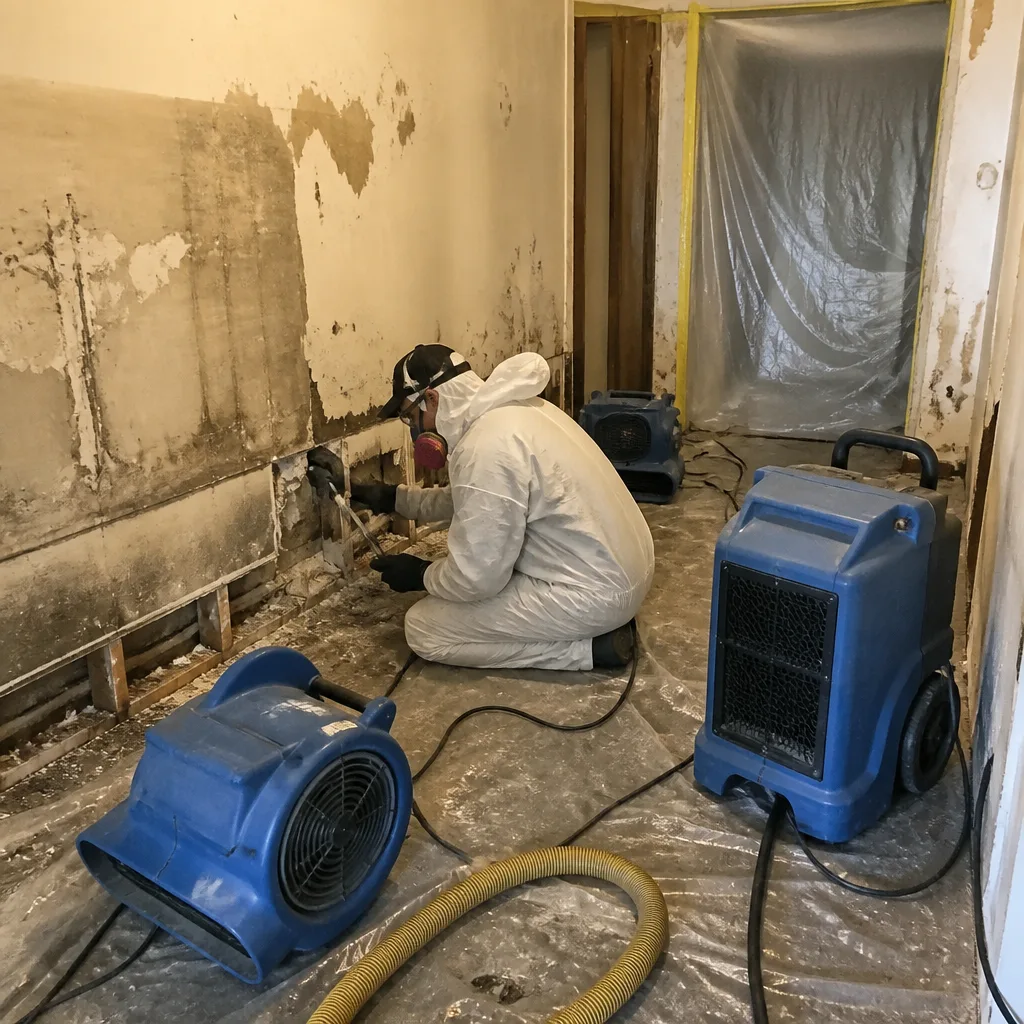 Before
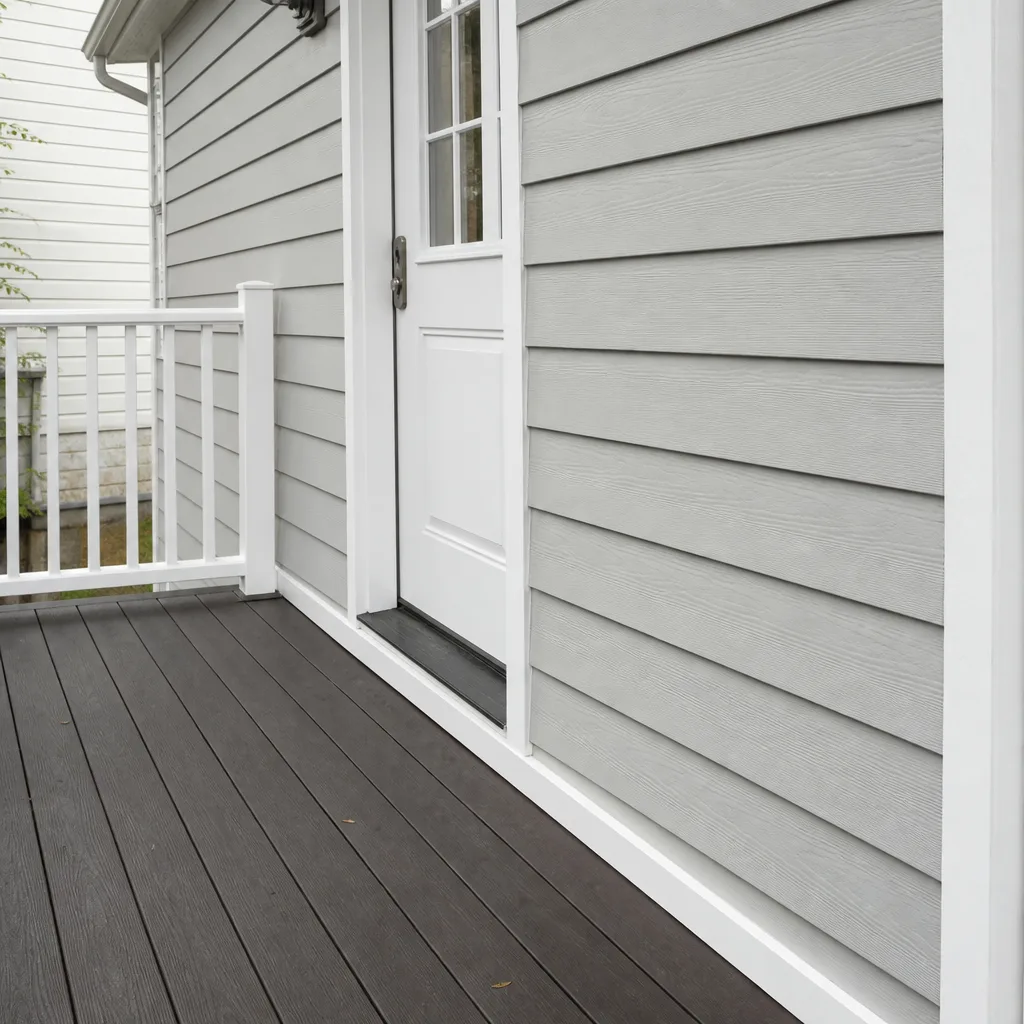 After
After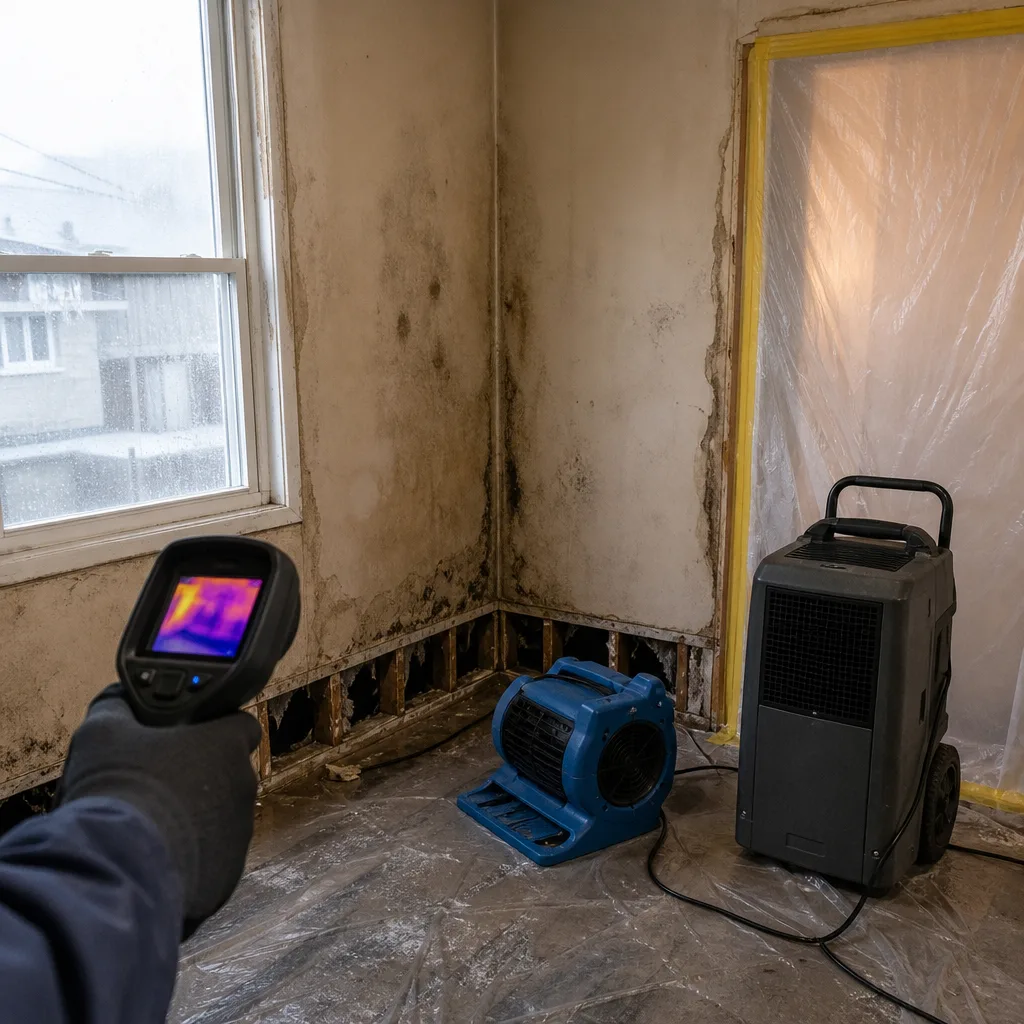 Before
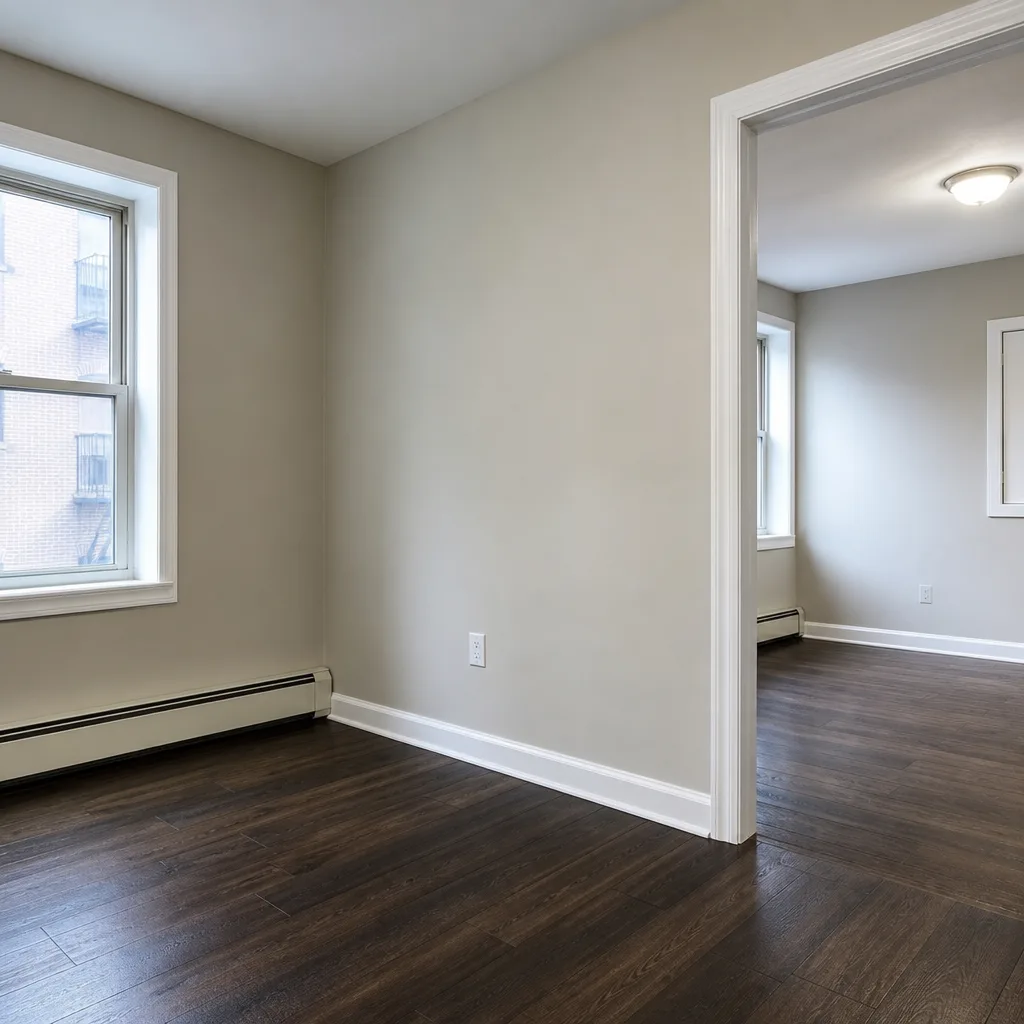 After
After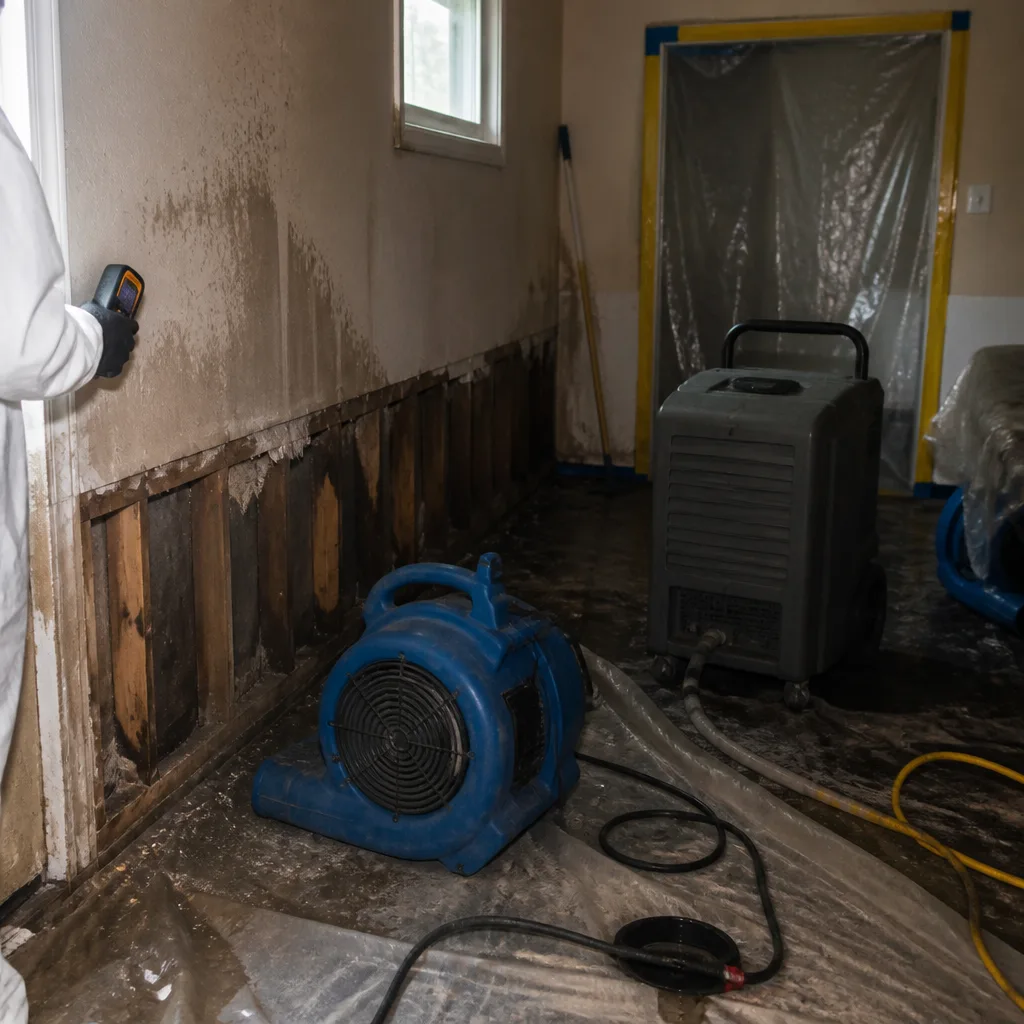 Before
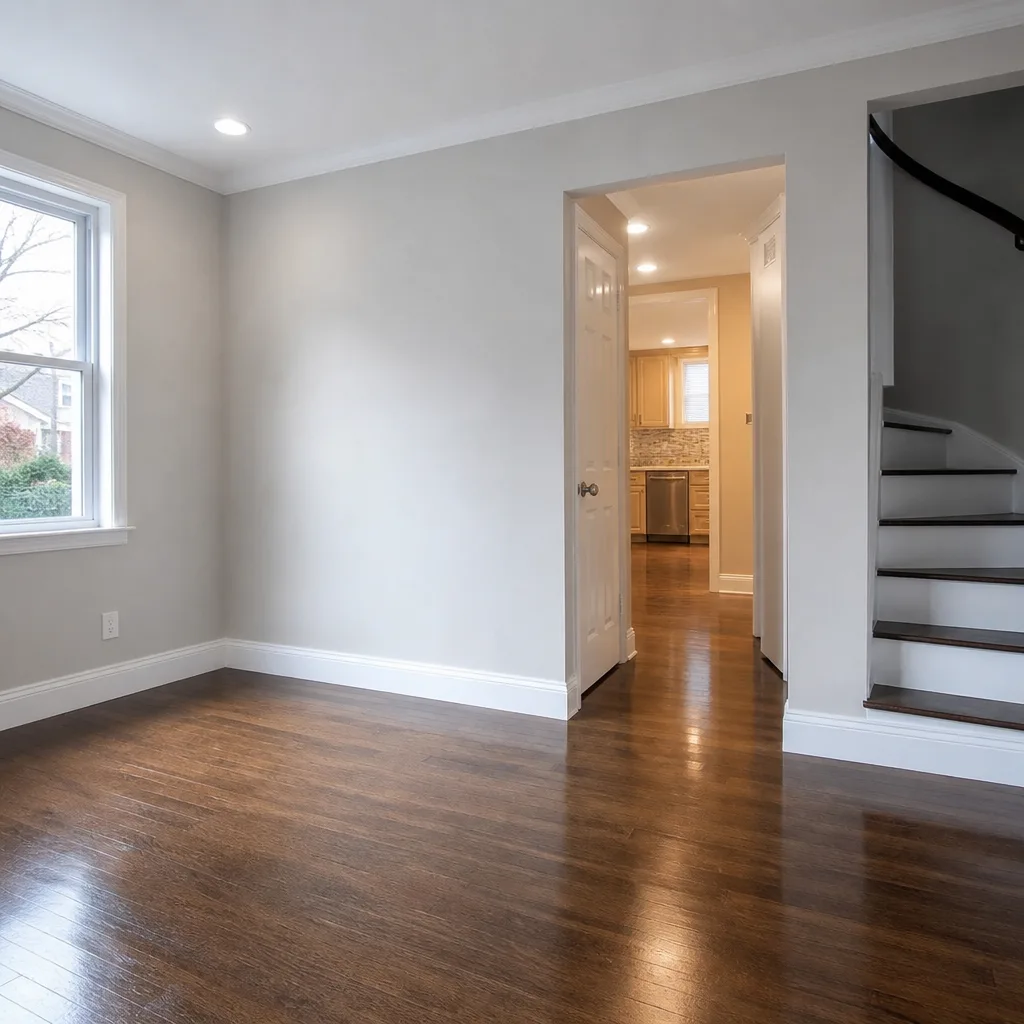 After
AfterDamage Restoration Cost Breakdown: The Flushing Homeowner’s Reference for 2026
Most Flushing homeowners never plan for water in the basement, a kitchen fire, or mold behind the bathroom wall. When it happens, the damage clock starts immediately: water wicks up drywall at roughly an inch per hour, and mold spores can colonize damp surfaces in 24 to 48 hours. Meanwhile, every hour of delay means the restoration bill climbs. This guide breaks down real cost ranges for every major type of damage restoration in Flushing in 2026, explains what drives prices up or down, shows you what’s included in a written scope, and tells you which red flags mean you’re about to be oversold. By the end, you’ll know exactly what a fair price looks like and what should be in writing before work starts.
Quick Answer
In Flushing, damage restoration typically costs between $1,800 and $8,500 depending on the type and extent of damage: water extraction and drying runs $1,800 to $4,500, mold remediation $2,000 to $6,000, fire and smoke cleanup $3,000 to $12,000, and sewage cleanup $2,500 to $7,000. Full reconstruction after major damage adds $25 to $75 per square foot. Most insurance policies cover sudden and accidental damage, and a reputable restoration company will bill your carrier directly.
Table of Contents
- Water Damage Restoration Costs in Flushing
- Mold Remediation: What Flushing Homeowners Actually Pay
- Fire and Smoke Damage: The Full Breakdown
- Sewage Cleanup and Biohazard Costs
- Reconstruction After Damage: Real Per-Square-Foot Numbers
- How Insurance Actually Works in Flushing
- Common Mistakes to Avoid
- When to Call a Professional
- Frequently Asked Questions
- The Bottom Line
Water Damage Restoration Costs in Flushing
Water damage restoration in Flushing costs between $1,800 and $4,500 for a typical single-room event, with whole-basement floods running $5,000 to $9,000 or more once drywall removal, drying time, and antimicrobial treatment are factored in. The price breaks down into three phases: extraction first, structural drying second, and controlled demolition plus repairs third. A burst pipe under a Flushing kitchen sink is usually a $1,800 to $2,500 job. A failed sump pump during one of the heavy late-summer storms we get in Queens can push past $6,000 once water sat overnight.
Here’s what a standard water damage bill includes:
- Emergency extraction: $350 to $800 for truck-mounted extraction on arrival. This is the line item that stops the spread.
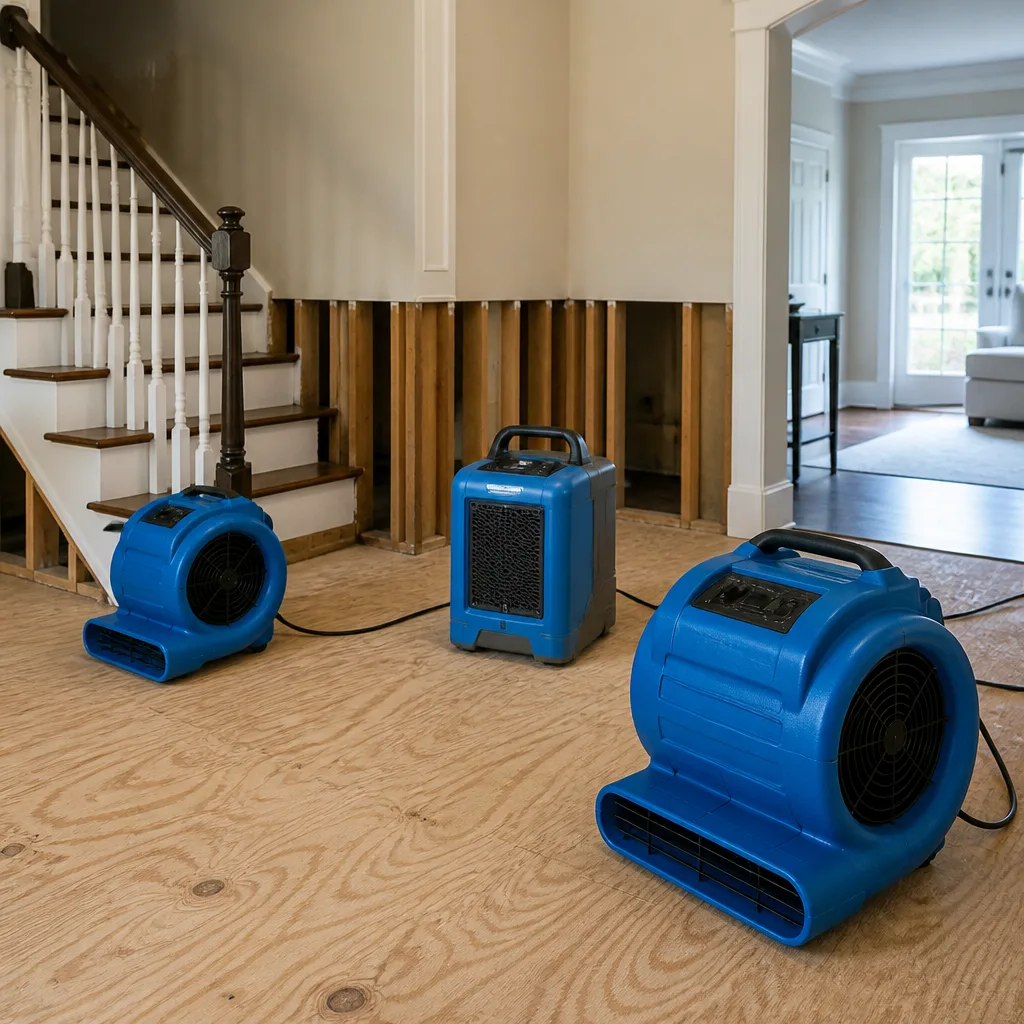
- Structural drying: $800 to $1,800 for professional-grade air movers, dehumidifiers, and daily moisture readings. Most jobs need 3 to 5 days of drying.
- Drywall and baseboard removal: $300 to $900 when walls are saturated above the 2-foot line.
- Antimicrobial treatment: $150 to $400 per affected room. Skipping this in Flushing’s humid summers is how mold shows up six weeks later.
- Flooring: $4 to $12 per square foot to remove and replace waterlogged hardwood, laminate, or carpet.
In Queens, older homes in neighborhoods like Kissena Park and Auburndale often have plaster walls instead of drywall. Plaster holds water differently. It’s slower to wick but slower to dry, which means longer equipment runtime and slightly higher drying costs. We’ve also seen a pattern in Flushing: homes with finished basements built in the 1990s and 2000s tend to have wall-to-wall carpet over concrete slab. That carpet traps moisture against the slab and needs to come out fast or the pad underneath becomes a mold farm. If you’re looking for a deeper walkthrough of the process itself, our water damage restoration page covers the step-by-step sequence from first call to final moisture log.
Mold Remediation: What Flushing Homeowners Actually Pay
Mold remediation in Flushing runs $2,000 to $6,000 for most visible outbreaks under 100 square feet. When mold has spread inside wall cavities or behind bathroom tile, the job can reach $8,000 to $10,000 because the demolition, containment, and rebuild are all in scope. A small bathroom ceiling patch with confirmed mold might be $1,500. A full basement remediation after months of undetected moisture is a $6,000 to $9,000 job.
The cost drivers are specific, and you should see each of these on a written estimate:
- Containment setup: $400 to $1,200. Professional remediation requires negative air pressure and polyethylene sheeting to keep spores out of the rest of the house.
- HEPA air scrubbing: $250 to $600. Units run the entire time remediation is underway.
- Removal of affected materials: $500 to $3,000 depending on whether it’s drywall, insulation, or framing.
- Surface treatment and fogging: $300 to $800 using EPA-registered antimicrobials.
- Post-remediation clearance testing: $300 to $700. In Flushing, we recommend a third-party testing firm for clearance, not the remediation company’s own swab. It removes the conflict of interest.
Flushing’s climate matters here. Queens gets about 45 inches of rain annually, and the summer humidity average sits above 70 percent. Homes with poor bathroom ventilation, especially in attached brick row houses common near Main Street and Northern Boulevard, develop condensation mold in ceiling corners even without a leak. That’s a recurring condition, not a one-time event, and the fix usually includes upgrading the exhaust vent, not just wiping the surface. We tell homeowners the same thing every time: if you can smell it, you’re past the surface stage. The mold remediation offer from Floodline Restoration Co. includes moisture mapping, written scope, and daily readings until the dry standard is met, which is what a real remediation job looks like.
Fire and Smoke Damage: The Full Breakdown
Fire damage restoration in Flushing costs $3,000 to $12,000 for cleanup and smoke mitigation after a contained kitchen fire, and $20,000 to $50,000 or more when structural repair is required. The single biggest cost variable is whether the fire reached the framing. Soot cleanup alone is surprisingly affordable: $3 to $6 per square foot for walls, ceilings, and contents. Once you add smoke odor removal, structural cleaning, and refinishing, the bill climbs fast.
A typical Flushing row-house kitchen fire follows a pattern. Grease ignites on the stove, the range hood melts, smoke coats every surface in the apartment or floor, and the firefighters knock it down before it breaches the walls. That’s a $5,000 to $8,000 restoration. But smoke travels. In attached homes, it goes through shared wall cavities and gap outlets into neighboring units. You may need to clean spaces that never saw flame.
Line items to expect:
- Emergency board-up and tarping: $300 to $800. Required if windows or the roof were opened by the fire department.
- Soot and residue cleaning: $3 to $6 per square foot for soft washing walls, ceilings, and hard surfaces.
- Ozone or thermal fogging for odor: $400 to $1,200 per treatment area. Smoke odor is persistent; expect multiple passes.
- Contents cleaning and pack-out: $500 to $2,500 for furniture, clothing, and personal items. In a Flushing home with decades of accumulated belongings, this line item grows.
- Duct cleaning: $400 to $1,000, because smoke in the HVAC system recirculates for months otherwise.
One Flushing-specific note: many older co-op and condo buildings along Parsons Boulevard and Union Street have central exhaust stacks. Smoke from one unit draws through the stack and into hallways or other floors, so remediation often involves common areas, not just the unit of origin. That means coordination with the building board and possibly the co-op’s insurance. We handle that process weekly. If you need help navigating it, the fire and smoke damage service page explains how we work with Flushing co-op boards and management companies directly, including paperwork and adjuster coordination.
Sewage Cleanup and Biohazard Costs
Sewage cleanup in Flushing runs $2,500 to $7,000 depending on the square footage affected and whether the backup came from a main line blockage or a failed ejector pump. This is the one category where a homeowner should never attempt DIY for safety reasons. Category 3 water, the technical term for sewage-contaminated water, contains bacteria, viruses, and parasites that genuinely threaten human health. Cleaning it requires full PPE, proper disposal protocols, and thorough disinfection.
What the price includes:
- Pump-out and contaminated water removal: $400 to $900, using submersible pumps and proper containment.
- Removal of saturated porous materials: $500 to $2,000. Carpet, padding, and drywall that absorbed sewage must go. No amount of cleaning restores them.
- Disinfection of all contacted surfaces: $300 to $800 with hospital-grade antimicrobial products.
- Drying and humidity control: $500 to $1,200 over 3 to 5 days.
- Odor treatment: $200 to $600. Sewage odor lingers in porous surfaces long after the visible mess is gone.
Flushing’s older sewer infrastructure is a real factor. The neighborhood has sections of combined sewer lines dating back generations, and heavy rain on aging pipes causes backups in some low-lying blocks. Homes near Flushing Meadows Corona Park and the Flushing River corridor see more of these than homes up on higher ground toward Kissena. We also get calls after large gatherings on block party weekends, when a single line gets overloaded and backs up into the lowest drain in the house. Whatever the cause, the response is the same: get it out, get it dry, get it disinfected, and replace what can’t be saved.
Reconstruction After Damage: Real Per-Square-Foot Numbers
Reconstruction after water, fire, or mold damage in Flushing costs $25 to $75 per square foot for most interior work, with kitchens and bathrooms at the high end and open living spaces at the low end. A 1,200-square-foot finished basement rebuild after a flood typically lands between $30,000 and $45,000. This is where the industry’s split model fails homeowners: mitigation companies hand off to general contractors, the homeowner becomes the project manager, and change orders pile up. Reconstruction should be scoped, scheduled, and priced in writing like a remodel, not an emergency.
Here’s a realistic square-foot breakdown for Flushing in 2026:
- Basic finish rebuild (drywall, paint, trim, LVP flooring): $25 to $40 per square foot.
- Mid-range rebuild (hardwood, solid doors, tile in wet areas): $40 to $60 per square foot.
- High-end rebuild (custom cabinetry, natural stone, upgraded fixtures): $60 to $85 per square foot.
- Kitchen rebuild after fire: $150 to $350 per square foot for the kitchen footprint, because cabinetry, counters, appliances, and plumbing all reset at once.
- Bathroom rebuild after water or mold: $120 to $250 per square foot.
The Flushing market adds one wrinkle: labor costs in Queens run 15 to 25 percent higher than the national average, and building permits for structural work through the NYC Department of Buildings add $500 to $2,500 depending on scope. A legitimate reconstruction estimate will itemize permit fees separately. If a contractor says they can skip the permit on structural work, that’s not a bargain; it’s a liability sitting inside your walls. Full-cycle means one crew handles extraction, drying, and rebuild, which eliminates the finger-pointing that happens when two companies split the job. That’s how our reconstruction and cleanup service is structured: same certified crew, same moisture log, same 90-Day Done Right Promise.
How Insurance Actually Works in Flushing
Most Flushing homeowners with standard HO-3 policies are covered for sudden and accidental water damage, fire, storm, and sewage backup if they’ve added the water backup endorsement. What surprises people is how much the deductible and policy limits shape the restoration bill they see. A $2,500 deductible means a $6,000 water job will only be reimbursed for $3,500 after your carrier approves the claim. Knowing your deductible before disaster strikes changes the math on whether to file or pay out of pocket.
Flood insurance is a separate conversation. Standard homeowner policies in Flushing do not cover rising groundwater, river overflow, or storm surge. Homes in the flood zones near Flushing Bay or along the Flushing River require a separate NFIP or private flood policy. After Hurricane Ida in 2021, thousands of Queens homeowners found this out the hard way: basement apartments and garden-level units took on stormwater, and policies denied claims because the water came from outside, not from a pipe. If you’re in a garden-level unit below grade, check your policy language now, not after the next storm.
The good insurance news for Flushing homeowners is this: carriers prefer documented, professional restoration. That means moisture readings logged daily, equipment records, photo documentation before and after, and a written scope. We’ve spent years building our process around exactly that paperwork, because a claim backed by a clean moisture log and clear photographs gets approved faster than one backed by a contractor’s memory. We also bill your carrier directly, so you’re not fronting cash and hoping for reimbursement. If your adjuster wants to talk to someone who speaks their language, we do that every day, and the Floodline Restoration Co. home page explains the process in plain terms.
Common Mistakes to Avoid
- Waiting to call because “it doesn’t look that bad.” Water travels down and sideways through wall cavities and under flooring before you see it. By the time it’s visible, the hidden damage is usually two to three times larger. In Flushing’s older attached homes, that hidden spread often reaches a shared wall.
- Accepting an estimate without a written scope of work. A verbal number means nothing when the bill arrives. Every legitimate restoration estimate in Queens itemizes extraction, drying days, demo, treatment, and rebuild separately. No written scope, no work.
- Using box fans instead of commercial drying equipment. Household fans move air but don’t remove moisture. Professional dehumidifiers and air movers pull water out of materials and log measurable drying progress. A box fan just spreads damp air around.
- Letting a remediation company do its own clearance testing. It’s a built-in conflict of interest. Hire an independent third-party testing firm in Flushing for post-remediation clearance. It costs a few hundred dollars and tells you the truth.
- Covering mold with paint or primer. Kill the spores, fix the moisture source, then rebuild. Paint over active mold just hides it for a few months until it blooms again, usually worse.
- Not checking the water backup endorsement on your policy. Sewage backups are excluded from many standard Flushing policies unless you’ve specifically added the endorsement. It costs $30 to $80 a year and can be the difference between a covered claim and a $6,000 out-of-pocket bill.
- Hiring a contractor who doesn’t carry workers’ comp in New York State. If a worker gets injured on your property and the contractor has no coverage, you may be liable. Ask for proof in writing before anyone steps into the house.
When to Call a Professional
Call a professional the moment you see standing water that doesn’t recede, smell smoke or mold but can’t locate the source, find water staining on ceilings below a plumbing run, or see sewage backing up from a floor drain. Do not attempt sewage cleanup yourself, do not run electrical systems in a wet area, and do not enter a space with visible mold if you have respiratory conditions. The faster a certified crew with commercial drying equipment gets in, the less demolition is required and the lower the final bill. Floodline Restoration Co. offers free estimates in Flushing, and our phone line is answered by a person at any hour. Call (518) 872-6111 and we’ll walk you through the first steps before anyone even arrives.
Frequently Asked Questions
Most water damage restoration jobs in Flushing run $1,800 to $4,500 for a single room, with full basement floods reaching $5,000 to $9,000 depending on how long the water sat and what materials absorbed it. The biggest variables are square footage, wall framing type, and how fast professional drying started. Call (518) 872-6111 for a free estimate with a written scope before any commitments are made.
Insurance covers mold remediation in Flushing only when the mold resulted from a covered peril, like a sudden pipe burst or an appliance failure that was promptly reported. Long-term condensation, slow leaks that went unrepaired for months, or pre-existing moisture issues are typically excluded. Your best path is to read your policy’s mold coverage language, which is usually capped at $5,000 to $10,000, and to document the originating event as soon as it happens.
A certified restoration crew can reach most Flushing addresses within 60 to 90 minutes of your call when you use a company with live 24/7 dispatch. Extraction equipment should run the same visit, because every hour of standing water increases the final cost. When you call (518) 872-6111, a real person answers and a crew is dispatched immediately, not the next business day.
In an active water or sewage event, no: you should start mitigation immediately to prevent further damage, and your insurance company expects that. What you do need is a written scope of work with itemized pricing before you sign anything, from whichever company you choose. A legitimate restoration company will hand you that scope without pressure, and it will match the work actually performed.
Surface mold on tile or glass that wipes away with a cleaning solution and leaves no odor may be a cleaning issue if the underlying area is dry. But mold on drywall, wood, insulation, or anything with visible staining and a musty smell almost always requires removal of the affected material, not just surface treatment. In Flushing’s humid climate, what looks like surface mold is frequently the visible edge of a larger hidden colony; a moisture inspection with a meter tells you which situation you have.
A full-service restoration company should handle direct communication with your adjuster, including scope documentation, daily drying logs, equipment records, and final invoices. Look for a company that bills the carrier directly, which in Flushing usually means you pay only your deductible and the company waits for the insurance payment. This removes the single biggest stress point in the whole process, and it’s the standard we hold ourselves to on every job. Call (518) 872-6111 and we’ll coordinate the paperwork from the first visit.
The Bottom Line
Damage restoration in Flushing costs more than homeowners expect when delays happen and less when the response is fast, the scope is written, and the equipment is professional-grade. Water damage runs $1,800 to $9,000, mold runs $2,000 to $10,000, fire runs $3,000 to $50,000 plus, and sewage runs $2,500 to $7,000. Insurance covers most sudden events, flood is a separate policy, and the single most important money decision you’ll make is calling a real restoration company the day you notice the problem. Get the scope in writing, confirm the license and coverage, and don’t let anyone start a rebuild without a moisture log in your hand.
Written by Curt Bowman, Owner at Floodline Restoration Co., serving Flushing since 2010.