

Free visual inspection and a written scope of work before any mitigation begins - photos, moisture readings, and drying logs go in your claim file
The scope we write is the scope we bill. Anything new gets shown to you, in writing, before we touch it.
Storm responseSewage cleanup
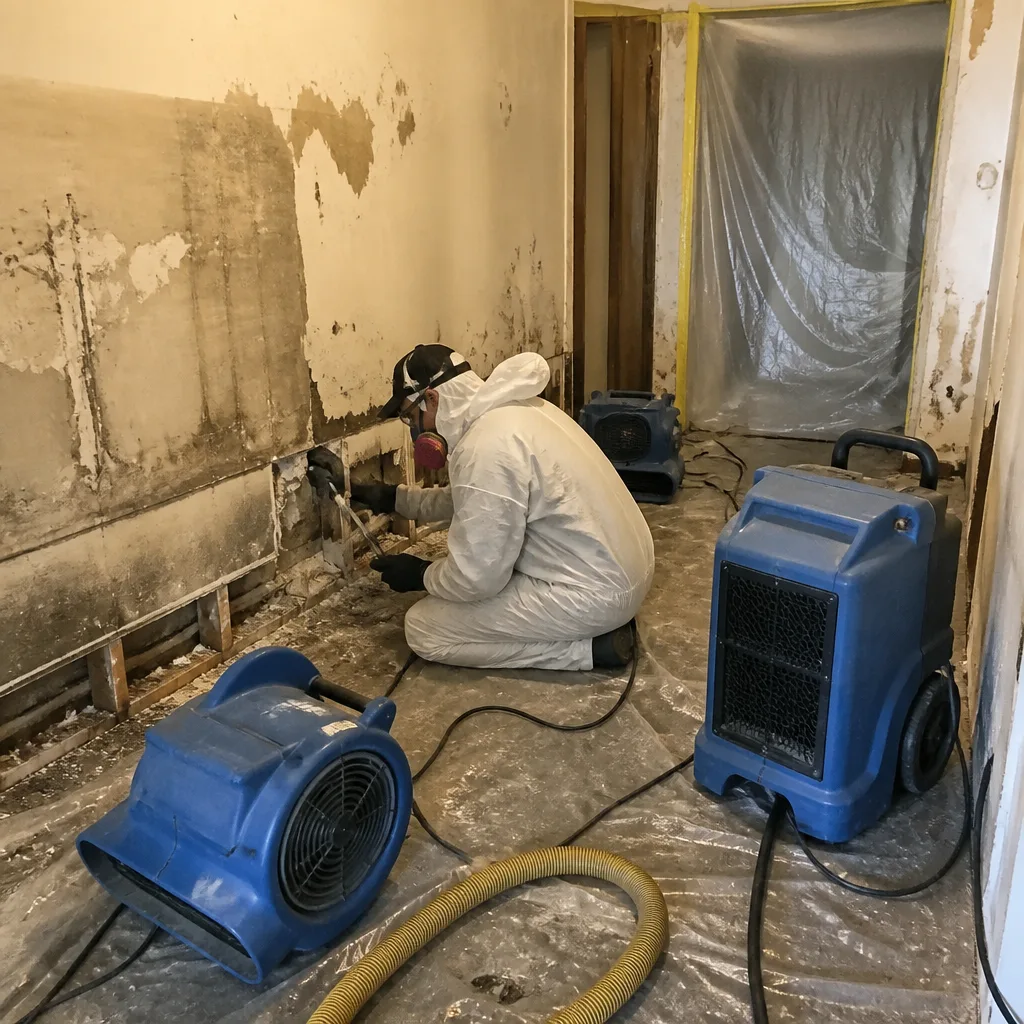 Before
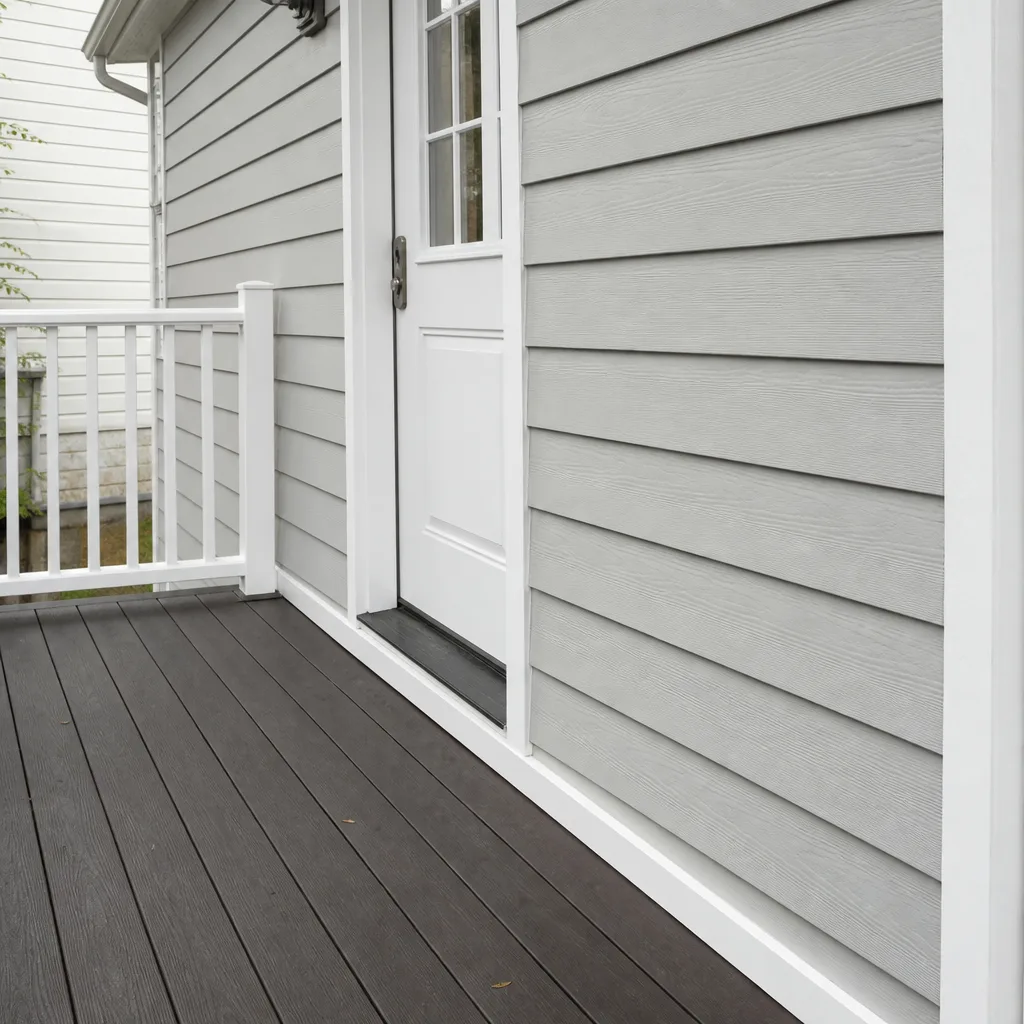 After
After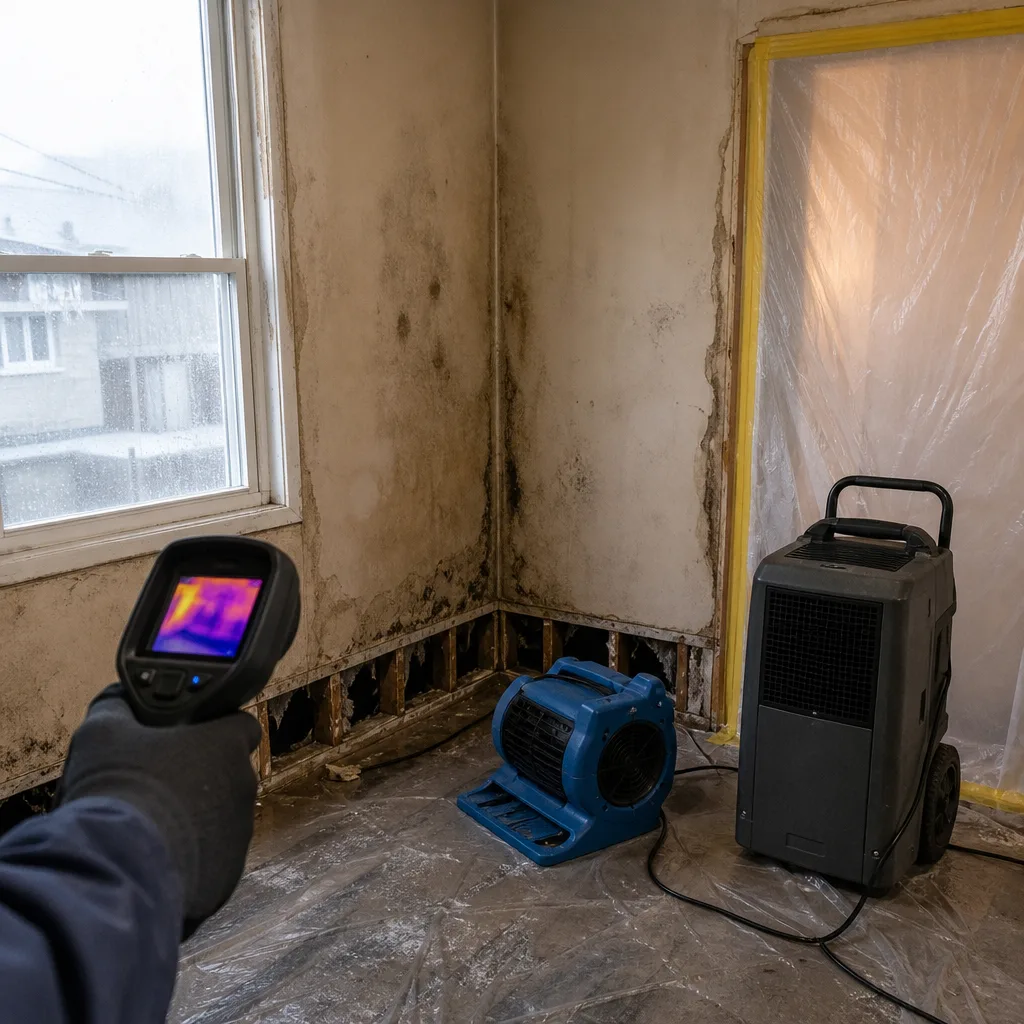 Before
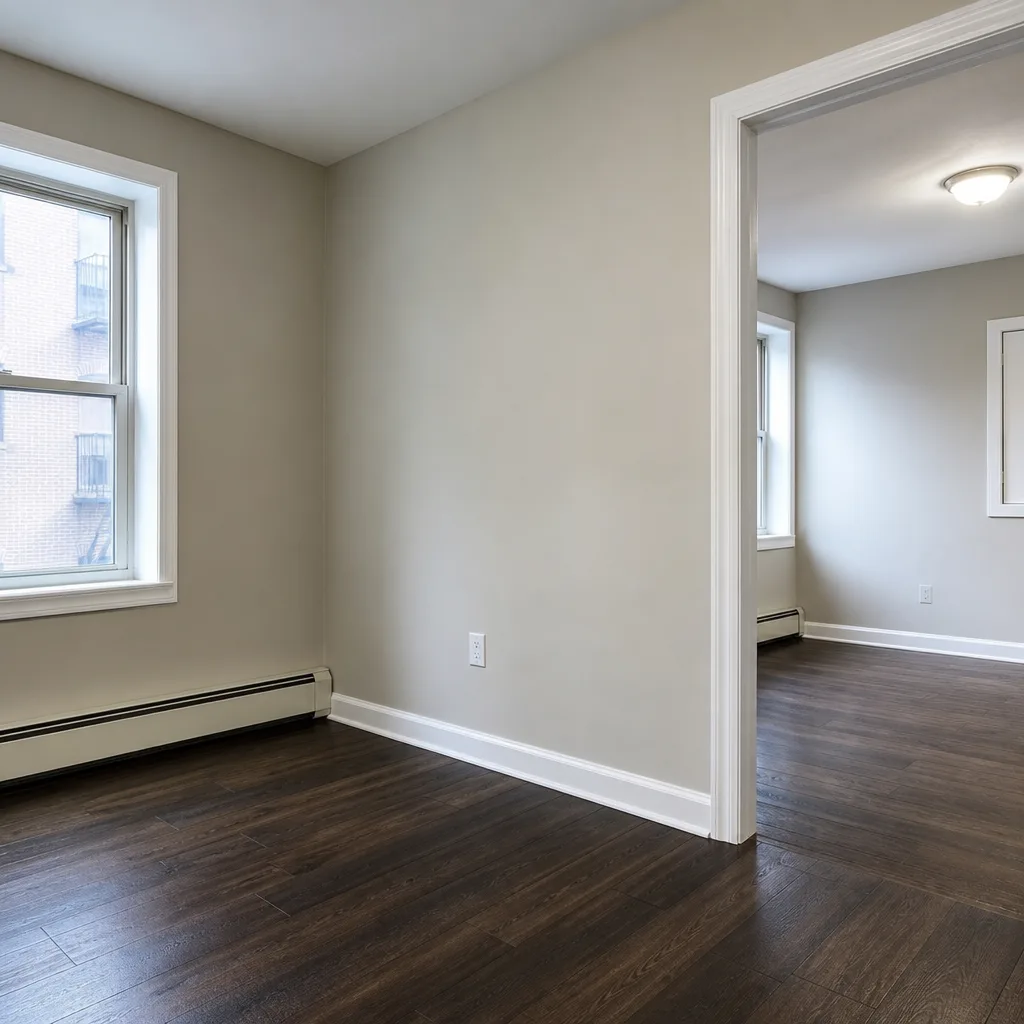 After
After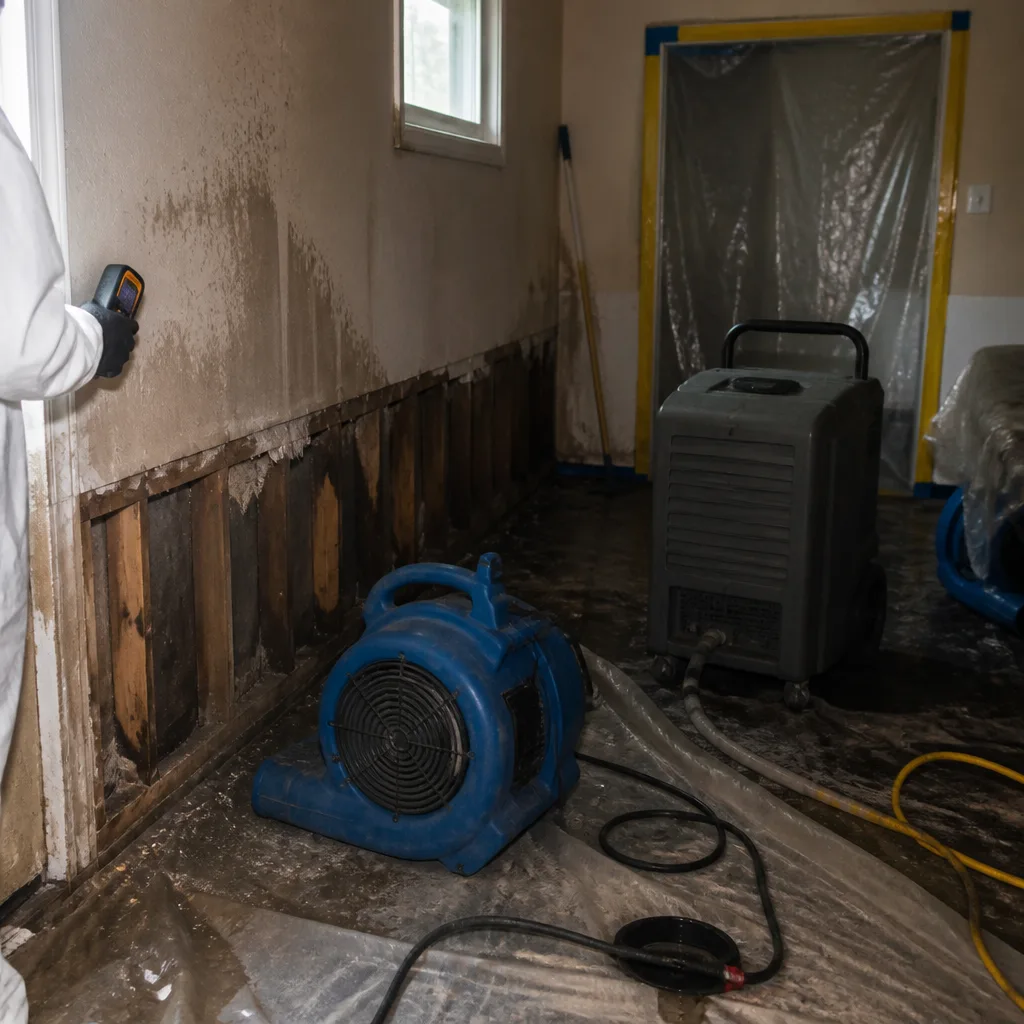 Before
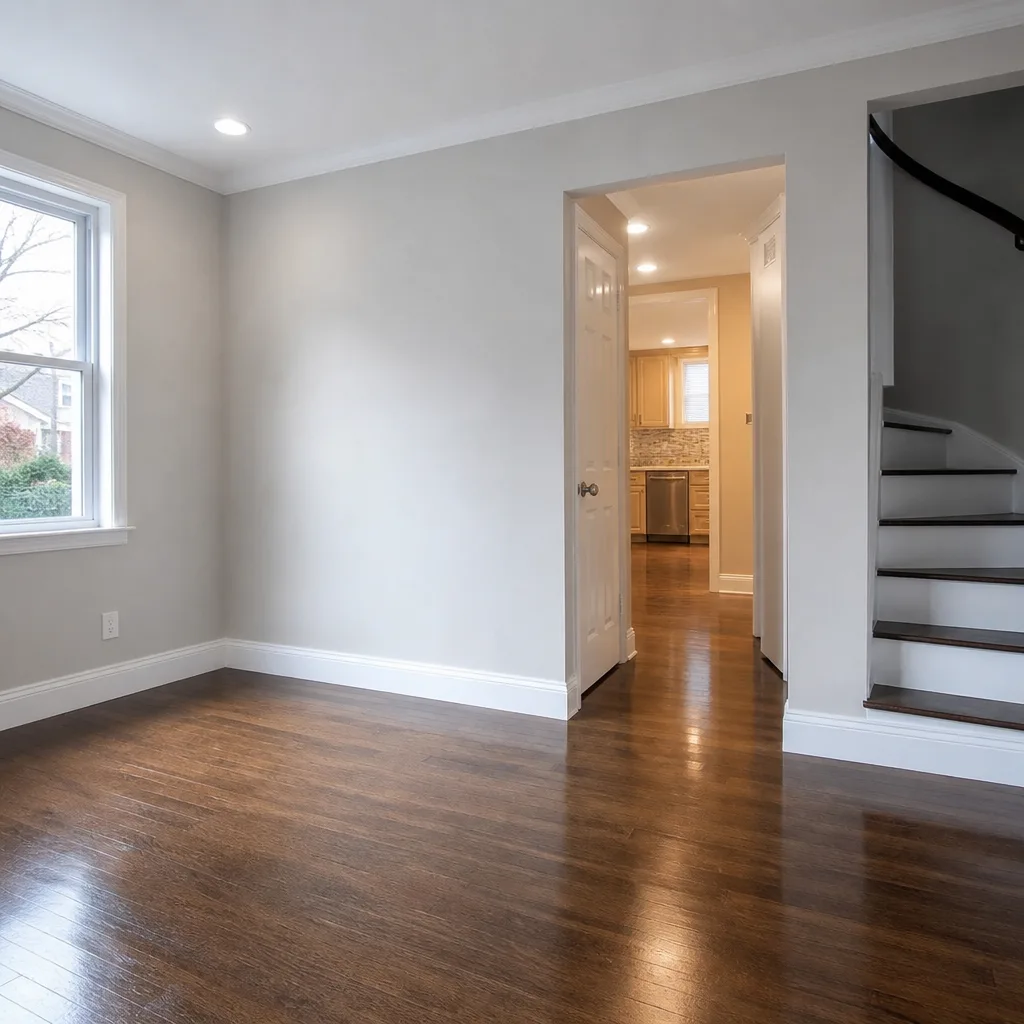 After
After24/7 Emergency Biohazard & Crime Scene Cleanup in Corona
Biohazard and crime scene cleanup in Corona requires a crew that can move fast, contain contamination correctly, and navigate the neighborhood’s tight attached row houses without drawing attention or spreading risk. Our Corona teams answer live at (518) 872-6111 around the clock, seven days a week, and we dispatch certified technicians into 11368 the same hour you call. The first hour matters because blood, bodily fluids, and decomposition residues begin breaking down immediately, and in Corona’s hot, humid summers that breakdown accelerates into structural absorption and mold growth faster than most people expect. We arrive in unmarked vehicles, do a free visual assessment, and stabilize the space before contamination migrates through shared party walls into neighboring units.
This is not work to wait on. Each hour of delay in a Corona basement with poor ventilation and pre-war construction pushes contamination deeper into drywall, floor assemblies, and the common framing you may share with the house next door. Call us now: (518) 872-6111.
Understanding Biohazard & Crime Scene Cleanup Severity in Corona Properties
Biohazard work is not basic cleaning. Blood, bodily fluids, decomposition fluids, and sewage carry bloodborne pathogens that require Category 3 contamination protocols: full containment, HEPA air scrubbing, antimicrobial treatment, and removal of affected porous materials rather than surface wiping. In a standalone suburban house, that protocol stays contained to one structure. In Corona’s 1920s and 1930s attached brick row houses, the same event can cross property lines through shared floor joists and common wall cavities.
We treat every biohazard loss in Corona as a potential structural event. That means moisture mapping the affected area before and after material removal, not just bagging waste and spraying disinfectant. Decomposition fluids wick into wood subflooring the same way Category 3 water does. Blood that has pooled on a basement floor in a converted Two-family at 104th Street and 34th Avenue can seep through cracked concrete and reach the damp earth below. In Corona’s high water table, adjacent to former wetland terrain near Flushing Meadows-Corona Park, that material never really dries on its own. The severity scale here runs higher than most city neighborhoods because the housing stock is dense, old, and often illegally finished below grade.
Why Corona Property Owners Choose Floodline Restoration Co.
- 45-minute response commitment to Corona: Our crews stage from the New York City office and reach every corner of 11368 fast. We’ll be there when we say.
- Live answer, every call, every hour: A real dispatcher picks up at 2 a.m. Not a recording. Not a callback service. You talk to a person who can dispatch a crew immediately.
- IICRC-certified technicians: Our biohazard crews carry the training and certifications the work demands, including IICRC standards for trauma scene cleanup, applied microbial remediation, and water damage restoration.
- Free visual inspection: Before any work begins, we walk the space with you and explain what is needed. You get a written scope, not a surprise invoice.
- Direct insurance billing: We photograph everything, document moisture readings, and communicate with your adjuster as needed. You never have to play messenger between us and the carrier.
- One team from first response to finish: Floodline Restoration Co. does not hand your job off to a subcontractor mid-way. The same background-checked, uniformed crew stays on it until the space is restored.
Our Biohazard & Crime Scene Cleanup Process
Inspection & Assessment
We arrive, assess the scene, and identify the full extent of contamination using moisture meters and thermal imaging where needed. In Corona row houses, we check for lateral migration through shared walls and floor assemblies before anything gets disturbed.
Containment & Stabilization
We seal the affected area with containment barriers and establish negative air pressure using HEPA air scrubbers. This prevents airborne pathogens from moving into adjacent rooms or neighboring units through shared voids.
Removal of Contaminated Materials
Blood-soaked drywall, contaminated carpet, affected insulation, and any porous material that cannot be fully sanitized is cut out and bagged for regulated medical waste disposal. In Corona’s attached homes, this often means wall removal in a shared cavity.
Cleaning & Antimicrobial Treatment
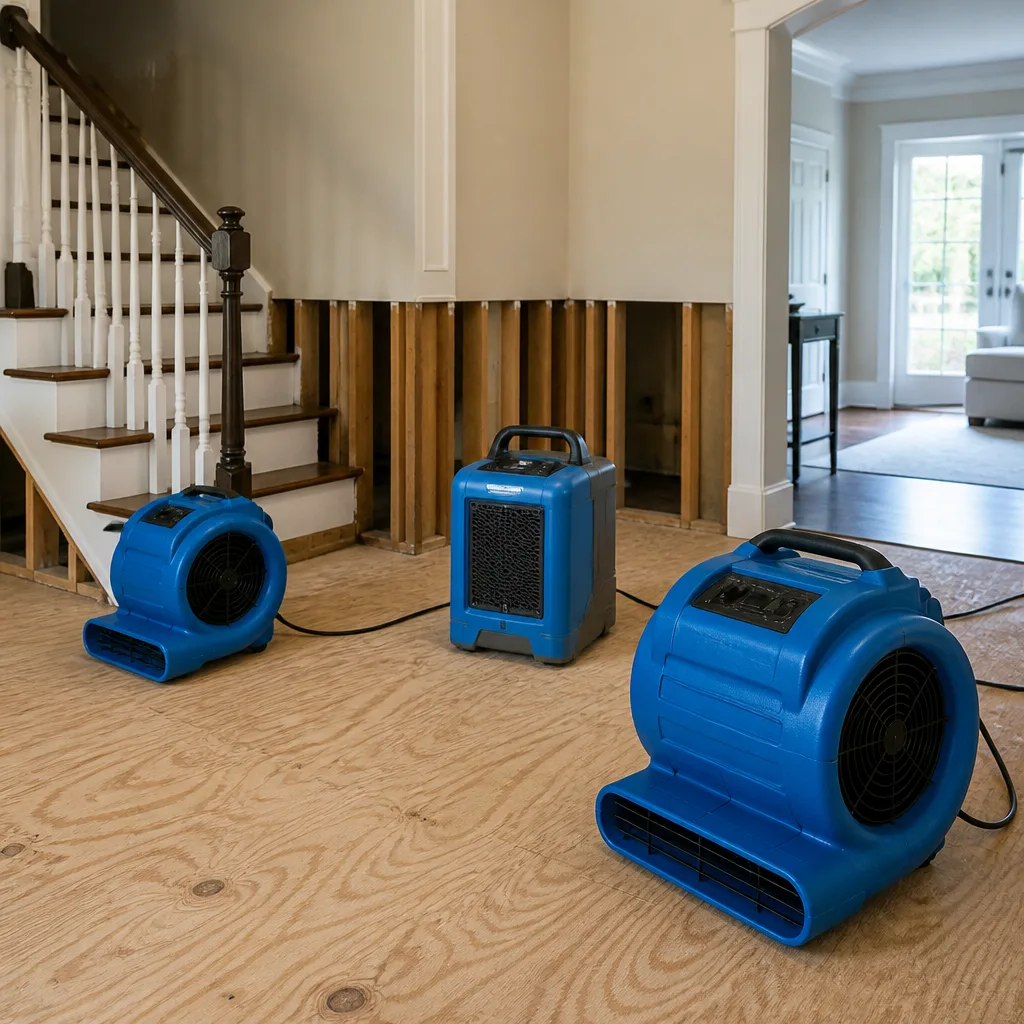
All remaining surfaces are cleaned with hospital-grade disinfectants and treated with antimicrobial agents. We use professional-grade equipment including B-Air air scrubbers and XPOWER air movers to keep air moving and prevent stagnation.
Structural Drying & Odor Removal
Decomposition fluids and cleaning water must be dried thoroughly or mold will follow. We run Dri-Eaz dehumidifiers and take moisture readings until the dry standard is met and logged, then treat any remaining odor at its source.
Repairs & Restoration
Once the space is clean and dry, we rebuild what was removed: drywall, flooring, trim, paint. Floodline Restoration Co. is a full-cycle restoration company, which means the same crew that removed the contamination is the one that puts your home back together.
Need Emergency Biohazard & Crime Scene Cleanup in Corona Now?
Crews minutes away, answering live 24 hours a day. The sooner we start, the less it costs.
Working With Your Insurance Company
Homeowners in Corona often assume their policy will not cover a biohazard cleanup, but many policies do when the event is tied to a covered loss like a crime, an accident, or a sewage backup in the basement. The key is documentation from the first hour. We photograph the scene before anything is moved. We log moisture readings daily. We write a line-item scope that names every material removed and every treatment applied, in the format adjusters expect. Then we communicate directly with your carrier, including direct insurance billing, so you are not left fronting thousands in restoration costs while a claim sits in review. Our 90-Day Done Right Promise covers the work itself: if it is not done right, we make it right. In writing. No arguing.
What We Provide Your Insurer
- Thorough documentation of the loss
- Photos of all damage, room by room
- Moisture readings and drying logs
- A detailed, line-item scope of work
- Direct coordination with your carrier
Built for Corona’s Loss Calendar
Biohazard cleanup in Corona does not happen on the same schedule as every other disaster. Winter is dominated by heating-system overflows and frozen supply lines, which rupture inside walls and sheet ice across basement cellars, carrying Category 3 contamination into finished lower units. Spring and summer bring the heavier pattern: Corona’s historically low-lying position near the former Flushing River wetlands means the combined sewer system backs up into basements whenever a heavy rain overwhelms aging mains. That black-water sewage intrusion is both a biohazard event and a structural drying emergency, especially in the illegal basement conversions with no floor drain, no sump, and no window egress.
Summer also brings the decompression problem. Unattended deaths in closed-up apartments and basement units during Corona’s hot, humid months accelerate decomposition dramatically. Odor moves through walls within days. Flies and other vectors become overwhelming. Our crews see these calls cluster through July and August when tenants are away, when elderly neighbors go quiet, and when the heat makes every contamination source more aggressive. Nor’easter season then brings driven-rain intrusion through aging brick facades and rotted mortar, creating the wet substrate that turns lingering biological material into a mold situation in under 48 hours. The calendar here is unforgiving, and it rewards crews who know the neighborhood’s construction types before the first cut is made.
Biohazard & Crime Scene Cleanup Across Corona’s Neighborhoods
Corona’s geography splits along roughly north-south lines, and the building stock changes fast block by block. Around 34th Avenue and Junction Boulevard, we see pre-war brick row houses with shared alley-load cellar doors so narrow that standard containment equipment has to be staged piece by piece. Between Roosevelt Avenue and Northern Boulevard, the housing shifts to semi-detached brick homes with finished basements that have been illegally converted into residential units, many without a second exit. These are the jobs where containment, drying, and rebuild all get harder because the space itself does not meet any modern code.
Along 108th Street and 111th Street, attached multifamily homes share common floor assemblies and roof decks. A crime scene in one unit becomes a neighbor’s problem when fluids saturate through and follow joist channels into the adjoining wall cavity. Over near the Flushing Meadows-Corona Park edge, homes sit on historically wetter ground, with a water table high enough that basement floor slabs crack and groundwater complicates drying. And in the blocks around the 11368 ZIP’s southern edge toward the Long Island Expressway, converted single-family homes with rear additions often hide original foundations never designed for the added load or the plumbing that was run through them. Our Biohazard & Crime Scene Cleanup in Corona crews know these blocks, the alley widths, and the access constraints that generic national franchise templates never mention.
Specialized Biohazard & Crime Scene Cleanup Services We Offer in Corona
Trauma & Unattended Death Cleanup
Unattended death in a Corona attached home is rarely a contained event. Decomposition fluids work through flooring and into the structure below, and in shared-wall construction that means the neighboring unit may be affected. We handle odor at the source, delimit the full scope of structural contamination, and restore the space so families do not have to live with the reminder or the smell.
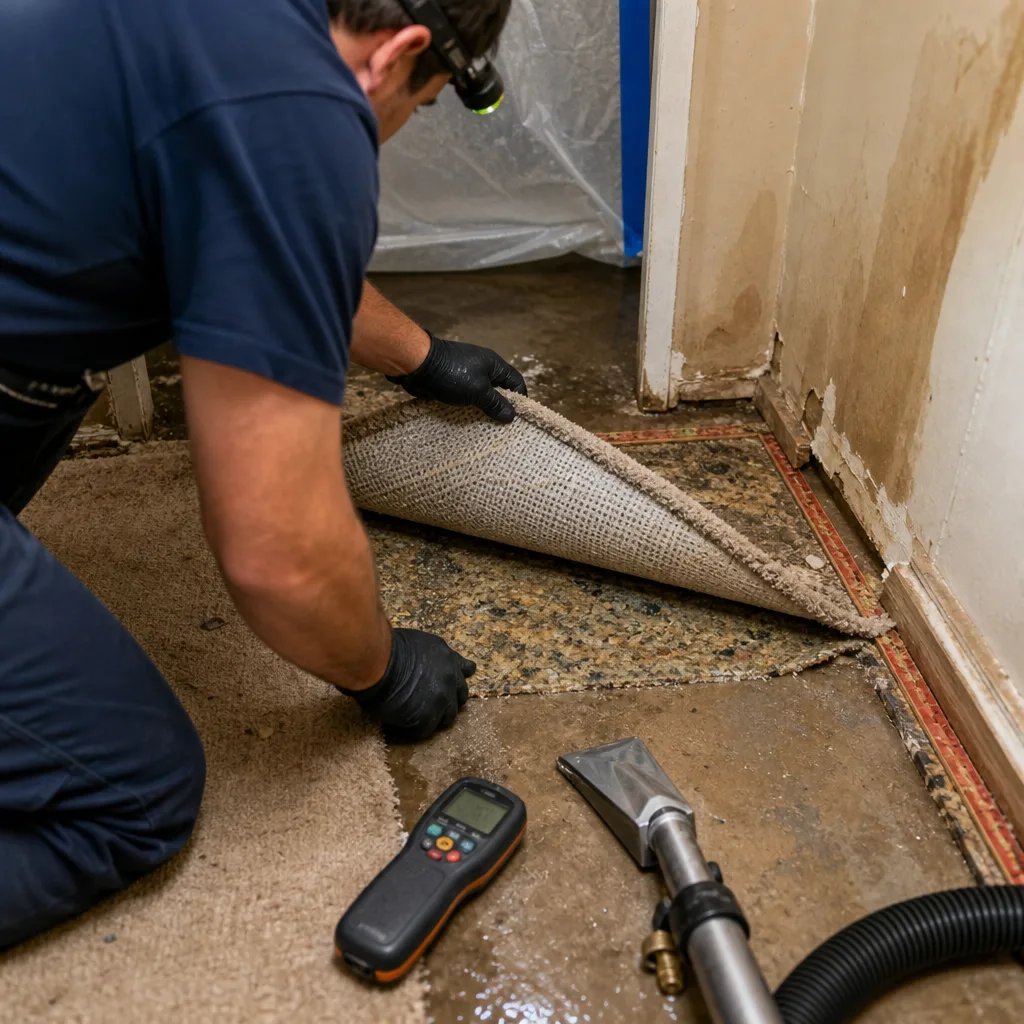
Blood & Bodily Fluid Cleanup
After an accident, an assault, or a medical emergency, blood can sink into hardwoods, vinyl seams, and even concrete. Surface cleaning alone will not pass biological testing and will not stop the contamination from reactivating. We cut out what cannot be sterilized, treat what can, and document the work for your insurer or for any third party that requires proof of remediation.
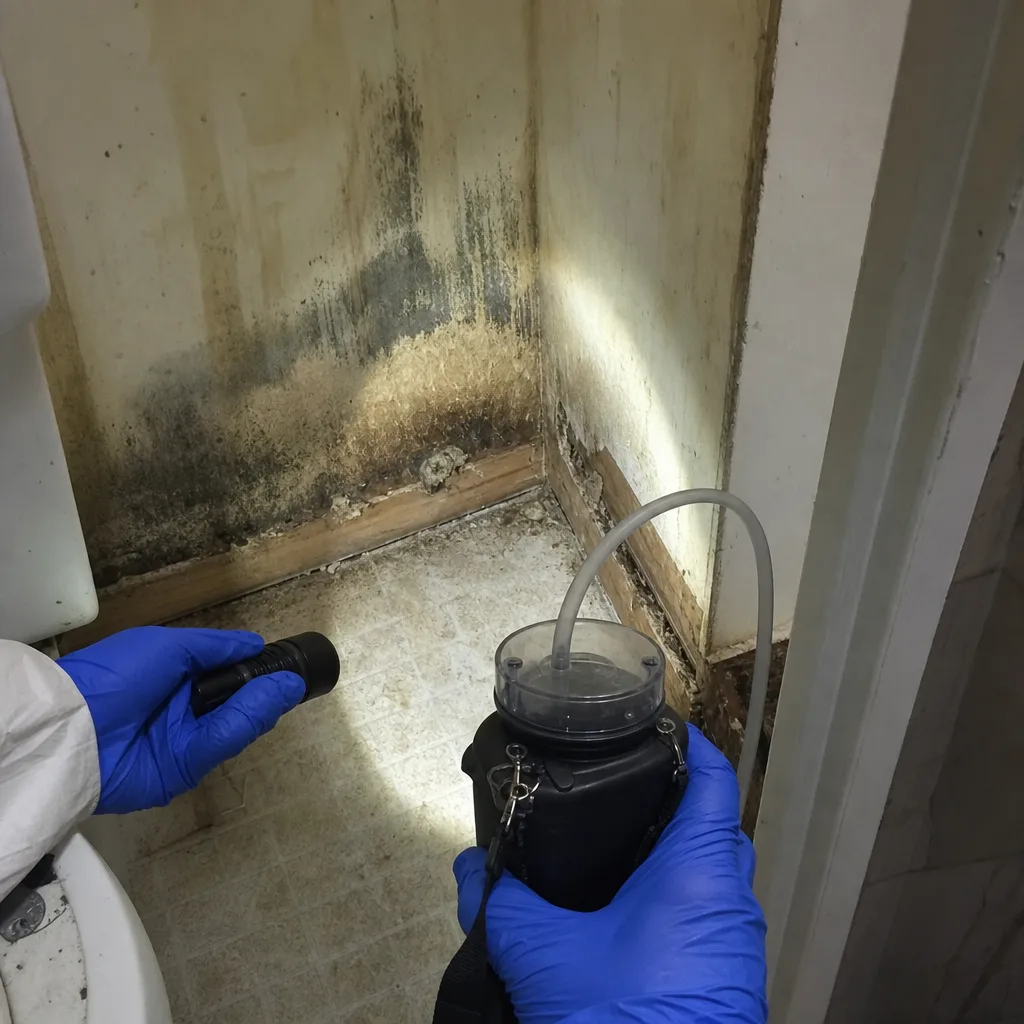
Crime Scene Cleanup
Corona homeowners and landlords face this work after police finish their investigation and the family is left to figure out what comes next. We move quickly, keep the process discreet, and never photograph more than is needed for the insurance file. The work is done to IICRC trauma scene standards, with full containment and medical waste disposal through properly licensed channels.
Hoarding Cleanup
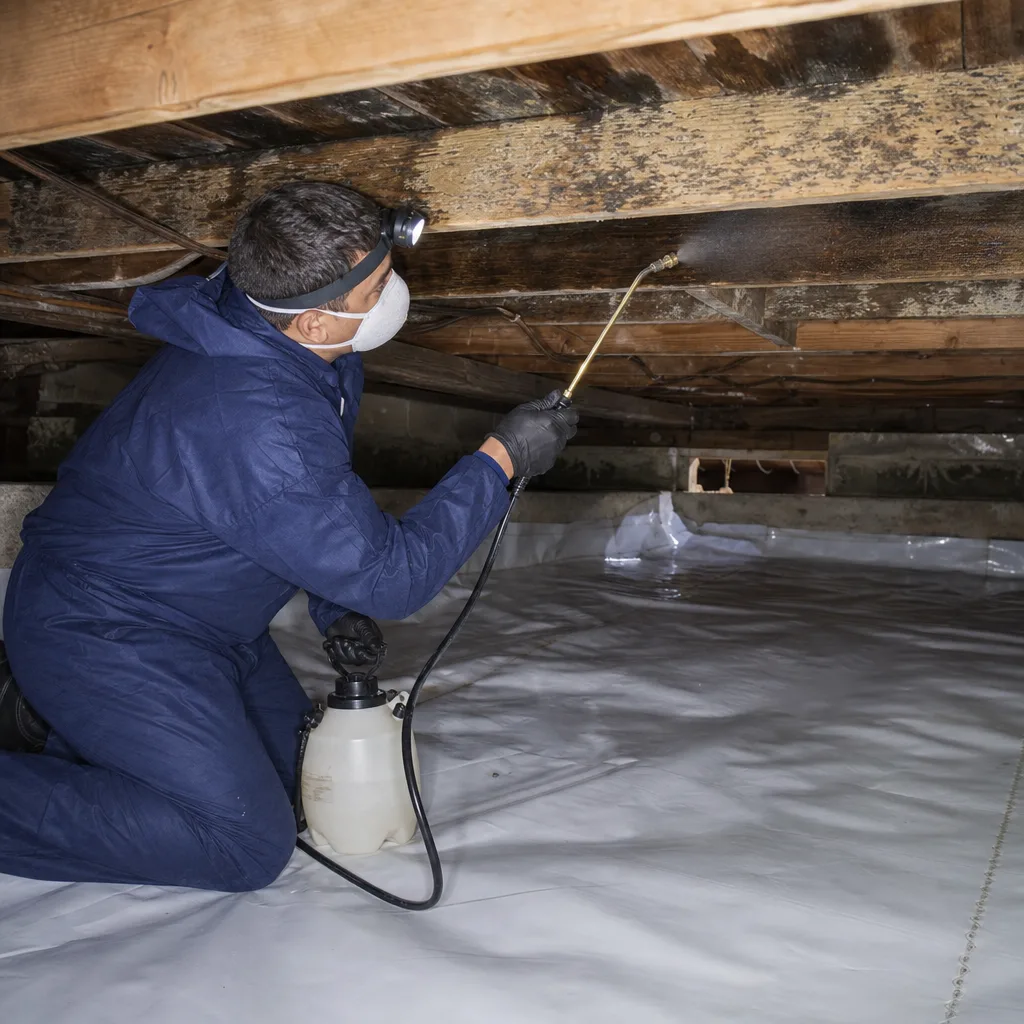
Hoarding in converted Corona basements and attic spaces creates a layered problem: rodent and pest waste, rotten food, human waste in unmaintained plumbing, and years of accumulated material that blocks access. We sort and remove with the occupant’s dignity in mind, then treat the underlying structure for the biohazards the hoard was hiding.
Infectious Disease Disinfection
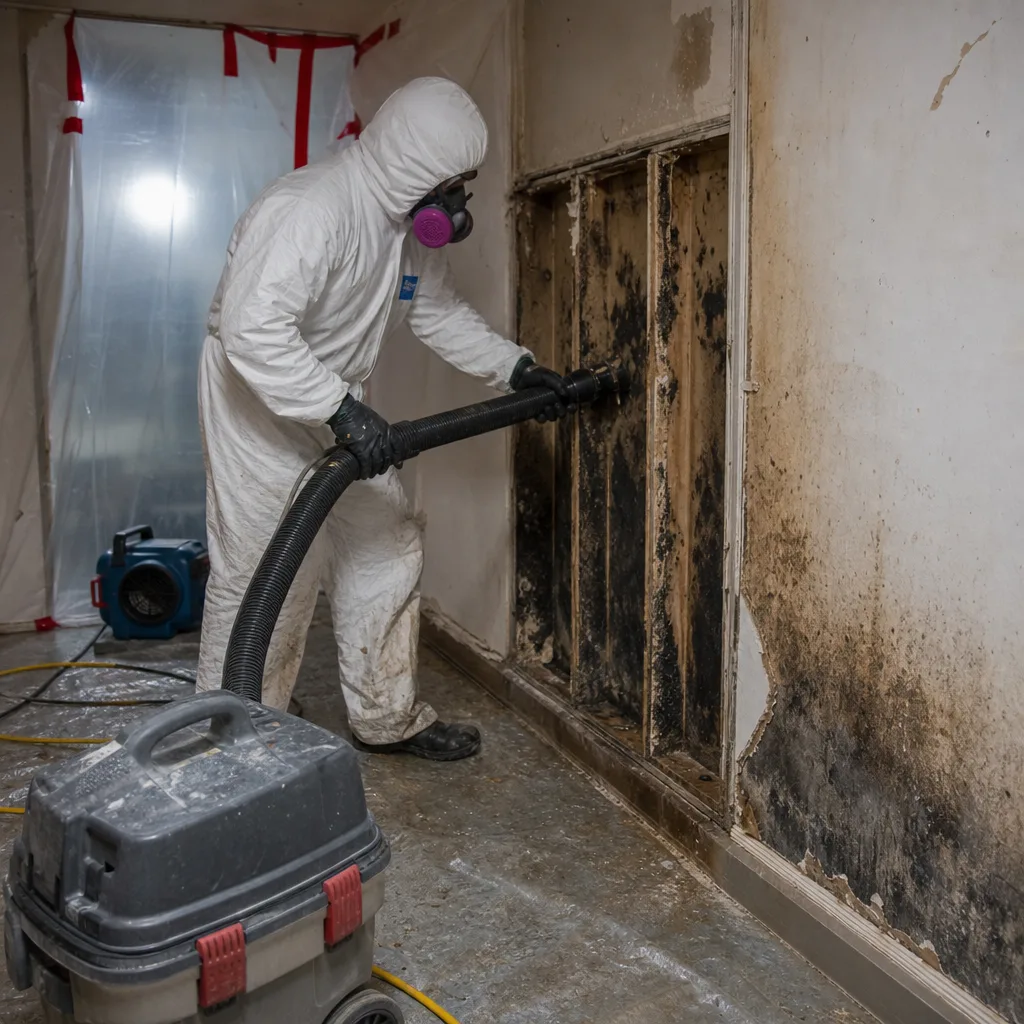
When a household in Corona is dealing with a confirmed communicable illness, we provide full-surface disinfection using hospital-grade products and electrostatic application. This is standard after an illness-related death, during an outbreak in a shared dwelling, or when a landlord needs to certify a unit clean before the next tenant moves in.
Tear Gas & Chemical Cleanup
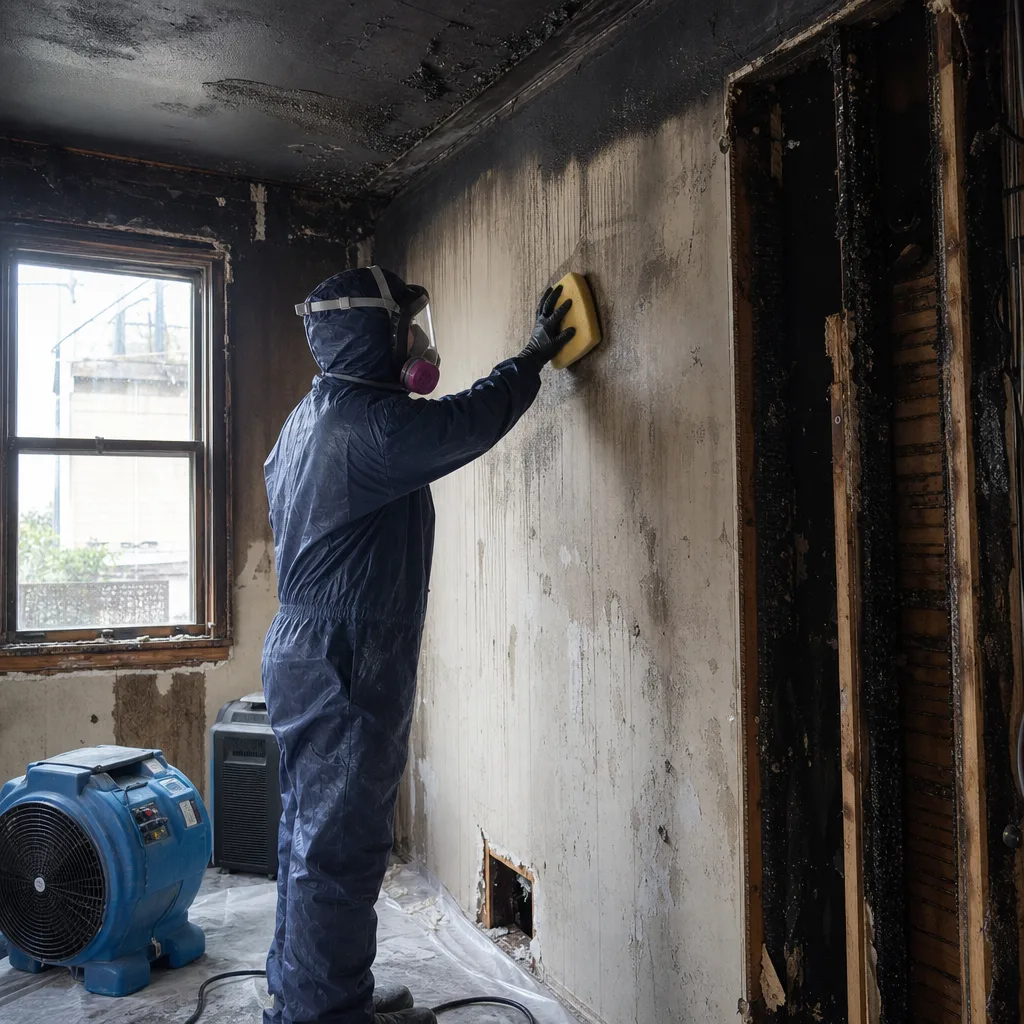
Tear gas residue settles into every porous surface in the affected space and will re-activate with humidity for months. In Corona’s attached row houses, the chemical and particulate load moves through shared ducting and wall penetrations. We neutralize residue, scrub walls and ceilings, and replace any HVAC filtration affected. This is a specialty few restoration companies in Queens actually perform, and it is one of the reasons our Biohazard & Crime Scene Cleanup team gets called in when other crews turn the job down.
What happens when you call
- 1
A real person answersNo phone trees - you reach a local pro.
- 2
You get an upfront price rangeHonest numbers before anyone is dispatched.
- 3
A background-checked tech heads outLicensed & insured, dispatched right away.
- 4
You approve before work beginsNothing starts until you say go.
Biohazard & Crime Scene Cleanup Costs in Corona, NY
Most biohazard cleanup work in Corona runs between $1,800 and $6,500 depending on how far the contamination has spread through the structure. A small blood spill on a tile floor with no structural absorption may sit at the lower end. A decomposed body in a finished basement, where fluids have saturated drywall, subflooring, and a shared party wall assembly, runs $6,000 to $12,000 or more once material removal, structural drying, and rebuild are included. Infectious disease disinfection in a converted two-family typically runs $2,000 to $4,500. Hoarding cleanup with plumbing-related contamination can reach $8,000+ when the hoard has concealed years of damage.
What moves the price: whether porous materials need removal, whether the space has proper egress for equipment staging, whether contamination has entered a shared wall cavity, and whether a mold remediation window has already been triggered. Insurance covers much of this when the cause is a covered event. We give free visual inspections in Corona, and every job gets a written scope before work starts. No surprises. Call (518) 872-6111 and we will walk through exactly what your situation will cost.
We Also Serve Cities Near Corona
Floodline Restoration Co. provides biohazard and crime scene cleanup across the surrounding Queens neighborhoods, including Elmhurst, Jackson Heights, East Elmhurst, and Forest Hills. Our crews cover the full network of attached housing and converted basements throughout central Queens, with the same 45-minute response commitment and the same written, no-argument 90-Day Done Right Promise on every job.
Serving Corona, NY - Our Local Coverage Area
We’re based in the Corona area and know this community well. Use the map below to see our service coverage - if you’re nearby, we can almost certainly help.
Corona Biohazard & Crime Scene Cleanup Questions, Answered
How do you handle a biohazard cleanup in a Corona basement with no proper egress?
We stage equipment through whatever access exists, usually a narrow alley-load cellar door, and run containment and negative air from that single entry point. The lack of egress slows the work and often requires smaller, more maneuverable equipment, but it does not stop the work. We have handled dozens of these spaces in the 11368 ZIP and adjust our process rather than cutting corners.
Can blood or bodily fluid from a crime scene seep into the neighboring house through a shared party wall?
Yes, especially in Corona’s attached brick row houses where floor joists run wall-to-wall between units. Fluids follow the path of least resistance through unsealed penetrations, baseboard gaps, and shared joist bays. This is why we always moisture-map the full assembly and inspect the neighbor’s side when contamination is near a party wall.
Does an undocumented basement conversion change how you do an unattended death cleanup?
It changes the access, the egress, the ventilation, and sometimes the structural concerns. If a finished basement unit has no proper window, no second exit, and limited electrical, we adapt our containment plan around those constraints. We also flag any structural or code issues that could affect the insurance claim or the rebuild plan.
Why is a sewage backup in Corona treated as Category 3 water even if it only puddled in the basement?
Category 3 water is defined by its source, not the size of the puddle. Sewage carries pathogens, and even a shallow backup means the space is contaminated. In Corona’s converted basements with finished flooring and no floor drain, that contamination wicks into porous surfaces quickly and becomes a biohazard remediation event, not a simple mop-up.
How fast do you need to start mold mitigation after a biohazard cleanup in a Corona basement?
In Corona’s summer humidity, mold can colonize wet drywall within 24 to 48 hours. After a biohazard cleanup that involved liquids, we run dehumidifiers until the space reaches the dry standard and we provide a moisture log to prove it. Waiting a week to start drying often turns a $3,000 cleanup into a $9,000 mold remediation with structural drying.
How fast can a crew actually get to Corona?
Our live dispatch team answers at (518) 872-6111 at any hour, and our crews typically reach any address in Corona within 45 minutes of the call. We know the streets, the alley access points, and the parking constraints on the narrow blocks around Roosevelt Avenue and northern Corona.
Will my insurance cover biohazard cleanup in Corona?
Many policies cover it when tied to a covered event: a crime, an accident, an unattended death, or a sewage backup. We document everything from the first hour and bill your carrier directly. During the free inspection, we can help you understand what your policy is likely to cover before any work begins.
Can we stay in the home during the cleanup?
Usually no, for the affected unit. Containment barriers and negative air pressure keep contamination isolated, but the space itself is unsafe until we clear it. Adjacent units in a two- or three-family dwelling can often remain occupied, but we will advise you specifically after we see the layout.
Call the Corona Biohazard Team That Answers Live
You should not have to leave a voicemail when you are standing in the middle of a scene that needs immediate professional attention. Call Floodline Restoration Co. at (518) 872-6111 and a live dispatcher will pick up, day or night. We dispatch background-checked, uniformed, IICRC-certified technicians into every block of Corona, and we back every job with the 90-Day Done Right Promise in writing.
Written by Curt Bowman, Owner at Floodline Restoration Co., serving Queens since 2010.