
Last updated August 25, 2026
Free visual inspection and a written scope of work before any mitigation begins - photos, moisture readings, and drying logs go in your claim file
The scope we write is the scope we bill. Anything new gets shown to you, in writing, before we touch it.
Storm responseSewage cleanup
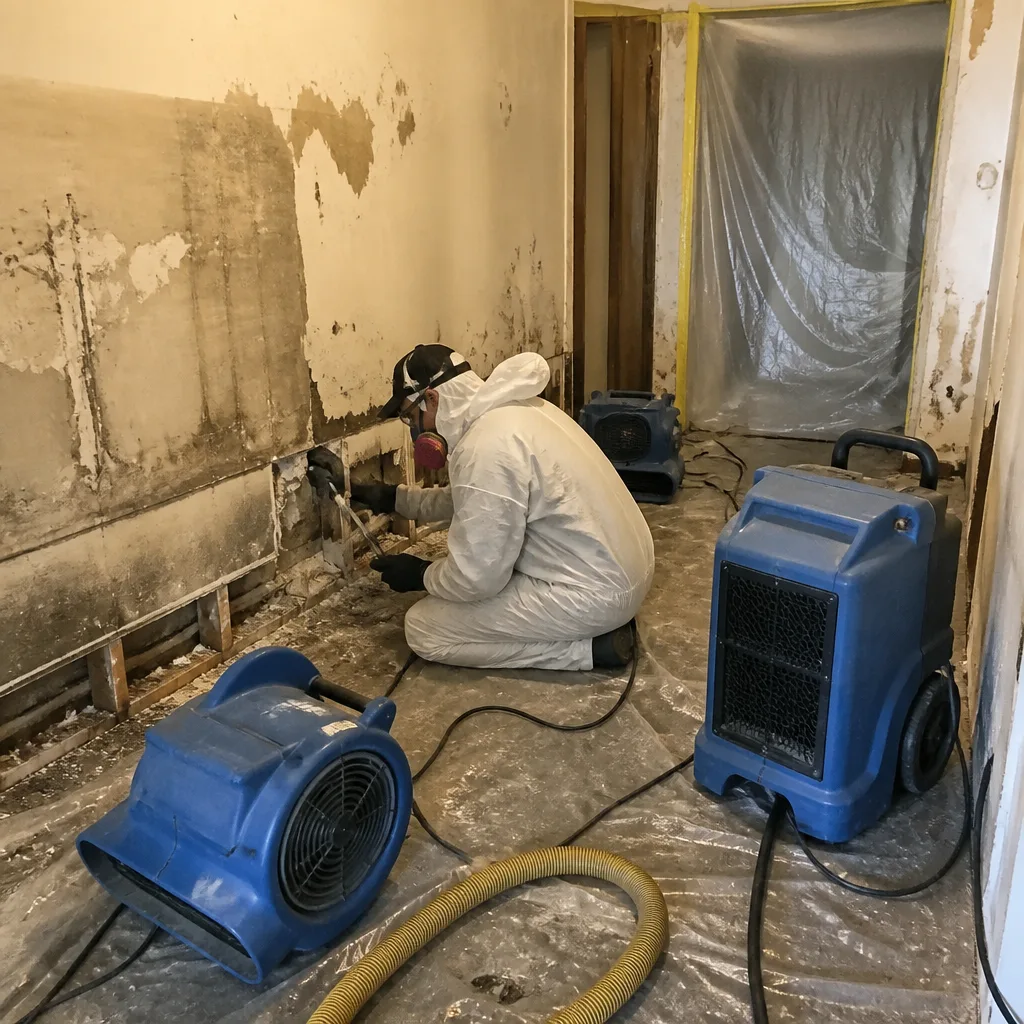 Before
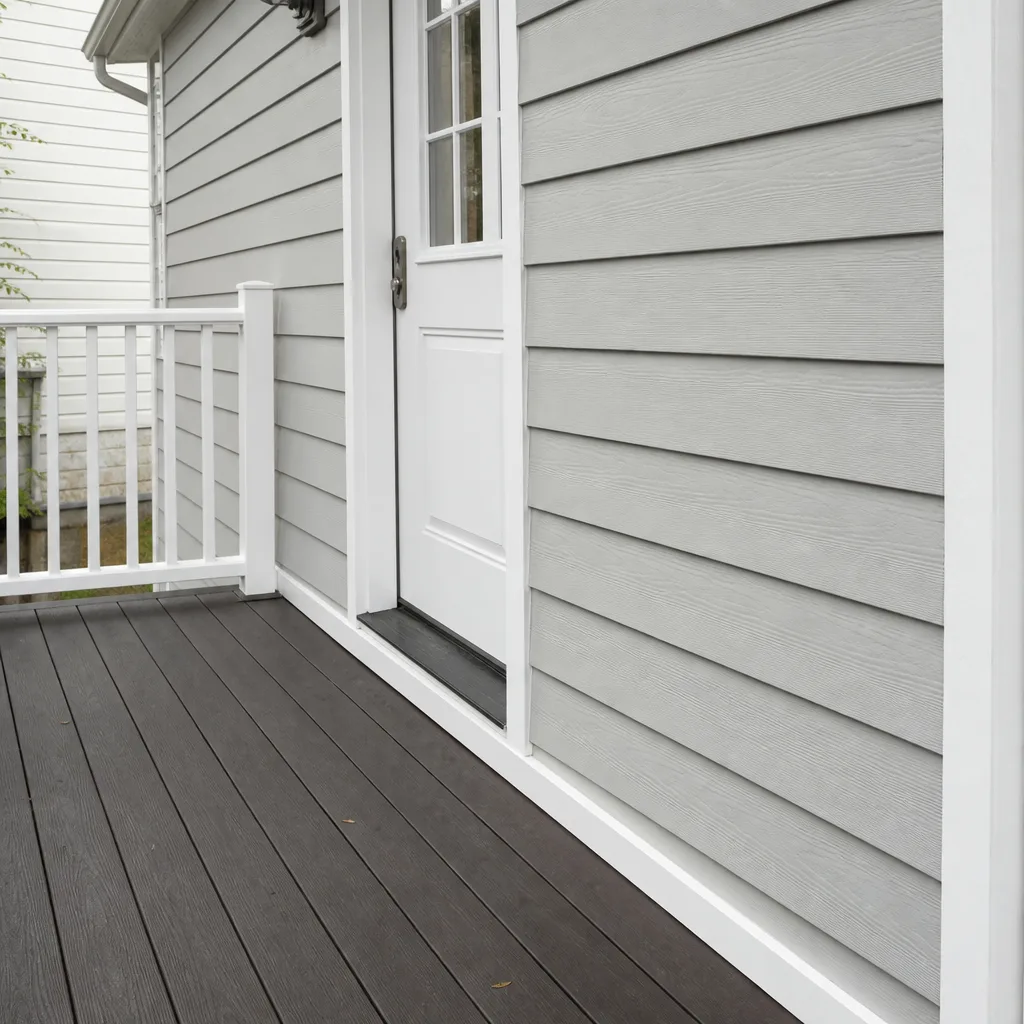 After
After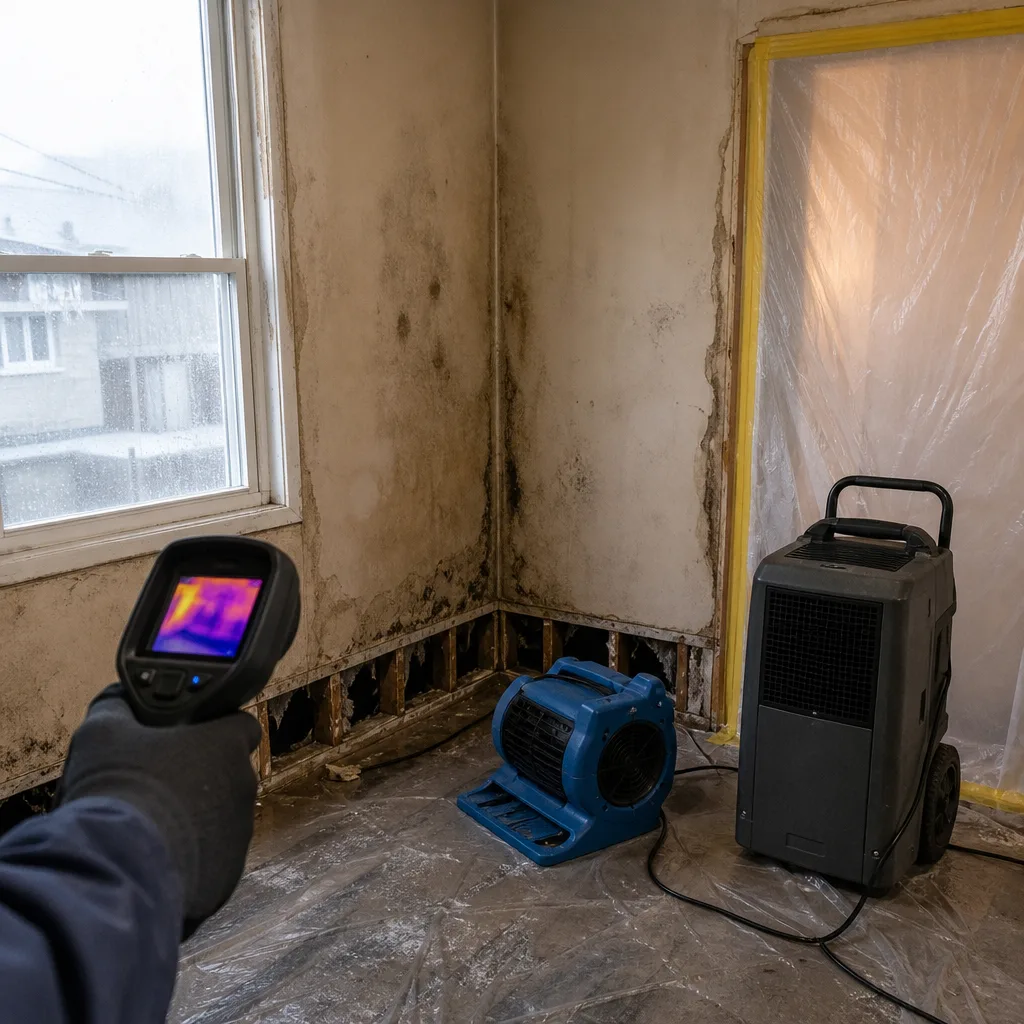 Before
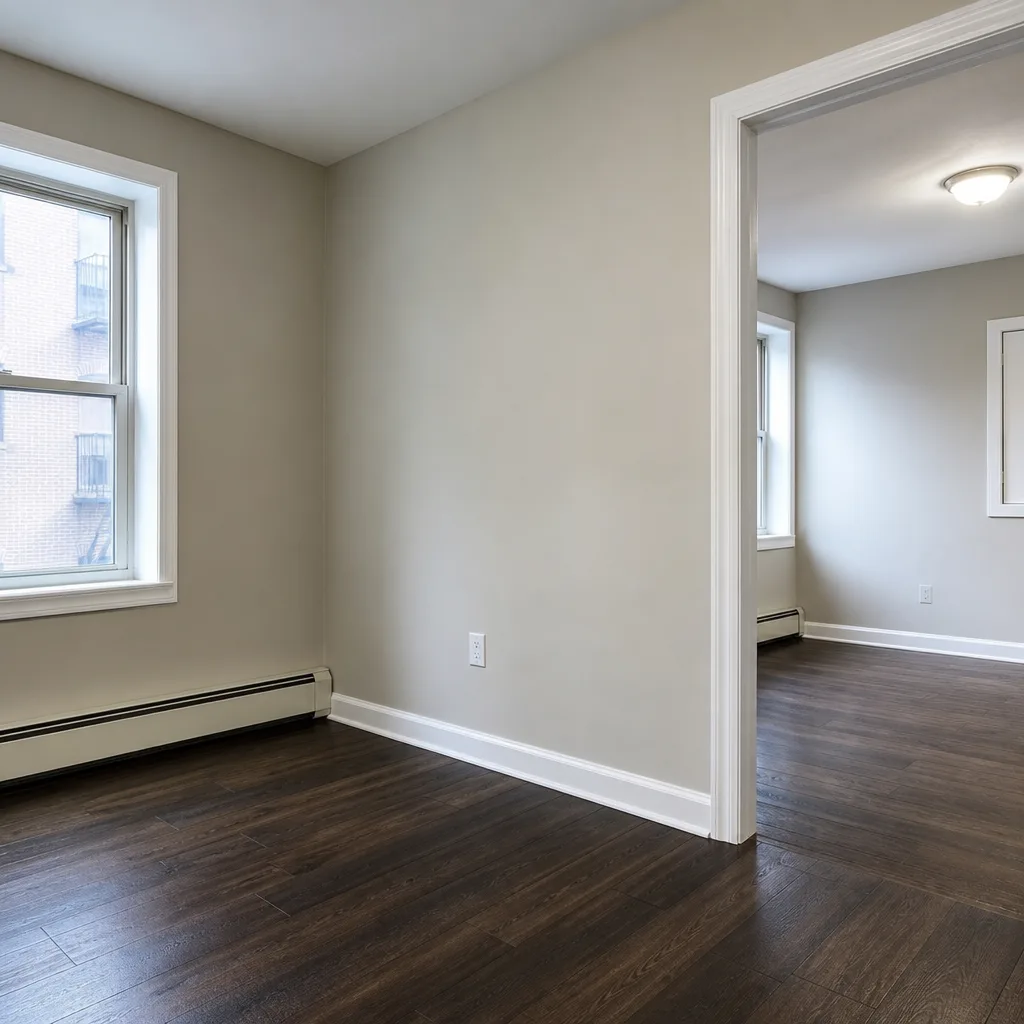 After
After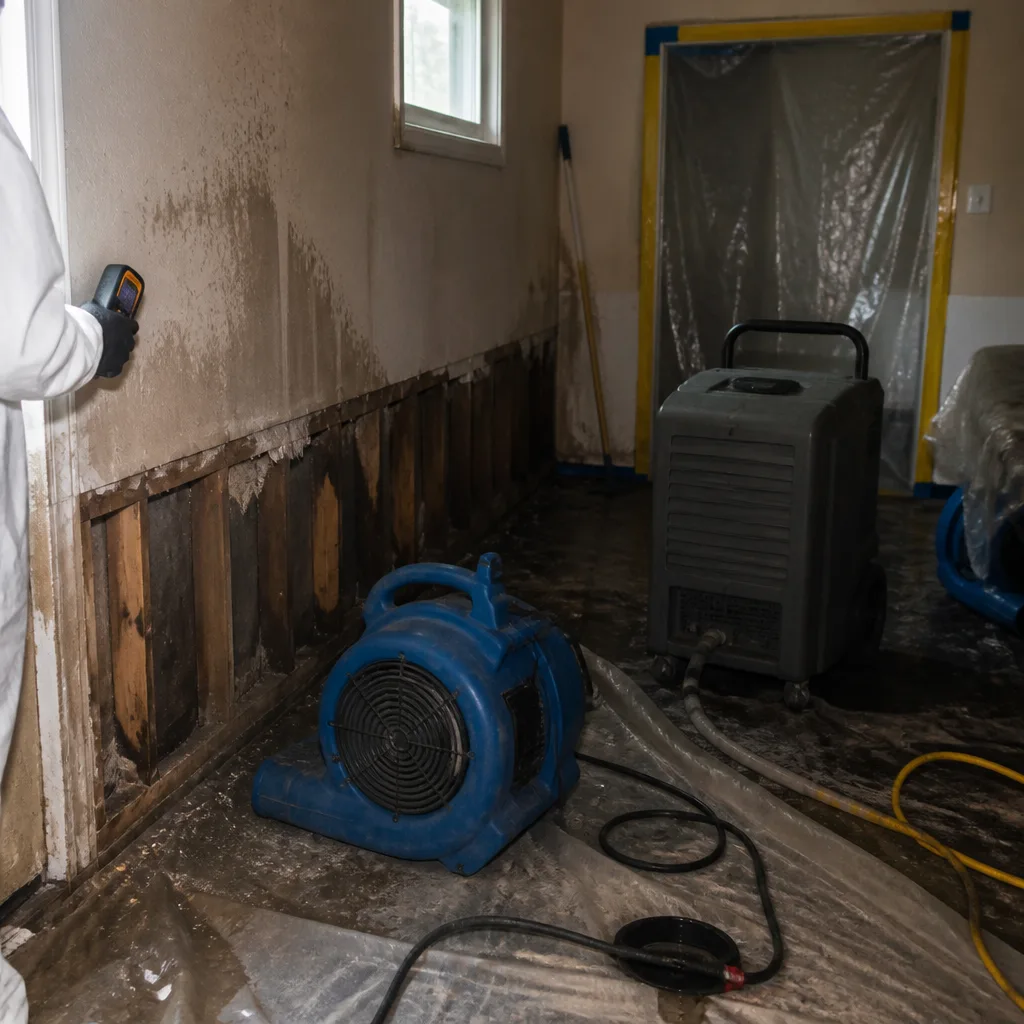 Before
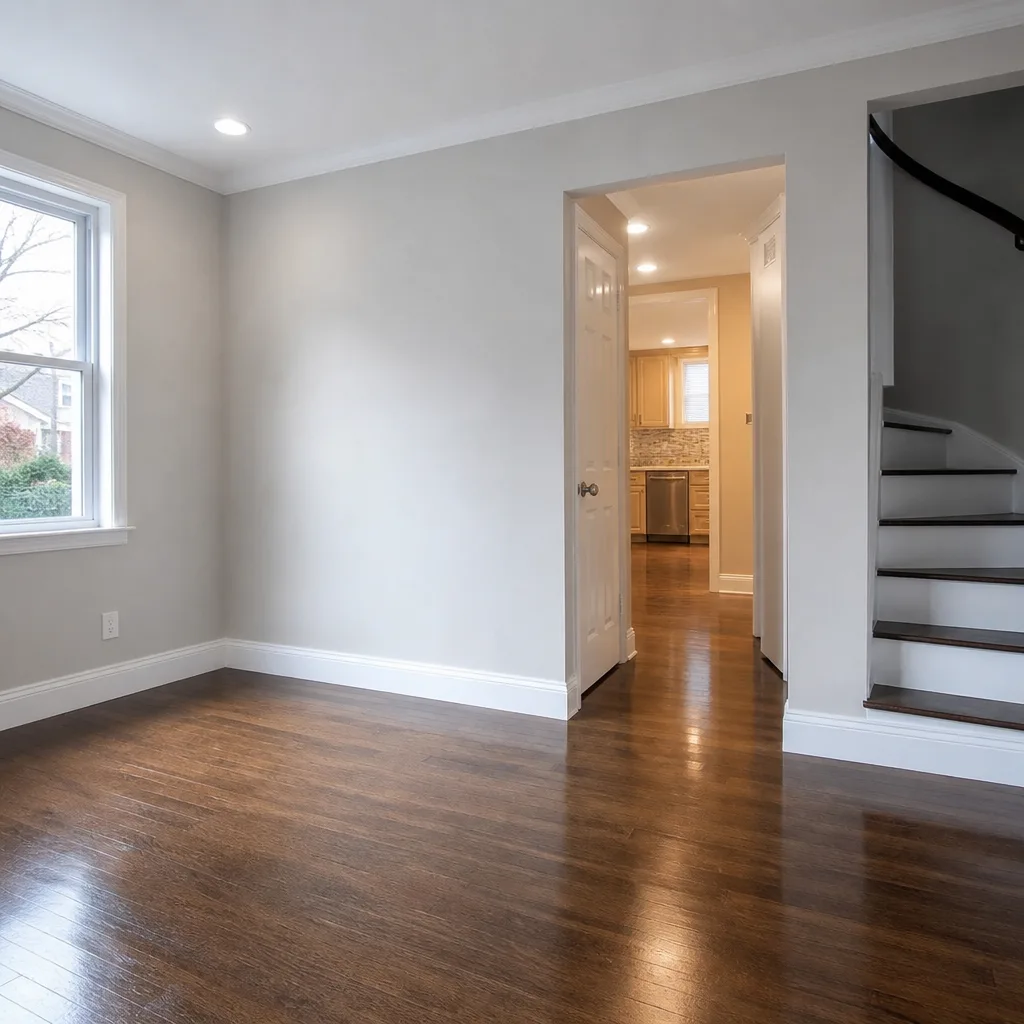 After
AfterDamage Restoration Permits, Codes & Inspections in NY: What You Need to Know
Here’s something most homeowners don’t learn until they’re standing in three inches of water: the permit question comes before the drywall question. In New York, almost every major damage restoration job touches a building code, and Flushing’s older housing stock makes that more true, not less. This guide walks through what actually requires a permit after a flood, fire, or mold event, which codes inspectors enforce most aggressively across Queens and the five boroughs, and how the inspection sequence works before, during, and after reconstruction. By the end, you’ll know exactly which documents protect you and which shortcuts put your home at risk.
Quick Answer
In New York, damage restoration work requires a permit whenever structural framing, load-bearing walls, electrical wiring, plumbing lines, or gas connections are being repaired or replaced. Purely cosmetic work (paint, trim, flooring over an existing subfloor) generally does not require a permit, but any restoration touching mechanicals or structure does. In Flushing specifically, the Department of Buildings requires a permit for most fire, flood, and mold rebuilds that go beyond surface-level cleaning and drying, and inspections are mandatory before walls are closed back up.
Table of Contents
- When a Permit Is Required in New York: The Bright Line
- Flushing-Specific Code Concerns: Older Homes, Basement Floods, and Illegal Conversions
- The Inspection Sequence: What Gets Checked and When
- Mold Remediation Rules in NY: Licensing, Assessment, and Post-Remediation Verification
- Fire and Smoke Restoration Codes: What Rebuilds Actually Require
- Electrical, Plumbing, and Gas Inspections After Water Damage
- Working With Your Insurance Carrier and the DOB at the Same Time
- Common Mistakes to Avoid
- When to Call a Professional
- Frequently Asked Questions
- The Bottom Line
When a Permit Is Required in New York: The Bright Line
The rule in New York State, and enforced more aggressively in New York City than anywhere else in the state, is straightforward: if the repair touches structure, electrical, plumbing, or gas, you need a permit. If it’s surface-level only, you likely don’t. Where homeowners get tripped up is the gray zone, and water damage lives squarely in that zone.
Consider a typical Flushing basement flood from a failed sump pump. The water sits for eight hours, creeps up the drywall, and soaks the bottom three feet of wall cavity. If the remediation crew cuts out the wet drywall, removes the insulation, dries the framing, and replaces the drywall, no permit is required for that work alone. But the moment the electrician rewires a single outlet that was submerged, or the plumber replaces a section of cast-iron drain line that cracked, the permit requirement kicks in. The reason is simple: those trades are separately licensed, and the city wants to verify their work before it disappears behind new drywall.
In our experience, roughly half the reconstruction jobs in Flushing require at least one permit. The other half are re-sheeting, re-insulating, and repainting. The deciding factors are almost always age of the home, depth of the flooding, and whether the mechanicals sat underwater.
Flushing-Specific Code Concerns: Older Homes, Basement Floods, and Illegal Conversions
Flushing’s housing stock is older than most of Queens. Homes built before 1960 make up a significant share of the private houses here, and that matters for two reasons. First, those homes often have as-built conditions that no longer match current code. Second, many were wired for far fewer circuits than a modern household uses, which means water intrusion into an old panel or old wiring creates a fire risk that newer construction doesn’t carry.
There’s also the reality of finished basements. Flushing has a high number of below-grade living spaces, and not all of them were legally permitted when they were built. When a homeowner files for a restoration permit after a basement flood, the Department of Buildings inspector may discover that the basement was finished without a permit in the first place. This is not a rare occurrence. It happens frequently enough that we warn homeowners before filing: if your basement was finished before you bought the house, and you’re not certain it was done with permits, the restoration permit process may trigger a review of that older work.
None of this means you should avoid the permit. It means you should go in with your eyes open, and ideally with a contractor who has walked enough Flushing basements to know what an inspector will flag and what they’ll pass. The Floodline Restoration Co. home page explains how we handle these older-home situations from the first assessment through the final inspection.
The Inspection Sequence: What Gets Checked and When
Once a permit is pulled, the inspection schedule follows a predictable order. Missing one of these hold points is the single most common reason a restoration job stalls for weeks.
- Rough-in inspection: This happens before any wall cavities are closed. The inspector looks at framing, blocking, insulation, electrical rough-in (wires run but devices not installed), plumbing rough-in (pipes run but fixtures not set), and gas lines. If the flooding required replacing wall studs or floor joists, this is when they’re checked.
- Mechanical inspection: Separate from rough-in, this covers the furnace, boiler, water heater, and any ductwork that was repaired or replaced. In flood damage restoration, this often means verifying that equipment sitting in a flooded mechanical room was either replaced or properly serviced and listed for its location.
- Insulation and vapor barrier verification: In New York City, below-grade walls have specific insulation requirements. The inspector will check R-values and confirm that vapor barriers are installed on the correct side of the assembly (warm-in-winter side). Getting this wrong means condensation, which means mold, which means you’re reopening walls in a year.
- Final inspection: Everything is complete, devices are installed, fixtures are set, and the space is ready for occupancy. The inspector walks the entire job, usually with the permit documents in hand, and signs off. Only after this sign-off should the final payment to the contractor be released.
In Flushing, same-day inspection requests are possible but not guaranteed. The Department of Buildings has a notoriously busy inspection calendar in Queens. Plan for a two-to-five-business-day wait between calling for an inspection and having it performed.
Mold Remediation Rules in NY: Licensing, Assessment, and Post-Remediation Verification
New York State passed Article 32 of the Labor Law, also known as the Mold Program law, which took full effect in 2016. It requires that any mold assessment or mold remediation performed on a building larger than ten units be conducted by a licensed mold assessor and licensed mold remediation contractor. For single-family homes and small multi-family buildings, the law is less strict, but the same professional standards apply in practice, especially when an insurance claim is involved.
The smartest sequence in Flushing, and statewide, is this: a licensed mold assessor documents the extent of the mold before any remediation begins, writes a remediation plan, and then returns after the work is done for a post-remediation verification, also called a clearance assessment. That clearance report is the document your insurance carrier wants to see, and it’s also the document a buyer’s home inspector will ask for when you eventually sell the house. Without it, you’re in a he-said-she-said about whether the mold was actually removed.
We’ve seen post-remediation verification save a sale more than once. A homeowner in Flushing called us after a buyer’s inspection flagged a musty smell in the basement. The homeowner had remediated the mold four years prior, but never got a clearance report. The deal nearly collapsed. We ran the assessment, documented the remaining conditions, and produced the report the buyer’s attorney needed. The sale closed. That clearance report is not optional paperwork. It’s the proof the job is done right and backed in writing.
Fire and Smoke Restoration Codes: What Rebuilds Actually Require
Fire damage restoration has the highest permit rate of any category we handle. That’s not because fires are inherently more complex, though they often are. It’s because fire damage usually means a fire department response, which triggers a report, which the DOB may then review. A kitchen fire contained to the stovetop might not require a permit if the repair is limited to painting and cabinet replacement. A fire that burned through a wall into the framing, or one that the fire department opened up with axes to check for extension, almost certainly will.
Here’s the part most homeowners don’t think about: fire-damaged lumber. Charred framing can continue to smolder invisibly for hours. If the charring is superficial and the wood’s structural integrity is intact, a restoration crew can often clean it, encapsulate it with a sealant shellac, and move on. But if the inspector determines that the char is deep enough to compromise the load-bearing capacity, that member must be replaced, and the replacement triggers a structural review.
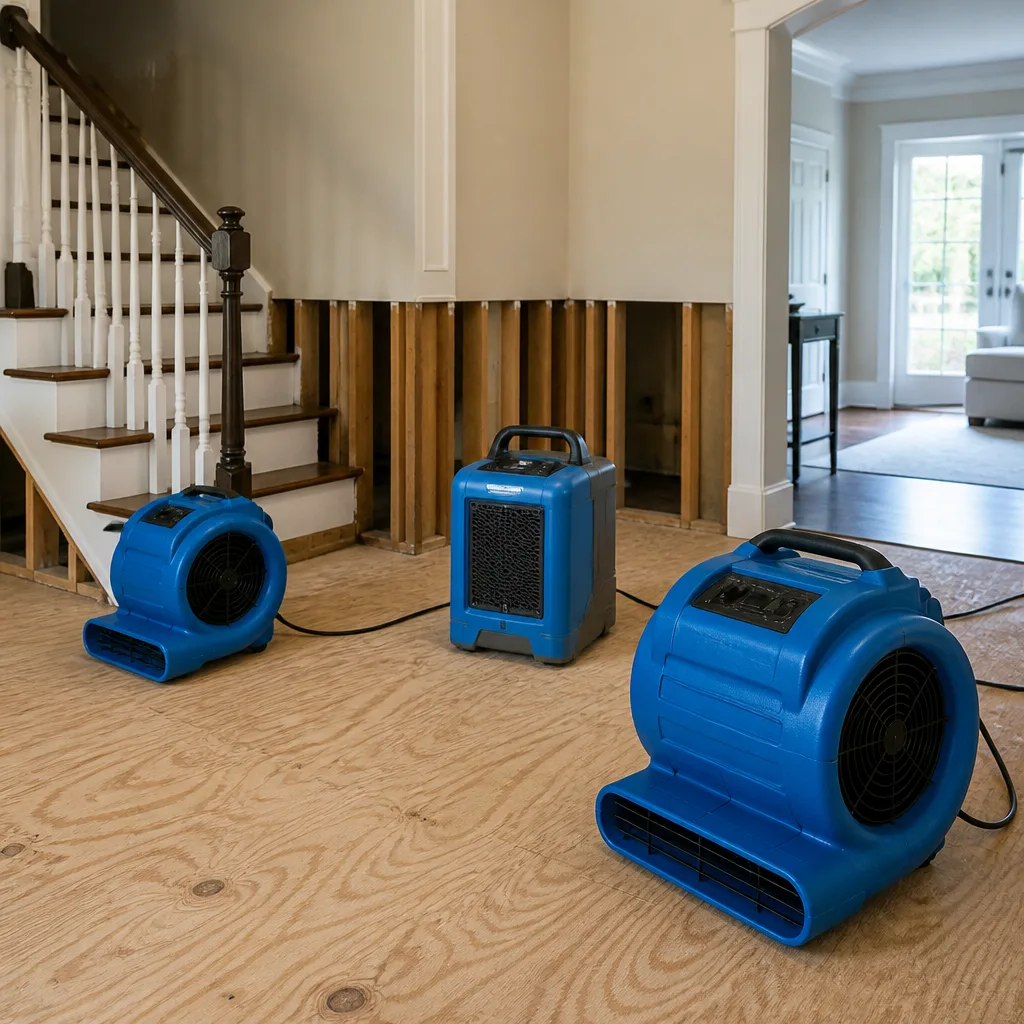
Smoke contamination is a different matter. Smoke particles are acidic and can etch glass, corrode wiring, and leave an odor that returns every humid summer. New York code doesn’t require a permit for cleaning and deodorizing smoke-damaged surfaces. But a proper restoration involves professional-grade equipment: hydroxyl generators for odor removal, HEPA air scrubbers for particulate control, and thorough duct cleaning if the HVAC system spread smoke throughout the house. The standard is not just visual. It’s whether the smell is gone at the source, not masked.
Electrical, Plumbing, and Gas Inspections After Water Damage
Water and electricity don’t mix, which is obvious. What’s less obvious is that water-damaged wiring can fail months later, even if it dried out and worked fine for a while. The code in New York City is clear: any wiring or electrical device that was submerged must be replaced. Not dried, not wiped down, not “checked and found to be working.” Replaced.
This surprises homeowners because the equipment often still functions. A submerged outlet will frequently keep working after the water recedes. The problem is internal corrosion. The connections inside the outlet begin to degrade, resistance builds, heat builds, and an arc fault can occur. That’s a fire that starts inside a wall, often when the family is asleep. Trained electricians in restoration work know this. Code inspectors know this. The replacement requirement is not overreach; it’s the direct lesson of decades of post-flood house fires.
Plumbing follows the same logic. A cast-iron drain line that sat in floodwater and then dried out may be fine. Or it may have cracked from hydrostatic pressure during the flood and leak sewage into the soil under your slab for a year before you smell it. Flushing is in a low-lying area of Queens with a high water table in many blocks. That hydrostatic pressure is a real concern here. A plumber who does restoration work will pressure-test drain lines before declaring them sound. The inspection verifies what the plumber did.
Gas lines are the third piece. A flooded basement with a gas-fired boiler or water heater means gas piping was potentially in contact with water. Gas pipe itself doesn’t mind water, but the joints and shutoff valves do. More importantly, a water heater that was underwater needs to be replaced. Not cleaned. Not serviced. Replaced. The gas company may red-tag the equipment, but even if they don’t, the risk of a deteriorating submerged unit failing later is not acceptable. These are the jobs where the permit protects you from a contractor who should know better.
Working With Your Insurance Carrier and the DOB at the Same Time
Insurance claims and city permits move on different timelines. Insurance wants your claim settled, your mitigation done, and your house put back together. The DOB wants your documentation in order before work starts and inspections before work closes. Managing both at once is where a lot of homeowners get worn down.
The key is documentation. The insurance carrier’s adjuster will ask for a scope of work, which is a written description of every repair and what it will cost. The DOB inspector will ask for a permit application, which is a written description of every repair and how it will be performed. A restoration contractor who handles both daily knows how to make those documents consistent. When the numbers match and the descriptions line up, the claim moves faster and the inspector’s job is easier.
Photo documentation is part of this. Before any demolition begins, take photos of everything: the water line, the damaged drywall, the warped flooring, the contents in the room, the serial number on the water heater and furnace. The insurance carrier uses these to verify the loss. The inspector may use them to understand what conditions existed at the time of the claim. We’ve had inspectors accept photo logs as evidence of prior condition when questions came up about what was damaged by the event versus what was pre-existing. A good photo log can settle a dispute before it becomes a denied claim or a failed inspection.
Common Mistakes to Avoid
- Closing walls before the rough-in inspection. This is the most expensive mistake in restoration. Once drywall is hung and taped, the inspector cannot see the framing, wiring, or plumbing. The work gets red-tagged, the wall comes back down, and the schedule doubles. It happens in Flushing because homeowners or under-experienced contractors get impatient to get back to normal.
- Assuming mold remediation needs no documentation because it’s a smaller home. The State mold law is triggered by building size for licensing, but insurance carriers expect professional documentation regardless. Remediating without an assessment and clearance report creates a paper trail problem that follows the house.
- Replacing submerged electrical devices without a permit. The wire work is what requires the permit, and the inspector verifies that the new installation meets the current edition of the NYC Electrical Code. Doing it without a permit means no inspection, which means no verification, which means you’re trusting a contractor who cut corners, possibly on the most dangerous system in the house.
- Ignoring the finished-basement history of a Flushing home. Before filing a permit for basement restoration, find out whether the original finish was legal. A good contractor will pull the property’s DOB records and see what’s on file. If the original finish was unpermitted, the restoration inspector may uncover it. This doesn’t always happen, but when it does, it can mean additional permitting and a larger job.
- Not reading the scope of work before signing. A written scope protects you. It’s the document that defines what’s included, what’s not, and what the contractor is accountable for. In restoration, verbal agreements dissolve quickly under the pressure of an emergency. The best contractors write it down and want you to read it.
- Releasing final payment before the final inspection. Once the money is gone, your leverage is gone. The final inspection is the check that the work meets code. Hold payment until the inspector signs off. Reputable restoration contractors expect this.
- Using an out-of-state or brand-new contractor who doesn’t know Queens DOB procedures. The NYC Department of Buildings has its own filing system, its own forms, and its own inspectors. A contractor who does most of their work in Suffolk County will not know Flushing’s permitting rhythm. That costs time, and time in a damaged house is airborne mold and settling water damage.
When to Call a Professional
If the damage touches water that sat for more than 24 hours, involves sewage, reaches electrical panels or wiring, or has burned into framing, you need a restoration professional who handles permits and inspections as a matter of course. The same goes for any mold visible across more than ten square feet, because that’s the point at which professional-grade drying equipment and containment become the standard of care. If you’re simply not sure whether your project requires a permit, the quickest way to find out is to have someone who does this work daily in Flushing walk the house. That person will open the wall and know within minutes what’s involved.
Floodline Restoration Co. offers free estimates in Flushing, and we bring the moisture meters, the photo documentation, and the written scope on the first visit. Call (518) 872-6111 and a live person answers, day or night.
Frequently Asked Questions
You need a permit if the restoration involves electrical, plumbing, gas, or structural repairs. Drying and re-sheeting walls that were wet does not require a permit. Your contractor’s written scope is the quickest way to determine which category your job falls into. Call (518) 872-6111 for a free assessment that tells you exactly what’s required.
A straightforward alteration permit can be issued in one to two weeks if the application is complete and the plans are simple. Emergency work permits, called Directives, can sometimes be obtained faster, but they require specific conditions. Inspection scheduling adds two to five business days per inspection. The full sequence typically takes four to eight weeks from permit application to final inspection for a moderate flood restoration rebuild.
Most carriers do not explicitly require permit documents to pay a claim, but they do require that the work was performed correctly. If an unpermitted repair later fails or causes an additional loss, the carrier may deny the subsequent claim. For mold remediation, carriers very often expect a post-remediation verification report. Keeping permits and inspection records with your claim file is the standard professional practice.
A post-remediation verification, or clearance assessment, is a document from a licensed mold assessor confirming that mold contamination has returned to normal background levels. It matters because it’s the evidence that the remediation was successful, which protects your health, your insurance claim, and your home’s resale value. Without it, there’s no objective proof the mold was actually removed.
If the finished basement was never permitted, the restoration permit may bring that to the attention of the DOB inspector. This does not automatically mean a fine, but it can mean that additional existing-work permits are required before the restoration can be signed off. A contractor experienced with older Flushing homes can review the property’s DOB records before filing so there are no surprises.
Submerged wiring and devices suffer internal corrosion that can create resistive heating and arc faults even after the equipment dries out and appears functional. This is a documented cause of post-flood house fires. The code’s replacement requirement exists because the failure happens slowly and invisibly, often months after the flood. The risk is not that the outlet stops working; it’s that it starts a fire inside the wall.
The Bottom Line
New York’s permit and inspection system exists to protect homeowners from exactly the kind of failure that hides inside walls and under floors after a flood, fire, or mold event. The bright line is mechanical and structural work; the gray zone is where most mistakes happen. In Flushing, older homes, finished basements, and a high water table make the stakes higher. The sequence is simple: assess, permit, rough-in inspection, close, final. The documentation, especially for mold, is what protects you when you eventually sell. Get a written scope, hold payment until the final inspection, and call a professional the moment you’re uncertain. The line the water left is where we start. Done right, and backed in writing.
Written by Curt Bowman, Owner at Floodline Restoration Co., serving Flushing since 2010.