
Quick Summary
College Point properties face persistent flood risks from severe weather and sewer backups, making prompt flood damage restoration critical to prevent permanent damage to structural framing and masonry foundations. Floodline Restoration Co. mitigates these emergency flood hazards through immediate site hazard assessments, commercial bulk water extraction, precision moisture mapping, and calibrated structural dehumidification. Readers will understand material salvageability criteria across water contamination categories and learn how to immediately secure 24/7 emergency extraction and moisture assessments from Floodline Restoration Co.
Flood Damage Restoration in College Point
When water enters a basement or ground-floor property in College Point, standing water can threaten structural framing and masonry foundations. A qualified restoration provider such as Floodline Restoration Co. can assess water damage, remove standing water, and document affected materials before secondary damage spreads.[2]
College Point is identified by New York City as a frequently flooded Queens community. Recent municipal infrastructure investments brought major drainage upgrades to the neighborhood, including approximately 300 new catch basins according to municipal project reports, though reported project figures differ across municipal sources. These drainage upgrades were designed to reduce street flooding and related property damage, though civil improvements do not eliminate flood risk during severe weather events.[1]
Immediate Emergency Water Removal and Containment
Professional water damage mitigation typically follows a structured stabilization process upon arrival:
- Site Safety and Hazard Inspection: Technicians inspect the electrical panel, gas lines, and structural supports to ensure the building is safe to enter and work in.
- Bulk Water Extraction: Standing water is removed from basements, crawlspaces, and ground floors using commercial extraction equipment and pumps.
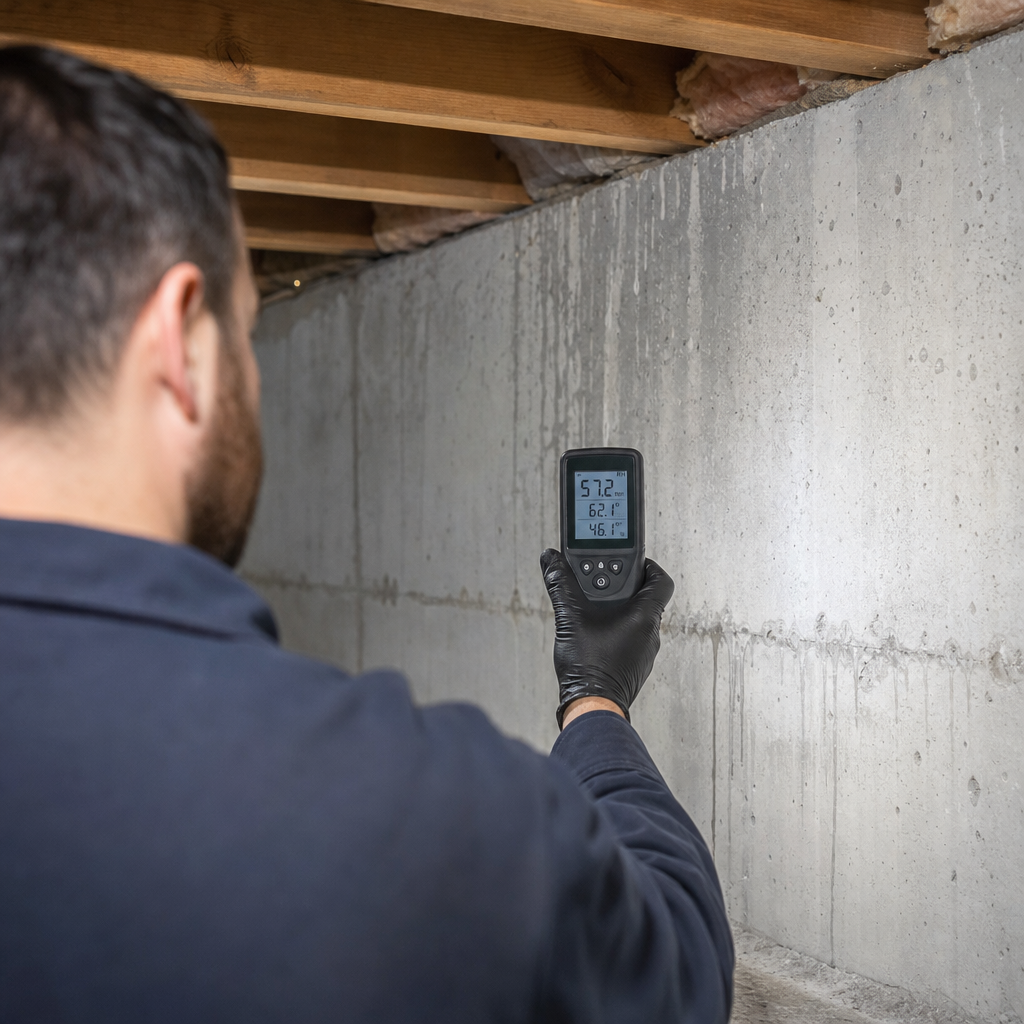
- Moisture Mapping: Technicians, such as those from Floodline Restoration Co., use moisture meters and thermal imaging tools to assess the boundary of water migration through walls and flooring.
- Containment and Sanitation: Contaminated areas are isolated, and appropriate antimicrobial treatments may be applied to wet surfaces according to applicable industry standards.
What Does Flood Damage Restoration Cost in College Point?
Restoration pricing depends directly on the water source, the depth of flooding, and how long materials remain submerged. A clean water supply line break typically costs less to remediate than contaminated sewage backups or overland floodwaters.[5]
Because property layouts and structural conditions vary, restoration contractors like Floodline Restoration Co. generally perform an on-site inspection before providing an itemized estimate. This scope outlines the equipment, labor, structural drying, and remediation steps appropriate for the property.
Key Cost Drivers in Water Mitigation
| Water Category | Common Sources | Restoration Requirements and Cost Impact |
|---|---|---|
| Category 1: Clean Water | Supply line breaks, water heater leaks, sink overflows | Focuses on rapid extraction and direct structural drying if addressed promptly. |
| Category 2: Grey Water | Washing machine overflows, sump pump failures, dishwasher discharges | Requires targeted cleaning, sanitization, and controlled structural drying to address potential contaminants. |
| Category 3: Black Water | Combined sewer backups, surface runoff, storm surge | Demands containment, removal of contaminated porous materials, personal protective equipment, and specialized sanitization. |
| Structural Cavity Drying | Trapped moisture inside subfloors, wall cavities, and foundations | Variable cost depending on the specialized drying systems or dehumidification equipment required. |
Property-level flood risk details can be reviewed through the FEMA Map Service Center, where the National Flood Hazard Layer shows designations including AE (high-risk flood zones) and X (moderate-to-low risk areas). Individual insurance carriers ultimately determine coverage, deductibles, and claim payouts based on policy terms.[4]
Structural and Foundation Drying Considerations
Need flood damage restoration in College Point?
We’re available now - call for a fast, free estimate.
Building materials respond differently to water exposure depending on their composition and the source of the water. Professional restoration relies on calibrated drying equipment suited to specific structural elements.
Common Dehumidification and Drying Equipment
| Equipment Type | Application | Drying Function |
|---|---|---|
| Low-Grain Refrigerant (LGR) Dehumidifiers | Residential and commercial drying, framing, and drywall | Removes water vapor from the air to facilitate evaporation from wet structures. |
| Industrial Desiccant Dehumidifiers | Dense materials, complex cavities, and low-temperature environments | Produces low vapor pressure to assist in drying difficult structural assemblies. |
| Air Movers and Cavity Injectors | Wall cavities, floor joists, and structural assemblies | Circulates air across surfaces to accelerate evaporation rates. |
Can Water-Damaged Drywall, Subfloors, and Framing Be Saved?
Whether materials can be salvaged depends on material porosity, the duration of submersion, and the category of water. Property owners should consult qualified professionals, building officials, or applicable restoration standards (such as the IICRC S500) rather than relying on fixed rules.
Drywall and Insulation
Gypsum drywall and insulation absorb moisture quickly. If materials are submerged in contaminated water, removal is generally required. Restoration professionals, including teams from Floodline Restoration Co., evaluate the height of moisture absorption to determine appropriate cut lines and allow ventilation of the wall cavity.
Subfloors and Flooring
Engineered flooring, laminate, and composite subfloors may swell or delaminate after exposure to water, often requiring replacement. Solid hardwood and dimensional lumber framing may sometimes be dried in place depending on the water category, structural condition, and how quickly drying begins.
Structural Framing and Masonry
Structural wood framing, concrete, and masonry elements are generally resilient but require thorough moisture evaluation and professional drying to return to safe moisture levels.
| Building Material | Salvageability Potential | Evaluation Method | General Action |
|---|---|---|---|
| Drywall and Insulation | Conditional (low if exposed to contaminated water) | Moisture meters, visual and thermal inspection | Removal evaluated based on contamination and moisture height. |
| Subflooring | Conditional (depends on material type and integrity) | Penetrating moisture meters, structural assessment | Drying in place if structurally sound; replacement if delaminated. |
| Solid Wood Framing | Conditional (high if structurally sound) | Structural moisture probes | Cleaning, sanitizing, and targeted drying. |
| Poured Concrete and Masonry | Conditional (high if structurally sound) | Moisture meters and humidity evaluation | Water extraction, thorough structural drying, and cleaning. |
Frequently Asked Questions About College Point Flood Cleanup
How quickly can emergency flood restoration teams respond in College Point?
Response times vary depending on the severity of the incident, site access, weather conditions, and provider availability. Property owners should confirm response times directly with their chosen service provider.
Does property insurance cover flood damage and sewer backups?
Coverage depends entirely on the cause of damage and individual policy terms. Standard homeowners insurance policies generally do not cover surface flooding. Flood coverage typically requires a separate policy through the National Flood Insurance Program (NFIP) or a private flood insurer, while sewer and drain backup coverage often requires a specific endorsement. Property owners should contact their insurance carrier promptly and document all affected materials and damage.[3]
How do restoration specialists address potential mold growth after a flood?
Restoration teams, including specialists at Floodline Restoration Co., mitigate mold risks by removing standing water, removing contaminated non-salvageable materials, applying appropriate antimicrobial solutions where indicated, and running dehumidification and air-moving equipment until structural materials reach established dry standards.
What should I do while waiting for a restoration crew to arrive?
Ensure the safety of all occupants. If it is safe to reach the electrical panel without stepping in standing water, shut off power to the affected areas. Avoid entering standing water, as it may contain contaminants or electrical hazards. When safe, document visible damage with photographs and move light, undamaged valuables to a higher level.
Need flood damage restoration in College Point?
We’re available now - call for a fast, free estimate.
Sources
- Is New York City Ready for Rain? – NYC Comptroller's Office – comptroller.nyc.gov (2026)
- [PDF] Mayor Adams Announces Next Generation of New York … – NYC.gov – nyc.gov (2024)
- City Completes $139 Million Infrastructure Project in College Point … – nyc.gov (2024)
- $139 Million Drainage Upgrade Completed for College Point … – nyc.gov (2024)
- FEMA Flood Map Service Center | Search By Address – msc.fema.gov
Frequently Asked Questions
How quickly can Floodline Restoration Co. arrive for emergency flood cleanup in College Point?
Floodline Restoration Co. operates 24/7, providing rapid 45-minute on-site deployment throughout College Point. Emergency crews immediately initiate site safety assessments and bulk water extraction to stabilize masonry foundations and prevent severe structural damage.
How are combined sewer backups and tidal surge waters safely remediated in College Point properties?
Because storm surges and sewer backups introduce hazardous Category 3 black water, Floodline Restoration Co. enforces strict containment, extracts sewage, and removes contaminated porous materials. Technicians then apply broad-spectrum antimicrobial treatments and calibrated structural drying equipment to eliminate pathogens.
How does Floodline Restoration Co. detect hidden moisture trapped behind walls and subfloors?
Technicians perform precision moisture mapping using non-invasive thermal imaging cameras and structural moisture probes. This allows Floodline Restoration Co. to target concealed moisture pockets within wall cavities and floor joists using industrial cavity injectors and desiccant dehumidifiers.
About the author
 |
Sarah Miller Sarah Miller is a certified water damage restoration specialist with over 8 years of experience working with residential and commercial properties in the New York area. She holds a B.S. in Environmental Science from SUNY College of Environmental Science and Forestry and is passionate about helping property owners navigate emergency situations and prevent long-term damage. |
Water damage, flood, or mold emergency?
We’re available now - call for a fast, free estimate.
Call Now - Free Estimate