
Last updated August 25, 2026
Free visual inspection and a written scope of work before any mitigation begins - photos, moisture readings, and drying logs go in your claim file
The scope we write is the scope we bill. Anything new gets shown to you, in writing, before we touch it.
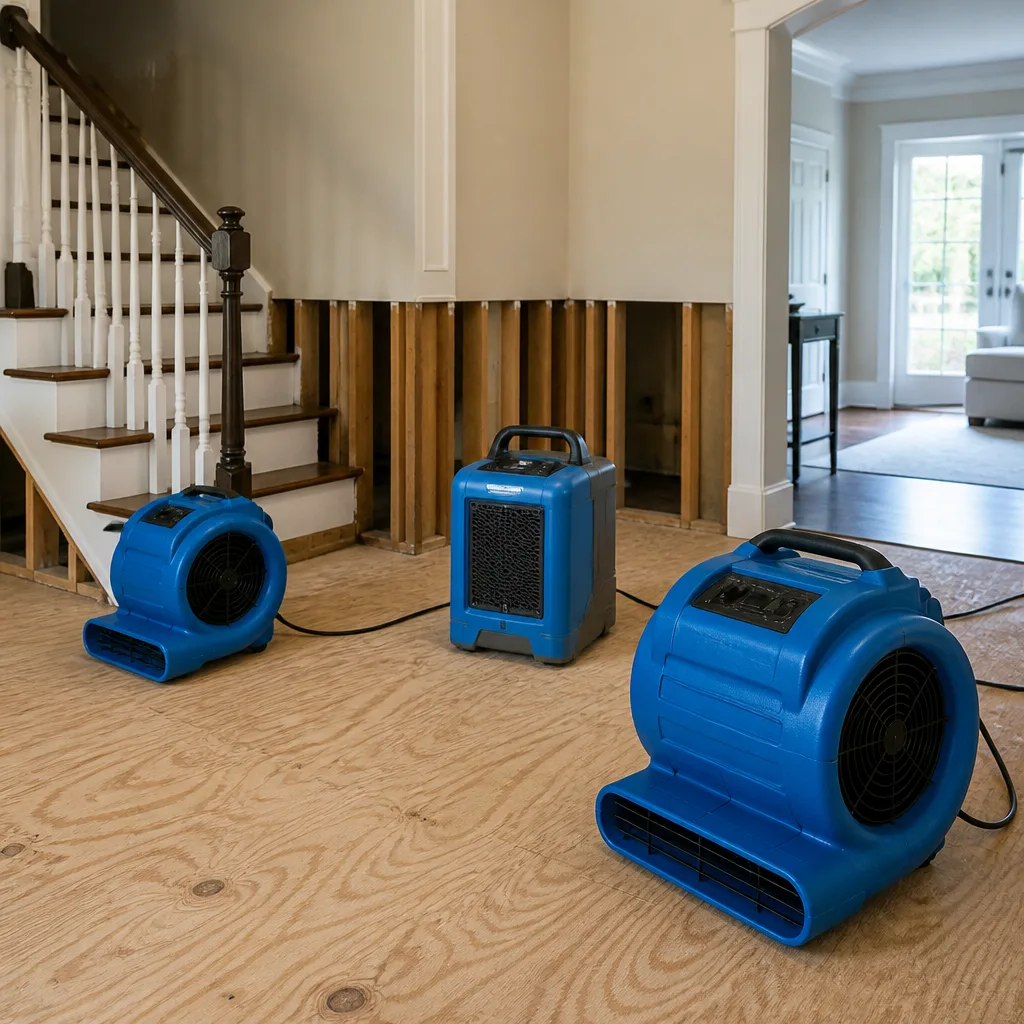

Storm responseSewage cleanup

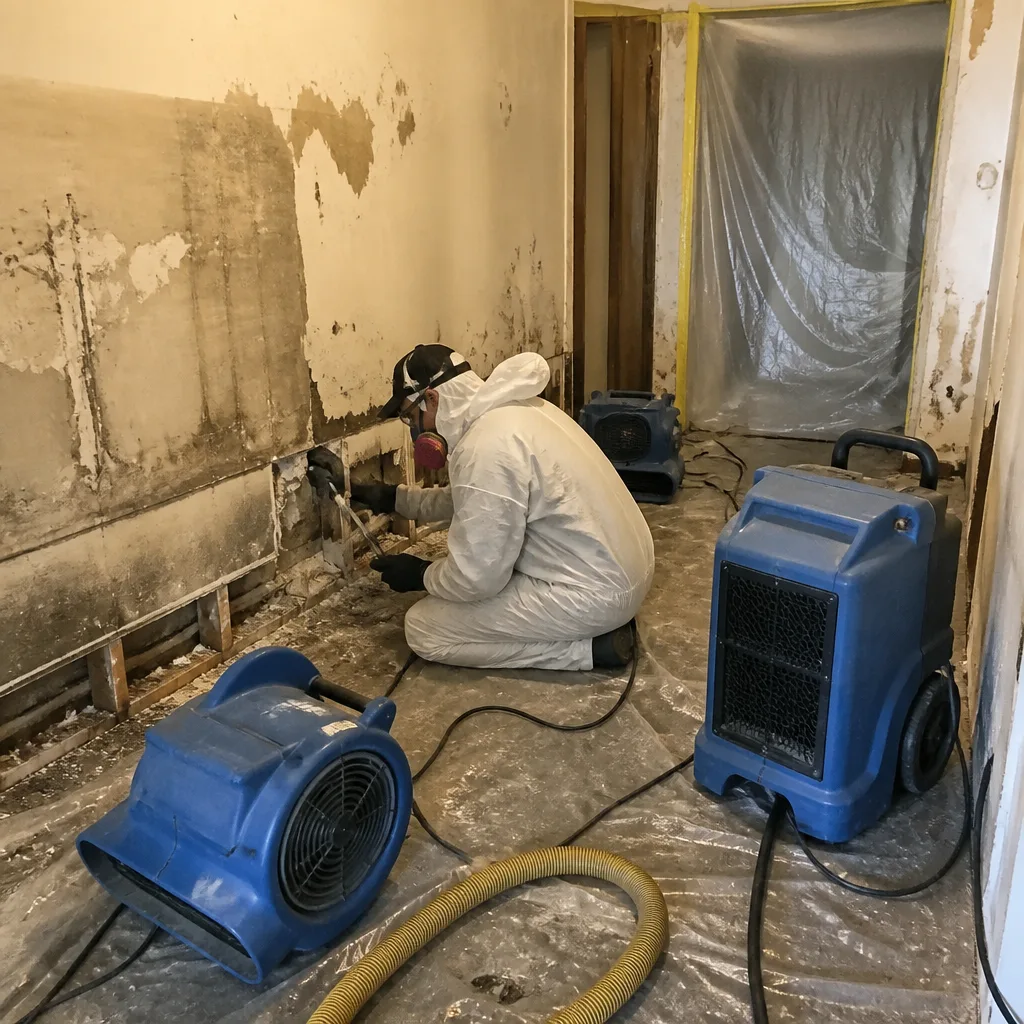 Before
 After
After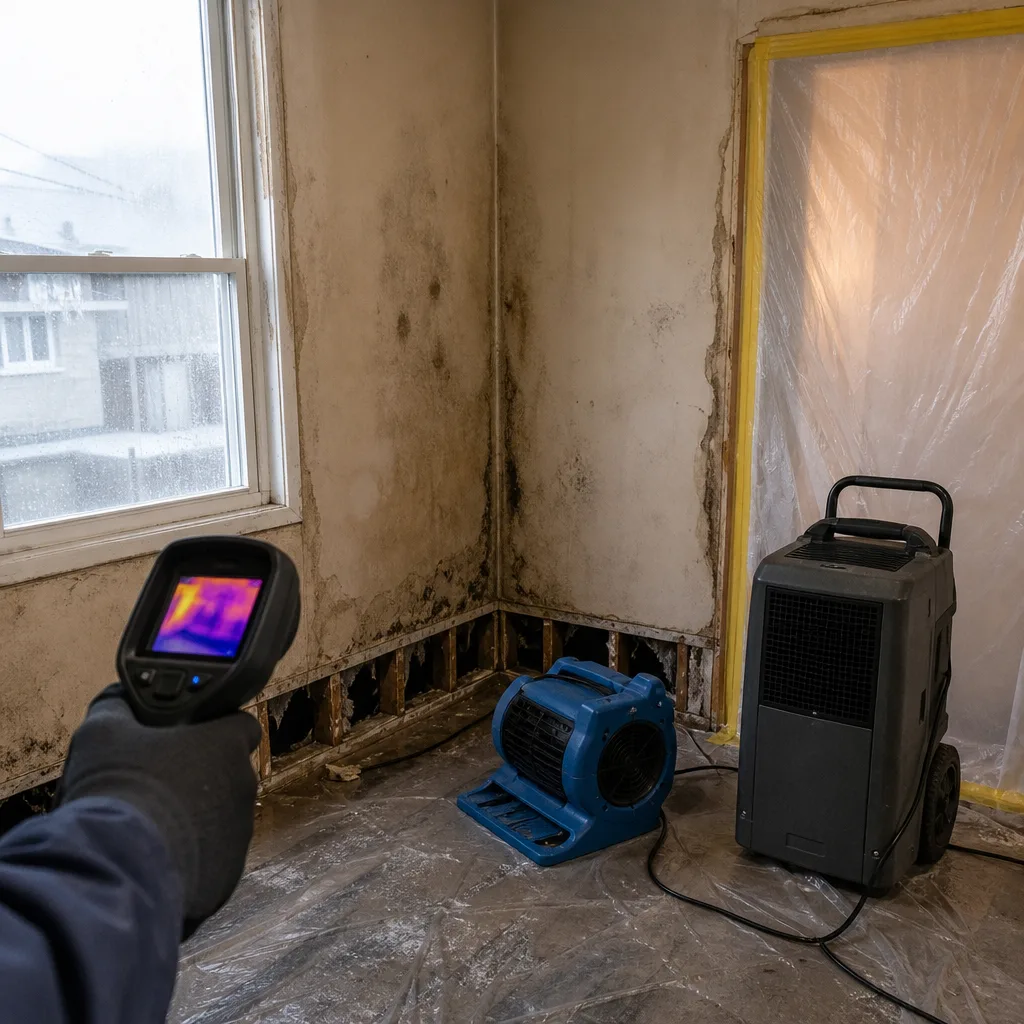 Before
 After
After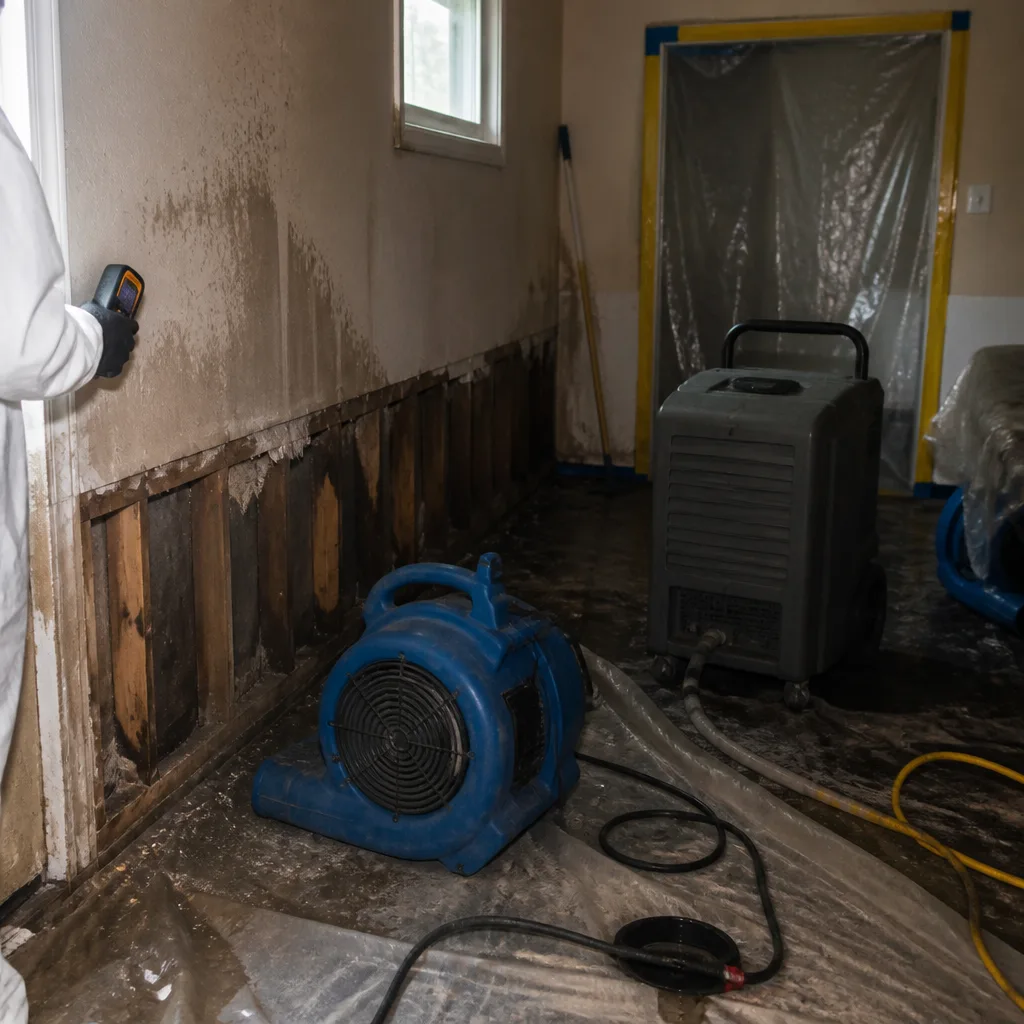 Before
 After
AfterSeasonal Damage Restoration Care for Flushing: Year-Round Homeowner’s Guide
Most homeowners in Flushing don’t think about water damage until the water is already ankle-deep. But here’s the counterintuitive part: the costliest restoration jobs we’ve handled in our 42 years of service were rarely caused by dramatic storms. They came from slow, seasonal wear - a gutter pulling away from the fascia in October, a sump pump failing quietly in March, a bathroom exhaust fan that stopped venting properly back in July. By the time water showed up in the living room, the damage had been compounding for months. This guide walks you through what actually happens to a Flushing home through all four seasons, what to watch for, what to fix early, and when to call someone who does this work every day.
Quick Answer
Seasonal damage restoration care in Flushing means keeping water, moisture, and the damage they cause from gaining a foothold in your home. The year breaks down into predictable risk cycles: snowmelt and sump pump failures in late winter, storm-driven water intrusion in spring, humidity and hidden mold in summer, and gutter and roof issues in fall. The single most effective thing a homeowner can do in any season is catch moisture problems within the first 48 hours - after that window, mold begins to take hold and repair costs climb sharply.
Table of Contents
- Winter: Snowmelt, Ice Dams, and the Quiet Sump Pump
- Spring: Storm Water, Foundation Seepage, and the First Big Test
- Summer: Humidity, Hidden Mold, and the AC Condensation Trap
- Fall: Gutters, Downspouts, and Preparing for the Freeze
- The Seasonal Inspection Checklist Every Flushing Homeowner Should Keep
- How Insurance Handles Seasonal Water Damage (and Who Deals with the Adjuster)
- The Equipment That Actually Dries a House
- What You Can Safely Handle Yourself - and What You Should Never Touch
- Common Mistakes to Avoid
- When to Call a Professional
- Frequently Asked Questions
- The Bottom Line
Winter: Snowmelt, Ice Dams, and the Quiet Sump Pump
Flushing winters are not the brutal six-month ordeals of upstate New York, but they are wet. We get snow, then rain, then freeze, then thaw - often within the same week. That freeze-thaw cycle is harder on a house than a steady deep freeze. Water expands when it freezes, forcing its way into hairline cracks in foundation walls and walkways, then melts and seeps deeper. The first place we see this show up is the basement.
The biggest silent risk in a Flushing winter is the sump pump. It sits in a pit, quietly doing its job for years, and then one February night - often during a thaw after a heavy snow - it fails. Sometimes the float switch jams. Sometimes the discharge line freezes solid. Sometimes the pump simply burns out after years of faithful service. The result is water rising in the basement with nothing to stop it.
What to do in winter:
- Test your sump pump monthly. Pour a bucket of water into the pit and confirm the pump kicks on and pushes water out. Do this when you remember, not when the forecast looks bad.
- Check the discharge line. Make sure the pipe carries water at least six feet from the foundation. If the outlet is buried in snow or pointing back toward the house, you have a problem waiting for the next thaw.
- Clear snow away from window wells and the foundation. When snow piles against the house and melts, it drains straight down along the foundation wall. Keeping a two-foot clearance keeps that meltwater moving away.
- Watch for ice dams. If you see icicles hanging from the gutters with thick ice behind them, that is an ice dam - snow melts on the warm roof, runs down to the cold eave, refreezes, and backs water up under the shingles. This is a roof leak waiting for a warm day.
In Flushing, we regularly see basement water intrusion in late February and early March, when the snowpack from a few storms melts all at once. The ground is still partially frozen, so the water cannot absorb - it runs along the surface and finds the path of least resistance, which is often a basement window well or a foundation crack. If you catch this early - a damp patch on the basement floor, a musty smell that was not there in December - the fix is usually straightforward. If you let it sit, you are buying yourself a mold remediation project in the spring.
Spring: Storm Water, Foundation Seepage, and the First Big Test
Spring is when Flushing homes get tested. March and April bring heavy rain, sometimes several inches in a single storm. The ground is saturated from winter. Every weakness in your drainage system reveals itself now.
The most common spring water intrusion points in Flushing homes are, in order of frequency: foundation cracks, basement window wells, floor drains that back up, and leaky bulkhead doors. None of these are dramatic. All of them can put two inches of water in a finished basement during a heavy overnight storm.
A five-step spring drainage check:
- Walk the perimeter during a hard rain. Watch where water pools against the house. Anywhere water stands within three feet of the foundation is a future water intrusion point.
- Inspect gutter downspouts. Each downspout should discharge at least six feet from the foundation. If a downspout is dumping water next to the house, you are slowly eroding the soil and feeding water into the foundation.
- Check the grading. The ground should slope away from the house at about one inch per foot for the first six feet. Years of soil settling often reverses this slope, turning your yard into a basin that drains toward the foundation.
- Test your basement floor drain. Pour water down it and confirm it drains freely. A slow floor drain often means a clogged or collapsed drain line, which will back up when the water table rises.
- Look for efflorescence. That white, chalky residue on basement walls is minerals left behind by evaporating water. It means water is moving through the foundation wall. It is not just cosmetic.
One thing we have learned from handling hundreds of spring water events in Flushing: the difference between a $1,500 drying job and a $25,000 rebuild is usually measured in hours. Water that sits for a weekend soaks into drywall, wicks up into insulation, and warps hardwood floors. Water that gets extracted and dried within a day often leaves nothing behind but a dry basement and a story for the neighbors.
Our crews run professional-grade Dri-Eaz and Phoenix air movers, Injectidry drying mats, and XPOWER and B-Air dehumidifiers, and we take moisture readings every day until the structure hits the dry standard. That log goes to the homeowner and the insurance carrier. No guesswork, no “it feels dry to me.” The numbers say when it is actually dry.
Summer: Humidity, Hidden Mold, and the AC Condensation Trap
Summer in Flushing is humid. This is the season when water damage is least visible and most insidious. There is no storm, no flood, no dramatic event. There is just warm, moist air meeting cool surfaces inside walls, under floors, and behind insulation, and there is a slow, quiet growth happening.
The culprit is almost always one of two things: a condensation problem or a hidden plumbing leak. Here is what we mean by that.
Condensation problems:
- Air conditioner condensate lines that clog and overflow, soaking the area around the air handler or the ceiling below an attic unit
- Uninsulated cold water pipes that sweat in the summer humidity, dripping onto wood framing and drywall
- Basement walls below grade, where warm humid air meets the cool concrete and condenses, feeding mold growth on framing and drywall
- Bathroom exhaust fans that were never vented to the outside, just into the attic, pumping humid air into a space that cannot dry
Hidden plumbing leaks:
- Small pinhole leaks in copper supply lines that drip slowly inside a wall cavity for months
- Toilet wax rings that fail and leak a small amount with every flush
- Dishwasher and washing machine supply lines that drip at the connection behind the appliance
- Water heater tanks that are nearing the end of life and seeping from a rust spot at the base
By August, a slow leak that started in June has created ideal conditions for mold. We see it regularly in Flushing homes: a homeowner notices a musty smell, or dark spots on a baseboard, or peeling paint that should not be peeling. By the time it is visible, the mold has been growing for weeks.
The summer rule is simple: if you smell must, something is wet. Find it. Do not spray air freshener. Do not paint over the stain. Find the moisture source and eliminate it. If you cannot find it, call someone who can. Mold does not go away on its own, and painting over it just hides the problem while it keeps growing under the surface.
Fall: Gutters, Downspouts, and Preparing for the Freeze
Fall is the season when small, cheap fixes prevent expensive winter failures. The work you do in October and November determines how your home handles December through March. And in Flushing, with our mature tree coverage and heavy leaf fall, gutters are the priority.
Clogged gutters do not just overflow in a rainstorm, though they do that too. A clogged gutter holds water against the fascia board for weeks. That water rots the fascia, drips down into the soffit, and eventually finds its way under the roofline. It saturates the ground at the foundation every time it rains. And in winter, a clogged gutter is step one of the ice dam process: water cannot drain, it pools in the gutter, the cold eave freezes it, and the dam builds.
Fall maintenance that prevents winter restoration:
- Clean the gutters at least twice between October and December. Once after the majority of leaves have fallen, and again before the first hard freeze.
- Check downspout extensions. Make sure each one is intact and carrying water at least six feet from the foundation before the ground freezes.
- Disconnect and drain garden hoses. A frozen hose connected to an outdoor spigot can burst the pipe inside the wall. This is a surprisingly common winter water damage cause in Flushing.
- Inspect the roof before snow season. Look for missing shingles, damaged flashing around chimneys and vents, and any sagging areas. A roof that leaks in a January snowmelt was usually visible as a problem in October.
- Have your heating system checked. A furnace condensate line that clogs or a boiler that leaks can put water where you do not expect it, right when you are counting on the heat.
The other fall concern in Flushing is the first freeze. As cold air settles in, any water left in outdoor plumbing - hose bibs, irrigation lines, outdoor showers if you have them - freezes and expands. We have replaced sections of frozen, burst copper in homes where the only mistake was leaving a hose connected. It is a five-minute fix in October and a restoration project in January.
The Seasonal Inspection Checklist Every Flushing Homeowner Should Keep
Here is a practical, working checklist. Keep it on your phone or pinned to the fridge. It takes about an hour per season and it prevents most of the restoration work we get called for in Flushing.
Winter
- Test sump pump with a bucket of water
- Check sump pump discharge line for freezing or blockage
- Clear snow from window wells and foundation
- Watch for ice dams on the roof eaves
- Inspect basement for any new dampness or odor
Spring
- Walk the perimeter during heavy rain and check pooling
- Confirm all downspouts discharge 6+ feet from the house
- Check grading around the foundation
- Test floor drains in the basement
- Look for efflorescence on basement walls
Summer
- Check AC condensate drain line
- Look for sweating pipes in the basement and crawlspace
- Verify bathroom exhaust fans vent to the outside
- Inspect under sinks for slow drips
- Watch for any musty odor or new stains
Fall
- Clean gutters twice between October and December
- Check downspout extensions
- Disconnect and drain all garden hoses
- Inspect the roof for missing shingles or damaged flashing
- Have the heating system serviced
This is the same basic framework our technicians follow when they perform the $89 Seasonal Tune-Up, and it catches most problems before they become restoration projects.
How Insurance Handles Seasonal Water Damage (and Who Deals with the Adjuster)
Here is what we tell every Flushing homeowner we work with: your homeowner’s insurance covers sudden and accidental water damage. A burst pipe? Covered. A storm that drives water through a window? Covered. A water heater that fails and floods the basement? Covered. What is almost never covered is gradual damage - the slow leak that dripped for six months, the seepage through a foundation crack that has been there for years, the mold that grew because the moisture problem was never addressed.
This is why catching problems early matters, not just for your house but for your coverage. The homeowner who catches a water issue in week one files a straightforward claim. The homeowner who discovers six months of hidden damage often ends up fighting the carrier over what was “sudden” versus what was “gradual.”
When you call Floodline Restoration Co. for water damage in Flushing, we handle the insurance process directly. We document everything with photos from the moment our crew arrives. We take moisture readings before we start, during the drying process, and at the end, and we hand that log to you and your adjuster. We bill the carrier directly. You are not running messages between us and the insurance company.
One clarification: flood insurance is separate from homeowner’s insurance. A standard homeowner’s policy does not cover rising groundwater or surface flooding. If you live in a flood zone in Flushing and your basement floods from groundwater coming up through the floor or a bulkhead, you need a separate flood policy through the National Flood Insurance Program. If you are not sure which kind of damage you have, we can help you document it accurately for whichever claim applies.
The Equipment That Actually Dries a House
We get asked often what “professional drying” actually means. The honest answer: it is not just putting fans in a wet room and waiting. A house that is not dried properly will look dry on the surface and stay wet inside the walls, the subfloor, and the framing. That hidden moisture is what leads to mold, rot, and structural damage months later.
Here is what a professional drying setup actually involves:
- Moisture mapping. Before anything else, we map the moisture in every affected area using moisture meters and thermal imaging. The map tells us where the water went, not just where it pooled visibly. Water wicks up drywall, travels along framing, and hides in insulation. You cannot dry what you have not measured.
- Extraction first. Standing water comes out with truck-mounted extraction equipment. The faster this happens, the less water wicks into building materials.
- Air movers. Dri-Eaz and Phoenix air movers create aggressive airflow across wet surfaces. This is not a box fan. The air movement is engineered to force moisture from materials into the air.
- Dehumidification. XPOWER and B-Air dehumidifiers pull that moisture out of the air and dispose of it. The air movers and dehumidifiers work together, continuously moving moisture out of the structure.
- Specialty drying. For hardwood floors, Injectidry systems force air through the gaps under the floorboards, drying from beneath. For wall cavities, injection drying systems push dry air into insulated spaces behind drywall.
- Daily monitoring. We take moisture readings every day, log them, and keep drying until the structure meets the IICRC dry standard. Not “feels dry.” The numbers.
If a restoration company arrives, runs a few fans for three days, and leaves, the structure is likely still wet inside. That is how homeowners end up with musty smells and mold growth six months after a water damage event they thought was handled.
What You Can Safely Handle Yourself - and What You Should Never Touch
We are not here to tell you that every water issue requires a professional. Plenty of seasonal maintenance is well within a Flushing homeowner’s capabilities. And there are some situations where doing it yourself is genuinely dangerous.
Safe to handle yourself:
- Cleaning gutters and confirming downspout extensions
- Testing a sump pump with a bucket of water
- Clearing snow from window wells and the foundation
- Disconnecting garden hoses before a freeze
- Inspecting under sinks for leaks and tightening fittings
- Checking the AC condensate line for clogs
- Watching for efflorescence, staining, and musty odors
Never attempt these yourself:
- Sewage or contaminated water cleanup. Category 3 water carries bacteria, pathogens, and worse. This is not a bucket-and-mop situation. It requires professional extraction, sanitization, and proper disposal of contaminated materials.
- Mold remediation beyond a small patch. If you see mold covering more than about ten square feet, or if mold is inside walls or HVAC ducts, disturbing it without proper containment spreads spores throughout the house. Professional remediation includes negative air pressure containment, HEPA filtration, and proper disposal of affected materials.
- Structural drying after a significant water event. If water has soaked into drywall, hardwood floors, or insulation, DIY drying with household fans will not reach the moisture inside the materials. You will get a false sense of “dry” while mold grows inside the walls.
- Electrical work around water. If any electrical components are wet - outlets, panels, wiring, appliances - stay out of the water and call a professional. Water and electricity are a deadly combination, and the risk is not worth it.
- Fire damage restoration of any kind. Smoke and soot are toxic. Fire damage cleanup requires proper protective equipment and specialized cleaning methods. This is not a DIY project.
The line between “I can handle this” and “I need help” is usually the line between “I caught it early, it is surface water, and I have the right tools” and “it has been sitting, it is contaminated, or it is inside the structure.” When in doubt, call and ask. We will tell you honestly whether it is something you can handle or something that needs a crew.
Common Mistakes to Avoid
- Waiting to see if it dries on its own. Water inside a Flushing home in the humid months will not dry on its own fast enough. It will wick further into building materials and start growing mold. The first 48 hours matter more than most homeowners realize.
- Painting over a water stain. That stain means moisture got into the drywall. Paint seals it in, and the damage keeps happening behind the paint. Find the source first.
- Ignoring a musty smell. Must is a symptom of mold. If you smell it, moisture is present somewhere you cannot see. Finding it early is a repair. Finding it late is a remediation.
- Assuming the sump pump works because it worked last year. Sump pumps fail silently. Test it monthly during the wet season. It is a five-minute check that prevents a basement flood.
- Letting the insurance claim get away from you. Document everything the moment you notice water damage. Photos, dates, what you found. The more thoroughly the damage is documented, the smoother the claim process goes.
- Hiring the cheapest restoration company without checking credentials. Restoration is a trade where the cheapest bid is often the most expensive outcome. A crew that cuts corners on drying leaves you with hidden mold and a bigger bill later. Work with a company that is certified, insured, and stands behind the work in writing.
- Forgetting that the house needs seasonal attention even when nothing is wrong. The best restoration job is the one that never happens. An hour of seasonal maintenance prevents most of the water damage we see in Flushing.
When to Call a Professional
Call a professional restoration company when water has been sitting for more than a day, when you see visible mold, when the water is contaminated (sewage, floodwater, or anything from a drain backup), or when water has penetrated walls, floors, or ceilings. These are situations where the damage is already inside the structure, and getting it dry requires equipment and expertise that most homeowners do not have. Also call if you have had a fire of any size - smoke damage travels far beyond the burn site and requires specialized cleaning. Floodline Restoration Co. offers free estimates in Flushing - call (518) 872-6111 and a live person answers, day or night. We have been serving Flushing since 2010, and Curt Bowman built the company around a simple principle: the line the water left is where we start, and we do not leave until the rebuild is done right.
Frequently Asked Questions
A live person answers the phone 24 hours a day, 7 days a week at Floodline Restoration Co., and our goal is to have a certified crew on site the same visit, with extraction running as quickly as possible. In Flushing, most of our water damage calls are reached within an hour of the call. The first 48 hours are when most of the salvageable materials are determined, so speed matters. Call (518) 872-6111 any time, day or night.
Sudden and accidental water damage is typically covered by standard homeowner’s insurance - burst pipes, storm-driven water intrusion, appliance failures. Gradual damage from long-term leaks or seepage is usually not covered, which is why early detection is so valuable. Floodline Restoration Co. documents everything thoroughly and bills the carrier directly, so you are never the messenger between us and your adjuster.
If water penetrated drywall, flooring, or insulation, household fans cannot reach the moisture trapped inside those materials. Professional drying uses moisture mapping, high-volume air movers, industrial dehumidifiers, and daily monitoring until the structure meets the IICRC dry standard. Surface-dry is not dry. A house that was not properly dried will grow mold inside the walls months later.
Costs depend on how much water, how long it has been sitting, and what materials were affected. Small extraction and drying jobs in Flushing typically start around $1,200 to $2,500, while a full basement water event with rebuild work can range from $8,000 to $30,000 or more. The fastest way to get a real number is an on-site assessment. Floodline Restoration Co. offers free estimates - call (518) 872-6111 and we will come look without any obligation.
The 90-Day Done Right Promise is a written guarantee on every job Floodline Restoration Co. completes. If it is not done right, we make it right - no paperwork battles, no arguing. Curt Bowman built the company on this principle, and it is on every job we do in Flushing. It is the reason we can say “we stand behind it” and mean it.
Yes. Floodline Restoration Co. handles every phase, from first extraction to finished rebuild, with the same certified crew. You do not get handed off to a different company for the reconstruction, and you do not have to coordinate between a mitigation company and a contractor. The same team that reads the moisture map on day one rebuilds what needs rebuilding, and hands you the completed job with a moisture log and the written guarantee.
The Bottom Line
A Flushing home is not a passive object that sits there staying fine. It moves with the seasons - snowmelt in late winter, storm water in spring, humidity through the summer, and gutter-clogging leaf fall leading into the freeze. Every season has its predictable risks, and every season has simple, cheap maintenance that prevents most of the expensive restoration work. Test that sump pump. Clean those gutters. Disconnect that hose. Walk the house in the rain and watch where the water goes. And when something does go wrong - because eventually, something will - call a restoration company that answers the phone with a person, documents the work honestly, bills the insurance directly, and stands behind the result in writing. We are at Floodline Restoration Co. home, serving Flushing and the surrounding communities 24/7. Call (518) 872-6111 and you will talk to a live person, not a machine. We will be there when we say.
Written by Curt Bowman, Owner at Floodline Restoration Co., serving Flushing since 2010.