
Free visual inspection and a written scope of work before any mitigation begins - photos, moisture readings, and drying logs go in your claim file
The scope we write is the scope we bill. Anything new gets shown to you, in writing, before we touch it.
Storm responseSewage cleanup
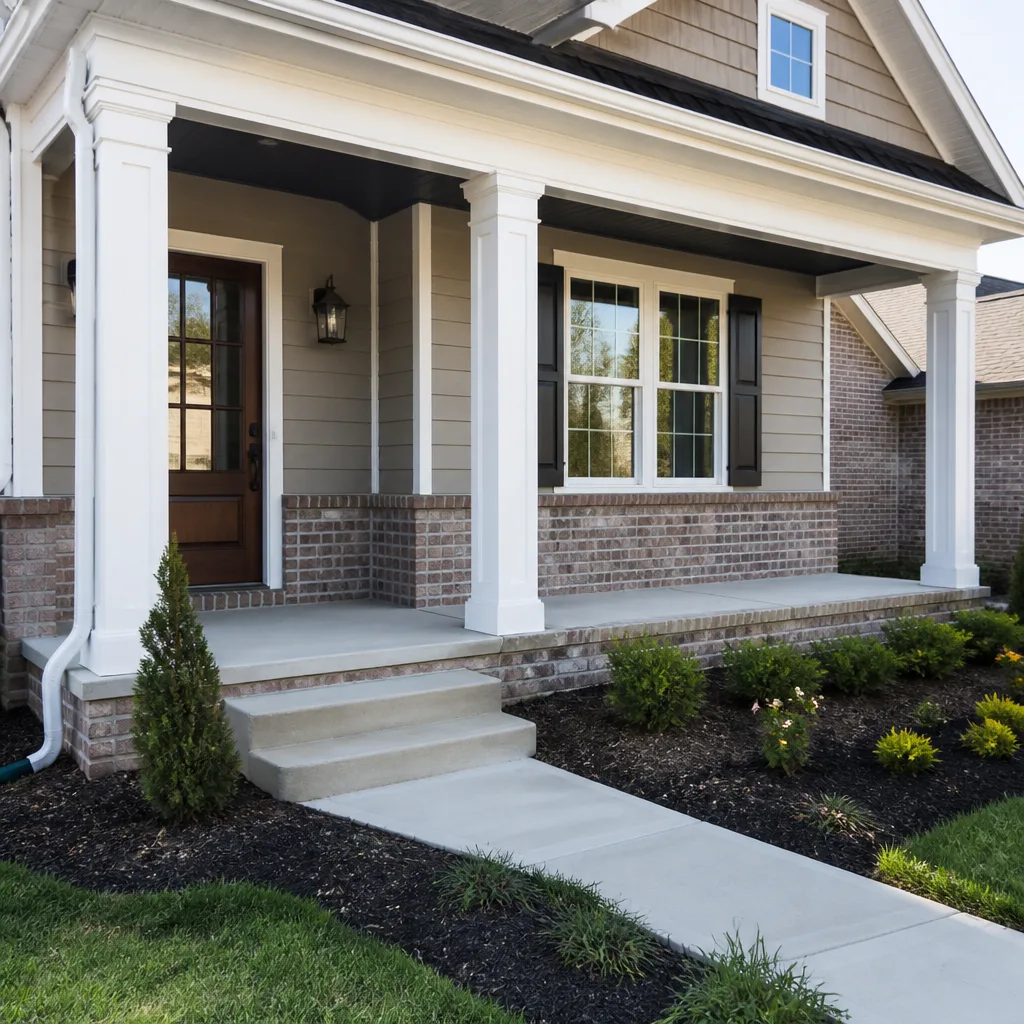
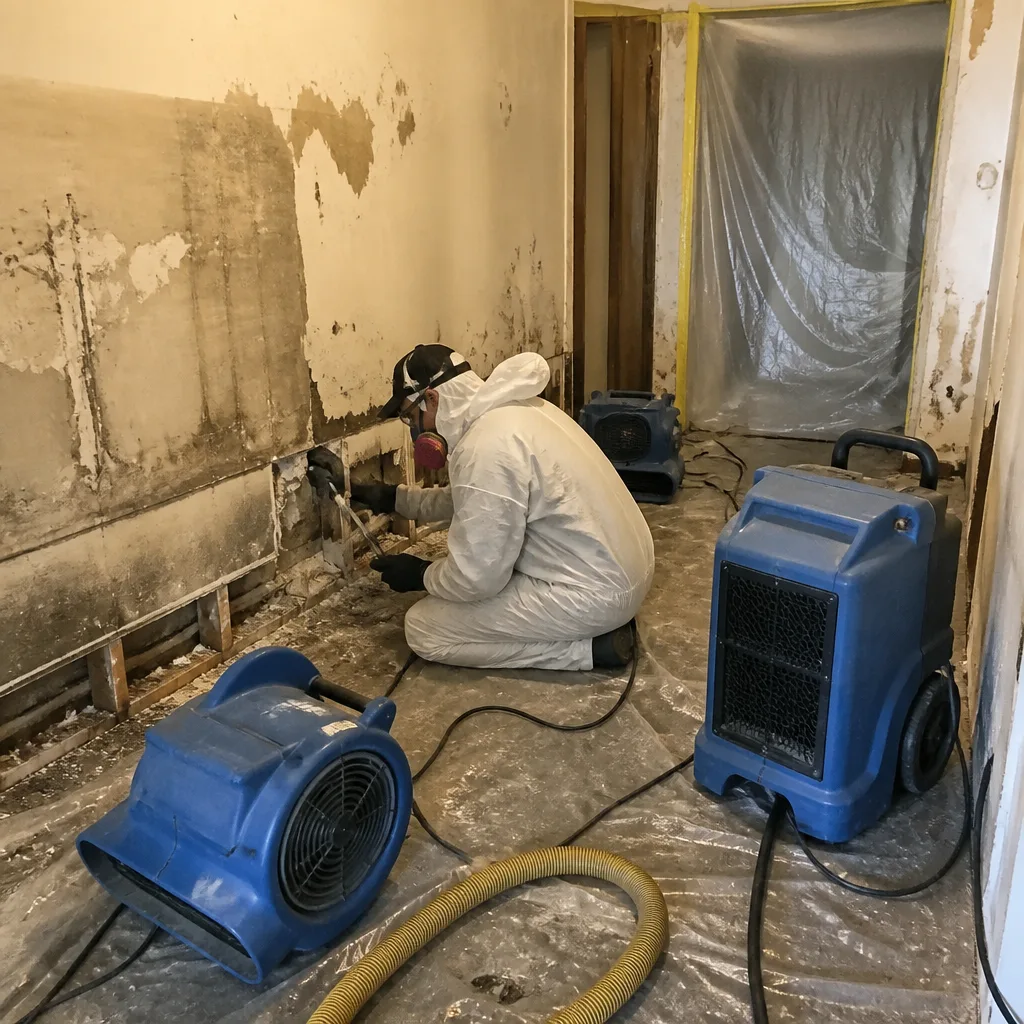 Before
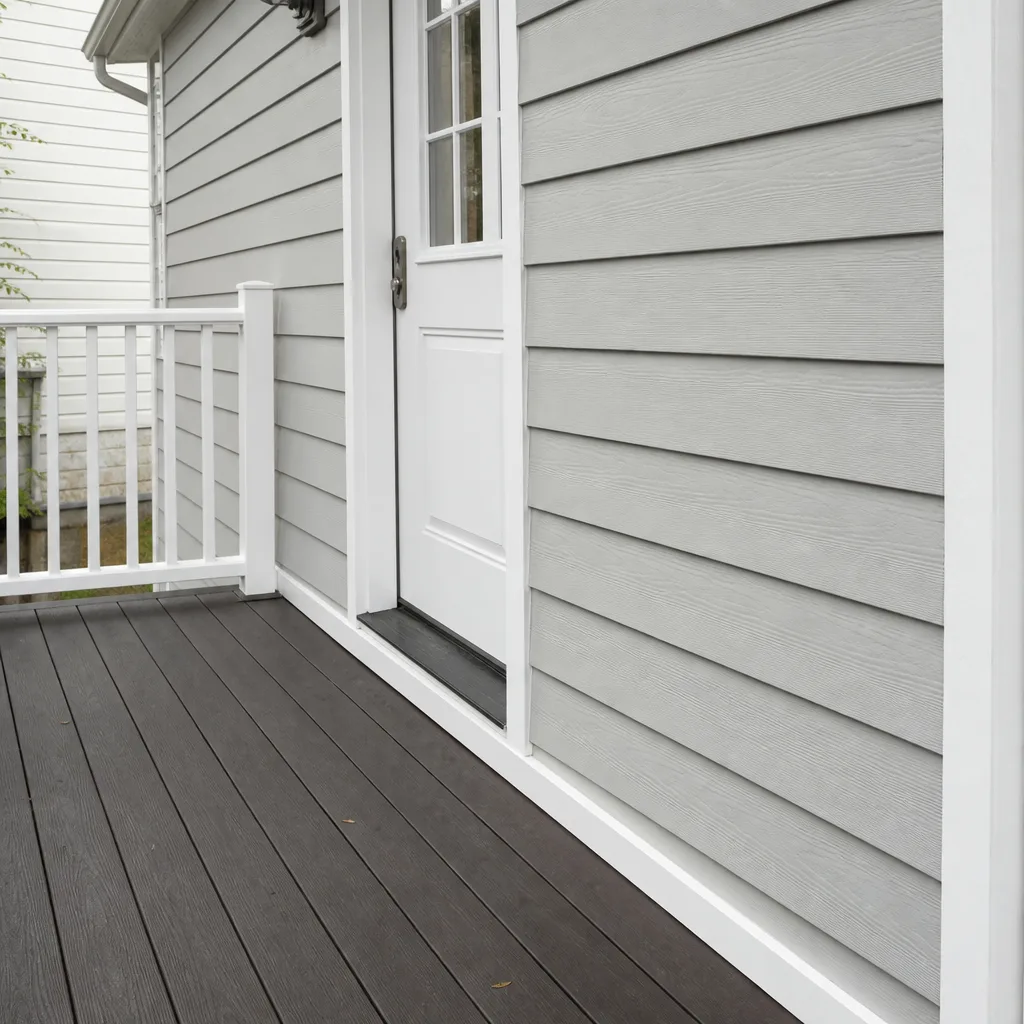 After
After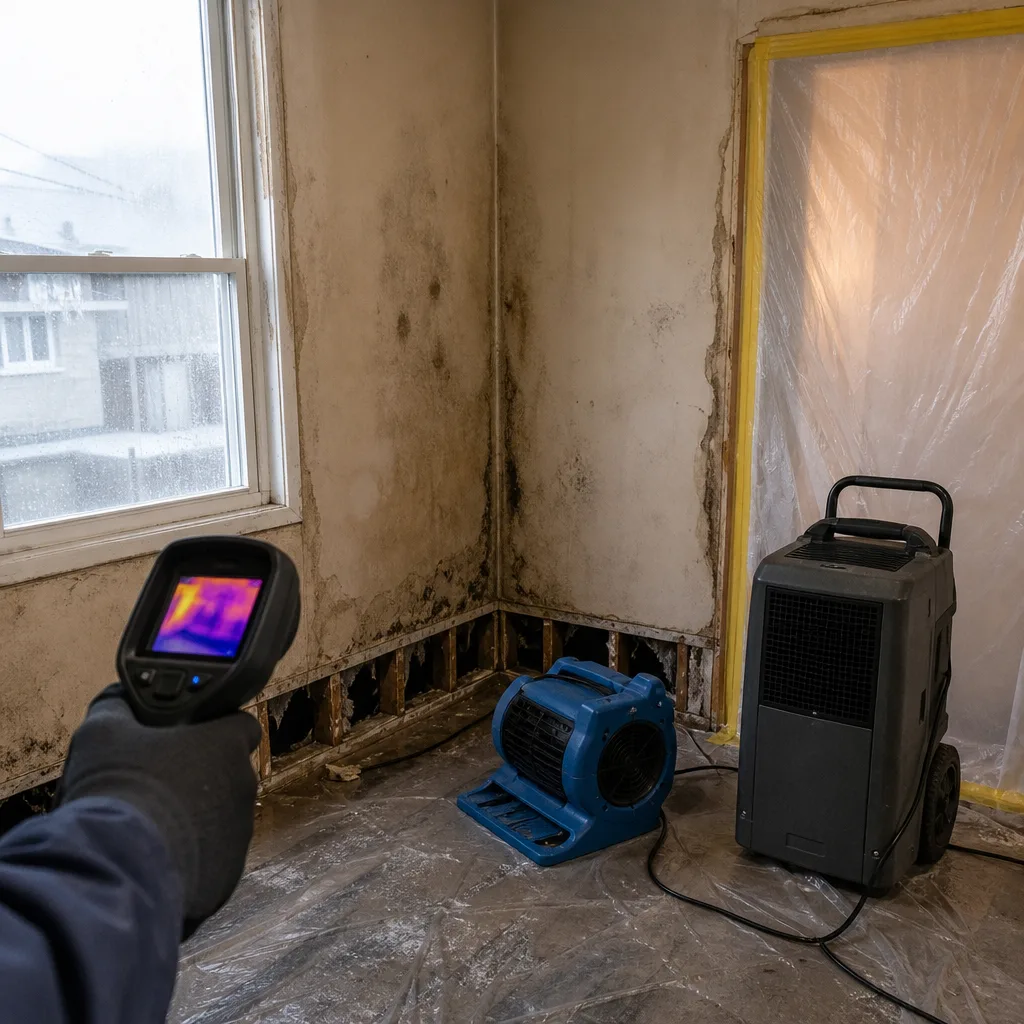 Before
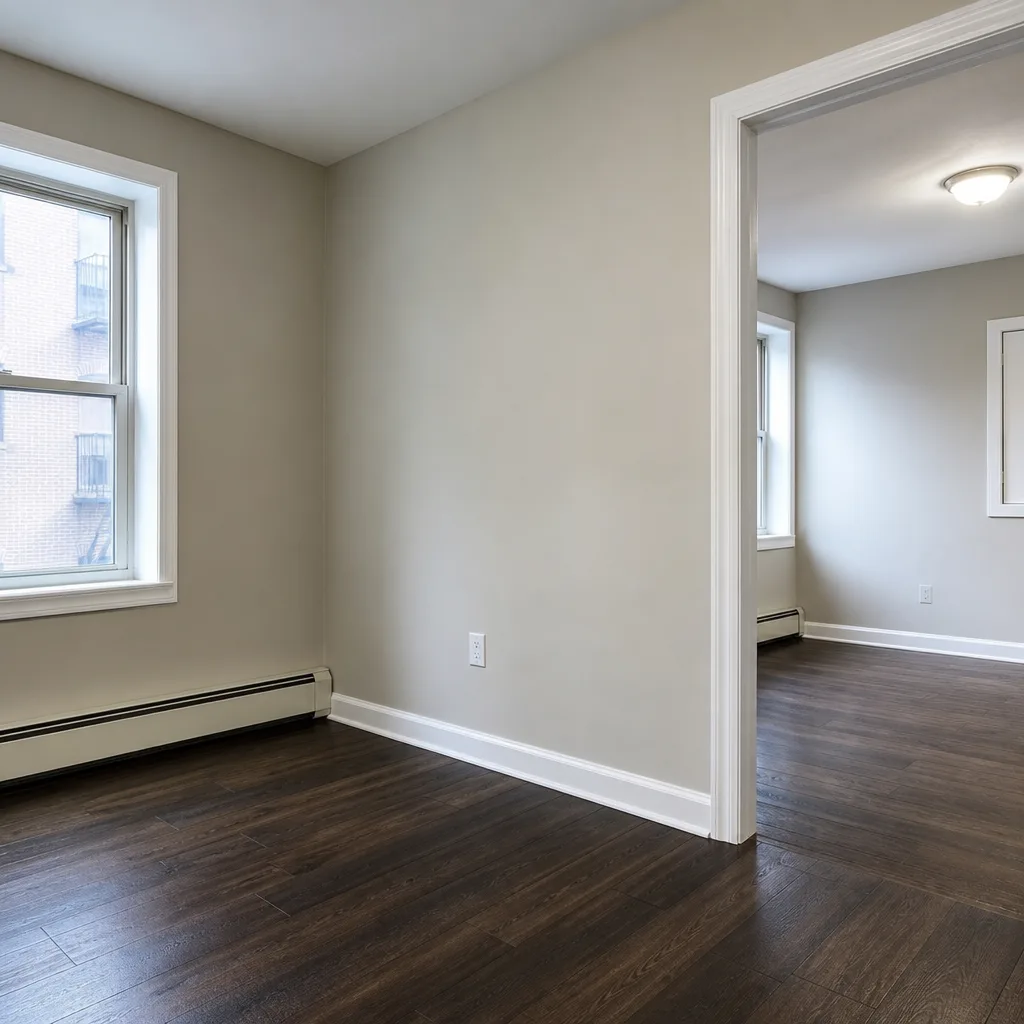 After
After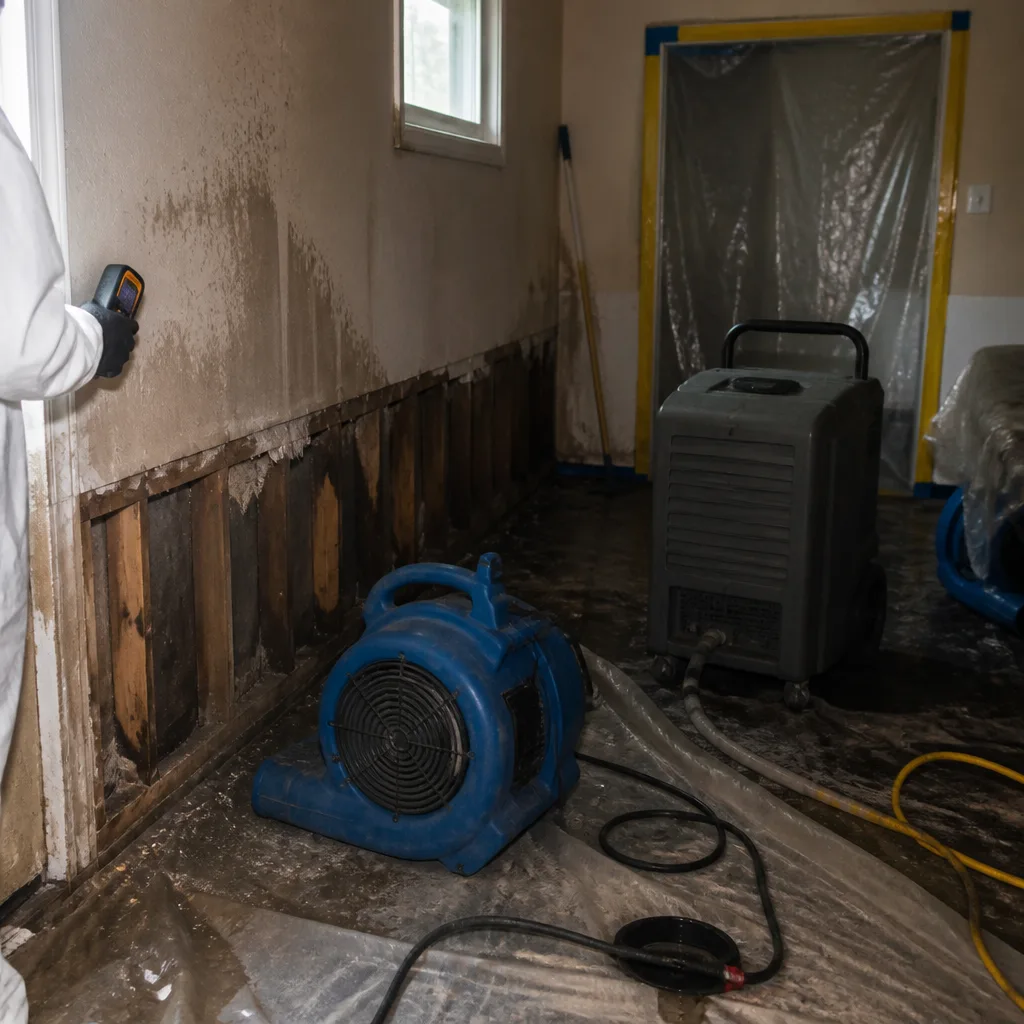 Before
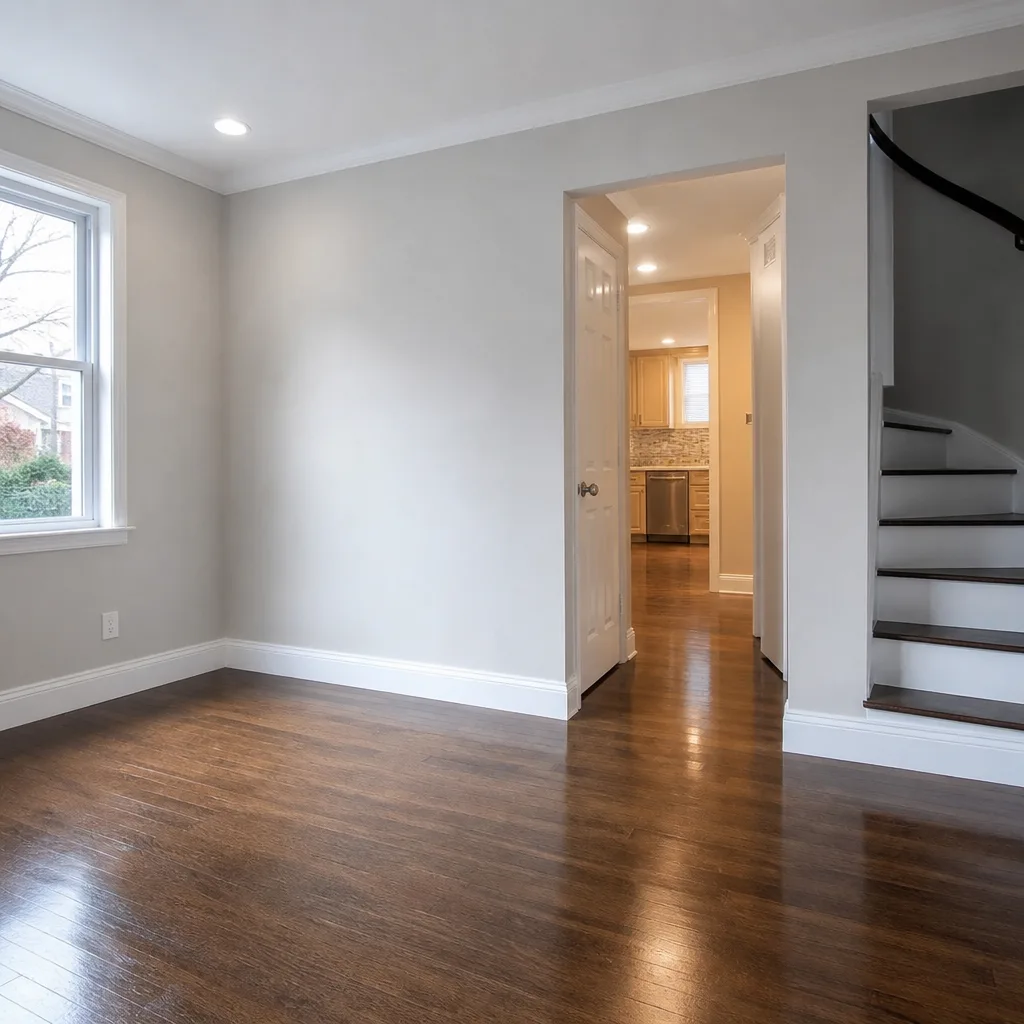 After
After24/7 Emergency Commercial Restoration in Forest Hills
Commercial water, fire, or mold damage in Forest Hills rarely happens during business hours. A supply line fails over a long weekend, a nor'easter pushes water behind a parapet on Queens Boulevard, or a cast iron drain stack lets go above a retail space on Austin Street. That is why our crews answer the phone at 2 a.m. with a real dispatcher, not a recording, and why we commit to a 45-minute response anywhere in the 11375 zip code. Call (518) 872-6111 and a uniformed, background-checked technician will be on site the same visit to start extraction or containment. The first hour matters: water migrating behind original horsehair plaster or through shared co-op risers does more damage than most property owners realize until the ceiling is opened.
Understanding Commercial Restoration Severity in Forest Hills Properties
Commercial restoration in Forest Hills is different from a single-family job because the damage rarely stays in one unit. Water is classified by contamination level: Category 1 is clean supply water, Category 2 carries visible contamination, and Category 3 (sewage or rising exterior water) is grossly unsanitary. Fire damage also has degrees: soot residue from a protein fire etches metal and glass within hours, while synthetic soot from burned retail inventory requires HEPA air scrubbing and controlled demolition. Mold in pre-war buildings spreads inside concealed cavities, which is why restoration to the IICRC S520 standard includes containment barriers and negative air pressure. Here in Forest Hills, two building realities drive severity: original 1920s plaster retains moisture much longer than modern drywall, and six-to-eight-story co-ops along Queens Boulevard share cast iron plumbing risers, so one failed drain line can put Category 2 or 3 water into multiple storefronts. We moisture-map every affected area and log daily drying readings until the dry standard is met, because guessing never works in a 90-year-old building.
Why Forest Hills Property Owners Choose Floodline Restoration Co.
- 45-minute response commitment: We dispatch from our New York City office directly into Forest Hills, so crews reach Queens Boulevard, Austin Street, and the Gardens faster than companies coming from outside Queens.
- A live person answers at 2 a.m.: Not an answering service. Not a callback queue. A dispatcher who knows our Forest Hills crews and can confirm a truck is rolling while you are still on the line.
- IICRC-certified technicians: Our crews carry WRT (Water Restoration Technician), FSRT (Fire & Smoke Restoration Technician), and AMRT (Applied Microbial Remediation Technician) certifications, trained to RIA and IFA standards.
- Free visual inspection: We walk the site, document what we see, and hand you a written scope before you approve a dollar of work.
- Direct insurance billing: We talk to your adjuster, submit the photos and drying logs, and bill the carrier directly. You are not the go-between.
- One team from extraction to reconstruction: The same crew that reads the moisture map on day one handles daily readings, opens walls, and rebuilds what needs rebuilding. No handoff to a subcontractor who was never in the room.
Our Commercial Restoration Process
Inspection & Assessment
We arrive, walk the entire affected area, and map moisture with thermal imaging and hygrometers. In a pre-war Forest Hills co-op, that means checking not just your unit but the riser run above and the storefronts on either side. You get a written scope and a real dollar figure before we touch anything.
Extraction & Stabilization
Standing water comes out first. We use truck-mounted extractors for large commercial losses and portable Extraction units for upper-floor retail where access is tight. Where a co-op board or the Forest Hills Gardens Corporation has not yet issued written authorization, we stage containment and pull standing water while approvals finalize, because that is the fastest way to stop the damage without violating any rules.
Drying & Dehumidification
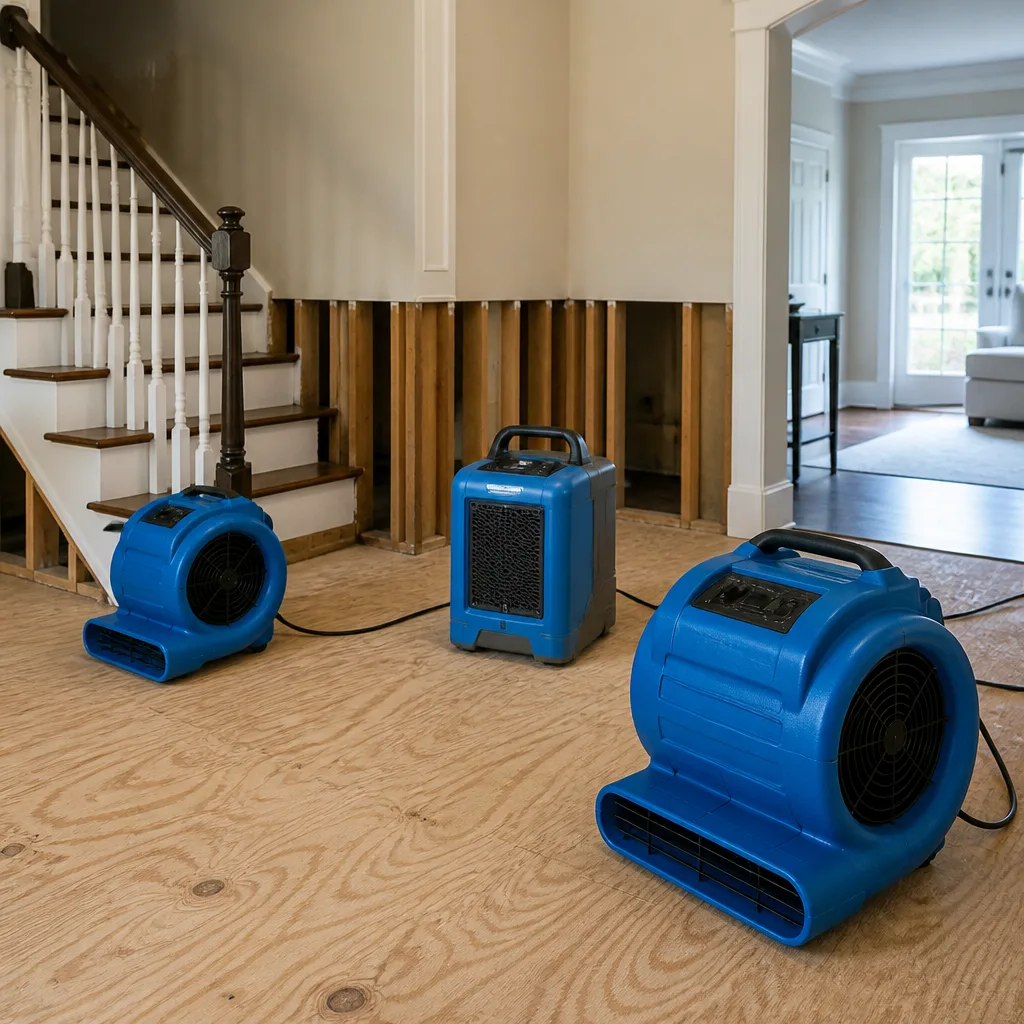
Dri-Eaz dehumidifiers and XPOWER air movers go on day one, placed per manufacturer layout. Daily moisture readings are logged and shared with you and your carrier. On Queens Boulevard co-op jobs, we coordinate equipment placement with building management so stairwells and curb lines stay clear.
Cleaning & Sanitization
Commercial properties need more than drying. We sanitize affected surfaces, run HEPA air scrubbers where soot or mold spores are present, and treat salvageable inventory, fixtures, and furnishings. For Category 3 events, we remove and dispose of non-salvageable porous material per IICRC protocols.
Document & Inventory Recovery
Paper files, framed prints, and retail inventory often survive a water event if addressed within hours. We pack out, dry, and document salvageable items, and provide the photo record your insurer needs to settle the claim on the business interruption side.
Repairs & Restoration
The same certified crew that dried the space rebuilds it: plaster repair, repointing of spalled masonry, replacement of rotted window sills, and refinishing to pre-loss condition. In Forest Hills Gardens, every exterior element is matched to the architectural review standards of the Gardens Corporation so your property does not end up with a violation.
Need Emergency Commercial Restoration in Forest Hills Now?
Crews minutes away, answering live 24 hours a day. The sooner we start, the less it costs.
Working With Your Insurance Company
Commercial restoration claims fail for one reason more than any other: poor documentation in the first 72 hours. Our team photographs every affected room before demolition, logs daily moisture readings, and produces a line-item scope that matches standard insurance estimating formats. We communicate directly with your adjuster, send photos and drying logs as they are generated, and flag any hidden damage we find behind plaster so the carrier sees it on day two, not day thirty. That is how a claim gets paid on actual damage rather than on someone's optimistic first look.
What We Provide Your Insurer
- Thorough documentation of the loss
- Photos of all damage, room by room
- Moisture readings and drying logs
- A detailed, line-item scope of work
- Direct coordination with your carrier
Built for Forest Hills's Loss Calendar
Forest Hills commercial properties do not flood the way low-lying Rego Park basements do. Our slightly elevated topography reduces groundwater and sewer backflow events. Instead, the dominant calls through the year are tied to the weather above and the building systems beneath. January deep freezes burst uninsulated supply lines in pre-war brick retail spaces along Queens Boulevard. Spring thaw and heavy nor'easters push water behind failed flashings on aging parapets and limestone lintels, where freeze-thaw cycles have been spalling mortar for decades. Summer thunderstorms dump enough rainfall in an hour to overwhelm old roof drains and downspouts, sending water down interior wall cavities. And all year long, cast iron drain stacks installed in the 1920s and 1930s finally give out, cascading Category 2 or 3 water through multiple floors. We schedule our Forest Hills crews around this calendar because we know what fails here and when.
Commercial Restoration Across Forest Hills's Neighborhoods
Forest Hills is not one building type. It is two distinct restoration environments, and the difference changes our response plan. Along Queens Boulevard and around Austin Street, the commercial corridors are dominated by six-to-eight-story pre-war brick elevator co-ops. Restoration here is a shared-building exercise: you need co-op board authorization before structural drying begins, and a single failed riser can put water into multiple storefronts. Up Metropolitan Avenue toward Middle Village, we see smaller attached retail buildings with older roof systems and shared party walls, where a fire or water event in one bay quickly compromises the neighboring tenant. Inside Forest Hills Gardens, the private Forest Hills Gardens Corporation reviews any exterior repair even on commercial streetscapes, which means pulling permits is only step one. Around the LIRR station on 71st Avenue, we handle document and inventory recovery for offices and small retailers that cannot afford a week of downtime. Response routes run along Queens Boulevard, Austin Street, Yellowstone Boulevard, and 108th Street, so our crews know which co-op management office to call and which community board to file with before the dehumidifiers are unloaded.
Specialized Commercial Restoration Services We Offer in Forest Hills
Multi-Unit & HOA Restoration
This is where Forest Hills breaks most restoration contractors. A pre-war co-op leak is not a single-unit job. Shared plumbing risers, original plaster ceilings, and co-op board approval requirements mean the restoration contractor has to coordinate with management, read the building's alteration agreement, and document everything in a format the board accepts. We do that as standard, because the Keystone Standard means a finished job comes with a written guarantee, not an argument.
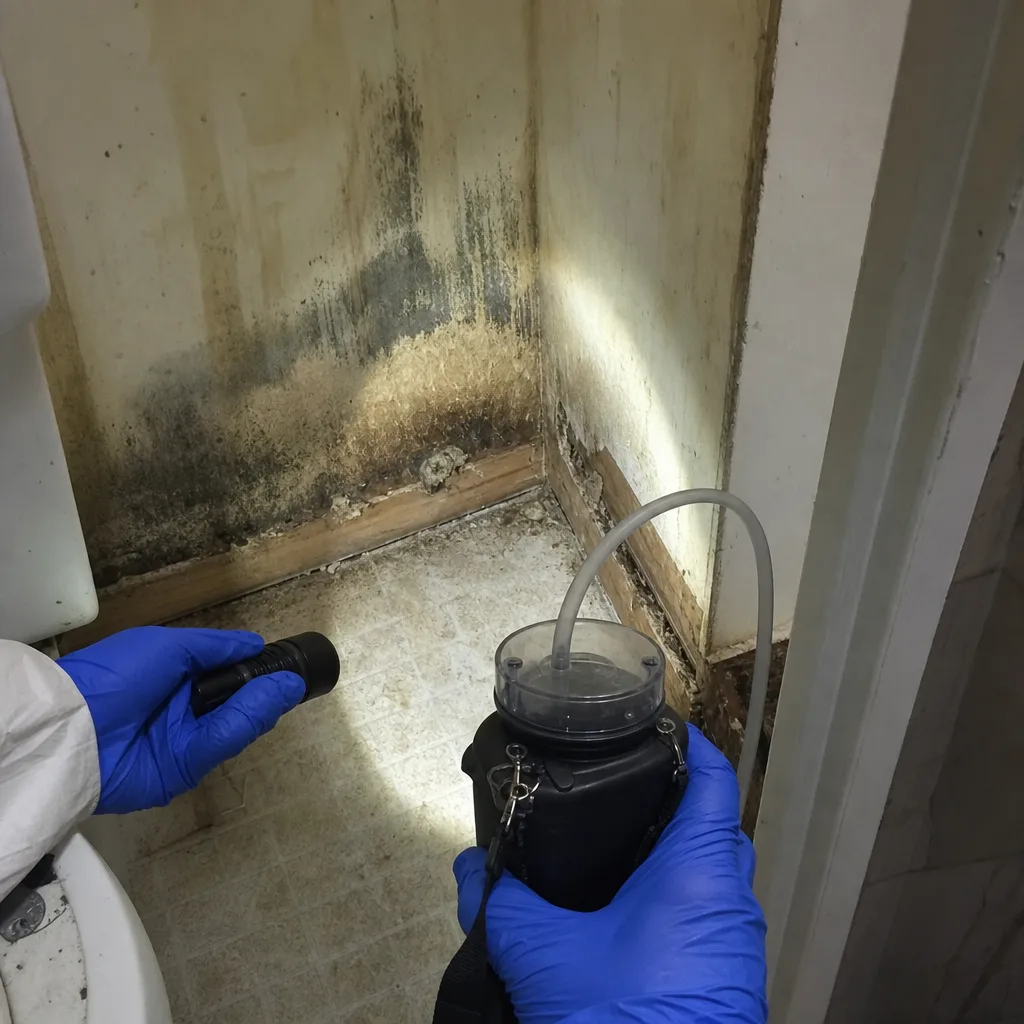
Office & Retail Restoration
Retail space on Austin Street works on rent that does not pause for a water event. Business interruption is the real cost: a closed storefront loses a week of revenue while the restoration stalls. Our crews extract same-day, set drying equipment during off hours where required, and bring in containment that keeps noise and disruption within the building's rules. The goal is a space that looks like nothing ever happened, in the shortest number of closed days.
Industrial Facility Cleanup
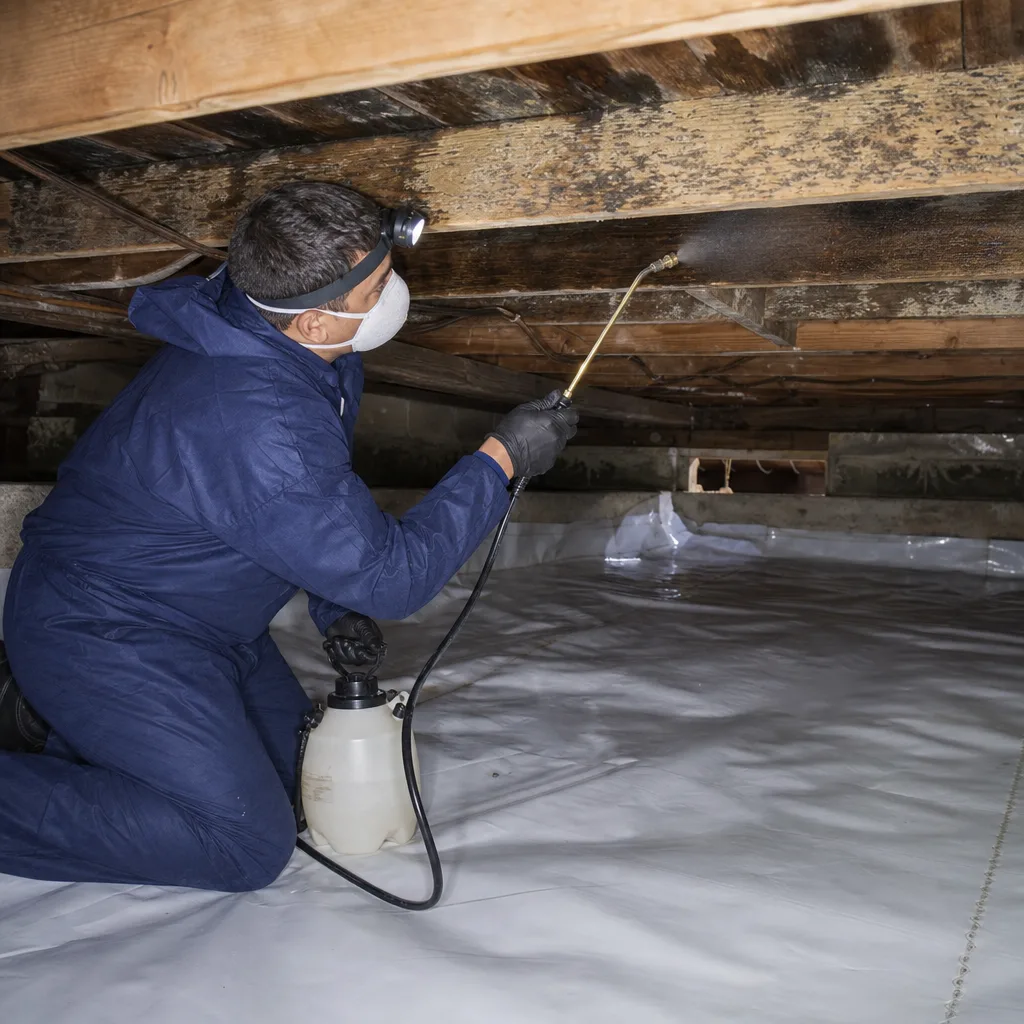
Larger mechanical rooms, loading docks, and warehouse-adjacent spaces in the 11375 zip code have different drying dynamics: high ceilings, concrete floors, and equipment that cannot be relocated. We scale up with multiple Dri-Eaz dehumidifiers and floor mat systems from Injectidry for concrete slab drying, and we run daily psychrometric readings until the concrete reaches dry standard, not until it feels dry.
Large-Loss Response
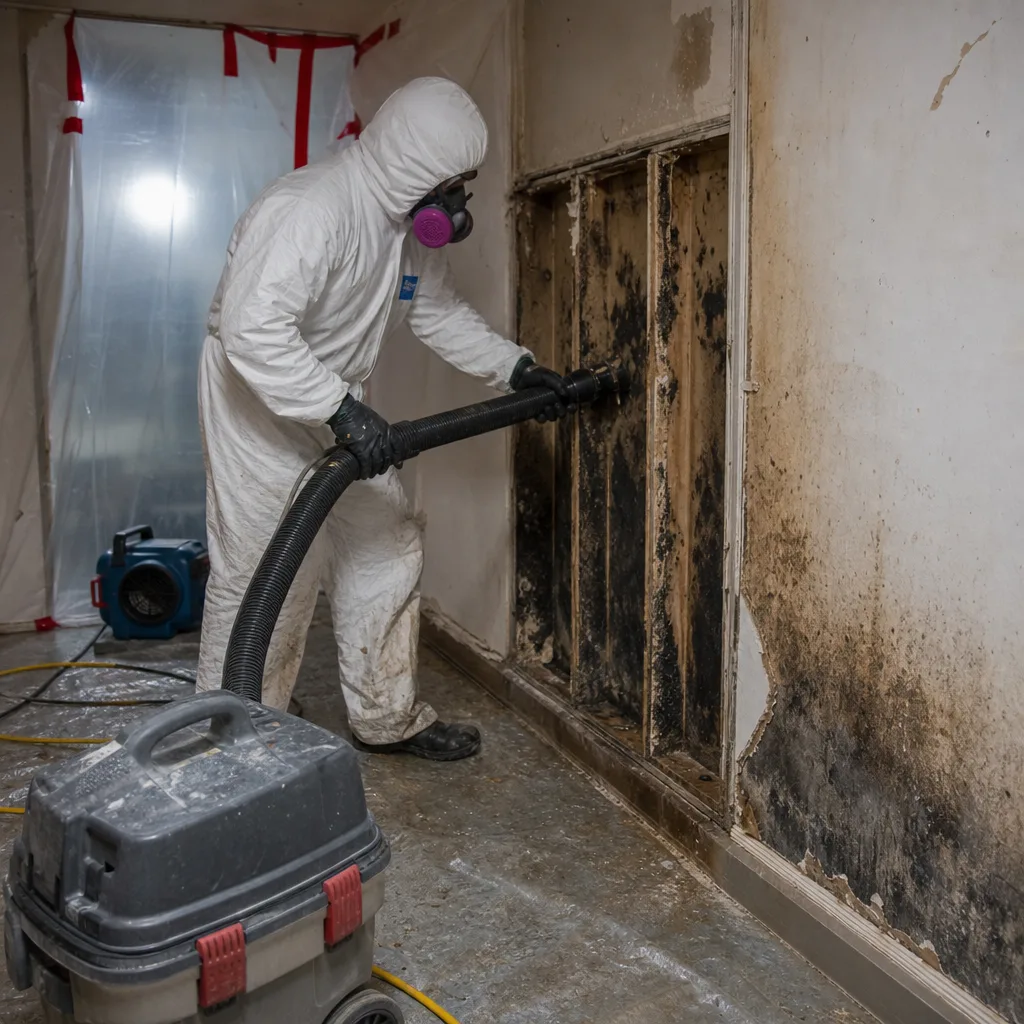
When a entire floor of a pre-war co-op building takes water or a fire works through multiple storefronts, the first 24 hours decide how much gets saved. We mobilize a larger crew with multiple extraction units, set up staged containment, and start demolition only where authorized and necessary. Direct adjuster communication from hour one keeps the claim moving while the mitigation is still happening.
Business Interruption Minimization
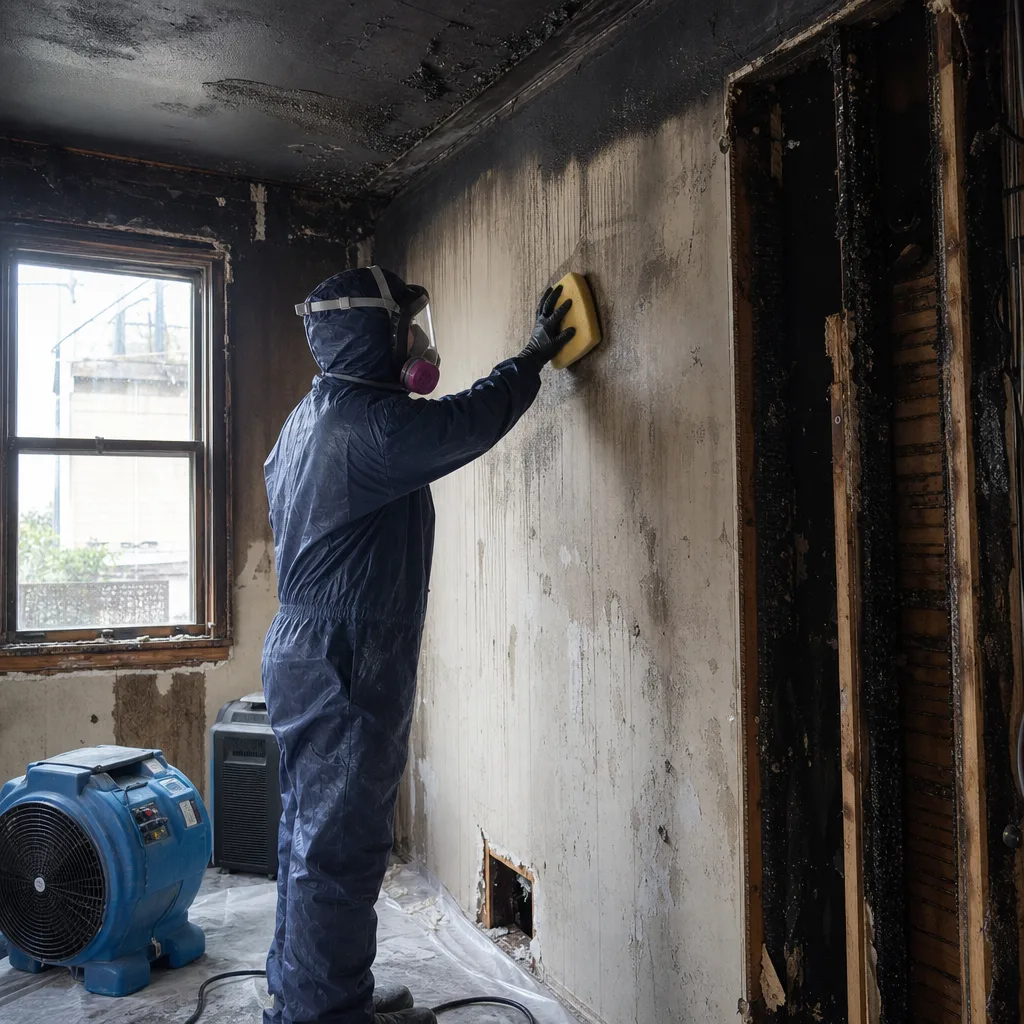
Our single-visit completion rate is not an accident. We send the same trained crew to handle extraction, drying, and rebuild, which removes the two-week gap where a homeowner waits for a second contractor to show up. For Forest Hills retailers on thin margins, that gap is the difference between a closed month and a closed week. We document loss-of-use conditions for your business interruption claim with the same photos, logs, and scope that support the damage claim.
What happens when you call
- 1
A real person answersNo phone trees - you reach a local pro.
- 2
You get an upfront price rangeHonest numbers before anyone is dispatched.
- 3
A background-checked tech heads outLicensed & insured, dispatched right away.
- 4
You approve before work beginsNothing starts until you say go.
Commercial Restoration Costs in Forest Hills, NY
Commercial restoration pricing in Forest Hills runs higher than the citywide average for one reason: older buildings with institutional approvals cost more to access and more to restore. A small single-storefront water event with extraction and three to five days of drying typically runs $2,500 to $6,500. A Category 3 sewage event in a pre-war co-op retail space, with containment, removal, sanitization, and rebuild, runs $9,000 to $25,000 depending on how many units are affected. Fire restoration on a commercial bay runs $12,000 to $40,000. What moves the price: ceiling height, access for equipment, presence of asbestos-containing plaster (common in 1920s buildings), required architectural review, and extent of rebuild. We recommend the free visual inspection: once we see the space and take moisture readings, you get a written, line-item scope with a firm price before work begins. No surprises on the bill, per the Floodline standard.
We Also Serve Cities Near Forest Hills
Our Forest Hills crews also respond to commercial losses in Corona, Middle Village, Elmhurst, and Richmond Hill. If your property is within 15 minutes of Queens Boulevard, call (518) 872-6111 and a dispatcher will confirm live whether we can reach your street in under 45 minutes.
Serving Forest Hills, NY - Our Local Coverage Area
We’re based in the Forest Hills area and know this community well. Use the map below to see our service coverage - if you’re nearby, we can almost certainly help.
Forest Hills Commercial Restoration Questions, Answered
Does a water damage restoration in a Forest Hills Gardens commercial property really need Forest Hills Gardens Corporation approval, or is that only for new construction?
Yes, the Forest Hills Gardens Corporation reviews any exterior or structural repair, including restoration work, on properties within the Gardens. This includes repointing, window sill replacement, stucco repair, and any modification to a facade. Interior-only work like drying and plaster repair typically does not require Gardens Corporation review, but any step that touches the exterior does. We handle the submission for you and time the work so interior drying continues while the exterior approval is pending.
How do you handle a restaurant on Austin Street where a Category 3 water line leaked overnight and the co-op board won't meet for days?
We stage containment, pump standing water, and begin Category 3 removal on the interior under emergency protocols, because IICRC standard practice allows immediate mitigation to stop ongoing damage. Structural modifications that require board authorization wait until the board issues written sign-off. The restaurant's interior is drying and sanitizing while the approval process runs, not sitting wet. Call (518) 872-6111 and we will walk you through what we can start immediately and what waits on the board.
In a pre-war Forest Hills co-op, how do you know if water from one storefront has spread to the units above or next door?
We do not assume. We use thermal imaging to trace moisture behind original plaster and along shared riser runs, then check the units above, below, and adjacent with the building management's permission. Cast iron drain stacks in 1920s and 1930s buildings fail locally but drain from above, so a leak on the fourth floor often started on the sixth. If water migrated, we document it and bring it into the same claim.
Can you keep a Forest Hills retail space open during structural drying if the co-op requires quiet hours or prohibits loud equipment?
In most cases, yes. We stage drying equipment in zones that allow retail to continue in the front of the space, and we schedule louder demolition or extraction during the building's posted quiet hours. Where co-op rules prohibit equipment placement in certain areas, we use low-profile Dri-Eaz units or Injectidry floor mats that run quietly under flooring. We also coordinate with the building superintendent so equipment is placed in compliance with the house rules.
What does 'pre-loss condition' mean in Forest Hills Gardens where the original Tudor stucco and horsehair plaster can't be perfectly matched?
Pre-loss condition means the same function, the same appearance from normal viewing distance, and materials that meet the Gardens Corporation's architectural standards. We do not try to age new plaster to look 100 years old; we match the surface profile, paint sheen, and stucco texture so the repair reads as original to the eye. For exterior elements, we file with the Gardens Corporation and use materials that are approved before work begins. The 90-Day Done Right Promise applies to the finished repair in writing.
How fast can a Floodline crew actually get to a Forest Hills commercial property?
Our commitment is 45 minutes from your call to a truck rolling, and for Forest Hills addresses we typically meet that. We dispatch from our New York City office directly into 11375, so we are not driving in from another borough. Call (518) 872-6111 and the dispatcher will give you a live ETA, not a recorded promise.
Will my insurance cover commercial restoration after a water or fire event in Forest Hills, and how do you handle the adjuster?
Most commercial policies cover sudden and accidental water or fire damage, including the restoration and rebuild, subject to your deductible. Business interruption coverage is separate and depends on your policy. We photograph everything before demolition, submit line-item scopes in insurance estimating format, and talk directly to your adjuster so you are not relaying messages. Direct insurance billing means we bill the carrier and you are not out of pocket for the full claim amount while the settlement is processed.
What should a Forest Hills commercial tenant or owner do in the first 30 minutes after discovering water damage?
Shut off the water source if you can. Cut power to the affected area if water has reached outlets or equipment. Move salvageable inventory, documents, or electronics out of the standing water. Photograph everything before anything is moved. Then call (518) 872-6111. The first 30 minutes determine how much of your inventory, documents, and finished surfaces can be saved. Do not wait for the co-op board to meet before calling us; we can stage equipment and start mitigation while approvals are pending without crossing any compliance lines.
Written by Curt Bowman, Owner at Floodline Restoration Co., serving Forest Hills's Commercial Restoration needs with live 24/7 dispatch and the 90-Day Done Right Promise. For more about how we serve this neighborhood, see our Commercial Restoration in Forest Hills page.