

Free visual inspection and a written scope of work before any mitigation begins - photos, moisture readings, and drying logs go in your claim file
The scope we write is the scope we bill. Anything new gets shown to you, in writing, before we touch it.
Storm responseSewage cleanup
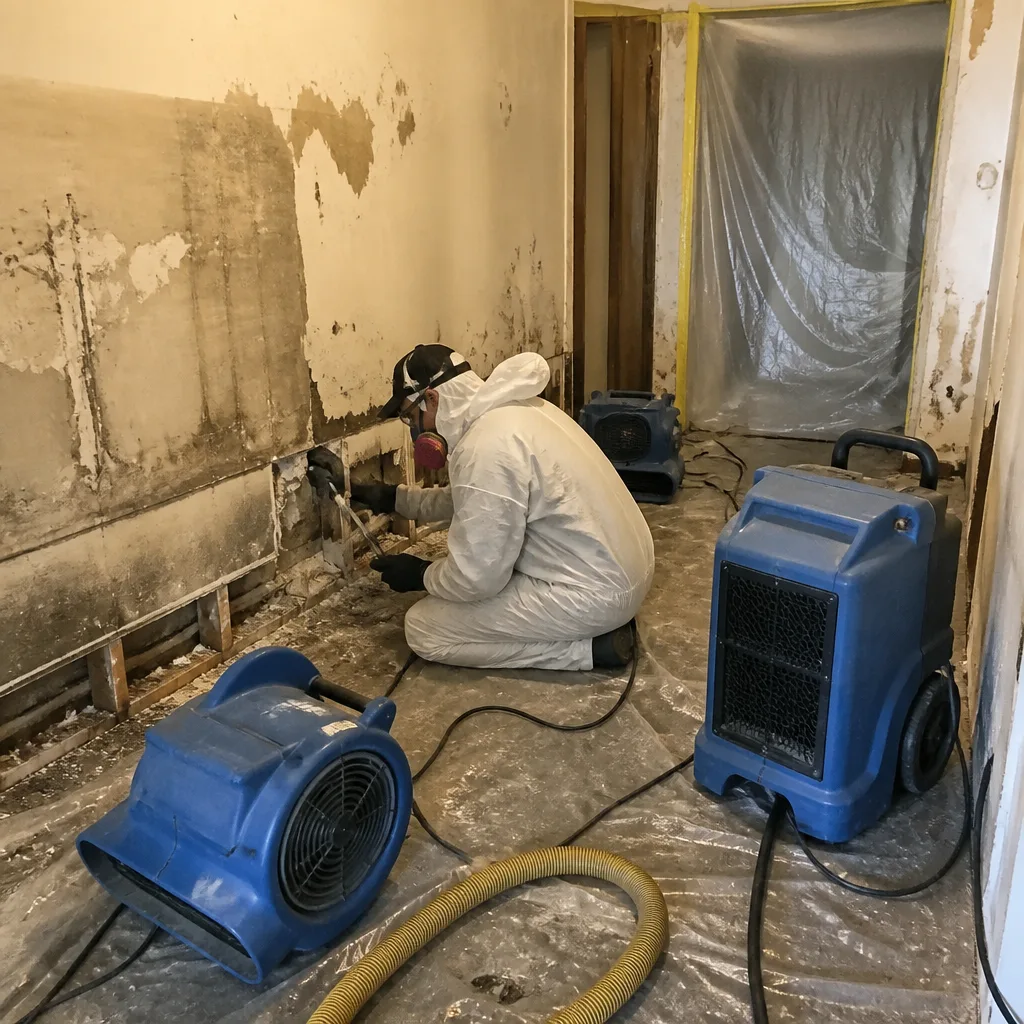 Before
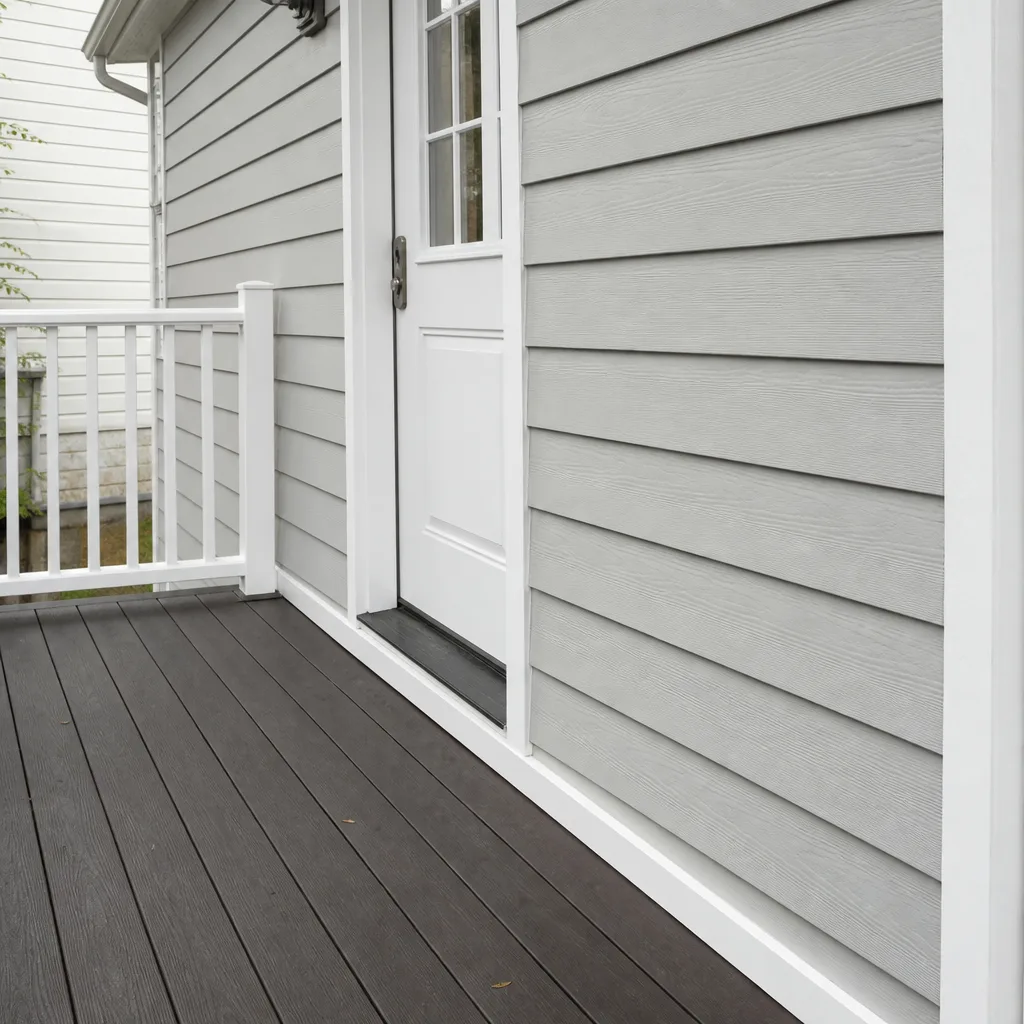 After
After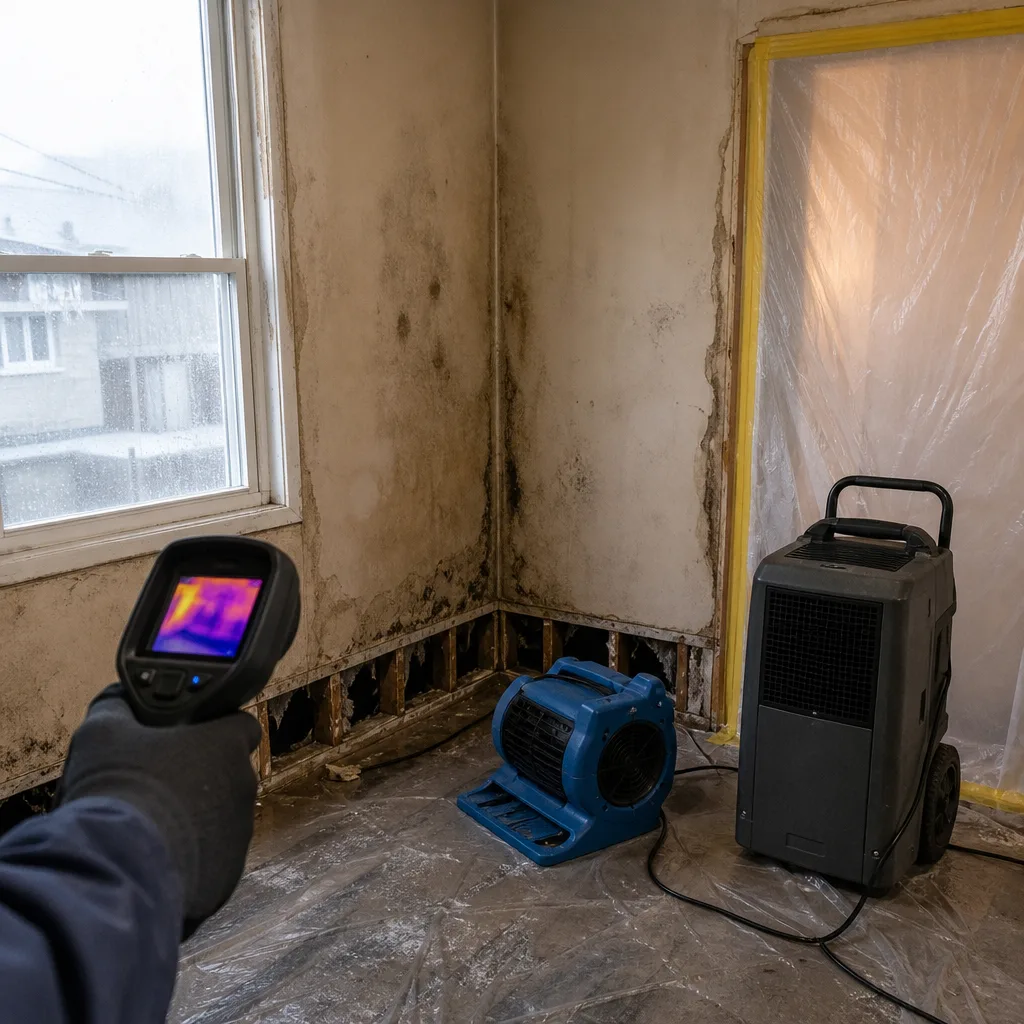 Before
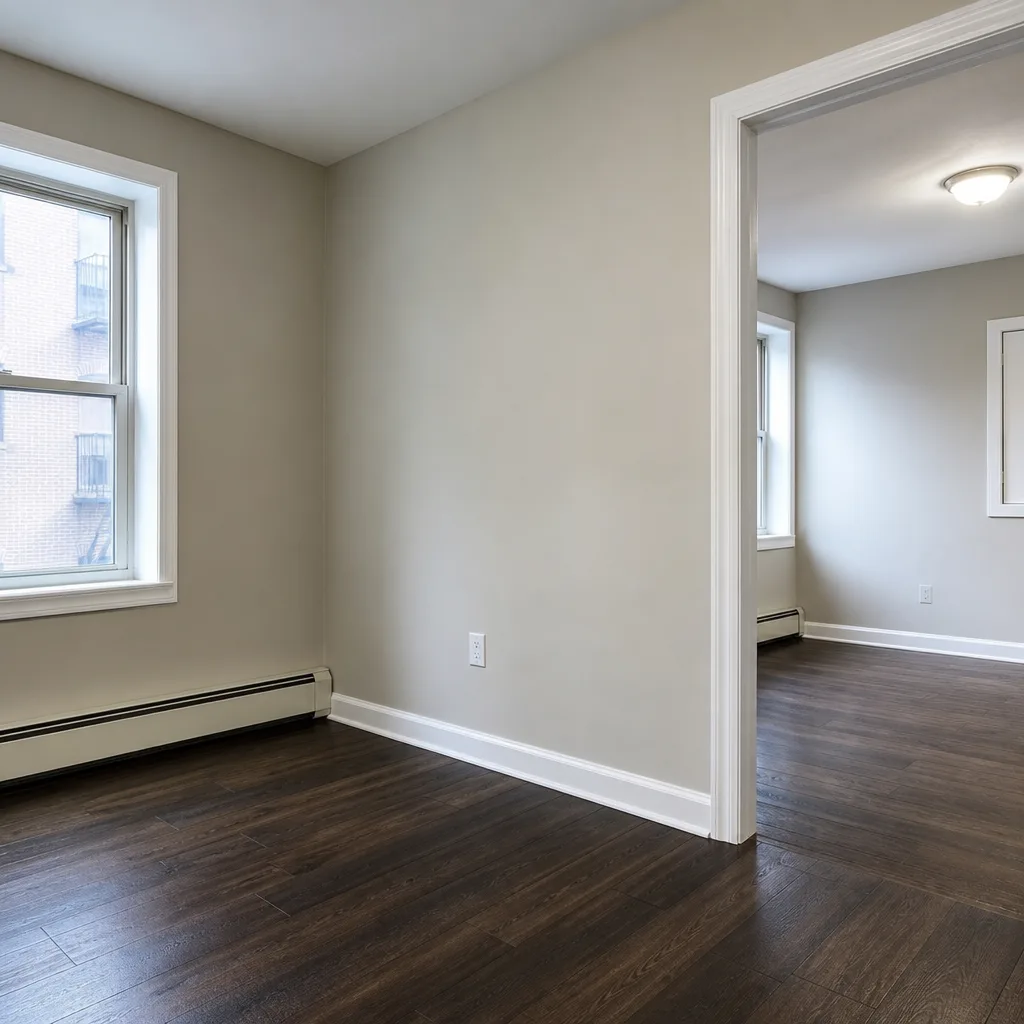 After
After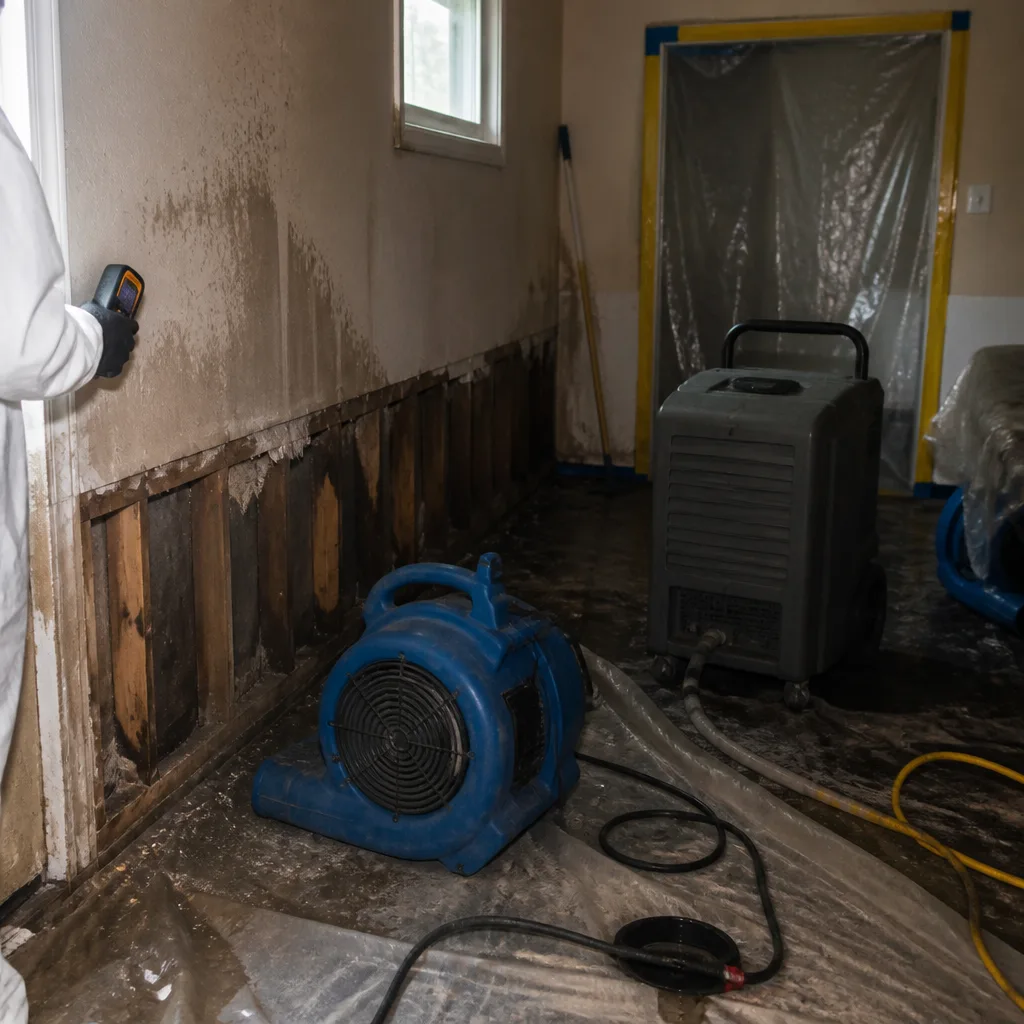 Before
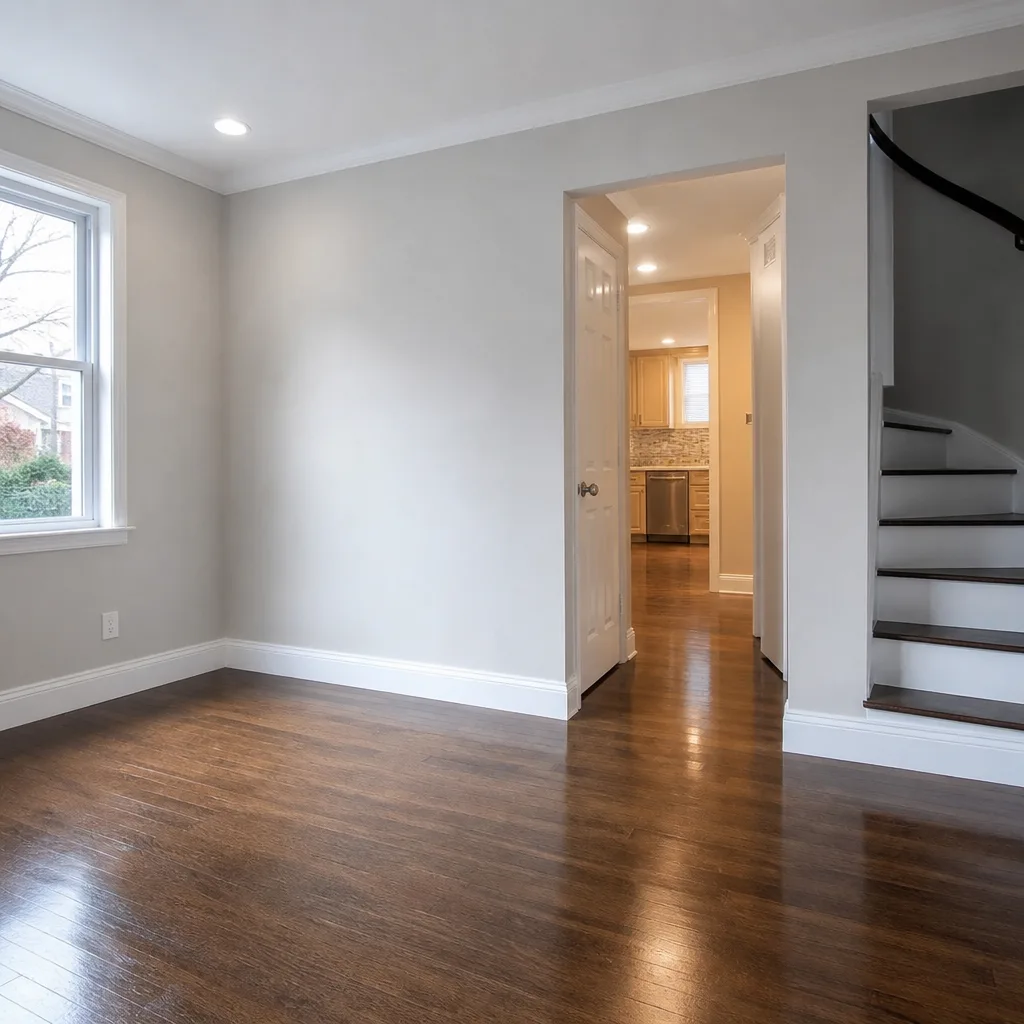 After
After24/7 Emergency Mold Remediation in Throggs Neck
Mold remediation in Throggs Neck typically runs $1,800 to $6,500 depending on how far the growth has spread, and we can have a crew at your door within 45 minutes of your call. Reach us at (518) 872-6111 any hour, any day. A live person answers, not a recording, and a uniformed, background-checked technician will walk your basement or crawl space before recommending anything.
Throggs Neck’s position between the East River and Long Island Sound means mold here rarely comes from a simple pipe break. Salt water, storm surge, and decades of re-flooding have created conditions that inland Bronx neighborhoods never see, which is why many homeowners here also rely on our Storm & Disaster Restoration in Throggs Neck. The first hour matters because mold spreads through wall cavities fast, especially in the 1940s and 1960s Cape Cods and brick colonials that line streets like East Tremont Avenue and Pennyfield Avenue. Call now and we’ll start containment before the spores move into your living space.
Understanding Mold Remediation Severity in Throggs Neck Properties
Not all mold jobs are the same size. We classify what we find in three broad levels, and Throggs Neck’s housing stock tends to produce the more serious end of the spectrum. A surface-level issue, under roughly 10 square feet of visible growth, is usually a cleanup with HEPA vacuuming and antimicrobial treatment. A contained area between 10 and 100 square feet requires full containment with negative air pressure, air scrubbing, and removal of affected drywall or insulation. Anything beyond that, or anything inside wall cavities, means structural drying, possible framing treatment, and clearance testing before we rebuild.
What makes Throggs Neck different is what hides behind the drywall. Homes along Schurz Avenue, East Tremont, and the side streets near Fort Schuyler were built with brick veneer over wood framing. When salt water from a nor’easter or Sandy worked its way in, it left chloride crystals inside those cavities. Those crystals pull moisture from the air, and mold follows. A surface test may read dry while the cavity still holds enough humidity to feed a colony. That’s why we moisture-map every job before we quote it, and why we never promise a one-visit fix on a basement that’s been wet more than once.
Why Throggs Neck Property Owners Choose Floodline Restoration Co.
- 45-minute response commitment: When you call with active mold growth, we send a crew from our New York City dispatch immediately. You get a real arrival window, and we keep it.
- 24/7 live answer: A person picks up at 2 a.m. Not a phone tree. Curt Bowman built the company around a dispatch board, and that’s still how it runs.
- IICRC-certified crews: Our technicians train to IICRC, RIA, and IFA standards, including the AMRT mold remediation certification. They know salt-driven moisture, not just textbook mold.
- Free visual inspection: We’ll look before we quote. If it’s a small patch you can handle, we’ll tell you that. If it needs professional remediation, you’ll know exactly why.
- Direct insurance billing: We bill your carrier directly and send them the moisture logs, photos, and line-item scope. You don’t play messenger.
- One team from extraction to reconstruction: The same crew that contains the mold is the crew that rebuilds the wall. No mid-job handoff, no inherited subcontractor.
Our Mold Remediation Process
Inspection & Assessment
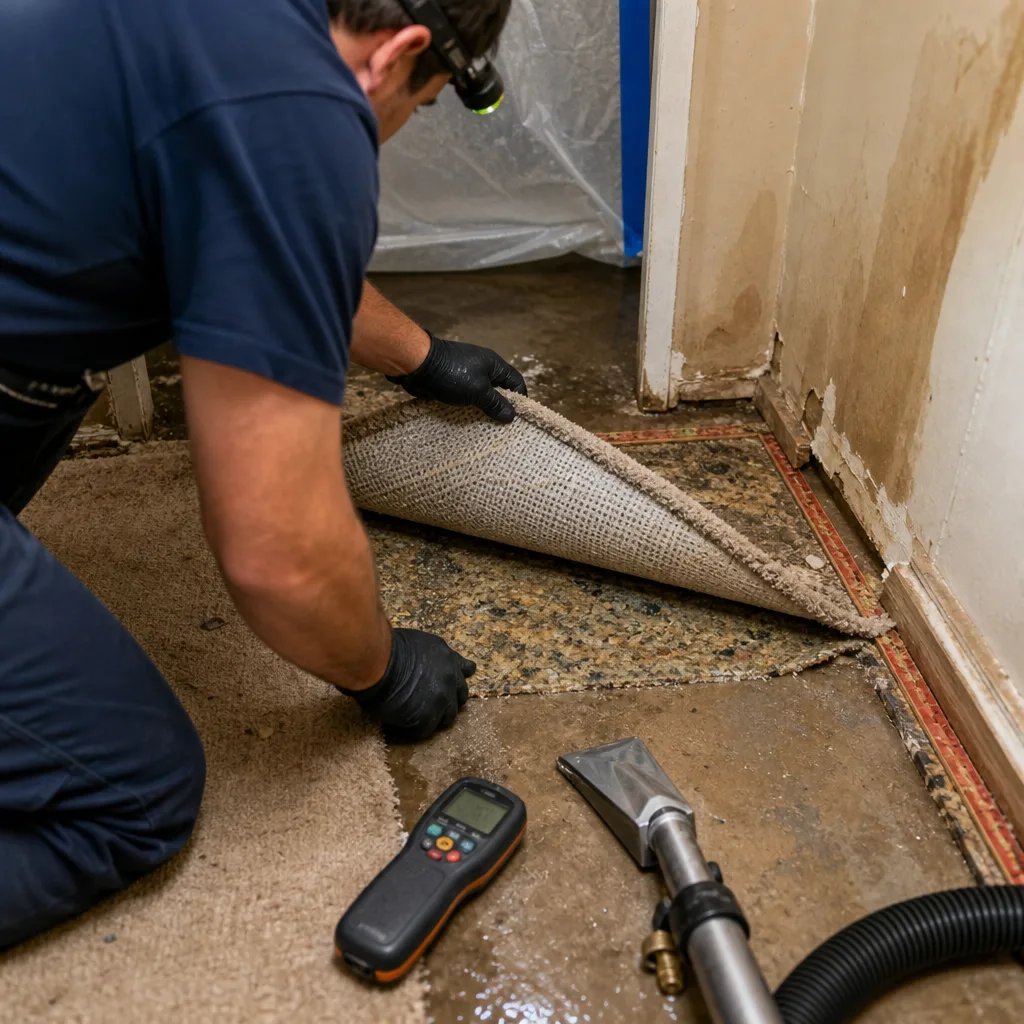
We start with a visual walkthrough and moisture mapping using thermal imaging and hygrometers. On Throggs Neck basements, we pay special attention to the base of brick veneer walls where salt wicking hides moisture that surface meters miss.
Containment & Air Control
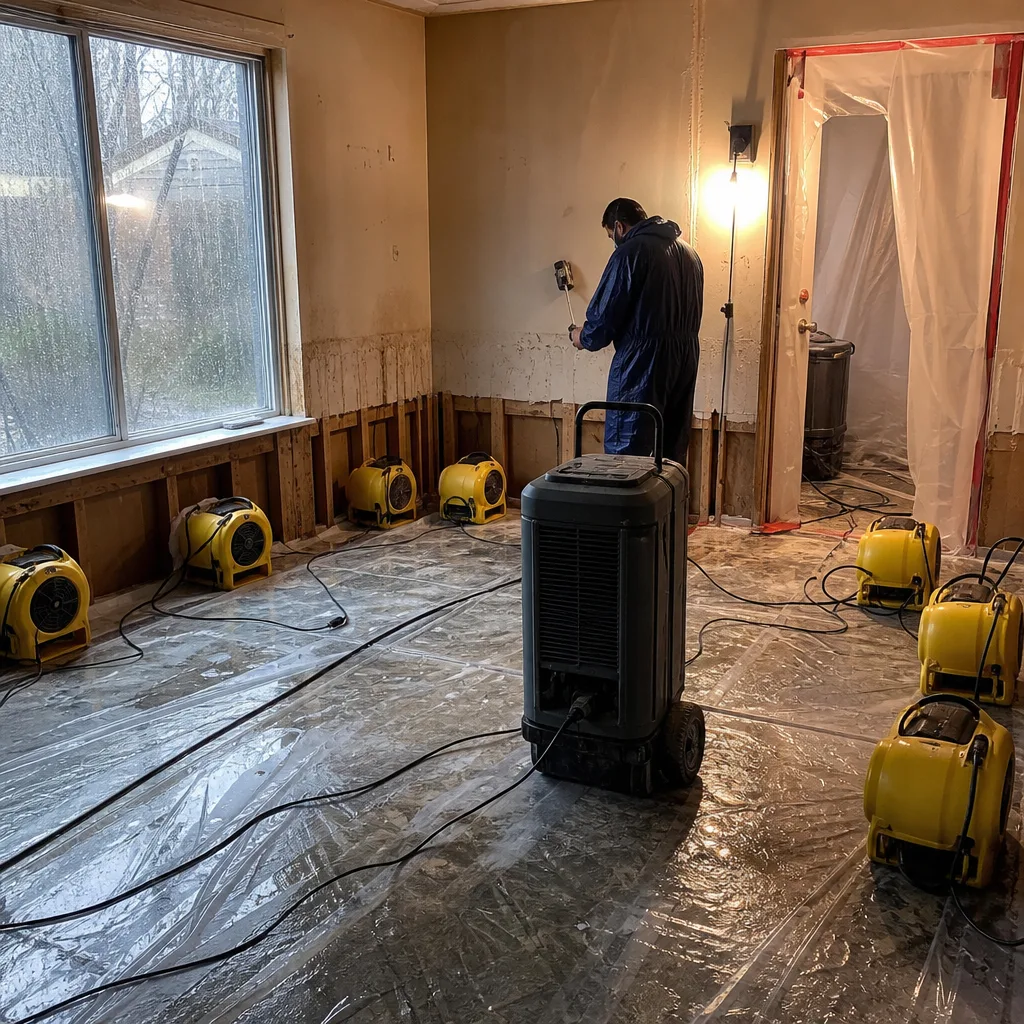
Before we disturb anything, we seal the affected area with 6-mil poly and run HEPA air scrubbers under negative pressure. This stops spores from moving into the rest of the house while we work.
Removal & Source Elimination
We remove affected drywall, insulation, and any porous material that can’t be cleaned. In Throggs Neck, that often means opening walls that were patched after Sandy and finding what was left behind.
Cleaning & Antimicrobial Treatment
All remaining surfaces get HEPA vacuuming, scrubbing, and an EPA-registered antimicrobial treatment. Exposed framing gets treated, and we check for corrosion on any steel lintels or electrical boxes that salt water may have reached.
Drying & Salt-Neutralization
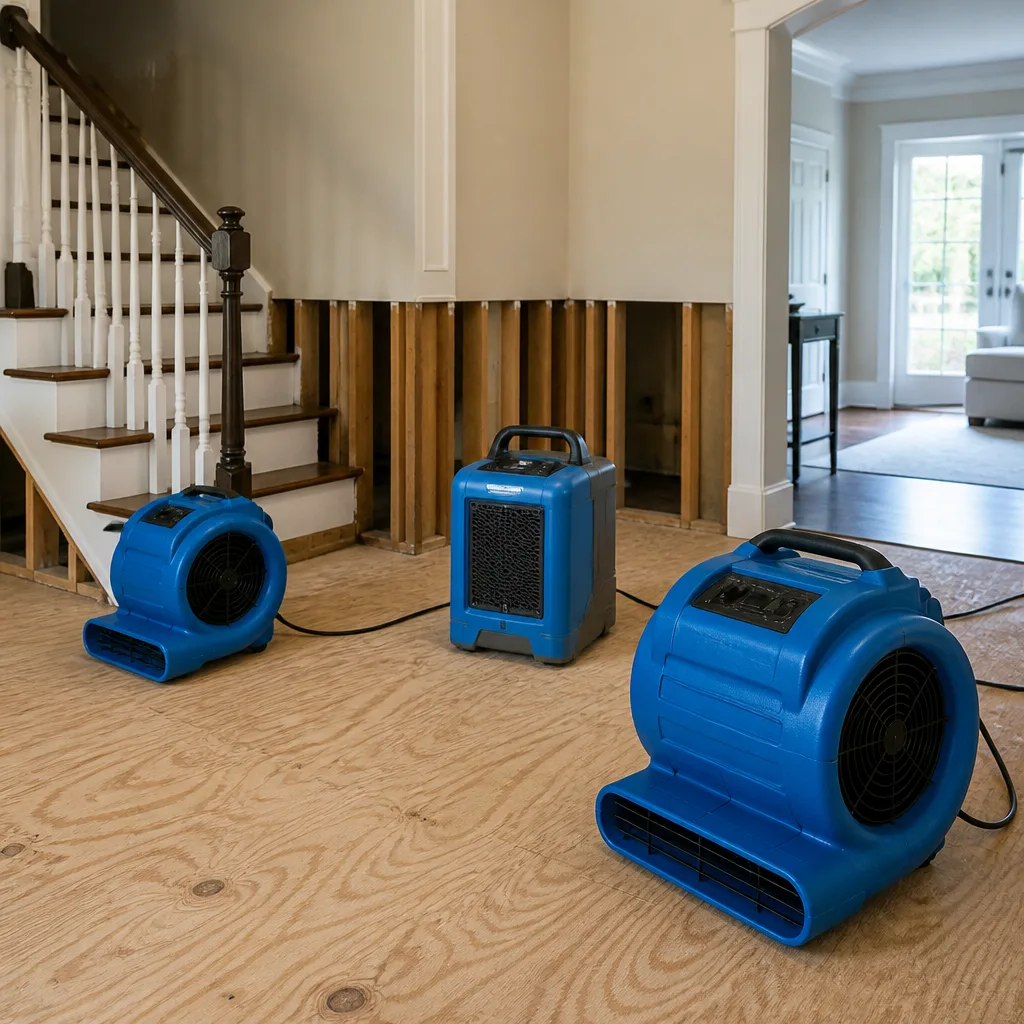
This is the step most inland crews skip. We run Dri-Eaz air movers and dehumidifiers until moisture content in wood framing reads below 16%, but we also test for and treat residual chlorides. Without that, the wall wicks moisture again and mold returns within months.
Repairs & Restoration
We rebuild what we removed: drywall, insulation, trim, paint. We’ll also flag any code upgrades your older home needs while walls are open, which is often in Throggs Neck’s 1950s and 1960s houses with original electrical panels and cast-iron drain lines.
Need Emergency Mold Remediation in Throggs Neck Now?
Crews minutes away, answering live 24 hours a day. The sooner we start, the less it costs.
Working With Your Insurance Company
Mold coverage depends on how your policy is written and what caused the moisture. A sudden pipe break that leads to mold is usually covered. Long-term seepage or a slow leak may not be. What matters is that we document everything from the first hour, because a well-documented claim gets paid faster and more fully. Our team photographs every affected area before and after removal, logs daily moisture readings, and writes a line-item scope that your adjuster can verify.
We handle the adjuster calls. You stay out of the middle.
What We Provide Your Insurer
- Thorough documentation of the loss, including cause and origin notes
- Photos of all damage, room by room, before and after work
- Moisture readings and daily drying logs from start to clearance
- A detailed, line-item scope of work with material and labor breakdowns
- Direct coordination with your carrier, including adjuster calls and email correspondence
Built for Throggs Neck’s Loss Calendar
Mold in Throggs Neck follows a calendar you can set your watch by. January and February bring the deep freezes that crack supply lines in exterior walls, and those leaks run inside finished basements where nobody sees them until the musty smell gets strong. March and April are thaw season, when the water table under this peninsula rises and basements that never flooded start seeping through floor cracks. June through September brings summer thunderstorms and the occasional tropical system, and salt-water surge pushes through street-level vents and foundation seams along East Tremont and the lower blocks near the water, sometimes requiring Sewage Cleanup in Throggs Neck when drains back up. October and November are nor’easter months, when wind-driven rain and surge hit the east-facing blocks hard. Every one of these events leaves behind the same gift if the area stays wet more than 48 hours: mold. We built our dispatch around this calendar, and we staff crews accordingly. When a storm hits, we’re already loaded and moving toward Throggs Neck before the water recedes.
Mold Remediation Across Throggs Neck’s Neighborhoods
The housing stock changes block by block here, and so does the mold pattern. Up on the higher ground near the Throggs Neck Bridge approach and around Fort Schuyler, you’ll find brick colonials from the 1950s and 1960s, many with semi-finished basements that get damp from condensation as much as from flooding. Those basements grow surface mold on drywall and ceiling tiles. Down toward East Tremont and the side streets running to the water, the houses sit lower and the water table is closer. Those basements see actual flood events, and the mold there grows inside wall cavities where salt has been sitting for over a decade.
Along Pennyfield Avenue and the blocks just east of it, we see a lot of Cape Cods with crawl spaces rather than basements. Crawl space mold there is a year-round problem because the ground stays damp and the vents pull in salt air. The homes near the Whitestone Bridge side, around the northern curve of the peninsula, get pounded by nor’easter surge, and we’ve found mold in second-floor wall cavities in some of those houses because wind-driven rain got behind the siding and never dried. No two blocks are the same, which is why a ten-minute phone call with us tells us more than three hours of online research ever will.
Specialized Mold Remediation Services We Offer in Throggs Neck
We’re a full Mold Remediation company, but these are the services that matter most on this peninsula.
Mold Inspection & Testing
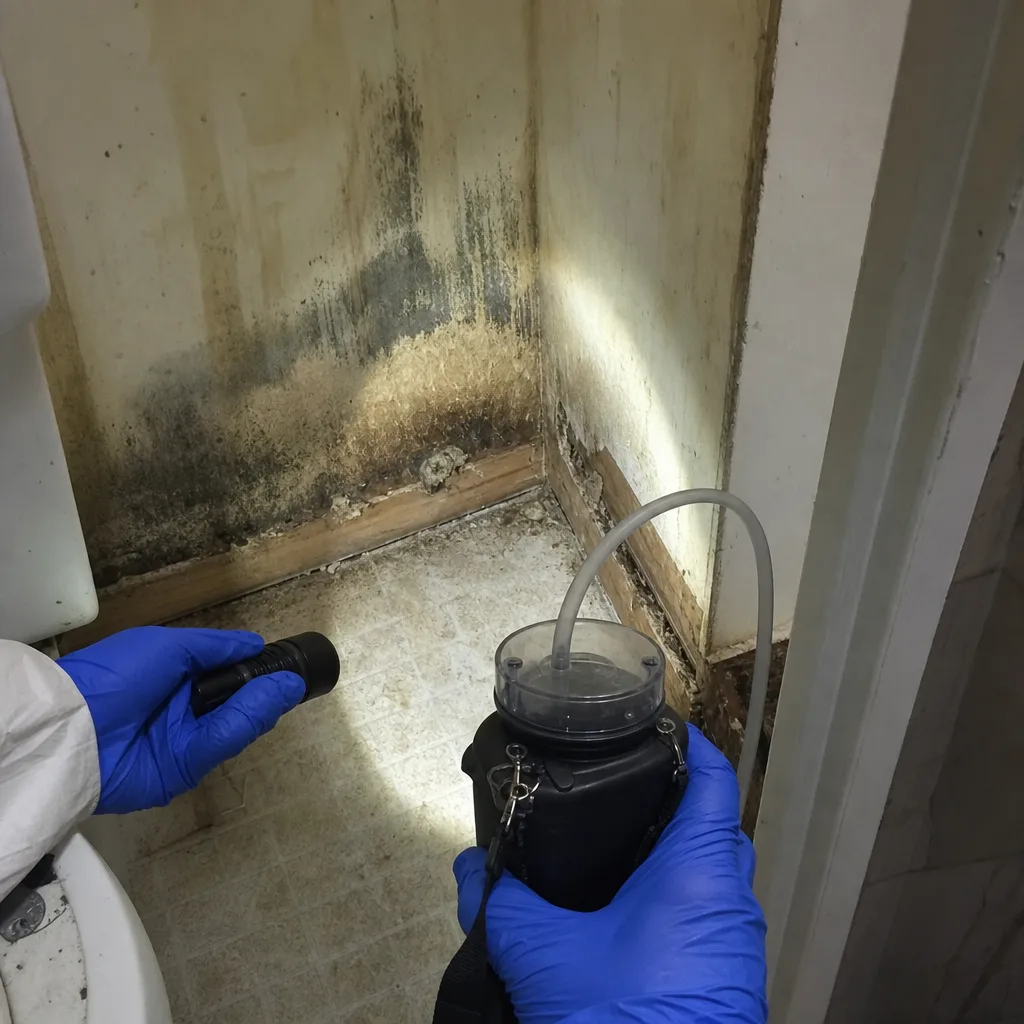
Before you spend money on remediation, you need to know what you’re dealing with. We inspect, moisture-map, and if needed, take air or surface samples that go to an independent lab. In Throggs Neck, we specifically look for salt-related moisture patterns because that changes the entire scope. A 30-minute inspection in a musty basement on Pennyfield Avenue tells us whether the problem is from a new pipe leak or a Sandy legacy that’s been festering for years.
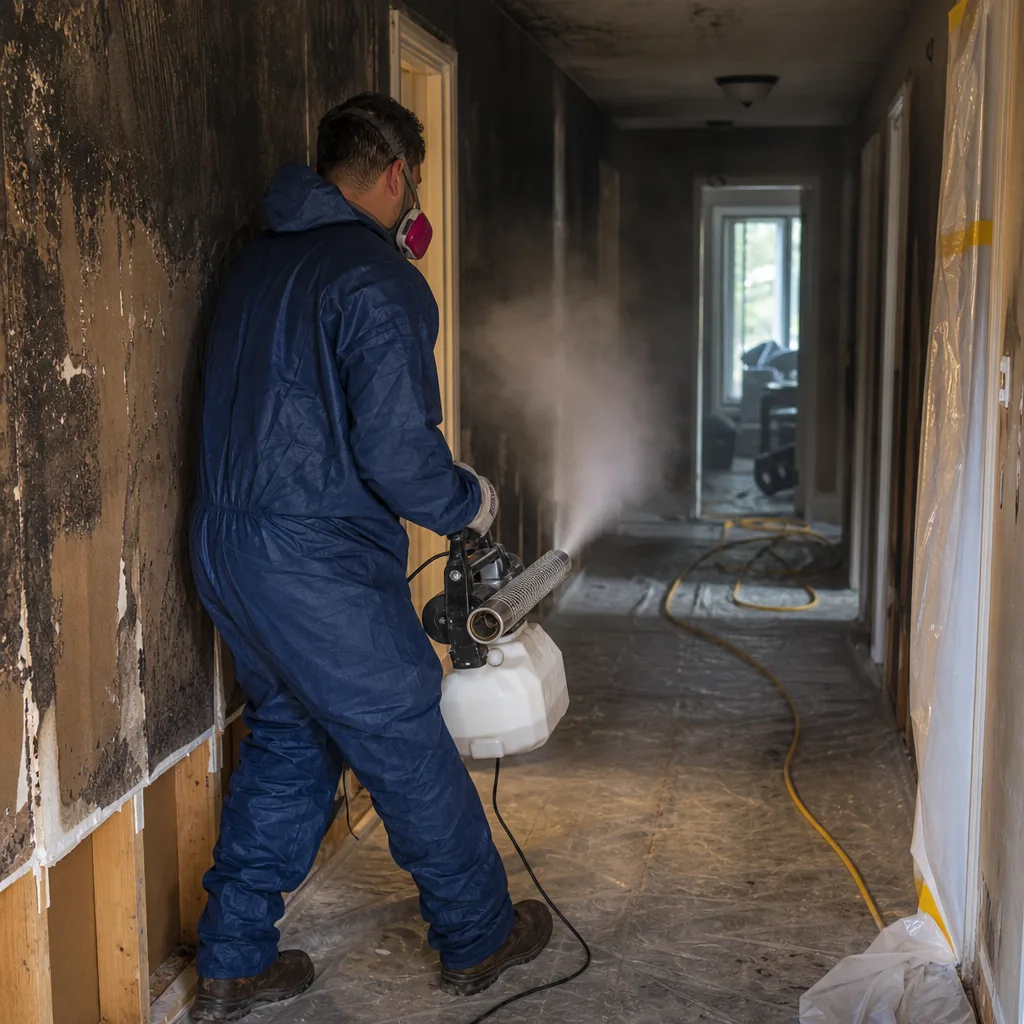
Mold Removal
Removal means taking out the material that can’t be cleaned. Drywall, insulation, carpet, ceiling tiles. It also means containing the area so spores don’t migrate. On Throggs Neck jobs, removal often extends farther than the visible mold because the moisture tracked sideways through the wall cavity along the bottom plate. We remove until we reach clean, dry material, and we verify that with moisture readings, not guesswork.
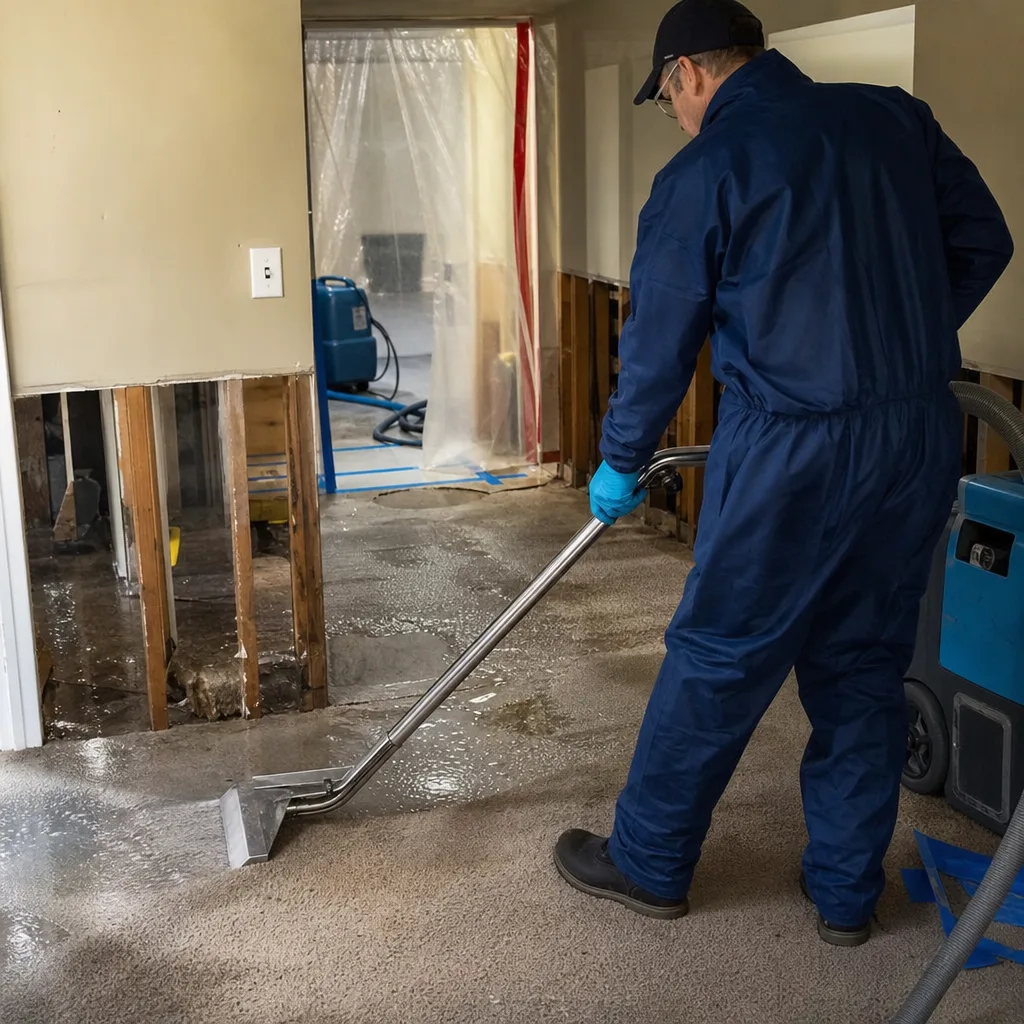
Black Mold Remediation
Stachybotrys, the black mold you hear about, likes chronically wet cellulose: drywall, paper backing on insulation, ceiling tiles. Throggs Neck basements that flooded and were patched without proper drying are prime territory. We handle it with full containment, HEPA air scrubbing, and clearance testing after the job, because you shouldn’t have to wonder if it’s actually gone.
Air Quality Restoration
After the source is removed, the air in the house still carries spores that settled during the active growth. We run HEPA air scrubbers and, where needed, fog the space with an EPA-registered antimicrobial. For Throggs Neck homes where the homeowner has breathing issues or allergies, we can run post-remediation air testing to confirm spore counts are back to normal background levels for this area.
Crawl Space Treatment
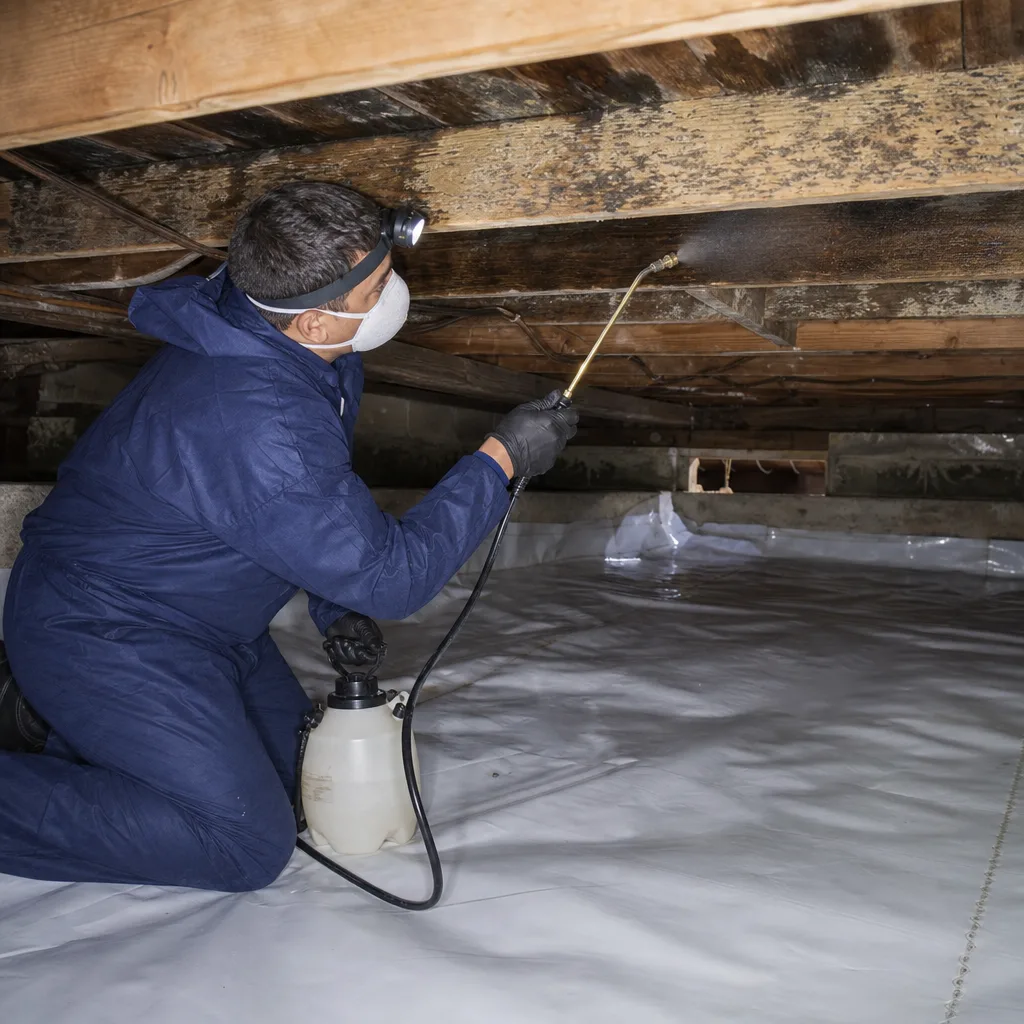
Throggs Neck has hundreds of crawl spaces under Cape Cods and split-levels. They’re damp by design, vented to the outside, and rarely visited. We remove mold from floor joists, treat the wood, and install moisture barriers where the ground is the source. The big fix is often a combination of vapor barrier and dehumidification, because in a three-sided peninsula, the crawl space will always be pulling moisture from the ground.
Moisture & Humidity Control
Mold comes back if moisture comes back. After remediation, we may recommend a perimeter French drain, a sump pump with battery backup, or a whole-basement commercial dehumidifier. On Throggs Neck basements, we often find that the real culprit is a cast-iron drain line from 1955 that’s finally failing, which means the mold is a symptom, not the disease. We’ll point that out, not band-aid over it.
What happens when you call
- 1
A real person answersNo phone trees - you reach a local pro.
- 2
You get an upfront price rangeHonest numbers before anyone is dispatched.
- 3
A background-checked tech heads outLicensed & insured, dispatched right away.
- 4
You approve before work beginsNothing starts until you say go.
Mold Remediation Costs in Throggs Neck, NY
Here’s the straight answer. In Throggs Neck, a basic surface-mold cleanup in one room runs $800 to $1,500. A contained remediation job with drywall removal and structural drying runs $2,500 to $5,000. A full basement job with crawl space treatment, salt-neutralization, and rebuild work can reach $7,000 to $12,000 or more. The drivers are square footage, how long the area has been wet, and whether we need to address the legacy issues behind the walls. Salt-neutralization and corrosion checks add cost, but skipping them means paying for mold remediation again in eighteen months.
Insurance may cover a portion if the mold was caused by a sudden, covered event like a burst pipe or a storm-driven surge. Pre-existing or long-term seepage often isn’t covered, though every policy is different. The free visual inspection we offer gives you a firm scope and a written number before you decide anything. No deposits to look at the problem. No upsell while we’re in your basement.
We Also Serve Cities Near Throggs Neck
Our crews serve the entire upper Bronx and nearby Queens neighborhoods. If you’re in Flushing, Bayside, College Point, or East Elmhurst, the same live dispatch line at (518) 872-6111 gets you a crew that knows this part of New York and the salt-air moisture patterns that come with it.
Throggs Neck Mold Remediation Questions, Answered
How do I know if the mold in my Throggs Neck basement is from Hurricane Sandy or a new leak?
Look at the pattern. Sandy water entered from the ground up and soaked the bottom two to four feet of the wall, leaving mold that starts at the baseboard and climbs. A new pipe leak usually shows up higher on the wall, near plumbing lines, or in a specific corner. The real test is moisture-mapping and checking for salt crystals, which we do free during inspection. If there’s salt in the cavity, it’s a legacy event that was never dried properly, even if the drywall was patched.
Why does mold remediation in Throggs Neck cost more and take longer than in other Bronx neighborhoods?
Salt and geography. Salt water leaves chloride residue in wall cavities that keeps pulling moisture from the air long after the visible water is gone. Inland Bronx mold jobs are almost always freshwater, which dries faster and doesn’t corrode. Our Throggs Neck jobs routinely need salt-neutralization, corrosion inspection, and extended drying times. The work is more involved, and it protects you from a recurring mold problem.
Can you just treat mold on the surface of my finished basement walls, or do the walls have to come out?
If the mold is only on the surface, we can often clean it. But if the moisture came from inside the cavity, which is common in Throggs Neck basements after flood events, treating the surface is a temporary fix. Mold behind drywall will find its way back through. We use moisture readings to make the call. If the wall reads wet inside, it comes open. If it’s dry and the growth is superficial, we clean and move on.
Will my Throggs Neck home’s mold problem come back after remediation?
Not if the moisture source is addressed. That’s the part many companies skip. We don’t just kill the mold; we find and fix what fed it. In Throggs Neck, that often means sump pumps, French drains, crawl space vapor barriers, or replacing failed cast-iron drain lines. Our 90-Day Done Right Promise backs the work in writing. If the mold returns because of something we handled, we make it right at no additional charge.
Is black mold common in Throggs Neck homes, and how dangerous is it?
Stachybotrys chartarum, the black mold that gets the headlines, is present in a significant number of Throggs Neck basements we open, especially in homes that were flooded and patched without proper drying. It can produce mycotoxins that cause respiratory irritation, headaches, and worsened asthma symptoms. The danger depends on the individual, the exposure level, and the spore count. We take it seriously, contain it completely, and recommend air testing after remediation for homes with young children, elderly residents, or anyone with respiratory conditions, just as we do with Biohazard & Crime Scene Cleanup in Throggs Neck.
How fast can someone actually get to my Throggs Neck house?
We commit to 45 minutes from your call to a crew on the property, day or night. The live dispatcher takes your address, we confirm the nearest available crew, and they move. On a weekend or during a storm, it might be slightly longer, but you’ll know exactly when they’re coming. Call (518) 872-6111 and you’ll talk to a person who can tell you, in real time, where the crew is.
Do I really need full mold remediation, or just a cleaning?
It depends on where the mold is and what started it. A small surface patch from a one-time spill that you can see and wipe is probably a cleaning. A musty smell you can’t locate, visible growth that keeps returning, or a history of flooding in the house points to something behind the walls. The free inspection settles it. We’ll show you our moisture readings, and if a cleaning is all you need, we’ll say so and give you a number for that instead.
What should I do in the first 30 minutes after I find mold in my Throggs Neck home?
Don’t disturb it. Don’t spray bleach on it, don’t scrub it, don’t run a fan on it. Disturbing mold releases spores into the air. Close the door to the room if you can, keep children and pets away, and call (518) 872-6111. We’ll talk you through what to check and what to leave alone, and we’ll have someone on the way right after. Photograph what you can see with your phone before anything is touched, because that documentation helps with insurance.
Throggs Neck’s Salt-Water Mold Problem, Explained
Here’s what we’ve learned from over a decade of opening walls in this neighborhood. Virtually every block in Throggs Neck sits inside a FEMA-designated flood zone. When the East River or Long Island Sound surges, the water that enters these homes is salt water. Salt water dries differently than freshwater. It leaves behind chloride crystals that never truly leave unless they’re treated. Those crystals attract moisture from the air, creating a slow, invisible re-wetting cycle inside wall cavities. Mold follows. This is why we open walls in Throggs Neck homes that were “already fixed” after Sandy and routinely find salt efflorescence, corroded steel lath, and trapped microbial colonies behind cosmetic drywall patches. The patch looked fine from the outside. The wall was still rotting from the inside.
On a post-Sandy Cape Cod near the water, we opened a basement wall that had been cosmetically patched after the storm and found exactly this. Salt efflorescence, a damp cavity, and a mold colony that had been growing behind the drywall for years. We contained the area, removed the affected drywall and insulation, applied antimicrobial treatment, ran Dri-Eaz air movers and dehumidifiers until moisture readings matched pre-loss condition, and treated the framing for residual chlorides. That homeowner had been told the house was fixed in 2013. It wasn’t. It was just hidden.
If your Throggs Neck home flooded during Sandy and you never opened the walls, or if you know the previous owner had “some work” done, we strongly recommend a legacy damage audit as part of any Mold Remediation project. It’s the difference between fixing what you can see and fixing what’s actually there.
Serving Throggs Neck, NY - Our Local Coverage Area
We’re based in the Throggs Neck area and know this community well. Use the map below to see our service coverage - if you’re nearby, we can almost certainly help.
Contact Floodline Restoration Co. in Throggs Neck
If you smell must, see discoloration, or just suspect something isn’t right in your basement or crawl space, call us. The inspection is free. The advice is straight. We’ll give you a written scope with real numbers before any work begins, and we’ll stand behind the result with the 90-Day Done Right Promise. Curt Bowman built this company so that a homeowner never has to wonder whether the job was actually done right. You’ll know, and it’ll be in writing.
Call (518) 872-6111 now. We’re answering live, day or night, and we’ve got crews ready to move toward Throggs Neck right now.
Written by Curt Bowman, Owner at Floodline Restoration Co., serving Throggs Neck and surrounding communities with live 24/7 dispatch and the 90-Day Done Right Promise.