
Free visual inspection and a written scope of work before any mitigation begins - photos, moisture readings, and drying logs go in your claim file
The scope we write is the scope we bill. Anything new gets shown to you, in writing, before we touch it.
Storm responseSewage cleanup
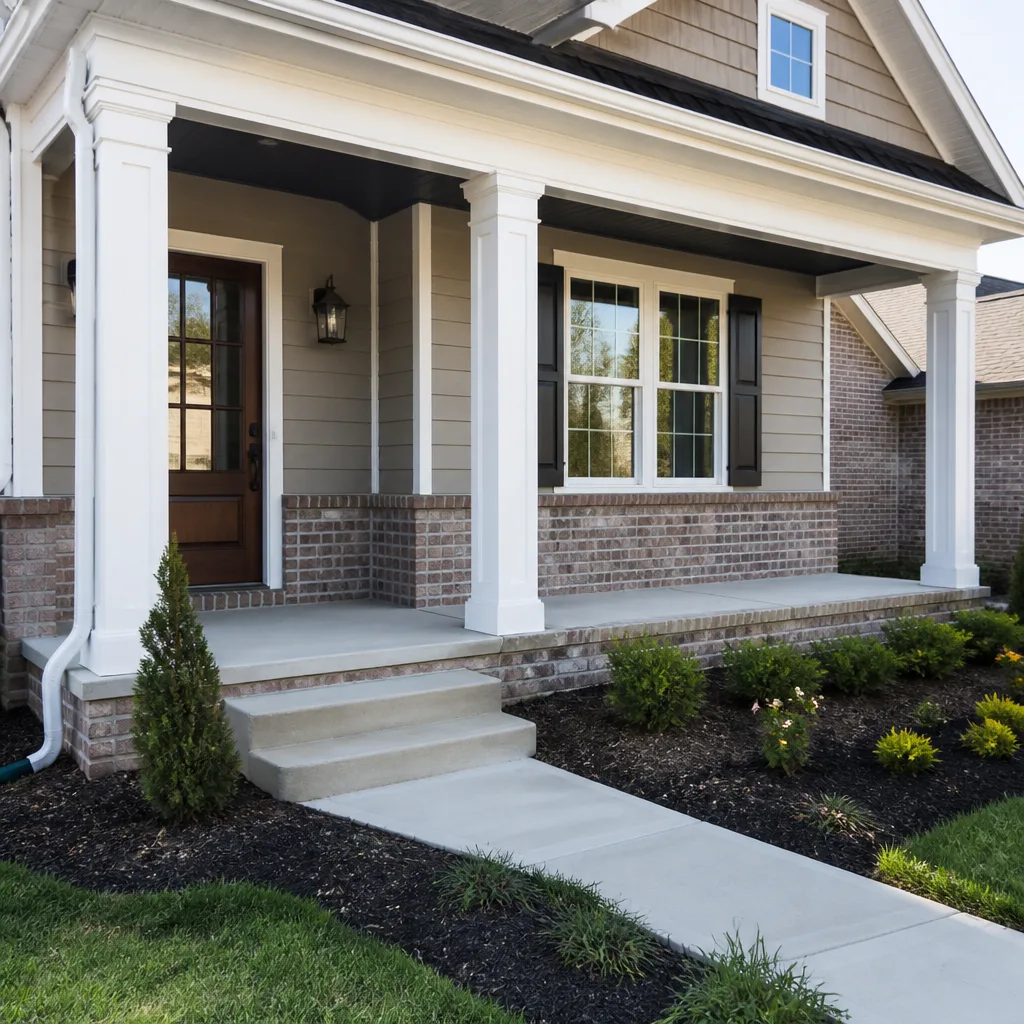
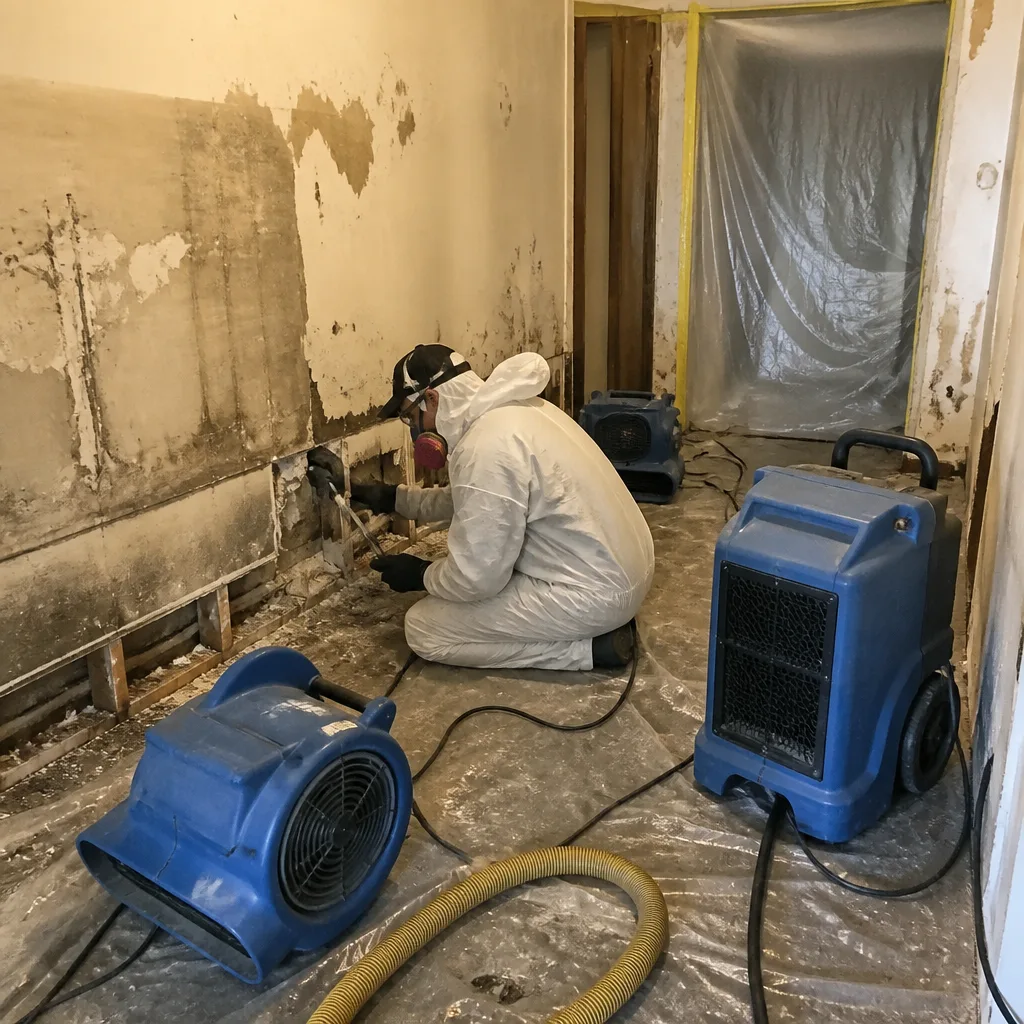 Before
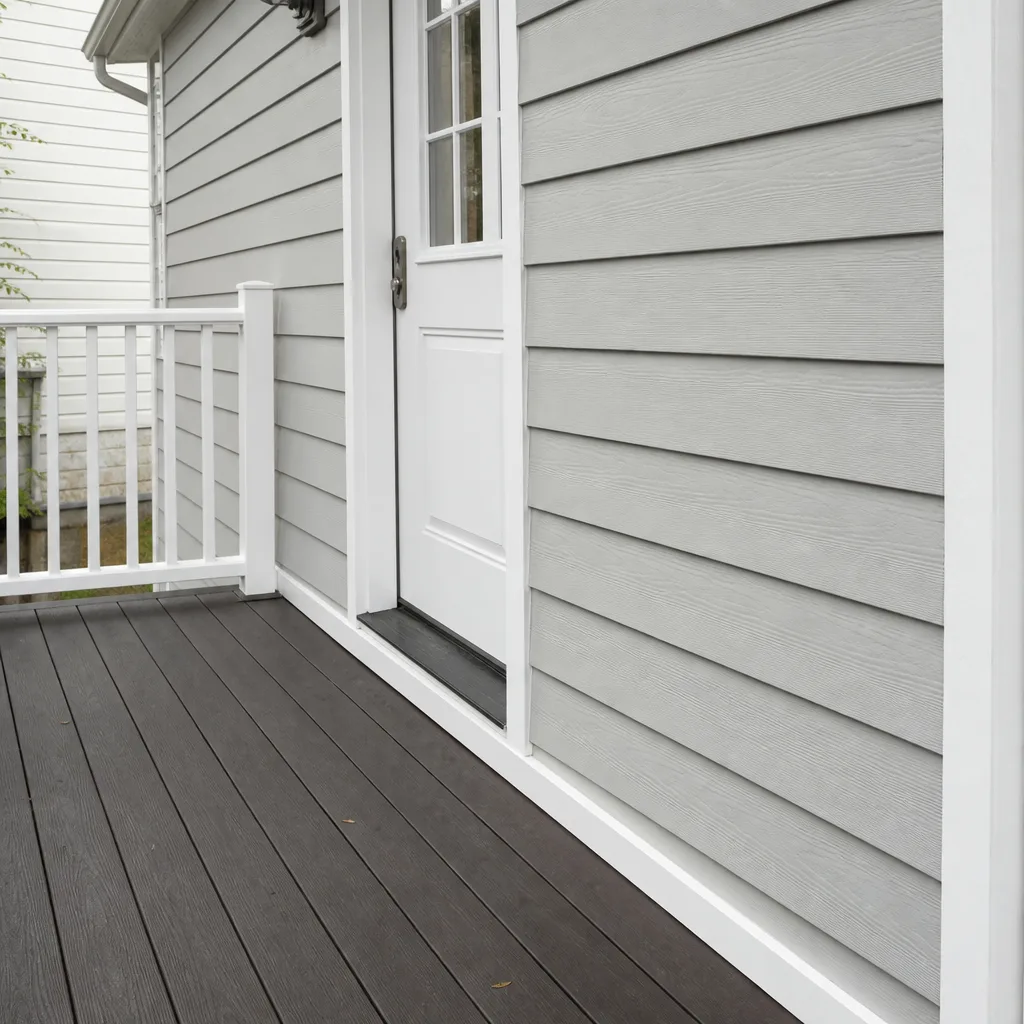 After
After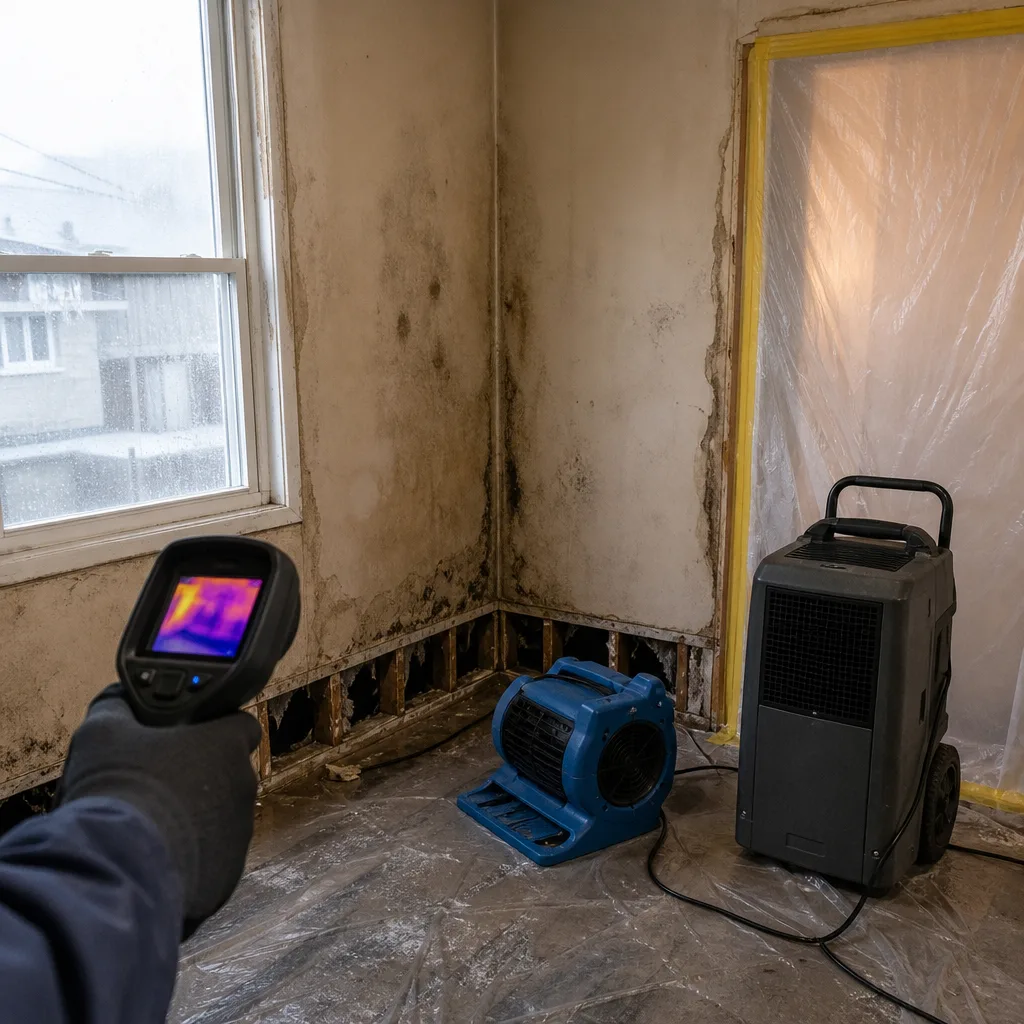 Before
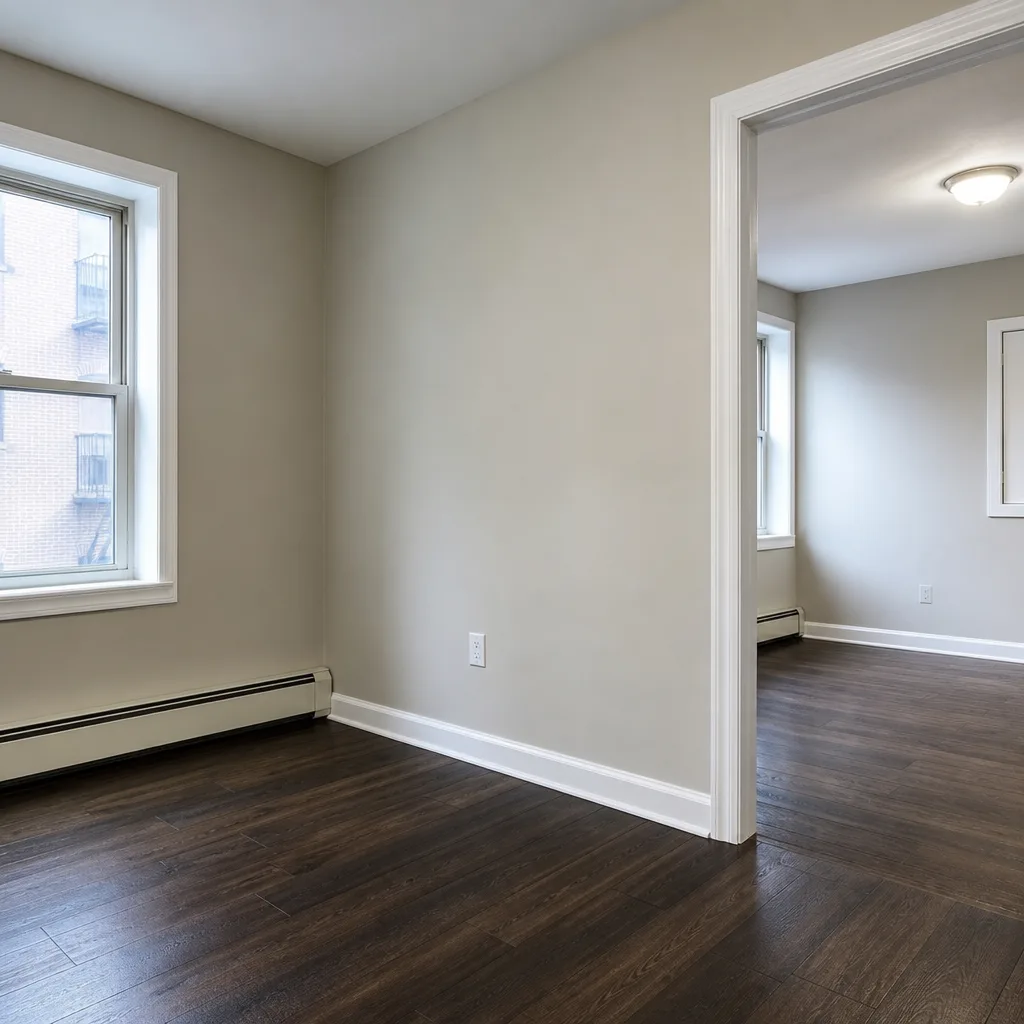 After
After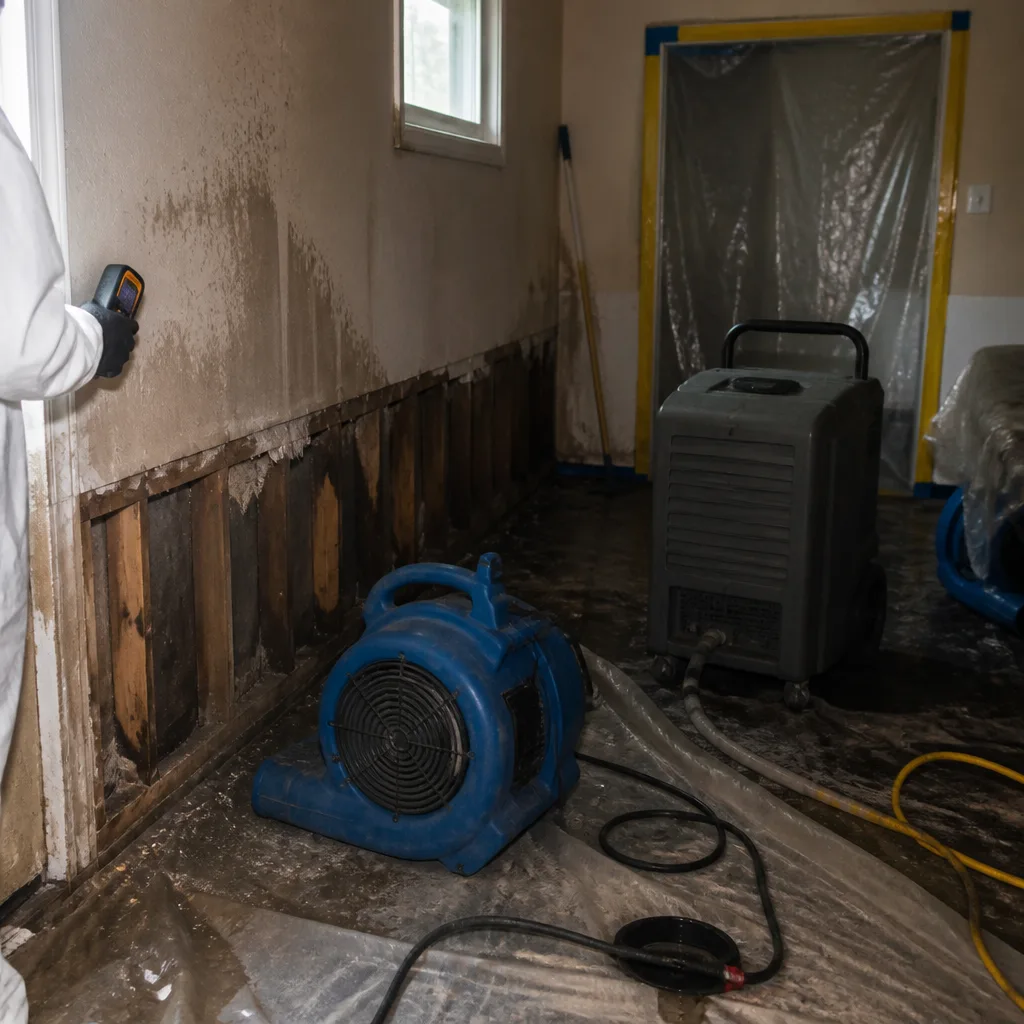 Before
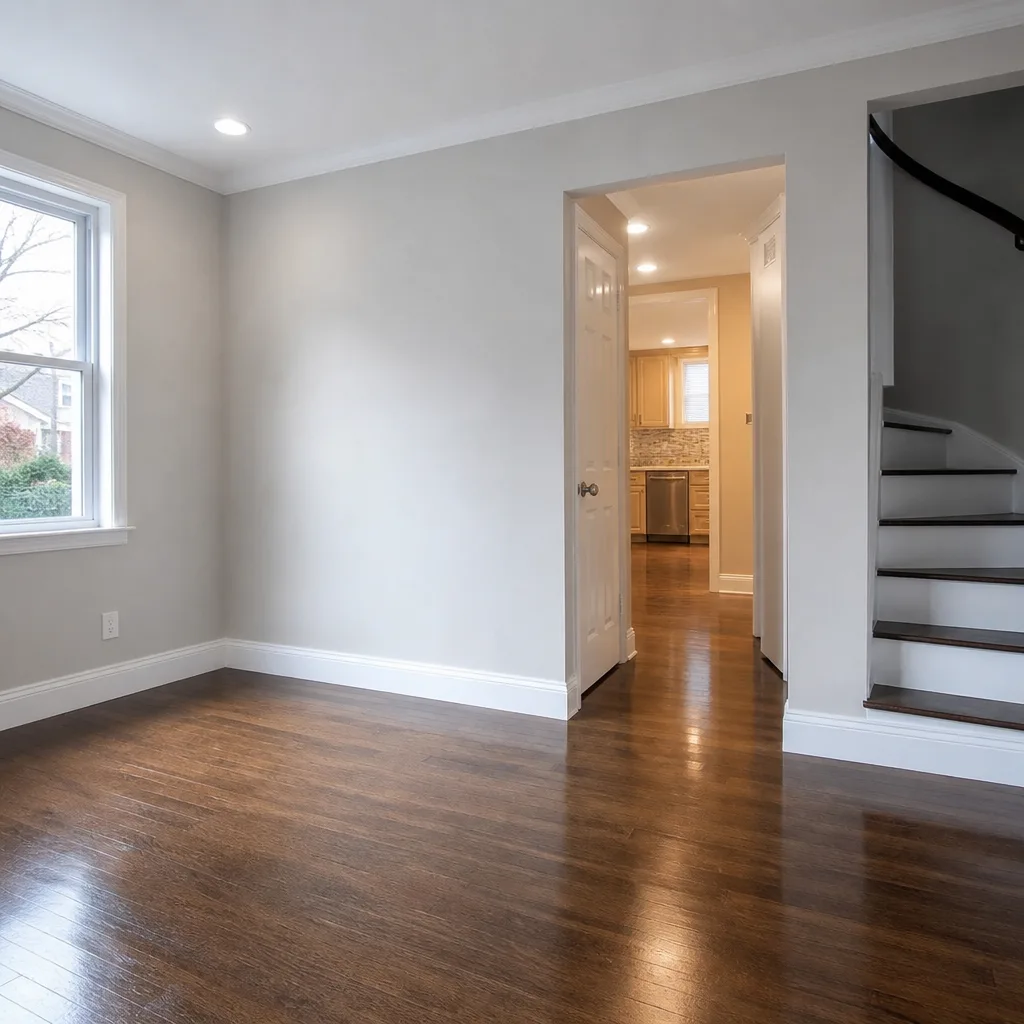 After
After24/7 Emergency Reconstruction & Cleanup in Flushing
When a basement backs up with sewage in Flushing, the clock starts before the water stops rising. Our Reconstruction & Cleanup crews respond to homes across Flushing at any hour, because tidal backflow from Flushing Creek doesn’t wait for business hours. Call (518) 872-6111 and a live dispatcher answers. Not a recording. Not a callback queue. We’ll have a certified crew at your door, usually within 45 minutes, and we’ll start extraction the same visit. The first hour determines whether you’re looking at a dry-out or a full tear-out, and in Flushing’s row houses, it also determines whether your neighbor’s wall gets involved.
Understanding Reconstruction & Cleanup Severity in Flushing Properties
Flushing’s housing stock was largely built between the 1920s and 1950s, attached brick row houses with shared party walls and basements that were never designed to be living space. Most have since been converted into finished or semi-finished below-grade units. That matters when water moves through this city’s soils and sewer lines. A Category 1 water event is clean supply water, from a burst supply line or an overflowing sink. A Category 2 event carries contaminants: washing machine discharge, sump overflow, water that’s been sitting. Category 3 is black water, and in Flushing, that’s the one we see most often after heavy rain. When Flushing Creek’s high tide combines with a combined sewer system under strain, raw sewage pushes up through floor drains into finished basements. That’s Category 3 immediately, and it changes everything: the drying protocol, the PPE our technicians wear, the disposal of affected materials, and whether reconstruction can proceed at all before antimicrobial treatment is complete. In attached row houses, water also travels laterally. What starts in one unit migrates into shared brick party walls, saturating structural members and carrying contamination into the neighboring property. By the time a homeowner sees wet baseboards, the damage classification has usually already determined the scope. Moisture mapping with thermal imaging tells us where the water actually went, not just where it’s visible. That gap between visible and actual is where Flushing losses expand, and where cheap estimates fall apart.
Why Flushing Property Owners Choose Floodline Restoration Co.
- 45-minute response commitment. When sewage is backing into a finished basement on Union Street or off Northern Boulevard, waiting until morning isn’t an option. We dispatch crews from within the New York City metro area to Flushing immediately.
- A live person answers, 24/7. No phone tree. No “press 2 for emergencies.” A dispatcher in our New York City office picks up at 2:00 a.m. because that’s when Flushing Creek backs up. Extraction starts the same visit.
- IICRC-certified crews, trained to WRT and ASD standards. Water damage restoration and structural drying certifications mean the technicians in your home know how to classify the water, contain it, and dry it without cutting corners.
- Free visual inspection. Before any work begins, we walk the property with you, explain what we’re seeing, and give you a written scope. No pressure, no obligation.
- Direct insurance billing. We deal with your adjuster, not the other way around. Our documentation is built for claim approval from the first hour.
- One team from extraction to reconstruction. The same crew that extracts Category 3 water and runs the drying logs is the crew that hangs new drywall and lays new flooring. No mid-job handoff to a subcontractor you’ve never met.
Our Reconstruction & Cleanup Process
Inspection & Assessment
We arrive, test floor-drain backflow immediately, and classify the water. Thermal imaging and moisture meters map where water has traveled, including into shared party walls and subfloor cavities. You get a written scope before any demolition starts.
Extraction & Stabilization
Submersible pumps and truck-mounted extractors remove standing water. If it’s Category 3, we set up full containment with plastic sheeting and negative air pressure before any contaminated material is disturbed. This is where waiting cost Flushing homeowners thousands.
Drying & Structural Dehumidification
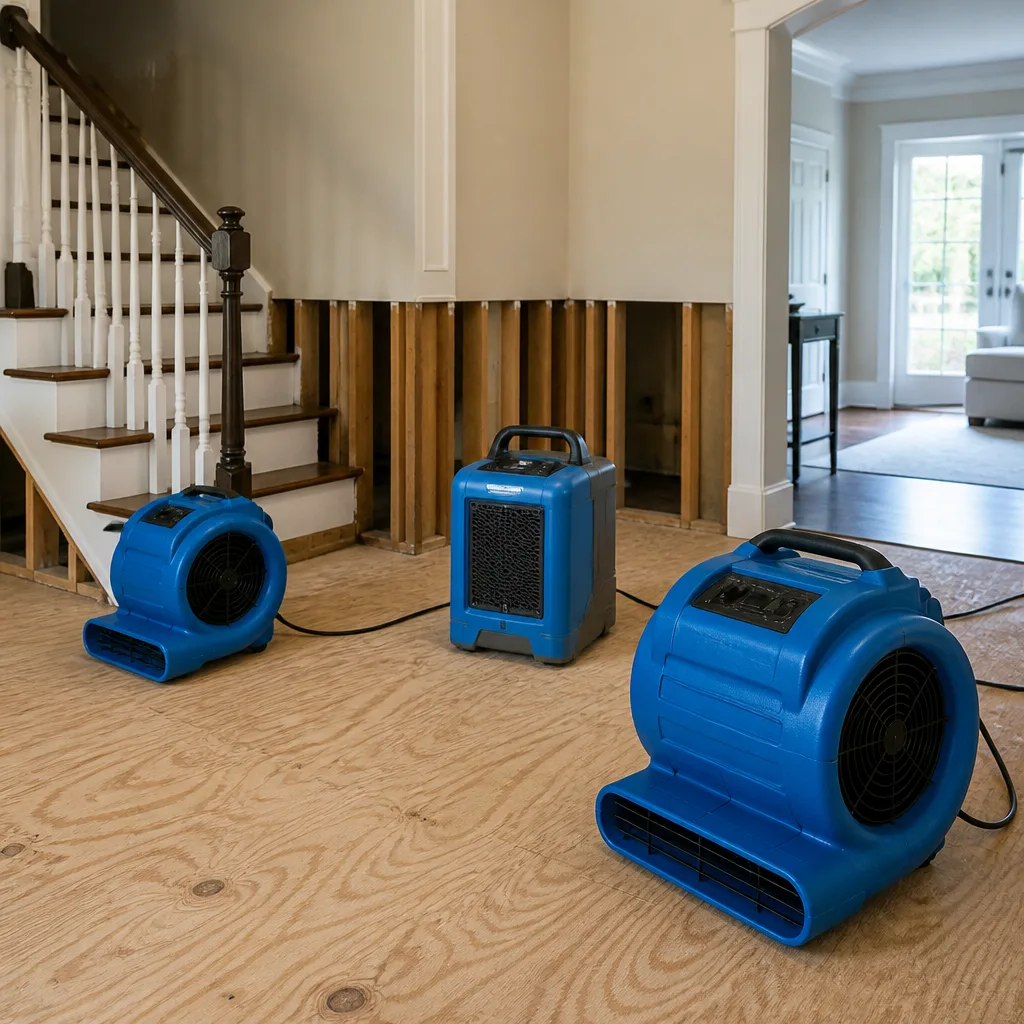
Dri-Eaz dehumidifiers and XPOWER air movers are placed according to the moisture map, not by guesswork. Daily readings are logged and shared with you and your carrier until the dry standard is met. In Flushing’s attached housing, we also monitor party walls for lateral moisture migration.
Cleaning & Antimicrobial Treatment
HEPA air scrubbers run throughout the affected area to capture airborne particulates. All contaminated surfaces receive antimicrobial treatment. Soft goods that can’t be cleaned are documented and disposed of per IICRC protocols.
Structural Repair & Contents Handling
Damaged drywall, insulation, and flooring are removed. Salvageable contents are inventoried, packed out, and cleaned off-site when needed. Our contents restoration team handles furniture, electronics, documents, and personal items. Nothing is thrown away without documentation.
Reconstruction to Pre-Loss Condition
We rebuild. New drywall, flooring, trim, paint, and any structural repairs. The same crew that did the extraction does the reconstruction, so there’s no gap between “dried out” and “put back together.” Every job is backed by the 90-Day Done Right Promise, in writing.
Need Emergency Reconstruction & Cleanup in Flushing Now?
Crews minutes away, answering live 24 hours a day. The sooner we start, the less it costs.
Working With Your Insurance Company
Insurance claims after a Flushing basement backup hinge on documentation. Adjusters see hundreds of claims from the same few neighborhoods, and they can tell the difference between a restoration company that documents properly and one that shows up with a shop vac and an estimate pad. We photograph every damaged area before we touch it. We log moisture readings daily, from the first day until the dry standard is met. We provide a line-item scope of work that matches IICRC standards, built in the same format carriers expect. Our team communicates directly with your adjuster, so you’re not the one explaining why a Category 3 water event requires demolition of finished walls. The 90-Day Done Right Promise stays in force regardless of how the claim is resolved. Curt Bowman founded this company around direct, honest work, and that includes the paperwork. We don’t inflate scopes, and we don’t cut corners to fit an adjuster’s first offer.
What We Provide Your Insurer
- Thorough documentation of the loss
- Photos of all damage, room by room
- Moisture readings and drying logs
- A detailed, line-item scope of work
- Direct coordination with your carrier
Built for Flushing’s Loss Calendar
Flushing’s damage calendar doesn’t follow the seasons the way inland Queens does. The defining event here is the tidal creek cycle. Flushing Creek is tidal, and when a nor’easter or heavy thunderstorm arrives at high tide, the combined sewer system backs up through floor drains into basements. That can happen in any month. January brings frozen supply lines in uninsulated exterior walls of pre-war row houses, bursting behind finished basements and running for hours before anyone notices. Spring brings saturated ground from snowmelt, which raises the water table under this former marshland and pushes groundwater through foundation cracks. Summer thunderstorms overload the combined sewers faster than the system can drain into Flushing Bay, and hot, humid air accelerates mold growth in any below-grade space that took on water within the previous 48 hours. Fall nor’easters are the worst, especially when they coincide with a full moon high tide. No other neighborhood in Queens has this exact combination of tidal waterway, combined sewer system, aging attached housing, and finished below-grade living space. Our crews built around this calendar years ago, and we schedule equipment and personnel accordingly.
Reconstruction & Cleanup Across Flushing’s Neighborhoods
The low blocks between Main Street and Flushing Bay see the worst of the tidal backflow. Homes east of College Point Boulevard and near the creek itself sit closest to the water table and the sewer outfall. The blocks off Northern Boulevard, running west toward the bay, have some of the oldest row house stock in the neighborhood, with shared party walls that wick water laterally between units. In the residential streets around Kissena Park, the housing is slightly newer but the basements are just as finished, and the combined sewer lines are just as vulnerable. Murray Hill and the blocks near Bowne Street tend to see more supply-line breaks in winter, since many of those attached homes still have original plumbing in exterior walls. The apartment and condo buildings along Roosevelt Avenue present a different challenge entirely: water in one unit drops through floor assemblies into commercial spaces below, and reconstruction requires coordination with building management, co-op boards, and multiple insurers. Our Reconstruction & Cleanup team has handled every one of these scenarios, and we know which streets flood first when Flushing Creek tops its banks.
Specialized Reconstruction & Cleanup Services We Offer in Flushing
Full-Service Reconstruction
When Category 3 water from a Flushing Creek backup forces out drywall, insulation, and flooring, the rebuild is the part that matters long after the drying equipment leaves. We reconstruct to code, using materials appropriate for below-grade spaces in a flood-prone area. That means closed-cell insulation where called for, moisture-resistant drywall, and flooring systems that can handle periodic dampness without delaminating. The 90-Day Done Right Promise covers the reconstruction, not just the dry-out.
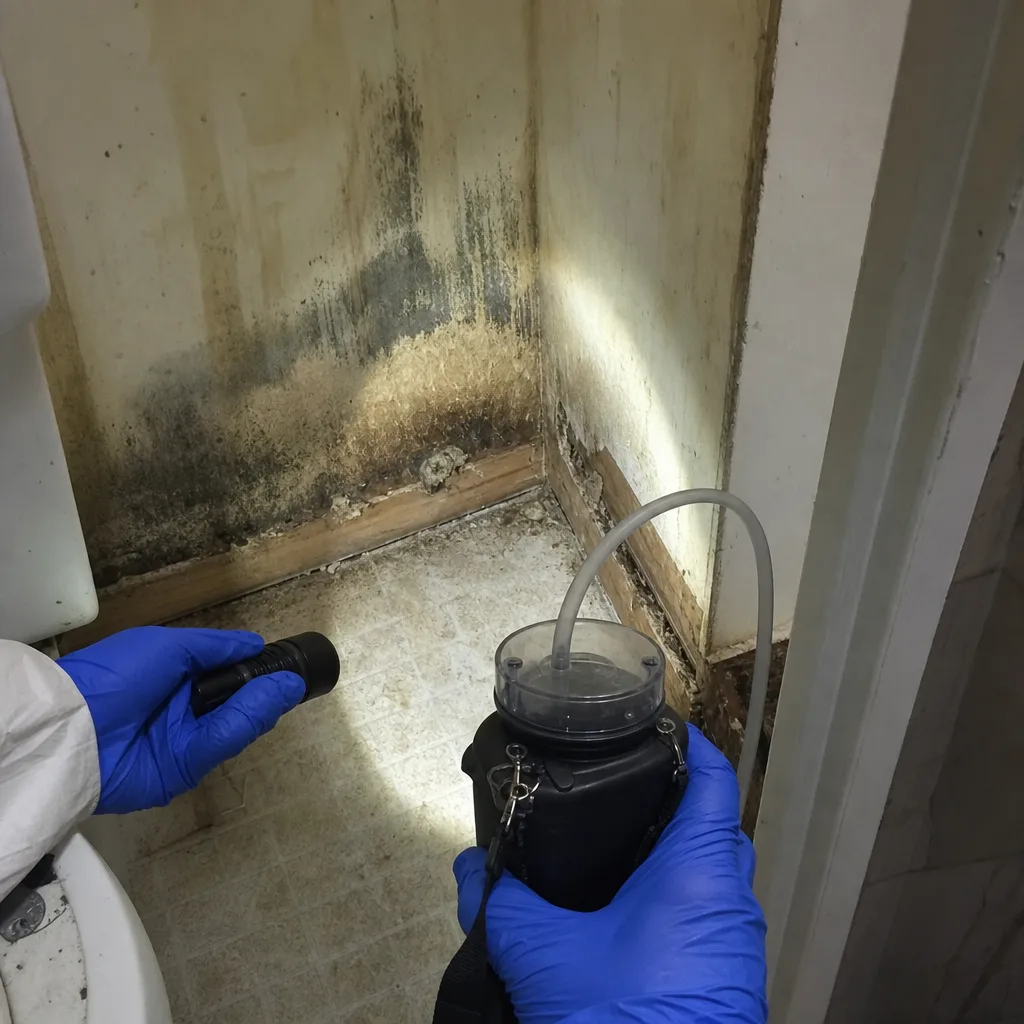
Contents Restoration & Pack-Out
Finished basements in Flushing hold more than storage. Family photos, furniture, electronics, clothing, and sometimes entire in-law units. When sewage enters that space, contents need to be inventoried, cleaned, and restored, or documented for a claim. We pack out salvageable items and either clean them on-site or transport them to our facility. Everything is photographed and logged. Nothing gets thrown away without your signature on the inventory.
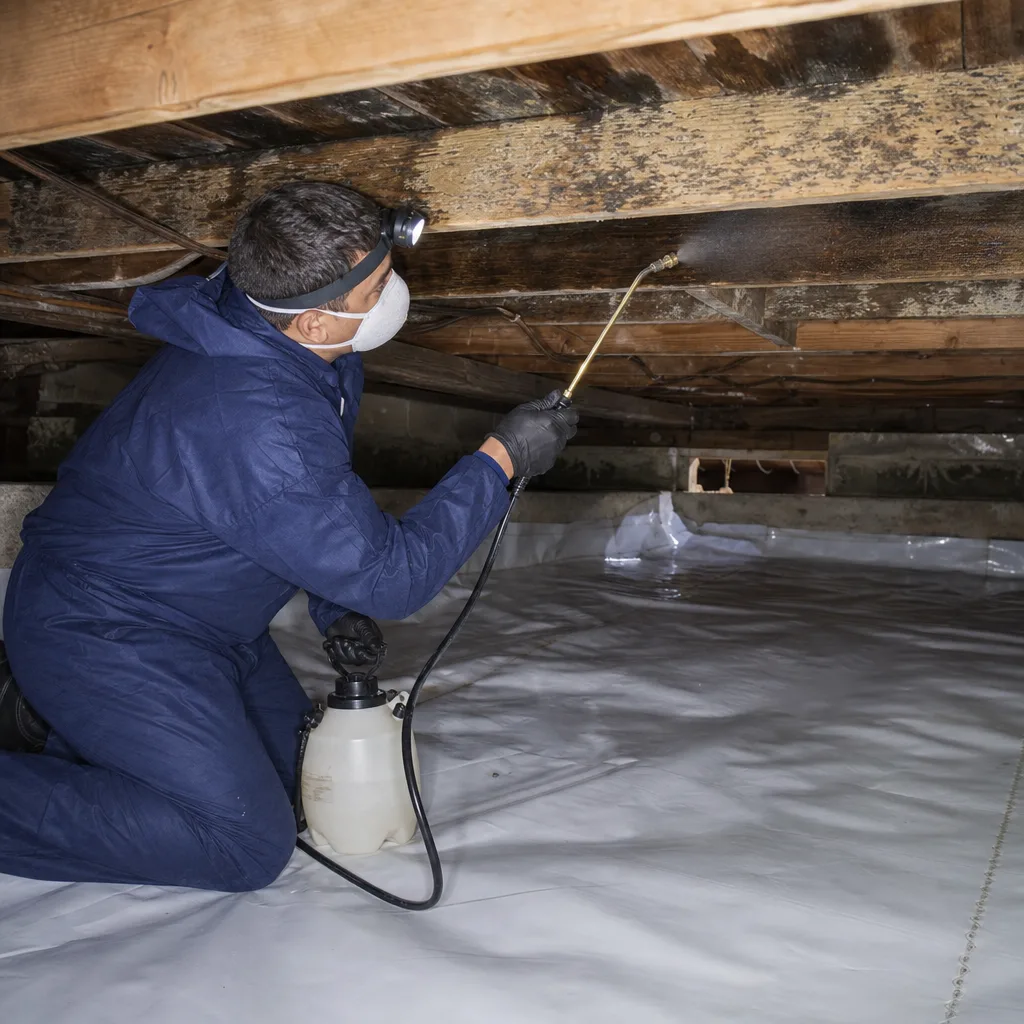
Insurance Claim Documentation
After a Flushing basement backup, the difference between a covered claim and a denied one is usually the documentation that exists from hour one. We photograph the standing water before extraction. We document the source, on video when possible. We log drying data daily. We provide a line-item scope that your adjuster can verify against IICRC standards. And we communicate directly with the carrier, so you don’t have to become a claims expert while your basement is torn open.
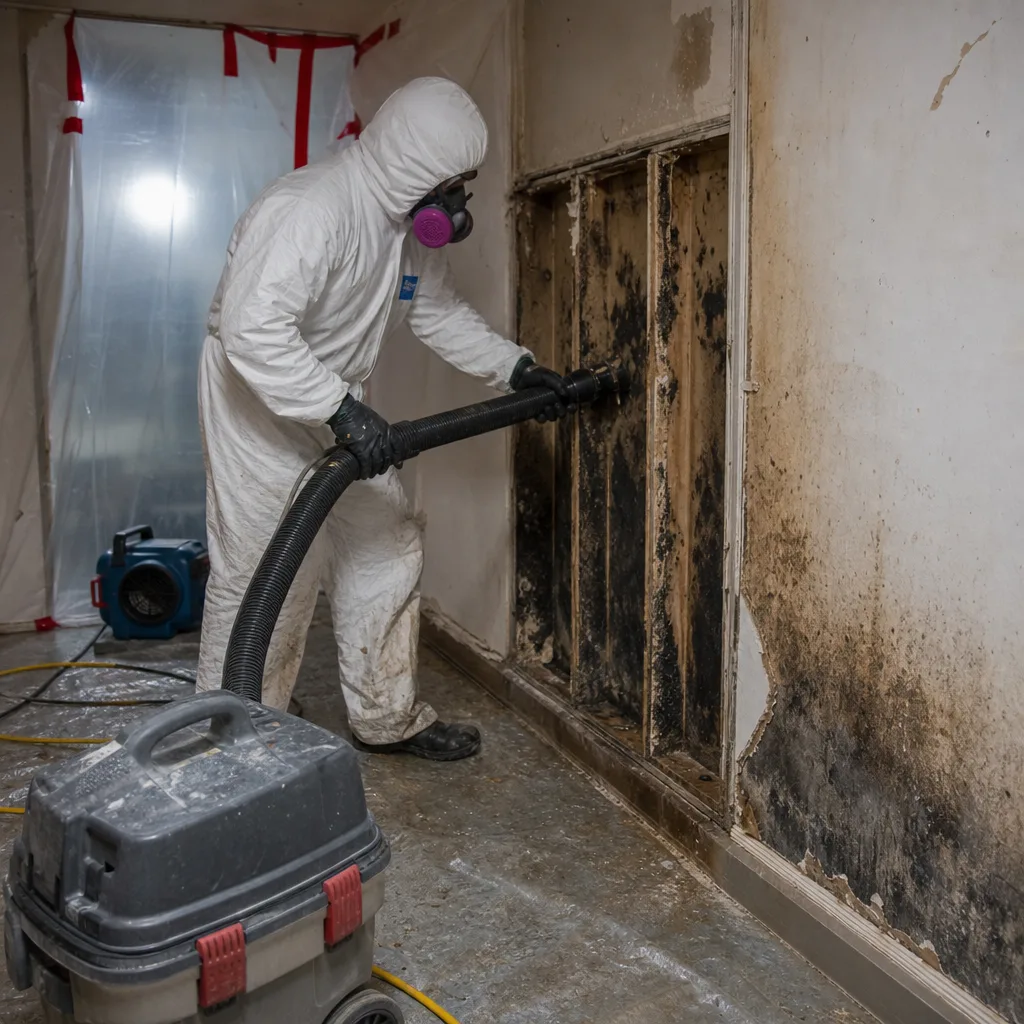
Drywall & Flooring Repair
Cutting drywall properly after a water event matters. In Flushing’s attached row houses, improper cuts leave contaminated material in wall cavities, which becomes a mold problem six months later. We make clean, straight cuts above the moisture line, remove all affected insulation, and rebuild with materials suited to below-grade conditions. Flooring follows the same rule: without moisture testing of the subfloor, new flooring fails in a year. With it, it lasts.
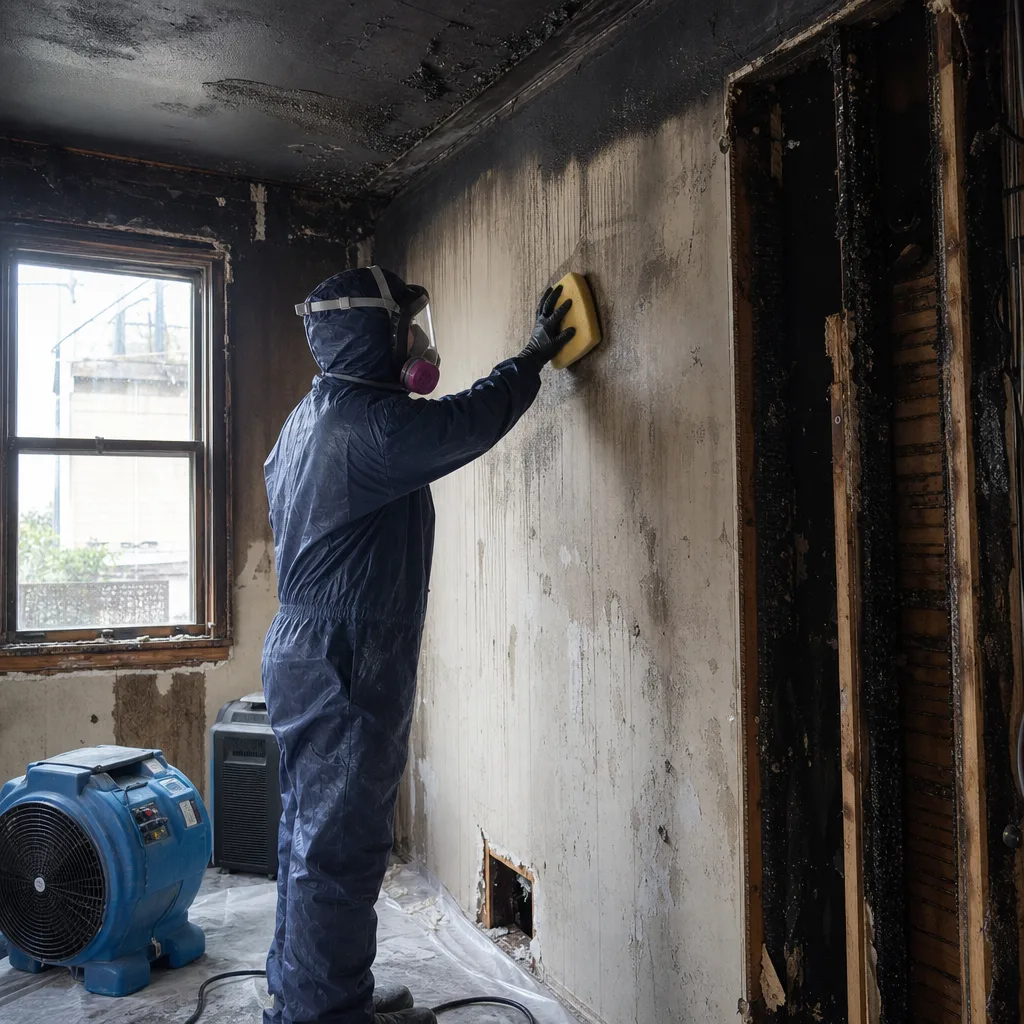
Post-Construction Cleanup
After the rebuild is complete, the dust remains. Drywall dust, sawdust, paint overspray, and construction debris. Our post-construction cleanup includes HEPA vacuuming of all surfaces, wiping down walls, cleaning windows and trim, and removing all job debris. The goal is that you walk back into a basement that’s cleaner than before the water event, not one that smells like a construction site.
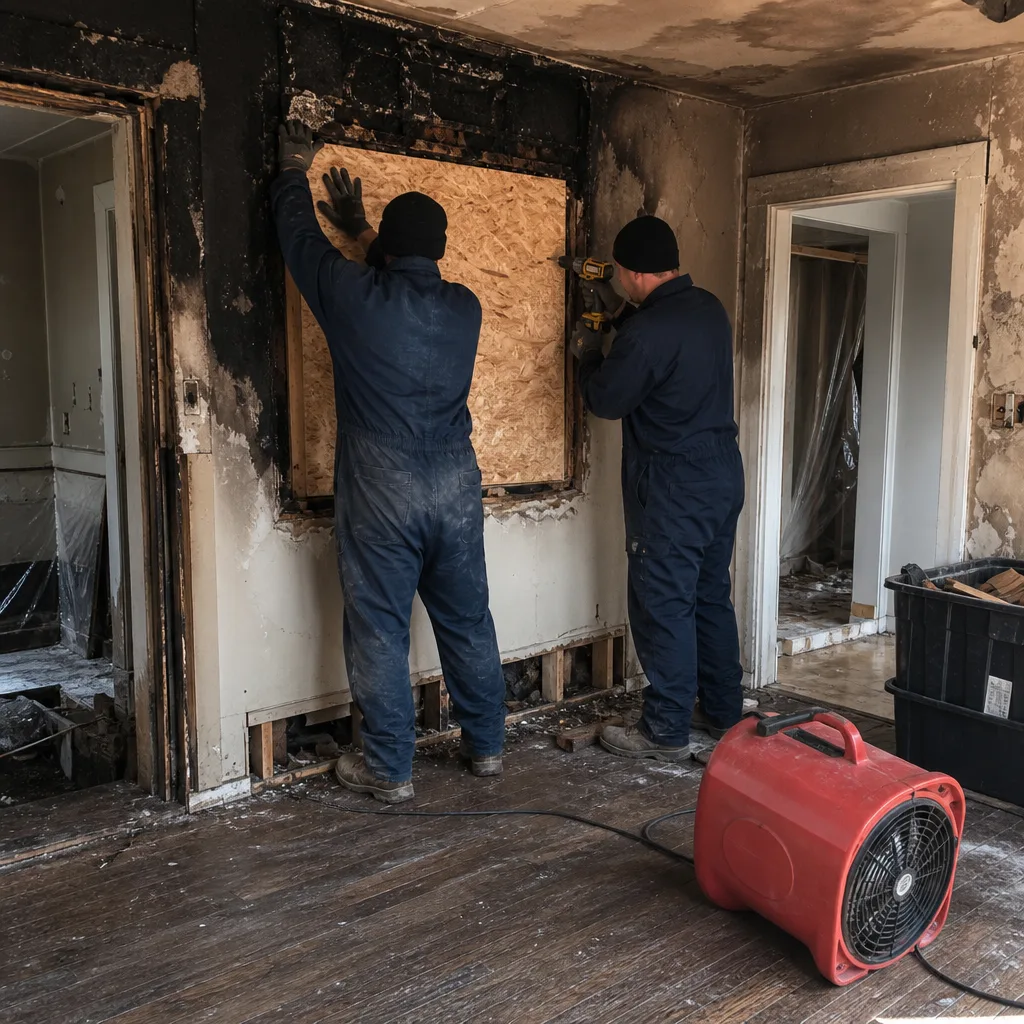
What happens when you call
- 1
A real person answersNo phone trees - you reach a local pro.
- 2
You get an upfront price rangeHonest numbers before anyone is dispatched.
- 3
A background-checked tech heads outLicensed & insured, dispatched right away.
- 4
You approve before work beginsNothing starts until you say go.
Reconstruction & Cleanup Costs in Flushing, NY
In Flushing, a Category 3 sewage backup in a finished basement typically runs $4,200 to $9,800 for full mitigation and reconstruction, depending on the square footage and how far the water traveled. Dry-out alone, without reconstruction, generally lands between $2,000 and $4,500. Full basement rebuilds after severe sewage contamination, which include wall framing, drywall, flooring, and trim, commonly fall in the $10,000 to $22,000 range. Lateral migration into party walls adds cost, because now the adjacent property’s wall cavity has to be opened and treated. That’s the scenario where the initial $200 cleanup estimate becomes a $6,000 structural job, and it’s why an honest, written scope from the first visit matters. We offer free visual inspections with no obligation, and if you mention the Senior & Veteran 5% discount or the $50 Off Any Repair Over $250 offer when you call, we’ll apply it. Insurance covers most Category 3 backup events in Flushing when the documentation supports the classification, and we handle that documentation directly with your carrier.
We Also Serve Cities Near Flushing
Our crews respond throughout the Queens waterfront and interior. In addition to Flushing, we serve College Point, Whitestone, East Elmhurst, and Corona. If your basement is backing up and you’re not sure who to call, call us. If we can’t get there fast enough, we’ll say so honestly. That’s how we’ve built our reputation over 42 years in New York City restoration.
Serving Flushing, NY - Our Local Coverage Area
We’re based in the Flushing area and know this community well. Use the map below to see our service coverage - if you’re nearby, we can almost certainly help.
Flushing Reconstruction & Cleanup Questions, Answered
Why does Flushing Creek make my basement flood even when it hasn’t rained much?
Flushing Creek is tidal, which means water levels rise and fall with the lunar cycle regardless of rainfall. When a storm system arrives during a high tide, the combined sewer system that drains Flushing can’t push water out into Flushing Bay against the incoming tide. The pressure backs up through the lowest available openings, usually basement floor drains. A modest storm coinciding with high tide can inundate basements through floor drains even without heavy rainfall totals. This is specific to Flushing’s geography, and it’s the reason our crews test floor-drain backflow immediately on arrival. Call (518) 872-6111 if you suspect a tidal backup.
If sewage came up through my floor drain in Flushing, do I need to tear out all the drywall?
Usually, yes for any drywall that absorbed the water. Category 3 water contains pathogens, and porous materials like drywall and insulation cannot be adequately cleaned once saturated with sewage. The rule is to cut at least 12 to 24 inches above the visible water line, but in Flushing’s attached row houses, we also inspect the wall cavity for lateral wicking. If water traveled into a shared party wall, the affected section of that wall needs to be opened from both sides, which often means coordinating with your neighbor. Our written scope shows exactly what gets removed and why before any demolition starts.
How fast do I need to start drying after a Flushing basement backup?
Within 24 to 48 hours, because Flushing’s hot, humid summers accelerate mold colonization in damp below-grade spaces. But for Category 3 sewage, the concern isn’t a few extra hours of moisture; it’s contamination spreading through air movement and foot traffic. Every hour that sewage-tainted water sits, it soaks deeper into porous materials, wicks higher into walls, and migrates further into shared party walls. We answer live 24 hours a day and dispatch within 45 minutes for exactly this reason. Call (518) 872-6111 the moment you see or smell a backup.
Will my insurance cover sewage backup reconstruction in Flushing?
Most Flushing homeowners’ policies cover sudden and accidental sewage backup, but many policies carry a specific backup endorsement with its own sub-limit, often $5,000 to $25,000. The deciding factor is usually documentation. If the classification as Category 3 water is supported by photos, moisture logs, and a proper scope, the claim process moves much more smoothly. We document from the first hour, coordinate directly with adjusters, and provide the paperwork that IICRC standards require. Our team has handled these claims across Flushing’s row house blocks for years, and we know what carriers need to see.
Can you rebuild my Flushing basement so it won’t flood again from the next high tide?
We can rebuild it so the next high tide doesn’t destroy it the same way. A full flood-proofing of a below-grade space within the floodplain is a significant engineering project, and for most Flushing row houses, it would require work beyond the scope of restoration. What we can do is rebuild with moisture-resistant materials, address drainage outside the foundation, install backflow prevention valves on floor drains where feasible, and design the space so that if water does return, the damage is limited and the recovery is faster. This is the conversation to have before reconstruction starts, not after the next backup.
How long does full reconstruction take after a Flushing sewage backup?
Drying typically takes 3 to 5 days with Dri-Eaz dehumidifiers and XPOWER air movers running continuously. Demolition and antimicrobial treatment add a day or two. Full reconstruction of a finished basement, including drywall, flooring, and trim, usually takes 1 to 3 weeks depending on scope, and longer if structural framing or party wall repair is required. Contents restoration can run concurrently. You’ll get a timeline in writing with your scope, and we stick to it.
What certifications do your Flushing reconstruction crews hold?
Our crews are certified to IICRC standards, including Water Damage Restoration Technician (WRT) and Applied Structural Drying (ASD). Many also hold RIA and IFA certifications. Every technician is background-checked and uniformed. Curt Bowman has built Floodline Restoration Co. around the idea that a homeowner should know exactly who’s in their home and what qualifications they hold, and we train our own apprentices into journeymen rather than hiring day labor from a board.
What should I do in the first 30 minutes after a Flushing basement backup?
Shut off power to the affected area if you can reach the breaker safely, and only if the area is not standing in water. Do not walk through sewage-tainted water in bare feet or with open cuts. Do not turn on fans or HVAC systems, which spread airborne contaminants. Do not pump water out through a window into a storm drain, which can create a new contamination source. Then call (518) 872-6111. Our dispatcher will guide you through the next steps while a crew is dispatched to Flushing. The first call is the most important step.
Written by Curt Bowman, Owner at Floodline Restoration Co., serving Flushing and the surrounding Queens neighborhoods. For more about our full-cycle restoration approach, see our Reconstruction & Cleanup services.