

Free visual inspection and a written scope of work before any mitigation begins - photos, moisture readings, and drying logs go in your claim file
The scope we write is the scope we bill. Anything new gets shown to you, in writing, before we touch it.
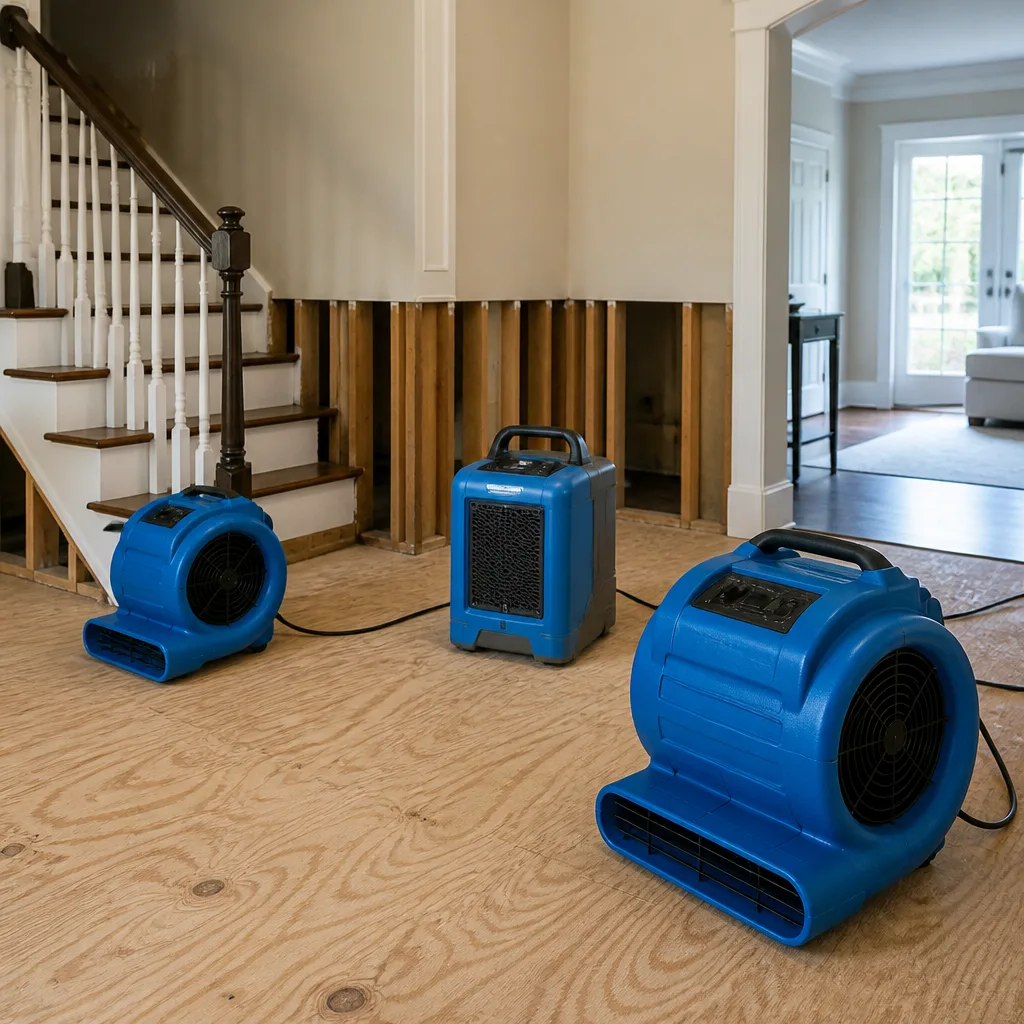

Storm responseSewage cleanup

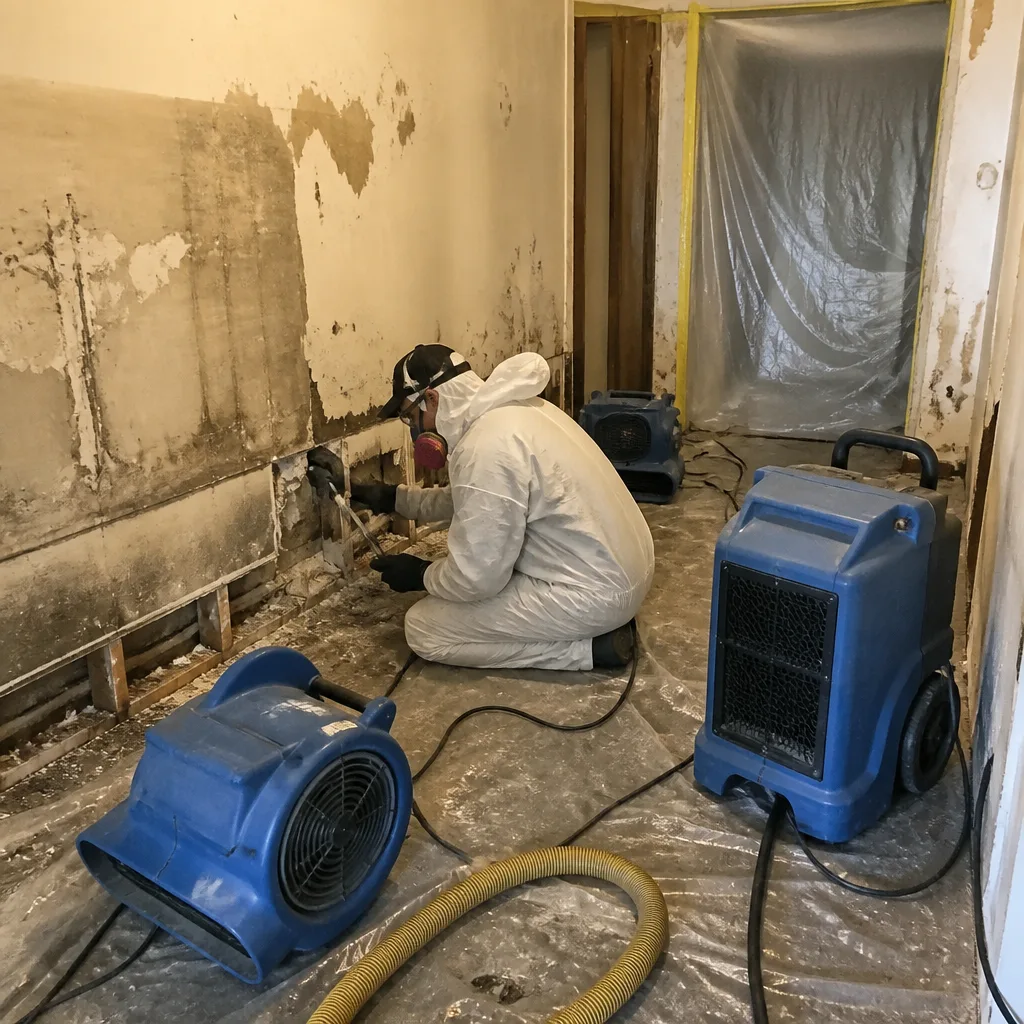 Before
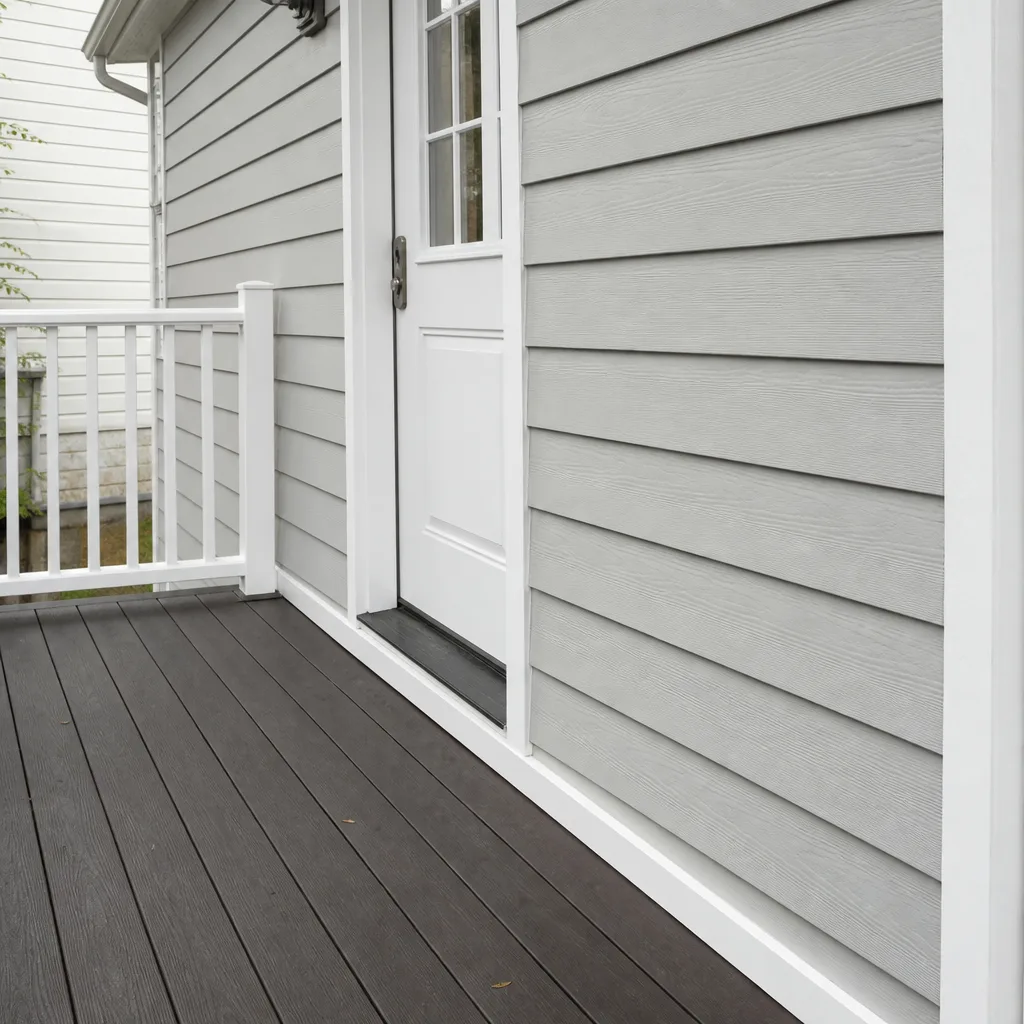 After
After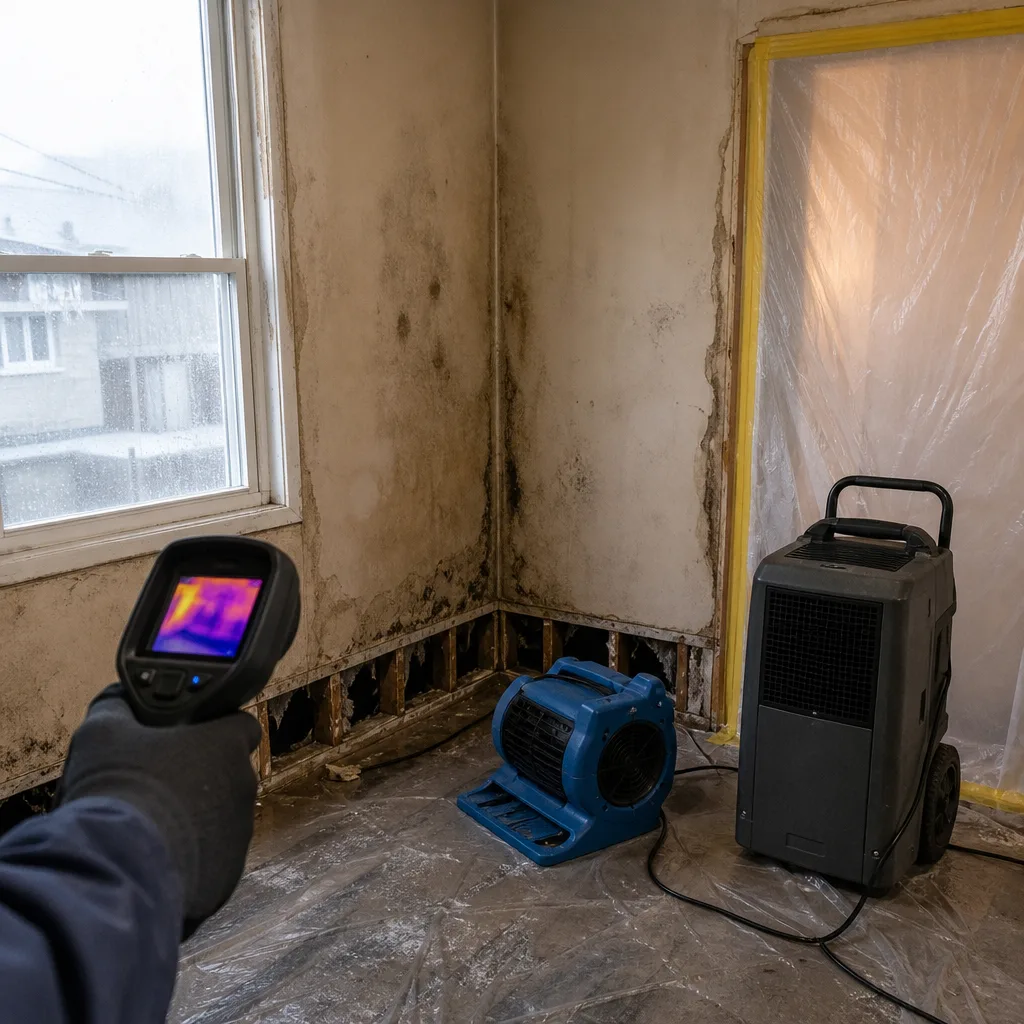 Before
 After
After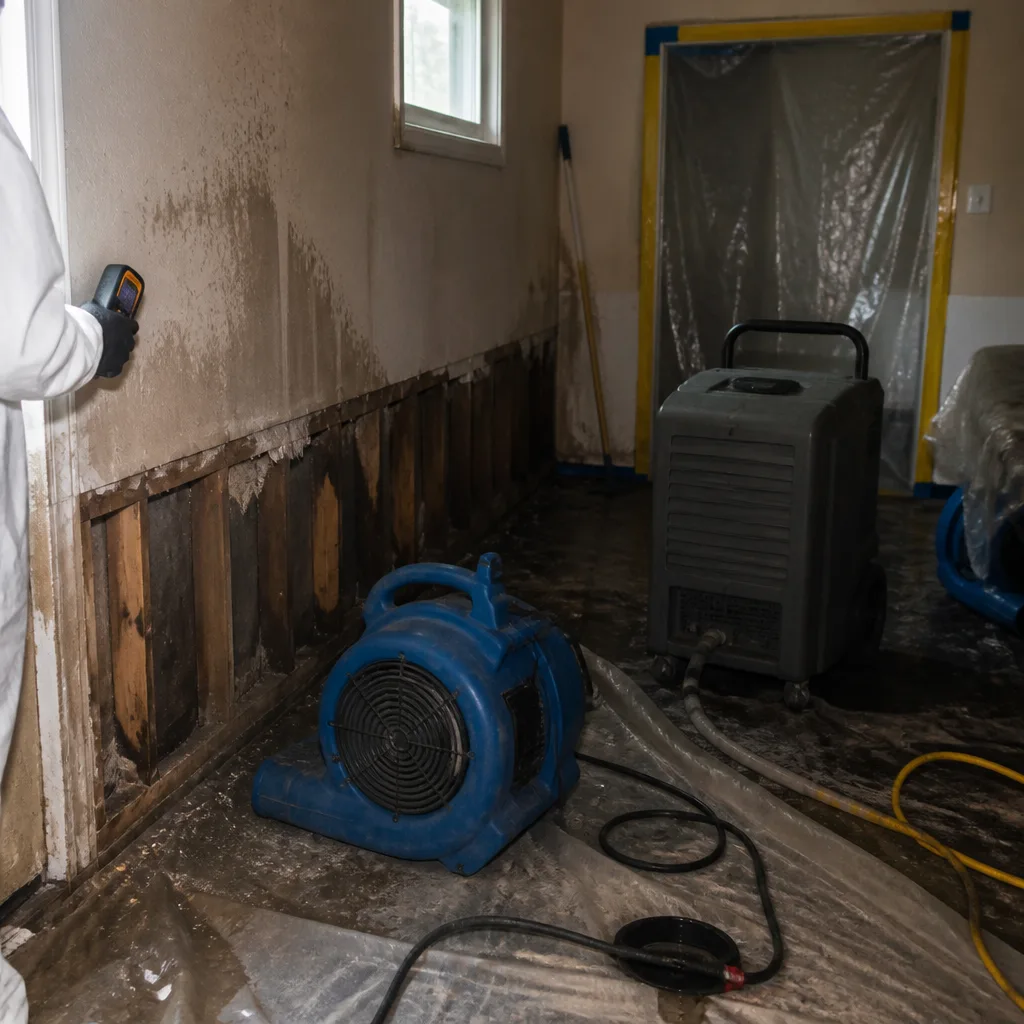 Before
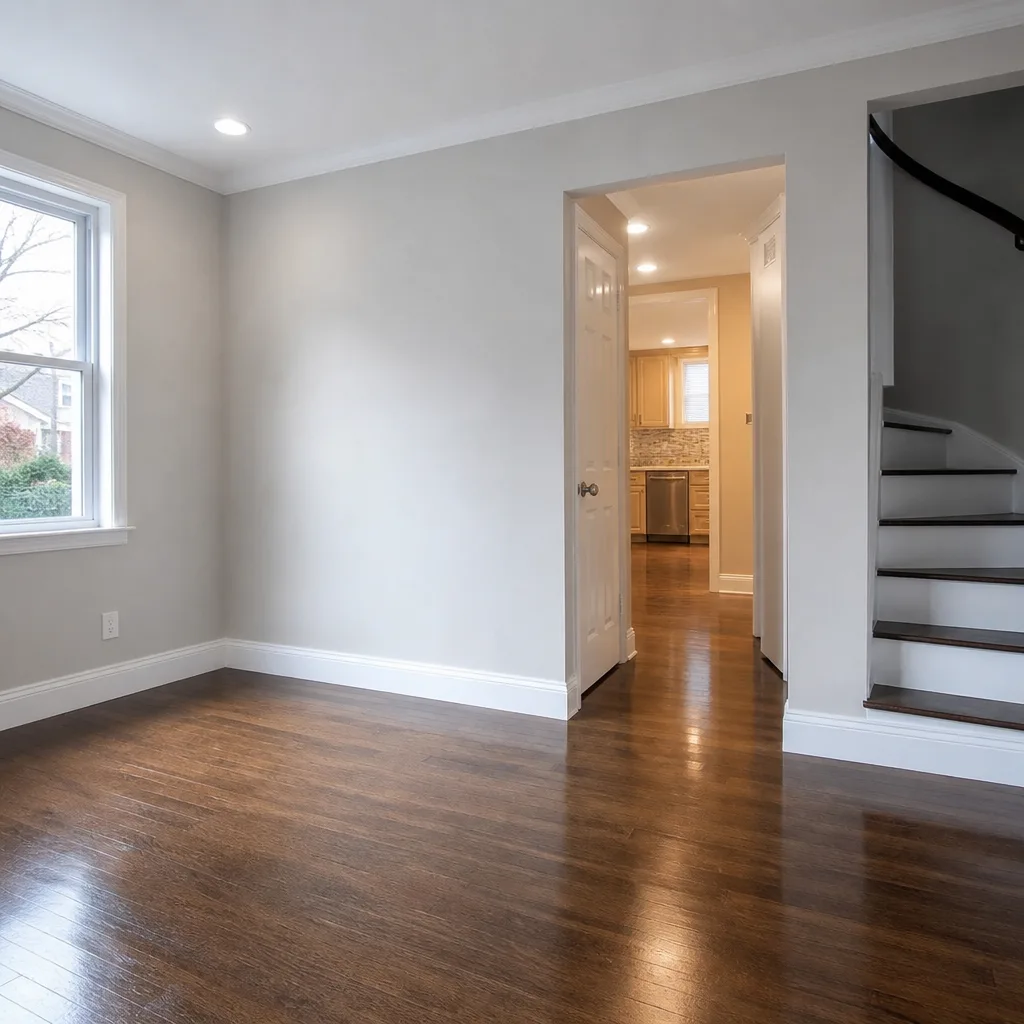 After
After24/7 Emergency Sewage Cleanup in Throgs Neck
Sewage backup in Throgs Neck demands immediate response, and our crews are on call around the clock. When a sewer line backs up or a nor’easter pushes black water through a floor drain, call (518) 872-6111 and a live dispatcher answers. Not a recording. Not a callback service. A person who knows Throgs Neck and can have a certified crew rolling toward your block within the hour.
The first hour matters because Category 3 water, the classification for sewage and floodwater, moves fast through finished basements and soaks into drywall, framing, and anything stored at floor level. Every minute that passes pushes contamination deeper and expands the scope of what must be removed. We provide a free visual inspection before any work begins, so you know exactly what you’re dealing with before a single tool comes off the truck.
Understanding Sewage Cleanup Severity in Throgs Neck Properties
Not all water damage is equal. The restoration industry classifies water into three categories. Category 1 is clean water from a supply line. Category 2 carries contaminants from washing machines or sump failures. Category 3, what we deal with in sewage cleanup, contains pathogens, bacteria, and often saltwater in Throgs Neck’s case. That last part matters more here than almost anywhere else in the Bronx.
Throgs Neck’s post-WWII brick homes, most built between 1950 and 1965, present a specific challenge: the original cast-iron drain stacks and galvanized supply lines have spent sixty to seventy years absorbing salt air from the East River and Long Island Sound. When a sewage event hits, the failure is rarely just the water itself. The pipe infrastructure behind the walls often fails too. Our Sewage Cleanup technicians routinely open walls after a backup and find corroded stacks that have been quietly failing for years. You can dry the drywall, but if the stack is compromised, you’ve fixed nothing. It will fail again, and bring sewage with it.
Moisture mapping is the difference between a cleanup that lasts and one that doesn’t. In Throgs Neck’s brick construction, water doesn’t just sit on surfaces. It migrates into mortar joints and brick cavities, where it can hide for months. We use thermal imaging and hygrometers to find moisture that visual inspection misses. Standard drying logs stop at the drywall. We read the wall cavity itself.
Why Throgs Neck Property Owners Choose Floodline Restoration Co.
- 45-minute response commitment for Throgs Neck: When sewage is spreading through your basement, response time isn’t a convenience. It’s a damage multiplier. We commit to having a crew dispatched from our local route coverage within 45 minutes of your call, because every hour of delay expands the contamination footprint.
- Live answer, 24/7, every day: Floodline Restoration Co. has run a live dispatch desk since Curt Bowman founded the company in 2010. At 2 a.m., a human being answers. That’s not a marketing line; it’s how we built the business.
- IICRC-certified crews on every job: Our technicians train to IICRC, RIA, and IFA standards. For sewage work, that means the ASD and AMRT designations specifically cover structural drying and antimicrobial application, not just general cleanup. Certification matters when a Category 3 loss touches occupied living space.
- Free visual inspection before work starts: A sewage loss is never a good time to be upsold. We walk the damage with you, explain what we see, and give you a scope in writing before any line item gets authorized. No pressure. No surprise charges.
- Direct insurance billing: We bill your carrier directly and provide the documentation adjusters actually accept: moisture logs, photo documentation, line-item scopes. You never play messenger between Floodline and a claims department.
- One crew from extraction to rebuild: The team that extracts black water from your basement handles the drying, the sanitization, the removal of damaged materials, and the reconstruction. No mid-job handoff to a different company. Same faces, same accountability, start to finish.
Our Sewage Cleanup Process
Inspection & Assessment
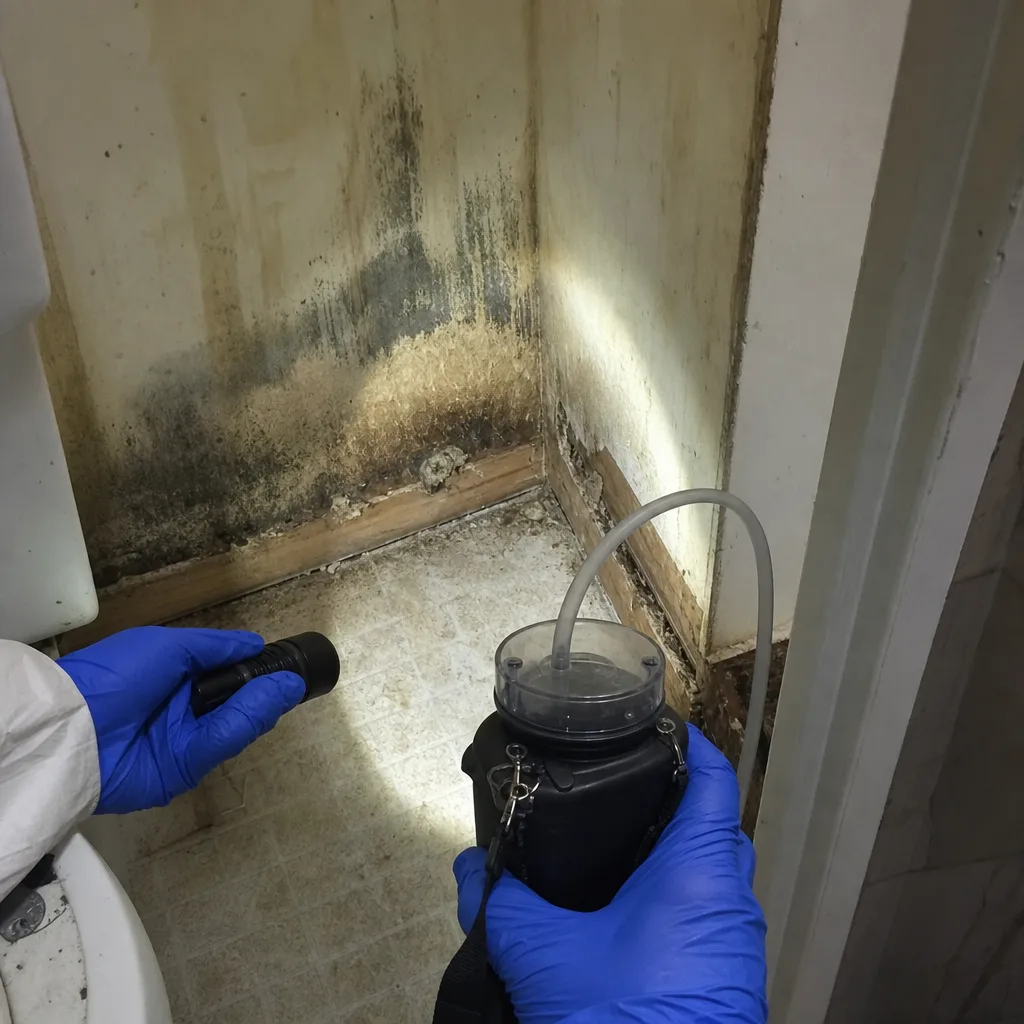
We start with containment setup and a full visual assessment using thermal imaging and moisture meters to map the extent of Category 3 water migration. On Throgs Neck homes, we pay particular attention to the base of walls, where saltwater from prior storms may have already compromised brick and mortar.
Extraction & Stabilization
Using truck-mounted extraction systems, we remove standing black water and contaminated solids. In finished basements with carpet, pad, and damaged drywall, stabilization often includes removing those materials the same visit so drying can begin on the structure, not the contents.
Drying & Dehumidification
Dri-Eaz dehumidifiers and Phoenix air movers are placed according to a calculated drying plan, not scattered around. Daily moisture readings log the drying curve, and we keep logging until the structure reaches the dry standard. In Throgs Neck’s brick homes, that often means longer dry times than a wood-frame house would require.
Cleaning & Sanitization
All affected surfaces get antimicrobial treatment appropriate for Category 3 contamination. HEPA air scrubbers run throughout the active work to keep airborne contaminants from spreading to unaffected rooms. We treat floors, studs, wall cavities, and any salvageable contents.
Infrastructure Repair
This is where Throgs Neck jobs diverge from the rest of the Bronx. When we find failed cast-iron stacks or corroded galvanized supply lines behind the damage, we replace the failed sections with PVC before reconstruction begins. No point sealing a wall over a pipe that’s about to fail again.
Repairs & Restoration
The same crew rebuilds what was removed: drywall, insulation, flooring, trim, and paint. We finish to pre-loss condition and hand you the drying log, the moisture readings, and the 90-Day Done Right Promise in writing. If it’s not done right, we make it right.
Need Emergency Sewage Cleanup in Throgs Neck Now?
Crews minutes away, answering live 24 hours a day. The sooner we start, the less it costs.
Working With Your Insurance Company
Sewage backup claims in Throgs Neck are frequently covered under standard homeowners policies, especially when the backup is storm-related, but carriers want proof the loss happened the way you say it did. We document from the first hour: photos of the water line, the source, the affected materials, and the moisture readings before anything gets removed. That’s the difference between a smooth claim and a denied one. Our line-item scopes use the same estimating software your adjuster uses, which removes the back-and-forth over pricing. And we speak directly with your adjuster, because a homeowner shouldn’t have to translate restoration terminology into claim language at two in the morning.
What We Provide Your Insurer
- Thorough documentation of the loss
- Photos of all damage, room by room
- Moisture readings and drying logs
- A detailed, line-item scope of work
- Direct coordination with your carrier
Built for Throgs Neck’s Loss Calendar
Throgs Neck has a sewage loss calendar that follows the tides and the seasons, not the interior plumbing failures that dominate inland Bronx neighborhoods. January and February bring freeze-ups that crack aging supply lines, and when those lines are buried next to corroded drain stacks, the thaw reveals both problems at once. Spring brings the nor’easters, the real driver of sewage calls here. When a storm tracks up Long Island Sound and pushes water in from the East River simultaneously, the peninsula gets hit from two directions. Floor drains without backwater valves become entry points for black water pushing up from overwhelmed municipal sewers.
Summer thunderstorms dump fast water on streets that drain slowly, and homes with aging sump systems or compromised perimeter drains see backups within hours of a heavy cell passing over. Fall hurricane season is the wildcard. We still see homes in Throgs Neck dealing with the long-term effects of saltwater from major storms a decade ago: moisture trapped in brick cavities, corroded fasteners, and the slow failure of drain infrastructure exposed to decades of salt air. Every season has a signature, and our crews know which one matches the call before the truck stops.
Sewage Cleanup Across Throgs Neck’s Neighborhoods
Throgs Neck’s geography shapes how sewage losses play out block by block. Homes along Schurz Avenue and the streets running down toward the water sit closest to the tidal surge zones, and those basements take water first when a nor’easter pushes saltwater up through floor drains. The finished basements common on these blocks, often with carpet, drywall, and finished ceilings, mean the restoration scope starts with full content removal and structural drying, not just extraction.
Over near Fort Schuyler and the streets around Pennyfield Avenue, the homes are a mix of brick semi-detached and single-family builds from the 1950s and 60s. The original cast-iron stacks in this area have spent decades in salt air, and we see more stack failures here than anywhere else on the peninsula. A sewage backup on these blocks often reveals a pipe that was already near failure, and the right fix is replacement, not just cleanup.
In the blocks between East Tremont Avenue and the water, finishes run older, and many basements were finished decades ago with materials that hold moisture. Vinyl flooring over concrete slabs is common here, and it traps water against the slab, extending drying times and hiding contamination. Up near the northern edge of the neighborhood, where the housing shifts toward multi-family and the elevation rises slightly, calls are more often plumbing backups than tidal intrusion. The source matters. The response changes with it.
Throgs Neck’s ZIP codes, 10465 primarily, cover a service area where every block is within sight or sound of water. That’s not a decorative detail. It’s the reason sewage cleanup here is a saltwater discipline, and why a restoration company that only knows freshwater flooding will miss damage a local crew sees every week.
Specialized Sewage Cleanup Services We Offer in Throgs Neck
Black Water Extraction
Black water from sewage carries pathogens that require full PPE and containment before extraction begins. Our crews handle Category 3 water with truck-mounted extraction, appropriate respiratory protection, and the disposal protocols for contaminated materials. In Throgs Neck, black water often comes with a saltwater component during storm surge events, which means extraction has to be followed by structural drying that accounts for the salt absorbed into masonry.
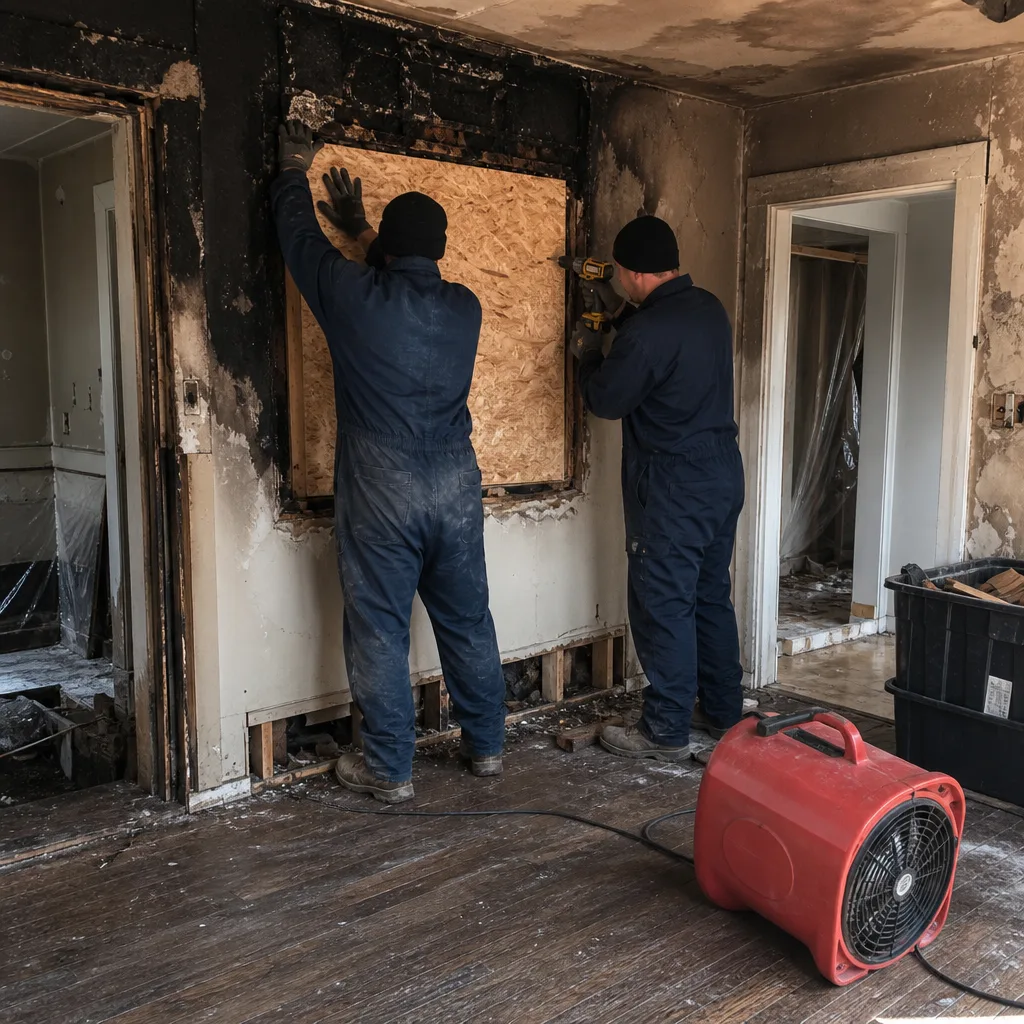
Crawl Space Sewage Removal
Crawl spaces in Throgs Neck homes present a specific challenge: limited access, dirt floors, and often standing water that’s been there for days before it’s discovered. We remove contaminated water and debris, treat the space with antimicrobials, and dry it with low-profile equipment designed for tight clearances. If the sewage event was driven by a failed drain line under the house, we repair the line before the space is sealed back up. Drying a crawl space without fixing the source just schedules the next call.
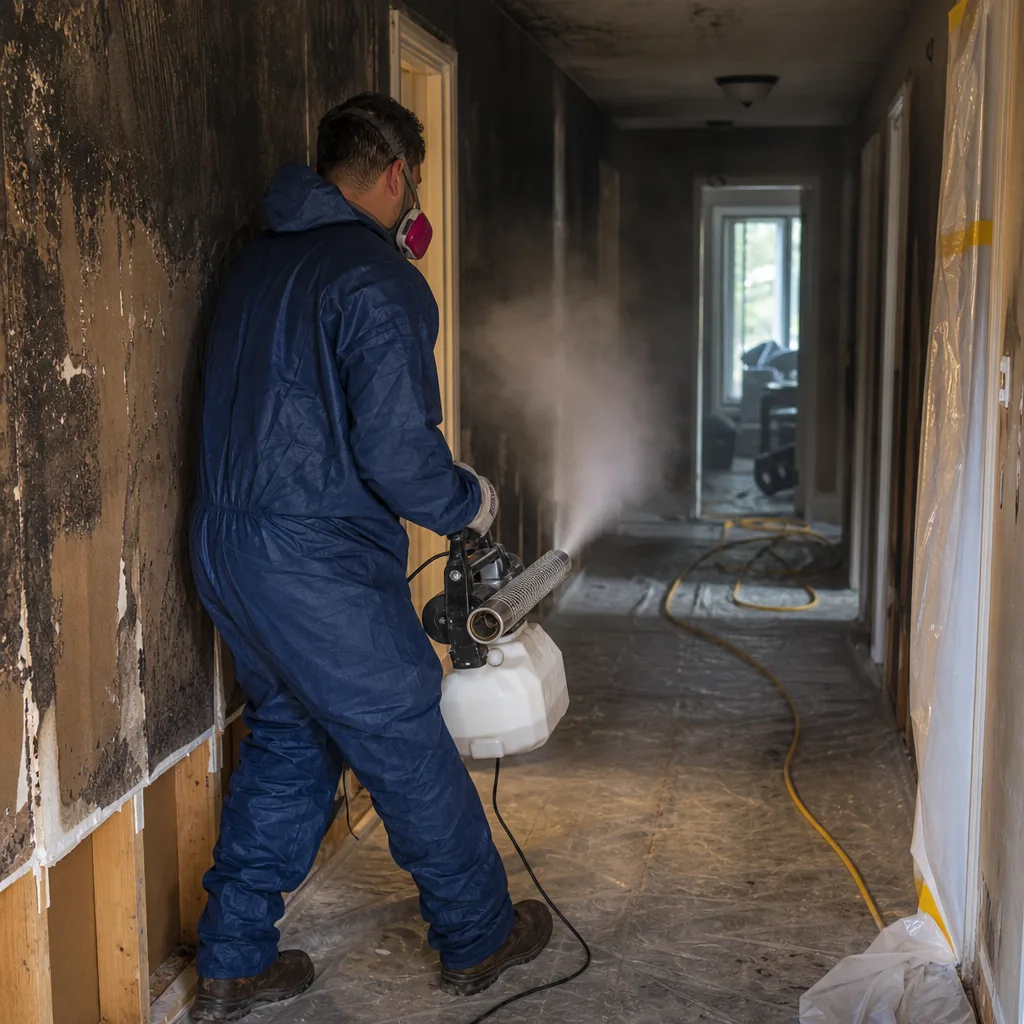
Sanitization & Disinfection
After extraction and drying, every affected surface gets a full antimicrobial application appropriate for Category 3 contamination. That includes studs, subflooring, wall cavities, and salvageable contents. We run HEPA air scrubbers during active work and perform clearance verification before reconstruction begins. In Throgs Neck, where brick cavity walls can hold salt-laden moisture from prior events, sanitization has to reach past the surface. A sponge and a sprayer won’t do it.
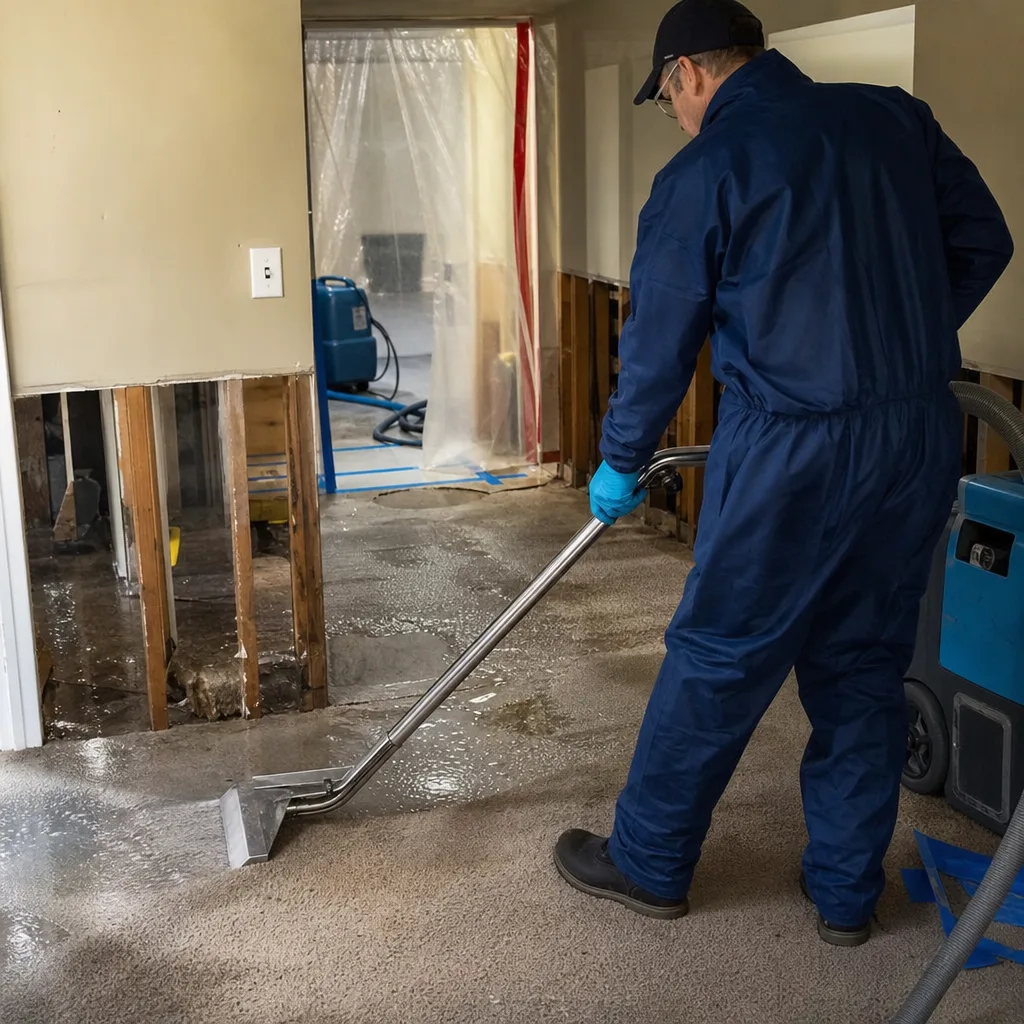
Sewage Backup Cleanup
A backup from a clogged line or a municipal sewer overload is the most common sewage call in Throgs Neck. The immediate priority is stopping the inflow, then extracting standing water. Then we trace the source. On homes with original cast-iron stacks, the backup is often a symptom of a stack that’s partially collapsed. We’ll scope the line, show you what the camera sees, and give you an honest recommendation on whether the pipe can be cleared or needs replacement.
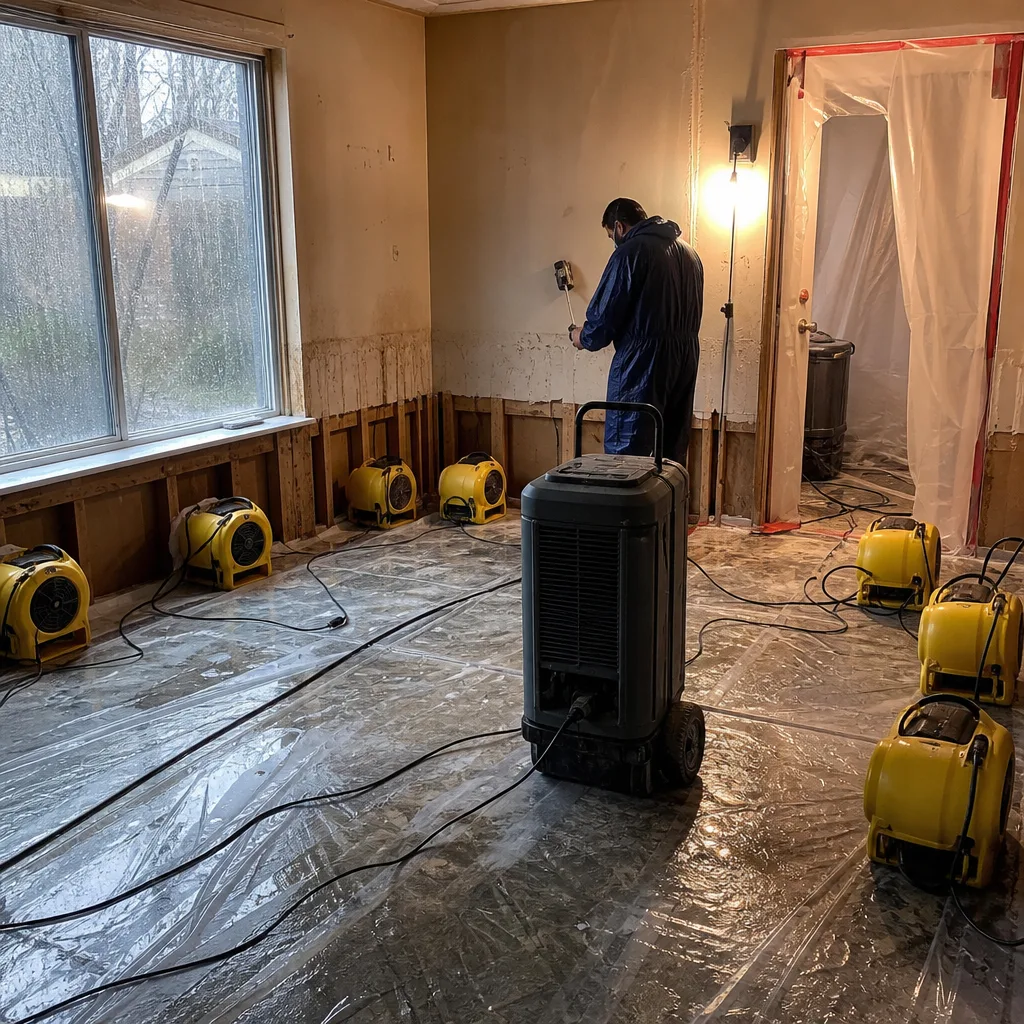
Toilet Overflow Cleanup
Toilet overflows are often treated as minor, but when the overflow is sewage and it reaches a finished floor, it’s a Category 3 loss. We extract the standing water, remove contaminated flooring and trim, and dry the affected area thoroughly. Then we sanitize. A toilet overflow on Throgs Neck’s slab-on-grade basements with vinyl flooring frequently hides water that migrated under the flooring, so we check with moisture meters, not just eyes.
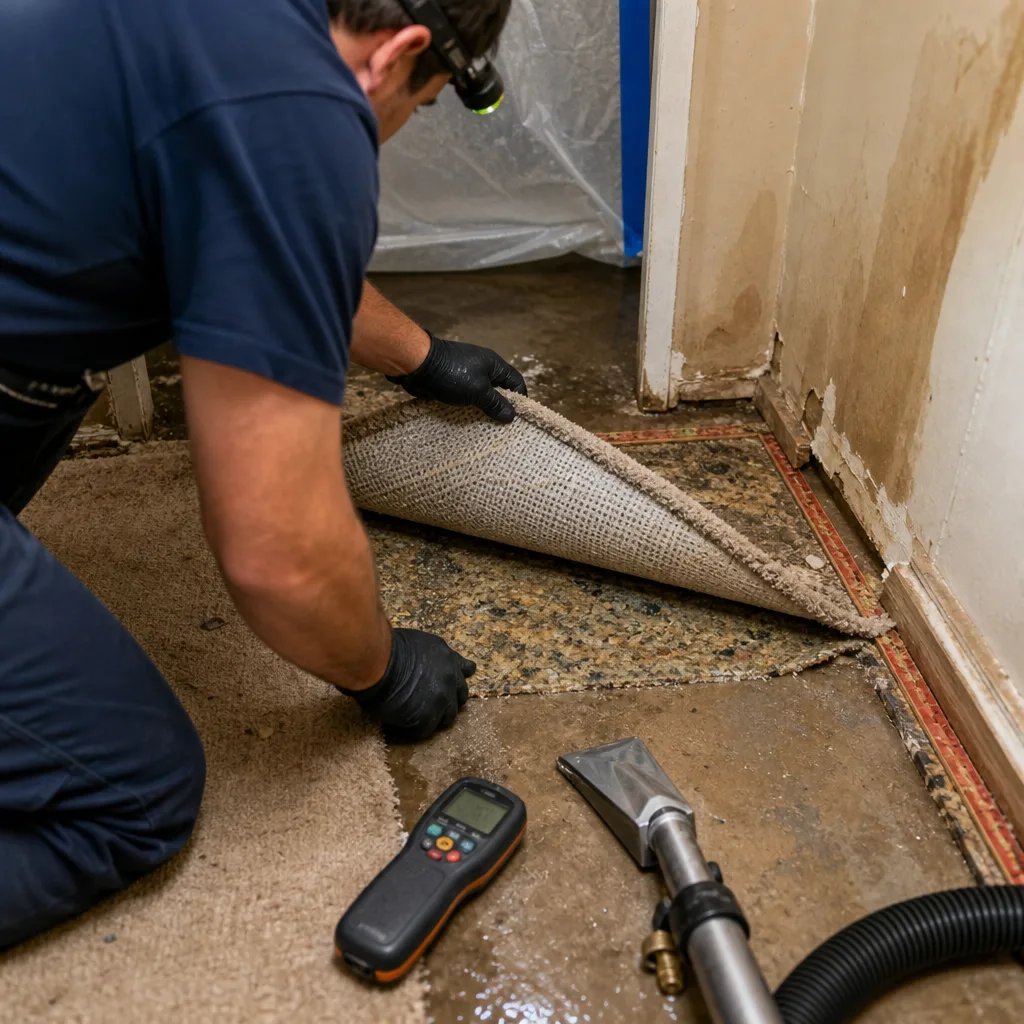
Septic Failure Cleanup
Septic failures in Throgs Neck usually show up as slow drains first, then a backup. The failure itself is the property owner’s repair, but the cleanup of what backed up into the home falls to us. We extract the contaminated water, remove soiled materials, sanitize, and dry. Then we can coordinate with a licensed plumber or septic contractor for the system repair. We don’t do the septic repair ourselves, and we won’t pretend to. We’ll tell you who to call and what to ask.
What happens when you call
- 1
A real person answersNo phone trees - you reach a local pro.
- 2
You get an upfront price rangeHonest numbers before anyone is dispatched.
- 3
A background-checked tech heads outLicensed & insured, dispatched right away.
- 4
You approve before work beginsNothing starts until you say go.
Sewage Cleanup Costs in Throgs Neck, NY
Sewage cleanup in Throgs Neck runs on a wide range because the scope varies so much from block to block. A straightforward toilet overflow contained to a bathroom typically costs $800 to $1,500. A finished basement backup with carpet removal, drywall removal, drying, and sanitization runs $3,500 to $8,000 depending on square footage and how much material has to come out. When we’re also replacing a failed cast-iron stack section, that adds $1,200 to $3,500 to the job, and it’s usually the part another company’s quote leaves out.
What moves the price: the volume of standing water, how long it sat before we arrived, whether drywall and flooring have to go, whether the source is a simple clog or a failed pipe, and whether the loss touched finished or unfinished space. Most Throgs Neck sewage claims are at least partially covered by homeowners insurance, especially storm-related backups. The free visual inspection gives you a firm, written scope before any work starts, so you know the number before you commit. Call (518) 872-6111 and we’ll walk you through it.
We Also Serve Cities Near Throgs Neck
Our crews cover the full Throgs Neck peninsula and the surrounding neighborhoods. We respond to sewage and storm calls in Flushing, Bayside, College Point, and East Elmhurst, with the same 45-minute response commitment and the same live 24/7 dispatch. If you’re in a nearby zip code and water is coming up through the drains, call us and we’ll get a truck moving.
Serving Throgs Neck, NY - Our Local Coverage Area
We’re based in the Throgs Neck area and know this community well. Use the map below to see our service coverage - if you’re nearby, we can almost certainly help.
Throgs Neck Sewage Cleanup Questions, Answered
How does saltwater from Throgs Neck’s tidal flooding affect sewage cleanup differently than a normal backup?
Saltwater changes everything about the cleanup. It corrodes metal fasteners, attacks mortar joints, and drives deeper into brick cavity walls than freshwater does. After a tidal surge event that mixes saltwater with sewage, drying times run longer and antimicrobial treatment has to penetrate into masonry, not just surface materials. That’s why Throgs Neck jobs routinely require more drying equipment and longer monitoring than a freshwater backup in an inland Bronx neighborhood.
Can you dry out a finished basement in Throgs Neck after a sewage backup, or does everything have to be removed?
It depends on what got wet and how long it sat. Carpet and pad in a Category 3 loss are almost always removed; they hold pathogens and can’t be adequately sanitized. Drywall soaked with sewage typically gets cut out to at least 12 inches above the water line. Hard surfaces like concrete and tile can usually be cleaned, sanitized, and dried in place. In Throgs Neck’s brick homes, we check what’s behind the drywall before we seal it up. If the wall cavity stayed wet or the framing is compromised, opening it now saves a mold problem later.
Why do Throgs Neck homes have persistent mold problems after sewage cleanup that inland Bronx homes don’t?
It comes down to the brick. Throgs Neck’s homes have brick cavity walls that hold moisture much longer than wood-framed walls. When a sewage event saturates the walls and the drying plan doesn’t account for the brick’s moisture retention, the wall cavity stays wet for months. Mold colonizes inside the cavity, then shows up on the interior surface after the restoration is long finished. We read moisture from inside the cavity with probing meters, not just surface readings, and we keep drying until the structure itself, not just the drywall, meets the dry standard.
What should I do immediately after sewage backs up into my Throgs Neck basement during a storm?
First, don’t go into the water. Sewage and saltwater carry pathogens, and you don’t know what’s energized downstream. Shut off power to the basement if you can do so safely, but don’t wade into standing water to reach the panel. Then call us at (518) 872-6111. The sooner extraction starts, the less material we have to remove and the shorter the drying cycle. Don’t run fans, don’t put towels down, and don’t try to pump the water yourself. Category 3 water has to be extracted and disposed of properly, not pushed into the street or your neighbor’s drain.
Do you replace old sewer lines and drain stacks in Throgs Neck, or just clean up the mess?
We replace the sections of cast-iron drain stack and galvanized supply line that failed and caused the backup. We’re not a full plumbing contractor and we won’t pretend to be one, but when the failure is directly related to the sewage loss, we handle the repair as part of the restoration scope. If the whole line needs replacement across the property, we’ll tell you honestly and point you to a licensed plumber. Then we’ll finish the restoration once the pipe work is done. One crew, one point of accountability.
How fast can someone actually get to a sewage backup in Throgs Neck?
Our Throgs Neck crews aim to have a team on site within 45 minutes of your call. We run live dispatch around the clock from our New York City office, and the dispatcher knows which crews are closest to the Throgs Neck peninsula at any given hour. Sewage doesn’t wait for business hours, and neither do we. Call (518) 872-6111 and a person answers, day or night.
Will my homeowners insurance cover a sewage backup in Throgs Neck?
Most homeowners policies in Throgs Neck cover sewage backup when it’s storm-related or caused by a sudden failure, but coverage details vary by carrier and policy. The claim outcome depends heavily on documentation. We photograph everything before removal, log moisture readings daily, and provide line-item scopes your adjuster can verify. We coordinate directly with your carrier and bill them directly, so you’re not advancing cleanup costs while arguing with a claims department.
Is it safe to stay in my Throgs Neck home during sewage cleanup?
During active extraction and drying, the affected area is contained and sealed off from the rest of the house. HEPA air scrubbers run continuously to keep airborne contaminants from migrating. Most of our Throgs Neck clients stay in the home while we work, but there are cases where the scope makes staying impractical: full basement losses with heavy structural removal, or homes with very young children, elderly residents, or anyone with respiratory conditions. We’ll give you an honest read on your specific situation during the initial inspection.
What certifications do your sewage cleanup technicians hold?
Our crews train to IICRC, RIA, and IFA standards. For sewage work specifically, that includes IICRC’s ASD (Applied Structural Drying) and AMRT (Applied Microbial Remediation Technician) designations, plus ongoing training in Category 3 water protocols and antimicrobial application. Every technician on your Throgs Neck job is background-checked and uniformed. We’re happy to show credentials when we arrive.
If sewage is backing up into your Throgs Neck home right now, call (518) 872-6111. A live dispatcher answers, a crew gets moving, and the free inspection tells you exactly what you’re facing before any work is authorized. We’ve handled thousands of Category 3 losses across the Bronx, and we’ve been doing it with one crew from first extraction to final trim since 2010. Done right, and backed in writing.
Written by Curt Bowman, Owner at Floodline Restoration Co., serving Throgs Neck and the surrounding Bronx communities with live 24/7 sewage cleanup, storm response, and full restoration.