
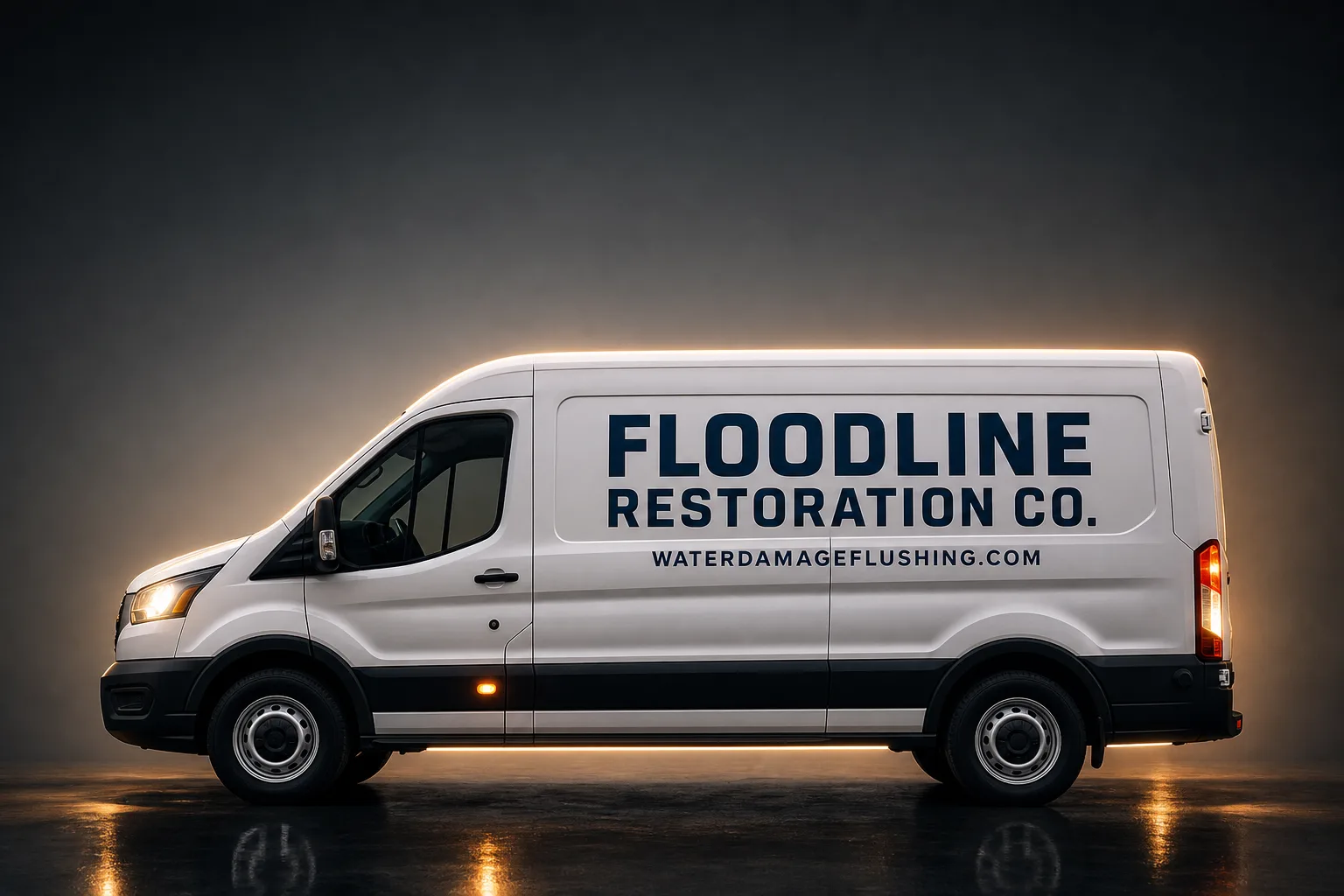
Free visual inspection and a written scope of work before any mitigation begins - photos, moisture readings, and drying logs go in your claim file
The scope we write is the scope we bill. Anything new gets shown to you, in writing, before we touch it.
Storm responseSewage cleanup
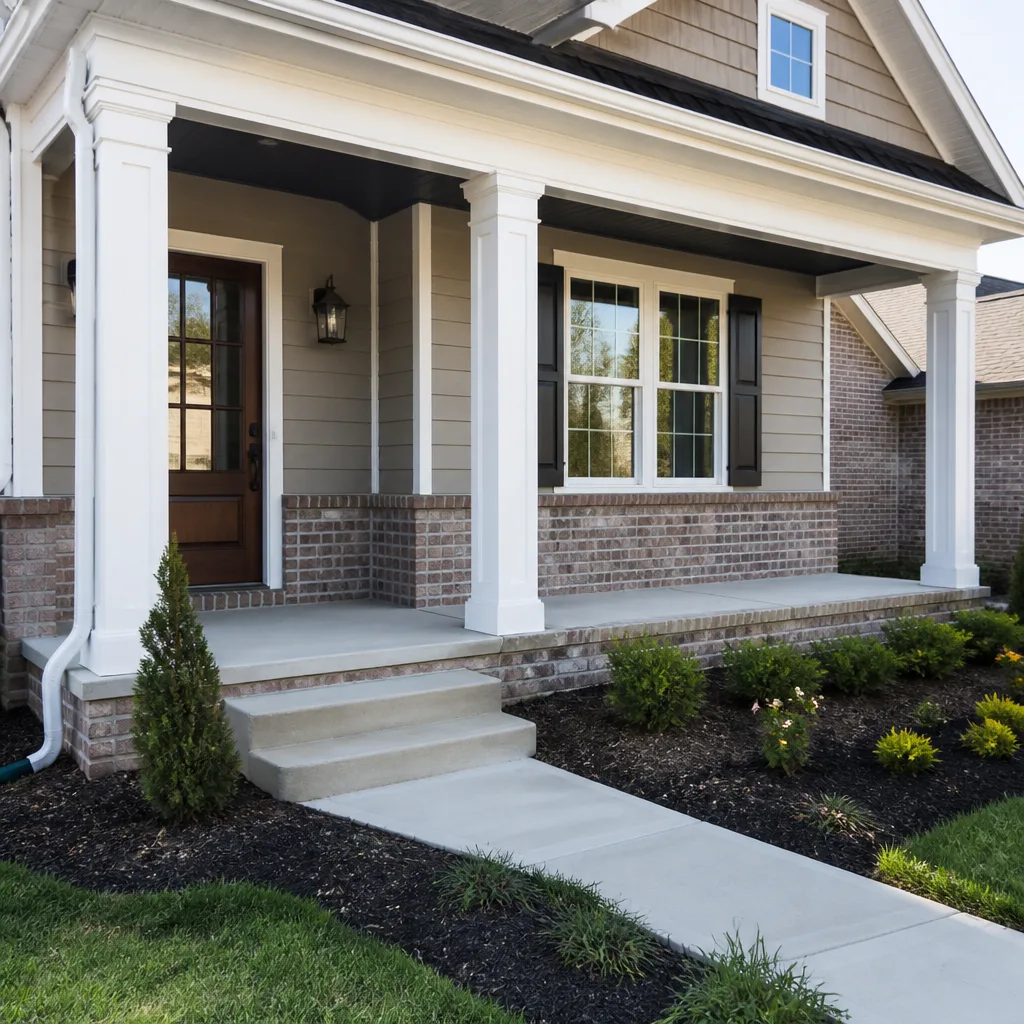
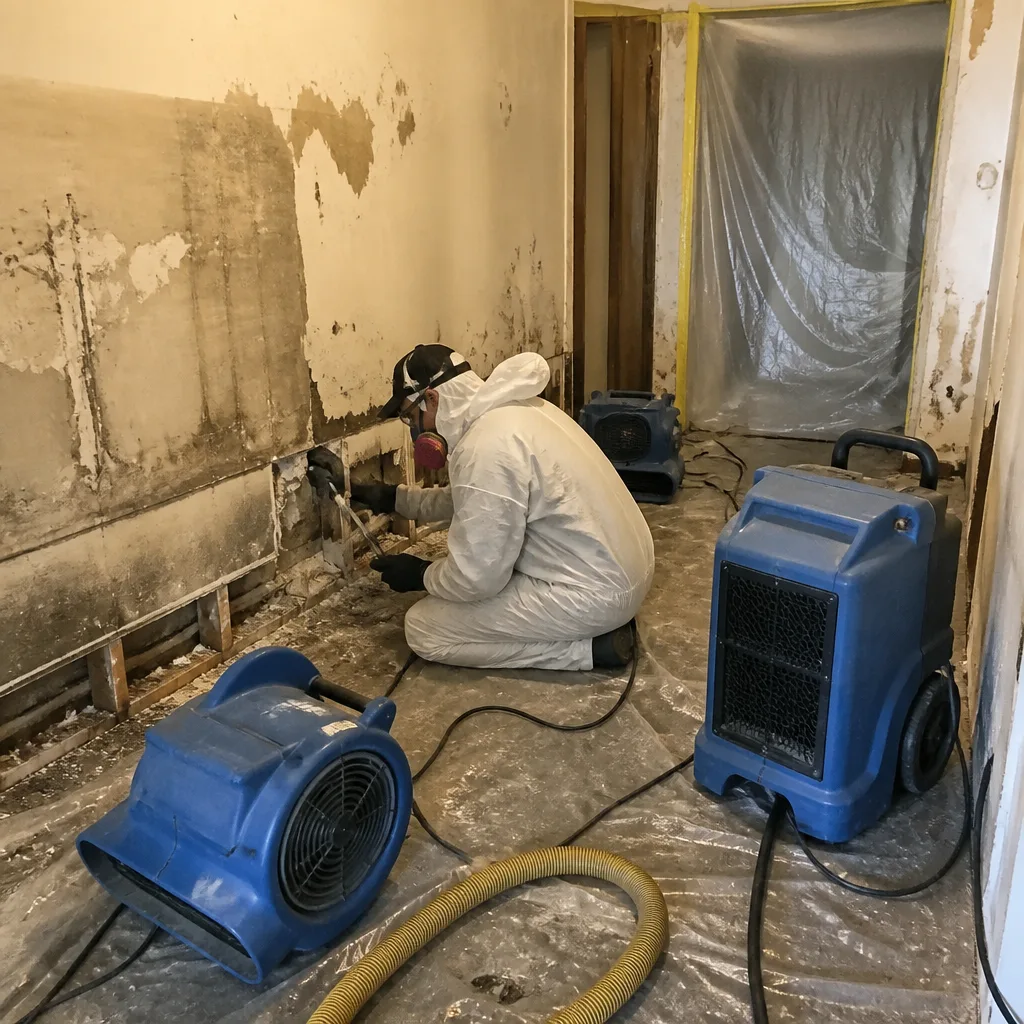 Before
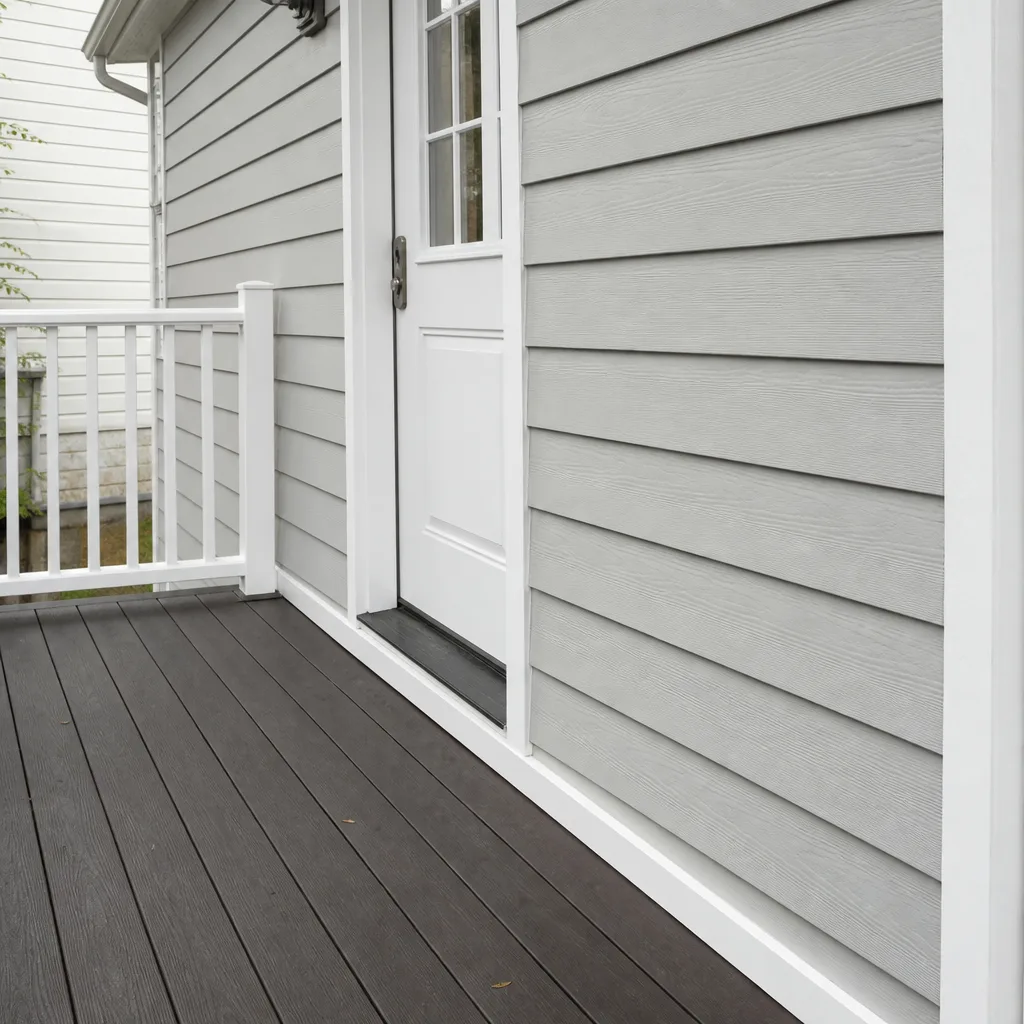 After
After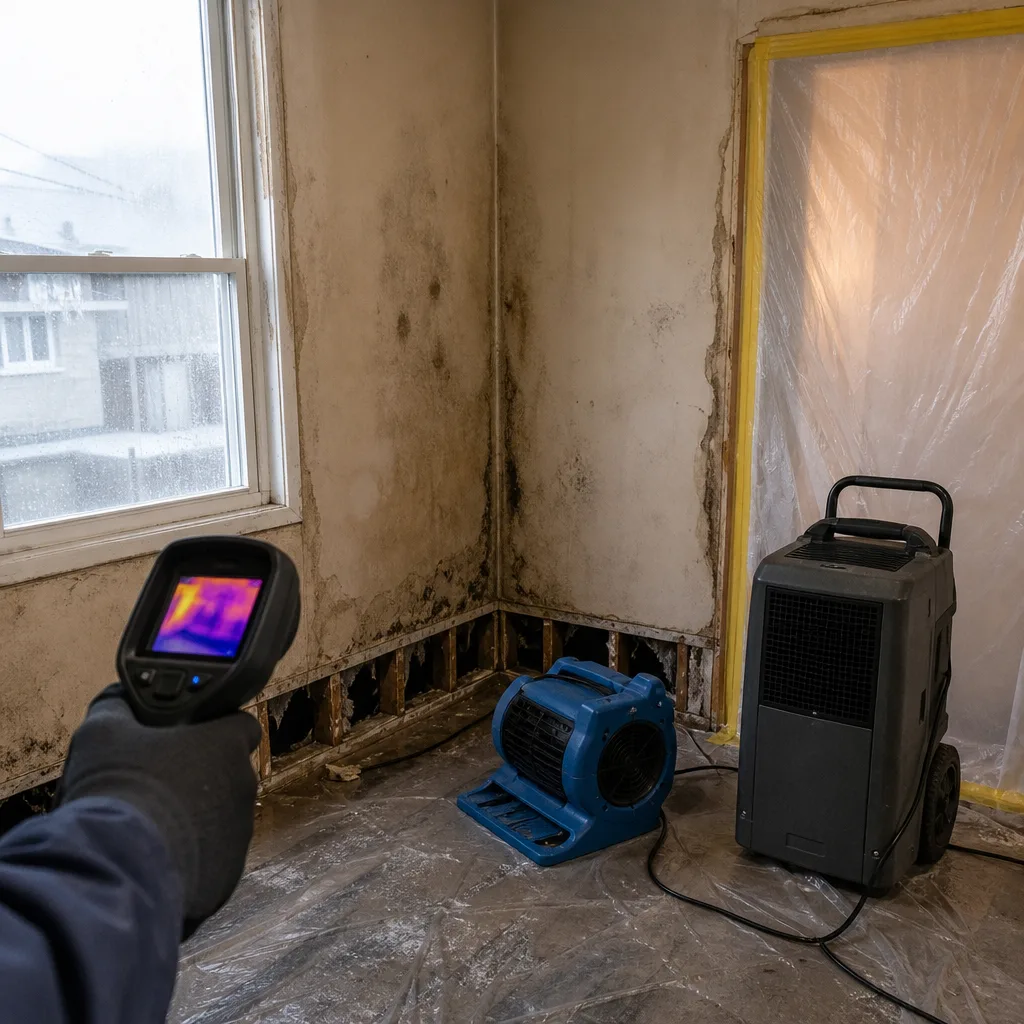 Before
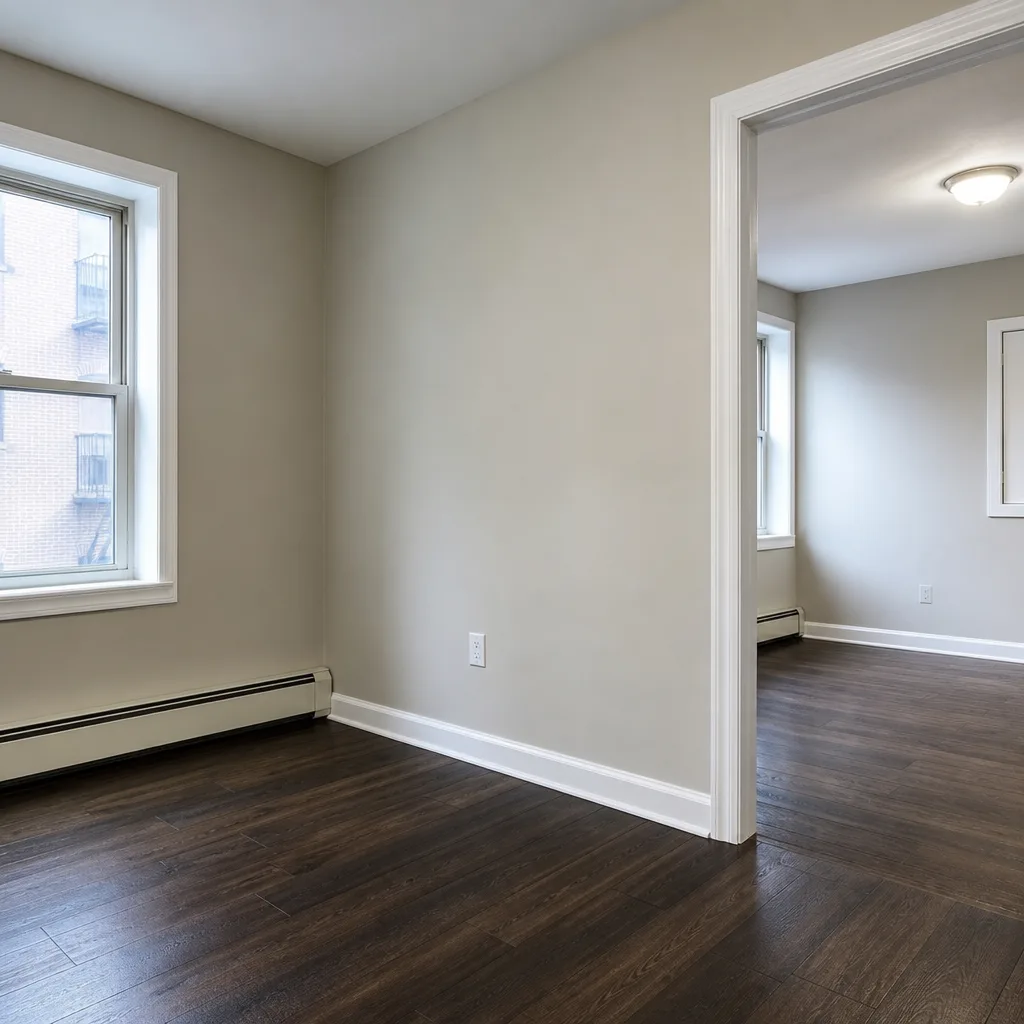 After
After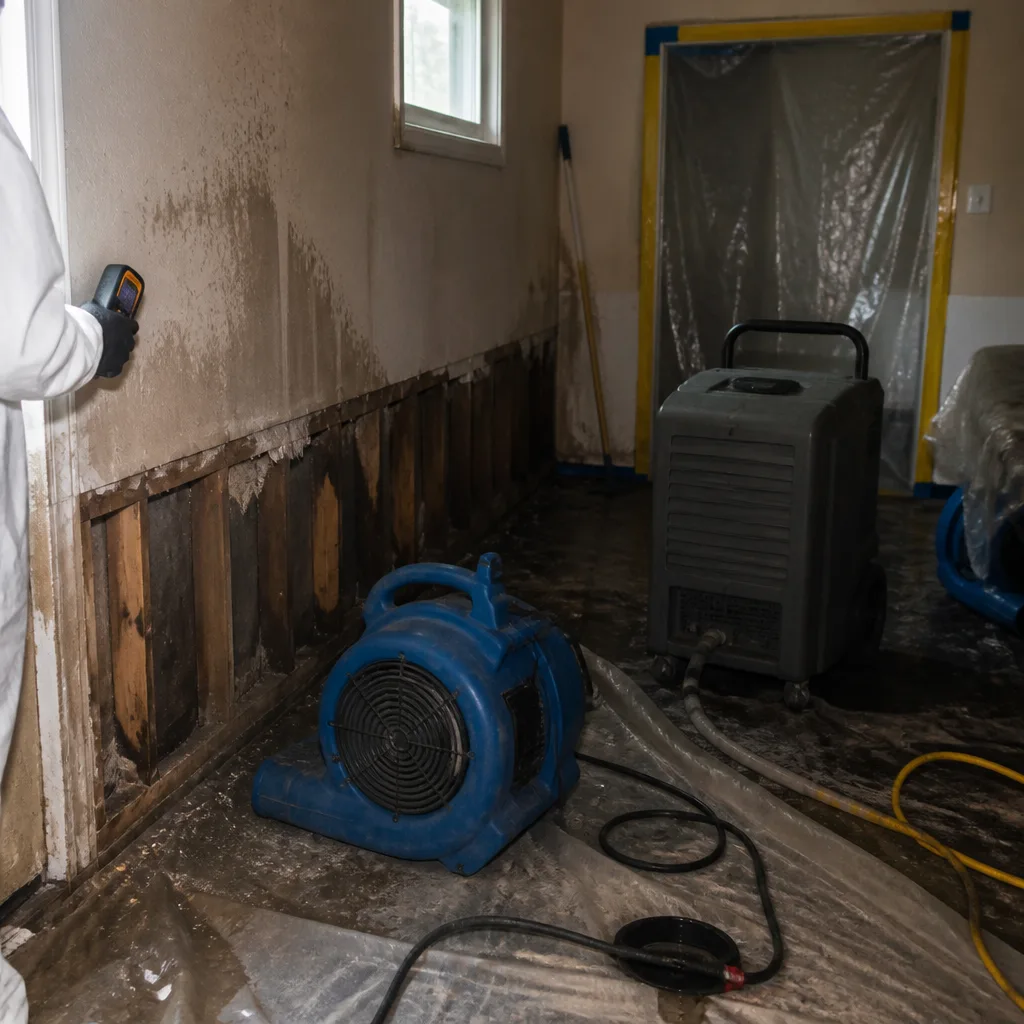 Before
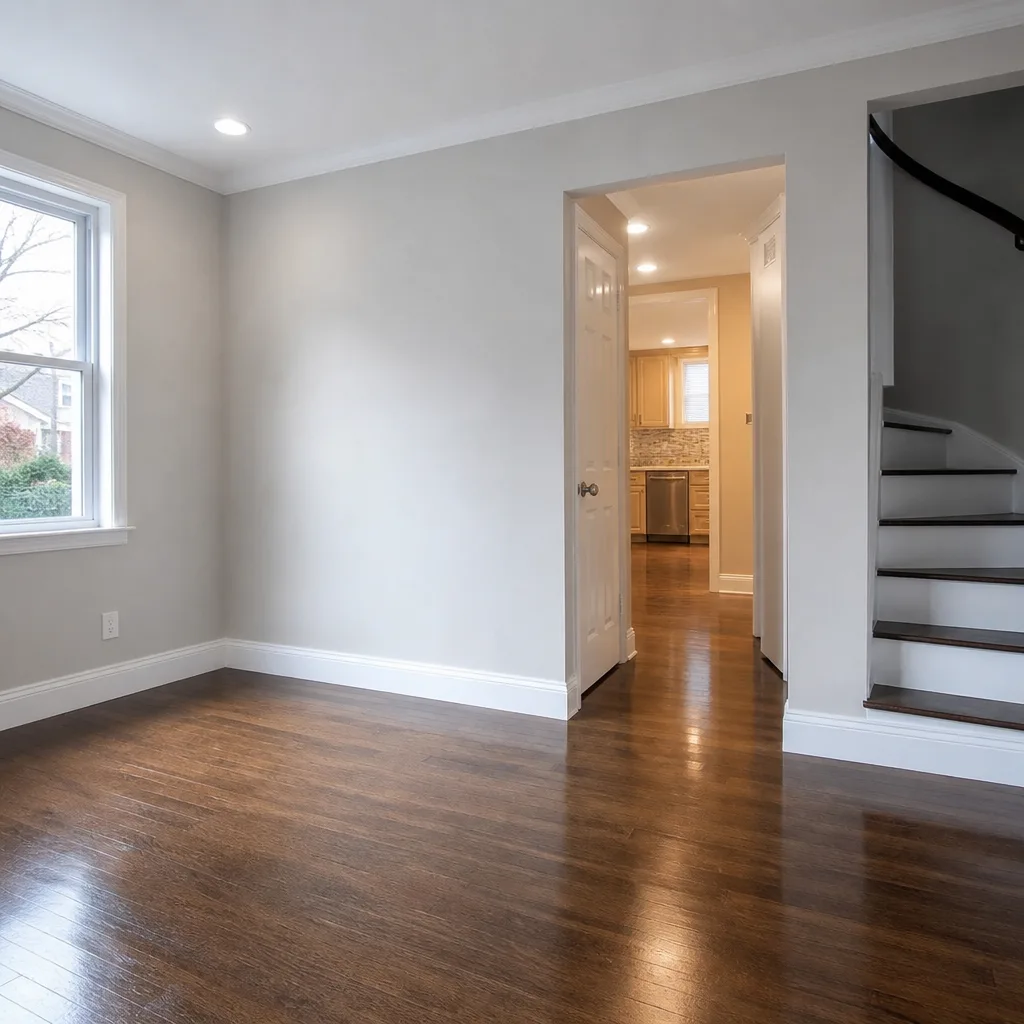 After
After24/7 Emergency Storm & Disaster Restoration in College Point
Storm damage in College Point needs one thing first: someone who answers the phone at 2 a.m. and gets a certified crew to your block within 45 minutes. We do both. Call (518) 872-6111 any hour, any day, and you’ll speak to a live dispatcher who knows College Point’s streets and starts coordinating a truck before the call ends. The first hour after roof damage, storm surge, or a wind-driven window failure determines whether you’re dealing with contained cleanup or a house full of saturated drywall and warped flooring.
Floodline Restoration Co. has been doing Storm & Disaster Restoration work the same way since 2010: show up fast, document everything, contain the damage, and never hand the job off to a second crew. This page covers what storm restoration actually looks like in College Point, with numbers and timelines specific to this peninsula.
Key Takeaways
- Storm surge from Flushing Bay and Powell’s Cove drives Category 3 water into College Point basements, even in moderate nor’easters. Standard drying isn’t enough.
- Typical storm damage cleanup in College Point runs $1,800 to $9,500 depending on water class and square footage. Full restoration with rebuild work often lands between $12,000 and $45,000.
- We answer live 24/7 and target 45-minute arrival for emergency mitigation anywhere on the peninsula.
- Direct insurance billing. One crew from extraction to finished rebuild. Backed by the 90-Day Done Right Promise.
Understanding Storm & Disaster Restoration Severity in College Point Properties
Most College Point homes were built between the 1920s and 1950s. That means plaster-and-lath walls over balloon framing, cellulose or mineral-wool insulation, and full basements that sit at or near tidal grade. When stormwater enters, it doesn’t just wet the bottom two inches of drywall. Plaster wicks moisture upward into framing cavities nobody can see without a thermal camera and a moisture meter.
Stormwater in College Point is rarely Category 1. The peninsula is nearly surrounded by Flushing Bay and Powell’s Cove, both of which carry documented combined sewer overflow discharge and industrial runoff. That means floodwater entering a basement here is almost always Category 3, or black water, regardless of whether it came from the sky, the street, or a backed-up floor drain. Category 3 water requires full containment, PPE, antimicrobial treatment, and disposal of saturated porous materials. Treating it as anything less leaves sewage residue in wall cavities and under subflooring.
We classify damage by water category, class of water intrusion, and drying-goal standards. Every job gets thermal imaging and a moisture map on day one, with daily readings logged until the dry standard is met, and that log goes to both you and your insurance carrier. That’s not a fast-dry sales claim. It’s a written, dated record we stand behind.
Why College Point Property Owners Choose Floodline Restoration Co.
- 45-minute response commitment. Our dispatch is built around College Point’s geography. When you call, the nearest crew heads out immediately, and we quote arrival time from the moment of dispatch, not “sometime today.”
- 24/7 live answer, always a person. No recordings, no call centers reading scripts. A dispatcher who knows the difference between College Point’s north side and the blocks near Powell’s Cove picks up.
- IICRC-certified crews. Our technicians hold WRT and FSRT certifications through the IICRC, and several carry AMRT for Category 3 sewage work. Background-checked, uniformed, and trained on the specific failure patterns of College Point’s housing stock.
- Free visual inspection. No charge to walk your property, document the damage, and give you a straight answer on scope. If you decide to go with us, the inspection findings become the foundation of your written estimate.
- Direct insurance billing. We bill your carrier directly and coordinate with your adjuster. You’re not the messenger between us and the insurance company.
- One team, extraction to reconstruction. The crew that reads the moisture map on day one handles daily drying readings and rebuilds what needs rebuilding. No mid-job handoff to a different company or inherited subcontractor.
Our Storm & Disaster Restoration Process
Inspection & Assessment
We inspect the full loss, not just the visible part. Thermal imaging scans plaster walls for hidden water columns. Water samples are taken for coliform testing before any basement flood is classified, because College Point’s bay water changes the entire scope.
Extraction & Stabilization
Standing water is extracted with truck-mounted and portable extractors. We board up broken windows, tarp roofs, and secure failed garage doors the same visit. Extraction runs before you sign anything if you ask us to start on arrival.
Drying & Dehumidification
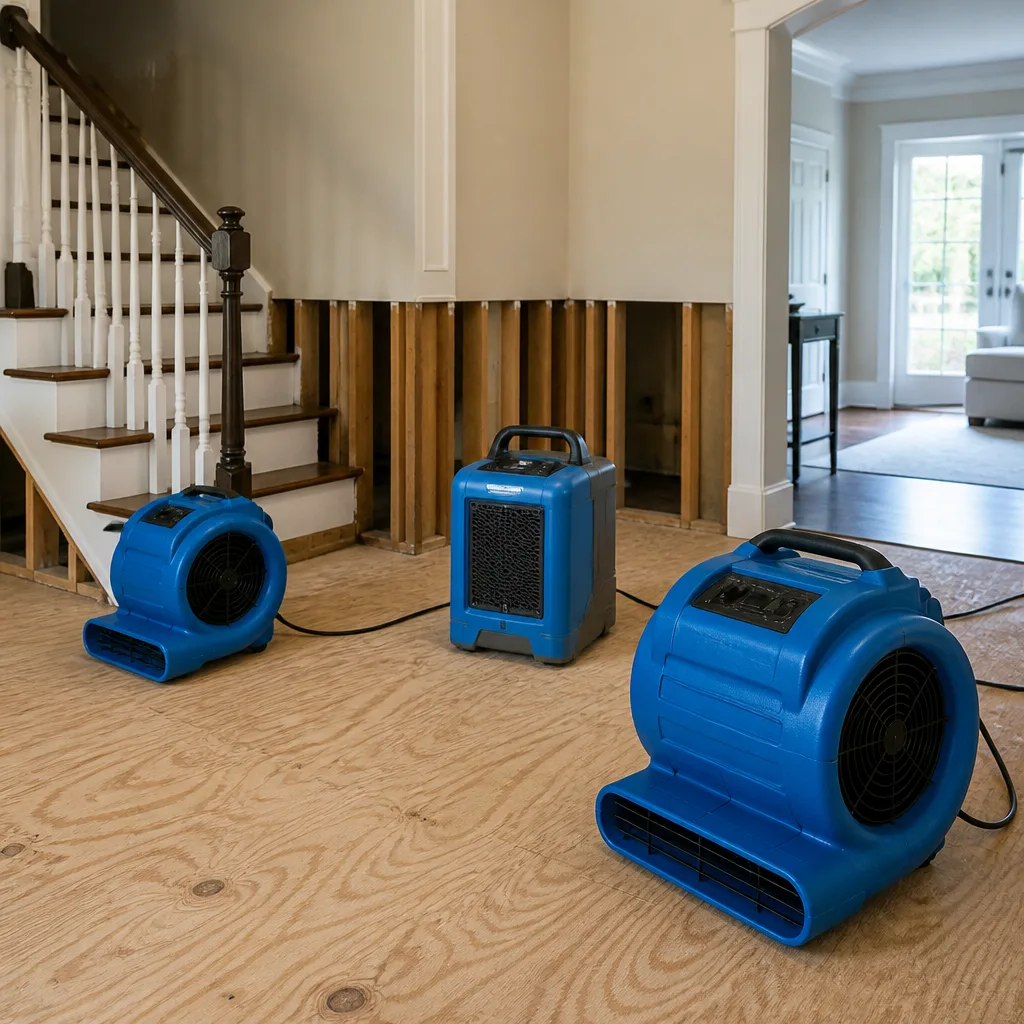
Dri-Eaz dehumidifiers and XPOWER air movers are placed on the moisture map, not scattered randomly. Plaster-and-lath walls need slower, longer drying than modern drywall. We run equipment until hygrometer readings hit the dry standard, not a calendar date.
Cleaning & Sanitization
Category 3 floodwater means antimicrobial application and HEPA air scrubbing. We don’t spray bleach and call it done. Surfaces are cleaned to IICRC standards, and porous materials that can’t be salvaged are removed and documented.
Specialty Containment
For sewage-tainted water, we run full containment barriers with negative air pressure to keep contaminants from spreading to unaffected rooms. This is a field reality in College Point that inland crews often skip because they don’t see it every week.
Repairs & Restoration
We rebuild to pre-loss condition, from drywall and plaster restoration to flooring, trim, and finish work. The same certified crew that started the job finishes it, and every repair falls under the 90-Day Done Right Promise.
Need Emergency Storm & Disaster Restoration in College Point Now?
Crews minutes away, answering live 24 hours a day. The sooner we start, the less it costs.
Working With Your Insurance Company
Storm and flood claims in College Point have a specific wrinkle: many standard homeowners policies exclude flood damage caused by rising bay water or storm surge, while wind-driven rain and roof damage are typically covered. Our team documents everything from the first hour so your claim is built on evidence, not argument. We photograph every damaged area, room by room. We record moisture readings and drying logs daily, and we hand that log to your adjuster. Our line-item scope of work matches the estimating software carriers use. We negotiate with the adjuster directly. Whether you’re filing a claim or paying out of pocket, you get the same written scope before work starts. And the 90-Day Done Right Promise applies either way.
What We Provide Your Insurer
- Thorough documentation of the loss
- Photos of all damage, room by room
- Moisture readings and drying logs
- A detailed, line-item scope of work
- Direct coordination with your carrier
Built for College Point’s Loss Calendar
College Point doesn’t have one storm season. It has four patterns, and they overlap. Winter nor’easters push surge from Flushing Bay and the East River corridor into ground floors along 130th Street and up toward MacNeil Park. The same storms rip shingles and siding, letting wind-driven rain behind the building envelope. Spring brings the thaw, and with a water table that sits high year-round, hydrostatic pressure forces water through foundation cracks in basements from 18th Avenue to the blocks near Poppenhusen Avenue. Summer thunderstorms drop an inch of rain in an hour, and the peninsula’s flat grade plus a combined sewer system means street water finds the lowest point, which is often a basement stairwell or garage slab. Fall is the unpredictable one: a hurricane remnant can hit in September or October and do in six hours what a nor’easter does in two days.
We’ve also seen what happens when a garage door fails during these events. More on that below, because it’s the single most overlooked entry point for storm damage in College Point.
Storm & Disaster Restoration Across College Point’s Neighborhoods
College Point isn’t one flood zone. It’s a peninsula with three distinct water exposures. The blocks along 5th Avenue and MacNeil Park face the East River to the north and take the direct brunt of wind-driven surge during winter storms. The homes near Powell’s Cove on the west side sit just above the marsh line, and their basements flood from tidal backflow through the storm drain system even when the sky is clear. The central blocks around College Point Boulevard are the older housing stock, many with original 1920s and 1930s basements that were never designed for the water table they sit on.
Along 14th Avenue near the industrial waterfront, we work on both residential and mixed-use buildings, often dealing with roof damage from wind loads that travel up the Flushing Bay corridor. The blocks bounded by 23rd Avenue and 130th Street sit at slightly higher grade but take water from the north when the bay floods its bulkheads. Every one of these areas has a different failure pattern, and our crews respond with that in mind rather than treating every call as identical.
College Point’s Salt-Air Garage Door Problem
Here’s something a generic storm restoration page won’t tell you. In College Point, the first thing that fails on many homes during a storm isn’t the roof or the windows. It’s the garage door hardware, and it fails because of salt air half a mile inland. Springs corrode. Rollers seize. Hinges weaken at the pin. Tracks rust where the coating has worn thin. Opener chains stretch and break. A garage door that hasn’t been inspected in ten years becomes a wind sail during a nor’easter, and when it fails, it doesn’t fail gently. The door buckles, the tracks tear off the jamb, and a four-foot-by-seven-foot opening now faces the full force of wind and storm surge.
On a nor’easter call near Powell’s Cove, our crew found a finished basement filled with bay-driven surge that had pushed past a failed garage door and carried sewage-tainted water from a nearby CSO outfall. We sent post-flood samples for coliform testing before starting, confirmed Category 3, and set up full containment with Dri-Eaz dehumidifiers and air movers to dry the plaster-and-lath walls to pre-loss condition. The homeowner had been told by another company that the water looked clean and they could dry it themselves. It wasn’t.
When we rebuild or repair after a storm event, we address the underlying hardware failure. Galvanized or coated springs. Stainless hinges and rollers. Nylon rollers where noise and corrosion resistance matter. Reinforced track mounts. A corrosion inspection is part of any storm restoration scope where a garage door failed, because replacing the door without fixing why it failed means you’ll see us again at the next nor’easter.
Specialized Storm & Disaster Restoration Services We Offer in College Point
Flood Damage Restoration
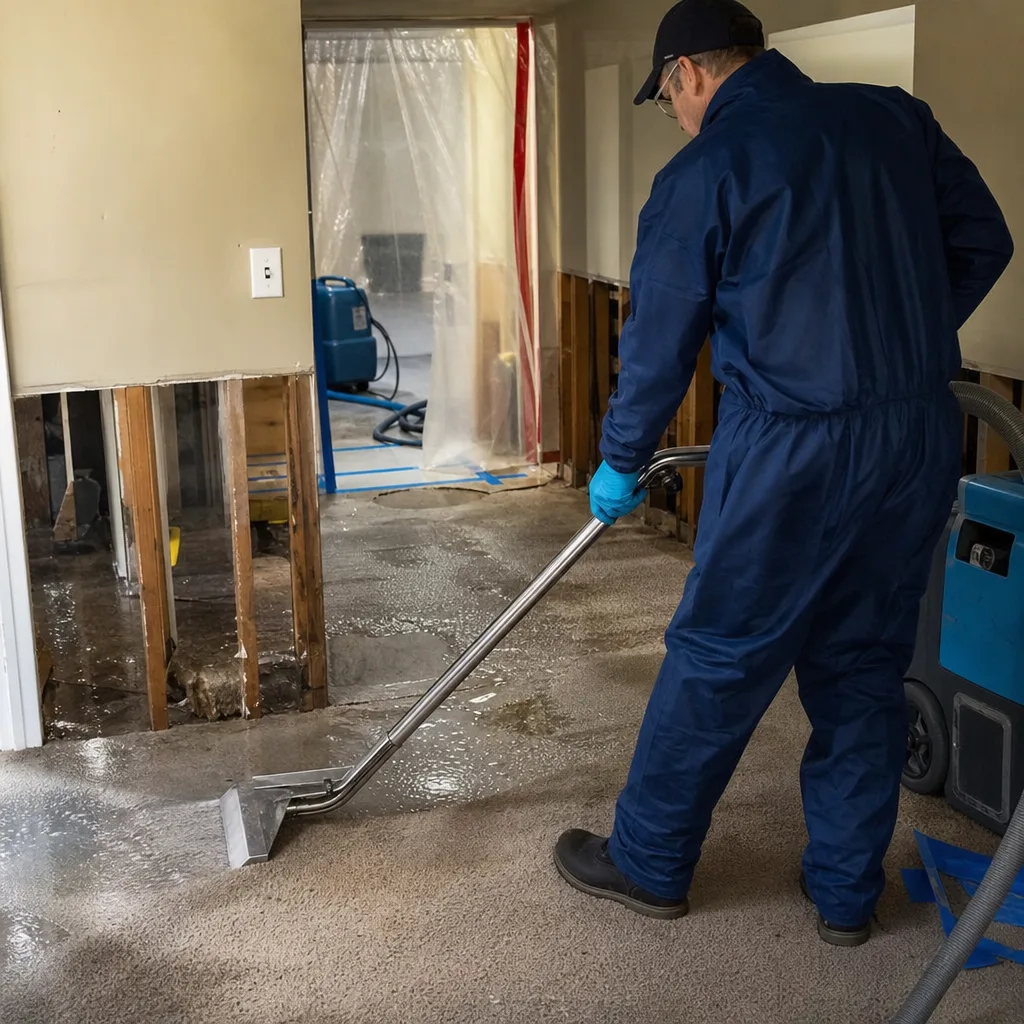
This is the service College Point needs most, and it’s the one where local knowledge changes everything. Floodwater here tests positive for coliform bacteria with enough regularity that we treat every basement flood as potentially Category 3 until testing says otherwise. That means full PPE, containment, antimicrobial protocols, and disposal of saturated porous materials. A crew that skips testing leaves sewage residue behind walls. You may not smell it for months. Then you will.
Emergency Board-Up
After window damage from flying debris or a fallen limb, your house is open to weather and to anyone walking by. We board up with plywood cut on site and secured correctly, not nailed over trim in a way that causes more damage. Board-up is a stopgap that buys time for a proper repair, and we treat it as the first step in the restoration scope, not a separate invoice to inflate.
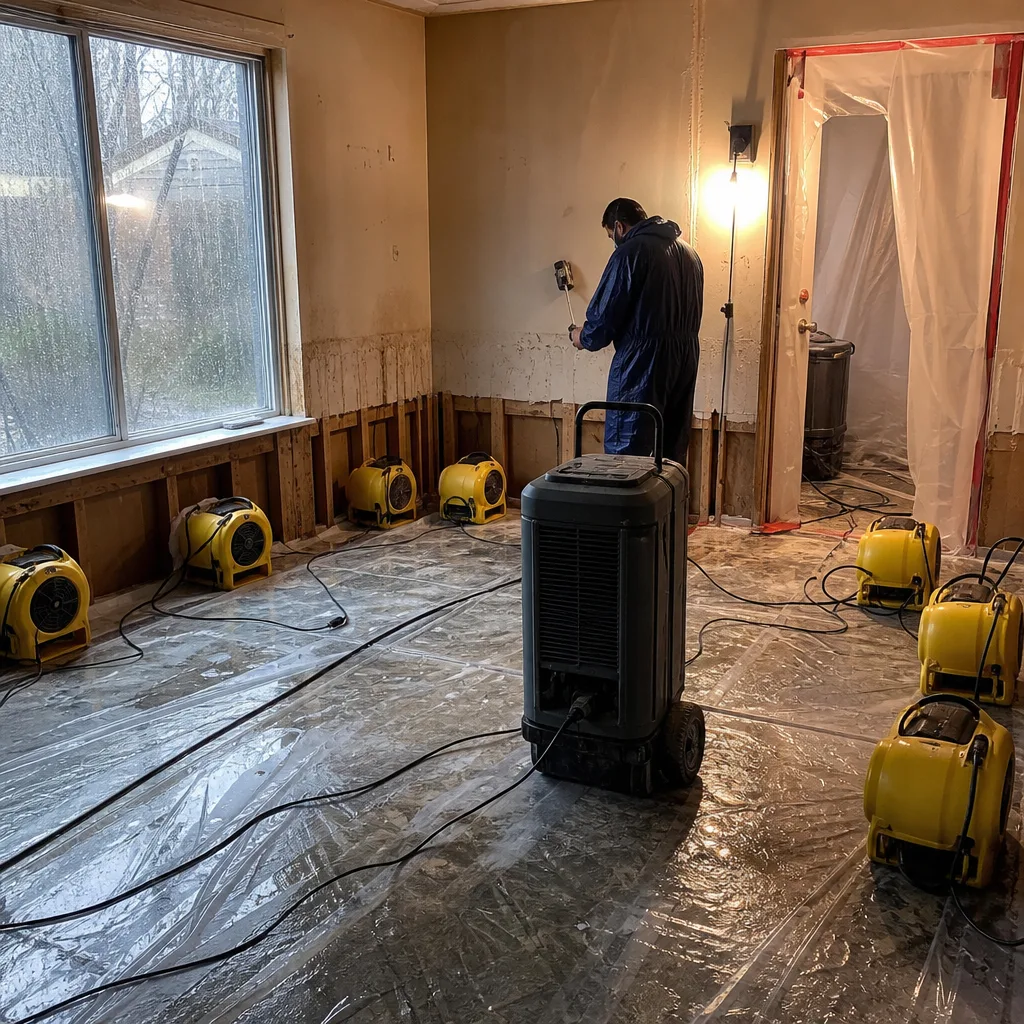
Storm Damage Cleanup
Fallen tree limbs, wind-driven debris, shingles in the yard, insulation scattered against the fence line, glass from a broken skylight. We clear it, haul it, and document it. If the damage extends into the house, cleanup becomes part of the full restoration scope, and the same crew handles both. Homeowners dealing with a downed limb in College Point should call us before dragging it to the curb. Some limbs hide structural damage to the roof or gutter line that an untrained eye misses.
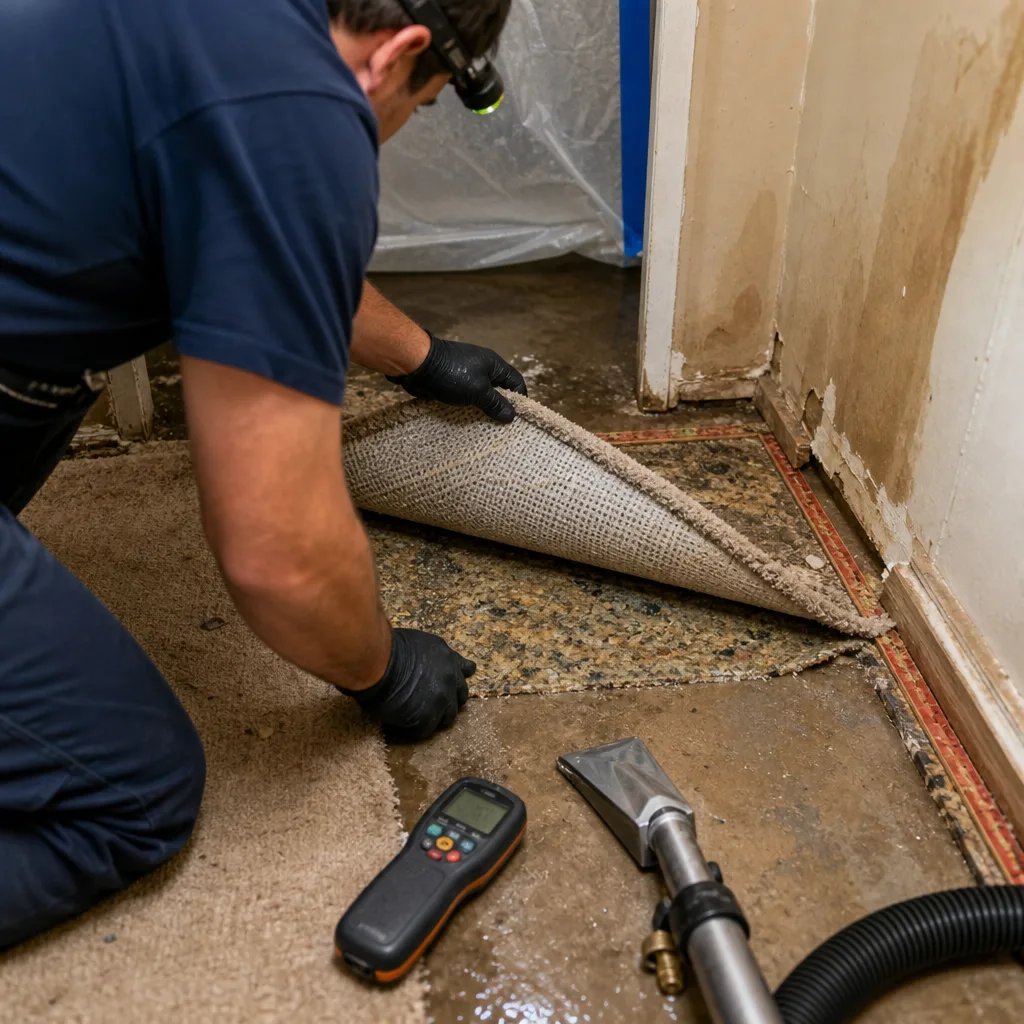
Roof Tarping
When wind peels shingles or a branch punctures the roof deck, the priority is stopping water from entering the attic and working its way down. We tarp with heavy-duty material secured to prevent wind lift, not a blue tarp wrapped around a chimney. Tarps are temporary. We say that clearly. The tarp gives you time to work with your adjuster and schedule a proper roof repair without a wet attic accelerating the damage.
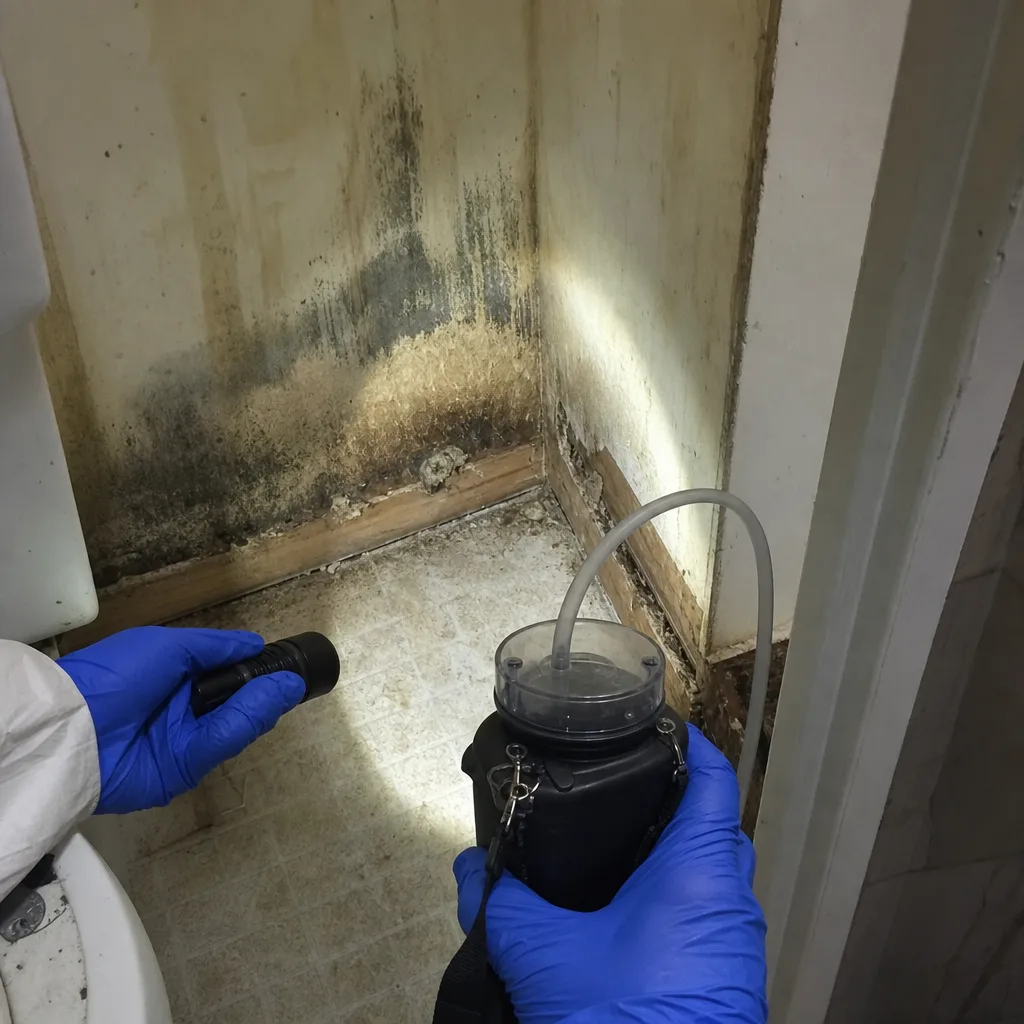
Debris Removal
Storm debris in College Point includes a lot of what blows off the industrial waterfront and the bay shoreline. We remove windblown debris from the property, document it for your claim, and haul it legally. If the debris includes hazardous material like broken glass, exposed insulation, or anything touched by Category 3 water, we handle it with the same containment discipline as the rest of the job.
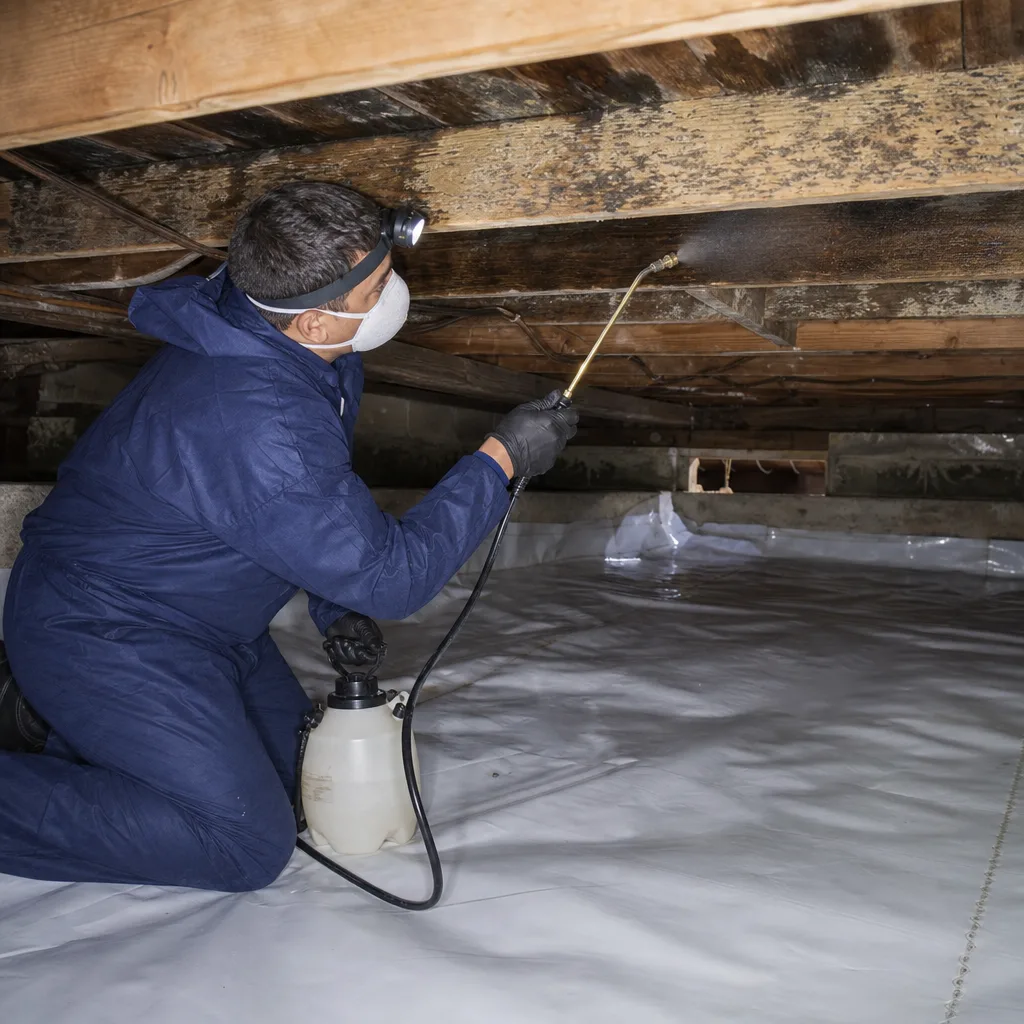
What happens when you call
- 1
A real person answersNo phone trees - you reach a local pro.
- 2
You get an upfront price rangeHonest numbers before anyone is dispatched.
- 3
A background-checked tech heads outLicensed & insured, dispatched right away.
- 4
You approve before work beginsNothing starts until you say go.
Storm & Disaster Restoration Costs in College Point, NY
Honest numbers, because you deserve them before you pick up the phone.
- Emergency board-up or roof tarping: $350 to $900 depending on openings and roof access
- Category 1 or 2 water extraction and drying (limited basement or single room): $1,800 to $4,500
- Category 3 sewage-tainted flood restoration (typical College Point basement): $6,000 to $14,000 including containment, demolition, and drying
- Full storm restoration with rebuild (multiple rooms, structural repair, finish work): $12,000 to $45,000 depending on scope
What moves the number: water category, square footage of affected finished space, how long the water sat before extraction started, whether plaster-and-lath walls can be saved or must be replaced, and whether garage door hardware or roof structure needs repair as part of the scope. Insurance typically covers most of this when the cause is wind or rain. Flood surge from the bay may fall under a separate flood policy, and we’ll be straight with you about what your policy language means. The free visual inspection gives you a firm written scope, so you know the real cost before any work is authorized. Call (518) 872-6111 and we’ll walk the property with you.
We Also Serve Cities Near College Point
Our crews work throughout northern Queens and beyond, including College Point neighbors like Flushing, Whitestone, East Elmhurst, and Corona. Wherever the storm hit, we’re already close.
College Point Storm & Disaster Restoration Questions, Answered
Why does College Point require coliform testing for basement floods that other Queens neighborhoods don’t?
Because College Point’s basements flood with water from Flushing Bay and Powell’s Cove, both of which carry combined sewer overflows and industrial runoff. The same flood in Whitestone, on higher ground with cleaner runoff, is often Category 1 or 2. Here, testing frequently confirms sewage contamination even when the water looks clear. Skipping the test leaves sewage residue in walls and subflooring.
What fails first on garage-door hardware in College Point’s salt air?
Springs and roller bearings go first. Salt air from the bay corrodes spring coils, and when a torsion spring fails under storm wind load, the door buckles and lets the full force of the storm into the garage. Hinges, tracks, and opener chains follow. We recommend a corrosion inspection as part of any storm restoration where a garage door was involved.
How long do College Point plaster-and-lath basements take to dry after a flood?
Longer than drywall. A modern drywall basement might dry in three to five days. Plaster-and-lath walls with cellulose insulation hold moisture for weeks if the drying plan isn’t aggressive. We run Dri-Eaz dehumidifiers and XPOWER air movers on a moisture map with daily hygrometer readings. Typical timelines for these basements are ten days to three weeks, depending on water category and how much plaster we can save.
Does College Point’s high water table cause basement flooding even without a storm?
Yes. The peninsula’s water table sits high year-round, and hydrostatic pressure pushes water through foundation cracks and floor joints in basements across the central and western blocks. Spring thaw makes it worse. These are the calls where a coliform test is essential, because tidal backflow through the storm drains often means it’s not just groundwater.
What extra containment steps are needed for Category 3 floodwater in College Point?
Full containment with plastic barriers and negative air pressure, HEPA air scrubbing, PPE for every technician, antimicrobial application on all affected surfaces, removal and disposal of saturated porous materials, and post-remediation clearance testing. This is not optional work. It’s what prevents a flood from becoming a mold problem and a health problem six months later.
How fast can you actually get to College Point?
Our target is 45 minutes from your call. The dispatcher is live, 24/7, and knows College Point’s streets. The crew nearest you is dispatched while you’re still on the phone. No callbacks, no “we’ll try to fit you in tomorrow.” Call (518) 872-6111 and the truck is moving.
Is storm and disaster restoration covered by my homeowners insurance?
Most wind and rain damage is covered. Flood surge from Flushing Bay or Powell’s Cove typically requires a separate flood policy, which many College Point homeowners carry because of the neighborhood’s history. We document everything from the first hour and bill your carrier directly, so you’re not negotiating with an adjuster while your basement is still wet.
What should I do in the first 30 minutes after storm damage?
Turn off power to affected areas if you can do so safely. Move valuables and important documents out of the water. Take photos of everything before anything is moved. Then call (518) 872-6111. Do not enter standing water that could be energized or sewage-contaminated. Do not start ripping out drywall. Let us document first, then extract.
Serving College Point, NY - Our Local Coverage Area
We’re based in the College Point area and know this community well. Use the map below to see our service coverage - if you’re nearby, we can almost certainly help.
Call Floodline Restoration Co. Any Hour, Any Day
If you’re reading this at 3 a.m. with water in the basement or a hole in the roof, stop reading. Call (518) 872-6111. You’ll talk to a live person. We’ll get a crew to your address in College Point fast, with the right equipment and the right certifications to handle whatever the bay and the wind did to your house. The estimate is free. The inspection is free. The 90-Day Done Right Promise is in writing. Done right, and backed.
Written by Curt Bowman, Owner at Floodline Restoration Co., serving College Point and northern Queens since 2010.