

Free visual inspection and a written scope of work before any mitigation begins - photos, moisture readings, and drying logs go in your claim file
The scope we write is the scope we bill. Anything new gets shown to you, in writing, before we touch it.
Storm responseSewage cleanup
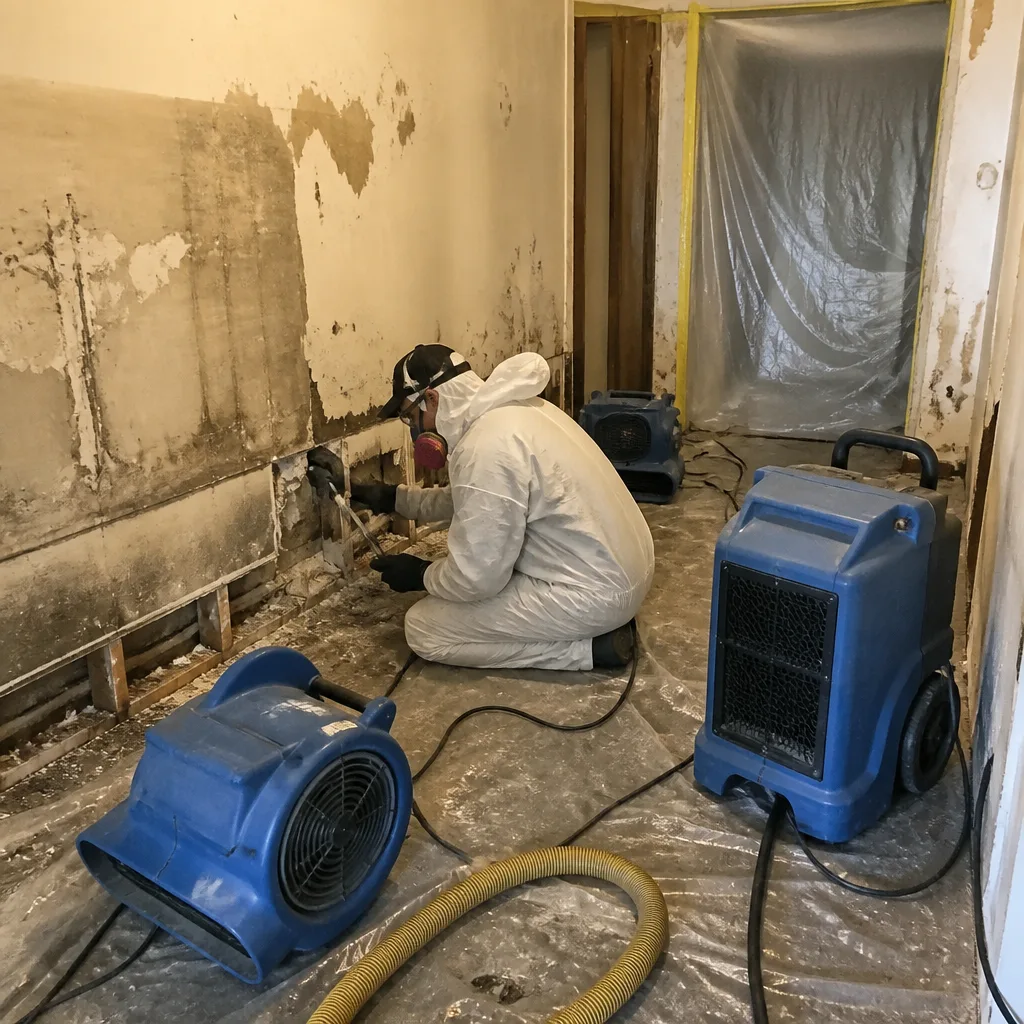 Before
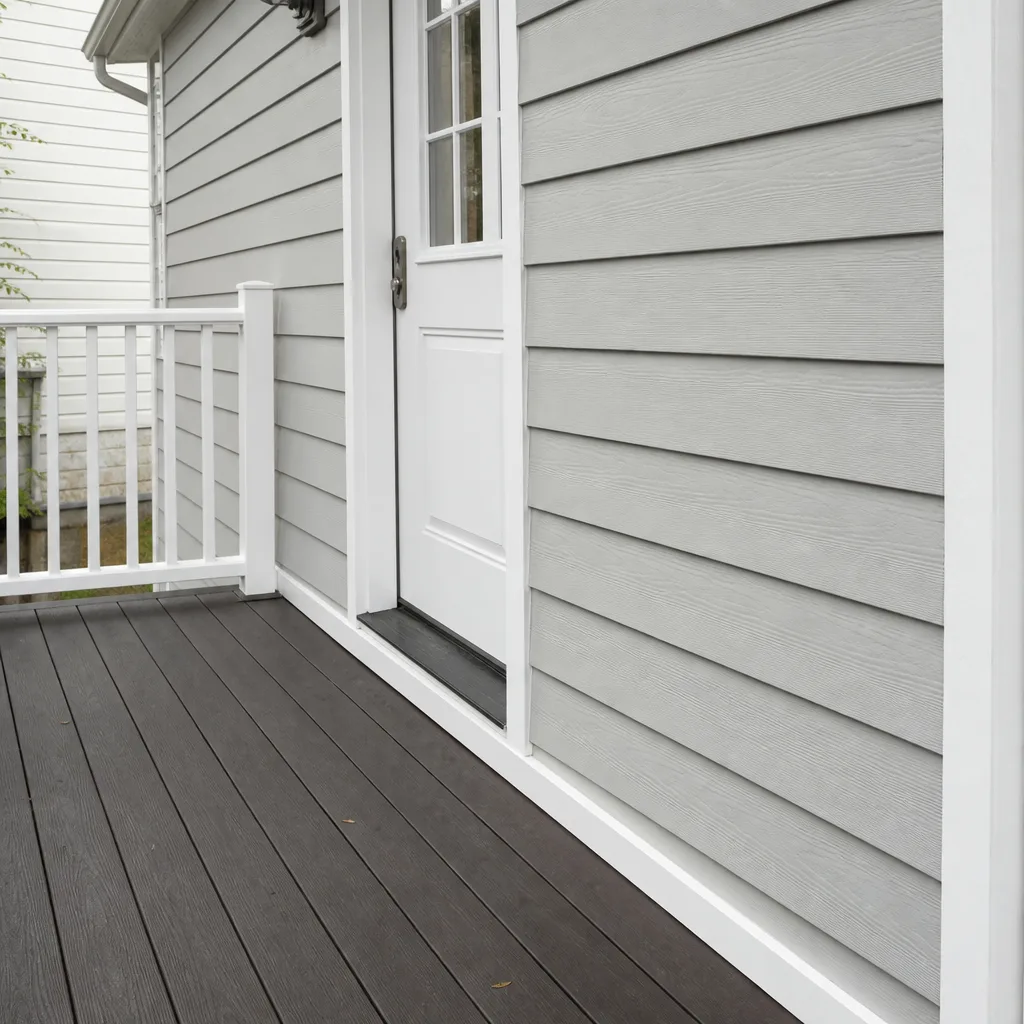 After
After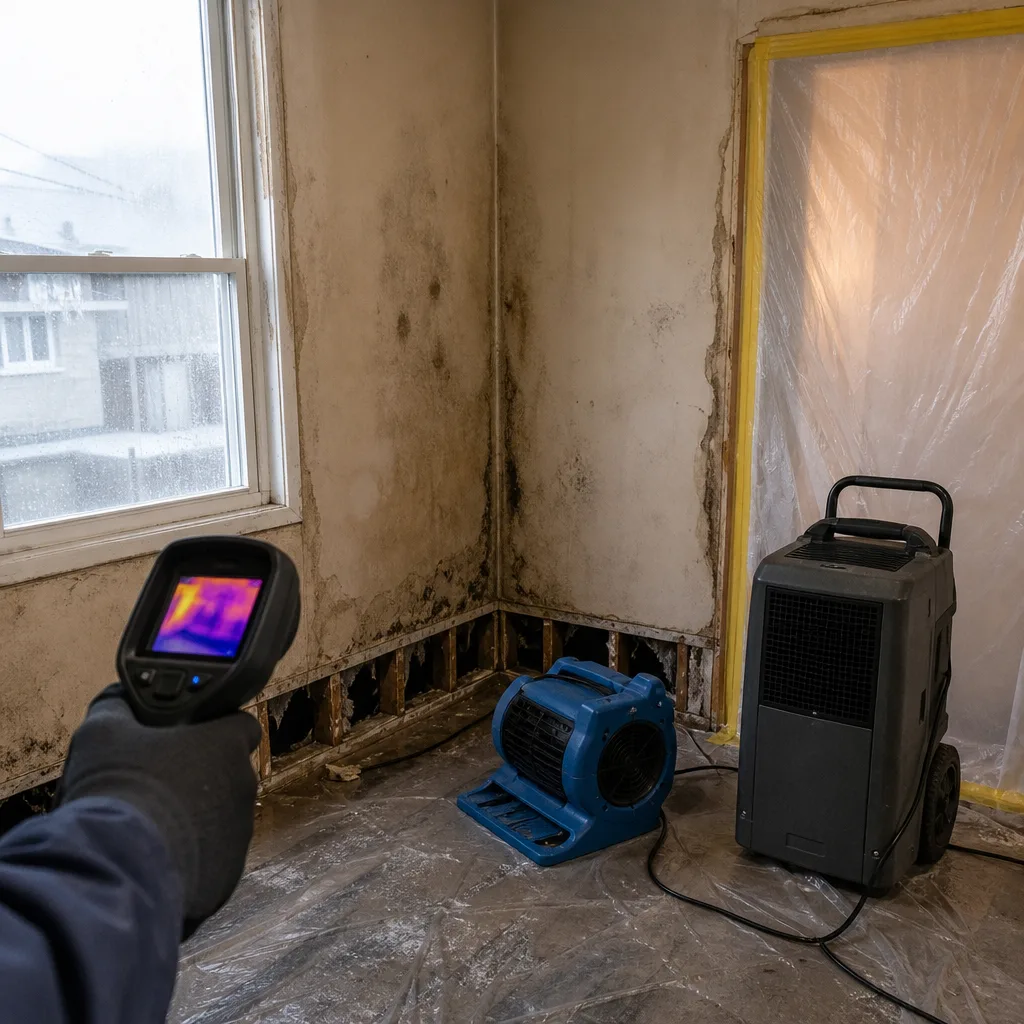 Before
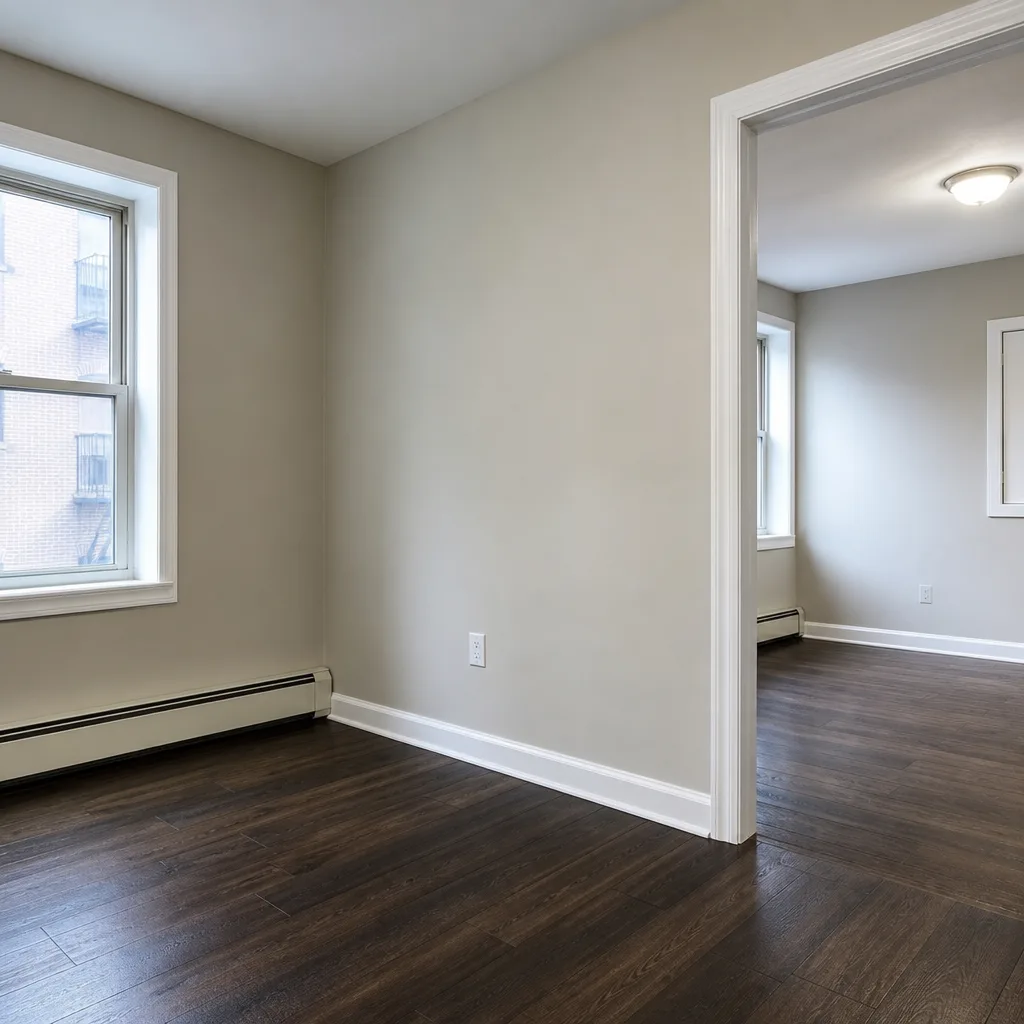 After
After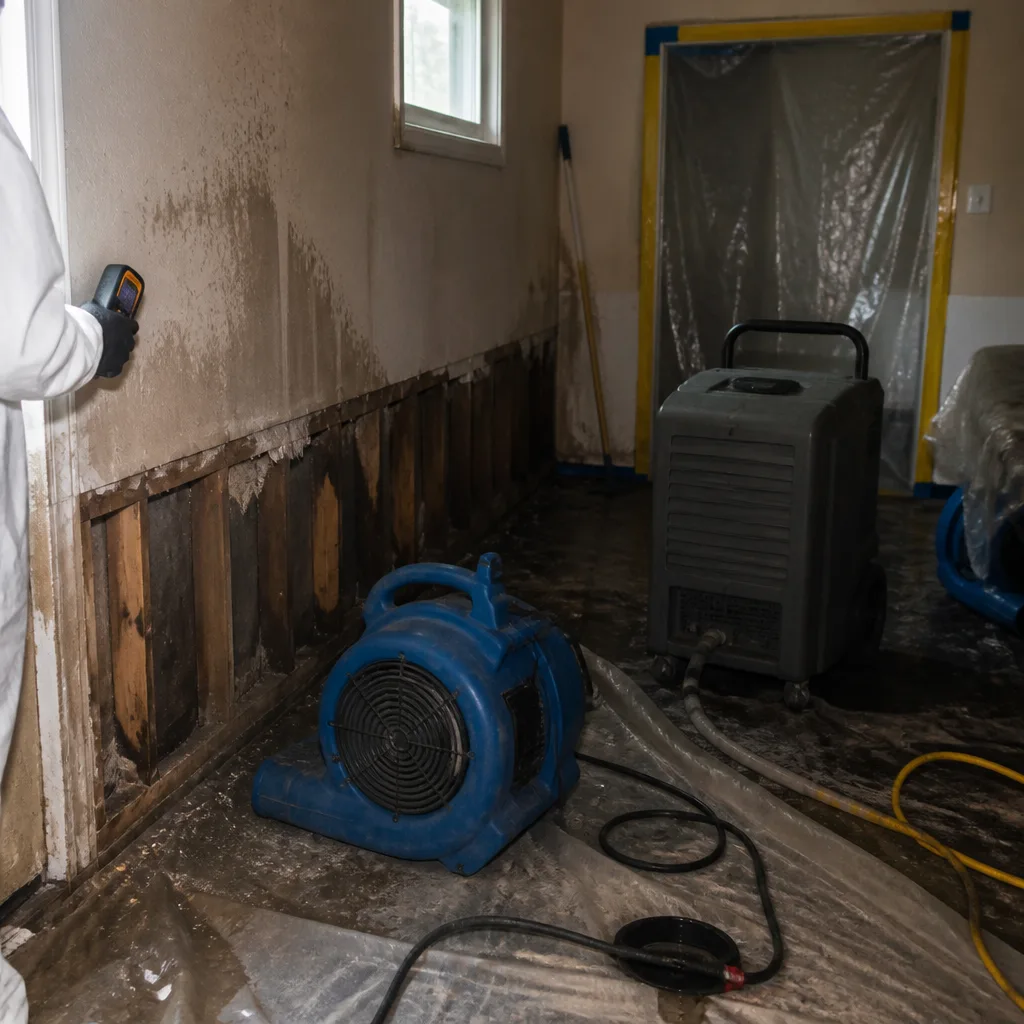 Before
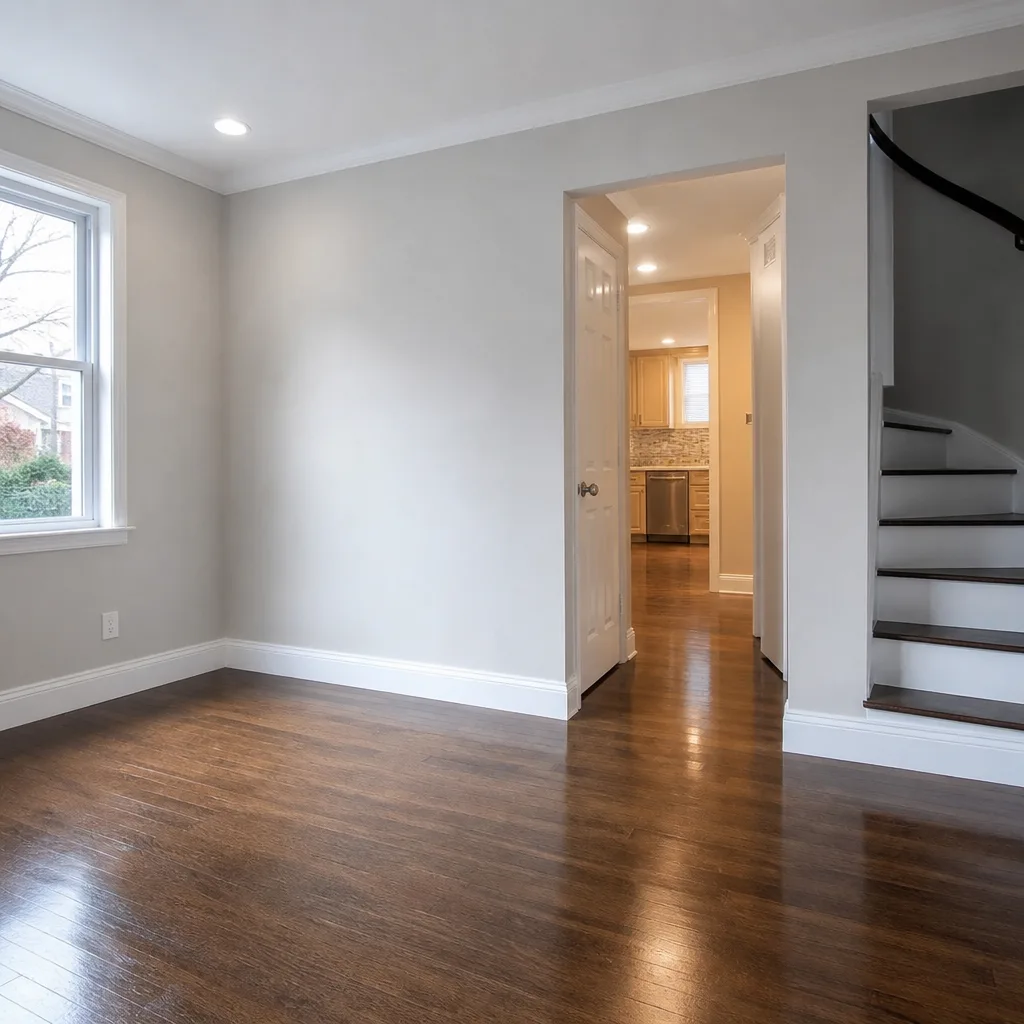 After
After24/7 Emergency Storm & Disaster Restoration in Fresh Meadows
Storm damage in Fresh Meadows moves fast, and so do we. Floodline Restoration Co. answers the phone live at (518) 872-6111 around the clock, every day of the year. When a nor’easter tears open a roof membrane or a frozen riser lets go inside a 1940s garden apartment, waiting until morning means water keeps finding its way down through three or four stacked units. We dispatch certified crews into the 11365 and 11366 ZIP codes immediately. The first hour after a breach determines whether you’re dealing with extraction and drying or a full gut-and-rebuild. Our Storm & Disaster Restoration team arrives fast, starts extraction on the first visit, and hands you a written scope before any work begins.
Understanding Storm & Disaster Restoration Severity in Fresh Meadows Properties
Water damage in Fresh Meadows follows a familiar pattern, and it’s tied directly to what these buildings are made of. The New York Life planned community, built between 1947 and 1949, put up dozens of nearly identical brick garden apartments. Inside those walls are original cast-iron drain stacks and flat-roof membranes that have been deteriorating for over seventy years. When a riser fails, the water isn’t clean. Category 1 water from a supply line becomes Category 2 or 3 as it picks up decades of dust, rodent waste, and decomposing building materials inside wall cavities and between floor joists. We use moisture mapping and hygrometers to track how far water has migrated through identical floor assemblies, because in these buildings, what looks like a top-floor issue is often a four-floor problem by the time we arrive. Soot from wind-driven smoke and ash behaves the same way: it finds the gap between brick and plaster and travels. Severity here is never just about what you can see. It’s about what the building template tells us to expect below the surface.
Why Fresh Meadows Property Owners Choose Floodline Restoration Co.
- 45-minute response commitment: When you call from a flooding apartment off 188th Street, our crew is on the road within 45 minutes, not scheduling you for tomorrow.
- 24/7 live answer: A real dispatcher picks up at 2 a.m. You will never reach a recording or a call center halfway across the country.
- IICRC-certified crews: Our technicians carry WRT and FSRT certifications and they train on the specific failure modes of mid-century Queens housing.
- Free visual inspection: Before we recommend anything, we walk the damage with you and explain exactly what we’re seeing and why.
- Direct insurance billing: We bill your carrier directly and handle adjuster communication so you’re not playing messenger after a loss.
- One team from extraction to reconstruction: The same Floodline Restoration Co. crew that pulls the water out is the crew that rebuilds the wall, installed by the same project lead.
Our Storm & Disaster Restoration Process
Inspection & Assessment
We arrive and walk the affected area with you. Thermal imaging and moisture meters tell us how far water or soot has traveled through walls, floors, and the ceiling cavities that connect units in Fresh Meadows garden apartments.
Extraction & Stabilization
Standing water comes out first, using truck-mounted extraction and XPOWER submersibles. We stabilize the structure with emergency board-up and roof tarping where wind or debris has opened the envelope.
Drying & Dehumidification
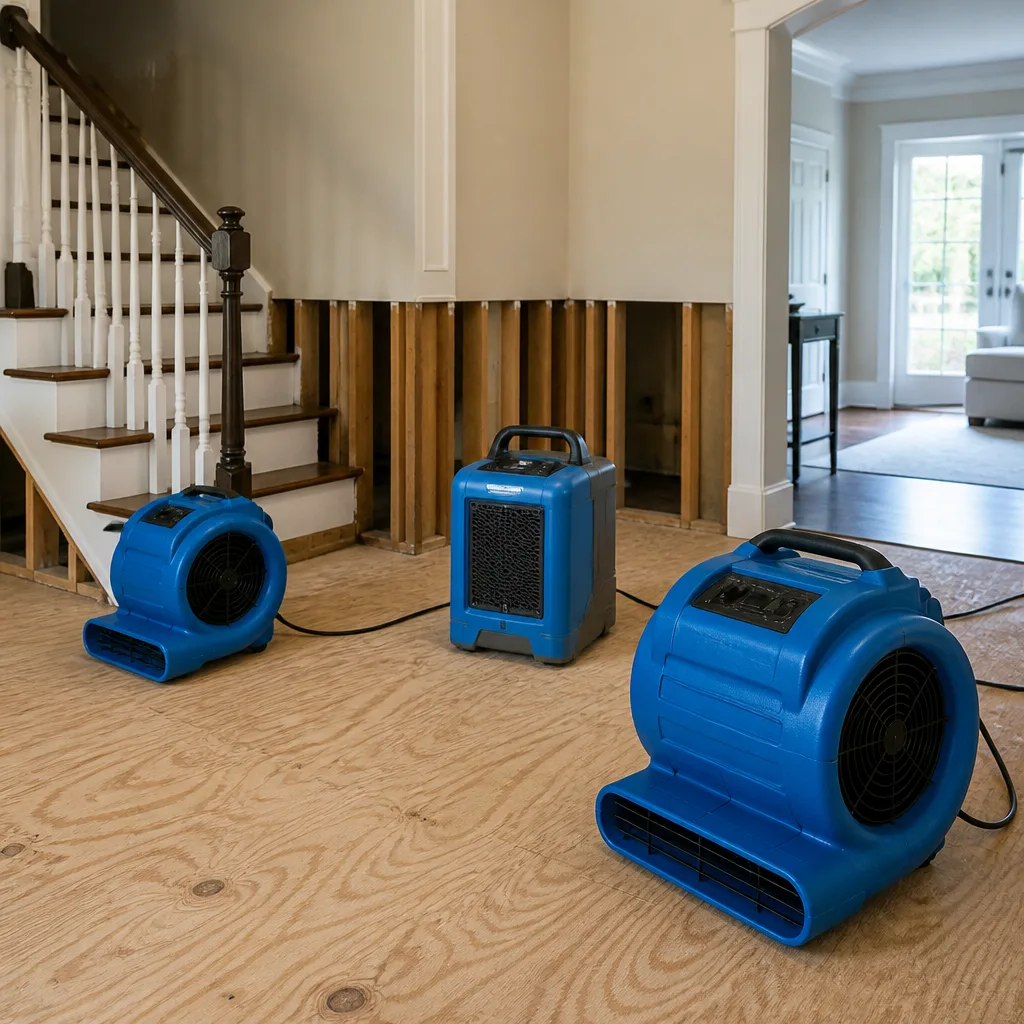
Dri-Eaz dehumidifiers and Phoenix air movers run continuously. We take daily moisture readings with hygrometers and log them. You get the log. Your insurance carrier gets the log. Nobody guesses at when it’s dry.
Cleaning & Sanitization
Once the structure hits the dry standard, we clean and sanitize affected surfaces with professional-grade antimicrobials. HEPA air scrubbers run during this phase to capture airborne particulates, especially important in older buildings with asbestos-containing materials that must not be disturbed.
Asbestos & Material Handling Protocols
Before demolition or invasive drying in a 1940s Fresh Meadows building, we confirm the NYC/NYS asbestos survey status. Asbestos-containing floor tiles, pipe insulation, and joint compound are common here. We coordinate with licensed abatement professionals and never cut into suspect materials without clearance.
Repairs & Restoration
After drying and cleaning, we rebuild. Drywall, flooring, trim, paint. The same Floodline Restoration Co. crew that handled the emergency does the restoration, and the 90-Day Done Right Promise covers the whole job in writing.
Need Emergency Storm & Disaster Restoration in Fresh Meadows Now?
Crews minutes away, answering live 24 hours a day. The sooner we start, the less it costs.
Working With Your Insurance Company
Storm and flood claims in Fresh Meadows get complicated fast, especially when a single riser failure affects three or four units at once. We document from the first hour. Photos of every affected room, moisture readings from the day we arrive through the day we hit the dry standard, and a line-item scope of work that your adjuster can actually read. We speak directly with your carrier. You don’t carry paperwork back and forth. When the property management office needs documentation for a building-wide claim involving multiple stacked units, we provide the same photo and moisture evidence in a format they can file. Our goal is simple: your carrier pays what the loss actually costs, and you don’t get stuck in the middle.
What We Provide Your Insurer
- Thorough documentation of the loss
- Photos of all damage, room by room
- Moisture readings and drying logs
- A detailed, line-item scope of work
- Direct coordination with your carrier
Built for Fresh Meadows’s Loss Calendar
Fresh Meadows has a storm calendar, and we staff around it. January and early February bring deep freezes that test every parapet wall and cast-iron supply line in the 11365 and 11366 ZIP codes. When a February thaw follows a hard freeze, melt water works its way under coping stones and behind brick, then runs down inside the wall cavity until it pools on a top-floor ceiling. That’s the surge we plan for. March brings the freeze-thaw cycle again, with the same top-floor infiltration pattern. Summer thunderstorms hit hard and fast, overwhelming the flat roofs and clogged drains on postwar garden apartments, sending water down through the same chase that carries the plumbing. Nor’easters in fall and early winter combine wind-driven rain with flying debris that punctures roof membranes and breaks windows on the upper floors. A tree branch through a roof on a 1948 garden apartment building is not a rare call for us. It’s a Tuesday in November. Knowing what’s coming next across Fresh Meadows lets us keep crews ready before your building’s number comes up.
Storm & Disaster Restoration Across Fresh Meadows’s Neighborhoods
Fresh Meadows is more than the New York Life development, though that planned community defines the neighborhood’s damage profile. Around the garden apartments off 188th Street, between the Long Island Expressway and the Grand Central Parkway, we handle multi-unit vertical water migration from riser failures and roof-membrane breaches, coordinating with property management for basement shutoff access before extraction begins. Over toward Cunningham Park and the 11366 side, the side streets hold two-family attached brick homes from the same era. These have their own problems: original flat roofs that fail slowly, letting water into top-floor bedrooms during every heavy rain. Along Horace Harding Expressway, the mix shifts to larger multifamily buildings with commercial ground floors, where a single burst pipe in a wall can affect a retail space, a hallway, and two apartments at once. Near Kissena Park and the Pomonok Houses, we see stormwater pooling against foundation walls and working into basements and crawlspaces. Each corridor has a different loss pattern. The buildings may look alike from the street, but the way water travels through them depends on the exact block, the roof geometry, and what’s below grade.
Specialized Storm & Disaster Restoration Services We Offer in Fresh Meadows
Flood Damage Restoration
A riser leak on the fourth floor of a Fresh Meadows garden apartment is a four-floor flood. Flood damage restoration here means chasing water vertically through identical floor assemblies, opening walls only after the asbestos survey clears the way, and drying until moisture readings return to baseline on every affected level. We map it, document it, and hand you a log that shows the drying curve in black and white.
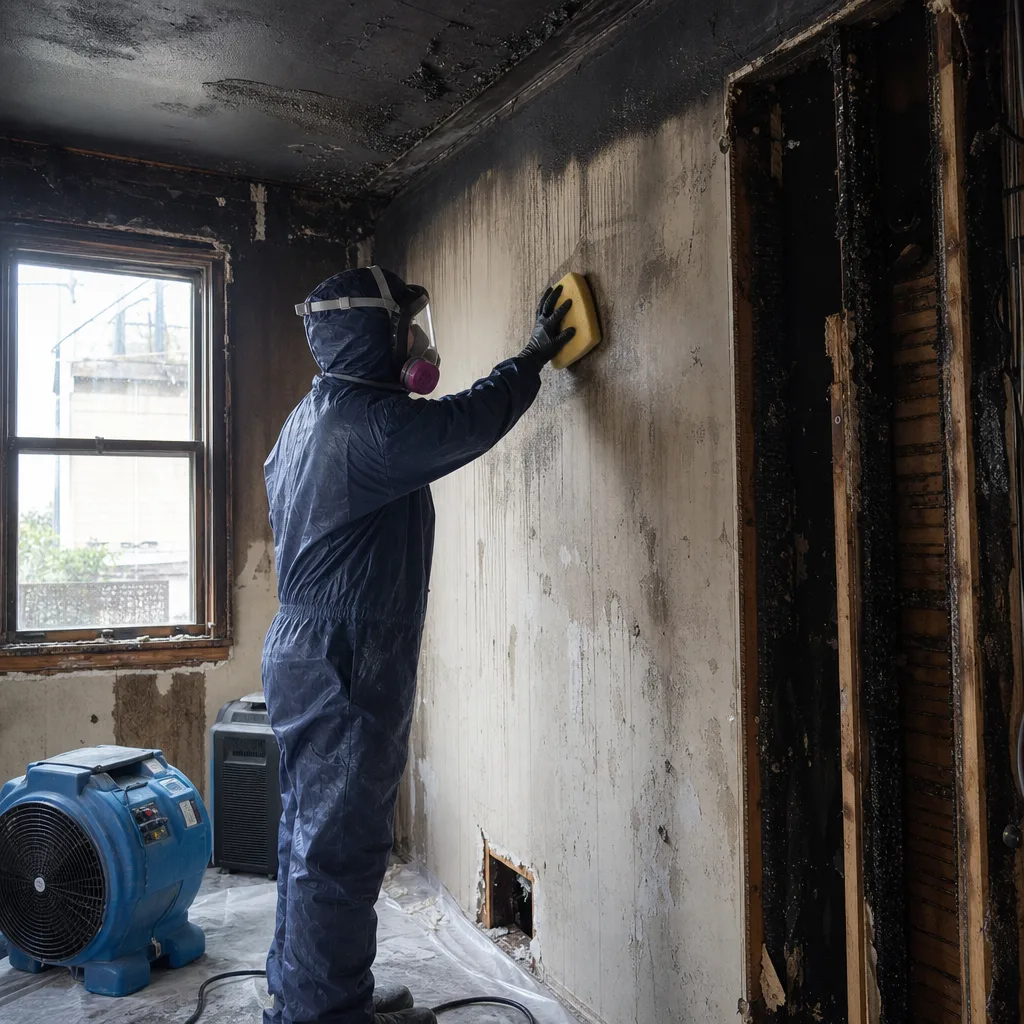
Roof Tarping
Flat and low-slope built-up roofs on 1940s brick buildings don’t shed water quickly even on a good day. Once wind tears a membrane, water ponds and finds the path down. We tarp compromised roof sections same-day to stop active water intrusion into top-floor units, then coordinate with the roofer of your choice or our reconstruction team for the permanent fix.
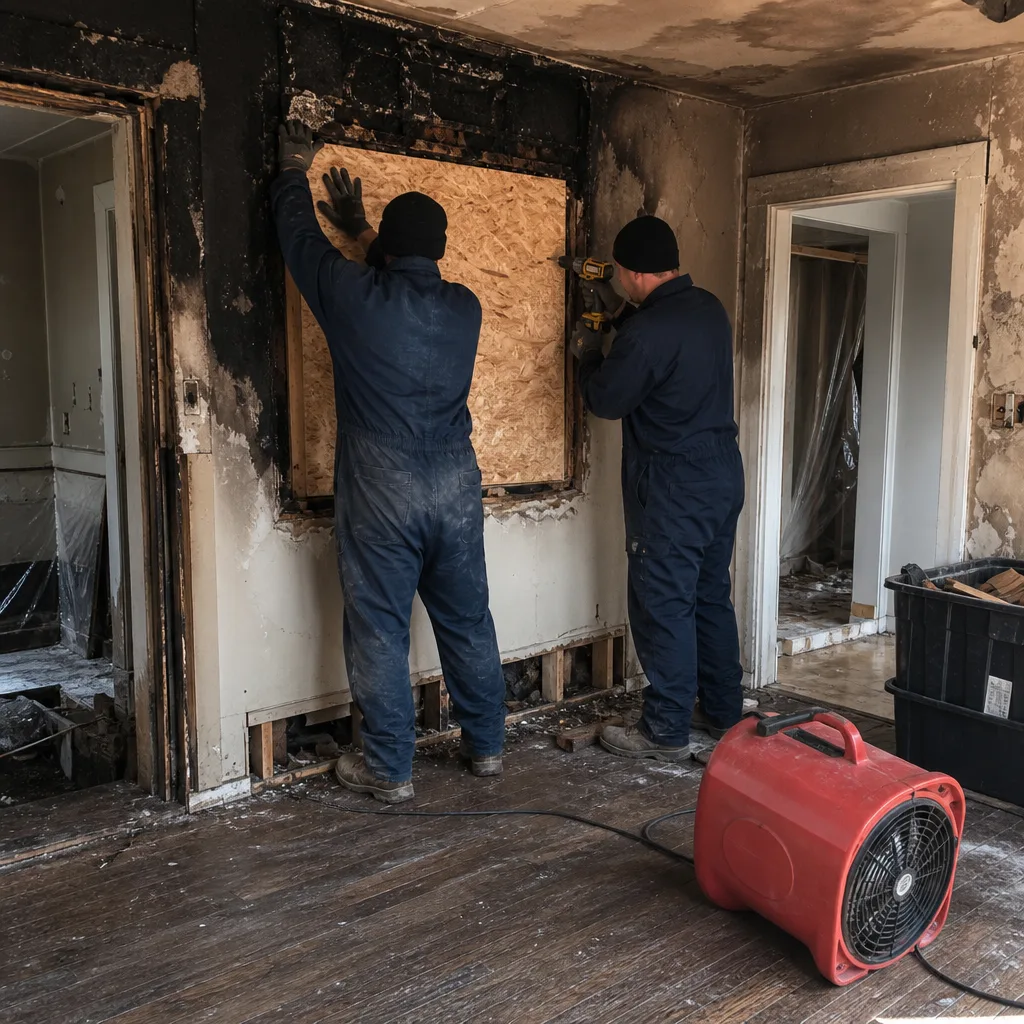
Storm Damage Cleanup
After high winds and heavy rain, Fresh Meadows apartments and homes show their age. Broken windows, water-stained ceilings, debris in the alley between buildings. We clean out the wet material, dry what can be saved, and remove the rest, keeping containment tight so we don’t spread contaminants through a building where other units are still dry.
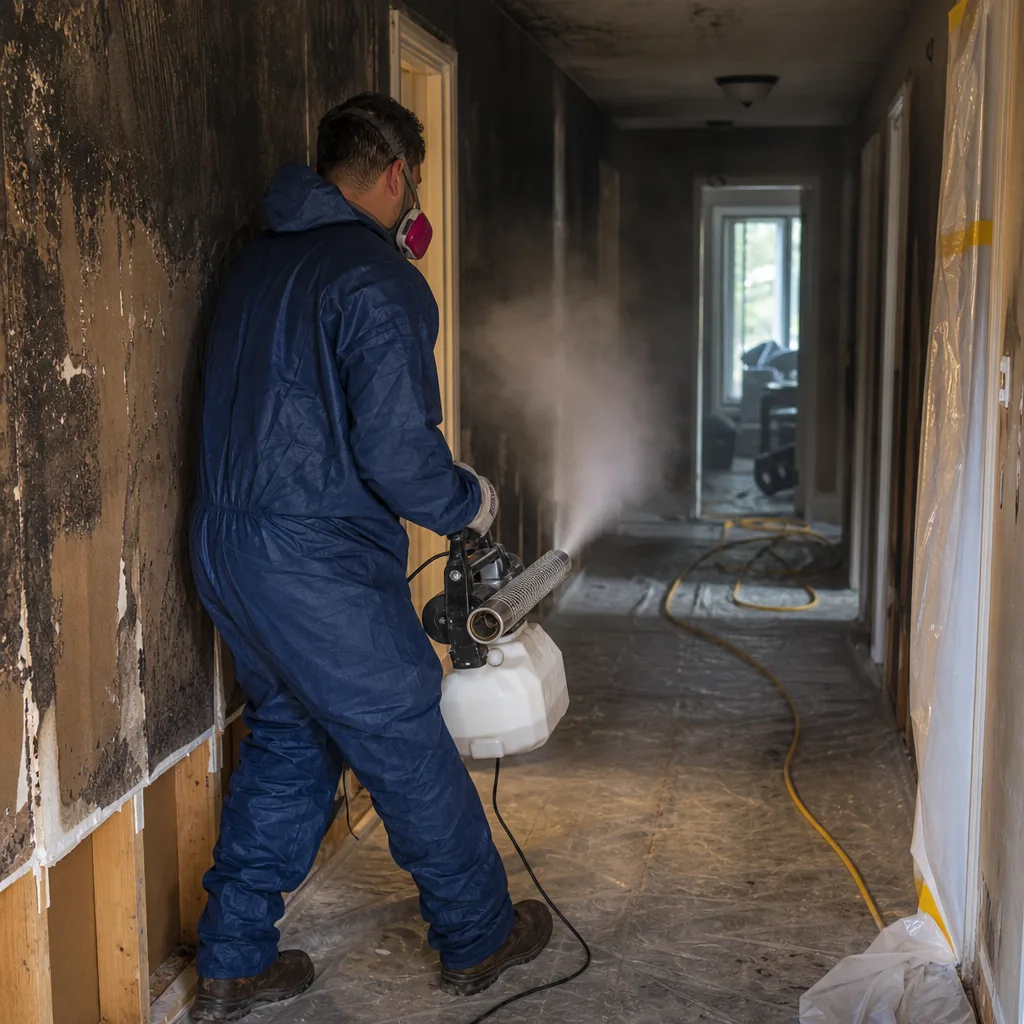
Emergency Board-Up
A blown-out window on the first floor of a Fresh Meadows apartment building is an open invitation. We board up broken windows and doors immediately, securing the unit until permanent repairs happen. For property managers, this is about liability and resident safety. For homeowners, it’s about not letting one storm turn into a break-in.
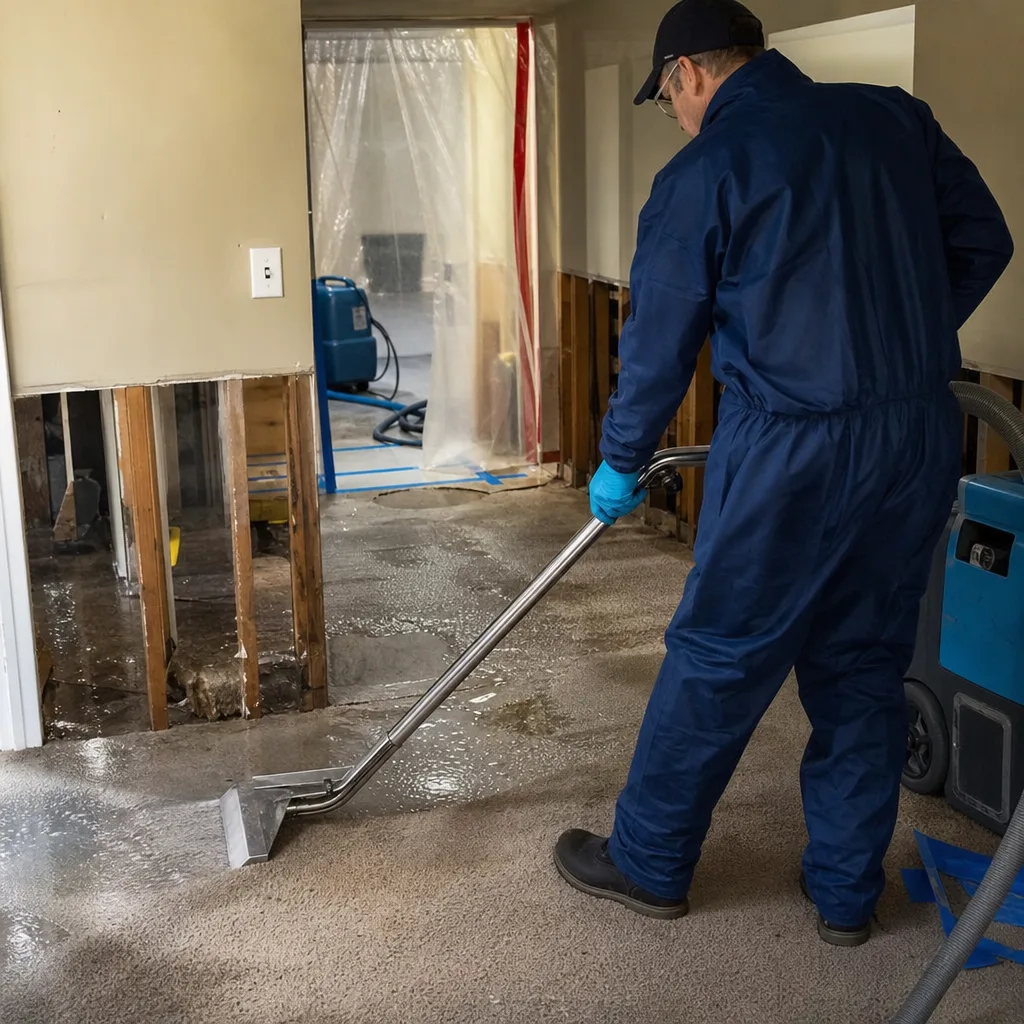
Debris Removal
Wind-driven debris from nor’easters and summer storms can block entryways, damage roofs, and pile up between attached buildings. We clear the debris safely, document what we removed for your insurance claim, and make sure no further damage comes from a branch resting against a window or a clogged drain.
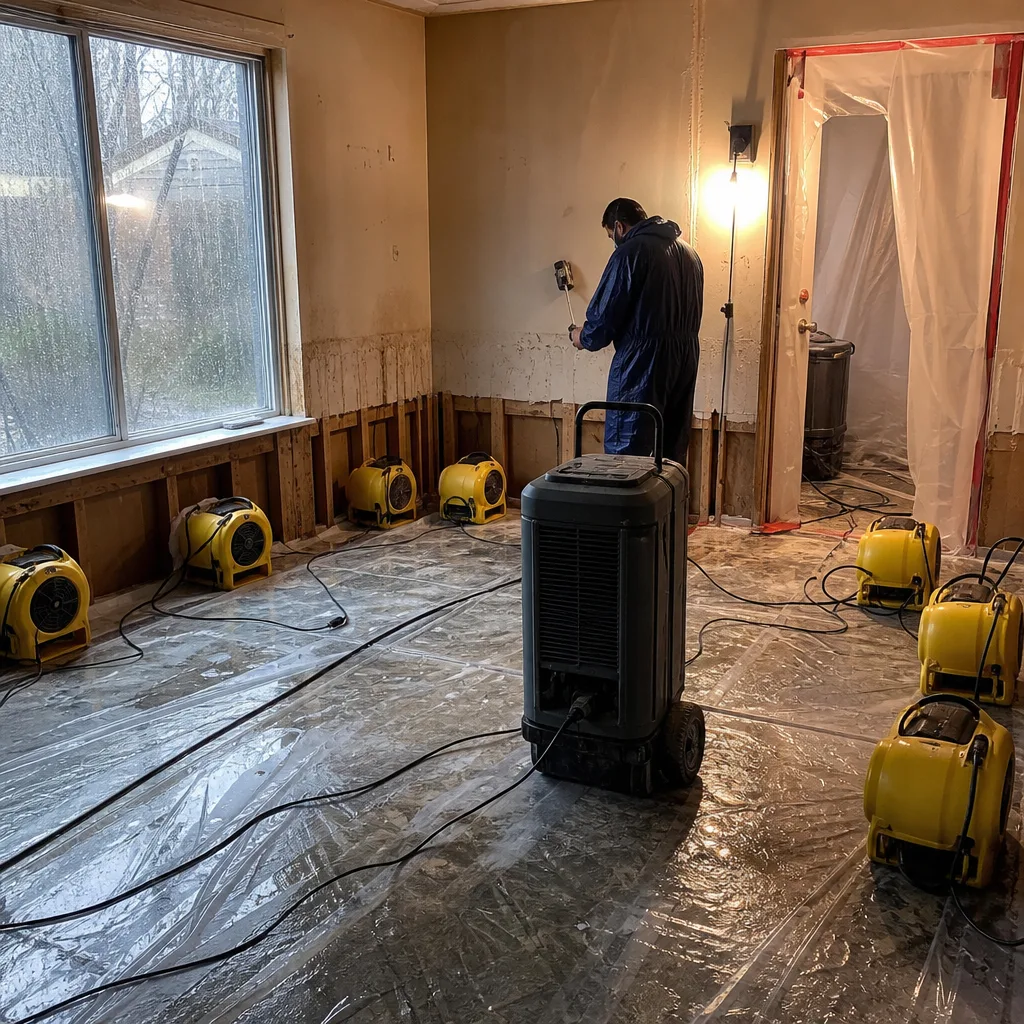
What happens when you call
- 1
A real person answersNo phone trees - you reach a local pro.
- 2
You get an upfront price rangeHonest numbers before anyone is dispatched.
- 3
A background-checked tech heads outLicensed & insured, dispatched right away.
- 4
You approve before work beginsNothing starts until you say go.
Storm & Disaster Restoration Costs in Fresh Meadows, NY
Storm and disaster restoration pricing in Fresh Meadows runs in predictable bands. Emergency water extraction from a single flooded apartment typically runs $1,200 to $3,500, depending on how many rooms are wet and how far the water traveled through walls and flooring. Drying with professional-grade Dri-Eaz dehumidifiers and Phoenix air movers adds $900 to $2,800, running over three to five days of daily monitoring. Roof tarping on an average Fresh Meadows garden apartment building runs $800 to $2,500 for the temporary membrane, with the permanent roof repair priced separately by square footage. A full multi-unit vertical water event, like a riser failure that affects three or four stacked apartments, can run $8,000 to $30,000 or more, depending on how much drywall, flooring, and insulation comes out. Asbestos survey and abatement, when required on 1940s building stock, adds its own cost line. The fastest way to a firm number is a free visual inspection. We walk the damage, write the scope, and you see exactly what the job costs before you sign anything.
We Also Serve Cities Near Fresh Meadows
Our crews work throughout central and eastern Queens. Beyond Fresh Meadows, we provide Storm & Disaster Restoration in Fresh Meadows and the same 24/7 live-answer service to property owners and managers in Oakland Gardens, Forest Hills, Richmond Hill, and Corona. Same certified technicians, same direct insurance billing, same 90-Day Done Right Promise in writing.
Serving Fresh Meadows, NY - Our Local Coverage Area
We’re based in the Fresh Meadows area and know this community well. Use the map below to see our service coverage - if you’re nearby, we can almost certainly help.
Fresh Meadows Storm & Disaster Restoration Questions, Answered
How do you coordinate water damage mitigation across multiple stacked units in Fresh Meadows’ garden apartments?
We treat the building as one job, not four separate apartments. First, we get access to the basement mechanical room, usually by coordinating directly with the property management office that controls the keys. Then we stop the source, set containment floor by floor, and begin extraction at the lowest affected level, working upward. Moisture mapping tracks the migration path through identical floor assemblies, and we document every unit separately for individual claims while keeping the drying plan unified so no unit re-wets another.
Do you handle asbestos abatement protocols before drying out walls in Fresh Meadows’ 1940s brick complexes?
Yes. We check the building’s NYC and NYS asbestos survey status before we cut into any wall, floor, or ceiling in a 1940s Fresh Meadows building. Asbestos-containing floor tiles, pipe insulation, and joint compound are common in the New York Life development. When survey records are incomplete, we suspend invasive work and bring in a licensed inspector. No tech cuts into suspect materials. Ever.
How quickly can you respond to a February roof-membrane leak in the Fresh Meadows garden apartments?
Within 45 minutes of your call to (518) 872-6111. February roof-membrane leaks from freeze-thaw cycles are a known surge event for us. We keep extra crews staged in the 11365 and 11366 ZIP codes through late winter specifically because top-floor melt-water infiltration happens in clusters when a thaw follows a hard freeze. Call us the moment you see a water stain on a top-floor ceiling. The sooner we tarp and start drying, the fewer floors the water reaches.
What’s the difference between Category 1 and Category 3 water in a Fresh Meadows apartment flood?
Category 1 water comes from a clean source, like a supply line or a burst pipe carrying potable water. Category 3 water is grossly contaminated, carrying sewage, chemicals, or standing water that has sat long enough to grow bacteria. In Fresh Meadows apartments, a Category 1 leak becomes Category 2 or 3 quickly as water picks up decades of material inside wall cavities and passes through deteriorated cast-iron plumbing chases. We classify the water on arrival and build the drying and sanitization plan around that classification.
Can you work in tight Fresh Meadows alley-load and townhome door clearances without damaging the brick exteriors?
Yes. Our crews are trained on the tight clearances common in this part of Queens. Narrow alleys between brick buildings, limited door widths, and shared entryways are part of the job here. We use equipment sized for residential interiors and protect all interior and exterior surfaces during equipment staging. No dragging hoses across original brick facades. No wedging equipment through door frames that can’t take it.
Will my insurance cover storm damage in a Fresh Meadows apartment building?
Most standard policies cover sudden and accidental water damage from storm events, burst pipes, and roof failures. The specifics depend on your policy language and whether the damage traveled from a common area, which may fall under the building’s master policy. We document everything from the first hour and bill your carrier directly, so the claim has the evidence it needs. If you’re a unit owner affected by a building-wide riser failure, we can help you understand which portions fall under your policy versus the association’s.
Do I really need full restoration, or can I just clean and dry the visible damage?
In a 1940s Fresh Meadows building, visible damage is rarely the full story. Water travels through wall cavities, between floor joists, and down plumbing chases into the units below. What looks like a ceiling stain can hide saturated insulation, delaminating plaster, and hidden mold growth. We use moisture meters and thermal imaging to find what you can’t see, then give you an honest recommendation. If it only needs cleaning, we’ll tell you that. If it needs structural drying, we’ll show you the readings that prove it.
What should I do in the first 30 minutes after I discover storm damage in my Fresh Meadows home?
Call (518) 872-6111. Before we arrive, shut off power to the affected area if you can do so safely, move valuables away from water, and don’t enter any room with a sagging ceiling. If you can see the water source and it’s safe to reach, shut off the nearest supply valve. Take photos of everything. Then stay out of the wet area until our crew arrives. Don’t use a household vacuum or fan. Don’t open walls. Let us do the assessment with professional equipment, including thermal imaging and moisture meters that read what’s inside the structure.
When storm damage hits a Fresh Meadows apartment building or attached brick home, the water follows the building’s original construction template. The same walls, the same chases, the same flat roofs. You want a crew that knows the template. Call Floodline Restoration Co. at (518) 872-6111 for a free estimate. A live dispatcher answers now. The job is backed by the 90-Day Done Right Promise, in writing, with no arguing and no paperwork battles.
Written by Curt Bowman, Owner at Floodline Restoration Co., serving Fresh Meadows since 2010.