
Free visual inspection and a written scope of work before any mitigation begins - photos, moisture readings, and drying logs go in your claim file
The scope we write is the scope we bill. Anything new gets shown to you, in writing, before we touch it.
Storm responseSewage cleanup
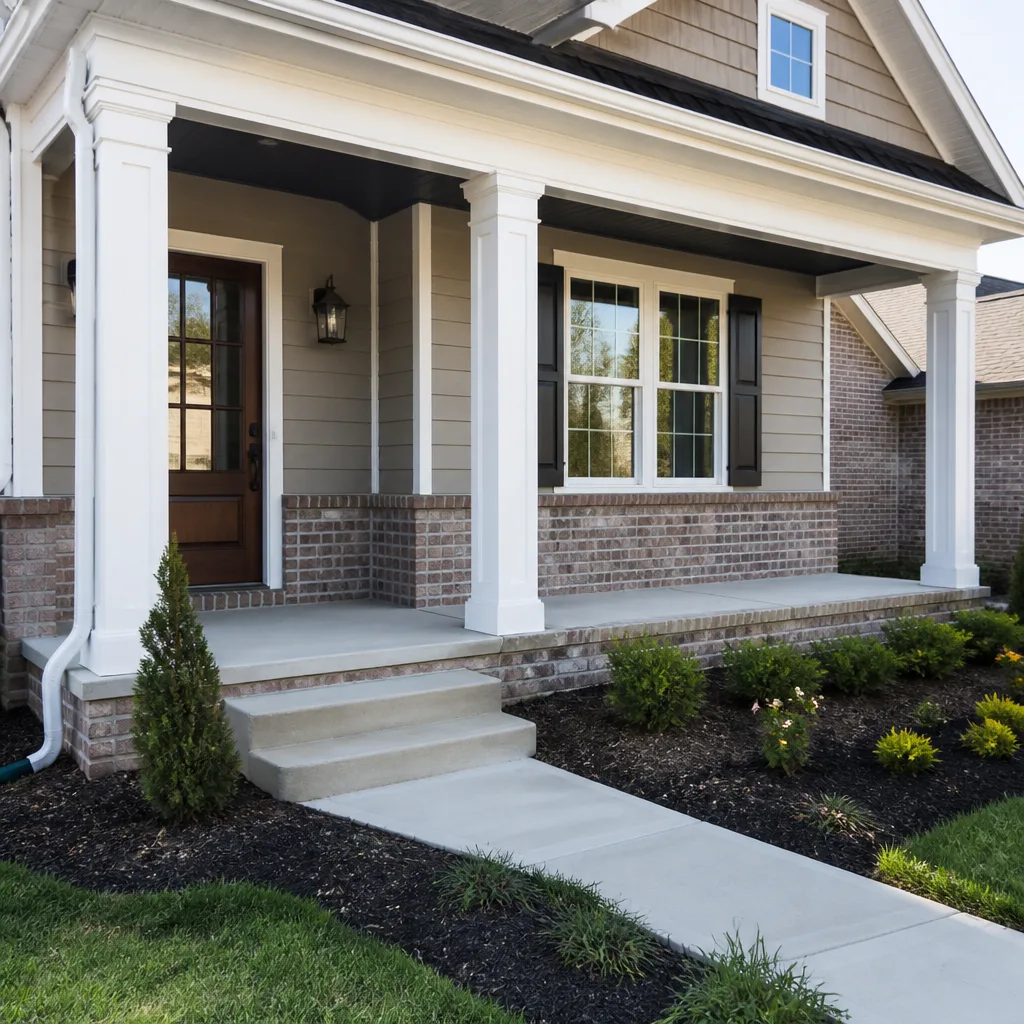
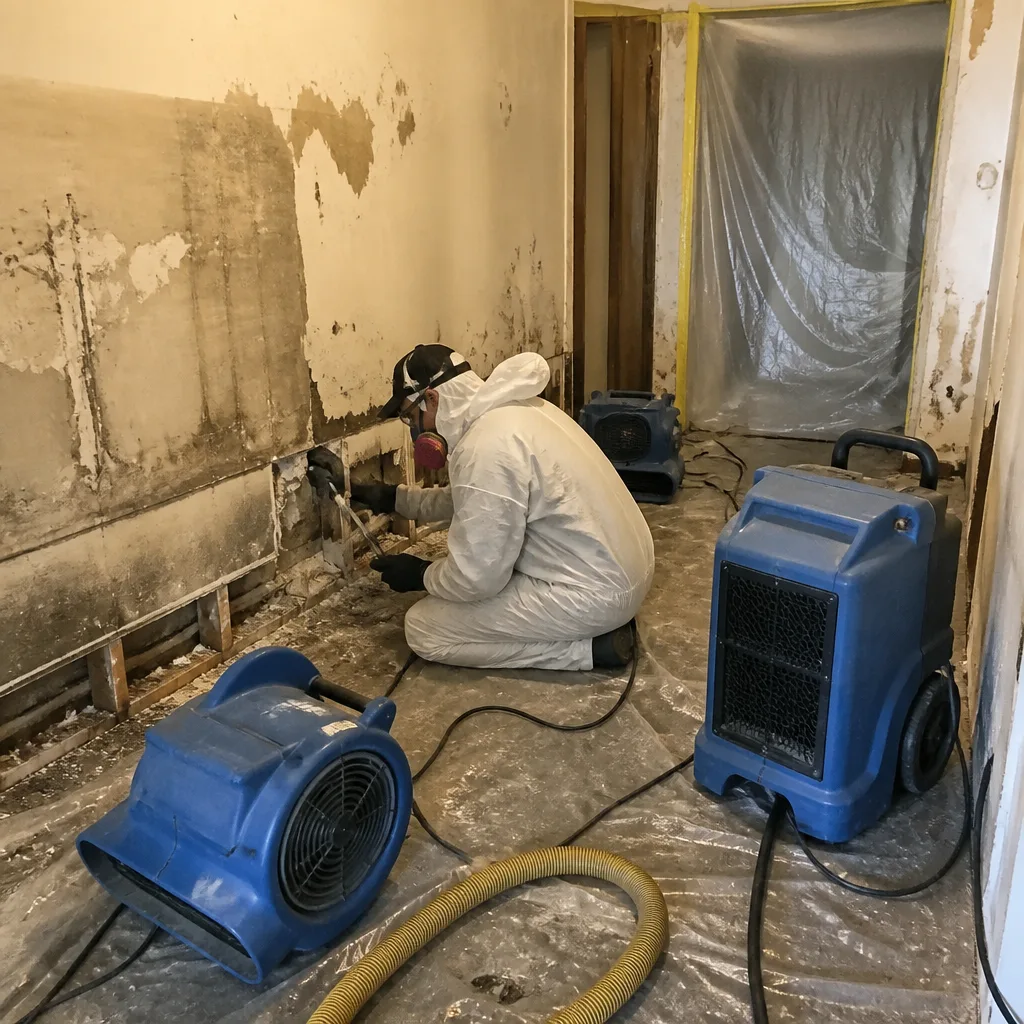 Before
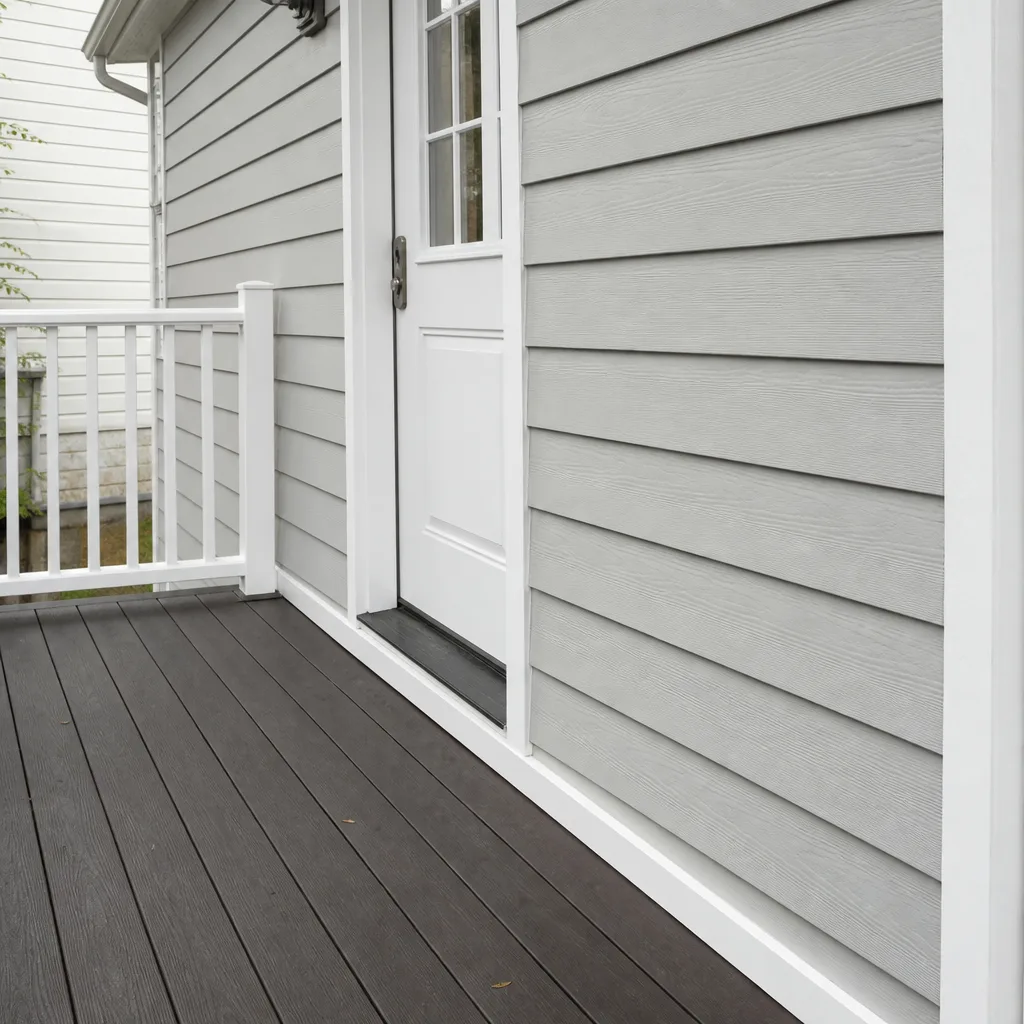 After
After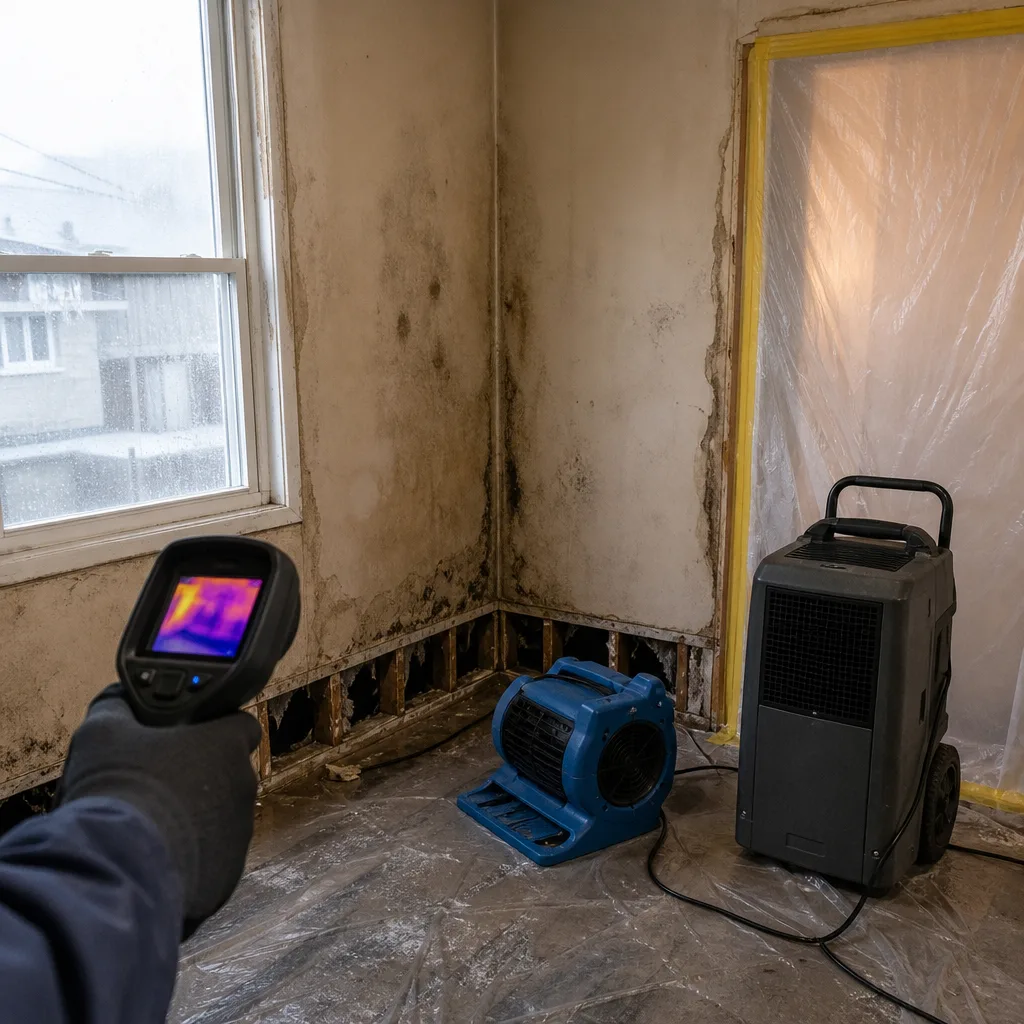 Before
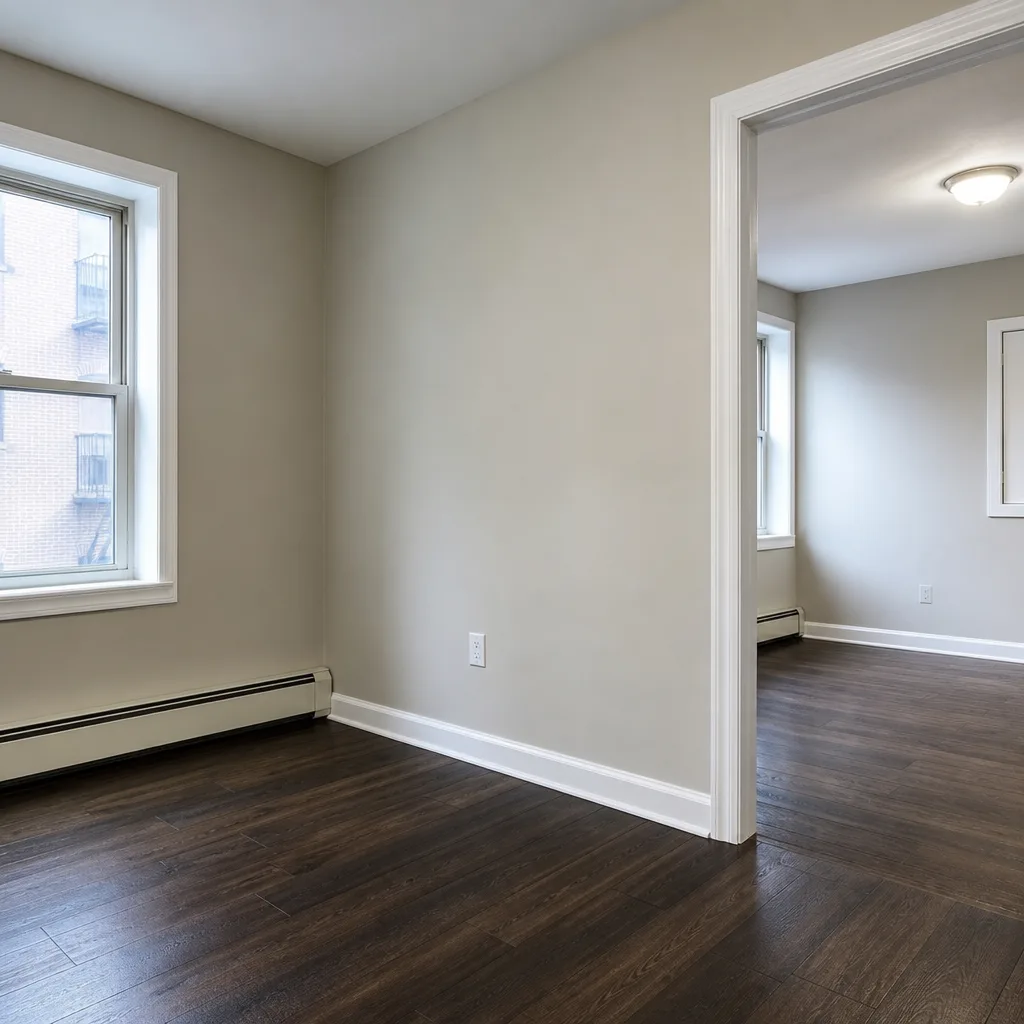 After
After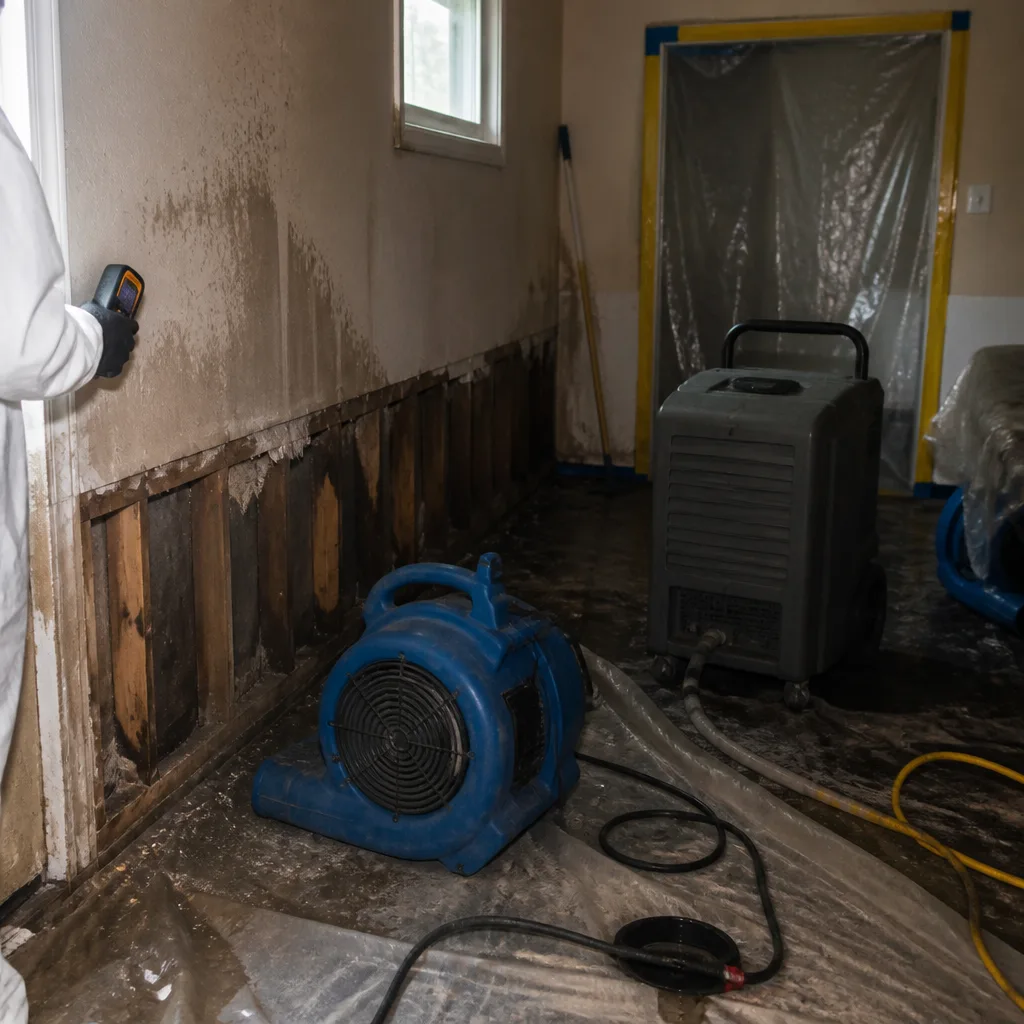 Before
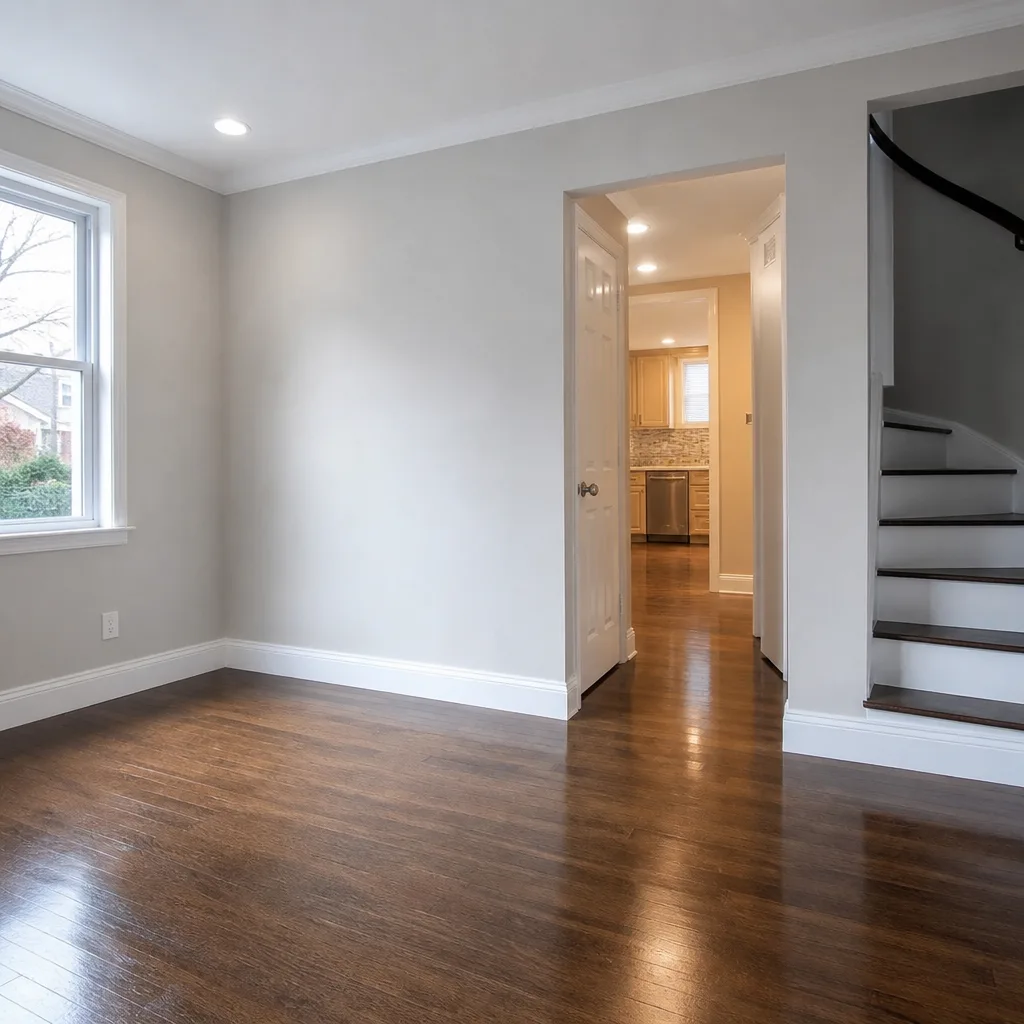 After
After24/7 Emergency Storm & Disaster Restoration in Kew Gardens Hills
When a nor’easter rips a section of tar roof off a 1950s rowhouse on 77th Avenue or a summer cloudburst pushes sewage up through a basement floor drain on Main Street, Kew Gardens Hills homeowners need a crew now, not a recording. Floodline Restoration Co. answers live at (518) 872-6111 around the clock, every day of the year. We dispatch trained technicians into Kew Gardens Hills within 45 minutes of your call. The first hour after a storm breach or sewer backup determines whether you’re facing a dry-out or a full gut-and-rebuild. We start with a free visual inspection, because the line the water left is where we start, and the clock doesn’t wait for business hours.
Key Takeaways:
- Live answers at (518) 872-6111, 24/7, not an answering service
- 45-minute dispatch commitment into Kew Gardens Hills
- Free visual inspection before any work begins
- Direct insurance billing with photo documentation from minute one
- One crew handles extraction, drying, and rebuild, no handoffs
Understanding Storm & Disaster Restoration Severity in Kew Gardens Hills Properties
Storm damage in Kew Gardens Hills doesn’t behave like it does in newer Queens developments. The housing stock here, mostly 1940s through 1960s attached brick rowhouses, semi-detached two-families, and mid-century garden apartments, responds to water differently than modern construction with insulated cavity walls and vapor barriers. A nor’easter that soaks through a failed low-pitch tar roof can saturate top-floor drywall, run down the interior of a shared party wall, and pool in the finished basement two floors below, all before anyone sees a stain. In storm restoration we classify water by contamination level: Category 1 is clean rainwater that enters through a fresh roof breach; Category 2 carries significant contamination from building materials; Category 3, common in Queens during combined sewer surcharges, is sewage-laden water that requires full containment, antimicrobial treatment, and removal of porous materials.
Older brick homes here often still have original cast-iron or galvanized supply lines in uninsulated crawl spaces and exterior walls. A January freeze-thaw cycle splits those pipes inside the wall cavity, wetting both sides of a shared chimney chase, and by the time water shows on a ceiling, the moisture has already migrated through mortar joints into the neighboring unit. We use thermal imaging and penetrating moisture meters to map the full footprint before we touch a single baseboard, because what you see is rarely the whole story. In attached Kew Gardens Hills housing, a leak that looks small almost never is.
Why Kew Gardens Hills Property Owners Choose Floodline Restoration Co.
- 45-minute response, guaranteed. When you call (518) 872-6111, we commit to having a crew on site in Kew Gardens Hills within 45 minutes. Not “as soon as possible.” A specific window, because the longer water sits, the more wood swells, the more drywall wicks, and the more mold establishes.
- Live answer, 24/7, a real person at 2 a.m. Our dispatch desk is staffed by people, not prompts. You describe the damage once, we roll a truck. No voicemail trees during a basement flood on Shabbat prep day or a Sunday morning sewage backup.
- IICRC-certified crews, WRT and FSRT codes. Our technicians train to IICRC standards for water damage restoration, fire and smoke restoration, and applied microbial remediation. You can ask to see the certification card. Most of our Kew Gardens Hills calls require WRT (Water Restoration Technician) handling on day one.
- Free visual inspection with a written scope. We walk the damage, take moisture readings, and hand you a written scope of work before any tool comes off the truck. You know what we’re doing, why, and what it costs. No surprise line items after the fact.
- Direct insurance billing. We document everything from the first hour, photograph room by room, and communicate with your adjuster directly. You don’t play messenger between us and your carrier. We bill them, not you.
- One team from extraction to rebuild. Floodline Restoration Co. doesn’t hand you off to a separate general contractor after drying. The same certified crew that reads the moisture map on day one handles the daily readings and rebuilds what needs rebuilding. Done right, and backed in writing.
Our Storm & Disaster Restoration Process
Inspection & Assessment
We arrive, walk the property with you, and map the full extent of the damage using thermal imaging and penetrating moisture meters. In attached Kew Gardens Hills rowhouses, this means checking both party walls, not just the unit that called. We write the scope before we touch anything.
Extraction & Stabilization
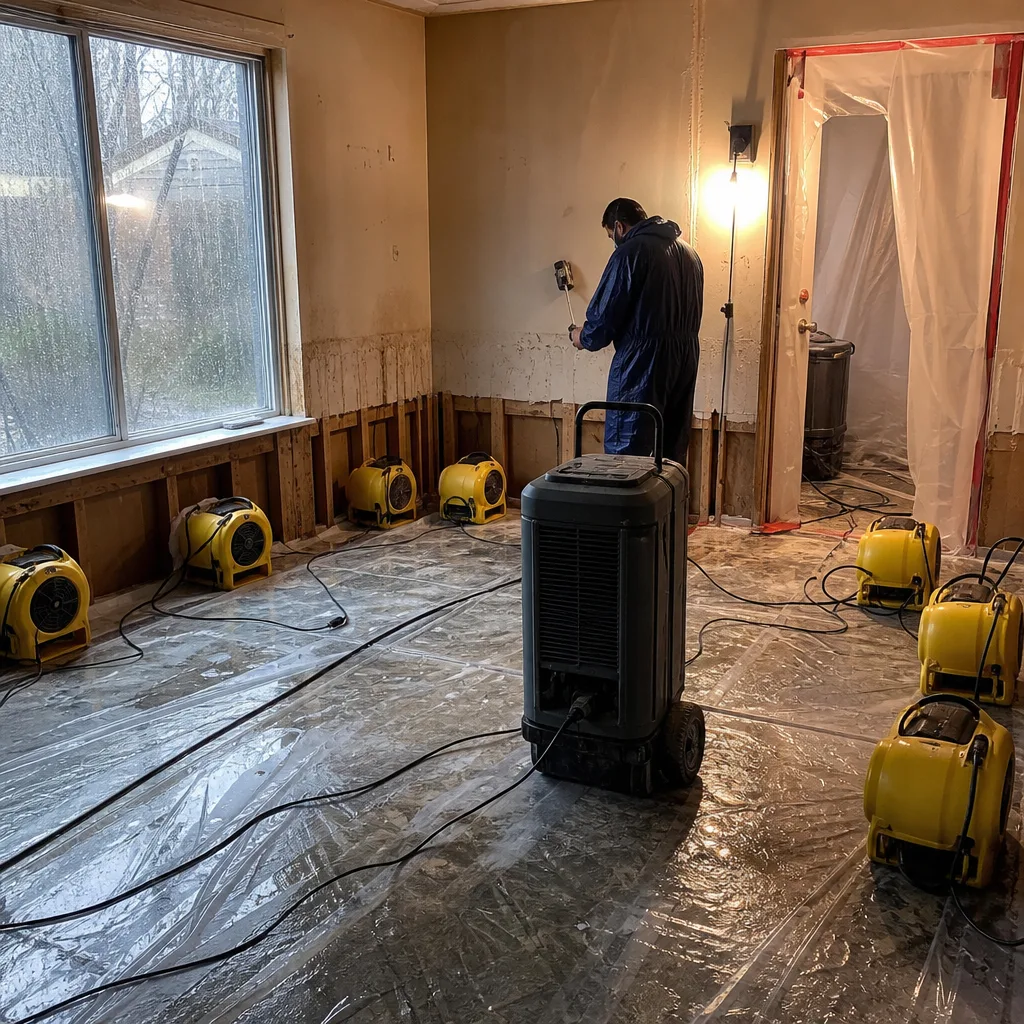
For flood damage we run truck-mounted extraction units and submersible pumps to get standing water out fast. For storm damage we stabilize the structure first: emergency board-up on broken windows, roof tarping on breaches, and temporary shoring where needed. The structure gets protected before the drying starts.
Drying & Dehumidification
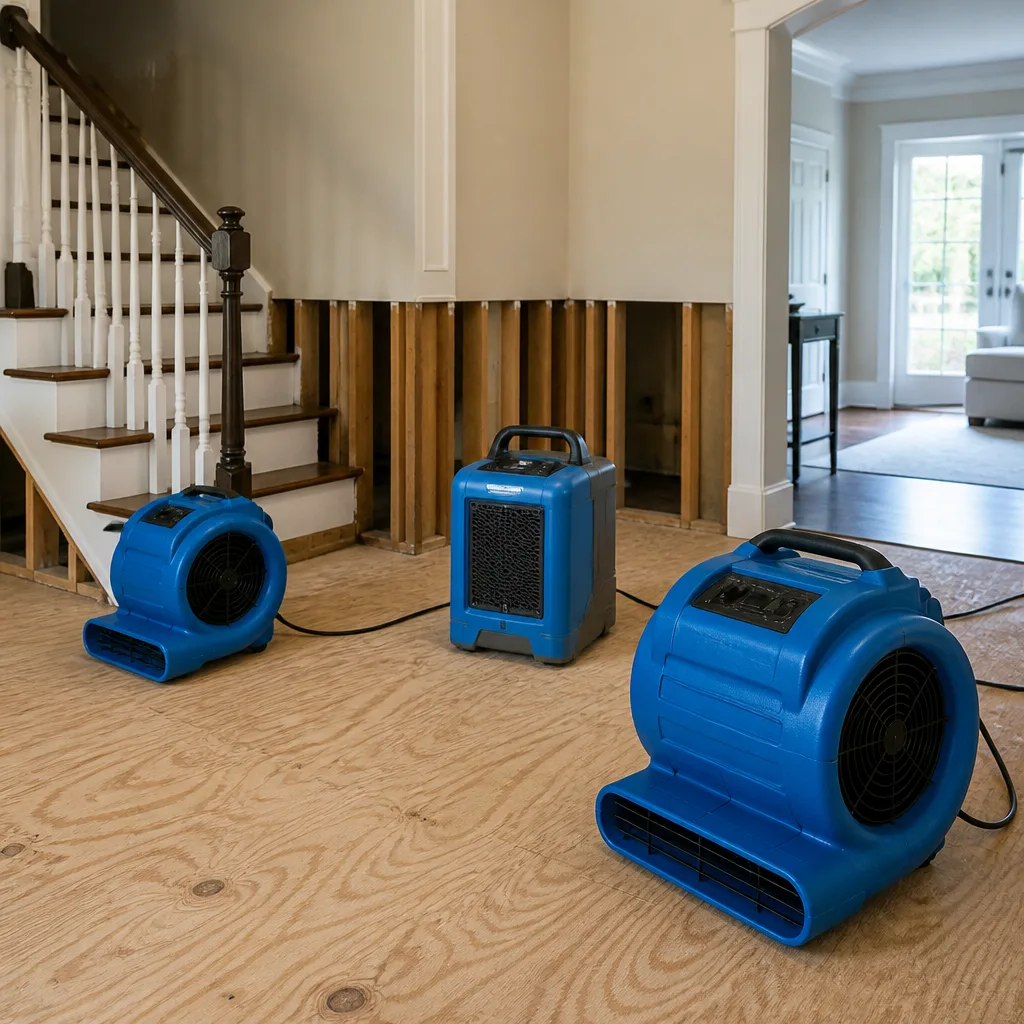
We place professional-grade air movers and low-grain refrigerant dehumidifiers from B-Air and XPOWER, calculated by cubic footage and moisture load, not guesswork. Daily readings are logged with hygrometers until the dry standard is met. We hand the moisture log to you and your carrier.
Cleaning & Sanitization
Storm water that mixes with sewage or sits for more than 48 hours requires antimicrobial treatment and HEPA air scrubbing. We contain affected areas with negative air pressure before we cut anything, so mold spores and contaminants don’t migrate into clean rooms.
Storm-Specific Treatment
In Kew Gardens Hills this often means Injectidry systems for drying inside wet wall cavities without tearing out every plaster face. We can dry behind lath and plaster that would otherwise need full demo, which matters when you’re preserving original 1950s detailing in a rowhouse parlor.
Repairs & Restoration
After the dry standard is met, the same crew rebuilds. Drywall, insulation, trim, flooring, paint. If storm damage exposed old wiring or compromised joists, we address that too. The job isn’t done until the space looks like the storm never happened, backed by our 90-Day Done Right Promise in writing.
Need Emergency Storm & Disaster Restoration in Kew Gardens Hills Now?
Crews minutes away, answering live 24 hours a day. The sooner we start, the less it costs.
Working With Your Insurance Company
Storm damage claims in Kew Gardens Hills get complicated fast, especially when a single roof line covers three attached owners and one adjuster is trying to parse three policies. We handle that. From the first hour on site we photograph everything, room by room, before we move any material. We take initial moisture readings, keep a daily log through the drying period, and write a detailed line-item scope of work that matches the format carriers expect. Our team communicates directly with your adjuster so you don’t spend your evenings on hold. Curt Bowman, who founded Floodline Restoration Co. in 2010, built this company around the idea that a restoration job should never leave the homeowner as the middleman between contractor and carrier. We’ve held that line ever since.
What We Provide Your Insurer
- Thorough documentation of the loss
- Photos of all damage, room by room
- Moisture readings and drying logs
- A detailed, line-item scope of work
- Direct coordination with your carrier
Built for Kew Gardens Hills’s Loss Calendar
Storm damage in this neighborhood follows a rhythm, and we’ve worked enough jobs here to know it by month. January and February bring freeze-thaw cycles that split pipes in the uninsulated exterior walls and crawl spaces of 1940s and 1950s rowhouses. A pipe that bursts in a center unit on 72nd Road almost always sends water into both party walls, and by the time the homeowner finds the shutoff, the neighbors’ plaster is wet too. Spring thaw raises the water table under Queens’s glacial outwash soils, and finished basements, many converted into informal rental apartments, start weeping through aging cove joints. Summer brings the convective thunderstorms that overwhelm the combined sewer system. When the system surcharges, sewage-laden water pushes up through floor drains and basement toilets. In Kew Gardens Hills, that’s a Category 3 event, and it’s far more common than in cities with separated storm and sanitary lines. Fall nor’easters test old flat and low-pitch tar roofs, and the water that gets through doesn’t announce itself until ceilings sag. We schedule to this calendar, and we answer the phone when it calls.
Storm & Disaster Restoration Across Kew Gardens Hills’s Neighborhoods
Kew Gardens Hills runs from Flushing Meadows Corona Park on the west to 164th Street on the east, between roughly Jewel Avenue and the Long Island Expressway. The blocks around Main Street and 77th Avenue hold some of the densest stretches of semi-detached brick homes in the neighborhood. When a wastewater backup hits that area, we’re dealing with cast-iron drain lines from the Eisenhower administration and shared walls that transmit moisture horizontally. The blocks off Kissena Boulevard running toward Opal Street and Vleigh Place are packed with post-WWII attached rowhouses. A roof breach there can wick water through three connected attics before anyone sees a stain. Over near 150th Street and 71st Road, the garden apartment complexes sit on what was once marshy lowland west of the old Kissena Creek bed. Finished basements there sit close to the water table, and groundwater intrusion through foundation cove joints is a recurring storm-season call. The neighborhood’s eastern edge along 164th Street borders Flushing, where denser multi-family stock changes the drying math but not the dispatch urgency. We know these streets because we drive them every week, not because we looked them up.
Specialized Storm & Disaster Restoration Services We Offer in Kew Gardens Hills
Storm & Disaster Restoration is our trade, and in Kew Gardens Hills it runs on the specifics below.
Flood Damage Restoration
A finished basement in a 1950s two-family on Main Street floods differently than a slab-on-grade garage in Suffolk County. Here we’re extracting water from spaces that sit below the street sewer grade, often fighting a surcharge that’s still pushing water back through the floor drain while we work. Our truck-mounted extraction units pull thousands of gallons per hour, and we set up containment while the category assessment is still warm, because sewage-laden storm water left sitting for two days turns a cleanup into a rebuild. We also run Injectidry systems to dry inside cavity walls without full demo, which saves original plaster and the owner’s timeline.
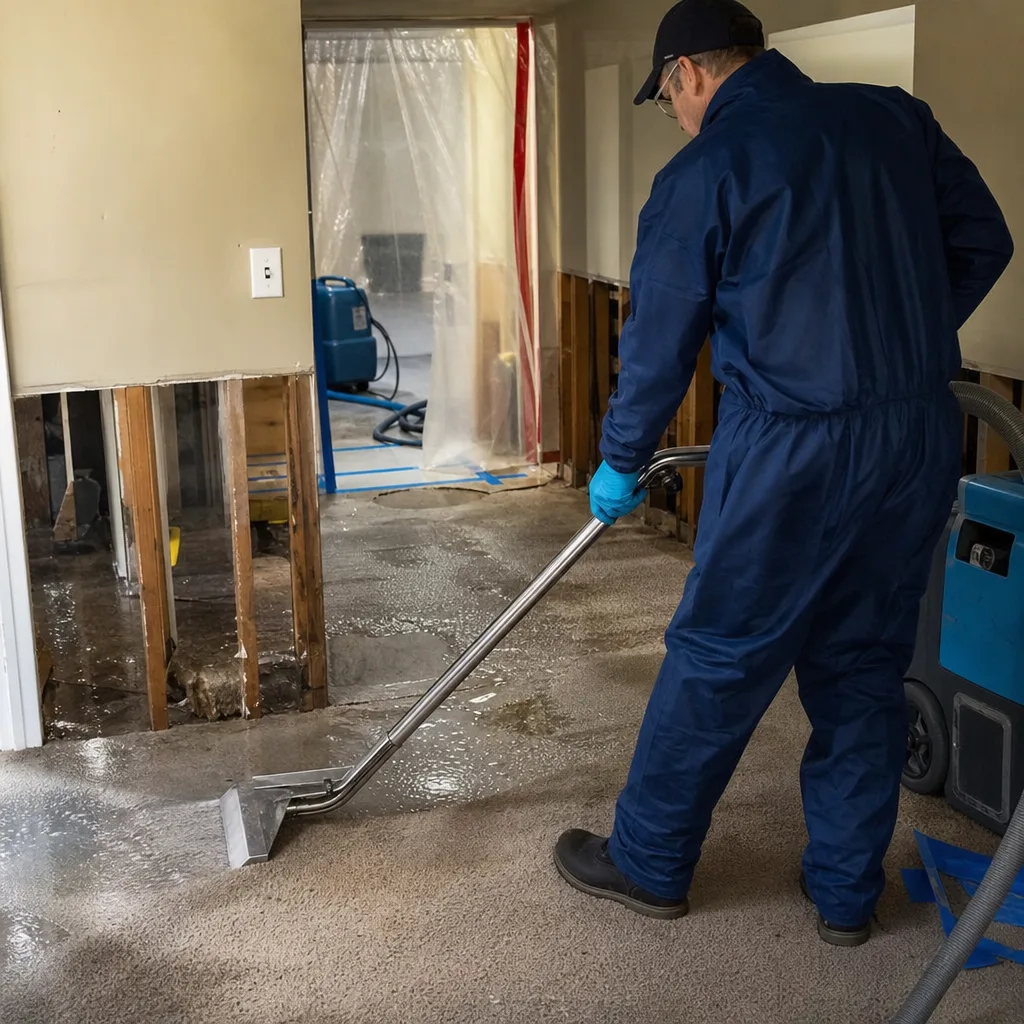
Emergency Board-Up
When a nor’easter takes out a bay window on a Vleigh Place rowhouse or a fallen branch breaks through a garden apartment window, the opening is a liability. We board up with plywood cut to the opening, secured properly, and documented for your insurer. In Kew Gardens Hills we also know that board-up done on a Friday afternoon may need to stay in place through Saturday night when a homeowner observes Shabbat. We plan for that, schedule the full repair for Sunday or Monday, and write the scope accordingly. The opening stays weather-tight the whole time.
Roof Tarping
The low-pitch tar roofs on 1940s and 1950s brick homes here fail in predictable ways: blisters split open in summer heat, flashing pulls away at the parapet, and nor’easter-driven rain finds the seam. We tarp these roofs with heavy-gauge poly secured over ridge and edges, not just thrown over the hole. Tar roofs hold tarp anchors differently than shingle roofs, and a bad tarp becomes a sail. We also schedule tarp work around daylight hours when possible, because a homeowner who won’t approve after-dark work on Shabbat means exposed framing overnight. We flag that risk and we plan for it.
Storm Damage Cleanup & Debris Removal
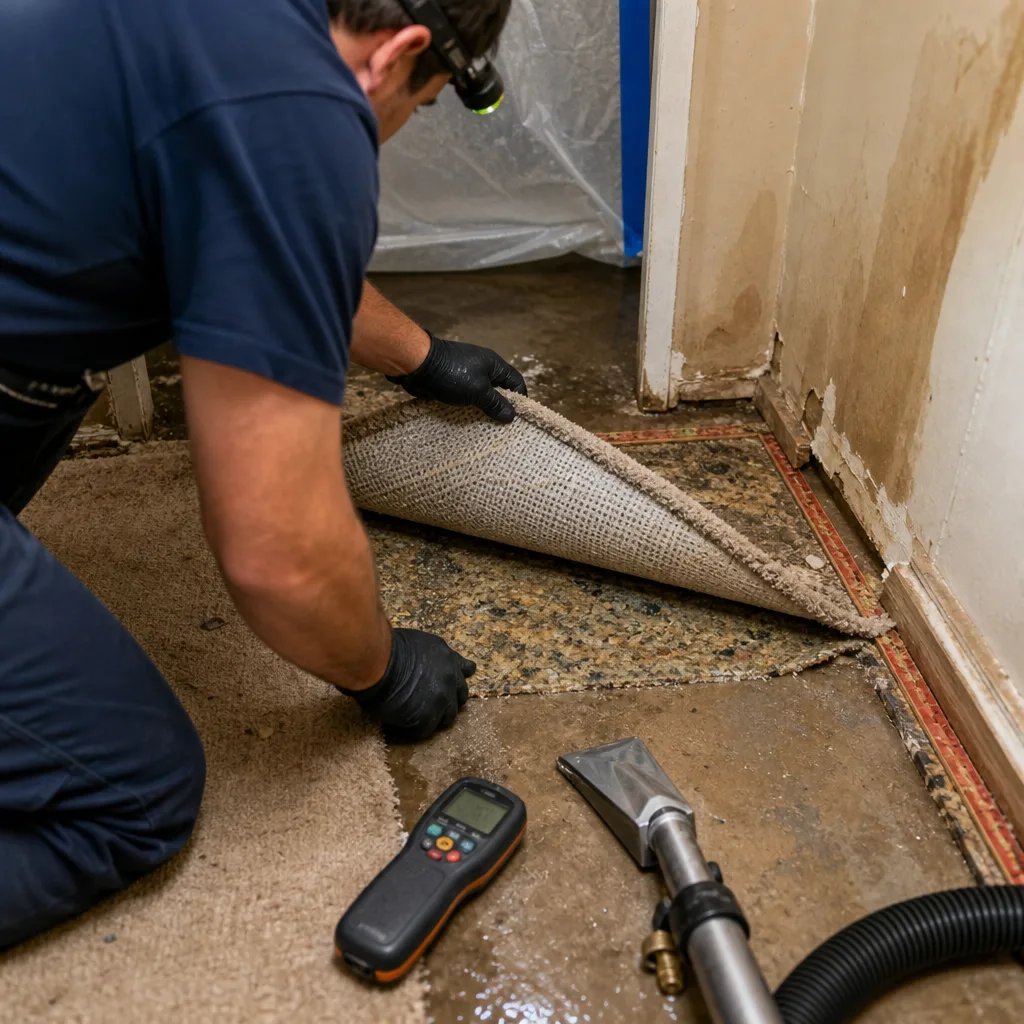
Downed branches, stripped siding, broken glass, soaked insulation, and drywall pulled from a flooded basement all have to go somewhere. We remove storm debris, dispose of it properly, and separate what can be salvaged from what can’t. On Kew Gardens Hills blocks with narrow shared driveways between attached homes, debris staging is its own problem. We stage material on the job site without blocking a neighbor’s path, and we haul same-day whenever the truck can get in. When the job is in a rear garden apartment with no alley access, we carry the debris out by hand. This isn’t the glamorous part of the trade. It’s just the part that has to get done right.
Wind Damage Repair
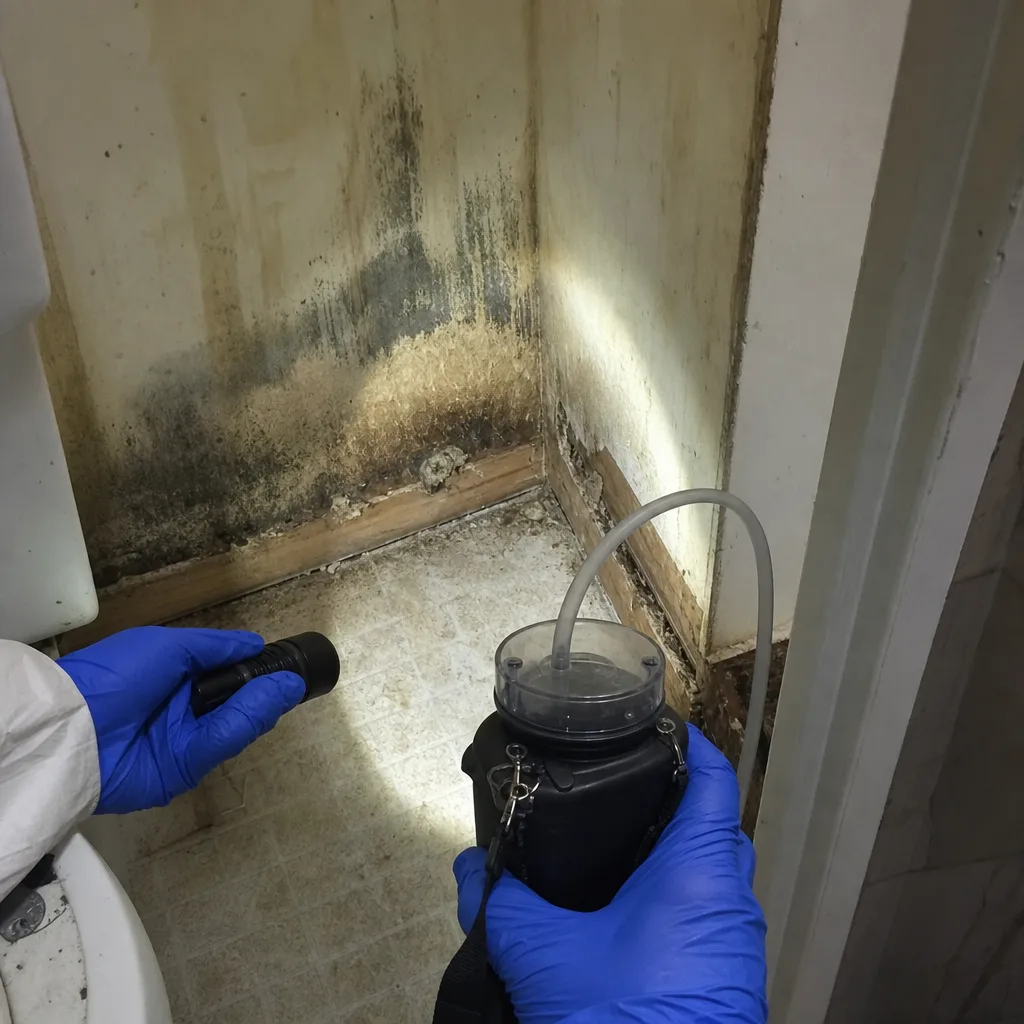
Nor’easter winds tear siding off 1960s garden complexes and lift sections of roof membrane on the older rowhouses. We repair what can be repaired and write replacement scopes for what can’t, with the same documentation we’d give your carrier. Wind damage often hides behind the visible damage: a lifted roof corner lets water in far from where the shingle gave way. We chase that water with meters, not guesses.
What happens when you call
- 1
A real person answersNo phone trees - you reach a local pro.
- 2
You get an upfront price rangeHonest numbers before anyone is dispatched.
- 3
A background-checked tech heads outLicensed & insured, dispatched right away.
- 4
You approve before work beginsNothing starts until you say go.
Storm & Disaster Restoration Costs in Kew Gardens Hills, NY
Price honesty matters more in this neighborhood than most, because Kew Gardens Hills homeowners have been burned before by contractors who lowball the estimate and pile on change orders. We don’t do that. Here’s what storm work actually costs in this market. Flood damage restoration in a finished Kew Gardens Hills basement typically runs $2,800 to $7,500, depending on category, square footage, and whether we’re cutting out drywall or drying in place. Category 3 sewage-backed storm water usually lands in the $4,000 to $9,000 range once containment, antimicrobial treatment, and material replacement are factored. Roof tarping on a low-pitch tar roof runs $450 to $950 for a standard two-story rowhouse. Emergency board-up for a broken window or door opening runs $300 to $700. Full storm debris removal with haul-away runs $350 to $1,200. What moves the price: how long water sat before we got the call, whether party walls forced multi-unit drying, and whether building materials were porous enough to require replacement. Insurance covers most storm and flood claims when the cause is sudden and accidental. Our free visual inspection gives you a firm written scope before any money changes hands. Call (518) 872-6111 and we’ll put numbers on paper.
We Also Serve Cities Near Kew Gardens Hills
Our crews respond across central Queens. We serve storm and disaster restoration in Flushing, Bayside, College Point, and East Elmhurst, from the same dispatch desk at (518) 872-6111. If you’re a homeowner in a neighboring community with water running into a finished basement, call us. The first 45 minutes matter the same everywhere.
Kew Gardens Hills Storm & Disaster Restoration Questions, Answered
What time can your techs actually start water extraction in Kew Gardens Hills on a Friday before Shabbat?
We can start extraction any time, but we plan Friday work in this neighborhood to wrap before sundown, which in winter means a mid-afternoon cutoff. If your loss happens Friday morning on 77th Road, we dispatch immediately, get extraction running the same visit, and either complete the drying setup before sundown or return Saturday night after Shabbat ends to continue. Call us as early as possible on a Friday. The faster we start, the more we get done before the calendar intervenes.
How do your crews handle a category 3 sewer backup in a shared attached rowhouse?
We treat category 3 as a contamination event, not a cleaning job. That means full containment with negative air pressure, HEPA air scrubbing, removal of wet carpet, pad, drywall, and baseboards, antimicrobial treatment of all remaining surfaces, and drying with professional air movers and dehumidifiers until the area meets dry standard. In a shared rowhouse we also document moisture readings on both party walls and coordinate with the neighbor’s owner or carrier when readings cross the property line. It’s more paperwork, but it’s the only way to dry the whole roofline.
Does your roof tarping service work on the low-pitch tar roofs common in Kew Gardens Hills?
Yes. Tar roofs hold tarp anchors differently than shingle roofs because you can’t nail into the membrane without creating new leaks. We secure heavy-gauge poly over the ridge and around the parapet edges using a system that holds in nor’easter winds without penetrating the roofing. We’ve tarped dozens of flat and low-pitch tar roofs in this neighborhood after storm blows and parapet flashing failures. The tarp is temporary, but it has to be right, because the next rain event comes whether you’re ready or not.
What happens when a burst pipe in one rowhouse unit leaves moisture readings high in two neighboring party walls?
We treat it as one drying project with three affected properties. We bring all owners into the scope, document readings at property lines, and run drying equipment sized for the full volume of wet masonry. If one owner refuses access, we can seal the party wall face with containment and run drying on the accessible side, but we’ll flag in writing that the wall cavity won’t fully dry without neighbor access. Mold sets by hour 48, so this conversation needs to happen fast. We help make it happen, including direct calls with other owners or adjusters.
How do you handle storm debris removal when plywood board-up must stay on until Monday due to the religious calendar?
We document the board-up, keep the site weather-tight through Saturday night, and schedule the full repair for Sunday or Monday morning once the household can receive work. The debris from the original storm doesn’t sit; we remove it at the time of board-up. What stays is the protective plywood, and that stays by design. We write it into the scope because the insurer needs to know why final repair waited. That’s a normal week in Kew Gardens Hills, and we plan for it.
How fast can someone actually get to my house in Kew Gardens Hills?
We commit to having a crew on site within 45 minutes of your call to (518) 872-6111. Our dispatch is in the New York City office, and crews are already on the road across central Queens. On storm nights when every truck is moving, that window can stretch slightly, but we’ll tell you honestly on the phone when to expect us and we’ll be there when we say. We don’t dispatch from a call center in another state.
Will my insurance cover storm damage and restoration?
Most homeowners policies cover storm damage that is sudden and accidental: a tree through the window, a nor’easter roof breach, a burst pipe from freeze. Coverage for sewer backup often requires an endorsement, which many, but not all, Kew Gardens Hills homeowners carry. We won’t guess. We document everything, write the scope in carrier format, and coordinate with your adjuster directly. If something falls outside your policy, we tell you before we do the work. You’ll know the number going in.
Can we stay in our home during storm damage drying and restoration?
That depends on the damage. A Category 1 roof leak drying a single top-floor bedroom usually lets the family stay, with containment isolating the affected area. A Category 3 sewer backup in a finished basement with the HVAC pulling air from that level usually means vacating until containment is torn down and air scrubbing clears the space. We give you a straight answer during the initial assessment, and we document it for your carrier. If the home is uninhabitable, we’re part of your claim conversation about alternate living expenses.
Serving Kew Gardens Hills, NY - Our Local Coverage Area
We’re based in the Kew Gardens Hills area and know this community well. Use the map below to see our service coverage - if you’re nearby, we can almost certainly help.
Call Floodline Restoration Co. for Storm & Disaster Restoration in Kew Gardens Hills
We’re the crew that starts at the floodline and doesn’t leave until the rebuild is done. In Kew Gardens Hills that means shared party walls, aging brick rowhouses, a combined sewer that fights back in summer storms, and a calendar we respect. Call (518) 872-6111 any hour, any day, and you’ll get a live person who knows this neighborhood. We’ll dispatch a crew, do a free visual inspection, and put a written scope in your hands. The 90-Day Done Right Promise comes with every job we do, in writing, no argument. And if you’re a senior or veteran, ask about our standing 5% discount. The storm already did its part. Let us do ours.
Written by Curt Bowman, Owner at Floodline Restoration Co., serving Kew Gardens Hills and central Queens with live 24/7 storm and disaster response.