

Free visual inspection and a written scope of work before any mitigation begins - photos, moisture readings, and drying logs go in your claim file
The scope we write is the scope we bill. Anything new gets shown to you, in writing, before we touch it.
Storm responseSewage cleanup
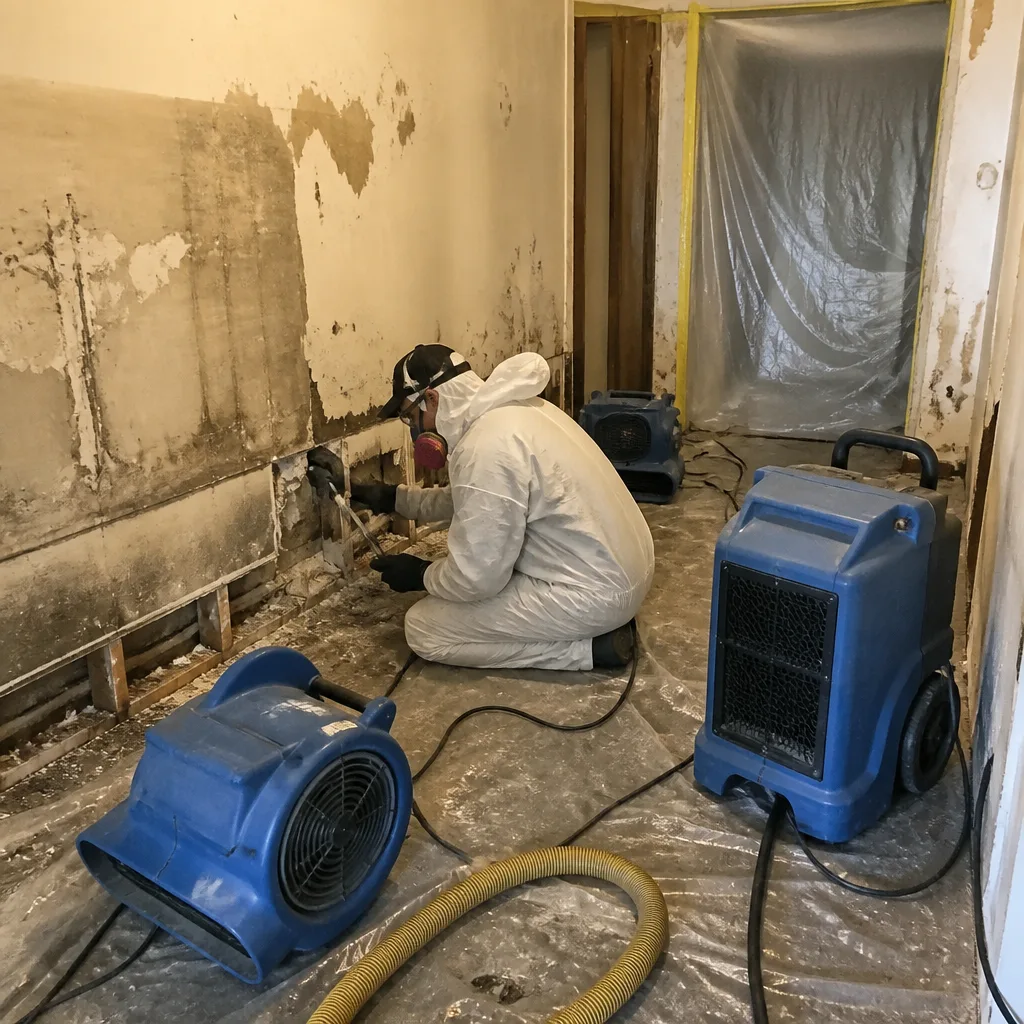 Before
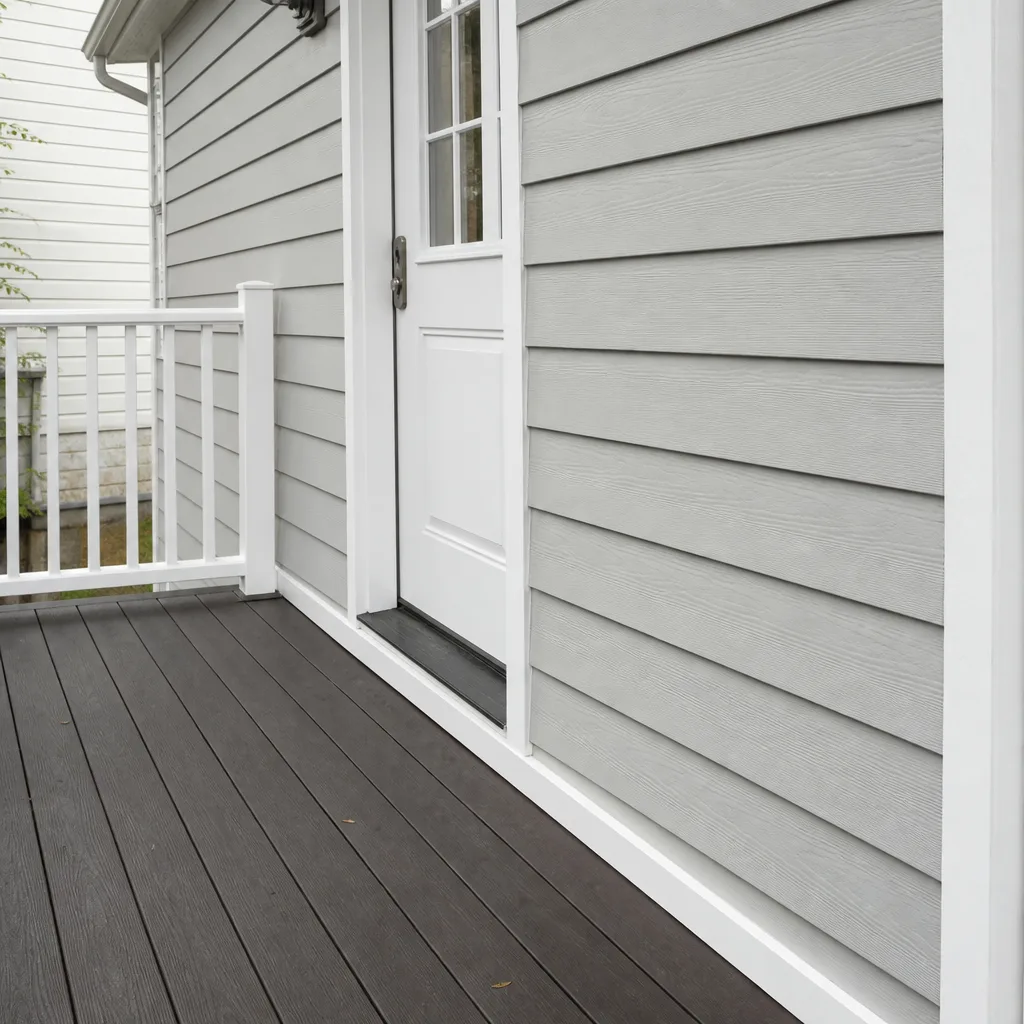 After
After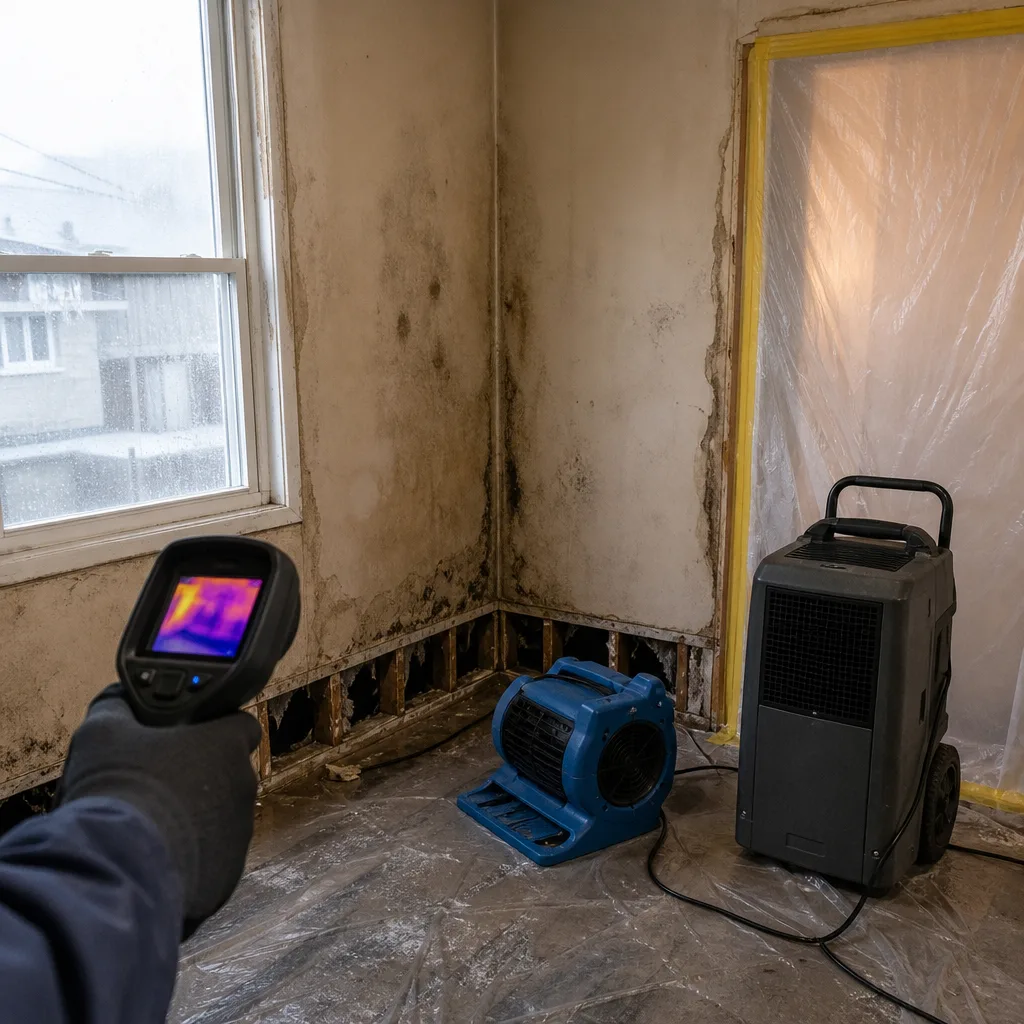 Before
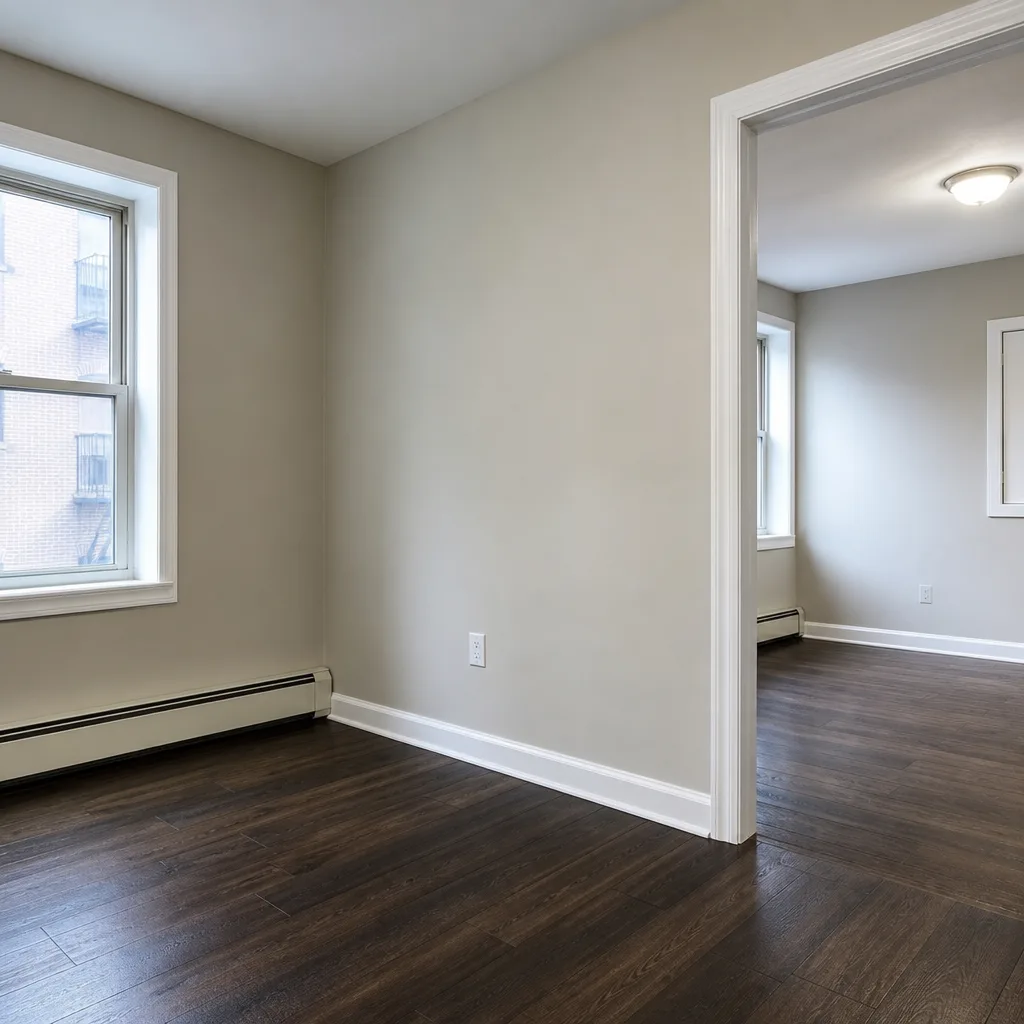 After
After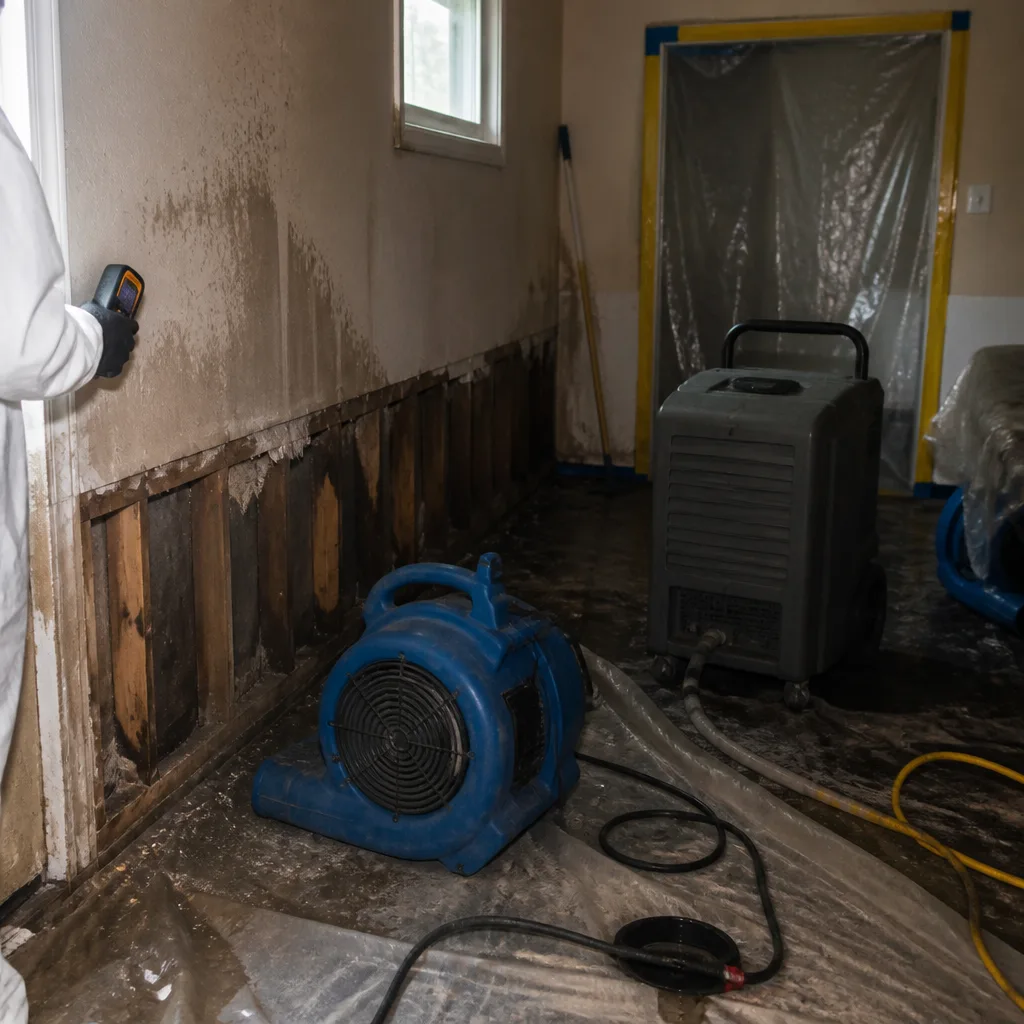 Before
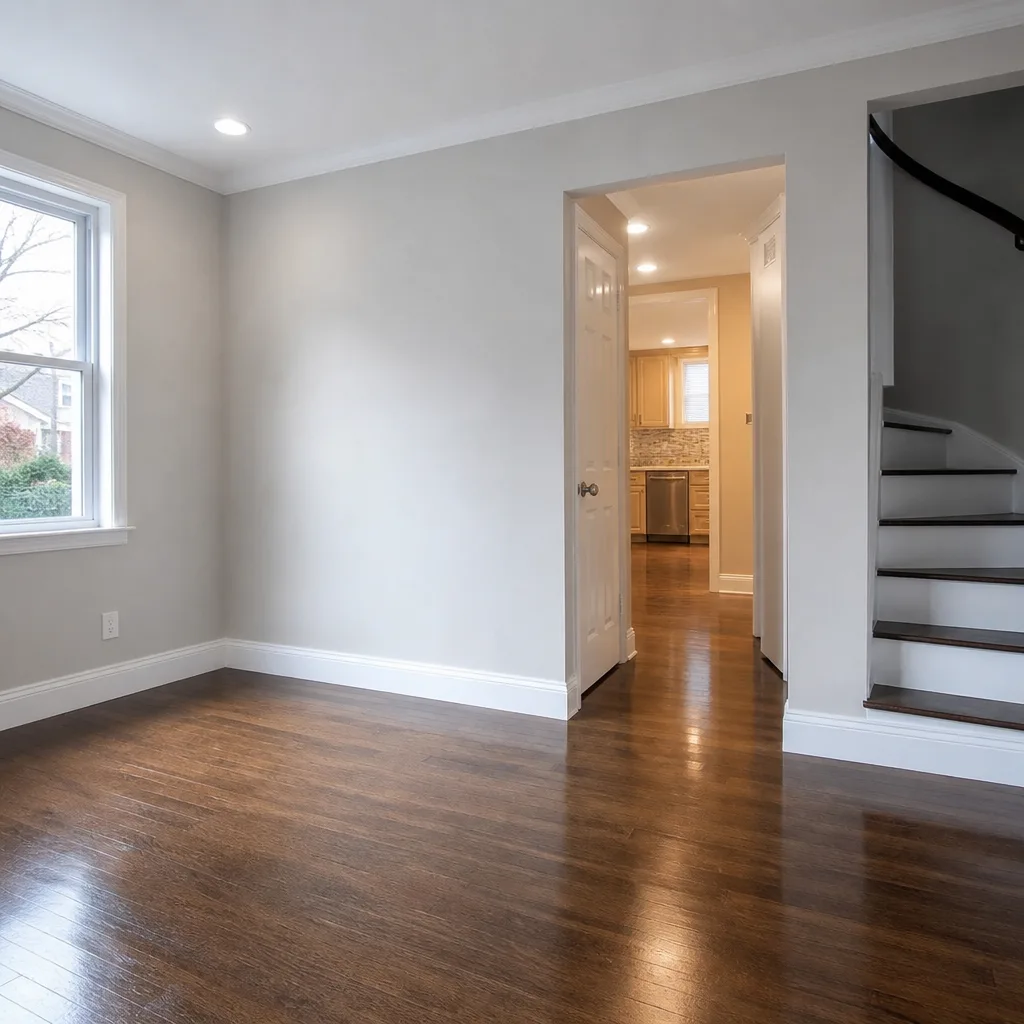 After
After24/7 Emergency Storm & Disaster Restoration in Throgs Neck
Water from two directions at once is not a metaphor in Throgs Neck. It’s the way storm surge works here. We answer the phone at (518) 872-6111 every hour of every day, and when you call about a flooded basement or a tree through a roof, a real person picks up. Not a recording. A dispatcher who knows Throgs Neck and can have a crew moving toward your street in under an hour. The first sixty minutes after saltwater enters a finished basement decide how much of what you own is salvageable and whether the drying job takes three days or three weeks. Call us while the water is still coming in, and we will tell you what to do before we pull up. The inspection is free. The extraction starts the same visit.
Understanding Storm & Disaster Restoration Severity in Throgs Neck Properties
Saltwater is not the same as the water that leaks from a burst supply line. Restoration pros classify water by contamination level: Category 1 is clean, Category 2 carries significant contaminants, and Category 3 is grossly unsanitary, meaning it may contain sewage, bacteria, or salt-saturated harbor water. In Throgs Neck, a nor’easter that pushes East River and Long Island Sound water into your basement is almost always a Category 3 event. That matters because you cannot simply dry Category 3 materials and reuse them. Porous materials, meaning drywall, insulation, carpet pad, and upholstered furniture, typically require removal. Structural framing and concrete get treated with antimicrobial agents and dried to a strict moisture standard using thermal imaging, hygrometers, and professional-grade dehumidifiers. Homes in Throgs Neck complicate this further: most were built in the 1950s and 1960s with brick cavity walls and original cast-iron drain stacks. Saltwater gets behind the finish surfaces and sits in those cavities, corroding metal and feeding mold that standard drying equipment never touches. A proper scope here runs deeper than what a plumber with a wet-vac can do.
Why Throgs Neck Property Owners Choose Floodline Restoration Co.
- 45-minute response commitment: When you call in a storm event, we tell you when the crew will arrive, and we keep that promise. Dispatch knows Throgs Neck streets from East Tremont to Pennyfield Avenue.
- 24/7 live answer: A person answers at two in the morning. Always. You will never leave a voicemail during an emergency.
- IICRC-certified crews: Our technicians hold WRT, FSRT, and AMRT certifications, and they are background-checked and uniformed on every job.
- Free visual inspection: We look before we quote, and you get a written scope of work before anything is torn out.
- Direct insurance billing: We document the loss, talk to your adjuster, and bill the carrier directly. You are not stuck playing messenger.
- One team, start to finish: The crew that extracts the water is the same crew that dries, repairs, and rebuilds. No mid-job handoff to strangers.
Our Storm & Disaster Restoration Process
Inspection & Assessment
We start with thermal imaging and moisture mapping to find water you cannot see. Saltwater hides in brick cavities and behind baseboards, so we map every affected surface before touching anything.
Extraction & Stabilization
Professional-grade pumps and extraction units remove standing water fast. We also stabilize the structure, meaning board-up, tarping, or shoring wherever the storm opened the envelope.
Drying & Dehumidification
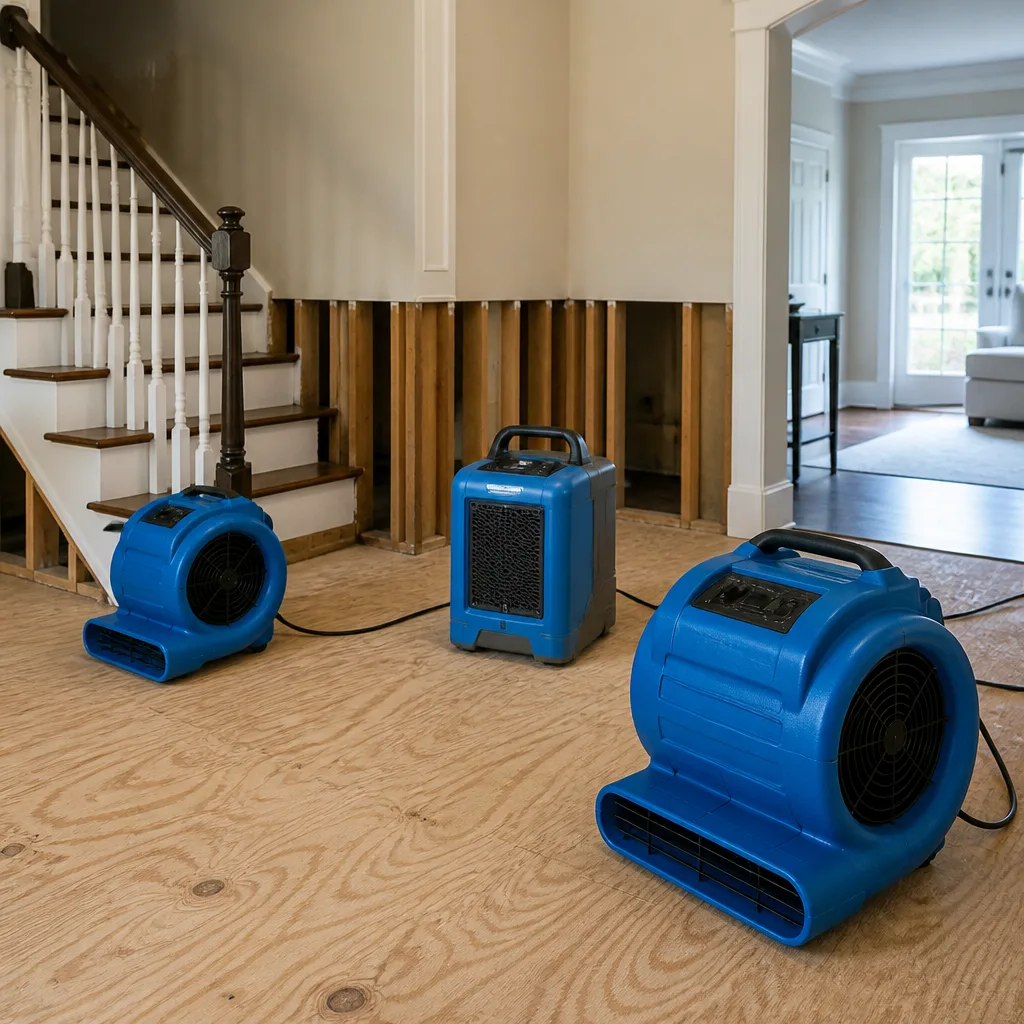
Dri-Eaz dehumidifiers and XPOWER air movers run continuously, with daily moisture readings logged until the structure hits the dry standard. In Throgs Neck’s salt air, this stage often runs longer than inland jobs.
Cleaning & Sanitization
Category 3 water means antimicrobial treatment on every exposed surface. HEPA air scrubbers run throughout the job to keep airborne mold spores from migrating into unaffected rooms.
Specialty Treatment
In Throgs Neck, this stage includes salt-residue removal from masonry, corrosion treatment on fasteners and utilities, and anti-microbial injection into brick cavity walls that trapped water during Sandy-era flooding.
Repairs & Restoration
We rebuild what the storm destroyed. Drywall, flooring, trim, paint, and any corroded plumbing or mechanical components get replaced by the same crew that has been in your home since day one.
Need Emergency Storm & Disaster Restoration in Throgs Neck Now?
Crews minutes away, answering live 24 hours a day. The sooner we start, the less it costs.
Working With Your Insurance Company
Insurance claims after a Throgs Neck storm event are complicated by one thing: saltwater. Many standard policies cover hurricane and nor’easter damage, but the fine print on storm surge and flood requires careful documentation from the first hour. We handle that. Our team photographs every room, logs moisture readings daily, and produces a line-item scope of work that your adjuster can validate against industry pricing. We talk to the carrier directly so you do not have to interpret policy language at 11 p.m. after a surge. For Throgs Neck homeowners, especially the 1950s brick construction common here, we also document pre-existing corrosion and hidden saltwater damage. That documentation matters when a claim gets reopened because the first remediation missed water inside a cavity wall.
What We Provide Your Insurer
- Thorough documentation of the loss
- Photos of all damage, room by room
- Moisture readings and drying logs
- A detailed, line-item scope of work
- Direct coordination with your carrier
Built for Throgs Neck’s Loss Calendar
Throgs Neck’s storm season does not follow the tidy hurricane-season timeline that the national franchises run on. January brings deep freezes that burst aging galvanized supply lines in uninsulated basement walls. March and April send nor’easters up the Sound, pushing tidal surge into low-lying streets and testing bulkheads that have been patched for fifty years. Summer thunderstorms can drop three inches of rain in an hour, overwhelming the original 1950s storm drains and sending water through basement floor cracks. And then there is hurricane season, where a single storm can push water from the East River and Long Island Sound at the same time. That dual-front surge is the signature loss pattern of this peninsula, and it is why our crews keep extra submersible pumps and corrosion-resistant hardware stocked through the fall. Throgs Neck does not have a quiet season for water. It has seasons where the water is fresh, and seasons where it is salt.
Storm & Disaster Restoration Across Throgs Neck’s Neighborhoods
The response routes we run through Throgs Neck tell the story of how water moves on this peninsula. Along Pennyfield Avenue and the blocks sloping toward the Sound, homes sit closest to the water, and storm surge arrives first at the rear bulkhead, pushing into basements from the yard side. Streets near the Throgs Neck Bridge approaches and the East River side, including areas around Locust Point and the blocks off East Tremont Avenue, catch surge from the opposite direction, hitting front entrances and garages first. Higher ground near the middle of the peninsula, around the Throgs Neck Little League fields and the blocks between Layton and Philip Avenues, sees fewer flood calls but more wind damage, including roof failures and downed power lines that leave sump pumps without electricity. The housing stock shifts block to block too: brick semi-detached homes from the 1950s dominate the mid-peninsula, while pockets of newer construction near the waterfront have different vulnerabilities, mostly window and door seal failures under sustained wind-driven salt spray. Every neighborhood here has a signature failure mode, and our crews know them by street.
Specialized Storm & Disaster Restoration Services We Offer in Throgs Neck
Storm Damage Cleanup
Storms in Throgs Neck leave more than water. They leave pilings of debris, salt-caked siding, and wind-scattered shingles. We remove debris, document every affected surface for your claim, and clean salt residue from masonry and painted surfaces before it has time to etch into the brick.
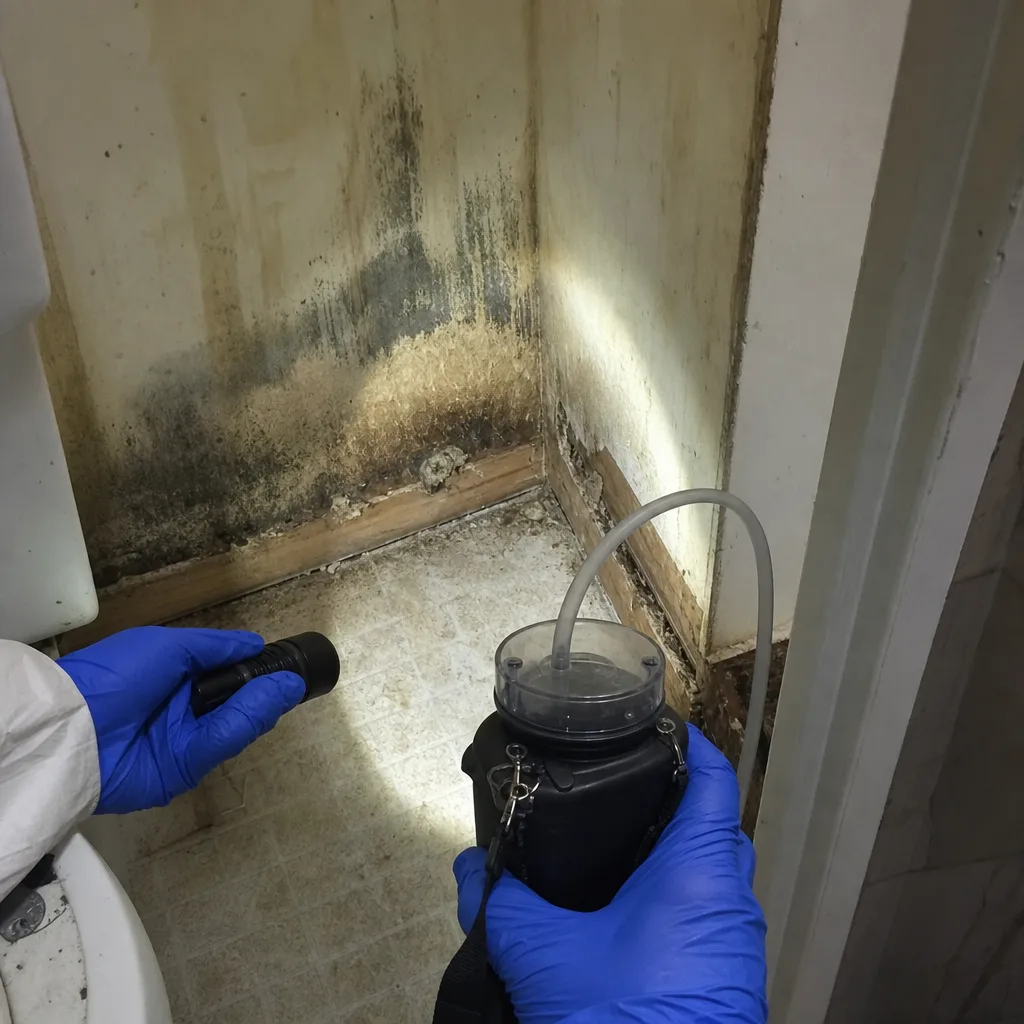
Flood Damage Restoration
Saltwater flooding is this neighborhood’s recurring crisis. Our Flood Damage Restoration crews run moisture-mapped structural drying with Injectidry cavity systems to pull saltwater from inside finished walls. We treat Category 3 water as what it is: contaminated, corrosive, and capable of doing more damage in a week than freshwater does in a month.
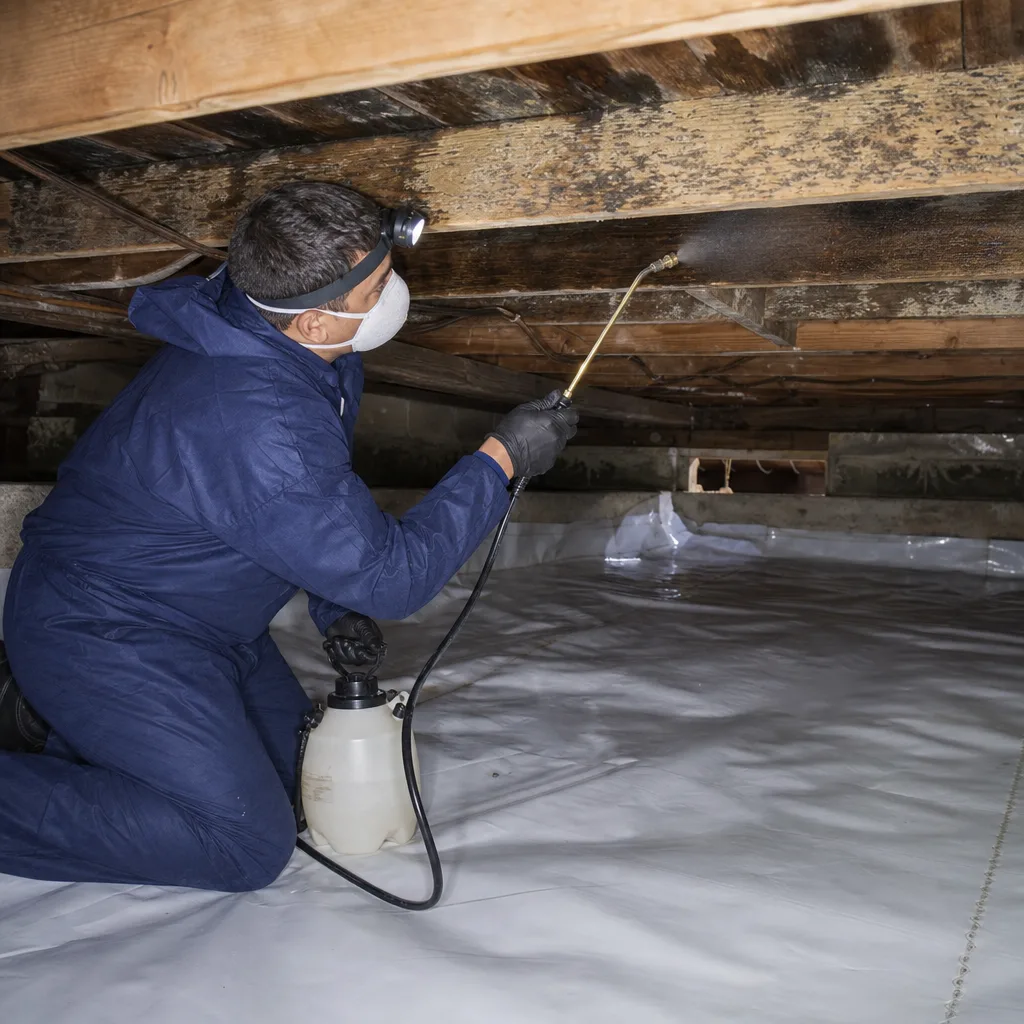
Emergency Board-Up
A broken window or forced door is an invitation in Throgs Neck, not just to weather but to theft and vandalism. We board up same-day with heavy plywood and hardened fasteners, secure the property, and photograph everything for your insurer. The board-up holds until permanent repairs are scheduled.
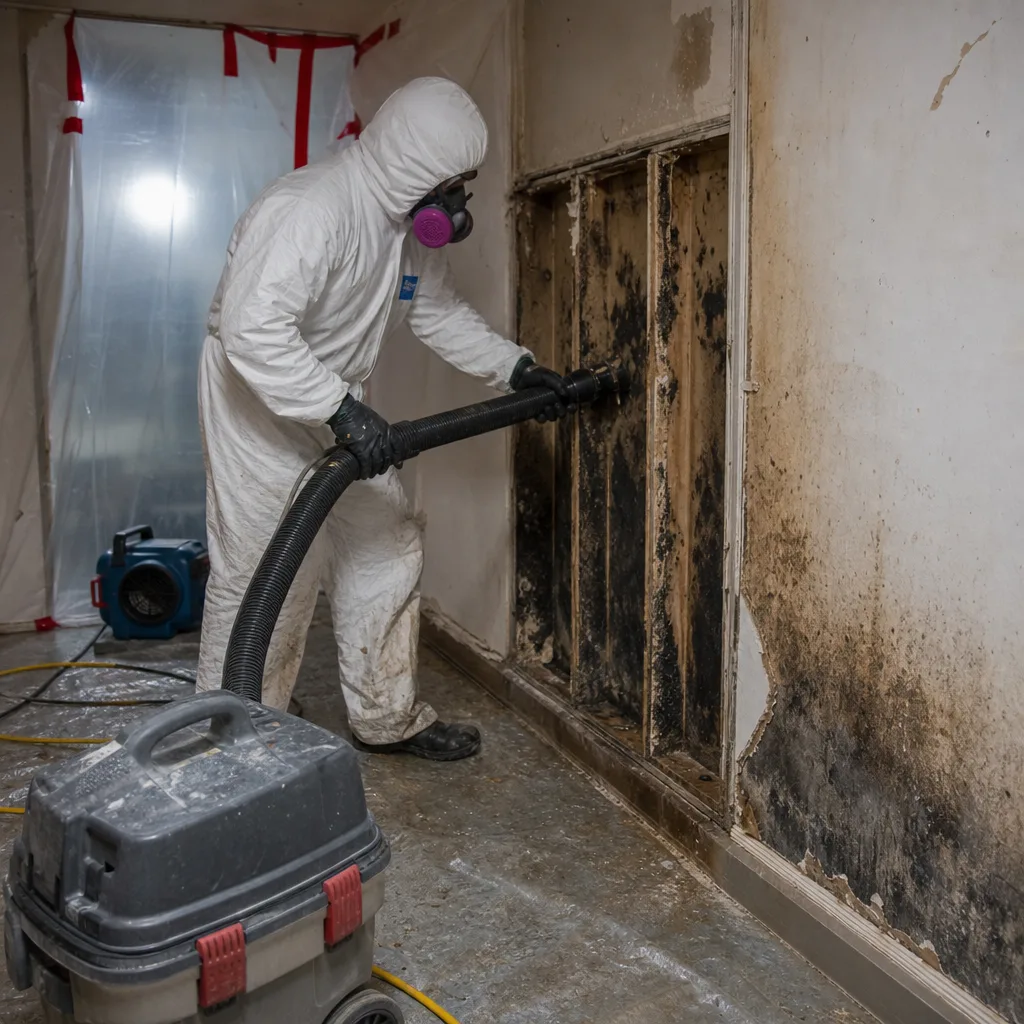
Roof Tarping
Wind-driven rain over the Sound finds every missing shingle. We tarp roofs with reinforced, UV-stabilized covers that hold through the next storm front. Tarps go on fast, get fastened to code, and buy you the weeks you need to schedule a proper roof repair without further interior damage every time it rains.
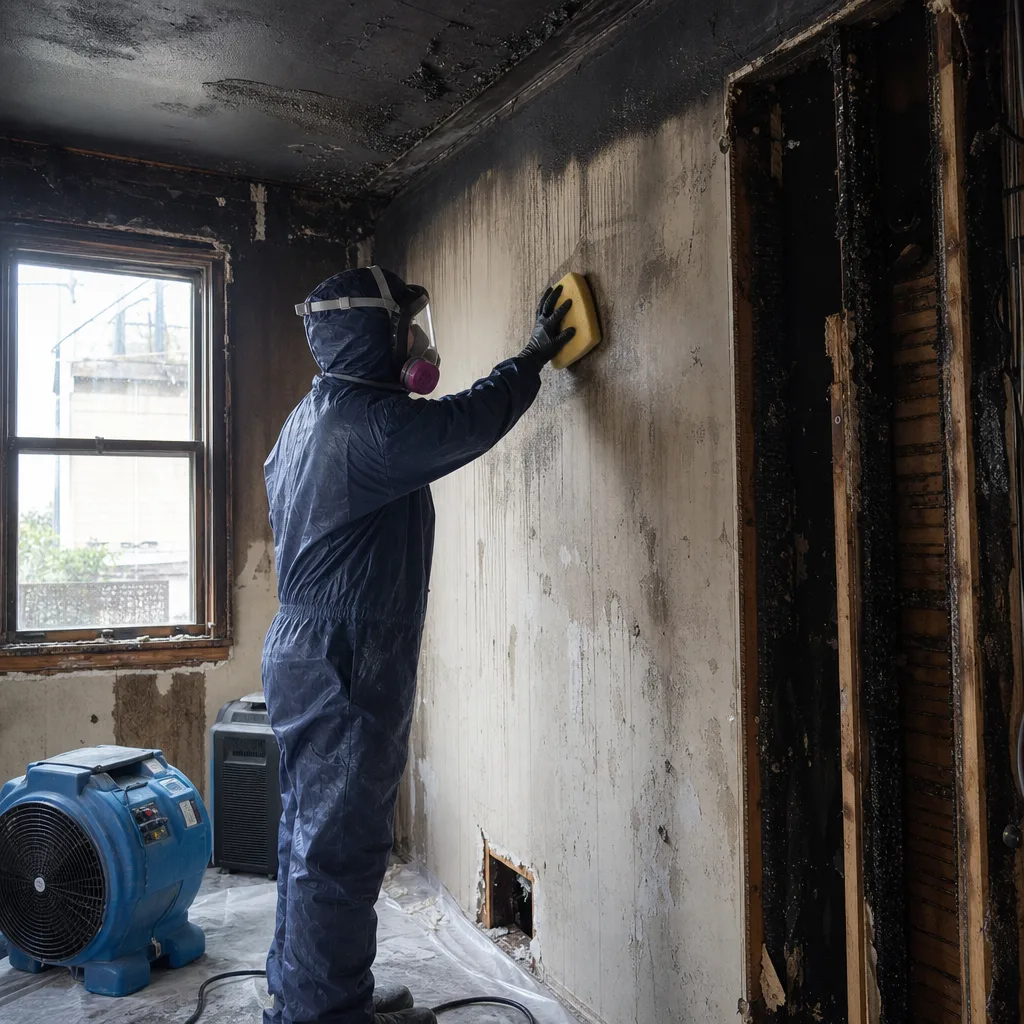
Debris Removal
Storm debris in a coastal shoreline neighborhood includes driftwood, dock fragments, and salt-soaked insulation that inland crews rarely handle. We haul it out, sort it for your claim documentation, and get the property to a clean, dry state before remediation starts. Debris removal is the unglamorous first step that makes every later step possible.
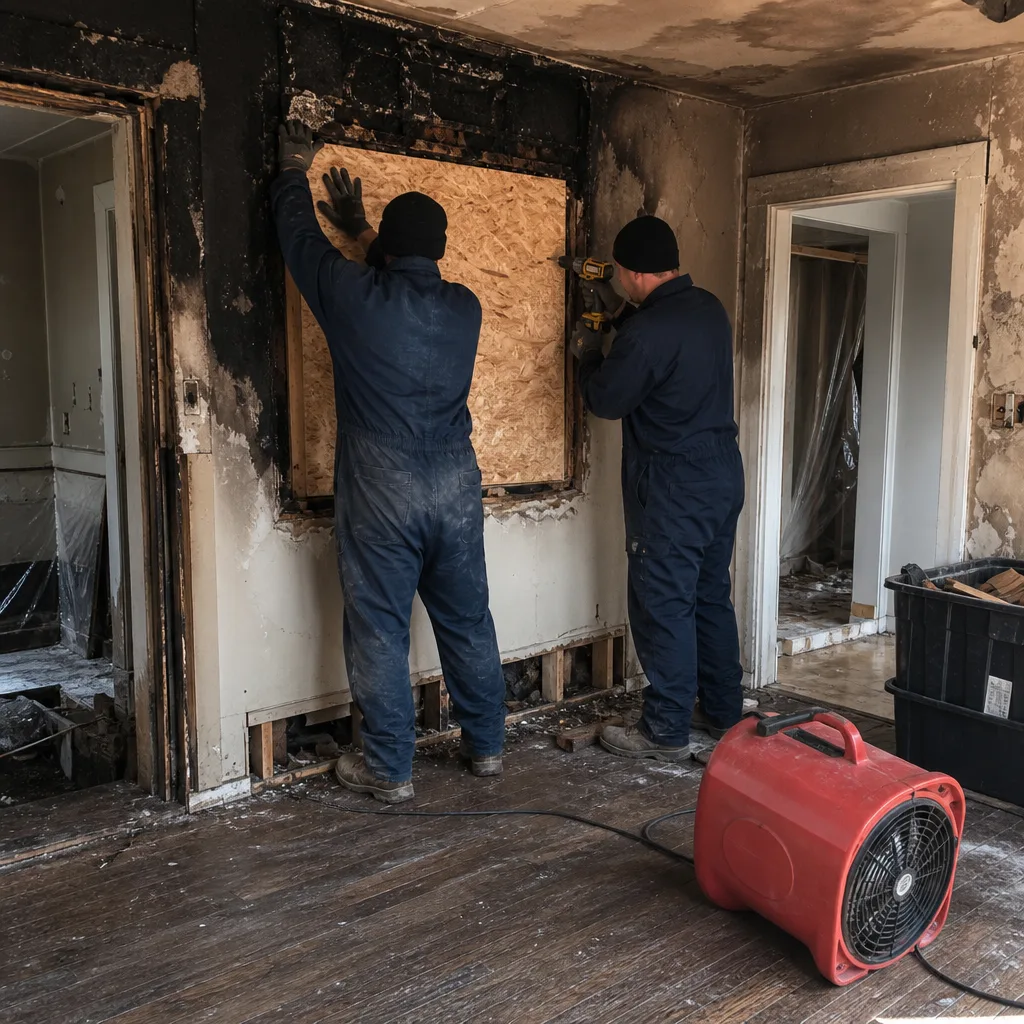
What happens when you call
- 1
A real person answersNo phone trees - you reach a local pro.
- 2
You get an upfront price rangeHonest numbers before anyone is dispatched.
- 3
A background-checked tech heads outLicensed & insured, dispatched right away.
- 4
You approve before work beginsNothing starts until you say go.
Storm & Disaster Restoration Costs in Throgs Neck, NY
Honest numbers for Throgs Neck: a basement flood from storm surge with Category 3 water extraction, antimicrobial treatment, and structural drying typically runs $3,500 to $9,000 depending on square footage and how long the water sat. Board-up service runs $350 to $850 for a standard single-family entry or window opening. Roof tarping ranges from $450 to $1,100 depending on pitch and access. Full storm damage cleanup including debris removal and salt-residue treatment on masonry runs $1,800 to $4,500 for a typical Throgs Neck brick home. What moves the price: how deep the water reached, whether cavity walls hold hidden moisture, whether cast-iron drains need replacement, and how much finish surface must be removed before drying can start. Insurance covers most of these scopes when documentation is done right. Call (518) 872-6111 for a free visual inspection and a written estimate before you commit to anything. No pressure, a square deal, and the number on the page is the number you pay.
We Also Serve Cities Near Throgs Neck
Our crews run restoration calls throughout the surrounding boroughs. We serve Storm & Disaster Restoration in Throgs Neck alongside regular response routes into Flushing, Bayside, College Point, and East Elmhurst. Same crew standards, same equipment, same written guarantee wherever the storm sends water.
Serving Throgs Neck, NY - Our Local Coverage Area
We’re based in the Throgs Neck area and know this community well. Use the map below to see our service coverage - if you’re nearby, we can almost certainly help.
Throgs Neck Storm & Disaster Restoration Questions, Answered
How does Throgs Neck’s two-directional storm surge change the scope of flood damage restoration compared to a typical Bronx basement flood?
Two-directional surge means water enters from both the street side and the sound side at once, doubling the contaminated surface area and pushing saltwater into wall cavities from both sides. A standard Bronx basement flood usually comes from one failed pipe or one overwhelmed drain, so the water profile is consistent and controllable. A Throgs Neck surge event fills the same basement from two entry points with different water chemistry, debris loads, and pressure dynamics. That means larger extraction capacity, more cavity drying, and more demolition, because water that meets in the middle has nowhere to go but into your walls.
Why do garage-door springs and hinges fail faster in Throgs Neck than in inland Bronx neighborhoods?
Salt air. Throgs Neck sits at the confluence of the East River and Long Island Sound, so prevailing winds carry salt-laden moisture over the peninsula year-round. Galvanized springs, steel hinges, opener chains, and track fasteners corrode years faster here than five miles inland. A storm that binds a rusted door can trap a car inside or block emergency egress. We replace failed hardware with coated springs and stainless components that hold up to coastal air, and we check for corrosion on every storm restoration we run in the neighborhood.
When is water in a Throgs Neck basement considered Category 3, and can it ever be dried in place?
Category 3 water is grossly unsanitary, and storm surge that has mixed with harbor water, street runoff, or sewage qualifies. In a Throgs Neck basement, saltwater that entered from the Sound or the street during a surge event is Category 3 by definition. Porous materials, meaning drywall, insulation, carpet, and pad, cannot be dried in place. They hold contaminants that reactivate with humidity. Those materials get removed and disposed of, then the structure behind them is treated, dried, and rebuilt.
Why do Throgs Neck homes that were remediated after Hurricane Sandy sometimes need re-remediation years later?
Brick cavity walls. Most Throgs Neck homes are post-WWII brick construction with an air gap between the outer brick and the inner finished wall. When Sandy pushed saltwater into those cavities, standard drying equipment could not reach the water trapped inside. The surfaces looked dry, the homeowner signed off, and the walls were sealed back up. But the salt and moisture remained, and now, every time a nor’easter brings humidity or another surge pushes water against the foundation, mold reactivates inside the wall. Re-remediation means opening those cavities, treating them properly, and drying them with Injectidry systems that reach where the 2012 equipment could not.
How quickly does mold start in a Throgs Neck basement after saltwater flooding, and what does that mean for emergency response?
Mold colonization starts in 24 to 48 hours, and saltwater accelerates the process by leaving behind organic material and raising the wall’s moisture retention. In Throgs Neck’s humid coastal air, a basement that sits wet for three days is not just wet, it is actively colonizing. Our 45-minute response commitment matters here because the first day of drying is the difference between a cleanup job and a full gut.
How fast can someone actually get to my Throgs Neck home during a storm?
We commit to 45 minutes from the time you call (518) 872-6111. Our dispatch runs from a New York City office and keeps crews staged around the five boroughs, so response to Throgs Neck streets is consistently under an hour, even during major nor’easters. A live dispatcher picks up every call and tells you exactly when to expect the truck.
Will insurance cover storm and flood damage in Throgs Neck?
Storm damage from wind, falling trees, and rain entering through a storm-created opening is typically covered under a standard homeowners policy. Flood damage from rising water, including surge from the East River or Long Island Sound, requires a separate flood policy, and many Throgs Neck homeowners carry one because of the FEMA flood zones here. We document everything from the first hour, photograph all damage, and talk directly to your adjuster so your claim reflects what actually happened, not what a form assumes.
What should I do in the first 30 minutes after water enters my Throgs Neck basement?
Call (518) 872-6111 first. Then, if it is safe, cut power to the affected area at the breaker. Do not walk through standing water if you are not certain the power is off. Move small valuables upstairs if you can do so quickly. Do not try to extract saltwater yourself with a shop vac, and do not tear out drywall. Saltwater carries contaminants that require protective gear, and premature demolition can complicate your claim. Let our crew handle it from the moment we arrive.
Written by Curt Bowman, Owner at Floodline Restoration Co., serving Throgs Neck with emergency restoration crews and 42 years of combined local experience. Backed by the 90-Day Done Right Promise, in writing, no argument.
Floodline Restoration Co. is your local source for Storm & Disaster Restoration done right, from first extraction to finished rebuild, with a live person on the phone day and night. Call (518) 872-6111 for a free estimate.