
Free visual inspection and a written scope of work before any mitigation begins - photos, moisture readings, and drying logs go in your claim file
The scope we write is the scope we bill. Anything new gets shown to you, in writing, before we touch it.
Storm responseSewage cleanup
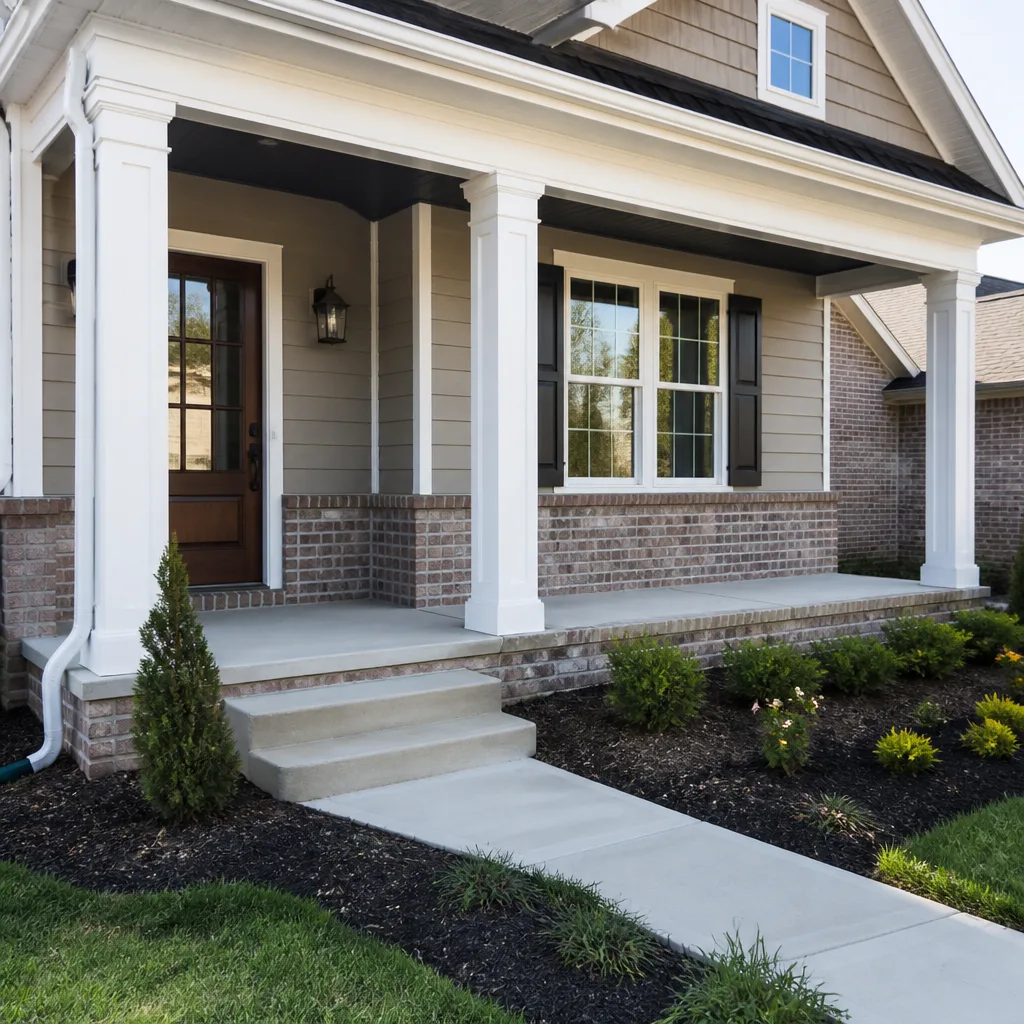
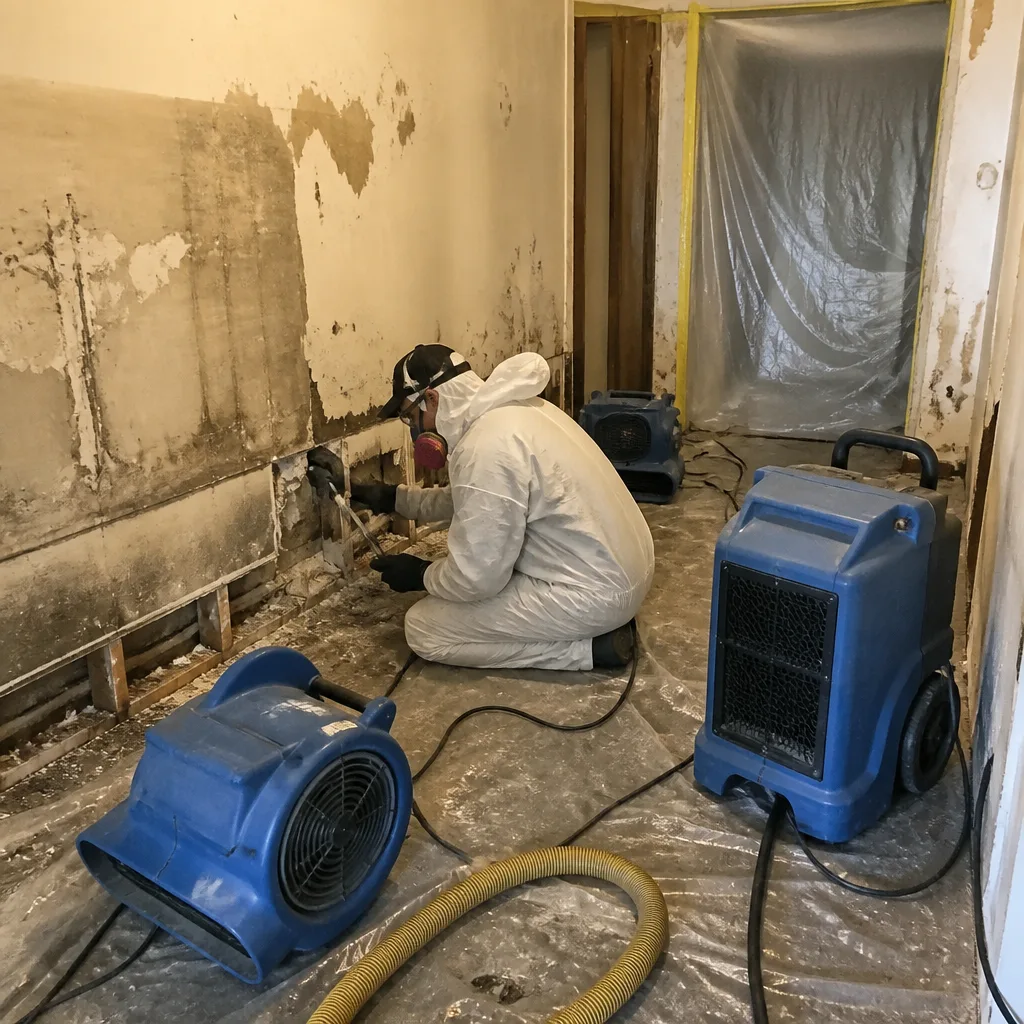 Before
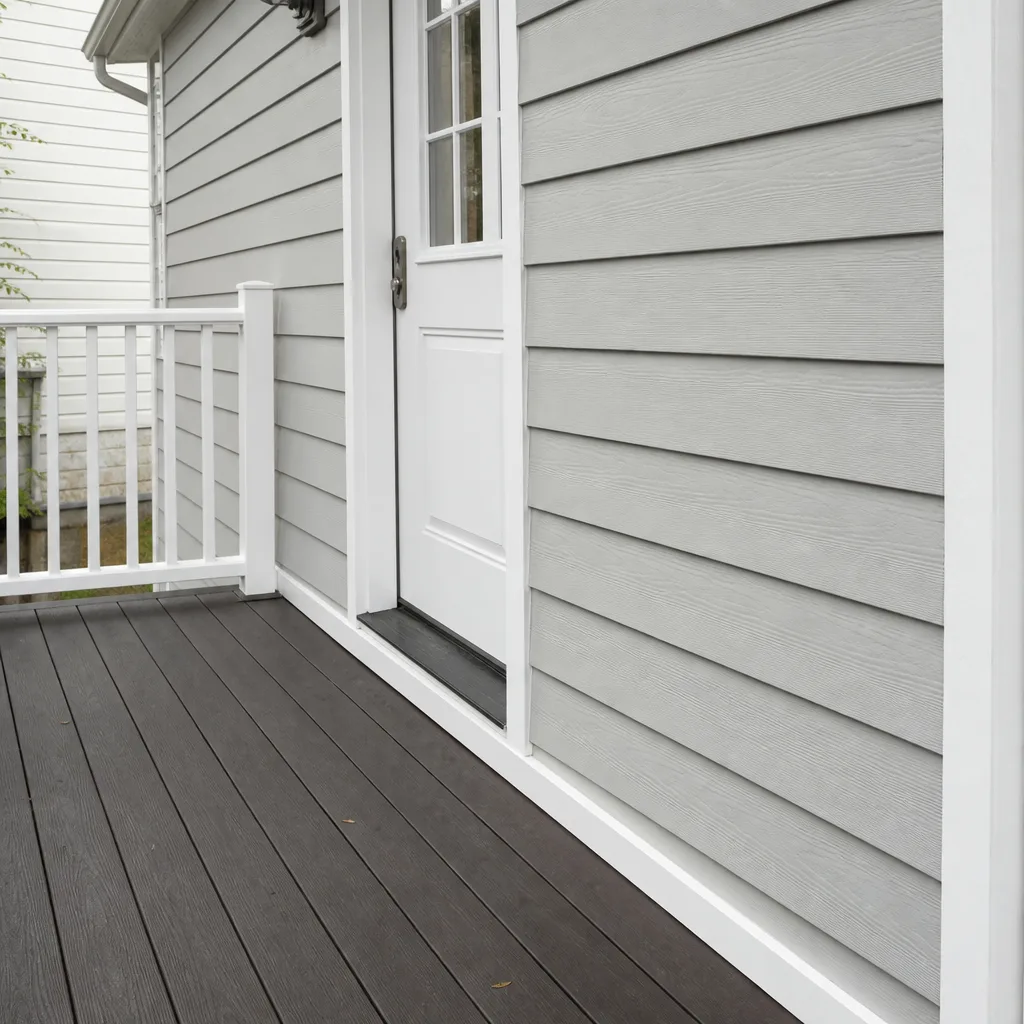 After
After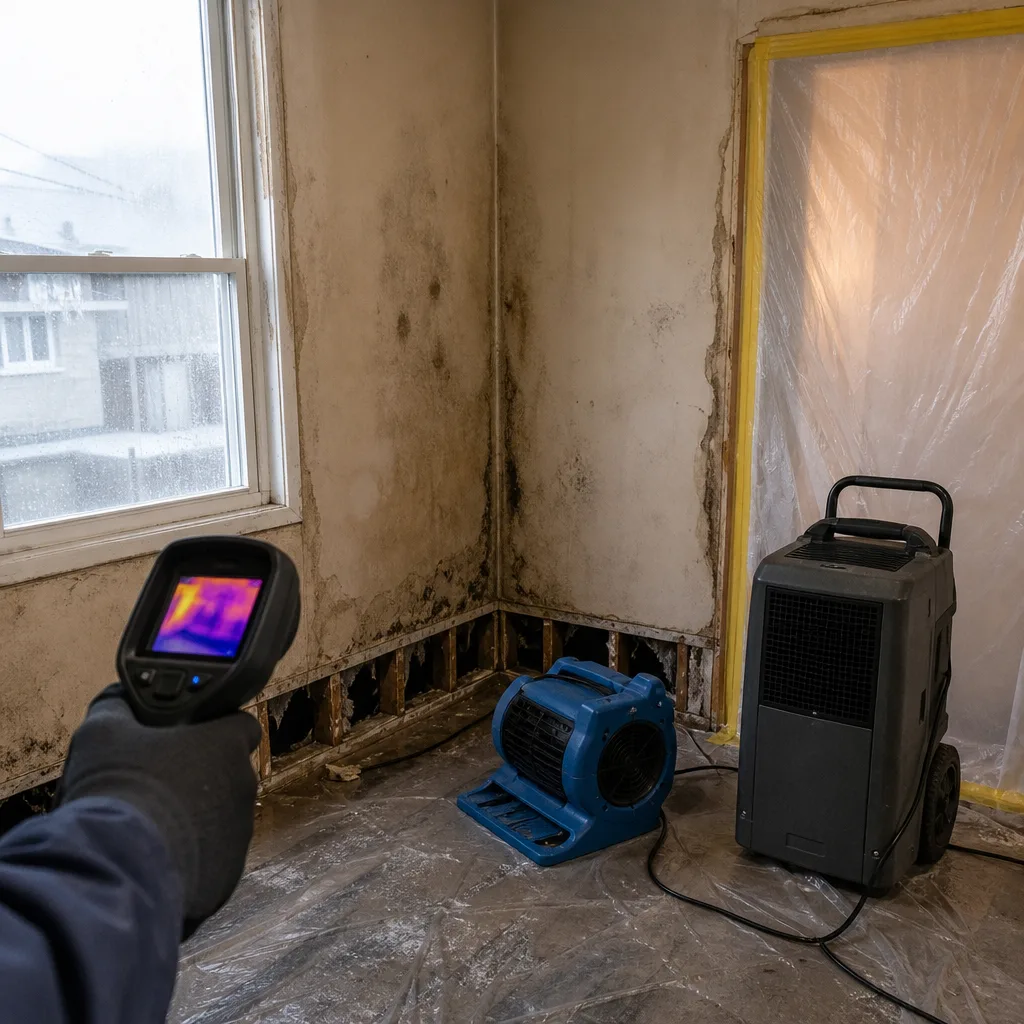 Before
 After
After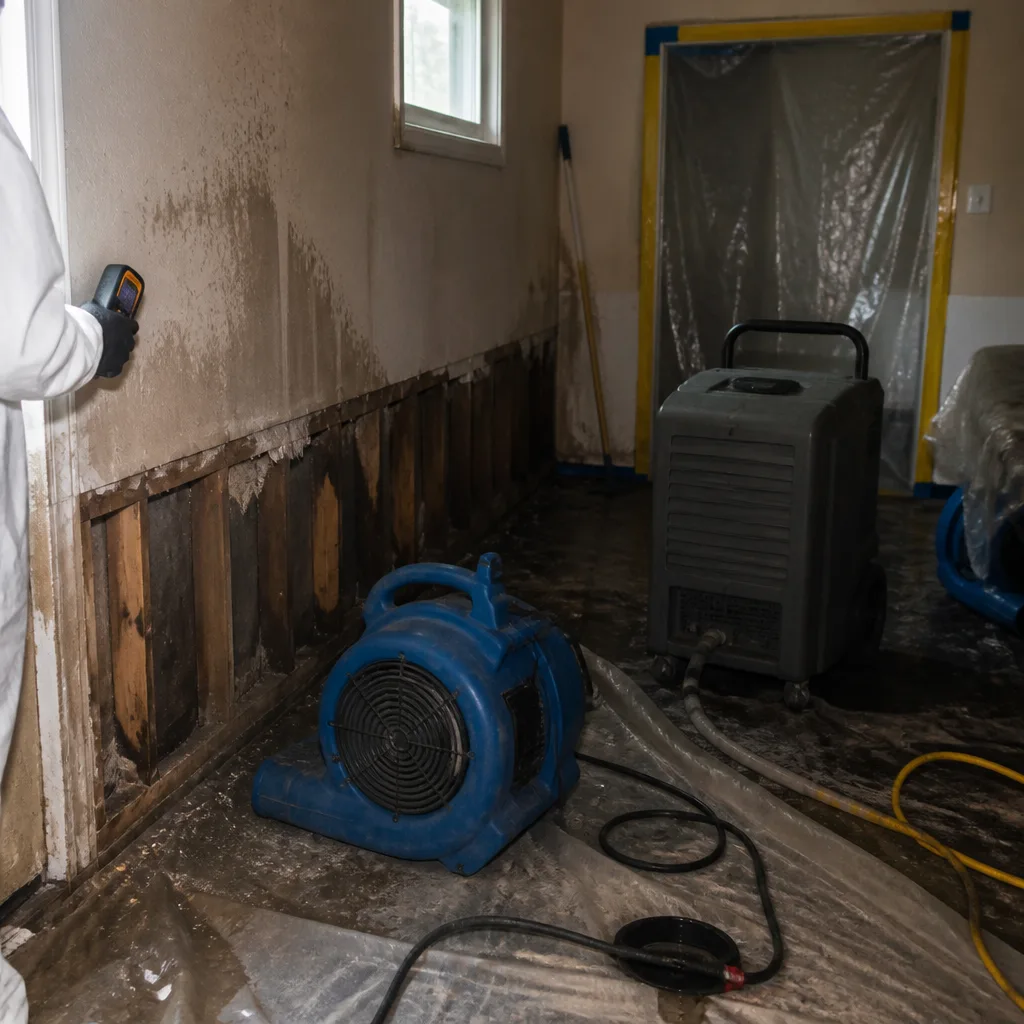 Before
 After
After24/7 Emergency Water Damage Restoration in Forest Hills
Water damage restoration in Forest Hills, NY typically costs between $1,800 and $6,500 depending on the source, the square footage affected, and whether structural drying or rebuild work is required. Emergency extraction alone runs $450 to $1,200 in most Forest Hills homes and co-op units. You reach a live person at (518) 872-6111 at two in the morning, not a recording, and a certified crew gets to your door with extraction running the same visit.
The first hour matters more than most people realize. Category 1 water from a burst supply line can degrade to Category 2 within 48 hours as it picks up contaminants from building materials. In a pre-war co-op on Queens Boulevard, that same water migrates through cast iron drain stacks and shared risers, which means a slow response in one unit becomes a multi-floor claim. We answer live around the clock, every day, and dispatch crews serving Forest Hills directly. If you call, we come. The free visual inspection tells you exactly what you’re facing before any work is authorized.
Understanding Water Damage Restoration Severity in Forest Hills Properties
Water damage is classified by category, and the distinction determines everything about how we approach the job. Category 1 is clean water from a supply line or faucet. Category 2 contains significant contamination, typically from washing machine overflow or sump pump failure. Category 3 is grossly contaminated, including sewage backup and floodwater from outside. A burst pipe in a Forest Hills Gardens Tudor usually starts as Category 1 but moves to Category 2 quickly when it saturates horsehair plaster, which holds moisture longer than drywall and wicks it laterally through the wall cavity.
Moisture mapping is the technical foundation of any proper restoration, and it matters more in Forest Hills than in newer construction. Those 1910s and 1920s homes on Ascan Avenue and Greenway Terrace were built with plaster over wood lath, and water travels through that assembly in ways infrared cameras and pin-type moisture meters must be read carefully to catch. Structural drying is not just running fans. It means calculating the evaporation load, placing air movers and dehumidifiers against the psychrometric conditions in each room, and taking daily readings until the dry standard is met. We log every reading and hand that log to you and your carrier. No guessing, no shortcut.
Why Forest Hills Property Owners Choose Floodline Restoration Co.
- 45-minute response commitment. When you call with water running or a ceiling sagging, we commit to having a crew at your Forest Hills address within 45 minutes of dispatch. That commitment is backed by local scheduling, not a national call center.
- 24/7 live answer. A real dispatcher picks up every call, every hour, every day. No automated menu, no answering service that takes a message and hopes someone calls back.
- IICRC-certified crews. Our technicians carry WRT and ASD certifications through the IICRC, and they’re trained to RIA and IFA standards as well. Background-checked and uniformed on every job.
- Free visual inspection. We assess the damage, map the moisture, and give you a written scope before any work begins. You know the number before we start.
- Direct insurance billing. We handle the carrier communication, the documentation, and the billing directly. You never play messenger between us and your adjuster.
- One team from extraction to reconstruction. The same certified crew that reads the moisture map on day one handles daily drying readings, hands the log to your carrier, and rebuilds what needs rebuilding. No mid-job handoff to a crew you’ve never met.
Our Water Damage Restoration Process
Inspection & Assessment
We arrive, identify the water source and category, and map moisture across every affected surface using thermal imaging and hygrometers. In Forest Hills, that often means checking the plaster walls behind baseboards and the subfloor under original parquet. You get a written scope before we touch anything.
Extraction & Stabilization
We pull standing water with truck-mounted and portable extraction units, then stabilize the area to stop further spread. This is where speed matters most. The faster water comes out, the less demolition is required later.
Drying & Dehumidification
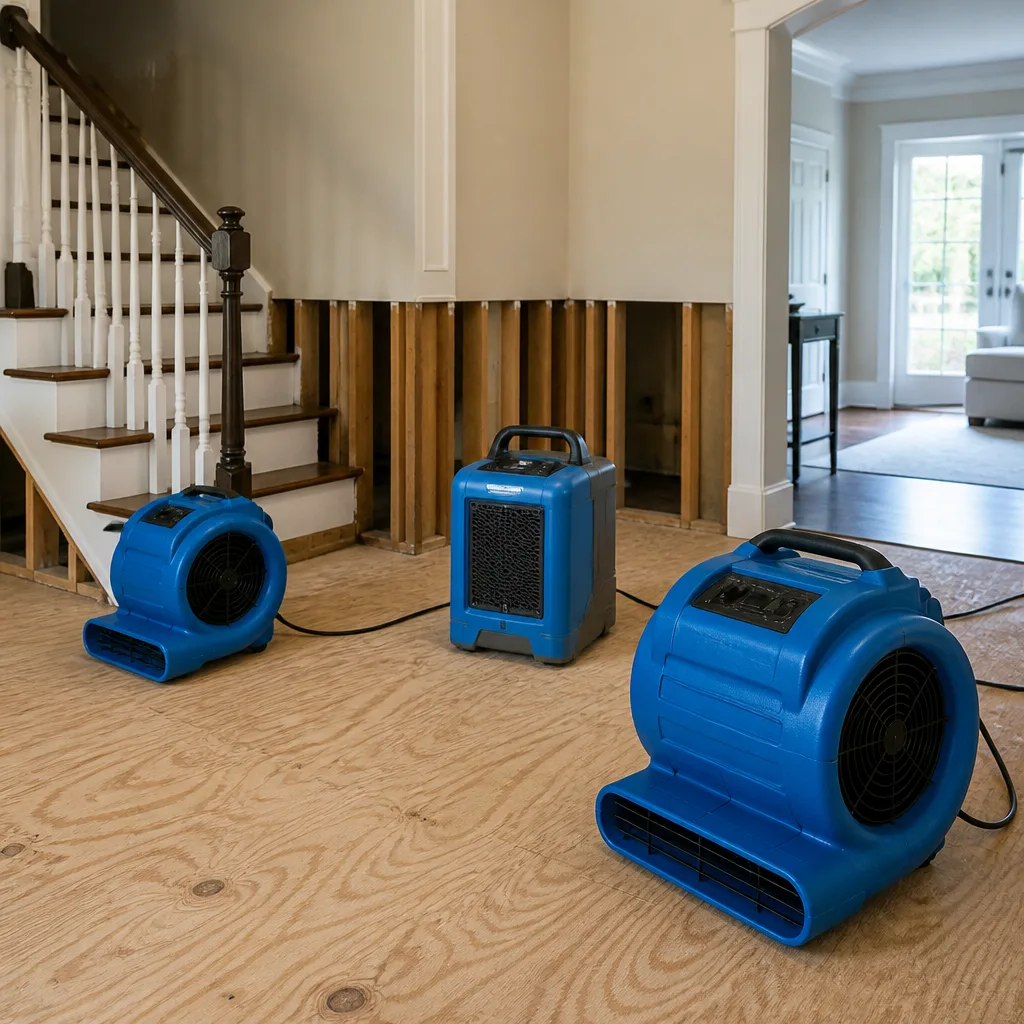
We place Dri-Eaz dehumidifiers, Phoenix air movers, and XPOWER units in a calculated pattern based on the room’s cubic footage and the moisture load. Daily readings are logged until the dry standard is met, and the log goes to you and your carrier.
Cleaning & Sanitization
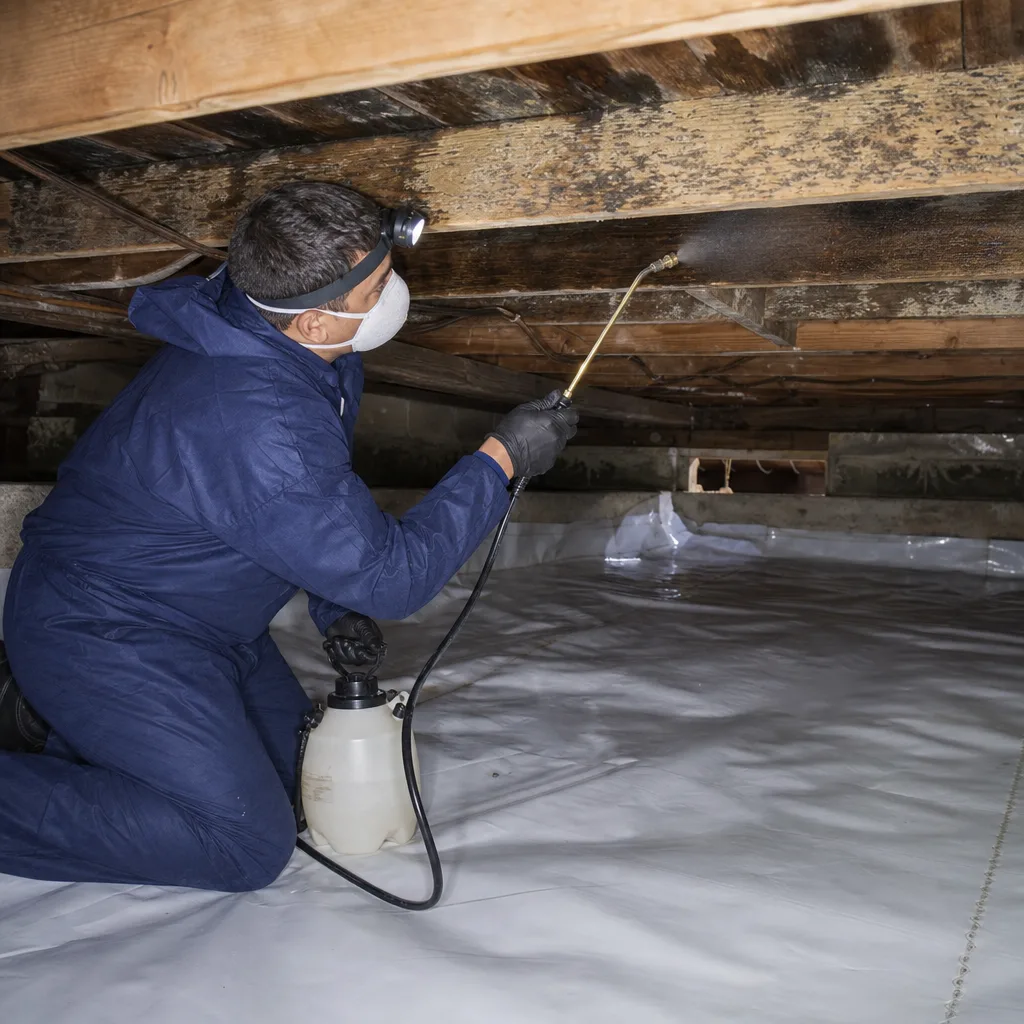
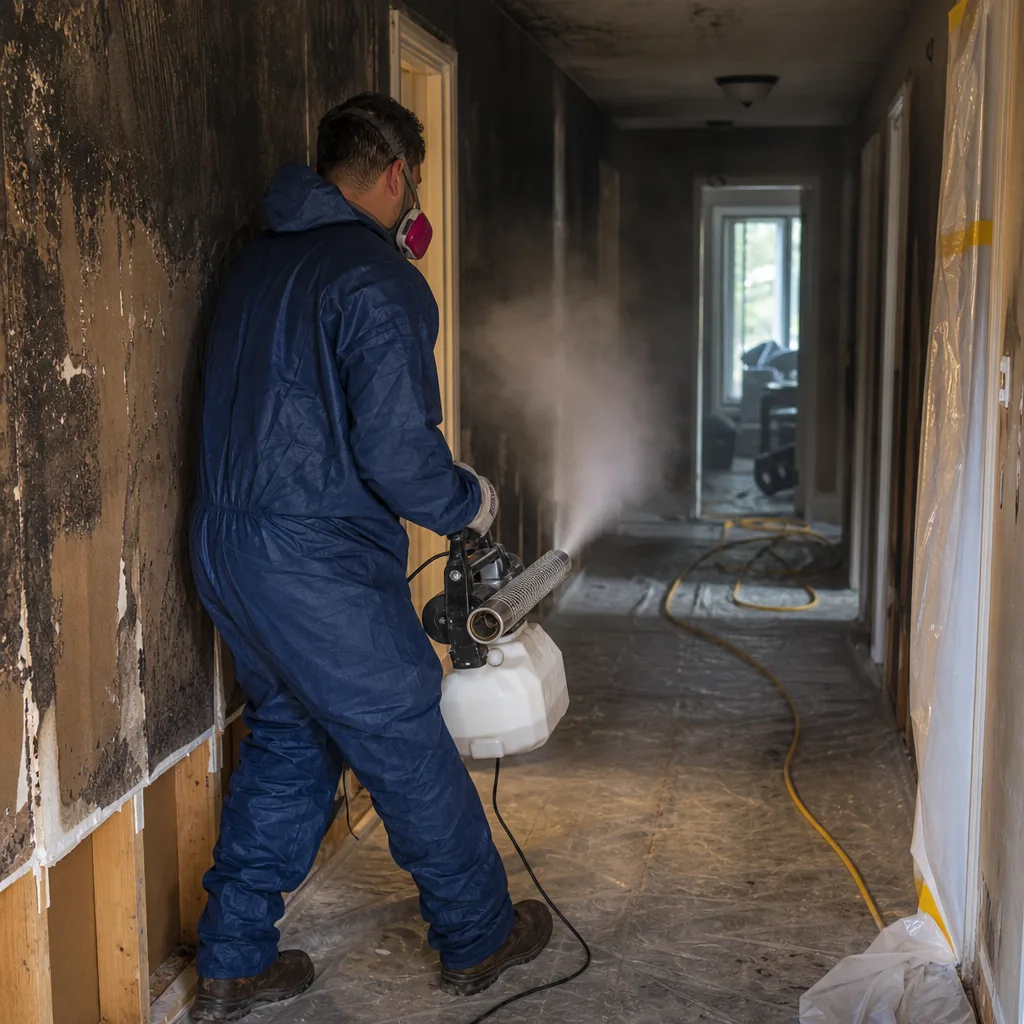
Affected surfaces are cleaned and treated with appropriate antimicrobials, especially when Category 2 or 3 water is involved. HEPA filtration runs during this phase to capture airborne particulates.
Structural Drying Verification
We confirm the structure is dry using the same moisture meters and thermal imaging we started with. No “looks dry to me.” The numbers either meet the dry standard or we keep going.
Repairs & Restoration
We rebuild what was removed, matching materials to the original where required. In Forest Hills Gardens, that means submitting sill profiles and door styles to the Gardens Corporation before any replacement goes in.
Need Emergency Water Damage Restoration in Forest Hills Now?
Crews minutes away, answering live 24 hours a day. The sooner we start, the less it costs.
Working With Your Insurance Company
Insurance claims are where restoration jobs go wrong, and it’s almost always a documentation problem. The carrier needs proof of the loss, proof of the drying, and proof the scope matches the damage. We build that file from the first hour. Every photo is timestamped and room-labeled. Every moisture reading is logged with the date, the location, and the equipment used. Every line item on the scope ties back to a photo or a reading. That’s what gets claims approved without back-and-forth.
We speak directly with your adjuster. You don’t relay messages, you don’t argue coverage language, you don’t chase paperwork. We do that. And when the scope changes because drying revealed additional damage behind a plaster wall, we document the change and take it to the carrier with the evidence attached. Direct insurance billing means the carrier pays us directly for covered work. You’re never out of pocket for the covered portion while we sort out the rest.
What We Provide Your Insurer
- Thorough documentation of the loss
- Photos of all damage, room by room
- Moisture readings and drying logs
- A detailed, line-item scope of work
- Direct coordination with your carrier
Built for Forest Hills’s Loss Calendar
Forest Hills has a distinct loss calendar, and it doesn’t look like the rest of Queens. January and February are the pipe-burst months. Deep freezes stress aging copper and galvanized supply lines throughout the pre-war stock, and when a line lets go in a six-story co-op on Queens Boulevard, the water travels down through shared risers and takes out units on three floors. We run burst pipe restoration calls through those months more than any other single category.
Spring brings roof and facade leaks. The freeze-thaw cycle has spent months working on brick parapets and limestone lintels, and by March the failed flashings start showing themselves as brown stains on original plaster ceilings in Forest Hills Gardens. Summer thunderstorms are shorter and sharper, often overwhelming roof drains on flat-roofed co-op buildings and pushing water into top-floor units. Nor’easters hit in fall and winter, driving wind-driven rain against stucco facades and window heads. The elevated topography of Forest Hills does reduce basement flooding compared to Rego Park or Middle Village, so our call mix here tilts heavily toward pipe bursts, roof leaks, and facade-driven intrusion rather than groundwater seepage. That’s the neighborhood’s signature.
Water Damage Restoration Across Forest Hills’s Neighborhoods
Forest Hills Gardens is its own restoration environment. The Tudor Revival homes along Ascan Avenue, Greenway Terrace, and the streets around Station Square were built between 1910 and the 1930s, with original horsehair plaster, aging supply lines, and stucco facades that fail at the mortar joints. Water moves through those walls slowly, which means hidden damage behind plaster is common. And because the Forest Hills Gardens Corporation reviews any exterior or structural repair, including window sills and masonry repointing, restoration work here requires a compliance-first sequence: contain and dry first, then submit a scope for the architectural review before any structural replacement goes in.
Along Queens Boulevard, the six-to-eight-story pre-war elevator co-ops dominate. These buildings share plumbing risers and cast iron drain stacks, so a single unit’s pipe failure cascades. We’ve worked in enough of these buildings to know that co-op boards require authorization before any wall is opened, and they care about door styles, colors, and noise during restoration hours. Austin Street and the blocks around the 71st-Continental Avenue station are a mix of retail-with-residential above, where a restaurant hood suppression line failure above an apartment creates Category 2 water through the ceiling assembly. Each area has a different loss signature, and our crews know the difference.
Specialized Water Damage Restoration Services We Offer in Forest Hills
Emergency Water Extraction
Standing water in a Forest Hills home or co-op unit needs to come out immediately. We run truck-mounted and portable extraction from the moment the crew arrives, pulling hundreds of gallons in the first visit when a supply line has emptied itself into a lower-floor unit. The extraction phase in a pre-war co-op often means coordinating with the super and the board, and we handle that communication directly.
Structural Drying & Dehumidification
Drying a horsehair plaster wall in Forest Hills Gardens is not the same as drying drywall in a newer build. Plaster holds moisture and hides it. We run Dri-Eaz, Phoenix, and XPOWER dehumidifiers and air movers on a calculated layout, take daily readings, and keep going until the numbers hit the dry standard. The log goes to you and your carrier, and in co-op buildings, to the board when required.
Flood Cleanup
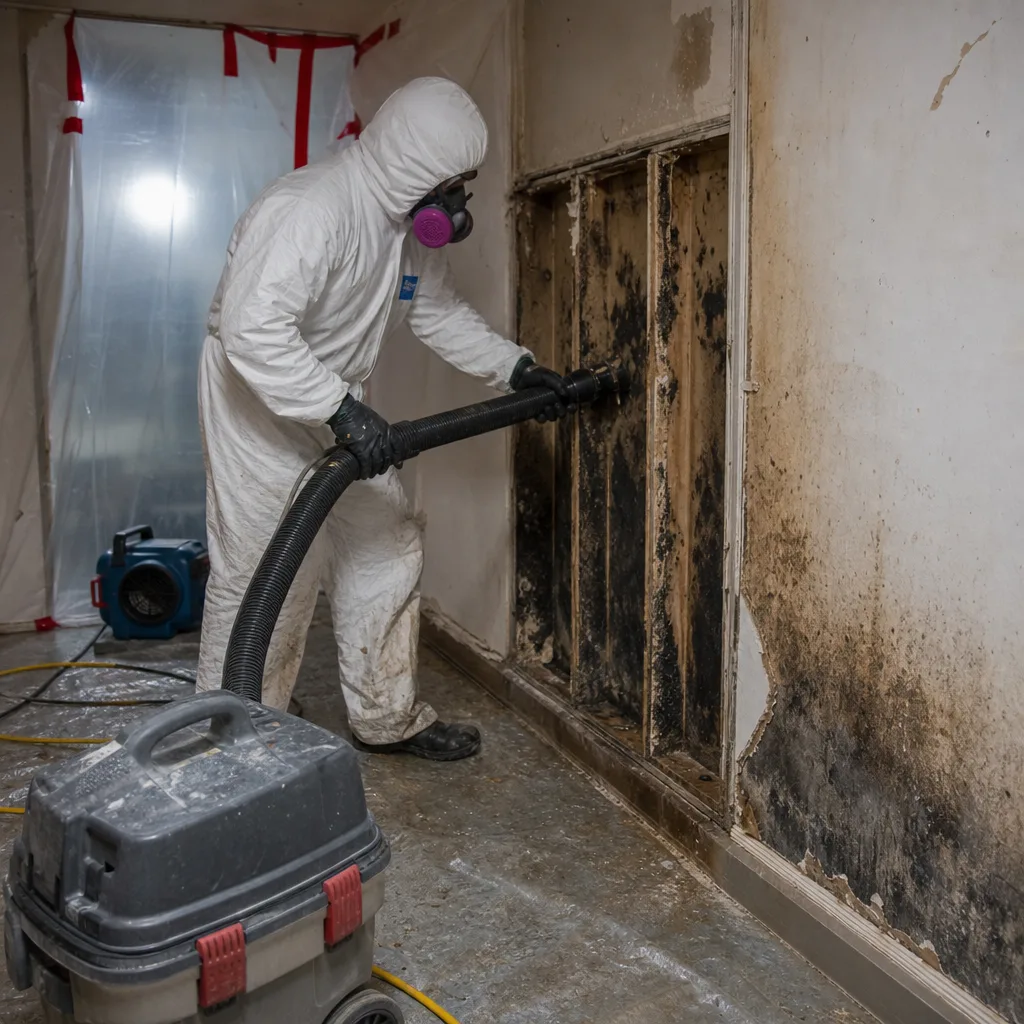
Flood events in Forest Hills are less frequent than in low-lying parts of Queens, but when a nor’easter overwhelms a flat roof drain or wind-driven rain breaches a stucco wall, the cleanup is significant. We remove the water, cut and dispose of saturated materials, treat for contamination, and dry the structure before any rebuild work begins.
Burst Pipe Restoration
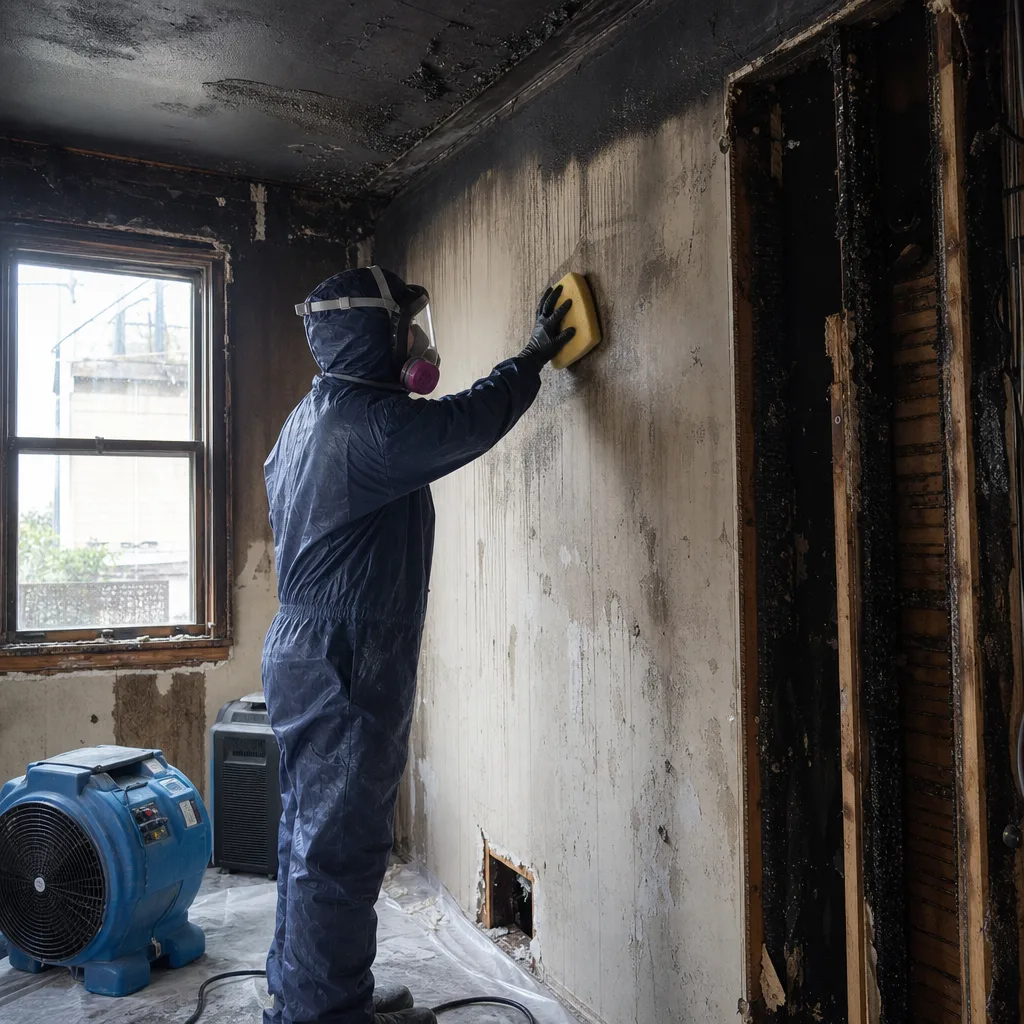
A burst supply line in a 1920s Tudor or a pre-war co-op unit is the most common emergency we answer in Forest Hills. We stop the source, extract the water, dry the structure, and then restore the affected areas. In co-op buildings on Queens Boulevard, that restoration phase includes submitting finish materials and door profiles for board approval before installation.
Basement Water Removal
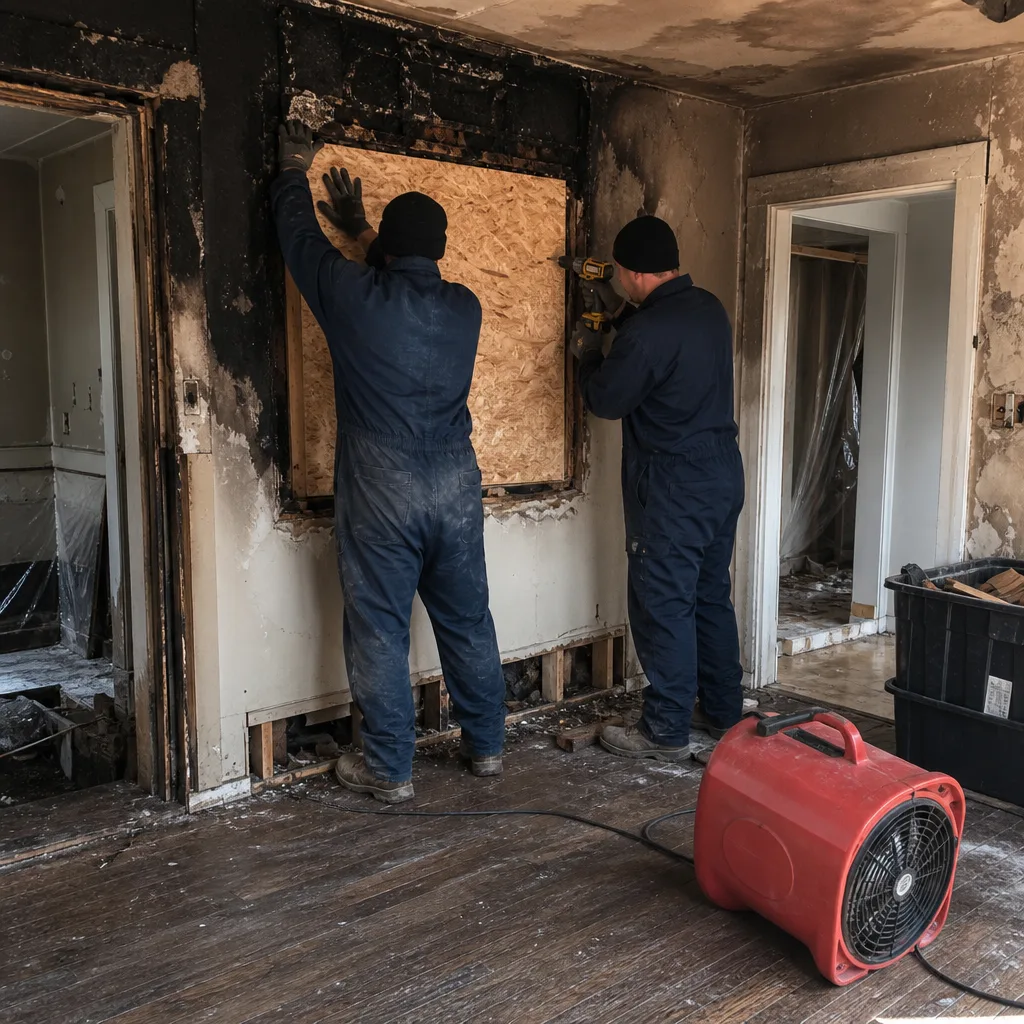
Basement calls in Forest Hills are less frequent than in Rego Park, but they do happen, particularly in the attached row homes and garden-level units where foundation drainage is aging. We remove the water, dry the space, and check for moisture migration into adjacent finished areas. The slope of Forest Hills helps here, but no basement is immune to a failed sump or a sewer line backup.
What happens when you call
- 1
A real person answersNo phone trees - you reach a local pro.
- 2
You get an upfront price rangeHonest numbers before anyone is dispatched.
- 3
A background-checked tech heads outLicensed & insured, dispatched right away.
- 4
You approve before work beginsNothing starts until you say go.
Water Damage Restoration Costs in Forest Hills, NY
A typical emergency water extraction in Forest Hills runs $450 to $1,200 for a single room or contained area. Structural drying adds $800 to $2,500 depending on the square footage and how long the water sat before we arrived. Full restoration including drywall or plaster repair, refinishing, and rebuild work lands between $2,500 and $8,000 for most single-unit losses in the neighborhood. A multi-floor co-op cascade on Queens Boulevard can exceed $15,000, and those are almost always insurance claims with direct carrier billing.
What moves the number is category of water, the age of the building materials, and whether any architectural review is required before structural repairs can proceed. Category 2 water from a washing machine overflow costs more to remediate than Category 1 from a supply line because of the sanitation step. Plaster walls cost more to match and repair than drywall. And in Forest Hills Gardens, a rotted window sill replacement has to go through the Gardens Corporation, which can add time but not significant cost if the scope is prepared correctly from day one. The free visual inspection gives you a firm written scope before any work is authorized, so the number on paper is the number you approve.
We Also Serve Cities Near Forest Hills
Our crews answer calls across the surrounding neighborhoods. We run Water Damage Restoration services into Corona and Middle Village regularly, and handle calls in Elmhurst and Richmond Hill as well. If you’re in any of these areas and water is running, call the same live dispatch line. We’ll route the nearest available crew.
Forest Hills Water Damage Restoration Questions, Answered
Do I need Forest Hills Gardens Corporation approval before emergency water extraction in my 11375 home?
No. Emergency water extraction and structural drying can and should begin immediately; the Gardens Corporation architectural review applies to structural repairs and exterior replacements, not to mitigation work like extraction, drying, and containment. We handle the mitigation first, then submit the repair scope for review before any sill, door, or masonry replacement goes in, which keeps your restoration moving without a violation.
How do co-op board rules on Queens Boulevard affect water damage restoration in a pre-war building?
Co-op boards on Queens Boulevard typically require authorization before walls are opened for restoration, and many have rules about finish materials, door styles, and quiet operation during working hours. We coordinate with the board and the managing agent before any demolition begins, submit the required finish specifications, and schedule equipment operation within their noise guidelines. The drying gets done and the board stays satisfied.
Will replacing a water-damaged door or window in Forest Hills Gardens violate architectural review standards?
It can, if the replacement doesn’t match the approved style, material, or color for your home. The Forest Hills Gardens Corporation maintains specific standards for door profiles, sill materials, and window types. We photograph the original, document the damage, and submit a replacement scope that matches the approved standard. A restoration contractor who doesn’t know the Gardens requirements will sell you a stock door, and the Corporation will reject it after it’s already installed.
How do you handle category 2 or 3 water from a burst pipe in a co-op unit without pack-out delaying board approval?
Categories 2 and 3 water create a health concern that outranks any board process. We contain the affected area immediately, extract the water, and begin structural drying with HEPA filtration running. This contains the contamination and keeps drying on schedule while the board reviews the repair scope. We document everything so the board sees that mitigation is underway and the finish work will meet their standards.
What’s unique about drying out horsehair plaster walls in Forest Hills Gardens after a roof leak?
Horsehair plaster holds moisture longer than drywall and hides it better. Water from a roof leak travels down through the lathe, often pooling at the base of the wall and behind the baseboard before any visible staining appears on the surface. Our crews use thermal imaging and pin-type moisture meters to map the actual spread, then place Dri-Eaz dehumidifiers and air movers in a layout calculated to dry the wall cavity, not just the surface. Daily readings confirm the dry standard before we close anything up.
How fast can you actually get to a water emergency in Forest Hills?
We commit to 45 minutes from dispatch for Forest Hills addresses. Our crews stage locally and the live dispatcher routing the call knows the neighborhood. When a supply line bursts in a co-op on Queens Boulevard at 2 a.m., the clock starts on your call, not on the next business day. Call (518) 872-6111 and a real person picks up.
Will my insurance cover water damage restoration in Forest Hills?
Most homeowner and co-op policies cover sudden and accidental water damage from burst pipes, supply line failures, and storm-driven intrusion. Gradual leaks and long-term seepage are often excluded, which is why documentation from the first hour matters. We photograph everything, log every moisture reading, and communicate directly with your adjuster. The file we build supports your claim from day one, and we bill the carrier directly for covered work.
What should I do in the first 30 minutes after I discover water damage?
Shut off the water at the source or at the main if you can do so safely. Kill power to the affected area if water is near outlets or electrical panels. Move what you can out of the water’s path. Then call us at (518) 872-6111. Don’t wait to see if it dries on its own. Behind plaster walls in a Forest Hills home, it won’t. The faster extraction starts, the less demolition and rebuild work you’ll need. Estimates are free.
Serving Forest Hills, NY - Our Local Coverage Area
We’re based in the Forest Hills area and know this community well. Use the map below to see our service coverage - if you’re nearby, we can almost certainly help.
Forest Hills Gardens and the Architectural Review Reality
Forest Hills sits at the intersection of two restoration environments unlike almost anywhere else in Queens. The Forest Hills Gardens planned community, developed from 1909 onward, enforces architectural controls through the Forest Hills Gardens Corporation on any exterior or structural repair, including window sills, door profiles, and masonry repointing. That private approval layer sits on top of standard New York City DOB permits. Across Queens Boulevard, the pre-war co-op buildings impose their own board authorization requirements before any wall is opened or finish material is installed. In Forest Hills, a water damage restoration job often means satisfying three layers of oversight: the city, the corporation or board, and the insurance carrier.
This is why a generic restoration contractor gets stuck here. They extract the water, open the wall, and order a stock oak sill from a supply house, and the Gardens Corporation rejects it because it doesn’t match the approved profile for that house. The co-op board on Queens Boulevard rejects the door color because it doesn’t match the building standard. The job stalls, the drying log gets questioned, and the homeowner is caught between a contractor who doesn’t know the requirements and a board that won’t bend them. We know the requirements. We’ve worked these buildings for years, and we sequence the work so mitigation keeps moving while the approval process runs in parallel.
On a 1920s Tudor on Ascan Avenue, our crew traced moisture readings behind original horsehair plaster to a failed copper supply line in a second-floor bath. Because the Gardens Corporation required approved door and sill styles, we performed containment and structural drying with Dri-Eaz dehumidifiers and air movers first, then submitted a scope of work for matching oak sill replacement before the board would sign off on the final pre-loss condition. The homeowner never touched the approval paperwork. We handled it, the board approved the matching profiles, and the job closed without a violation. That’s what compliance-first restoration looks like in Forest Hills.
Written by Curt Bowman, Owner at Floodline Restoration Co., serving Forest Hills with full-cycle water damage restoration and rebuild.