
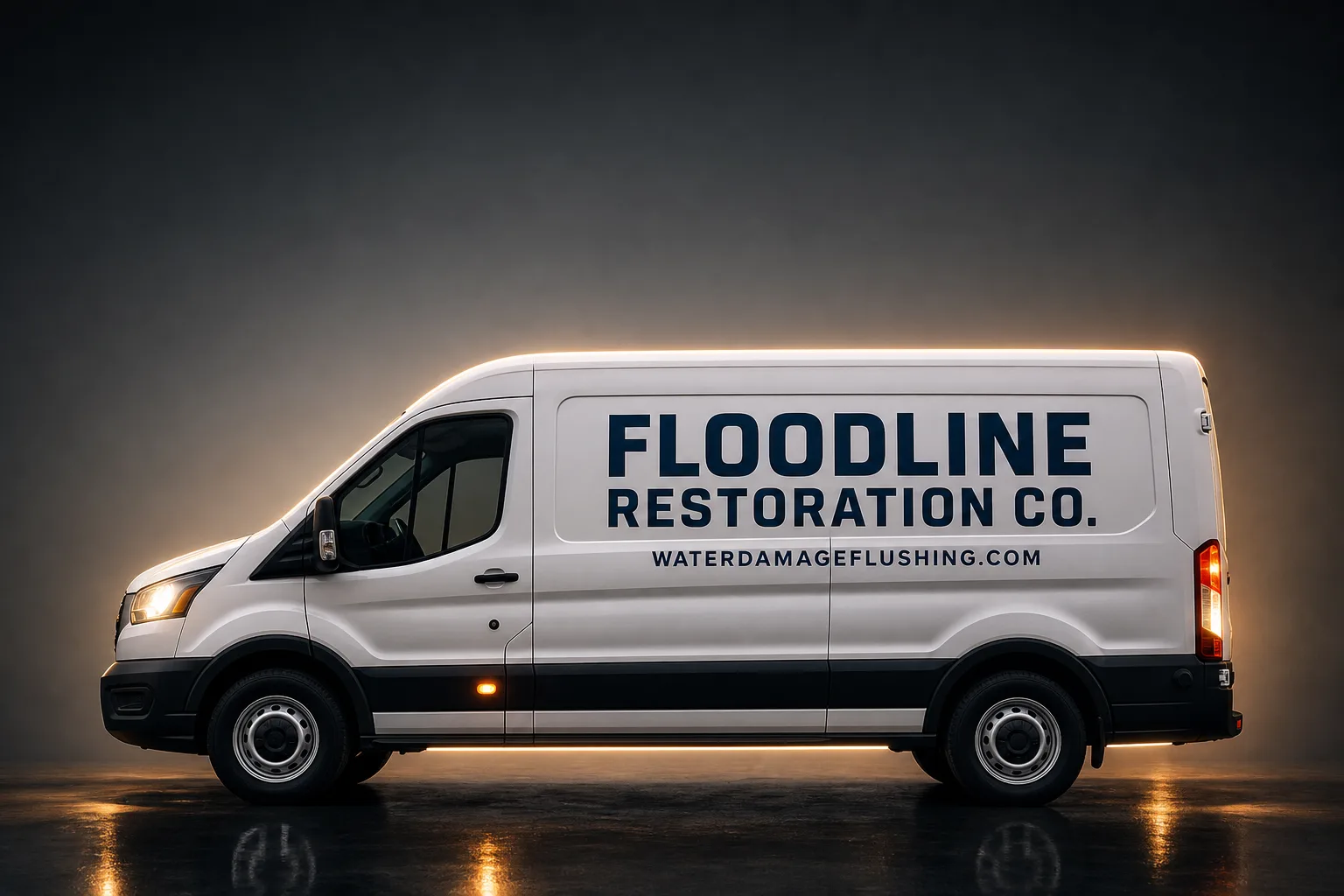
Free visual inspection and a written scope of work before any mitigation begins - photos, moisture readings, and drying logs go in your claim file
The scope we write is the scope we bill. Anything new gets shown to you, in writing, before we touch it.
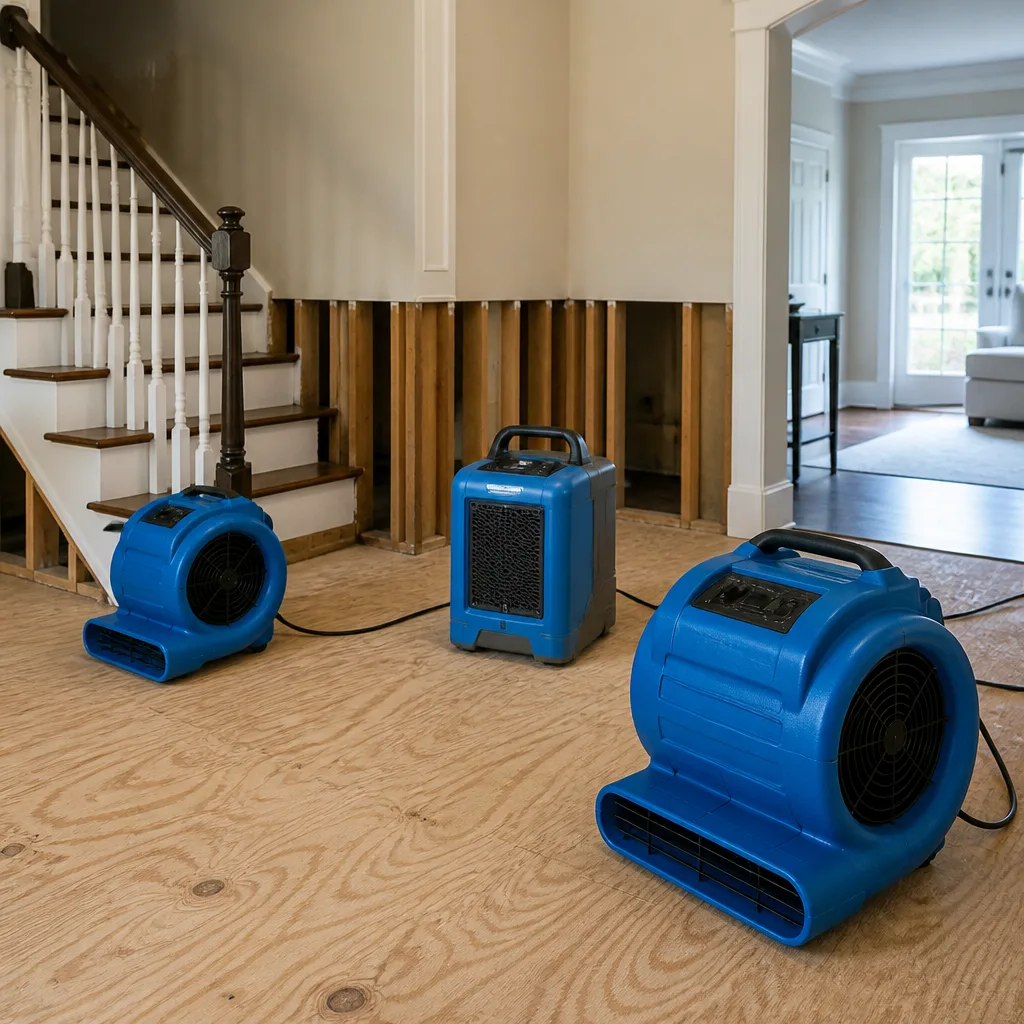
Storm responseSewage cleanup
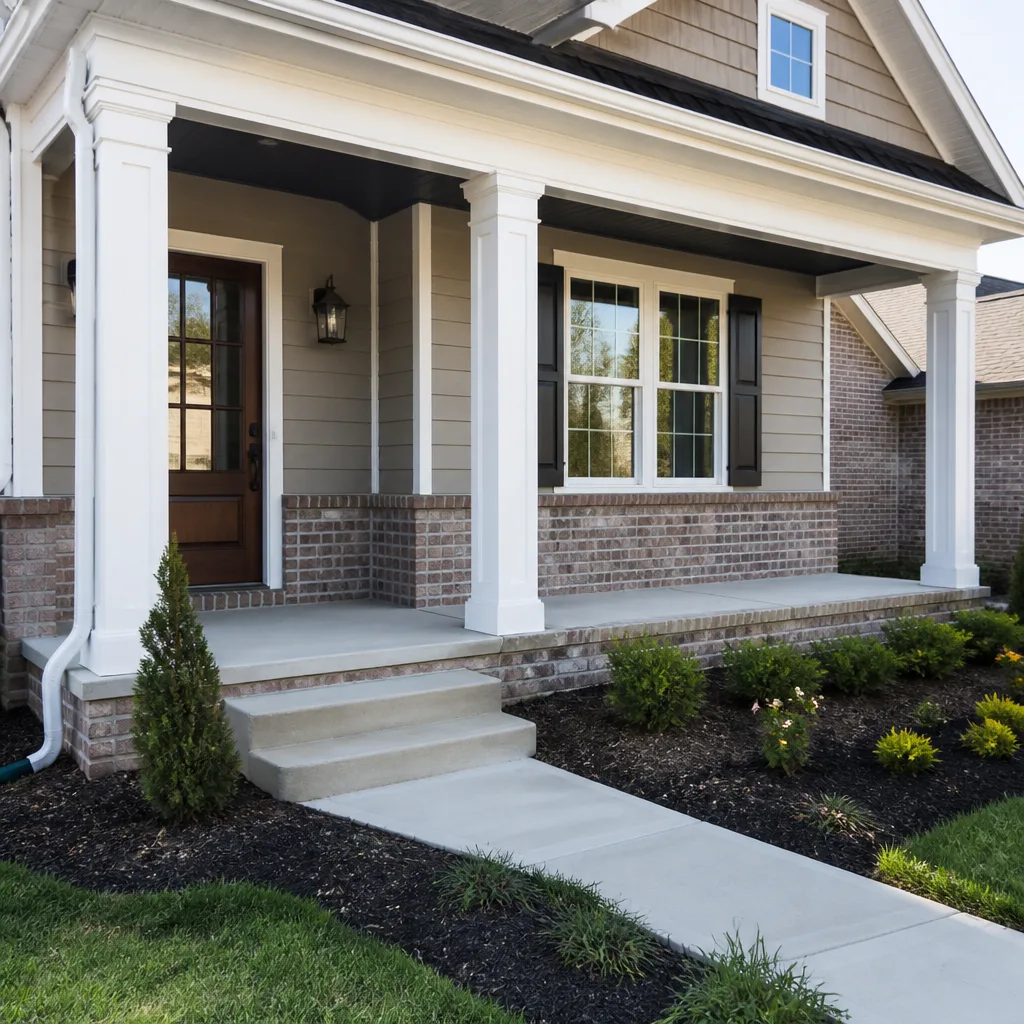
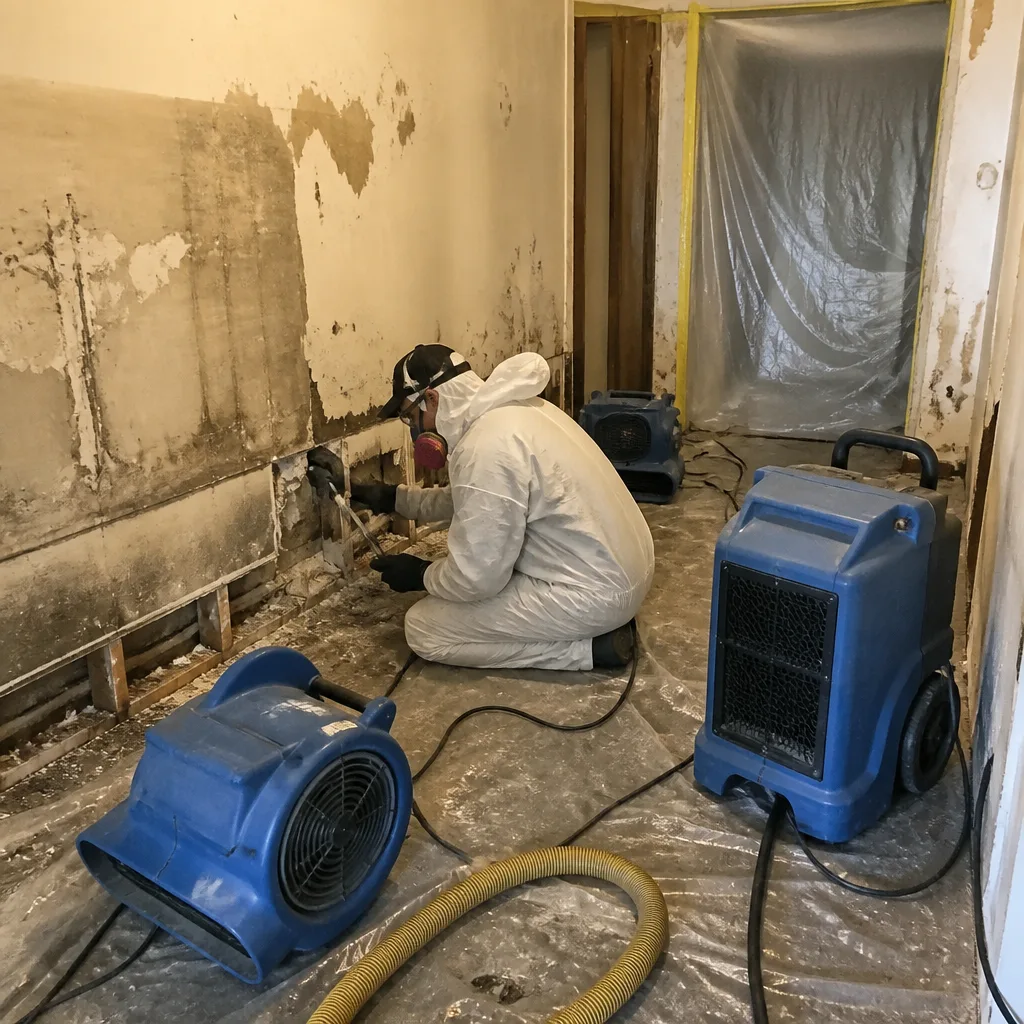 Before
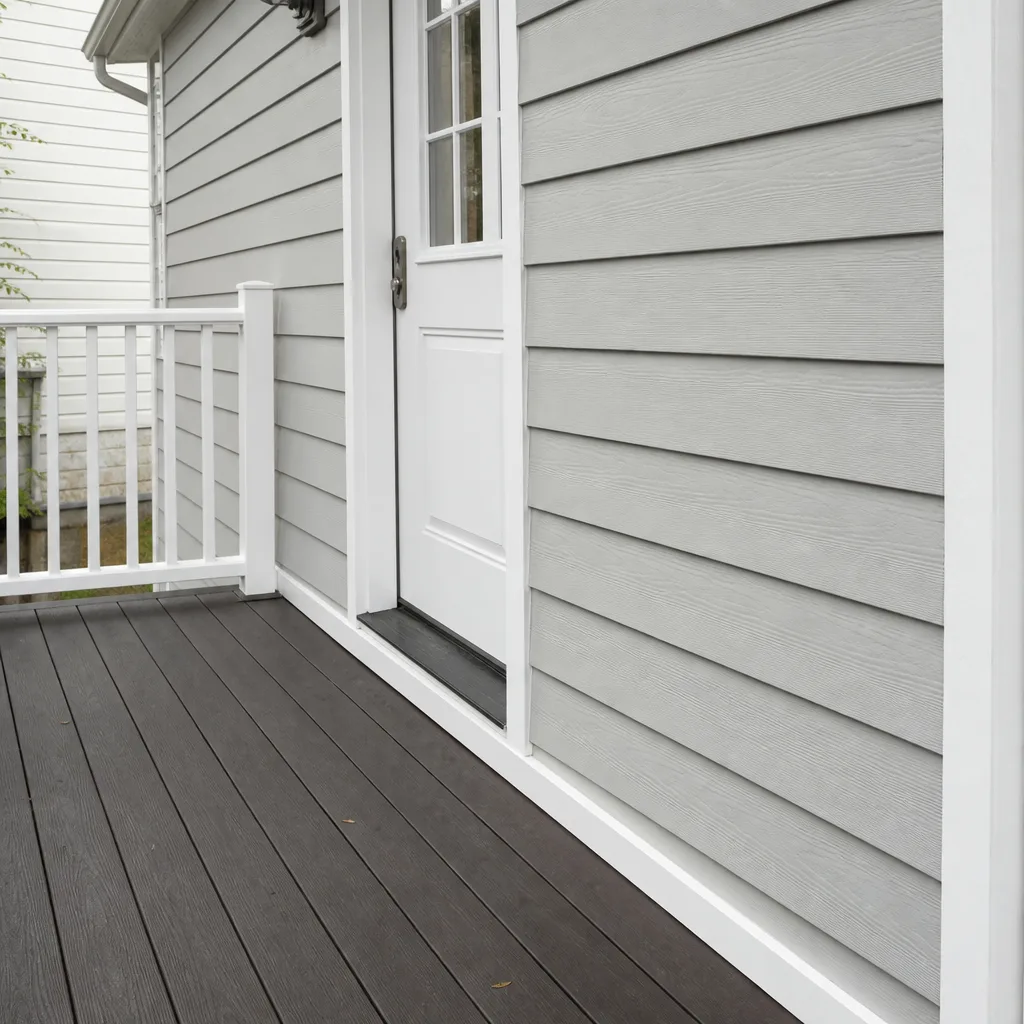 After
After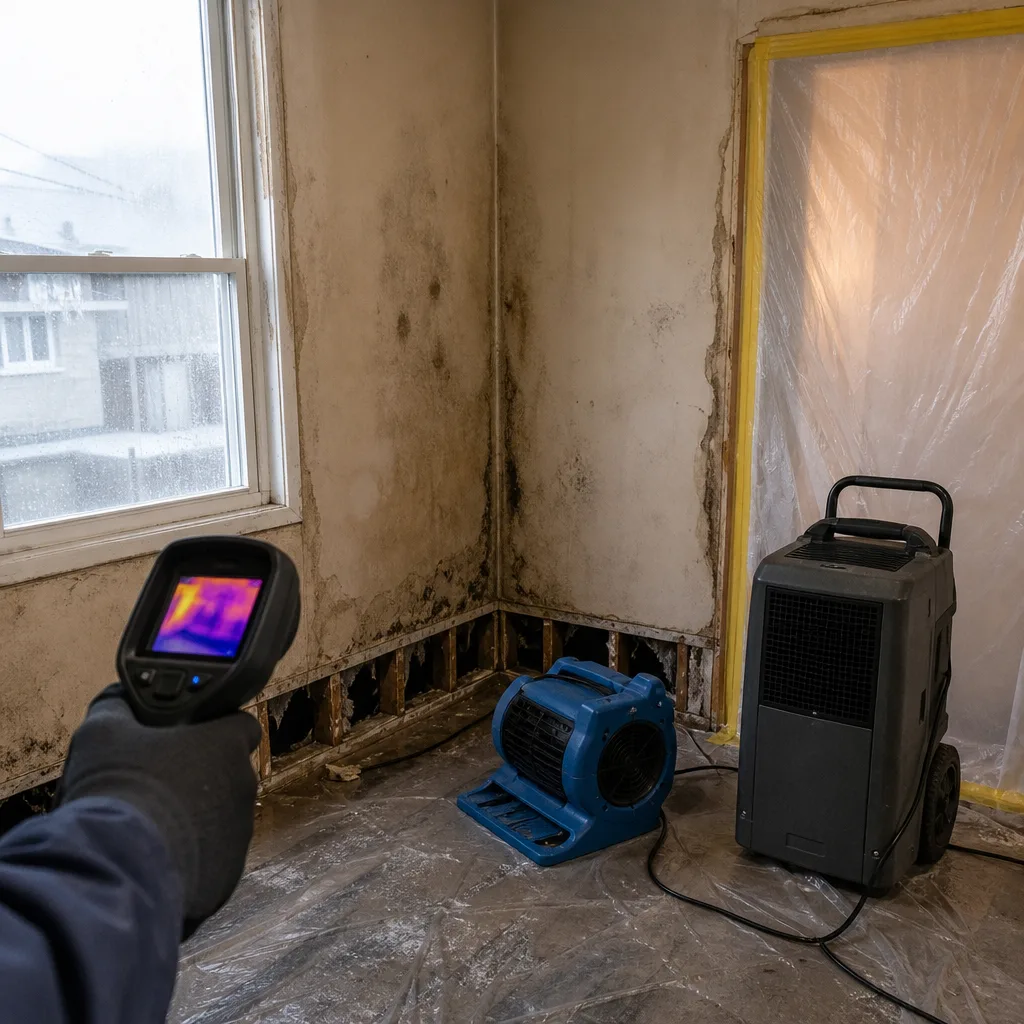 Before
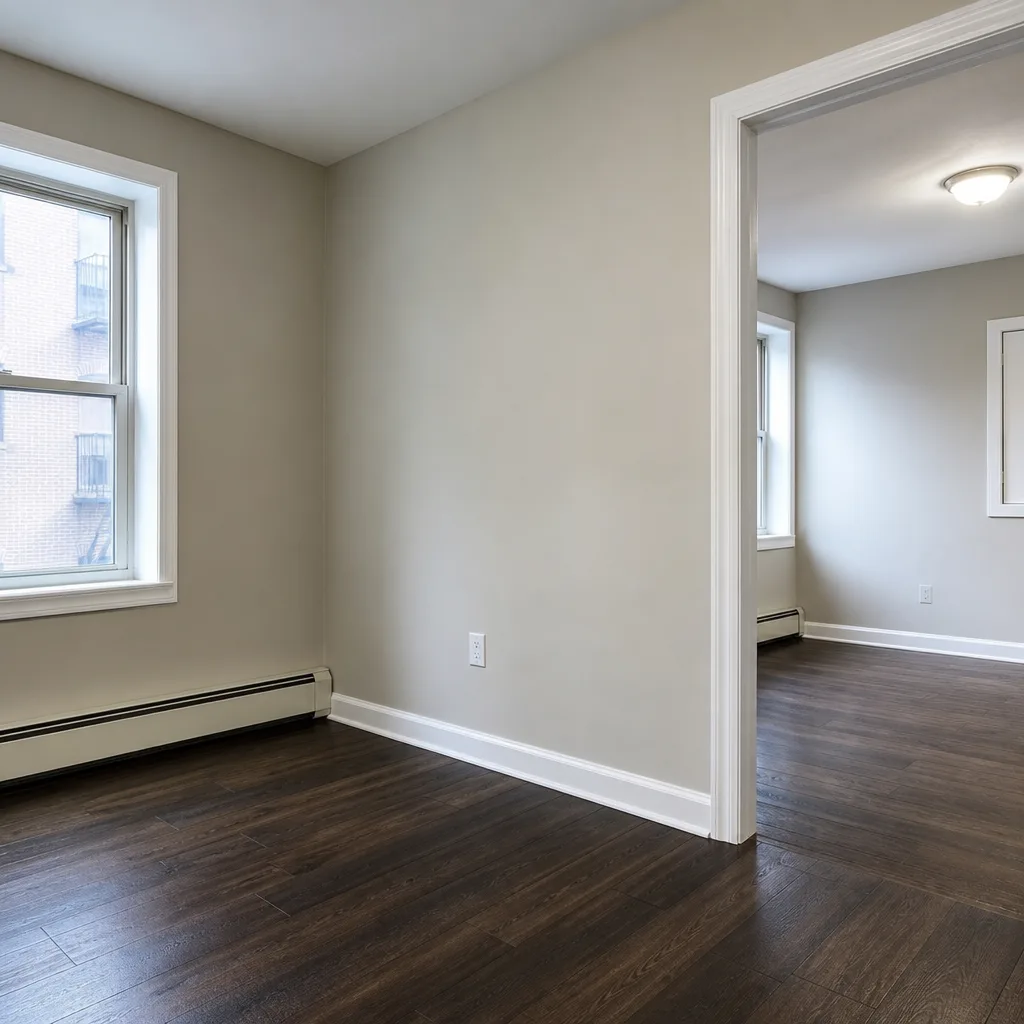 After
After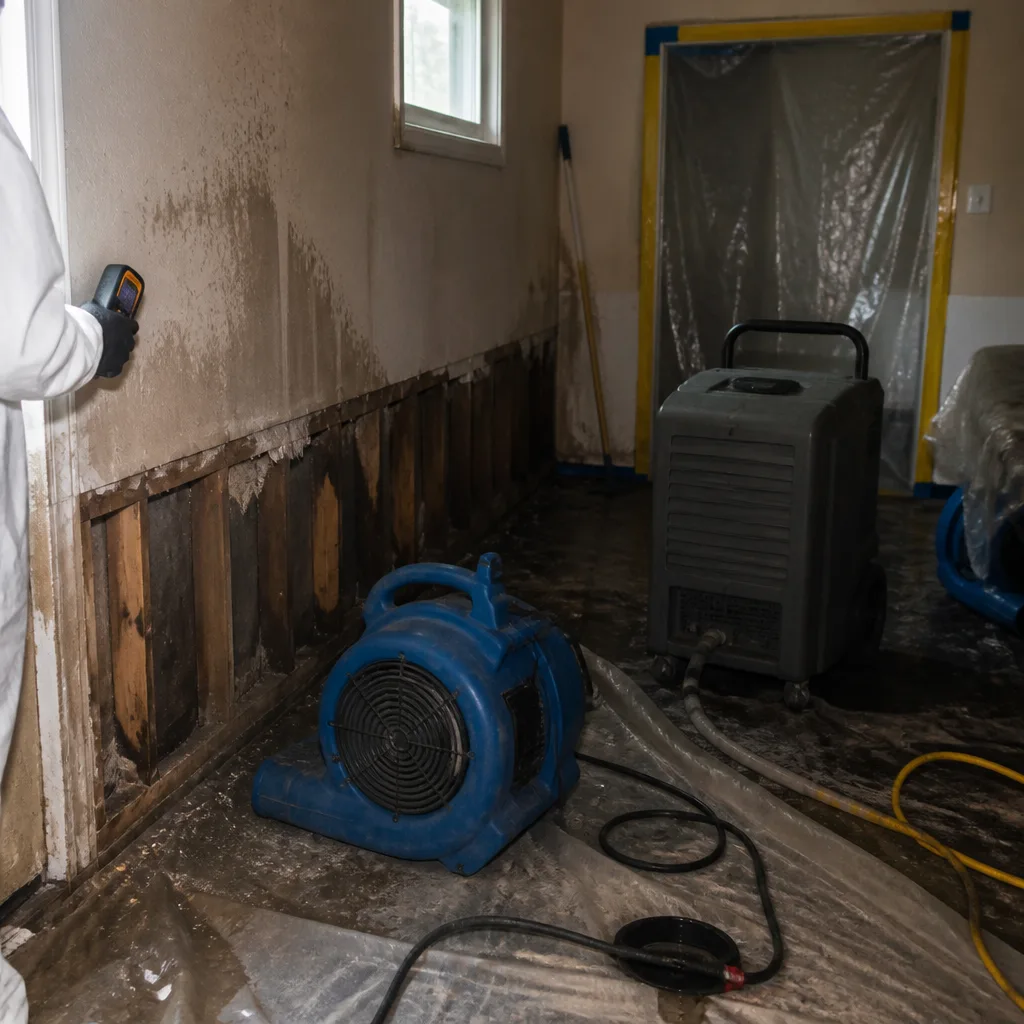 Before
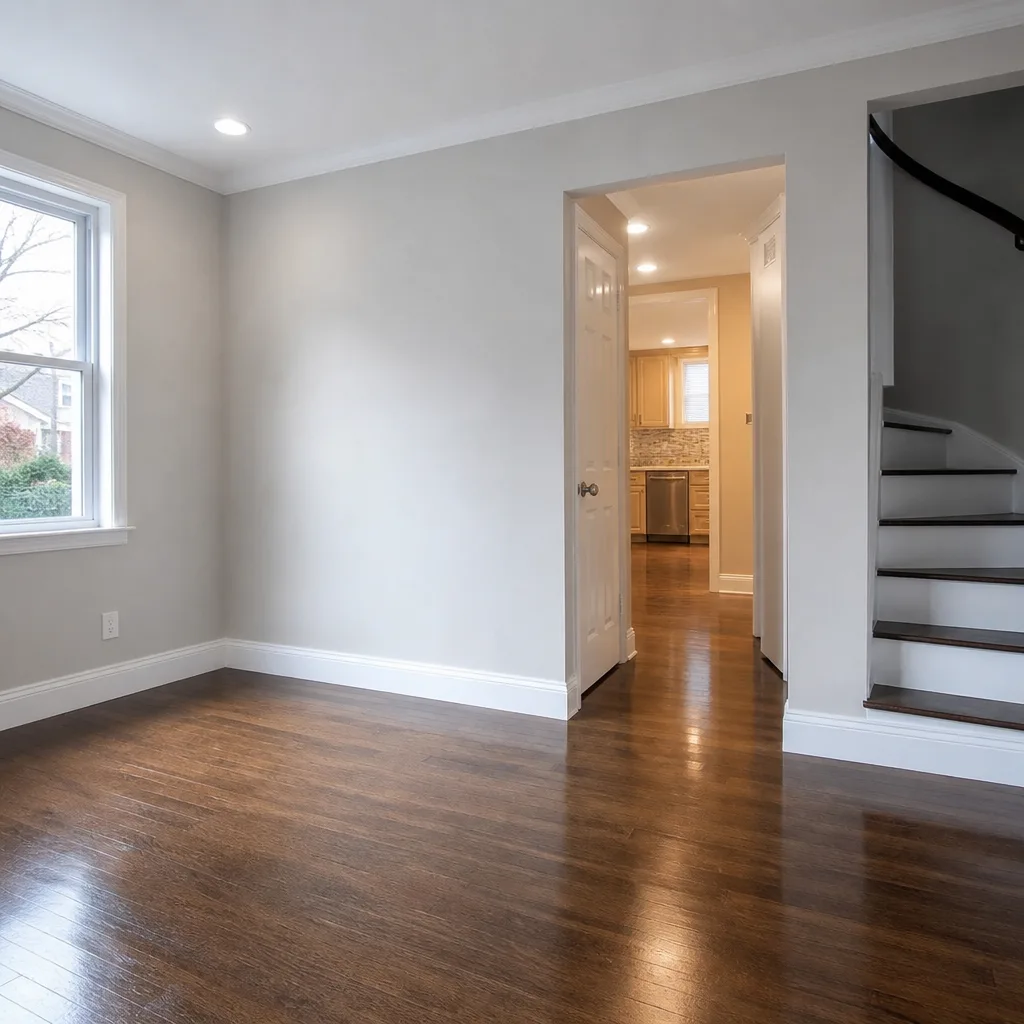 After
After24/7 Emergency Fire & Smoke Damage Restoration in Corona
Fire and smoke damage restoration in Corona typically costs $2,800-$18,400 depending on the size of the burn, how far smoke traveled, and whether shared walls or adjacent units are involved. Most Corona jobs run $4,200-$9,600. Call (518) 872-6111 day or night and a live dispatcher answers, not a recording. Our crews reach Corona addresses within 45 minutes because every hour soot sits on surfaces it etches deeper into paint, grout, and plaster.
We’ve worked enough fires off Roosevelt Avenue, Northern Boulevard, and 104th Street to know that in Corona, a “small kitchen fire” rarely stays small. Smoke moves through the open joist bays and shared cocklofts in these 1920s brick row houses. A fire in one unit becomes an odor problem in three. That’s why our board-up crew and our Fire & Smoke Damage Restoration team arrive together: stabilize first, then map where the smoke actually went, not just where the flames were.
Curt Bowman built Floodline Restoration Co. around a dispatch board, not a sales desk, and every job is backed by the 90-Day Done Right Promise in writing. If it’s not done right, we make it right. No arguing.
Understanding Fire & Smoke Damage Restoration Severity in Corona Properties
Fire damage in Corona follows patterns that newer suburban construction doesn’t. In the attached brick rowhouses that fill most of the 11368 ZIP, fire partitions between homes were often breached by decades of undocumented conversions. Open joist bays run continuously under the floor assemblies, and shared cocklofts span entire blocks. Smoke and soot don’t respect the legal property line. We classify severity by smoke type: dry soot from fast-burning paper and wood, wet soot from smoldering synthetics that carries acidic residue, and protein residue from kitchen fires that’s nearly invisible but bonds hard to painted surfaces and leaves odor that returns for months if not properly sealed and treated.
Corona’s dense housing means we map smoke migration beyond the fire unit before writing any scope. In a standalone house, the burn room is the project. In a three-family converted rowhouse on 102nd Street, the project can include the neighbor’s parlor floor, a shared stairwell, and the basement apartment next door. Soot residue is corrosive. The longer it sits on a surface, the deeper the etch. That’s why our first-hour priority is containment and airflow, not just cleaning.
Why Corona Property Owners Choose Floodline Restoration Co.
- 45-minute response commitment. A live dispatcher takes your call and a crew is on the road immediately. Corona streets are tight; we know the routes from Elmhurst and Jackson Heights, and we plan access before we arrive.
- 24/7 live answer. At 2 a.m. you get a person. A certified crew reaches the job and containment is running the same visit.
- IICRC-certified crews. Fire & Smoke Restoration Technicians (FSRT) and Water Damage Restoration Technicians (WRT) on every job, trained to IICRC, RIA, and IFA standards.
- Free visual inspection. We assess before we write a scope. A written scope agreed before work starts. No surprises on the bill.
- Direct insurance billing. We document from hour one, bill your carrier directly, and coordinate with your adjuster so you never play messenger.
- One team from board-up to rebuild. The same crew that reads the damage on day one handles drying, cleaning, and reconstruction. No mid-job handoff, no inherited crew.
Our Fire & Smoke Damage Restoration Process
Inspection & Assessment
We start with thermal imaging and a room-by-room smoke map. In Corona rowhouses, this means checking shared cocklofts, party wall voids, and the joist bays under the floor. We document everything for your carrier.
Extraction & Stabilization
Water from fire suppression is a Category 2 or 3 loss depending on source. We extract standing water, remove charred debris, and stabilize the structure so no further collapse or spread occurs.
Drying & Dehumidification
Using Dri-Eaz and Phoenix dehumidifiers with hygrometer monitoring, we push dry air into wall and floor cavities. In dense Corona blocks, we never rely on open windows. Shared masonry walls trap moisture and hold smoke odor. Negative air pressure keeps odor from migrating to adjacent units while we dry.
Cleaning & Sanitization
HEPA scrubbing removes soot from surfaces, then we use appropriate cleaning agents for the specific smoke type: alkaline cleaners for dry soot, solvent-based for wet soot, and specialized degreasers for protein residue. Every surface, including the backs of door trims and inside cabinets, gets treated.
Smoke Odor Removal & Deodorization
We use thermal fogging, ozone treatment, and hydroxyl generators as appropriate. In Corona’s converted rowhouses, sealed cavity treatment is essential: smoke odor hiding in a joist bay or party wall void will return in humid weather if not addressed now.
Repairs & Restoration
From new drywall and flooring to full reconstruction of damaged rooms, the same crew that did the drying does the rebuild. The 90-Day Done Right Promise covers the whole job in writing.
Need Emergency Fire & Smoke Damage Restoration in Corona Now?
Crews minutes away, answering live 24 hours a day. The sooner we start, the less it costs.
Working With Your Insurance Company
Fire claims are different from water claims. Smoke damage is often under-scoped by adjusters who haven’t seen the full migration path. We’ve handled enough Corona fires to know what the carrier needs: photographic documentation before anyone moves anything, a smoke map showing where soot traveled, and line-item estimates that reflect real containment and sealing work, not just surface cleaning. We start documentation in the first hour and we maintain it daily. Moisture logs, drying charts, content inventories, and photos of every room, every wall, every step.
What We Provide Your Insurer
- Thorough documentation of the loss
- Photos of all damage, room by room
- Moisture readings and drying logs
- A detailed, line-item scope of work
- Direct coordination with your carrier
Built for Corona’s Loss Calendar
Fire season in Corona runs year-round, but it peaks differently than in other parts of New York City. December through February brings space heater fires in converted tenement units and kitchen fires in basement apartments where ventilation was never permitted. Spring and summer mean electrical fires from overloaded circuits as air conditioners plug into pre-war wiring that was never sized for modern loads. Any season brings cooking fires in the tight galley kitchens typical of 1920s-1940s Corona rowhouses, where the stove sits inches from a shared party wall. We’ve responded to fires in every season on these blocks, and the pattern holds: the fire is usually in one room, the smoke damage runs through three or four attached units. Our emergency board-up crews carry materials sized for the narrow rear alleys and sidewalk-front entrances that define this neighborhood’s housing stock. We plan for tight access from the first call.
Fire & Smoke Damage Restoration Across Corona’s Neighborhoods
Corona runs from the dense blocks around Corona Avenue and 108th Street up to Northern Boulevard, and the building stock doesn’t change much from block to block. The difference is in the details. Around 104th Street off Roosevelt Avenue, you’ll find more three-family conversions with basement apartments, which means more undocumented tenant spaces and more smoke migration through open floor bays. Over by Flushing Meadows-Corona Park, the homes near 111th Street tend to be larger two-family brick buildings with deeper lots and slightly better rear access, though the shared party walls are the same. Up near Lefrak City, we handle fire jobs in large apartment buildings where containment and clean air protocols matter as much as the actual fire room itself. And along 37th Avenue and Junction Boulevard, the mix of commercial ground floors with residential above creates its own challenges: a restaurant kitchen fire on the ground floor sends smoke up through the apartments above through openings in the floor assembly. Our service area for Corona covers every block in the 11368 ZIP, from the park to the Elmhurst border.
Specialized Fire & Smoke Damage Restoration Services We Offer in Corona
Smoke & Soot Removal
Soot from a Corona rowhouse fire doesn’t stay in the burn unit. We clean every surface with methods matched to the soot type: dry sponge cleaning for loose residue, HEPA vacuuming for porous surfaces, and wet cleaning with appropriate chemical agents for heavy buildup. On painted walls, we check for soot that has penetrated porous lime plaster, common in pre-war construction. Surface cleaning isn’t enough when the soot is in the wall cavity.
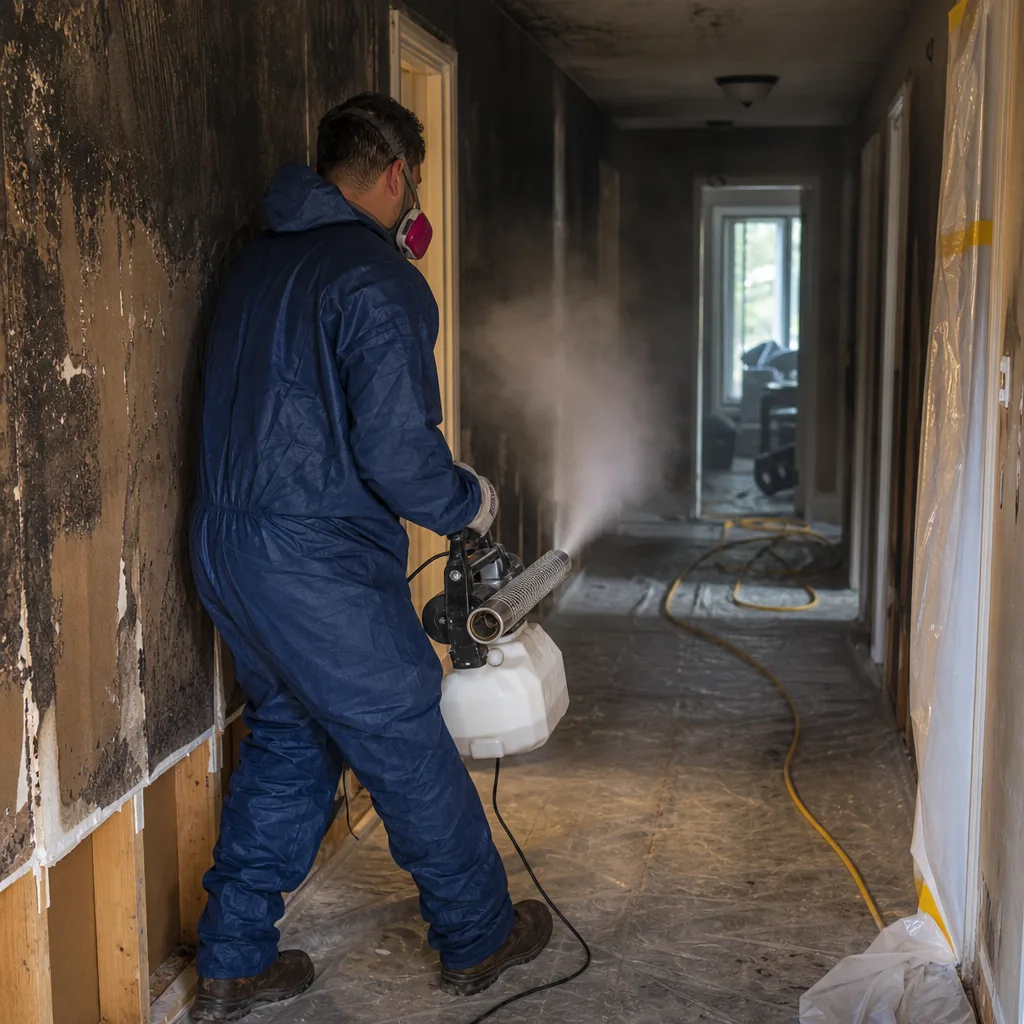
Odor Removal & Deodorization
Smoke odor in a Corona rowhouse is a structural problem, not a surface problem. Thermal fogging treats open spaces. Hydroxyl generators run during occupied jobs. Ozone treats sealed spaces during full evacuation. But the critical step in this neighborhood is cavity sealing: smoke odor hides in the joist bays between units, the shared cockloft above the top floor, and the party wall voids. We treat those spaces directly, or the smell returns the first humid week of summer.
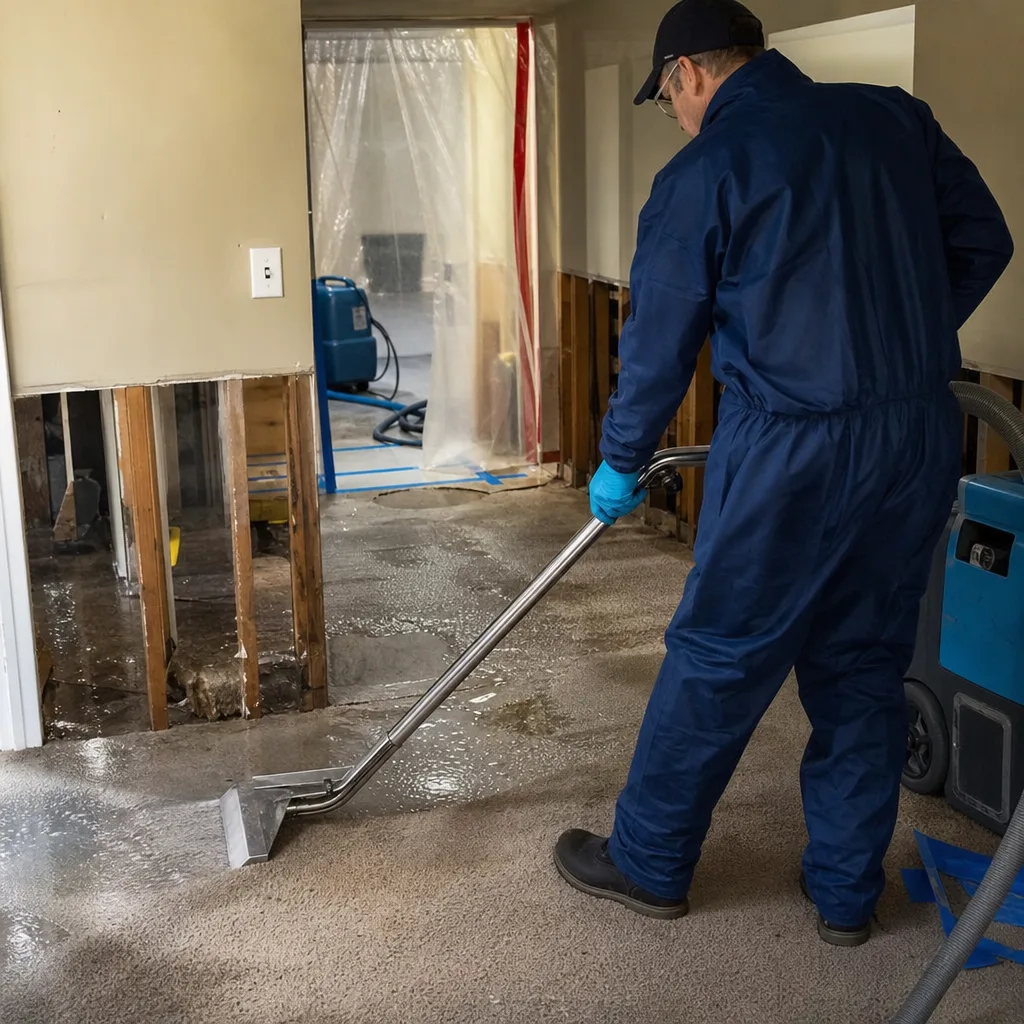
Contents Cleaning & Pack-Out
We pack out and clean salvageable contents: clothing, furniture, dishes, books, electronics. Every item gets inventoried with photos for your claim. In Corona’s converted homes, this often means packing out a tenant’s entire apartment while we treat the unit next door. We coordinate so the contents schedule matches the drying schedule. Nothing sits in a warehouse longer than necessary because every day of storage is a day of claim cost.
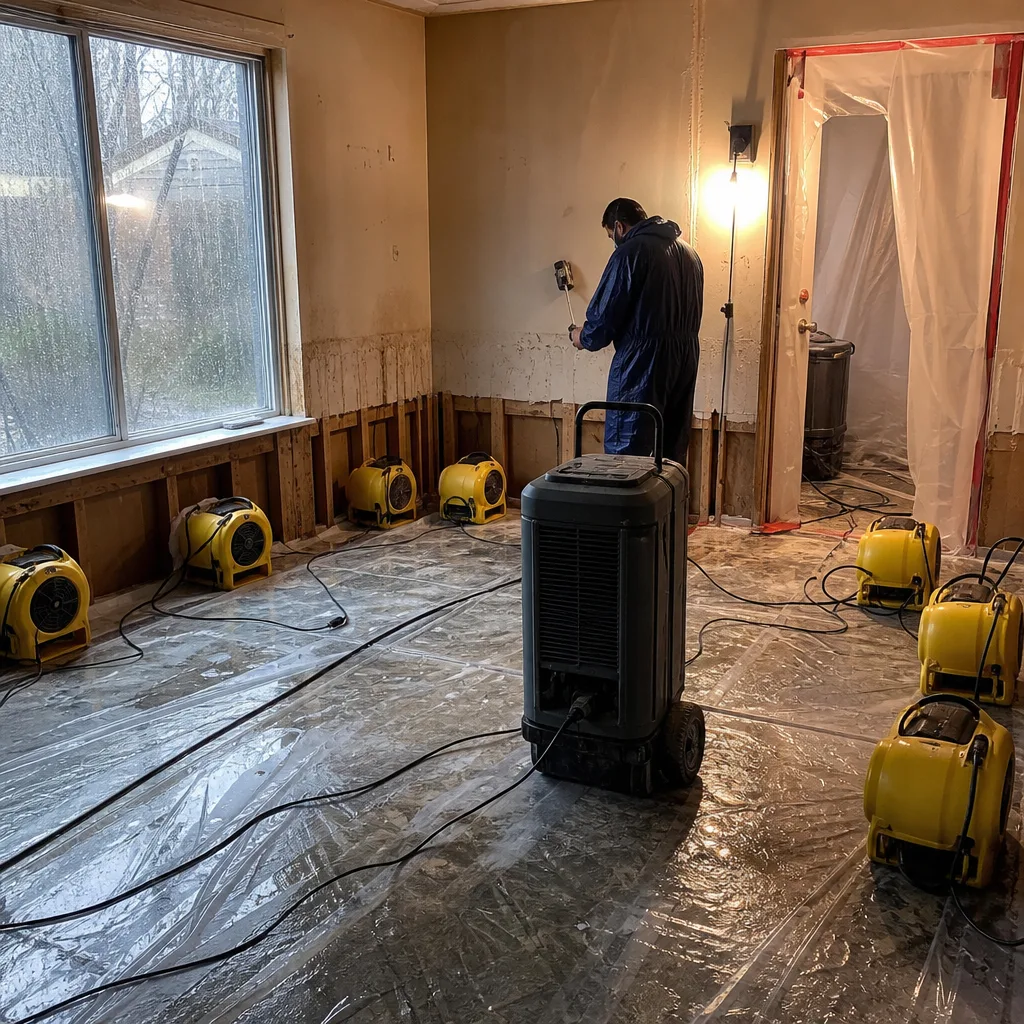
Emergency Board-Up & Tarping
After a fire, the building is open to weather and theft. We board windows and doors the same visit, sized for the tight clearances between Corona rowhouses. Rear alley access behind 104th Street properties means our crews carry materials through narrow passages, not just off the street. We secure the property so neither rain nor intruders add to the loss.
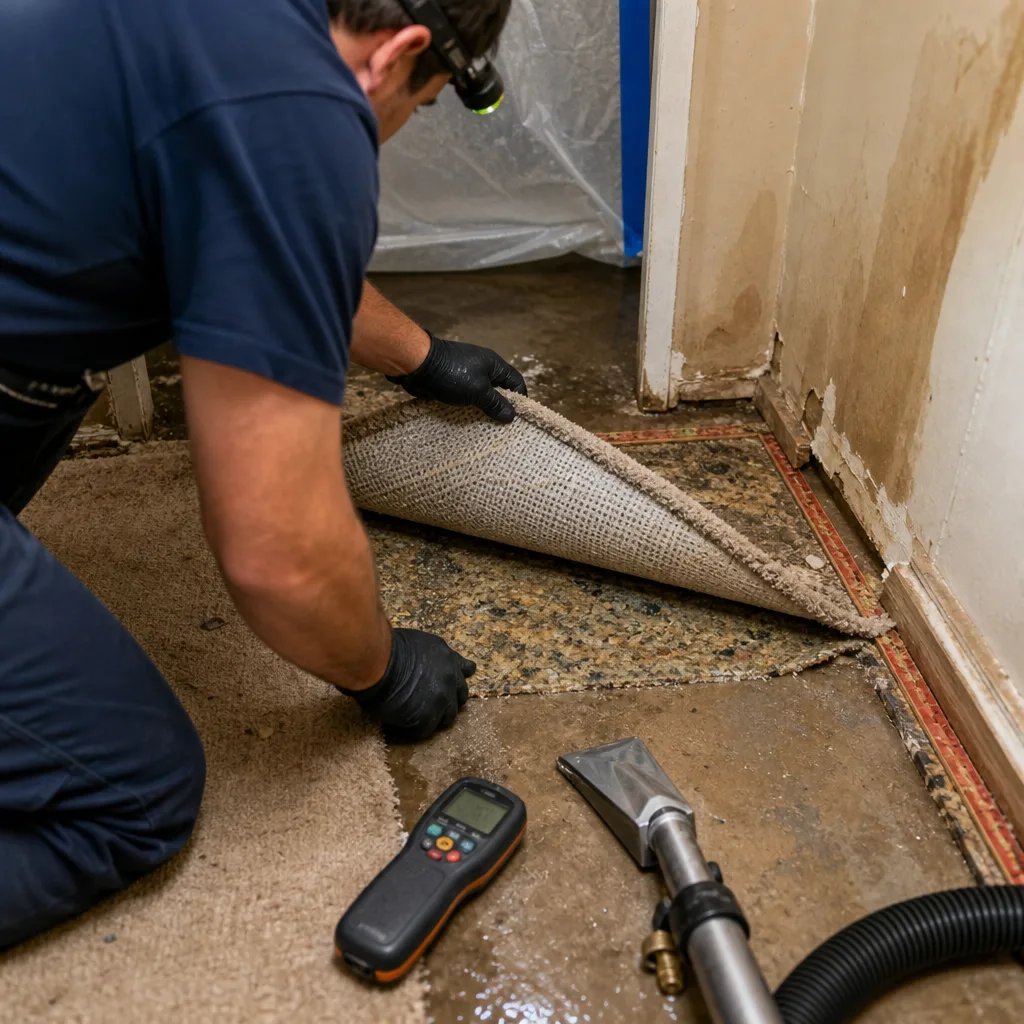
Structural Fire Repair
The same crew that did the demolition does the rebuild. We replace charred framing, repair or replace roofing sections damaged by fire or suppression water, install new drywall and flooring, and finish to match the original. In Corona’s pre-war buildings, matching means understanding lime plaster, original hardwood, and brick party walls, not just hanging modern board.
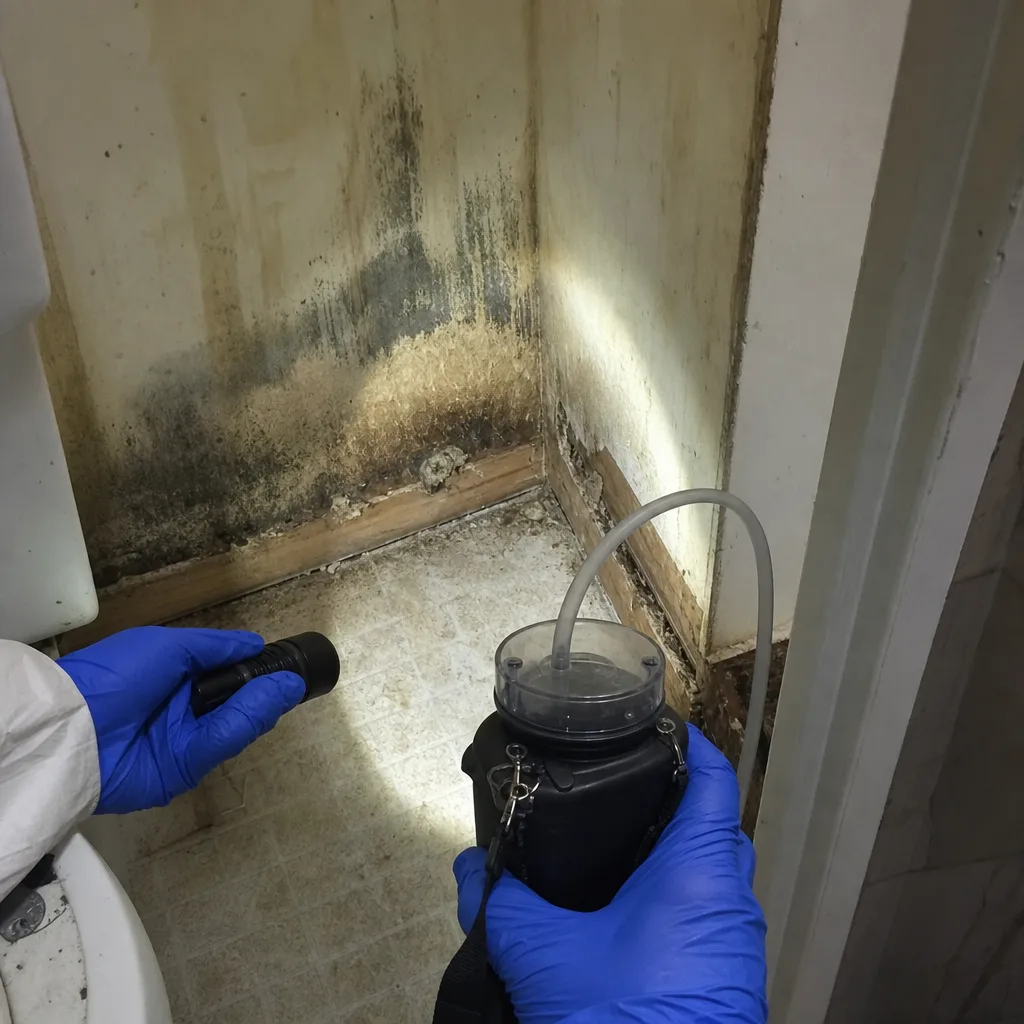
What happens when you call
- 1
A real person answersNo phone trees - you reach a local pro.
- 2
You get an upfront price rangeHonest numbers before anyone is dispatched.
- 3
A background-checked tech heads outLicensed & insured, dispatched right away.
- 4
You approve before work beginsNothing starts until you say go.
Fire & Smoke Damage Restoration Costs in Corona, NY
A small kitchen fire cleanup in a Corona apartment with light smoke damage to one room typically runs $2,800-$4,500. A full unit fire with smoke migration through a neighboring rowhouse runs $6,000-$14,000. A fire that involves two or three attached units with contents pack-out and structural repair commonly lands between $15,000 and $35,000. What moves the price: how far smoke traveled through shared cavities, whether undocumented conversions require extra containment and documentation, how much contents need pack-out and cleaning, and whether structural framing needs replacement. Most Corona fire claims are covered by homeowners or building insurance, with a standard deductible. We bill carriers directly and provide the same documentation whether it’s a $3,000 cleanup or a $35,000 rebuild. Call (518) 872-6111 for a free visual inspection and an honest, line-item scope. The inspection is free. The estimate is in writing. No surprises.
We Also Serve Cities Near Corona
Our crews serve the neighborhoods around Corona regularly, including Elmhurst, Jackson Heights, East Elmhurst, and Forest Hills. Same 45-minute response commitment, same 90-Day Done Right Promise, same live phone answer at 2 a.m.
Corona Fire & Smoke Damage Restoration Questions, Answered
Does fire and smoke damage restoration in Corona require handling tenant belongings differently when the building has illegal basement conversions?
Yes. We treat every space as if occupants may return, which means careful pack-out and inventory regardless of permit status. We document the condition of tenant belongings with photos before moving anything, and we flag any structural or egress issues we find so scope can be adjusted and the carrier notified before work proceeds.
How do our techs stop smoke odor from migrating into the attached rowhouse next door during a fire damage cleanup?
We run negative air pressure in the affected unit and seal shared penetrations: pipe chases, joist bays, electrical openings, and party wall gaps. On a fire-damaged two-family rowhouse off 104th Street near Corona Avenue, our crew ran a Dri-Eaz HEPA 500 air scrubber in the surviving unit while we packed out a tenant’s clothing and furniture from a fire in the adjoining basement apartment. Smoke had traveled through the open joist bays under the 1920s floor assembly. We used an Injectidry system to push dry air into the wall cavities behind the brick party wall, and our moisture mapping showed we had to cut two feet of smoke-stained lathe in a converted bedroom that had no permit record. We documented the extra containment before structural drying began.
What’s different about structural drying after a fire in a 1920s Corona brick rowhouse compared to a newer standalone home?
Everything. A newer standalone house has open perimeter drainage and a defined envelope. A 1920s Corona rowhouse has shared masonry walls, continuous joist bays, and a common cockloft. Moisture from fire suppression lingers in brick and lime plaster, and open ventilation is limited by the tight side yards. We use Injectidry and Dri-Eaz systems to push dry air into wall cavities and floor assemblies specifically, monitored with hygrometers until the dry standard is met. Surface drying is not enough in these buildings.
Can fire and smoke damage restoration in Corona include emergency board-up that works with tight alley access behind row houses?
Yes. Our board-up crews carry materials sized for narrow rear alleys and sidewalk-front entrances common to Corona’s rowhouse blocks. We’ve boarded up properties on streets where there’s no rear vehicle access and all materials come through the front door or a passageway less than four feet wide.
Why does mold remediation need to happen faster after fire damage in Corona compared to drier neighborhoods?
Queens summers are hot and humid, and Corona’s pre-war buildings have poor original vapor management. After fire suppression water saturates plaster, wood, and masonry, the mold colonization window in these buildings is tight. We’ve watched mold form in shared wall cavities in under 48 hours during July. Tight containment is critical because those cavities connect to neighboring homes. The same shared spaces that let smoke migrate let fungal spores migrate too.
How fast can someone actually reach my Corona address?
Usually within 45 minutes of your call at any hour. Our dispatch coordinates from our New York City office, and crews are staged to reach Corona and the surrounding neighborhoods quickly. Call (518) 872-6111 and a live person picks up. We’ll tell you exactly when the crew will arrive, and we’ll be there.
Will insurance cover this? Who takes care of the claim?
Most fire and smoke damage is covered by homeowners or building insurance, subject to your policy and deductible. We document from hour one, provide your carrier with photos, moisture readings, drying logs, and a line-item scope, and we bill the carrier directly. You never play messenger between Floodline and the adjuster. If a specific item is disputed, we walk through it with you and the carrier.
Do I really need full restoration, or just a cleaning?
In a Corona rowhouse, the answer is almost always more than surface cleaning. Smoke travels through shared cavities, and soot is corrosive to metal and etching to paint and glass. If the fire got hot enough to produce smoke, it got hot enough to drive soot into wall voids and floor assemblies. A free visual inspection tells us what’s actually needed, and the written scope tells you exactly what you’re paying for before work starts. No upsell after we’re inside.
Serving Corona, NY - Our Local Coverage Area
We’re based in the Corona area and know this community well. Use the map below to see our service coverage - if you’re nearby, we can almost certainly help.
Key Takeaways
- Fire and smoke restoration in Corona typically runs $2,800-$18,400; most jobs land between $4,200 and $9,600.
- In attached 1920s brick rowhouses, smoke migrates through shared joist bays, party walls, and cocklofts. A fire in one unit is a smoke-odor problem in three.
- Unpermitted basement and attic conversions complicate containment, documentation, and scope. We handle it before it stops the job.
- The 90-Day Done Right Promise covers every job in writing. Done right, or we make it right.
- Call (518) 872-6111 any hour. A live person answers, and a crew is on the road within minutes.
If you’ve had a fire in Corona, don’t wait. Soot is working on your walls right now. Call Floodline Restoration Co. at (518) 872-6111 for a free estimate, and we’ll have a certified crew at your door within 45 minutes. We’ll be there when we say, and we’ll stand behind the work in writing. Done right, and backed in writing.
Written by Curt Bowman, Owner at Floodline Restoration Co., founded in 2010 and proudly serving Corona, NY.