
Free visual inspection and a written scope of work before any mitigation begins - photos, moisture readings, and drying logs go in your claim file
The scope we write is the scope we bill. Anything new gets shown to you, in writing, before we touch it.
Storm responseSewage cleanup
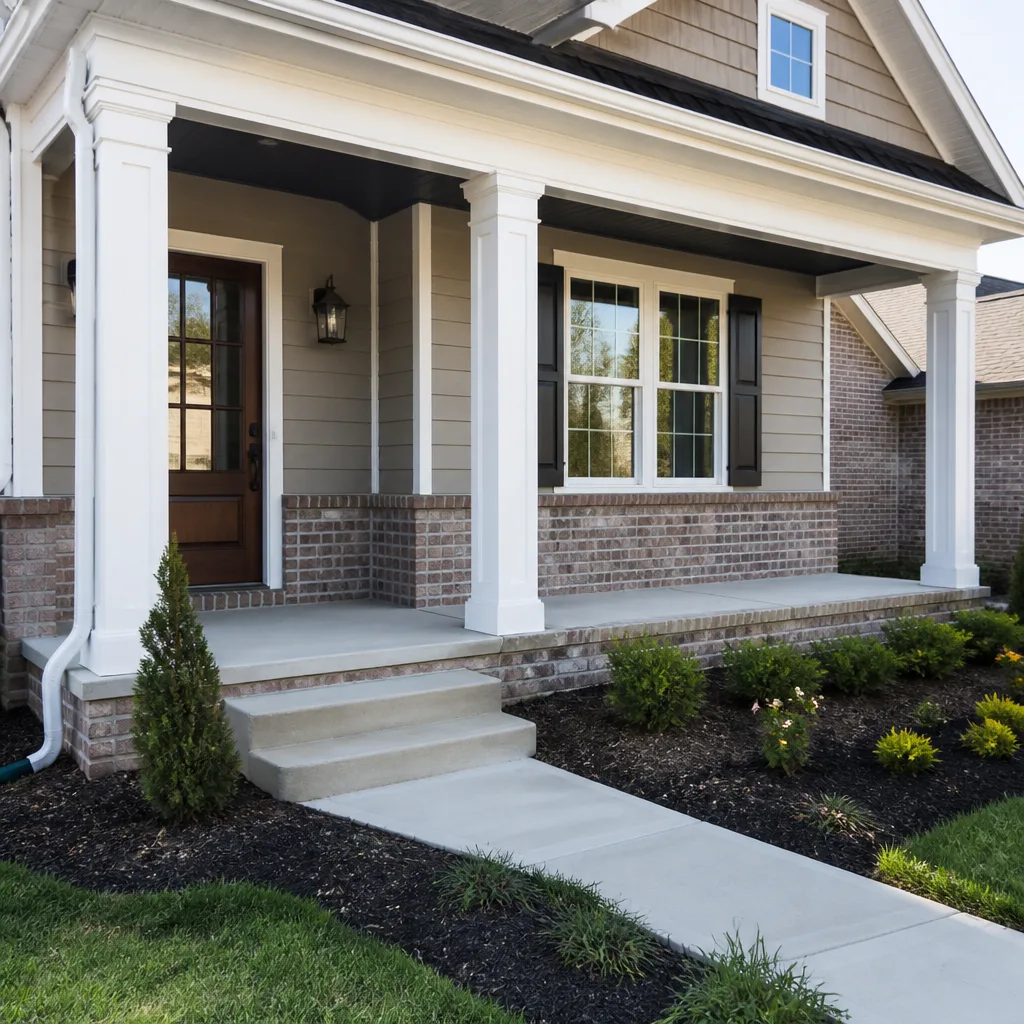
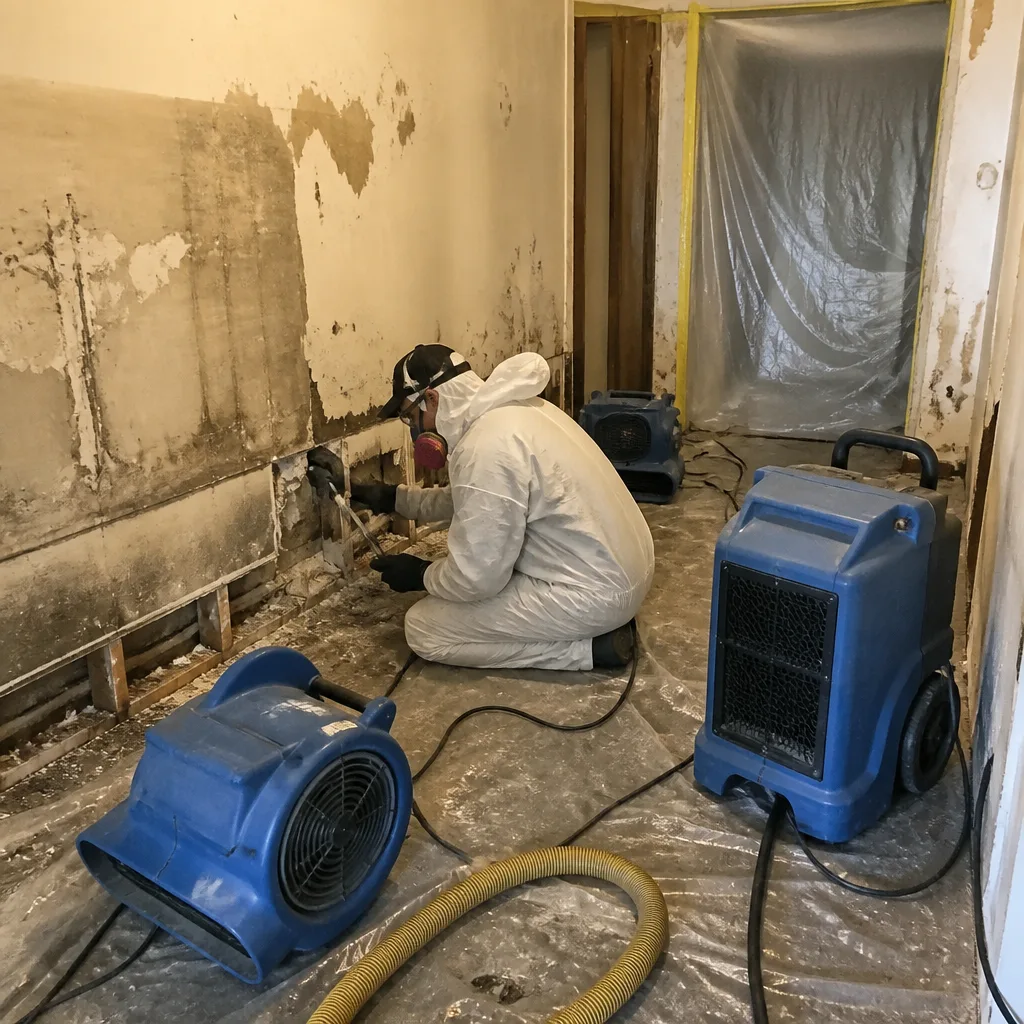 Before
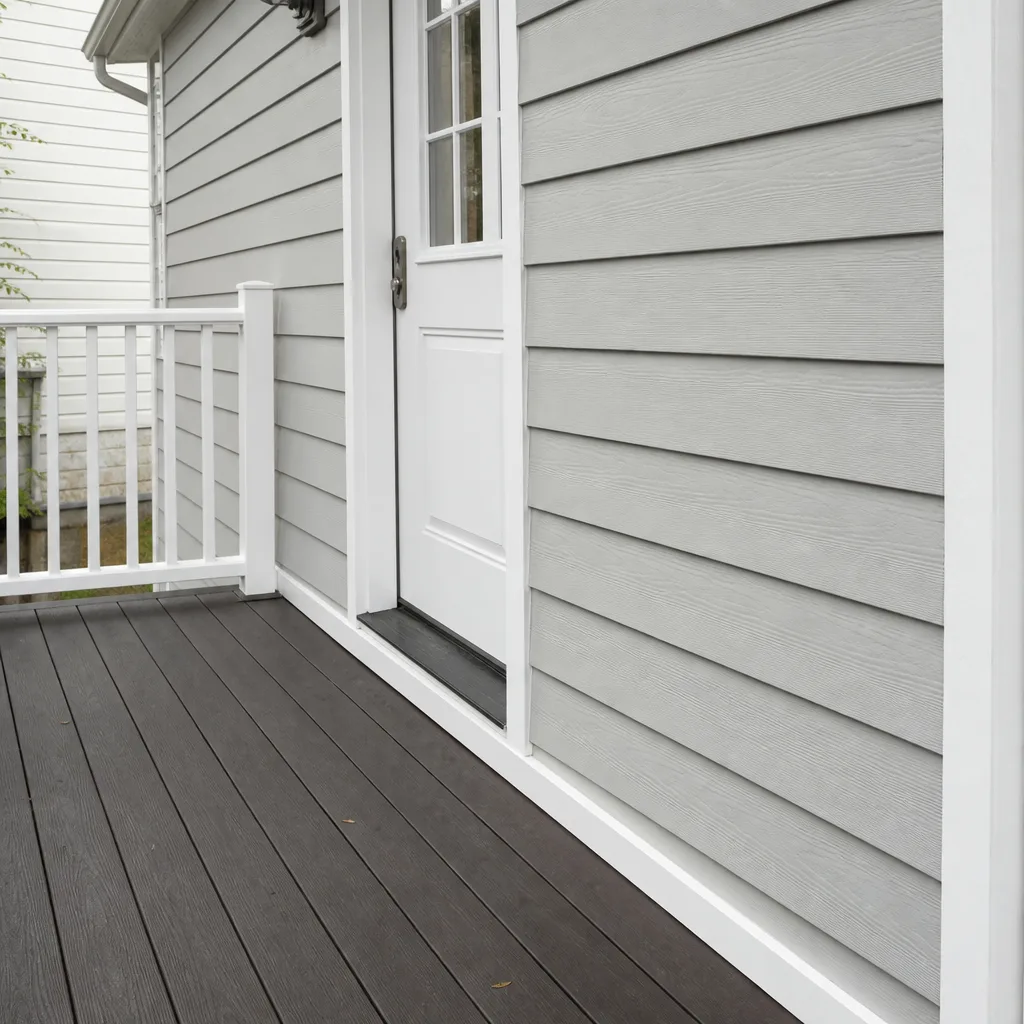 After
After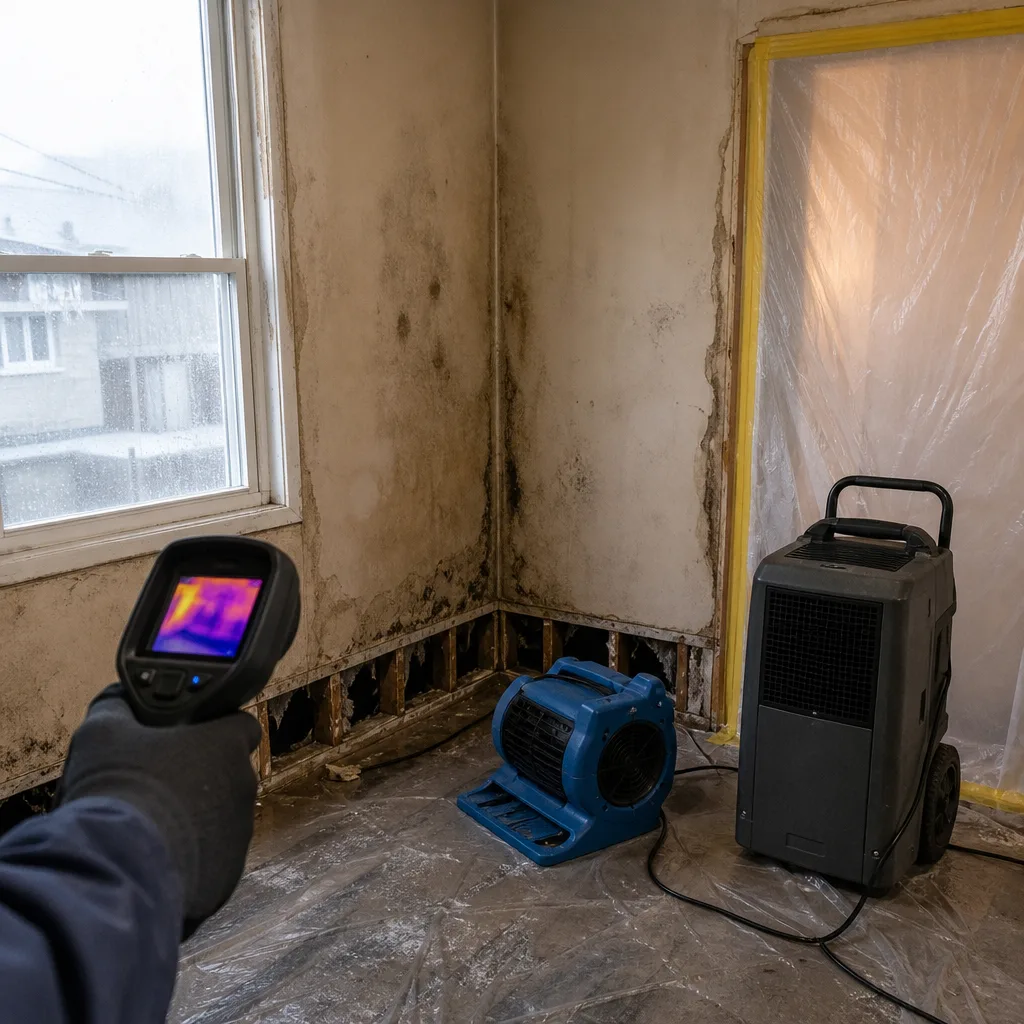 Before
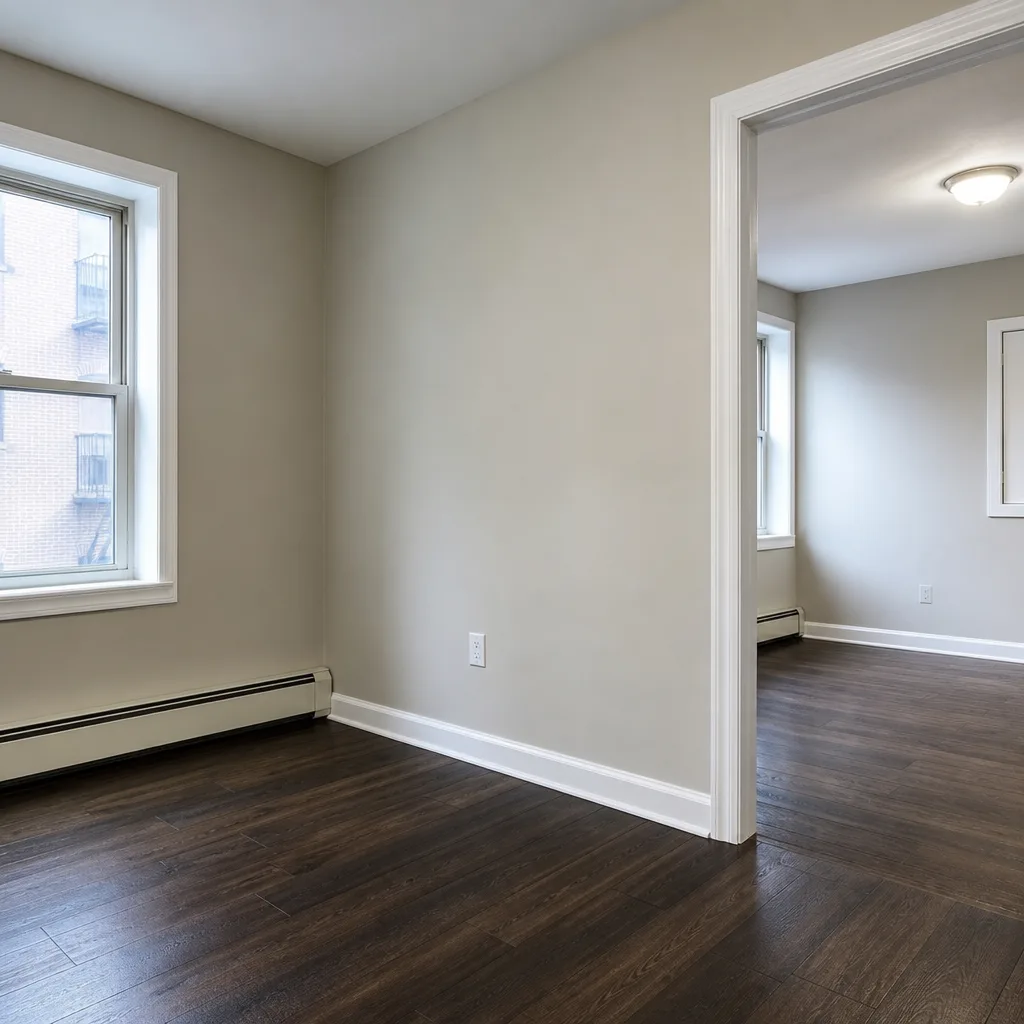 After
After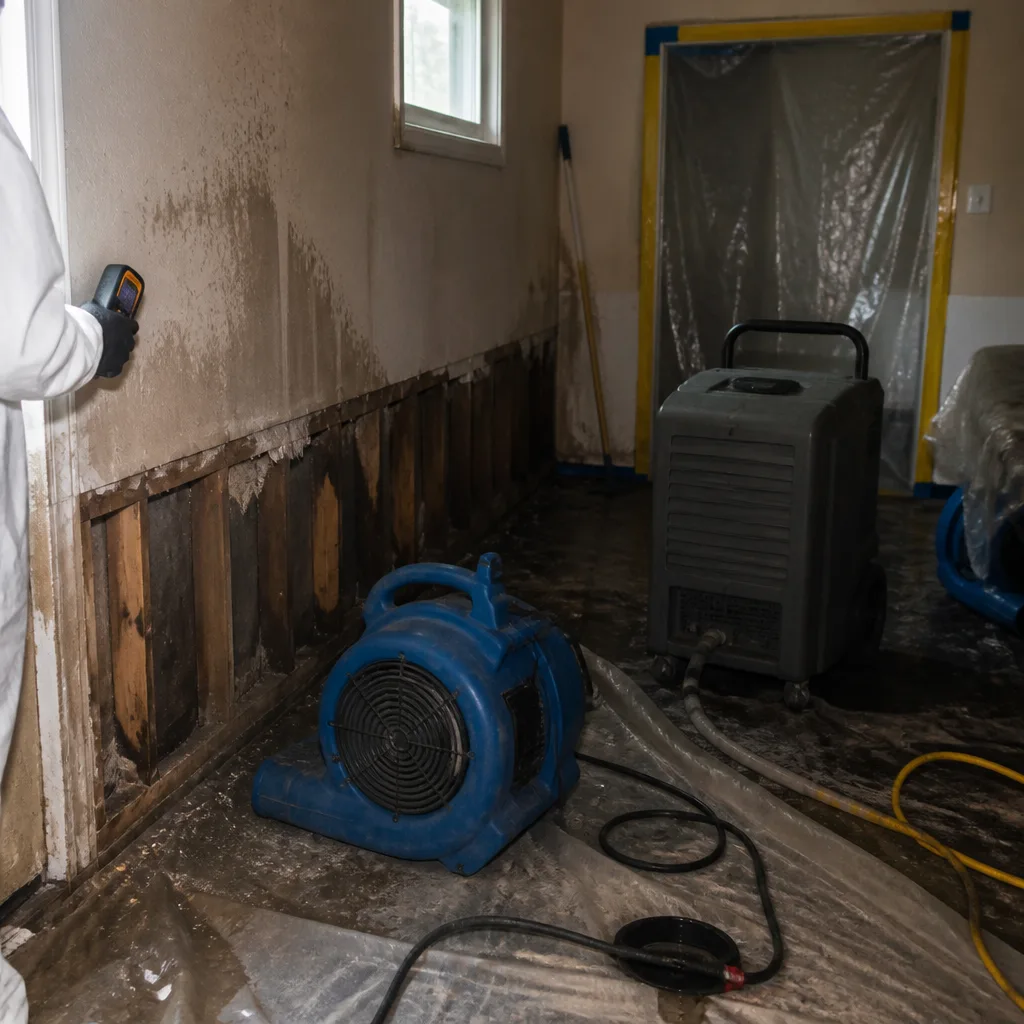 Before
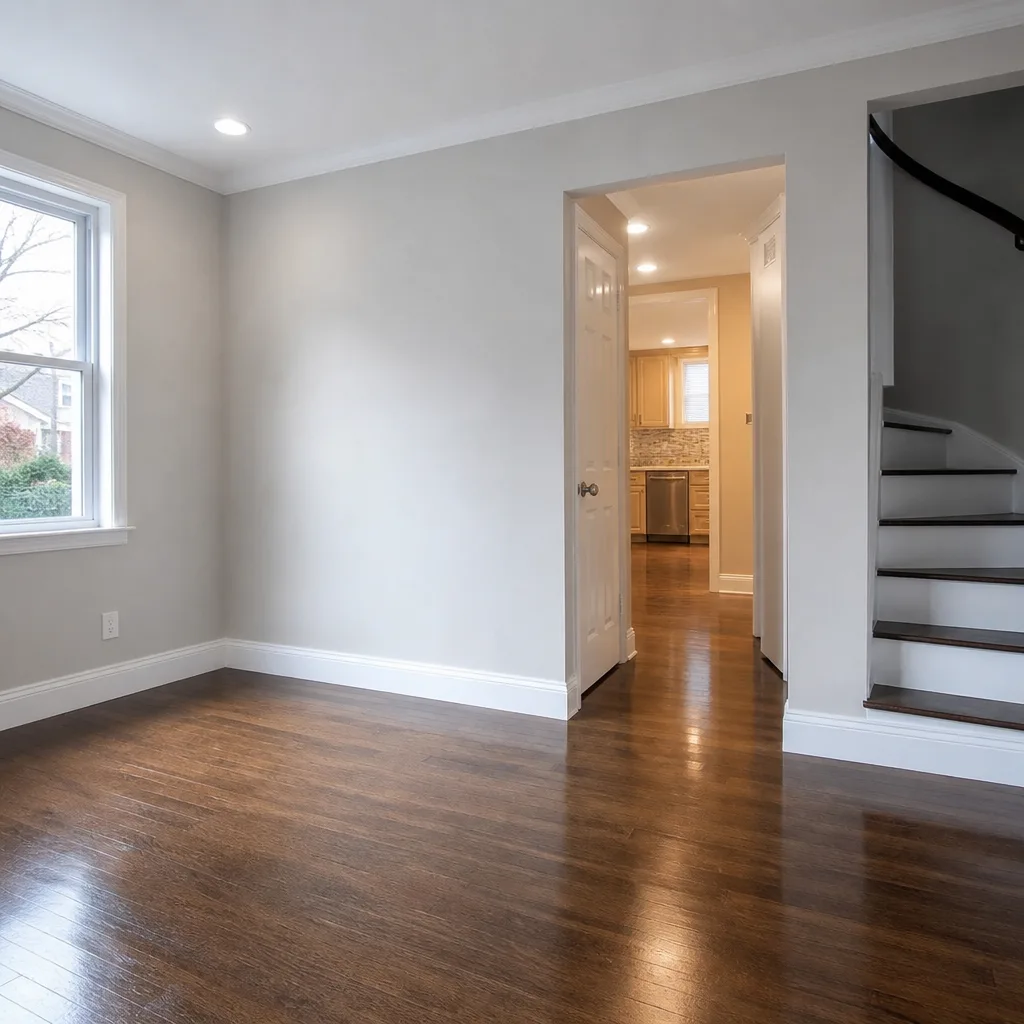 After
After24/7 Emergency Mold Remediation in Jackson Heights
Mold remediation in Jackson Heights usually runs $1,800-$6,500 for a contained one-room job, and a whole-unit co-op remediation after a shared-stack backup can reach $12,000-$30,000 before rebuild. We answer the phone live, 24 hours a day, and can have a certified crew at your door inside 45 minutes for a free visual inspection. Call (518) 872-6111 the moment you see staining, smell must, or find water that sat more than 24 hours. The first hours matter because mold moves fast inside walls, behind original plaster, and along the pipe chases that connect stacked co-op units.
The sooner we contain the spores and get drying equipment running, the less of your apartment we have to open up. That is the math that matters. One call starts the clock on stopping the spread.
Understanding Mold Remediation Severity in Jackson Heights Properties
Mold severity breaks into three practical tiers. Level one: surface growth on non-porous materials, which we clean and treat without demolition. Level two: growth behind baseboards, under flooring, or inside plaster-and-lathe wall cavities, which requires containment and controlled removal. Level three: mold throughout wall systems, inside pipe chases, or fed by sewage-contaminated water, which demands full containment, negative air pressure, and often structural drying that runs for days.
Jackson Heights stacks these tiers on top of each other, literally. The 1910s-1930s brick co-ops and garden apartments along 34th-37th Avenues share risers, drain stacks, and wall cavities. Water from one unit migrates laterally and vertically before it shows up as mold in another. A category 3 backup from a shared cast-iron drain stack does not politely stop at the ceiling. We read the full moisture map with thermal imaging before we cut anything.
Containment here is not optional. Spores travel through the same chases water did, so we seal the work area, run HEPA air scrubbers, and hold negative pressure until post-remediation clearance testing passes.
Why Jackson Heights Property Owners Choose Floodline Restoration Co.
- 45-minute response to Jackson Heights: Our crews stage out of the NYC metro office and move fast. You get a name, a phone number, and a time the truck rolls up.
- A live person answers, day or night: No phone tree. A dispatcher picks up at 2 a.m. and starts the work order right then.
- IICRC-certified crews: Our technicians hold AMRT and WRT credentials and follow IICRC S520 for mold. We also train to RIA standards.
- Free visual inspection: We walk the property, read moisture levels, and tell you honestly whether you need full remediation or a cleaning. We never sell containment you don’t need.
- Direct insurance billing: We document the loss, deal with your carrier and your co-op board’s carrier, and you don’t play messenger.
- One team from containment to rebuild: No mid-job handoff. The same Floodline crew that seals the room is the crew that puts your walls back.
Our Mold Remediation Process
Inspection & Assessment
We start with a full visual inspection, moisture meter readings, and thermal imaging to find hidden water behind plaster and inside pipe chases. In Jackson Heights co-ops, we map the migration path across walls and check for asbestos-wrapped pipes before any tool touches material. You get a written scope with clear numbers.
Containment & Stabilization
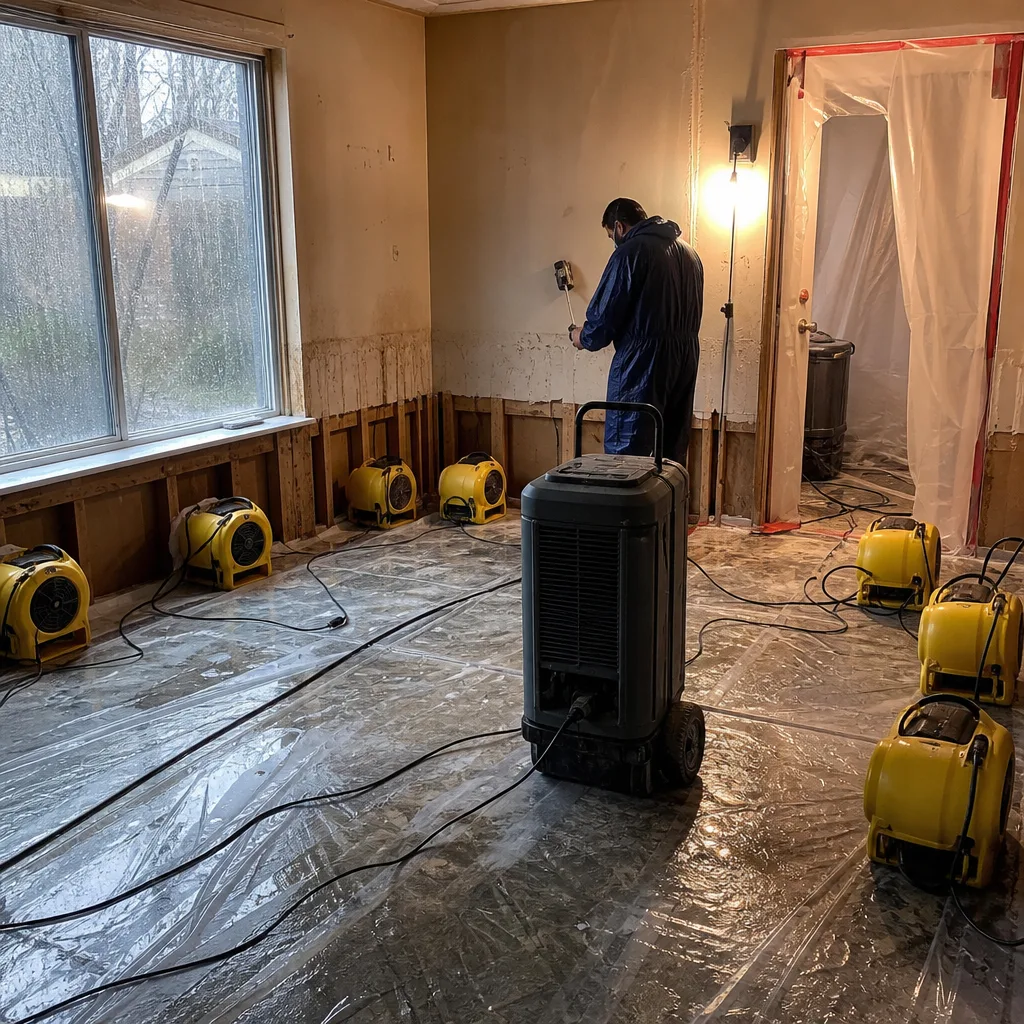
We seal the affected area with 6-mil poly and run HEPA air scrubbers under negative pressure so spores cannot reach bedrooms or neighboring units. In shared-wall co-ops, we install containment that respects the building’s common areas and keeps hallways clean.
Drying & Dehumidification
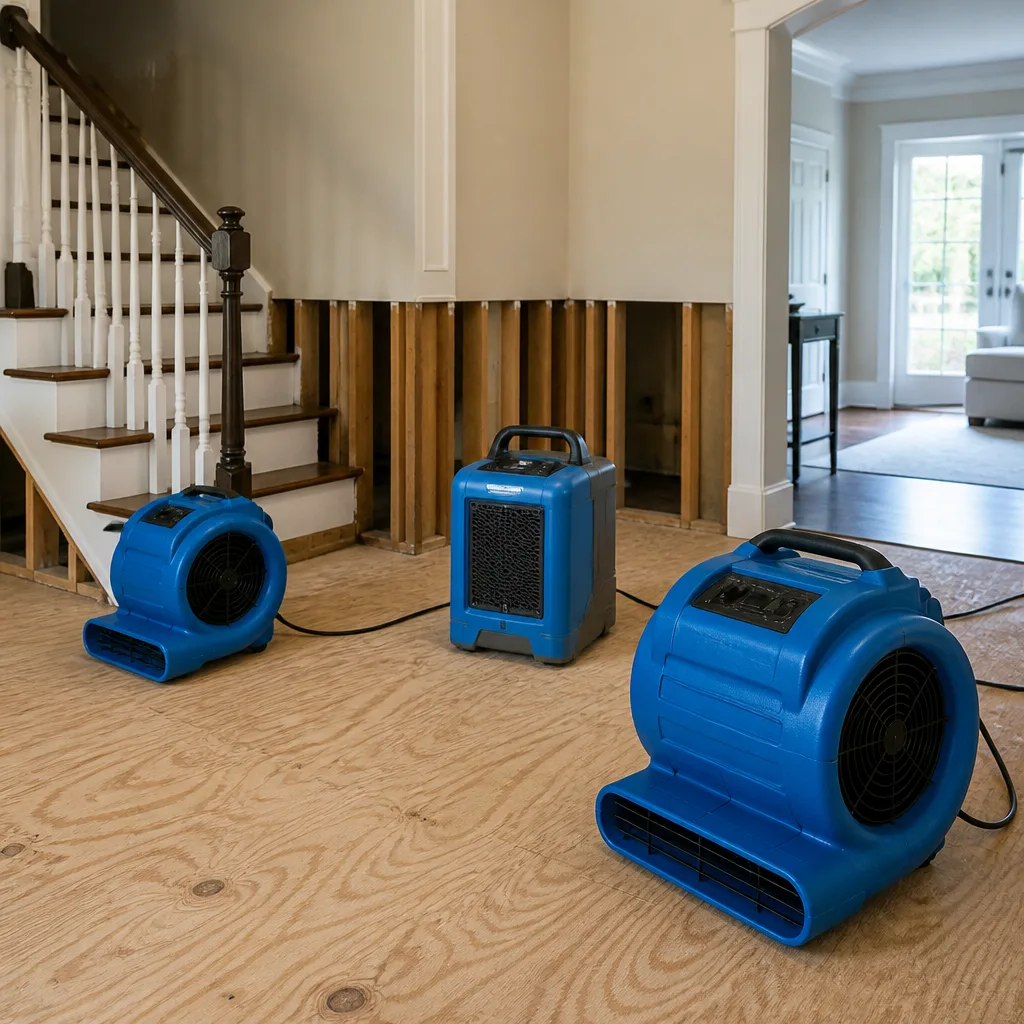
We place professional-grade Dri-Eaz and Phoenix air movers plus B-Air dehumidifiers configured to the cubic footage and material type. Moisture readings are logged daily until every surface hits dry standard. You and your carrier get that log in writing.
Cleaning & Sanitization
All affected surfaces get HEPA vacuuming, antimicrobial treatment, and where required, removal of contaminated drywall, lathe, and insulation. We bag and dispose of moldy material properly, not into building chutes.
Specialty Treatment
This is where Jackson Heights-specific work happens: Injectidry systems to reach hidden cavities, moisture and humidity control for garden-level units, and post-remediation air quality restoration so your unit clears professional clearance testing. If asbestos abatement is required, we sequence our work around the board’s abatement contractor and document every step.
Repairs & Restoration
Once clearance testing passes, our reconstruction crew rebuilds drywall, replaces insulation, and returns the unit to pre-loss condition. Same team, same work order, same accountability. The Mold Remediation work is not done until your walls are closed and your air tests clean.
Need Emergency Mold Remediation in Jackson Heights Now?
Crews minutes away, answering live 24 hours a day. The sooner we start, the less it costs.
Working With Your Insurance Company
Mold claims in Jackson Heights co-ops get complicated fast: your unit owner’s policy, the co-op’s master policy, the neighbor above you, the neighbor below. We have handled that paperwork stack for over 42 years, and we know how to document a loss so carriers pay what they owe. From the first hour, we photograph the affected rooms, log every moisture reading, and build a line-item scope tied to IICRC standards. Our team talks to adjusters directly, sends the drying logs, and answers their questions so you don’t have to.
If your policy excludes mold or caps coverage, we tell you before work starts, in writing, what your out-of-pocket portion looks like. No surprises. A square deal.
What We Provide Your Insurer
- Thorough documentation of the loss
- Photos of all damage, room by room
- Moisture readings and drying logs
- A detailed, line-item scope of work
- Direct coordination with your carrier
Built for Jackson Heights’s Loss Calendar
Jackson Heights does not have one mold season. It has four. January and February bring deep freezes that burst supply lines in uninsulated pre-war walls, soaking plaster before anyone notices. Spring brings thaw and heavy rain that pushes groundwater into garden-level apartments and crawl spaces along Roosevelt Avenue’s impervious runoff corridors. Summer brings thunderstorms that overwhelm the combined sewer system; the same system that failed so badly during Hurricane Ida in September 2021, when sewage-contaminated water poured into basement apartments across the neighborhood. Fall brings nor’easters and the first cold snaps that crack old cast-iron drain stacks.
In a 6-7 story co-op, every one of those events can start a mold problem three floors away from where the water first entered. We run calls in Jackson Heights for the same buildings year after year, and we know which buildings have the aging stacks, which courtyards flood first, and which co-op boards require what paperwork before work begins. That institutional knowledge saves you days.
Mold Remediation Across Jackson Heights’s Neighborhoods
Our crews know the difference between a 34th Avenue co-op, a 35th Avenue garden apartment, and a converted loft above a Roosevelt Avenue storefront, because each one fails differently. In the Historic District co-ops along 34th and 35th Avenues, original plaster-and-lathe walls hide mold behind layers of material that water damaged decades ago. Moisture mapping there means checking pipe chases and the cavities around old steam risers.
Garden-level and basement units along 37th Avenue and the side streets off Roosevelt face a different problem: they sit below grade in a neighborhood where the combined sewer floods during heavy rain. Category 3 water brings sewage, and sewage brings mold that re-blooms inside weeks if any contaminated drywall stays in place. We treat those jobs as black water from the first reading, not after the fact.
The courtyard-facing garden apartments between 74th and 82nd Streets share wall cavities and floor assemblies, which means we regularly find lateral migration through the same framing members into adjacent units. And the commercial storefronts on Roosevelt Avenue with residential units above deal with roof runoff and old plumbing in tight quarters. Same day containment, every time.
Specialized Mold Remediation Services We Offer in Jackson Heights
We serve every corner of Jackson Heights with the full range of mold work. Here is how we approach the services homeowners ask about most often in this neighborhood.
Mold Inspection & Testing
In Jackson Heights, a visual inspection without a moisture meter is almost useless. We use thermal imaging to read inside walls without cutting, and we sample the air where mold is suspected but not visible. If an asbestos survey is likely to be required by your co-op board, we tell you up front so the board’s approval process can run parallel to our assessment instead of after it.
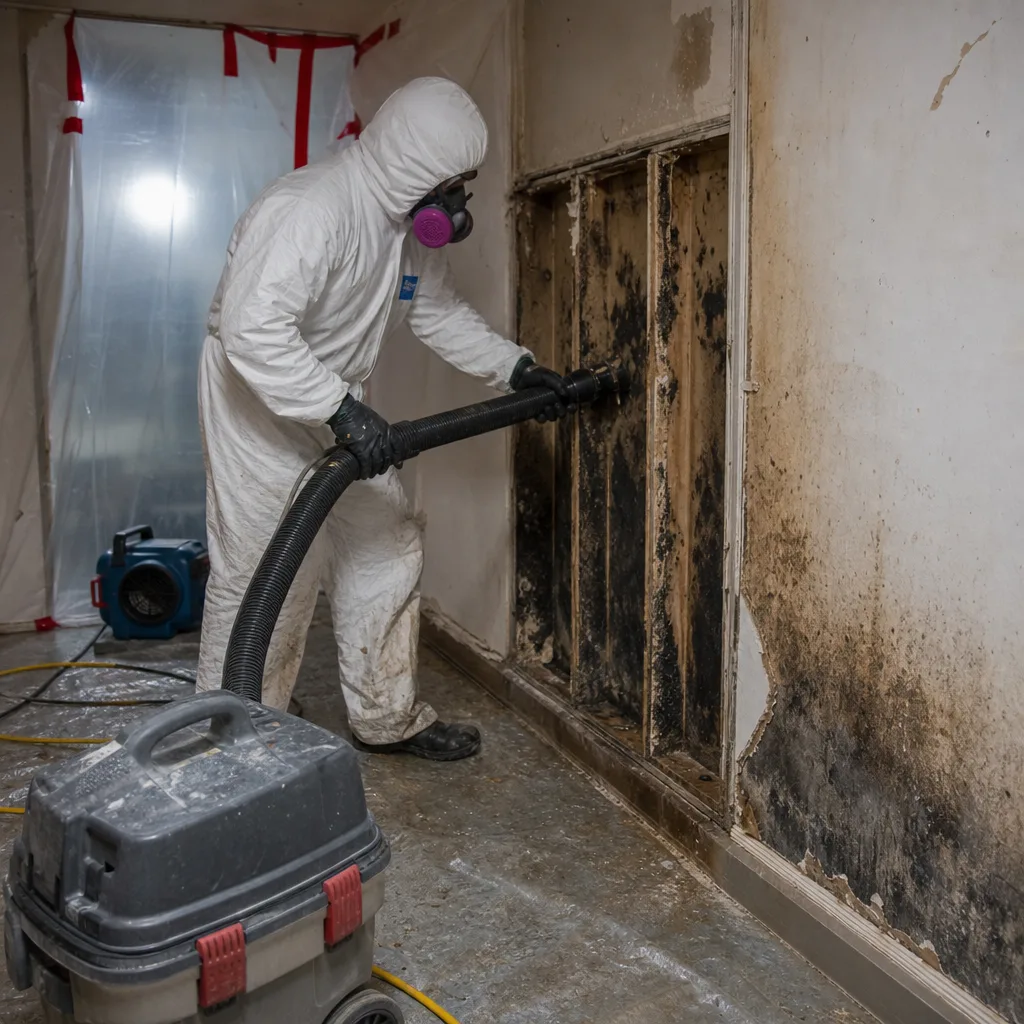
Mold Removal
We remove contaminated drywall, lathe, insulation, and trim with containment in place. In pre-war co-op walls, removal often means working around original cast-iron stacks and steam pipes, some of which are asbestos-wrapped. We sequence our work with the board’s abatement contractor so code and clearance both get met without a stop-work order.
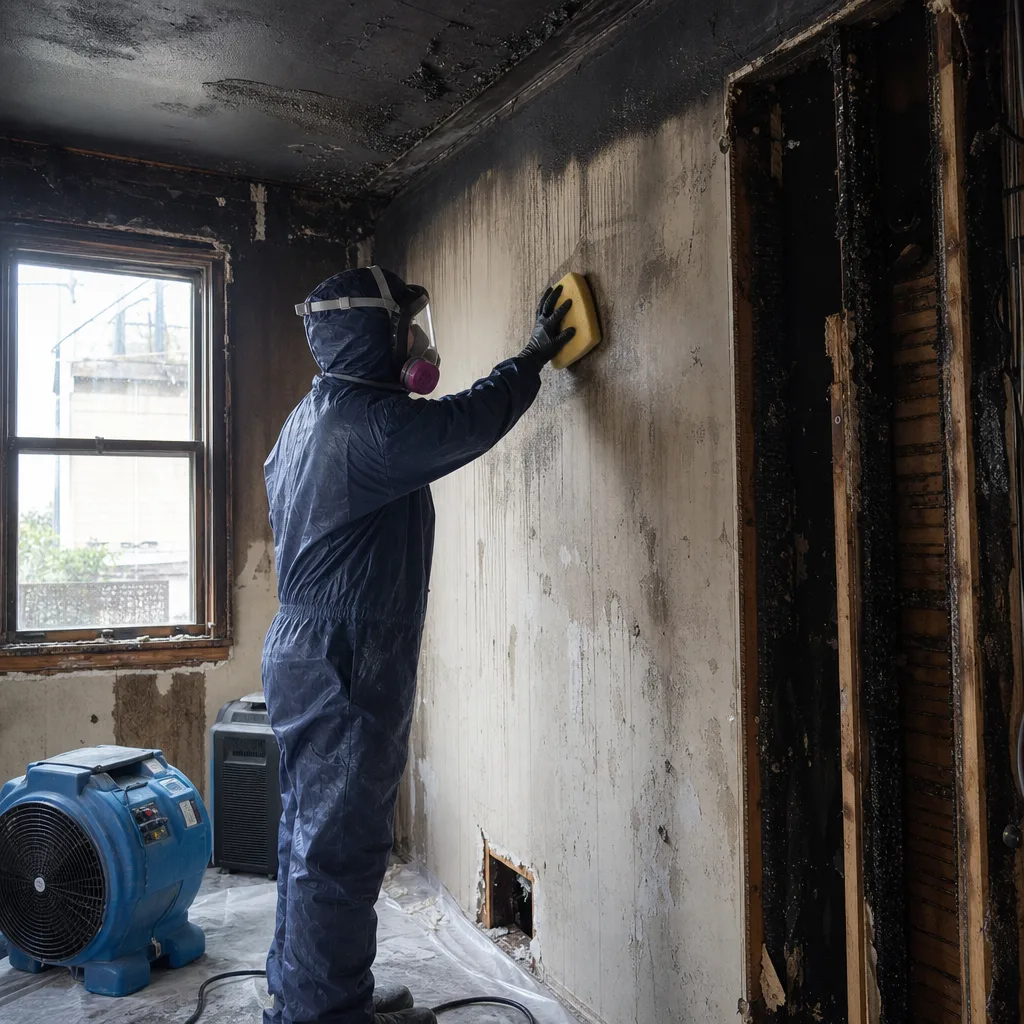
Black Mold Remediation
Stachybotrys, the mold most people mean when they say “black mold,” grows on material that has stayed wet for days. In garden-level apartments, the usual source is sewage-tainted water from the combined sewer system. We handle it as a category 3 job: full containment, disposal of all saturated material, and clearance testing before anyone lives in the space again. This is the service where our policy is firmest: contaminated material leaves the building, tagged and bagged.
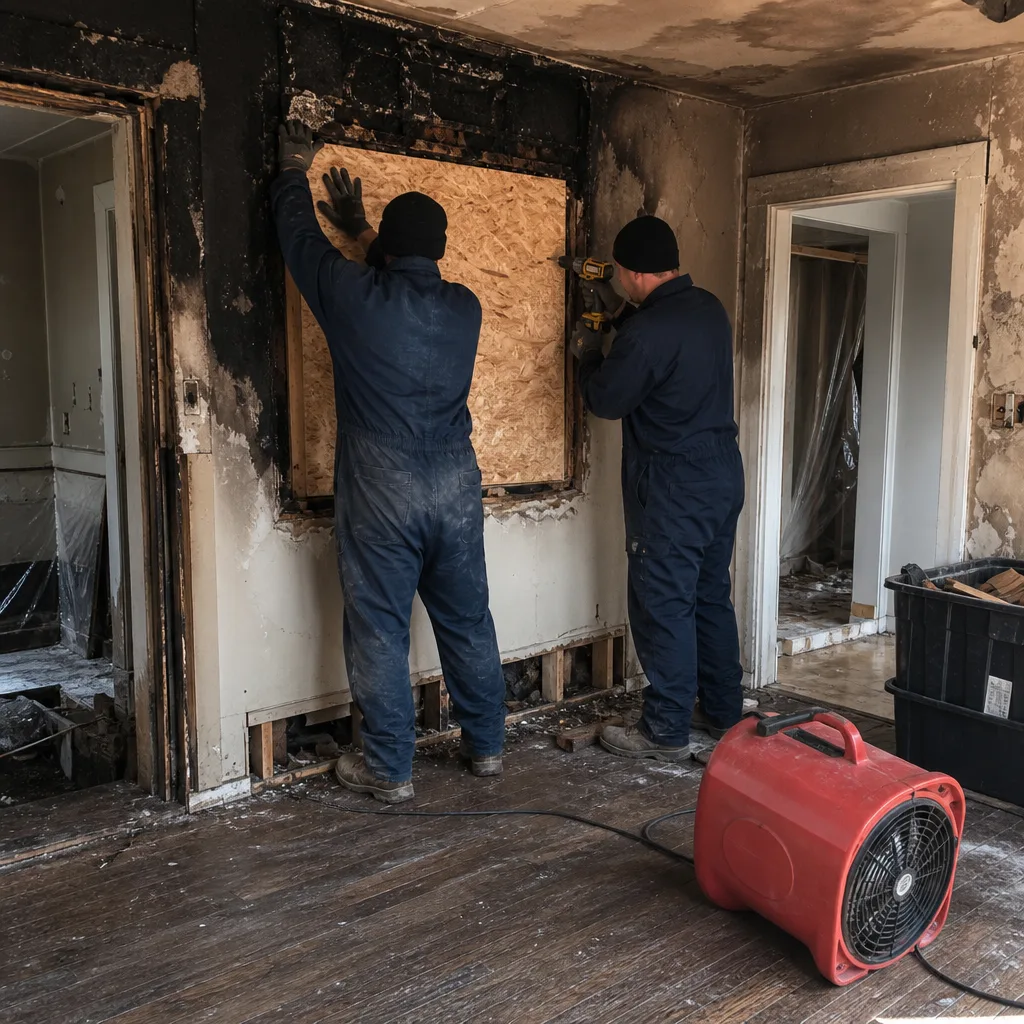
Air Quality Restoration
After remediation, the air in a sealed co-op unit can hold more than moisture. We run HEPA air scrubbers during the whole job and perform post-remediation verification so your unit clears professional standards for spore counts. For homes with elderly residents or anyone with respiratory conditions, we recommend post-remediation air sampling as a standard step, not an upsell.
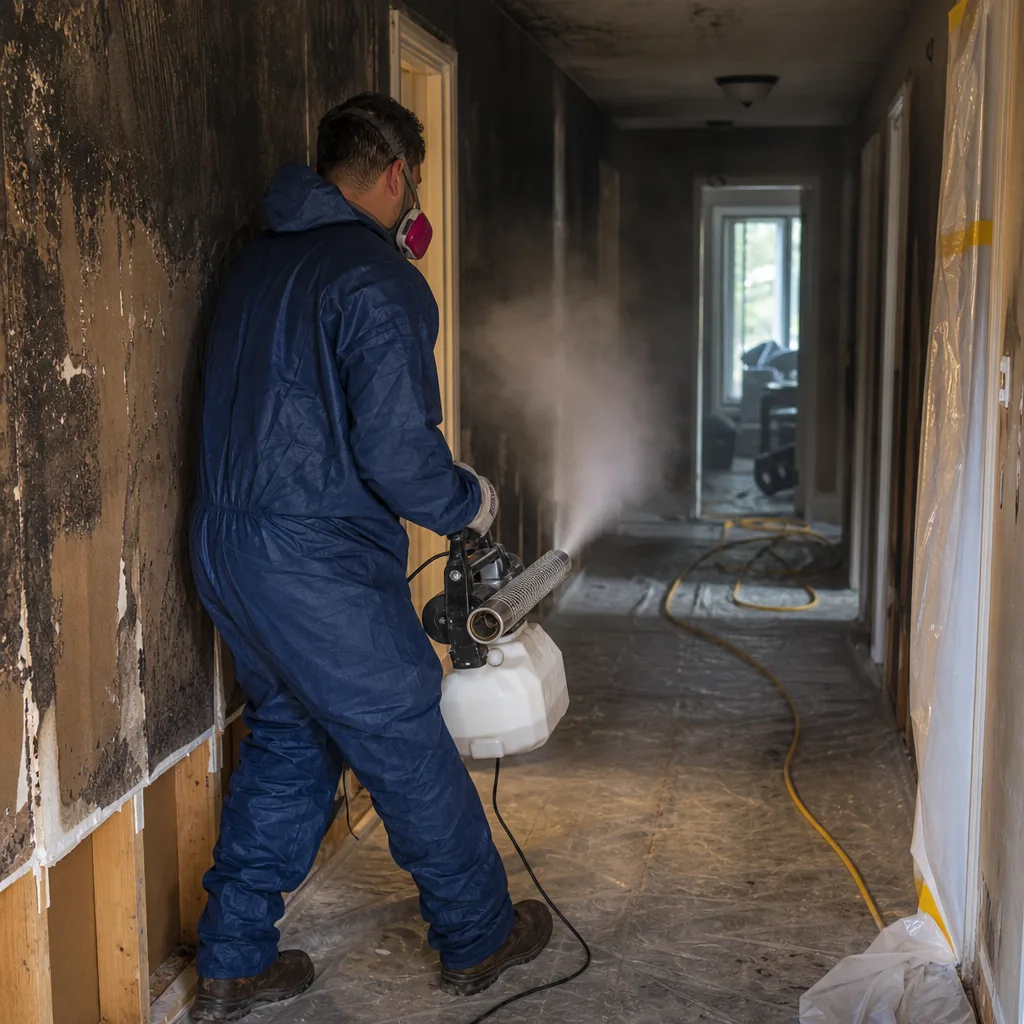
Crawl Space Treatment
Garden-level and basement units in Jackson Heights sometimes have shallow crawl areas that trap humidity against floor joists. We treat those spaces with sealant, dehumidification, and antimicrobial application, then verify the moisture level stays below the threshold where mold returns. Humidity control matters as much as mold removal in these spaces; removing mold without fixing the moisture source is a receipt for a second job.
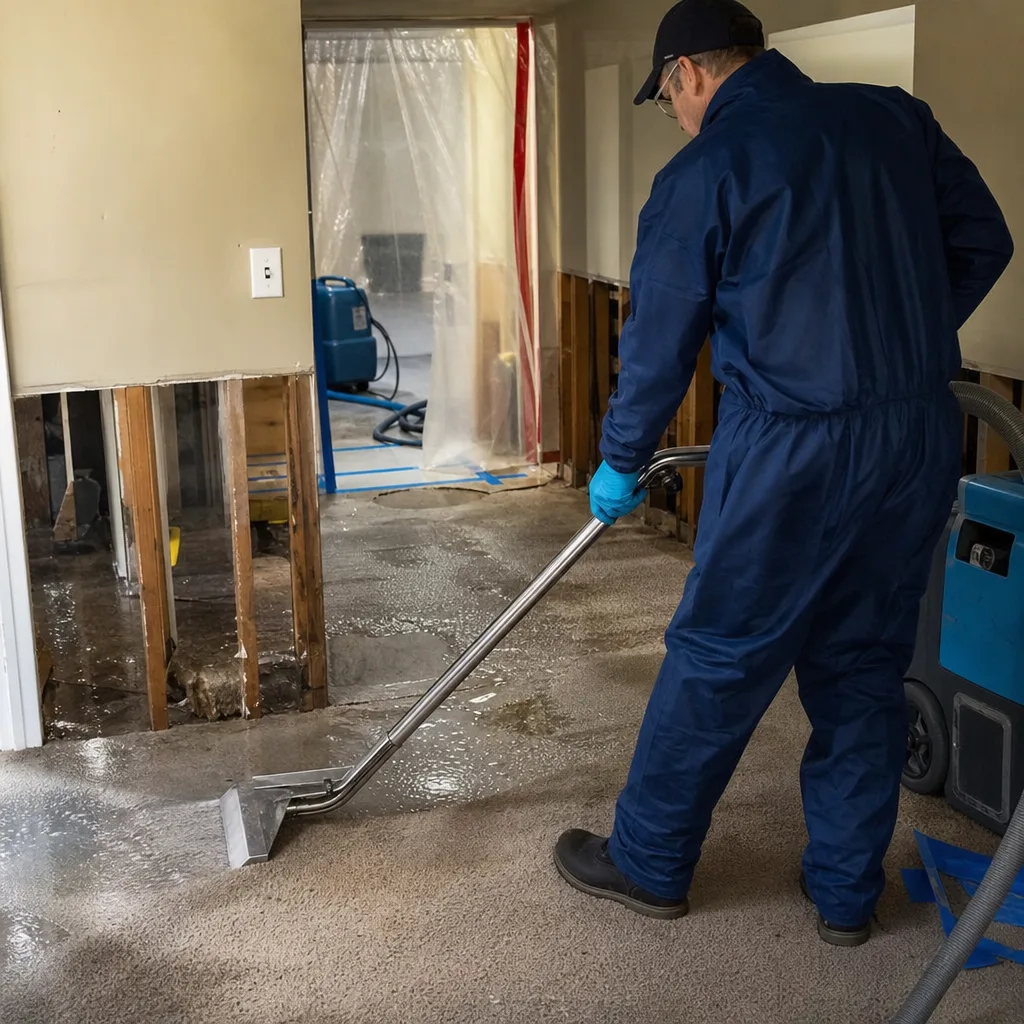
Moisture & Humidity Control
Jackson Heights’s pre-war buildings were built to breathe differently than modern construction. Sealing a unit too tight can trap moisture; leaving it too open invites summer humidity from the Roosevelt Avenue corridor. We install and calibrate dehumidification systems sized for the actual cubic footage and occupancy, not a one-size-fits-all unit from a hardware store.
What happens when you call
- 1
A real person answersNo phone trees - you reach a local pro.
- 2
You get an upfront price rangeHonest numbers before anyone is dispatched.
- 3
A background-checked tech heads outLicensed & insured, dispatched right away.
- 4
You approve before work beginsNothing starts until you say go.
Mold Remediation Costs in Jackson Heights, NY
You cannot get an honest mold price over the phone without a visual inspection, but you can get honest ranges. Here is what Jackson Heights homeowners actually face, based on recent jobs in the neighborhood:
- Visual inspection with moisture mapping and thermal imaging: $150-$400. We credit this toward remediation if you hire us.
- Small contained job (one bathroom wall, one closet, one ceiling section under a leak): $1,800-$4,500.
- Mid-size remediation (a room, hallway, or a section of a co-op unit with containment and drying): $4,500-$9,500.
- Full-unit or multi-room remediation after a shared-stack backup or Ida-type flood: $12,000-$30,000, before rebuild, depending on how many units the water reached and whether asbestos abatement runs alongside.
- Rebuild and restoration: quoted separately, line-item by line-item, after remediation passes clearance testing.
What moves the price: the size of containment, the number of air scrubbers and dehumidifiers running, whether the job requires a co-op board’s asbestos survey, and how many units share the affected walls. Insurance typically covers remediation when the mold stems from a covered water event, and we bill carriers directly where your policy allows. For out-of-pocket work, we apply our standing discounts exactly as stated: $50 off any repair over $250, and the senior and veteran 5% discount. The free visual inspection gets you a written scope with firm numbers before you commit to anything.
We Also Serve Cities Near Jackson Heights
Floodline Restoration Co. runs the same certified crews to East Elmhurst, Elmhurst, Corona, and Astoria. Same 45-minute response commitment, same live dispatch, same 90-Day Done Right Promise in writing. If you own property in a neighboring neighborhood, call (518) 872-6111 and we will route the nearest crew.
Serving Jackson Heights, NY - Our Local Coverage Area
We’re based in the Jackson Heights area and know this community well. Use the map below to see our service coverage - if you’re nearby, we can almost certainly help.
Jackson Heights Mold Remediation Questions, Answered
Do I need co-op board approval before mold remediation in a Jackson Heights co-op?
Yes, in most landmarked Jackson Heights co-ops, the board must sign off before any work touches common elements like shared walls, risers, or pipe chases. That approval can add three days to three weeks depending on the board’s process. We have worked with boards throughout the Historic District, and we prepare the written scope, moisture map, and containment plan in the format boards typically request so the approval moves without you chasing it down. Call (518) 872-6111 and we will tell you exactly what your building is likely to require.
How does Hurricane Ida’s sewage backup affect mold risks in basement apartments here?
Ida pushed sewage-contaminated water into garden-level and basement apartments across Jackson Heights. Any building that did not get full category 3 remediation after that event carries a higher risk of hidden mold, because contaminated drywall and insulation can sit for years before staining shows. The mold from black water is also more aggressive than mold from clean water. If your unit flooded in 2021 and you still smell must or see staining at the baseboard, get a free inspection now. Call (518) 872-6111.
Is the mold in my pre-war co-op wall likely to involve asbestos?
It is common enough that we plan for it on every Jackson Heights job. Buildings from the 1910s-1930s often have asbestos-wrapped steam pipes running inside the same wall cavities where mold grows. If our thermal imaging indicates we need to open a wall near those pipes, we recommend an asbestos survey before cutting. That protects your household, our crew, and keeps the job compliant with the board’s legal obligations. We coordinate the sequence with the board’s abatement contractor.
Why does mold spread faster between neighboring co-op units in Jackson Heights than in a single-family house?
Because the units share wall cavities, floor assemblies, and pipe chases. Water from a leaked drain stack in a 6-story co-op travels through the same chases that carry the stack, and spores follow the moisture path into adjacent units before any visible mold appears. By the time you see staining, the affected area often spans two or three units. That is why we containment-seal the work zone and run negative pressure from day one: to stop cross-unit spread while we dry. This is not a concern in a detached house, but it is the defining challenge of mold work in Jackson Heights co-ops.
How quickly should I act after water damage in a garden-level apartment to prevent mold?
Within 24 to 48 hours. Mold begins forming on wet drywall and paper-faced insulation within two days, and garden-level units in Jackson Heights stay humid longer because of limited airflow and below-grade conditions. The first step is calling us for a free visual inspection and moisture mapping. If we get air movers and dehumidifiers running before mold blooms, you may avoid a full remediation entirely. Call (518) 872-6111 right away.
Will my insurance cover mold remediation in Jackson Heights?
Often yes, when mold results from a covered water event, like a burst pipe or a sewage backup. Some policies carry mold caps or exclusions; we review your coverage language and tell you before work starts what we expect the carrier to pay and what falls to you. We bill insurers directly and provide the moisture logs, photos, and line-item scope adjusters need. You do not play messenger between us and your carrier.
How long does mold remediation take in a Jackson Heights co-op?
A contained single-room job usually finishes in two to four days including clearance testing. A full-unit remediation with shared-wall containment, drying, asbestos sequencing, and rebuild can run two to six weeks depending on board approvals and the number of adjacent units affected. We give you a written timeline at the start and update it daily, not weekly.
What should I do in the first 30 minutes after I find mold or water damage in Jackson Heights?
Stop using the water if the source is a leak or backup. Move furniture and personal items away from the wet zone. Take photos with your phone. Then call (518) 872-6111. A live person answers, and we will talk you through the first steps while a crew rolls toward your block. Do not run a box fan, because that spreads spores through the unit. Do not open the walls yourself, especially in a pre-war building where asbestos may be present. Get our crew in there, and let the moisture map tell the truth.
Written by Curt Bowman, founder of Floodline Restoration Co., answering calls and running restoration crews since 2010. Our team answers the phone live at (518) 872-6111, 24 hours a day, and stands behind every job with the 90-Day Done Right Promise in writing.