

Free visual inspection and a written scope of work before any mitigation begins - photos, moisture readings, and drying logs go in your claim file
The scope we write is the scope we bill. Anything new gets shown to you, in writing, before we touch it.
Storm responseSewage cleanup
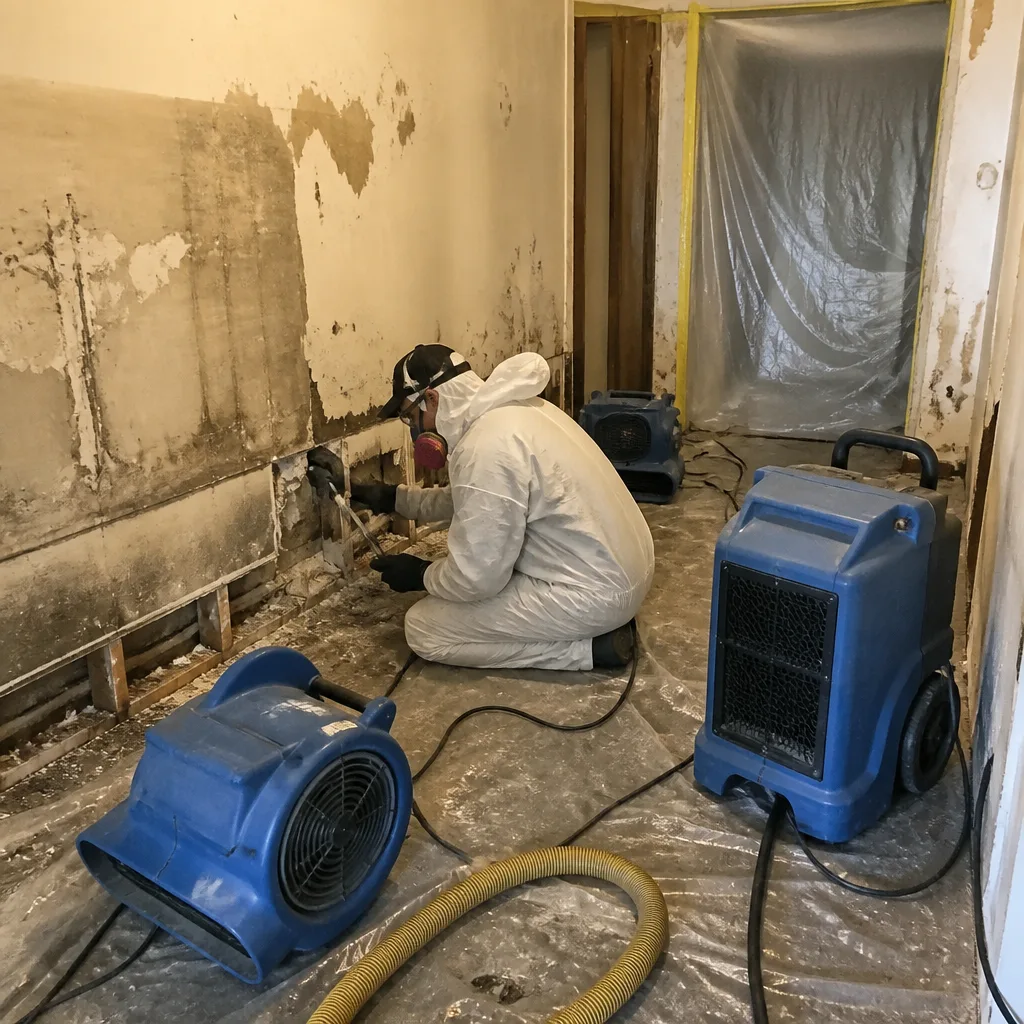 Before
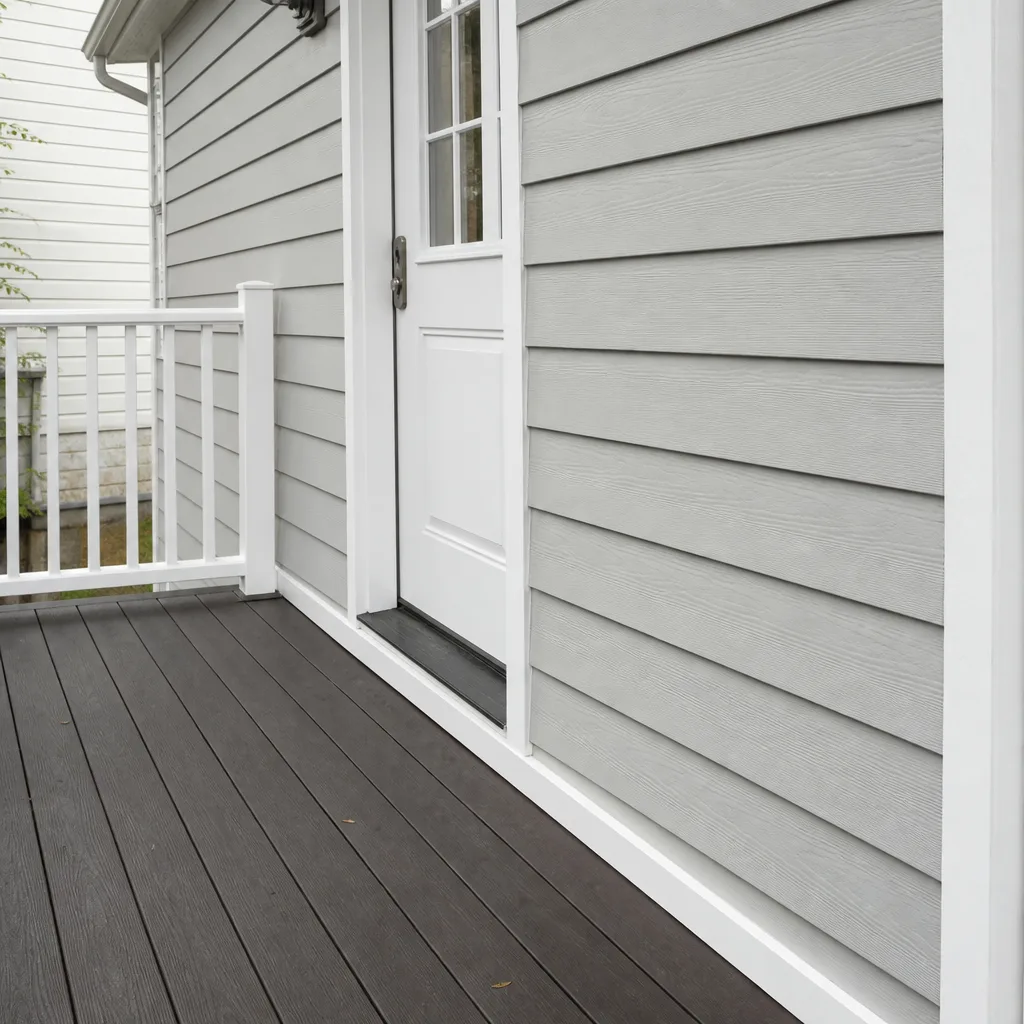 After
After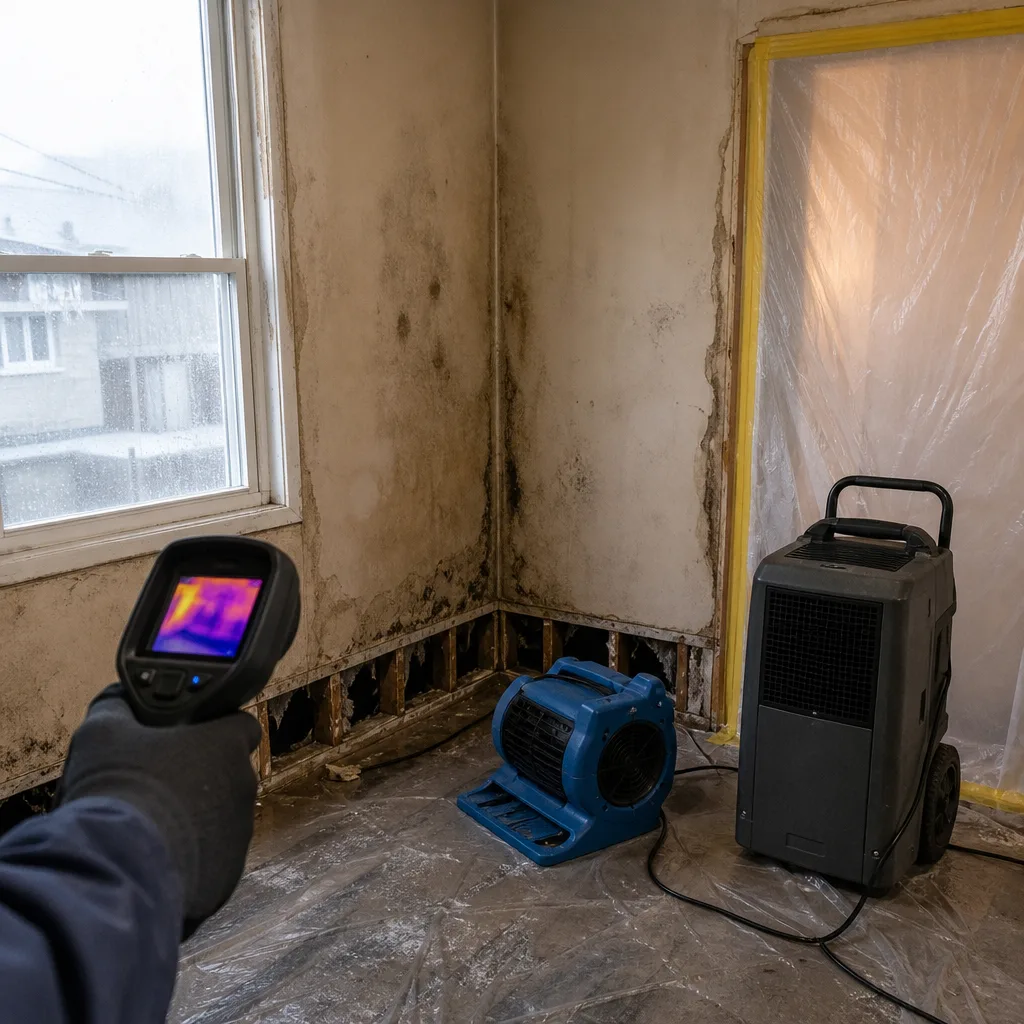 Before
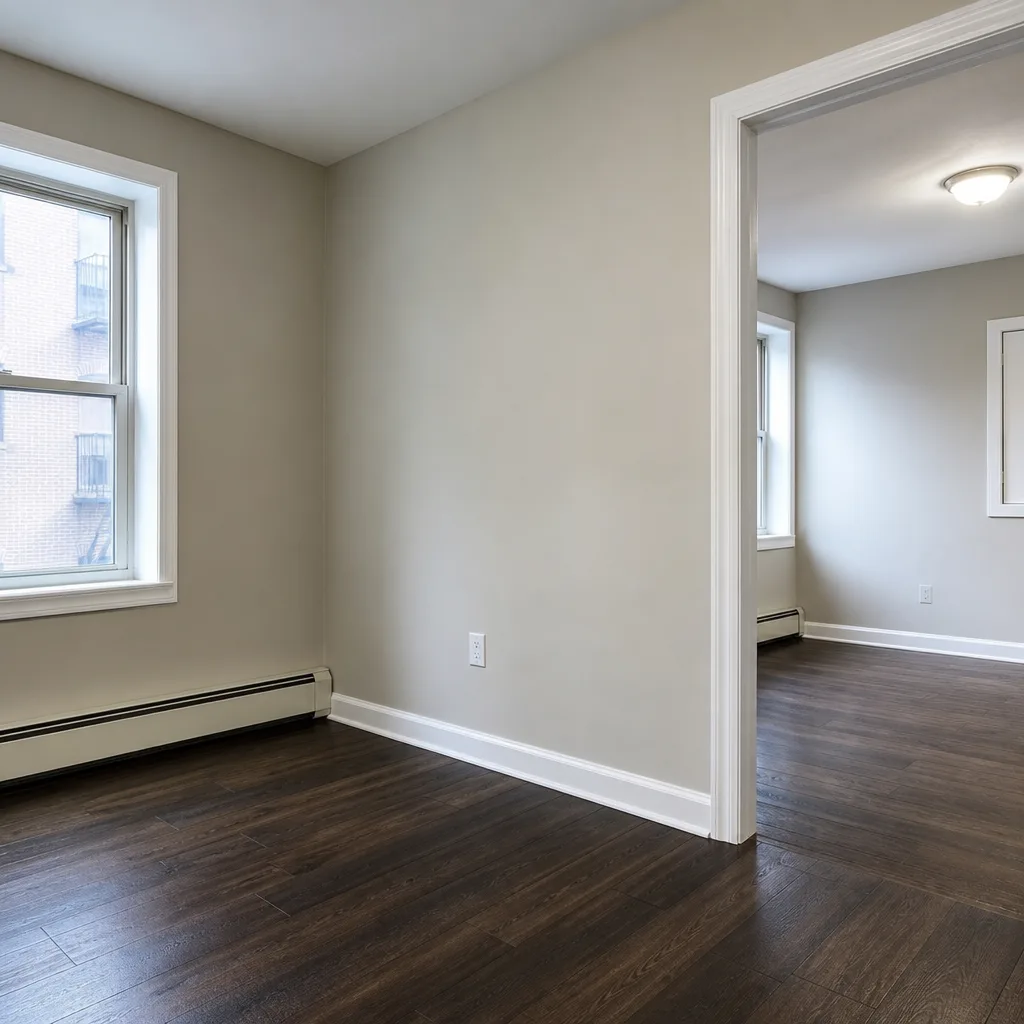 After
After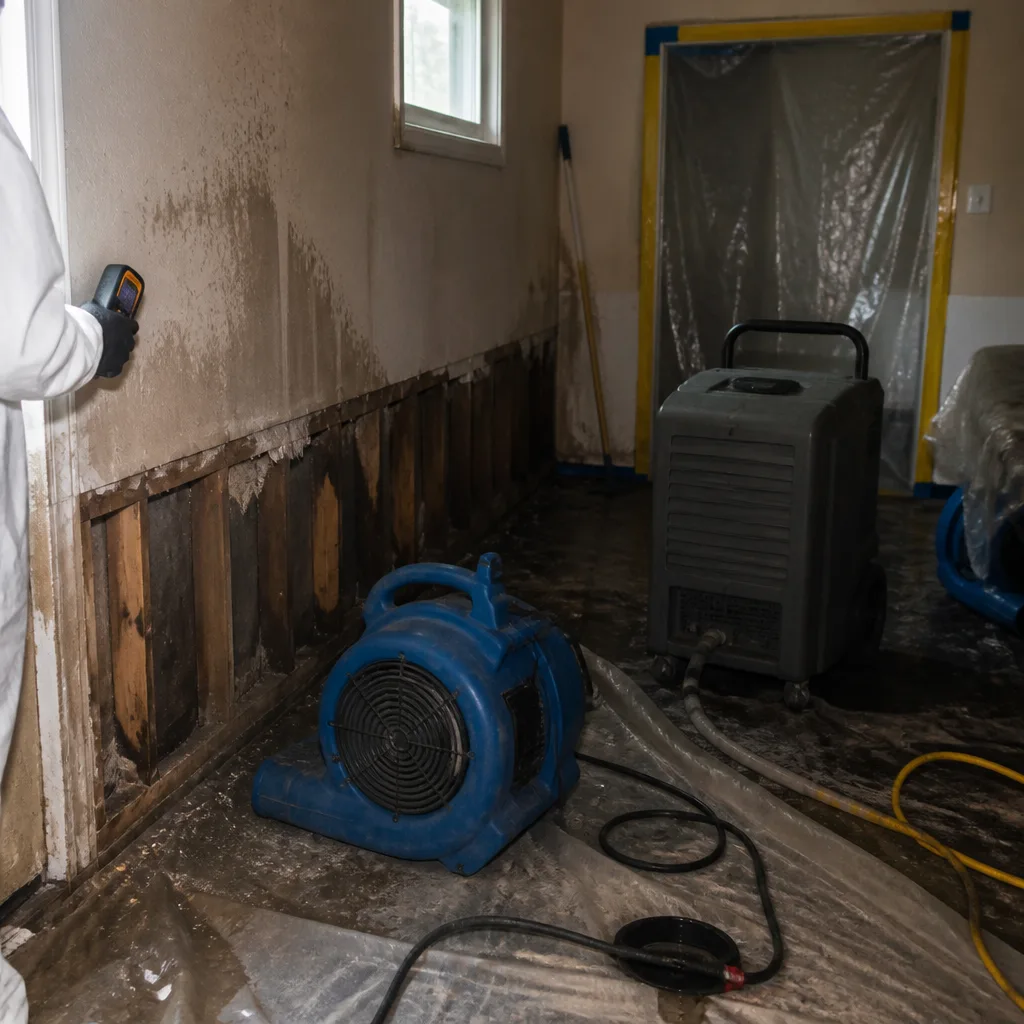 Before
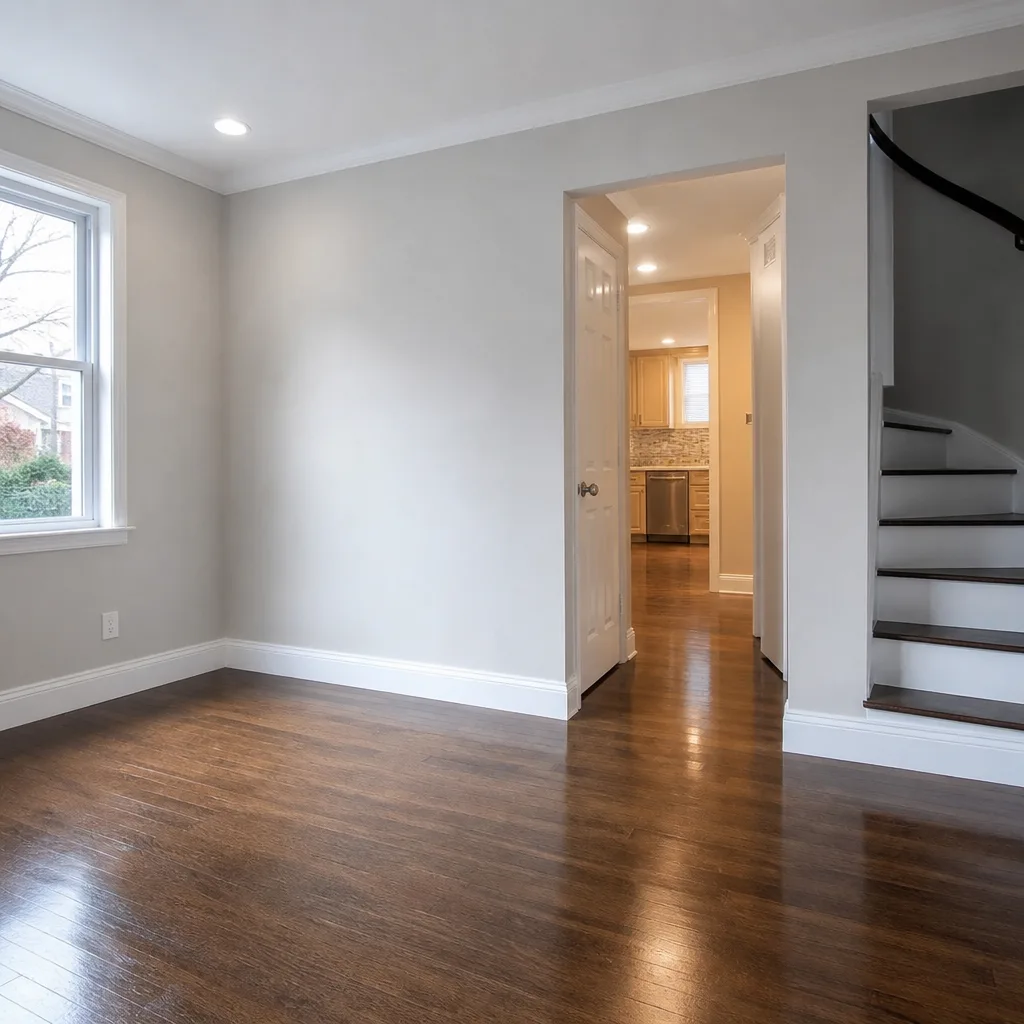 After
After24/7 Emergency Mold Remediation in Middle Village
Mold remediation in Middle Village typically runs $2,800-$6,500 depending on how far the spores have traveled, whether a party wall is involved, and if finished basement space needs demolition. Most jobs take 3-7 days from containment to clearance. If you’re seeing black staining, smelling must, or noticing peeling paint near a baseboard, call (518) 872-6111 right now. A live dispatcher answers at any hour, every day, and we’ll have a crew at your door for a free visual inspection, usually within 45 minutes. Mold doesn’t wait. Neither do we.
Time matters with mold. The longer spores sit in warm, damp wall cavities, the more they colonize drywall, framing, insulation, and the air your family breathes. In Middle Village’s attached brick row houses, that clock runs faster because there’s a shared wall on at least one side of your home. What starts as a small patch behind a bathroom vanity can quietly move into the neighbor’s cavity before anyone notices. We start with containment, remove the moisture source, and dry the structure to the correct standard. Then we rebuild what was cut out, because our Mold Remediation crews handle the whole job, not just the demolition.
Understanding Mold Remediation Severity in Middle Village Properties
Mold remediation severity is measured by square footage of affected material and whether the air quality in the living space is compromised. An isolated patch under a kitchen sink is a contained job. Mold behind a finished basement wall that shares a boundary with the neighbor’s home is a different animal entirely. In Middle Village, where most homes were built between 1940 and 1965, basements were commonly finished decades ago, often as rental units or in-law suites. That means mold in these spaces isn’t hiding behind bare concrete or a furnace room. It’s behind finished drywall, under vinyl plank flooring, and inside cavities that run beneath occupied bedrooms and living areas.
We classify jobs by three levels. Level one is surface mold on non-porous material, under ten square feet. Level two is moderate, ten to thirty square feet, often on drywall or insulation. Level three is what we see all too often in Middle Village: mold in multiple rooms, inside wall cavities, with elevated spore counts in the air. That’s a full containment job with negative air pressure, HEPA air scrubbing, and likely demolition of finished surfaces. The age of these homes matters too. Older mortar joints and parapet walls develop cracks over decades of freeze-thaw cycles, and those cracks become water highways during heavy summer thunderstorms. The water gets in, sits in the wall cavity, and the mold starts.
Why Middle Village Property Owners Choose Floodline Restoration Co.
- 45-minute response commitment. When you call (518) 872-6111, a live person answers. We dispatch a crew from our New York City office and we’re typically at your Middle Village door within 45 minutes, not four hours later.
- 24/7 live answer, never a recording. Two in the morning, Sunday afternoon, doesn’t matter. A person picks up. Not a phone tree, not a callback request. A dispatcher who knows what mold remediation requires.
- IICRC-certified crews, trained in AMRT and WRT. Every technician is background-checked, uniformed, and certified to IICRC standards, including Applied Microbial Remediation Technician and Water Restoration Technician. They know mold, and they know water, because mold is almost always a water problem wearing a disguise.
- Free visual inspection and written scope. We walk the property, identify the moisture source, and give you a written scope of work with actual dollar figures before any demolition begins. No open-ended invoices.
- Direct insurance billing. We work with your carrier from the first phone call and handle adjuster communication, documentation, and billing directly. You don’t play messenger, because with mold in a shared wall, there’s enough to manage already.
- One team from containment to reconstruction. The same crew that sets up negative air pressure also rebuilds the drywall, repaints, and restores the space. No mid-job handoff to a subcontractor who’s never seen the moisture map.
Our Mold Remediation Process
Inspection & Assessment
We start with a walkthrough and moisture mapping across affected areas, plus thermal imaging to find water trapped in wall cavities. In Middle Village row houses, that means checking both sides of shared walls when possible. We identify the moisture source, because if you don’t stop the water, no amount of scrubbing prevents recurrence.
Containment & Stabilization
Before any demolition, we seal the affected area with 6-mil polyethylene and establish negative air pressure using HEPA-filtered air scrubbers. For zero-setback party walls, that containment may extend into the neighbor’s side. We coordinate that access before cutting anything open.
Drying & Dehumidification
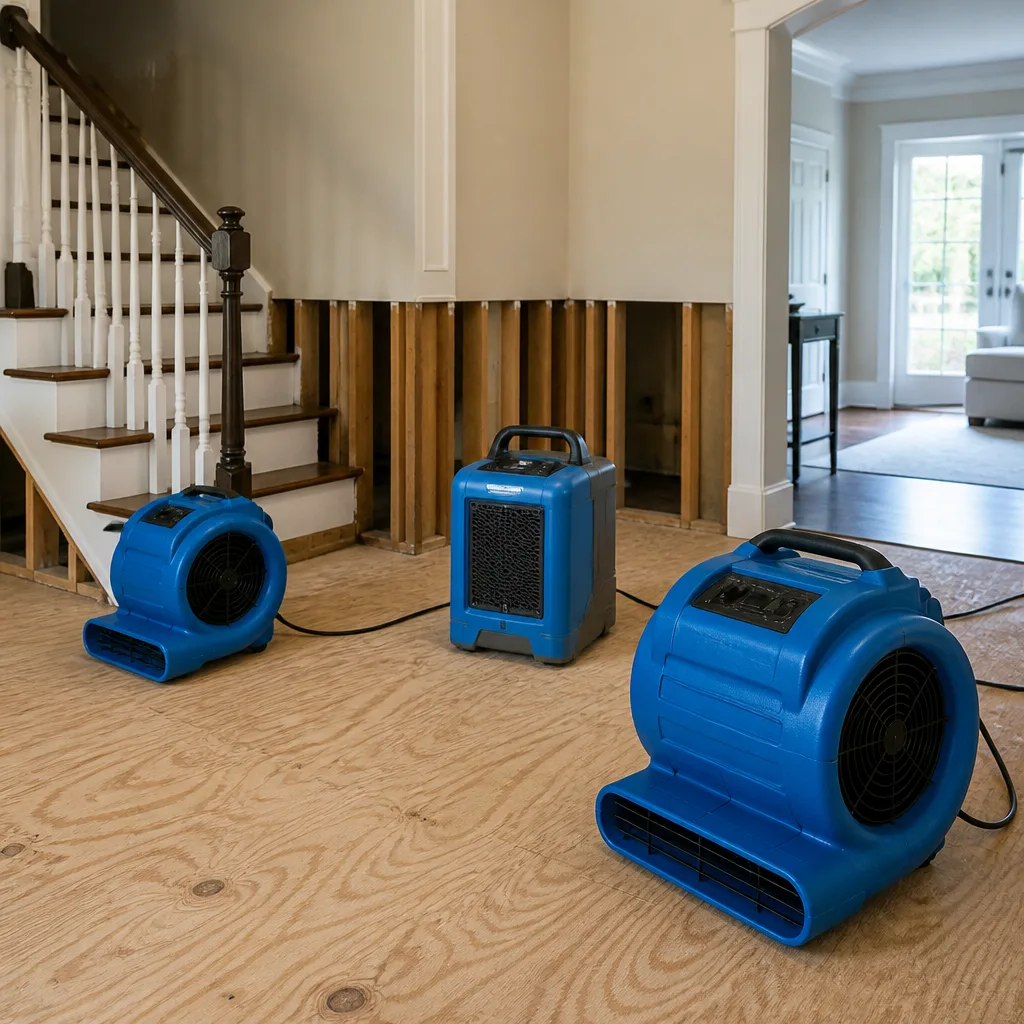
Dri-Eaz dehumidifiers, air movers, and hygrometer-based monitoring bring wall cavities and framing to the drying standard before we touch mold remediation. We log moisture readings daily and give that log to you and your insurer. No guessing, no shortcuts.
Cleaning & Sanitization
HEPA vacuuming of all surfaces, antimicrobial cleaning, and air scrubbing bring spore counts down. We clean the air, not just the visible mold. The goal is pre-loss condition, not merely a surface that looks clean.
Mold Remediation Specialty Treatment
We remove mold-damaged drywall, insulation, or carpet in controlled stages. For black mold, especially behind finished basement walls in 1940s and 1950s construction like much of 11379, full removal of porous materials is usually the only correct fix. We don’t paint over it.
Repairs & Restoration
Once the cavity is dry and spore counts are down, we rebuild. Drywall, insulation, paint, trim. The same Floodline Restoration Co. crew handles it. Finished basements get restored to living space, not left as a concrete shell.
Need Emergency Mold Remediation in Middle Village Now?
Crews minutes away, answering live 24 hours a day. The sooner we start, the less it costs.
Working With Your Insurance Company
Mold claims are tricky. Many policies cover mold remediation when it’s the result of a covered water event, like a burst pipe or storm-driven flooding. They rarely cover mold that developed slowly from humidity or deferred maintenance. Which means documentation matters from hour one. We photograph everything. We log moisture readings daily. We write a line-item scope that your adjuster can actually read and verify. Then we talk to them directly, because you shouldn’t be the one explaining the difference between Category 1 and Category 3 water to an insurance desk. You should be getting your home back.
What We Provide Your Insurer
- Thorough documentation of the loss
- Photos of all damage, room by room
- Moisture readings and drying logs
- A detailed, line-item scope of work
- Direct coordination with your carrier
Built for Middle Village’s Loss Calendar
Middle Village has a mold season, and it doesn’t follow one pattern. January and February bring deep freezes that burst supply lines in exterior walls, sending water into finished basements and first-floor ceilings while homeowners are at work or away. Spring thaw saturates the clay-heavy soil around foundations, and basement seepage follows. July and August thunderstorm season is the worst stretch. Central Queens sits over aging combined sewer infrastructure that backs up when heavy rain overwhelms the system. Below-grade spaces in Middle Village take on Category 2 water with alarming regularity, and the neighborhood learned that lesson painfully during Ida’s remnants in September 2021, when finished basement living spaces across central Queens flooded. September and October bring nor’easters and wind-driven rain that pushes water through aging parapet walls and brick mortar. None of these events announce themselves. Every one of them, left untreated, becomes a mold problem within 48 to 72 hours.
Mold Remediation Across Middle Village’s Neighborhoods
Middle Village is laid out in a tight grid of brick and stucco homes between Woodhaven Boulevard, Metropolitan Avenue, the Long Island Expressway, and Juniper Valley Park. The housing stock is nearly all attached or semi-detached, built between 1940 and 1965, with finished basements common throughout. Around 74th Street and 75th Street, between Juniper Valley Park and Juniper Boulevard South, we see a lot of row houses with shared basement walls and decades-old drywall. On the east side, near 79th Street and 80th Street close to the Lutheran Cemetery, crawl spaces are more common, and crawl space treatment jobs run differently than basement jobs elsewhere in the neighborhood. Down by Metropolitan Avenue, mixed-use buildings add a commercial element, with stores below and apartments above, which means mold water from one unit travels down and across. We respond to all of it from the same dispatch board, with crews that know the block layouts and the parking constraints of narrow streets. When we pull up to a zero-setback row on 74th Street, we already know the drill: park on the avenue, walk the equipment in, and keep the neighbor’s driveway clear.
Specialized Mold Remediation Services We Offer in Middle Village
Mold Inspection & Testing
In Middle Village’s attached homes, inspection isn’t just about finding visible mold. It’s about finding where water got in behind a party wall, under a slab edge, or through a cracked parapet. We use thermal imaging, moisture meters, and, when needed, air sampling to map the actual extent of the problem. A visual-only inspection on a row house misses too much.
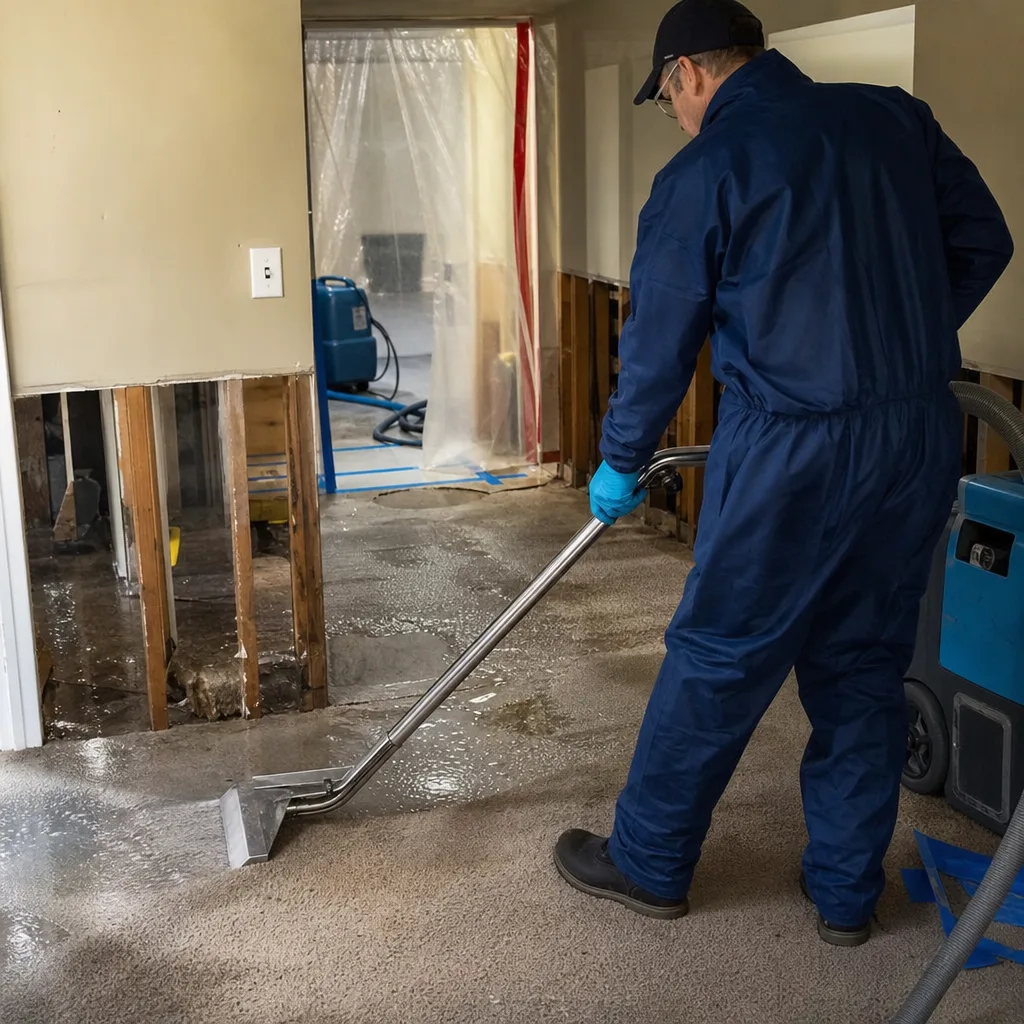
Mold Removal
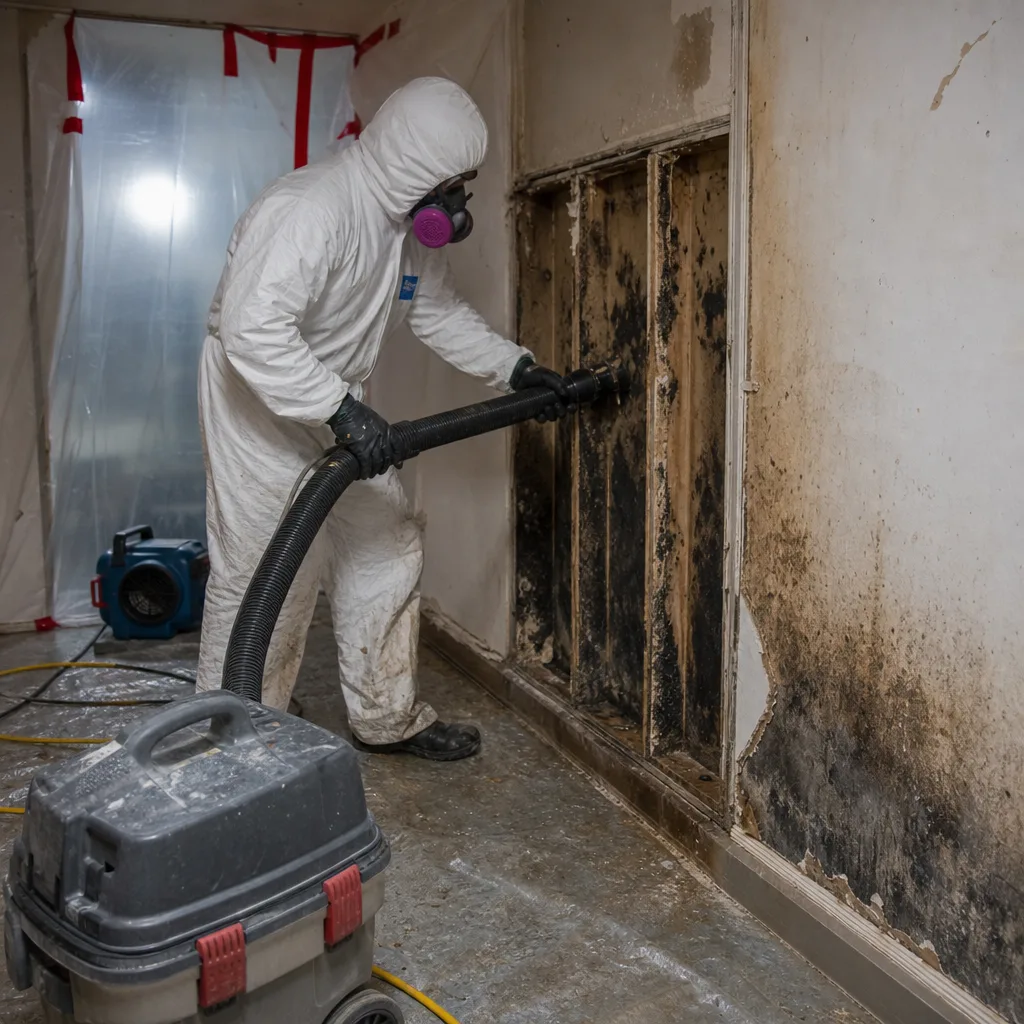
Removal means physically removing contaminated materials, not spraying bleach on drywall and hoping. On 1950s construction, that usually means cutting out finished basement walls, pulling insulation, and treating framing. We do it under containment so spores don’t cross into the neighboring unit or up into your living space.
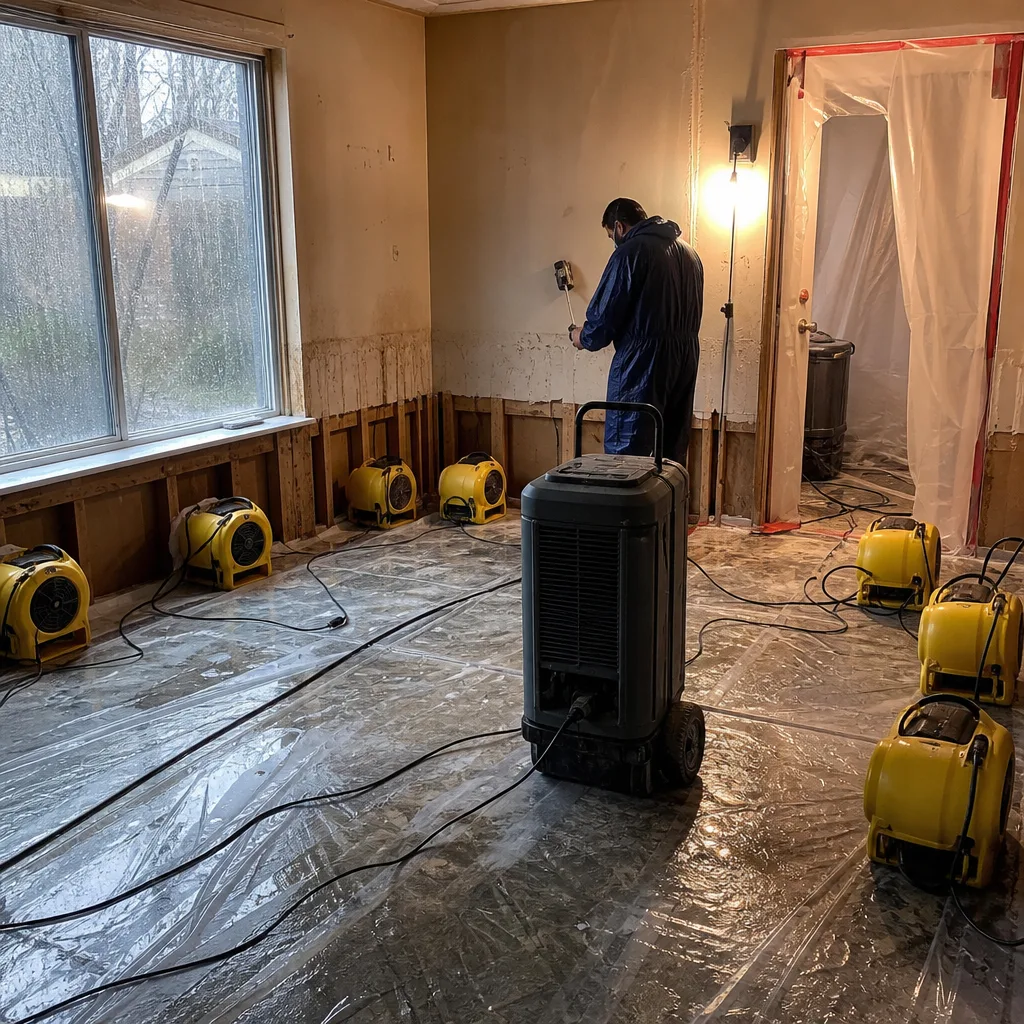
Black Mold Remediation
Black mold, Stachybotrys chartarum, loves drywall that’s been wet for days, which is exactly what Ida left behind in many Middle Village basements. Remediation under full containment is non-negotiable. HEPA filtration, negative air, and removal of all porous materials with mold growth. It’s slower and more careful than standard mold removal, and that’s the point.
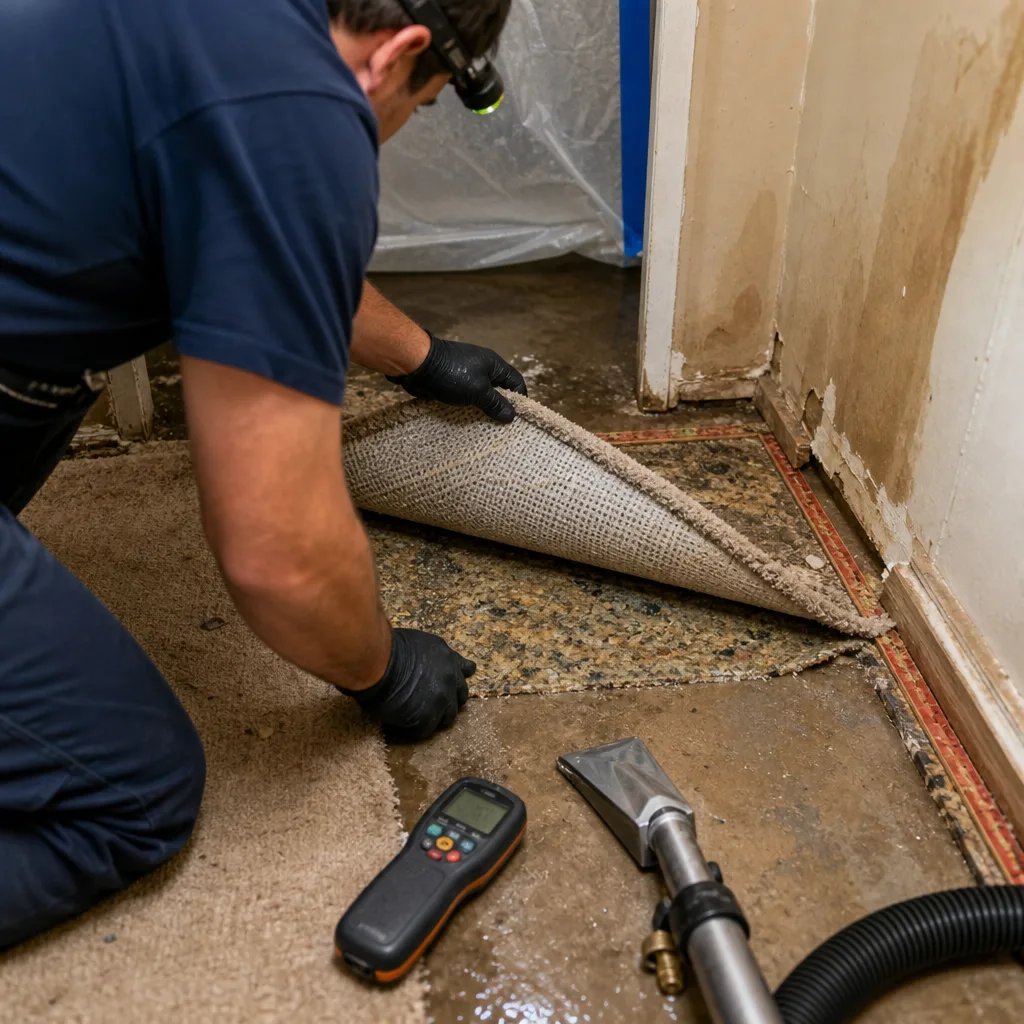
Air Quality Restoration
After the mold is removed and the cavity is dry, the air has to be returned to normal. We run HEPA air scrubbers for the duration of the job, then verify with clearance testing. In an attached home, that often includes checking the neighbor’s air too, because if spores moved through a shared wall cavity, we need to know.
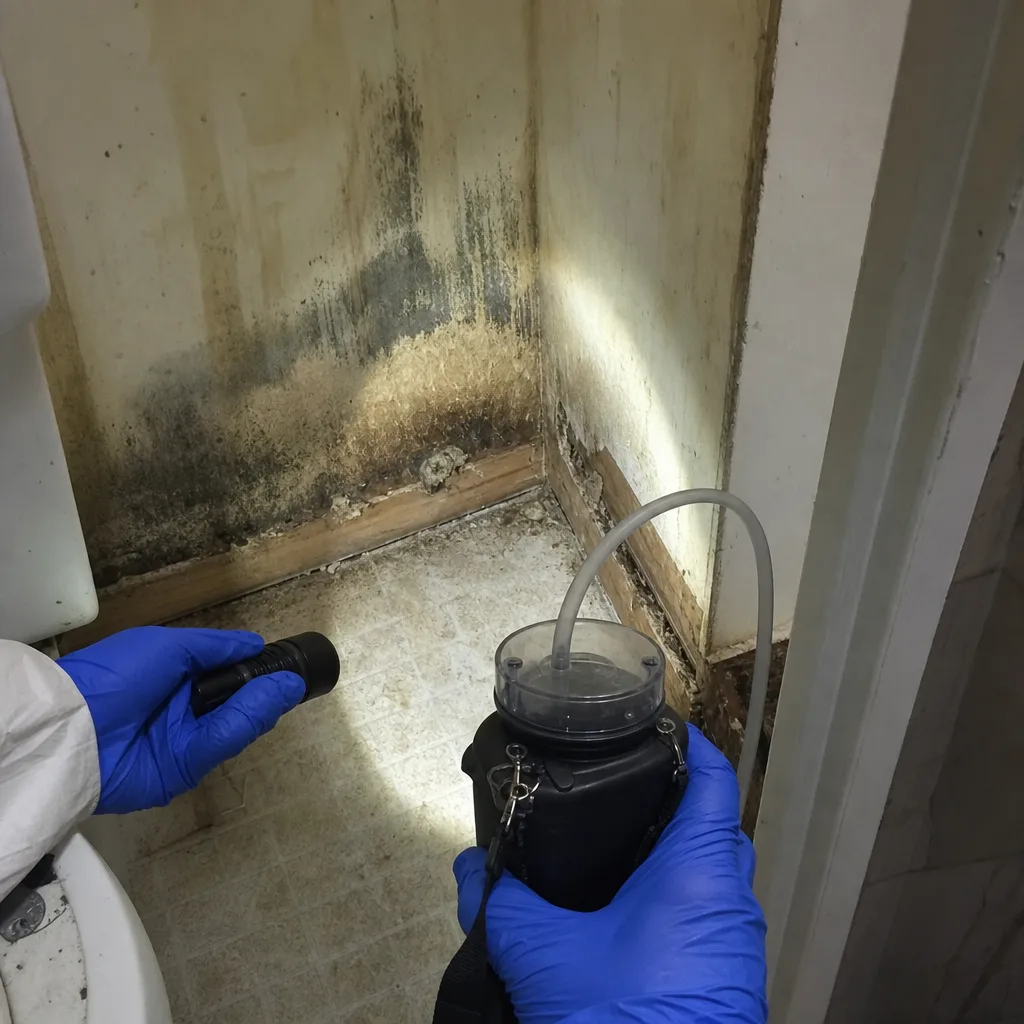
Crawl Space Treatment
East side homes near the cemeteries and some of the older blocks off Metropolitan have crawl spaces. Mold here comes from ground moisture and poor ventilation. We install vapor barriers, treat the wood framing, and dry the space to spec. It’s a different job than a basement, and we treat it as one.
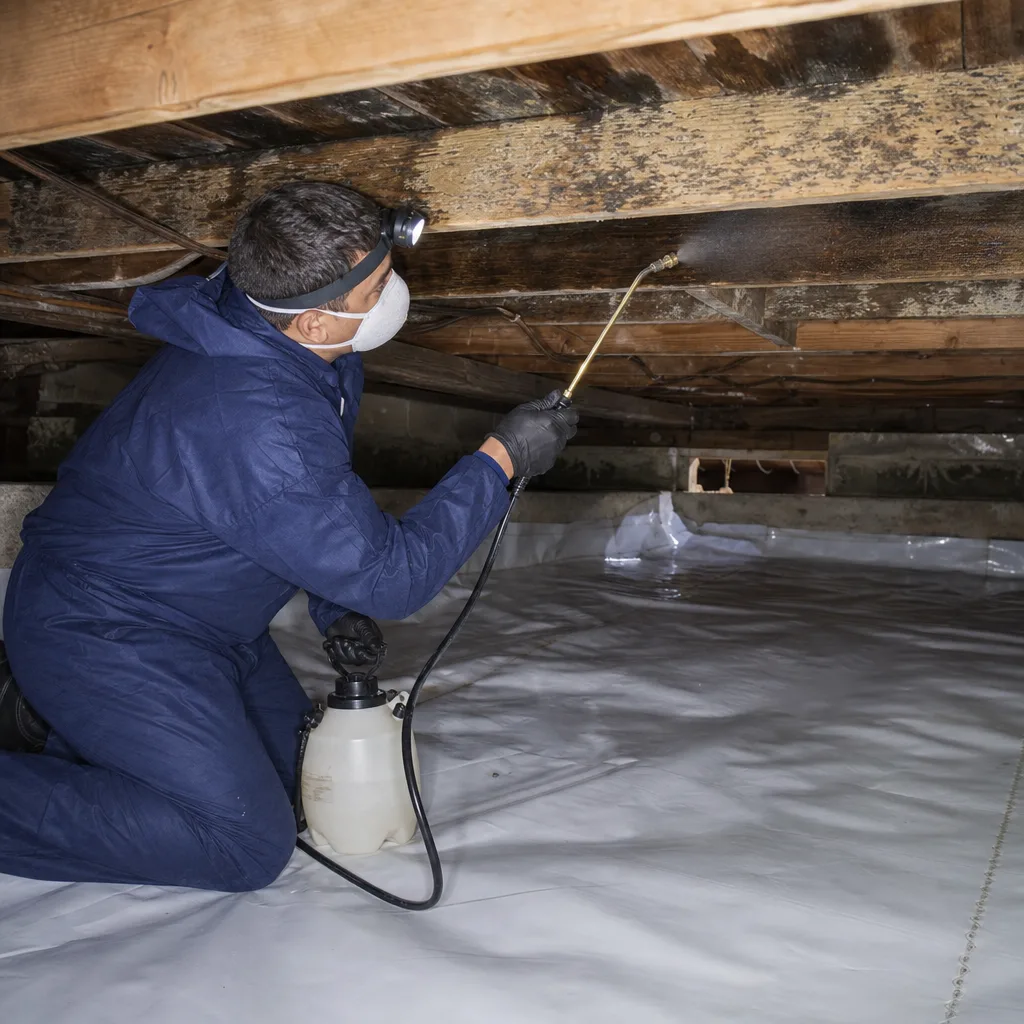
Moisture & Humidity Control
A finished basement with no dehumidification is a mold farm. We assess humidity levels, install and size dehumidifiers, and recommend drainage improvements where appropriate. The goal is to leave the space dry enough that mold can’t return, which is the only guarantee worth making.
What happens when you call
- 1
A real person answersNo phone trees - you reach a local pro.
- 2
You get an upfront price rangeHonest numbers before anyone is dispatched.
- 3
A background-checked tech heads outLicensed & insured, dispatched right away.
- 4
You approve before work beginsNothing starts until you say go.
Mold Remediation Costs in Middle Village, NY
Middle Village mold remediation pricing breaks down by scope. A small contained job, like a bathroom vanity leak, runs $1,800-$2,600. A standard finished basement job with full containment, demolition, drying, and rebuild typically lands between $3,500 and $6,000. A multi-room black mold job behind a shared party wall can push $8,000-$12,000 or more depending on how many rooms are involved and how far the spores traveled. Insurance covers much of the cost in covered water events, and we bill the carrier directly. Your out-of-pocket is usually just your deductible. The free inspection gets you a written scope with real numbers, so you know the price before we cut anything open. A square deal, no surprises on the bill.
We Also Serve Cities Near Middle Village
Our crews regularly run mold remediation and air quality restoration throughout central Queens, including Elmhurst, Forest Hills, Corona, and Jackson Heights. Same live dispatch, same IICRC-certified crews, same written guarantee. If you’re in a neighboring ZIP and seeing mold, call the same number: (518) 872-6111.
Serving Middle Village, NY - Our Local Coverage Area
We’re based in the Middle Village area and know this community well. Use the map below to see our service coverage - if you’re nearby, we can almost certainly help.
Middle Village Mold Remediation Questions, Answered
How do you handle mold in my Middle Village basement if it shares a wall with my neighbor’s house?
We install containment on both sides of the shared wall, which means coordinating access with your neighbor and their property, often before demolition starts. That’s now routine for us in Middle Village. One job on 74th Street involved a black mold outbreak in a finished basement where an Ida-era flood had saturated drywall behind a shared party wall. We set up negative-air containment and ran Dri-Eaz dehumidifiers and air movers for five days, logged moisture readings until the wall hit pre-loss condition, and coordinated with the neighbor’s adjuster to access the opposite side of the shared wall. Call (518) 872-6111 and we’ll walk you through it.
Does my 1950s brick row house need a different mold remediation approach than a detached home?
Yes. Detached homes have four exterior walls. Your row house shares at least one, and often two, so the remediation footprint is different. We can’t just cut from one side and call it done. Shared wall cavities have to be accessed from whichever side is affected, and sometimes from both. The brick and block construction also holds moisture differently than wood framing, so drying times run longer. Experience with 1940s and 1950s row houses in 11379 is what makes the difference.
Can you remediate mold in a finished basement that was flooded during Hurricane Ida without tearing out all the drywall?
Sometimes. We cut only what’s contaminated. If the drywall was saturated and mold colonized the paper face or the cavity behind it, that section has to come out. Drywall that dried quickly and shows no mold, measured with meters, can often stay. The reality in many Middle Village basements is that the water sat long enough to wick up the walls, and the affected material is extensive. We show you exactly what we’re cutting and why before demolition starts.
Do I need to move out during mold remediation in a Middle Village attached home?
For a contained small job, usually not. For a multi-room black mold remediation with full containment and air scrubbing, the affected area is sealed off, but the rest of the house stays livable. If the job is large enough that dust, HEPA equipment, and crew traffic make staying uncomfortable, we’ll tell you that honestly at the inspection. In an attached home, we also tell you whether the containment area will affect shared hallways or the neighbor’s access.
How do you deal with parking and equipment access on narrow Middle Village streets?
We send crews who know the block layouts. Equipment unloads curbside or on the avenue, then comes in on wheeled dollies. HEPA scrubbers and dehumidifiers are compact enough for any doorway. Zero-setback between homes means we’re often walking gear through a narrow side alley or through the neighbor’s driveway with permission. We’re used to it. It doesn’t slow us down.
How fast can you actually get to my house in Middle Village?
Typically within 45 minutes of your call. A live dispatcher answers 24/7, and we dispatch immediately from our New York City office. In bad weather or after a major storm event, response times can stretch slightly, but we run extra crews during storm season because we know what’s coming. The number is (518) 872-6111. Call it now.
Will my insurance cover mold remediation in Middle Village?
Coverage depends on the source of the water. Mold from a sudden covered event, like a burst pipe or storm flooding, is usually covered. Mold that developed over months or years from high humidity or slow seepage often isn’t. We document everything from the first hour, which gives you the best possible chance of a fair claim. We also work with your adjuster directly and bill the carrier. Call us for a free inspection and we’ll review your situation honestly.
What should I do in the first 30 minutes after I find mold in my Middle Village home?
Stop the water if you can see the source. Shut off the supply line or the main if needed. Don’t disturb the mold: no scrubbing, no touching it. Turn off fans, because moving air spreads spores. Close doors to unaffected rooms. Then call (518) 872-6111. A live person answers, and we’ll tell you exactly what to do next while the crew is on the way.
Written by Curt Bowman, Owner at Floodline Restoration Co., serving Middle Village and central Queens with certified mold remediation for over 42 years.