

Free visual inspection and a written scope of work before any mitigation begins - photos, moisture readings, and drying logs go in your claim file
The scope we write is the scope we bill. Anything new gets shown to you, in writing, before we touch it.
Storm responseSewage cleanup
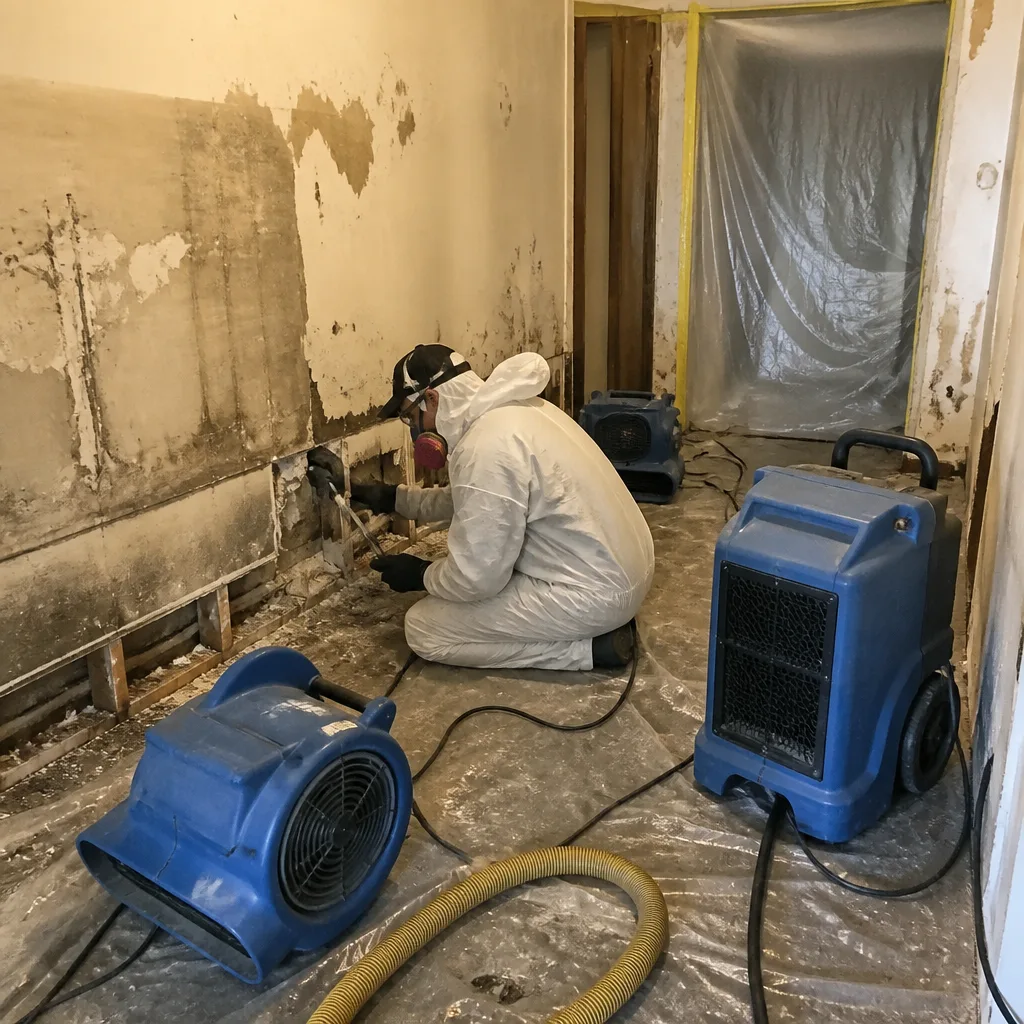 Before
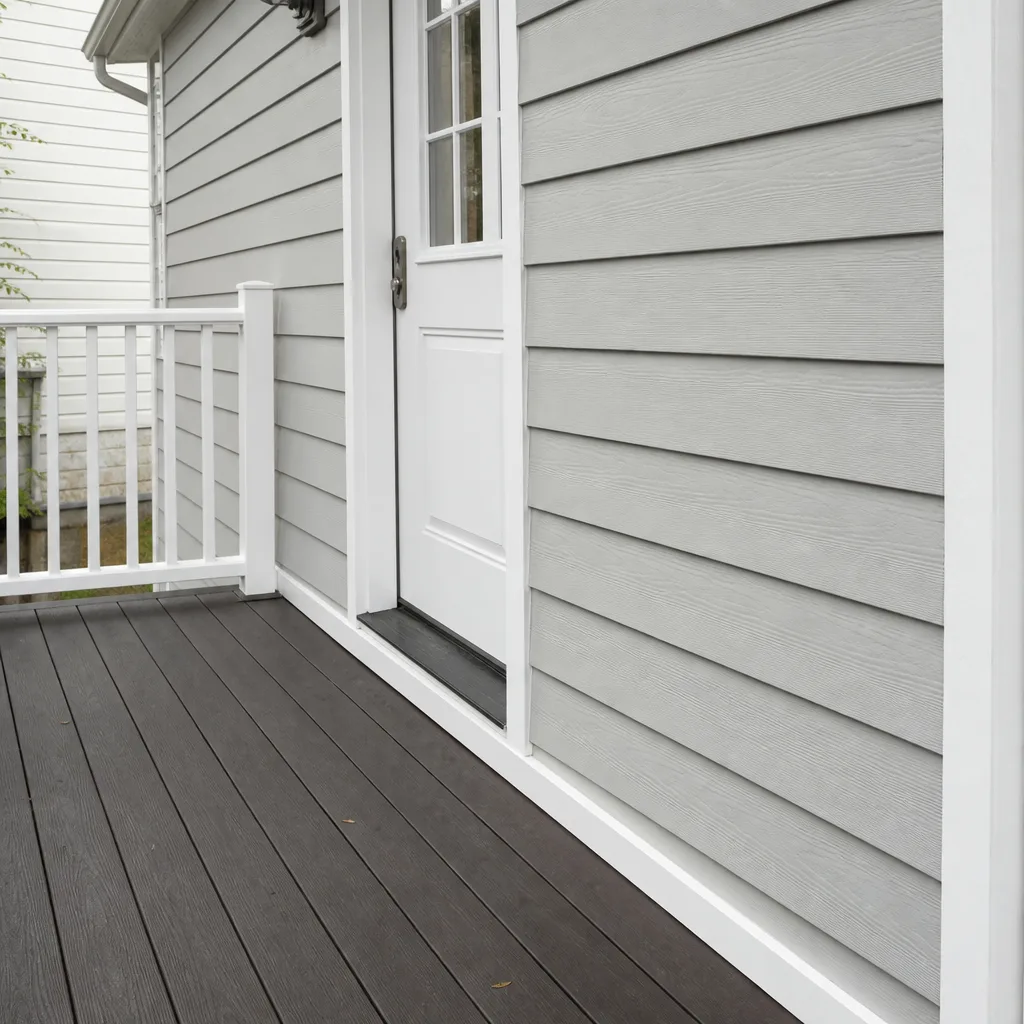 After
After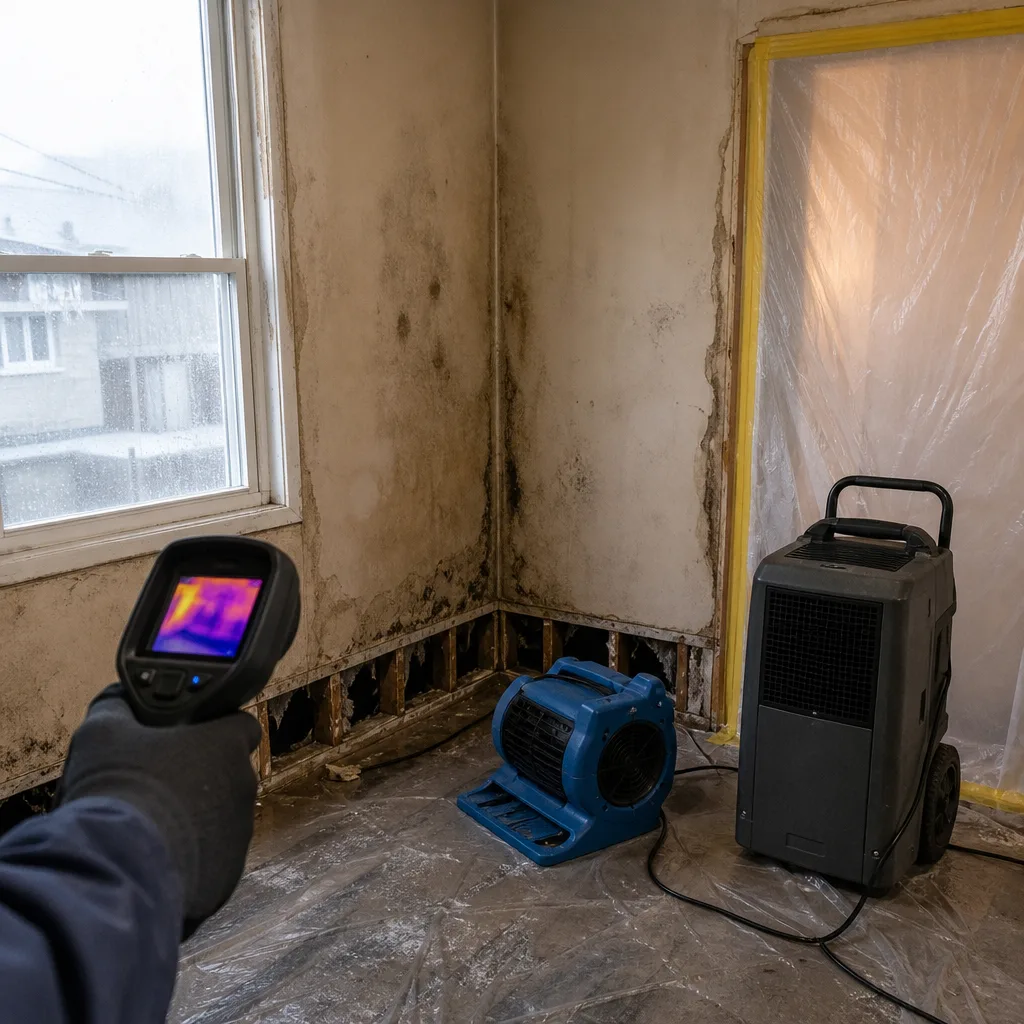 Before
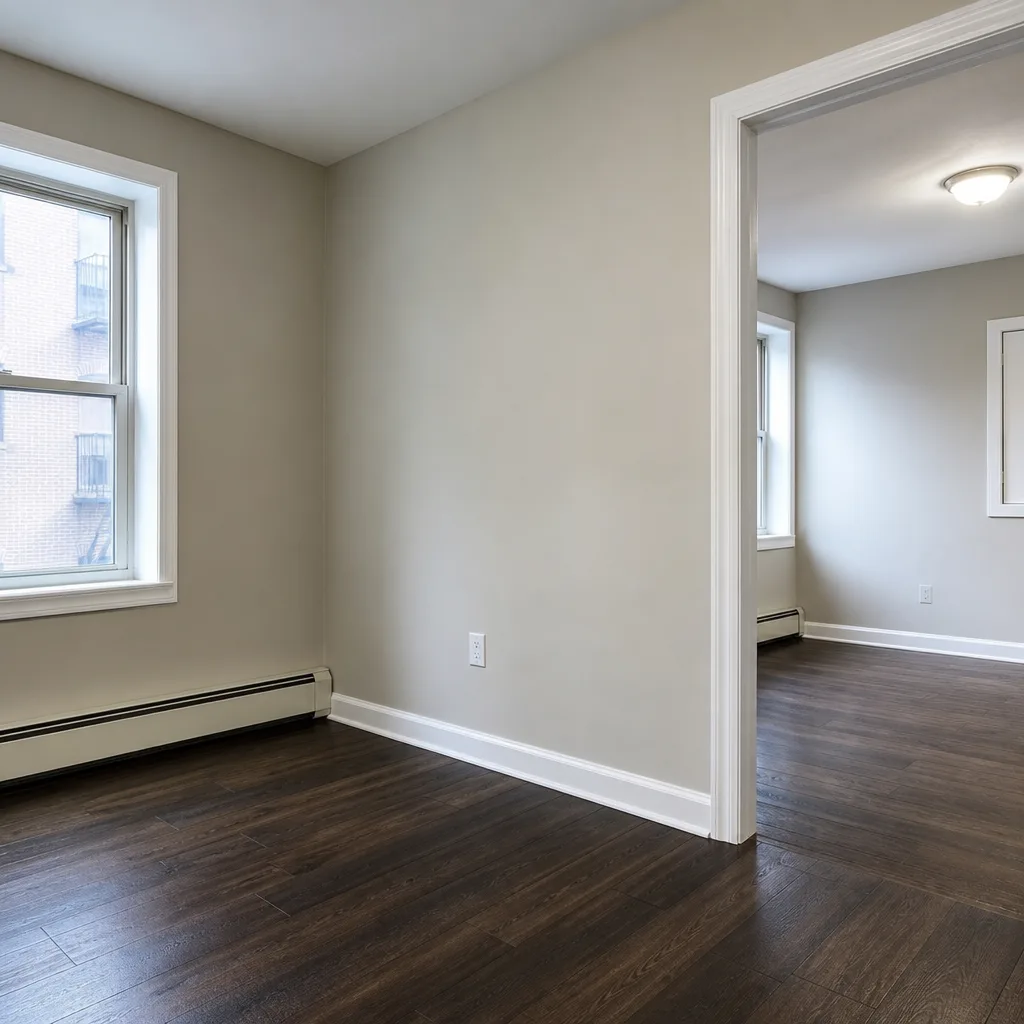 After
After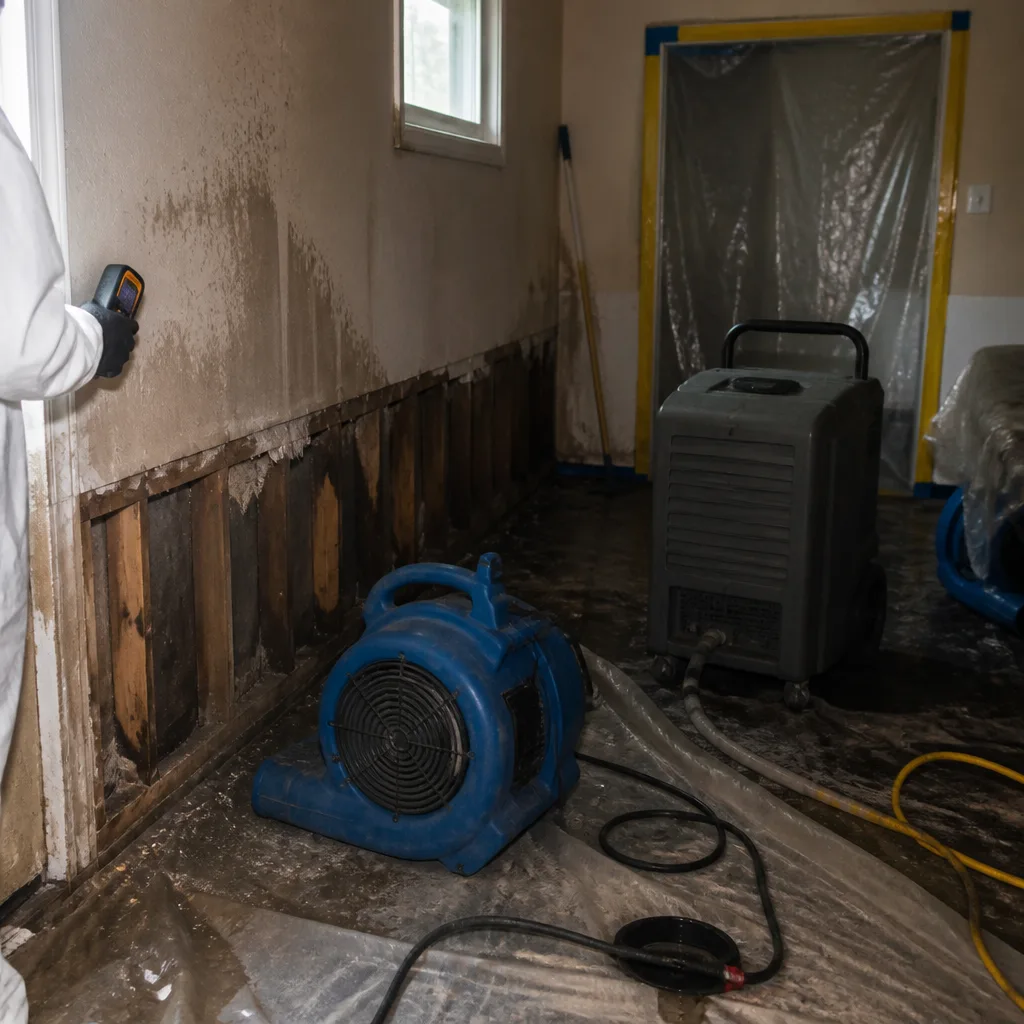 Before
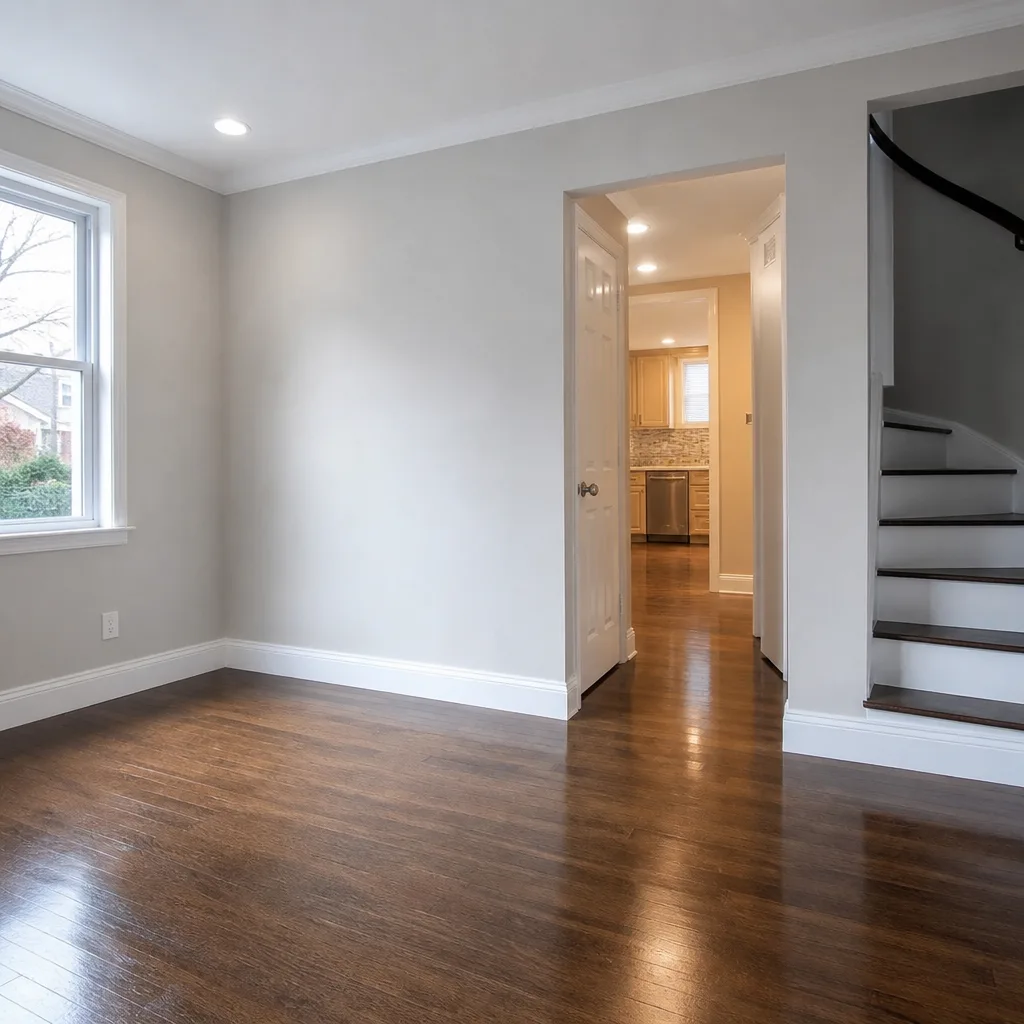 After
After24/7 Emergency Mold Remediation in Richmond Hill
Mold remediation in Richmond Hill typically runs $1,800 to $6,500 depending on square footage, containment needs, and how far moisture traveled behind original plaster walls. Our crews answer live at (518) 872-6111 around the clock, and we dispatch into 11418 the same day you call. If you’ve found visible mold or smell that musty, earthy odor in a basement or behind a wall, the first hour matters because spores spread fast through attached row house cavities, and every day of delay widens the scope of demolition and pushes the bill higher.
We do free visual inspections in Richmond Hill. A uniformed, background-checked technician walks the affected space, takes moisture readings, and tells you plainly whether you need full remediation or just targeted cleaning. No pressure, no inflated estimates, no fear-selling. You get a written scope before any work starts, and the 90-Day Done Right Promise in writing when it does.
Understanding Mold Remediation Severity in Richmond Hill Properties
Not every mold call in Richmond Hill is the same. We classify severity three ways. Surface mold is the easiest: visible growth on drywall or framing with moisture readings below 20%, typically from condensation or a one-time leak. This usually needs containment, HEPA air scrubbing, antimicrobial treatment, and source repair. Embedded mold is what we find most often in 11418: moisture that wicked into original horsehair plaster, behind lath, or under floorboards in row houses built between 1895 and 1925, where fungal growth lives inside wall cavities. This requires negative air pressure containment, demolition of saturated plaster, and structural drying until readings hit pre-loss condition. Category 3 water gets involved when sewage backs up through Richmond Hill’s aging combined sewer laterals, and that gray or black water drives mold colonization within 48 to 72 hours if not dried properly.
The building stock here makes severity assessment harder than it looks. Plaster hides moisture for days. Shared masonry party walls mean one unit’s leak becomes two units’ mold. And finished basements added informally over decades often trap humidity behind paneling where no one looks until the smell gives it away. A quick visual once-over is not enough; we use thermal imaging and moisture meters to map what’s actually wet.
Why Richmond Hill Property Owners Choose Floodline Restoration Co.
- 45-minute response commitment. When you call with an active mold issue in Richmond Hill, a certified crew is dispatched immediately and typically reaches your block within 45 minutes.
- A live person answers, every time. Not a recording, not a call center. A dispatcher at our New York City office picks up at two in the morning and sends a crew.
- IICRC-certified technicians. Our crews hold IICRC certifications including AMRT (Applied Microbial Remediation Technician) and WRT (Water Restoration Technician). They’re background-checked and uniformed.
- Free visual inspection. We look first, give you honest findings, and write a scope you approve before we start. No surprises on the bill.
- Direct insurance billing. We bill your carrier directly and talk to your adjuster ourselves. You never play messenger between us and the insurance company.
- One team, start to finish. From mold remediation to the rebuild of damaged plaster and trim, the same Floodline crew handles it. No handoff, no inherited subcontractors.
Our Mold Remediation Process
Inspection & Assessment
We map the moisture with thermal imaging and hygrometer readings across all affected surfaces, including adjacent units in attached row houses where shared party walls may hide spread. You get a written scope of work, not a verbal promise.
Containment & Stabilization
We seal the affected area with 6-mil polyethylene sheeting and establish negative air pressure so spores don’t migrate to the rest of your home or your neighbor’s. HEPA air scrubbers run throughout the job.
Drying & Dehumidification
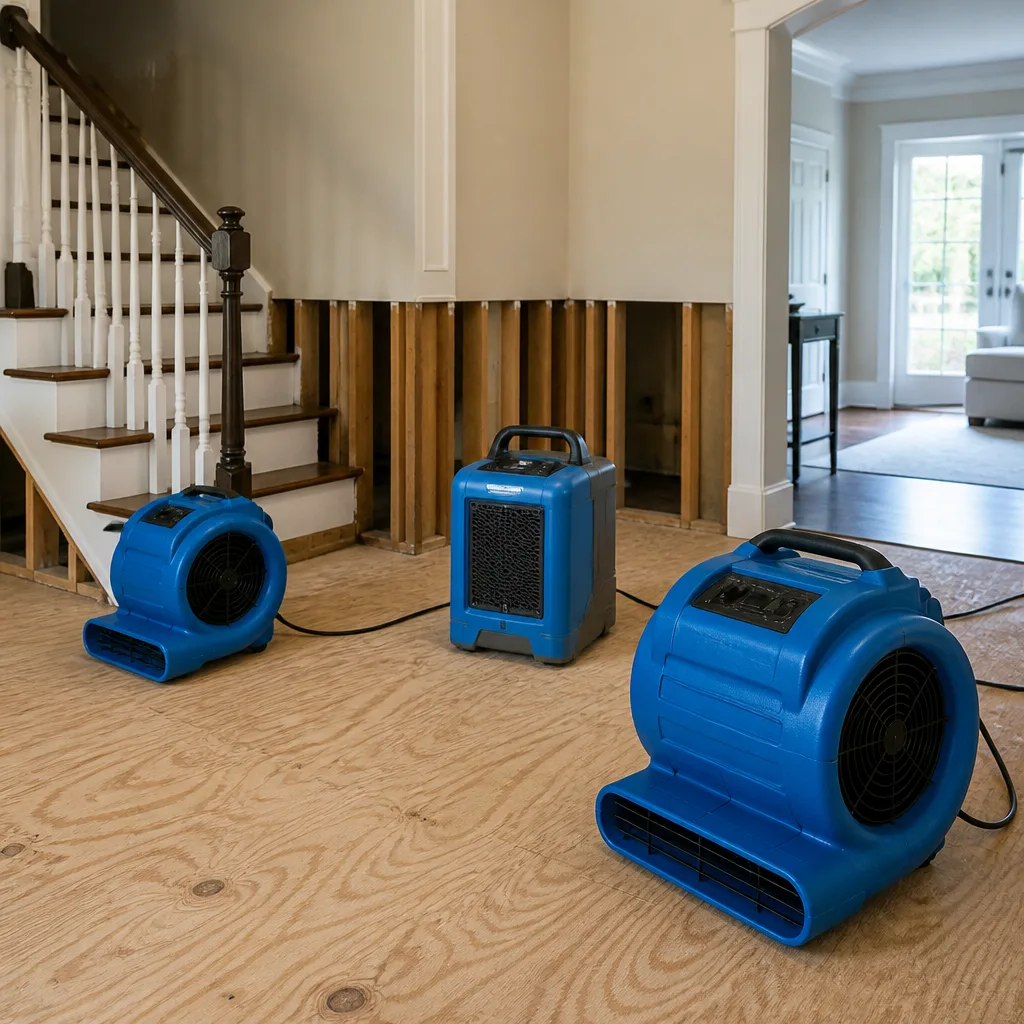
Dri-Eaz dehumidifiers and air movers pull moisture from plaster, framing, and subfloor until daily readings show pre-loss condition. We log every reading and hand you and your carrier the full moisture log.
Removal & Sanitization
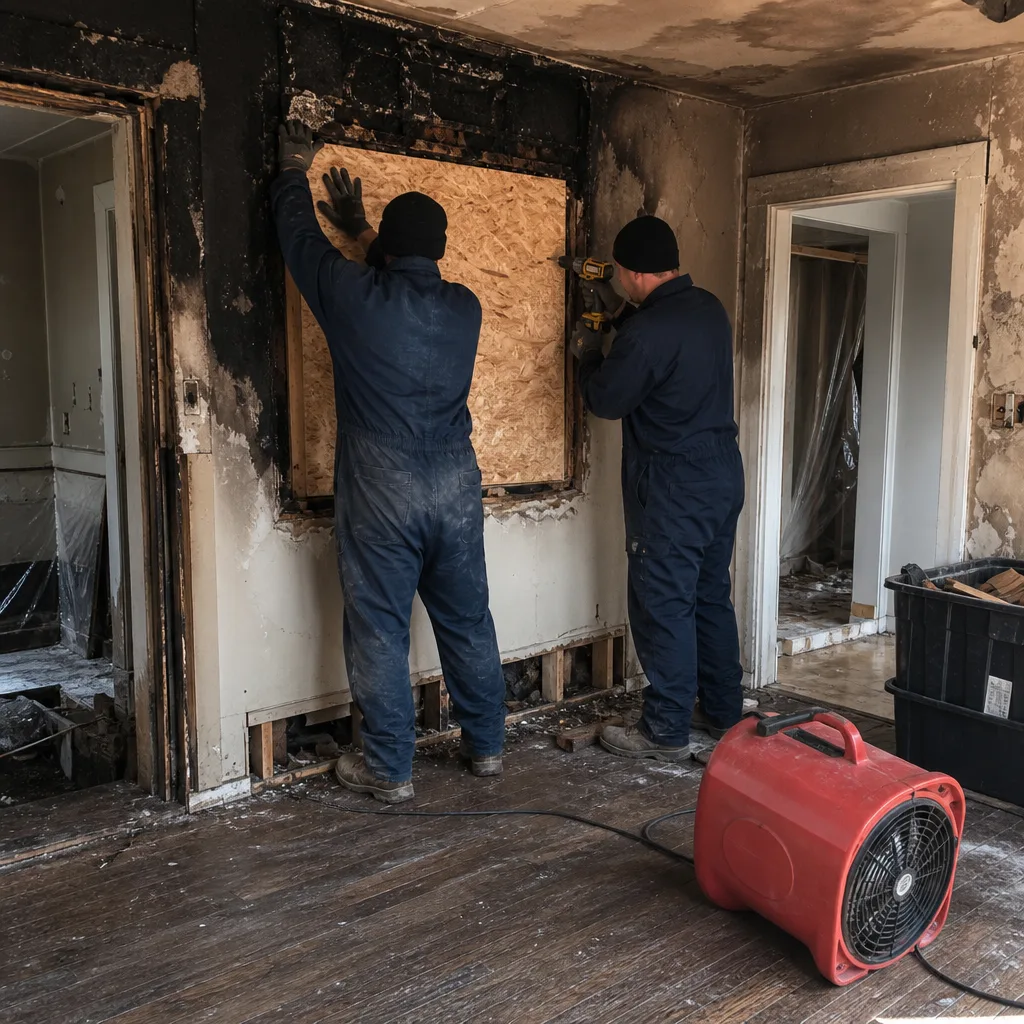
Saturated plaster, lath, drywall, insulation, and any porous material that can’t be saved are removed under containment. Antimicrobial treatment is applied to remaining structural surfaces.
HEPA Filtration & Air Scrubbing
We run HEPA-filtered air scrubbers to capture airborne spores, and perform clearance sampling so you know the air is clean before containment comes down.
Repairs & Restoration
The same certified crew rebuilds what was removed: plaster patching, drywall, paint, trim, and any structural repairs. Done right, and backed in writing by the 90-Day Done Right Promise.
Need Emergency Mold Remediation in Richmond Hill Now?
Crews minutes away, answering live 24 hours a day. The sooner we start, the less it costs.
Working With Your Insurance Company
Mold claims in Richmond Hill are rarely straightforward. Your carrier will ask when the moisture started, whether the source was sudden and accidental, and whether the affected space was finished or unfinished at the time of loss. We document everything from the first hour: photos room by room, moisture readings, the exact source of the leak, and a line-item scope that matches industry estimating standards. We talk directly to your adjuster, send documentation same day, and push for coverage on the full remediation scope, not just the visible patch.
What We Provide Your Insurer
- Thorough documentation of the loss
- Photos of all damage, room by room
- Moisture readings and drying logs
- A detailed, line-item scope of work
- Direct coordination with your carrier
Built for Richmond Hill’s Loss Calendar
Mold calls in Richmond Hill follow the weather and the building stock, and the calendar is predictable if you’ve worked here long enough. Winter brings nor’easters and the occasional deep freeze that bursts original cast-iron supply lines in unheated basements and crawl spaces. That water sits behind plaster, wicks upward, and by the time homeowners notice the ceiling stain, mold is already established. Spring thaw and heavy April rain flood the neighborhood’s aging combined sewer laterals, pushing gray water back up into basement floor drains. Summer thunderstorms overwhelm the same system faster than it can drain, and the humid Queens summer keeps basements damp for weeks. Fall is when we find the cumulative damage: homeowners open basement walls before winter, discover the mold that’s been growing since spring, and call us. Every single one of these scenarios is a regular part of our Mold Remediation work in 11418.
Mold Remediation Across Richmond Hill’s Neighborhoods
Richmond Hill’s blocks each have their own rhythm, and response routes matter when you’re running emergency calls. Homes along 88th Avenue and 89th Avenue in the heart of the neighborhood are mostly attached brick and frame row houses from the early 1900s, and we regularly set containment across shared party walls there because mold doesn’t respect a property line. Over near Forest Park and the streets off Park Lane South, the houses are somewhat larger but just as old, and the finished basements down there host a lot of hidden moisture behind paneling and sheetrock. Along Liberty Avenue and Atlantic Avenue, the commercial storefronts sit above residential upper floors, and a roof leak into an apartment can send mold through floor cavities into the shop below. The blocks off 101st Avenue near the old Maple Grove Cemetery have a mix of semi-detached two-families where we coordinate mold work between owner and tenant, often with two insurance carriers involved. In each of these pockets, the same truth holds: houses built before 1930 move moisture differently than a newer home in Middle Village would. We know the difference because we’ve pulled saturated horsehair plaster out of these walls for years.
Specialized Mold Remediation Services We Offer in Richmond Hill
Mold Inspection & Testing
Before we remediate, we identify what we’re dealing with. In Richmond Hill’s older homes, that means checking behind plaster for hidden moisture and taking air samples when the source isn’t visible. We test where it matters: basements, crawl spaces, behind built-in cabinetry, and around original window frames where condensation gathers.
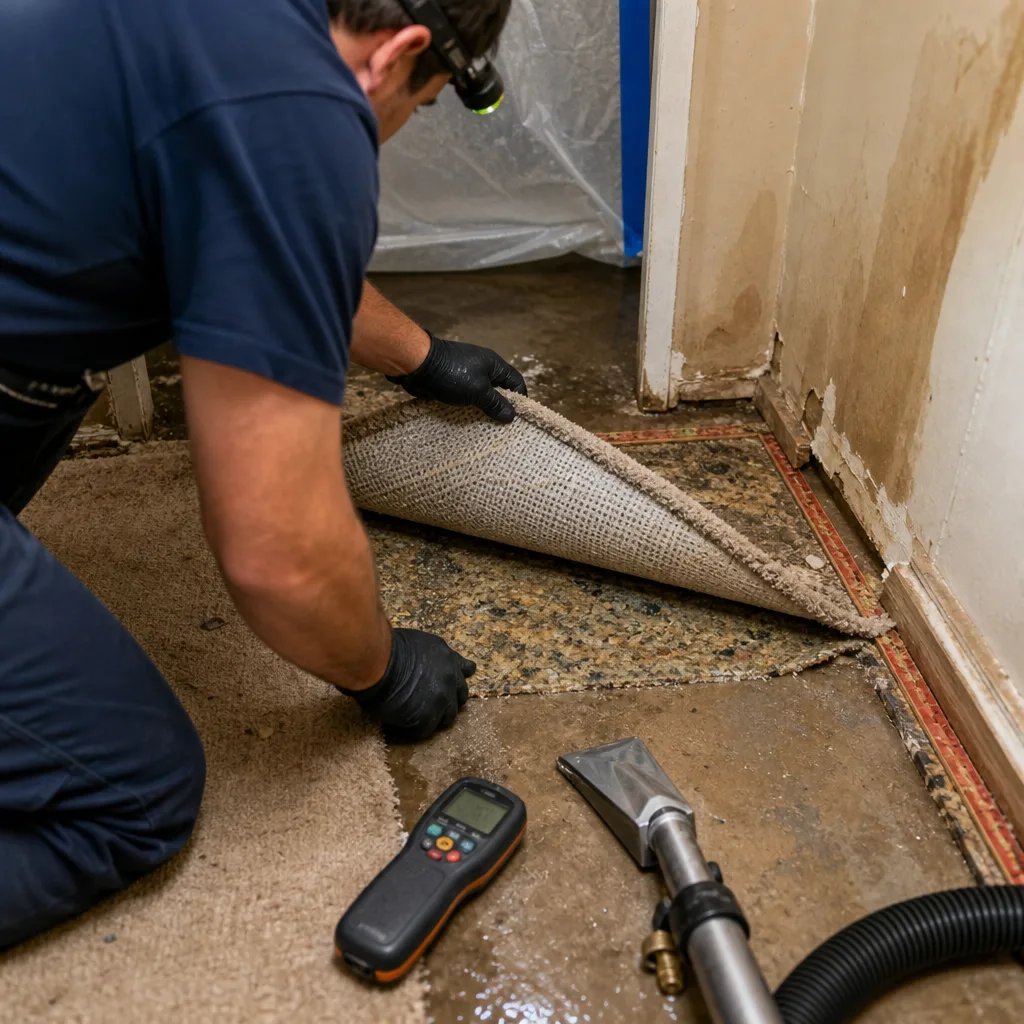
Mold Removal
Physical removal of contaminated plaster, lath, drywall, insulation, and flooring, done under containment. In row houses, we take extra care with shared walls so we don’t spread spores to the unit next door. This is not a spray-and-walk job; it’s demolition, drying, and reconstruction done by one crew.
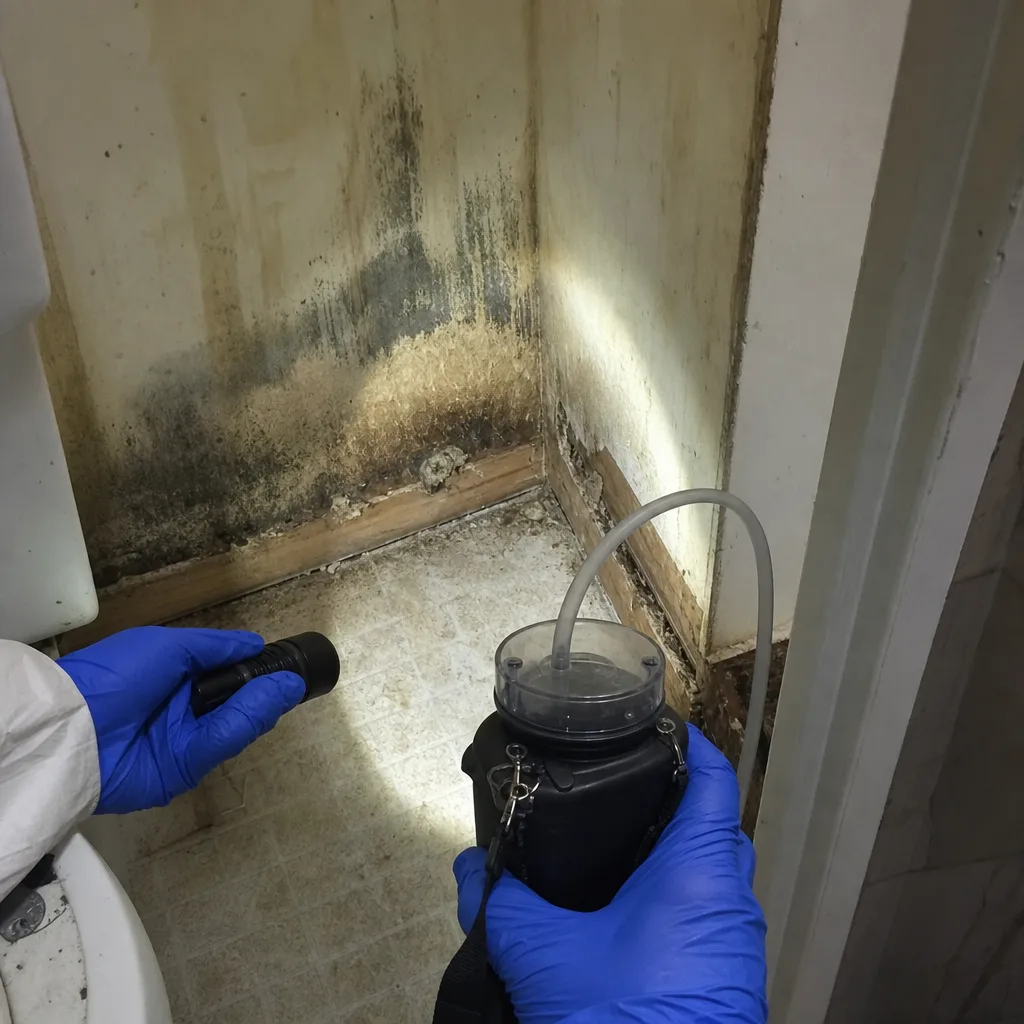
Black Mold Remediation
Stachybotrys chartarum appears where water sat for days or weeks, common in Richmond Hill basements hit by sewer backups. We set full containment, run HEPA scrubbers, remove affected material, apply antimicrobial treatment, and verify the space with clearance testing before anyone lives or works there again.
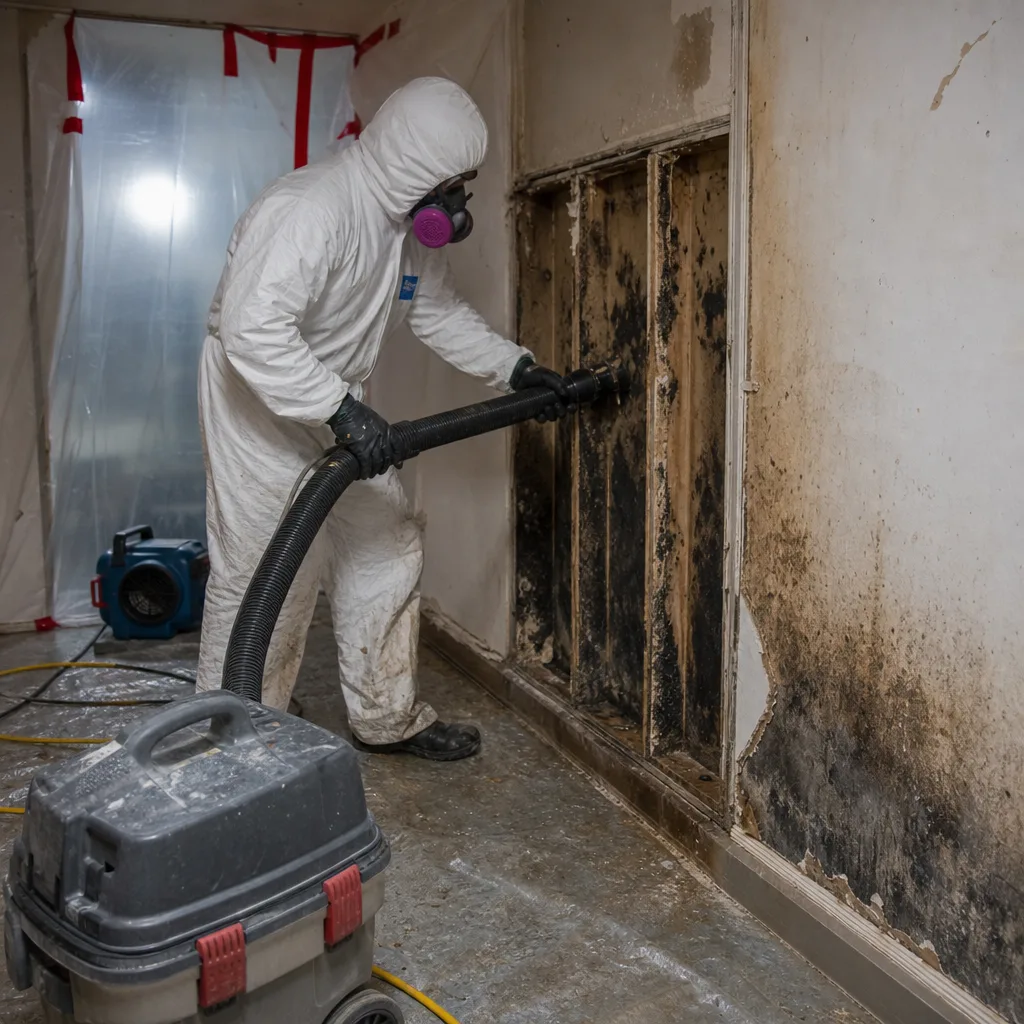
Air Quality Restoration
After remediation, airborne spore counts can stay elevated for days. We run HEPA air scrubbers and perform clearance air sampling so you can see the numbers. If you’ve had ongoing respiratory irritation or that musty smell won’t leave, air quality restoration is often the piece that finishes the job.
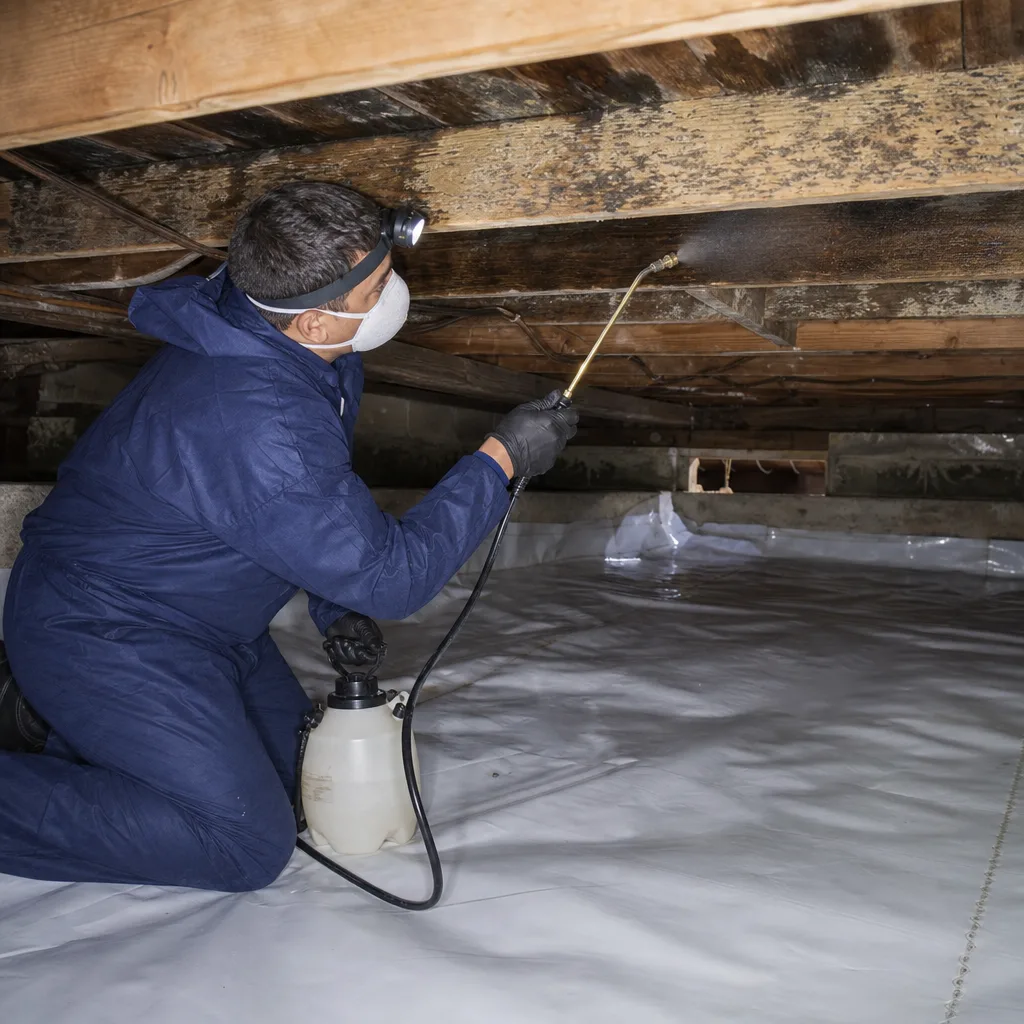
Crawl Space Treatment
Richmond Hill’s older homes often have shallow crawl spaces over rubble-stone or brick foundations, chronically damp and rarely inspected. We treat the framing, install or upgrade vapor barriers, and dry the space with dehumidifiers so mold doesn’t simply grow back next season.
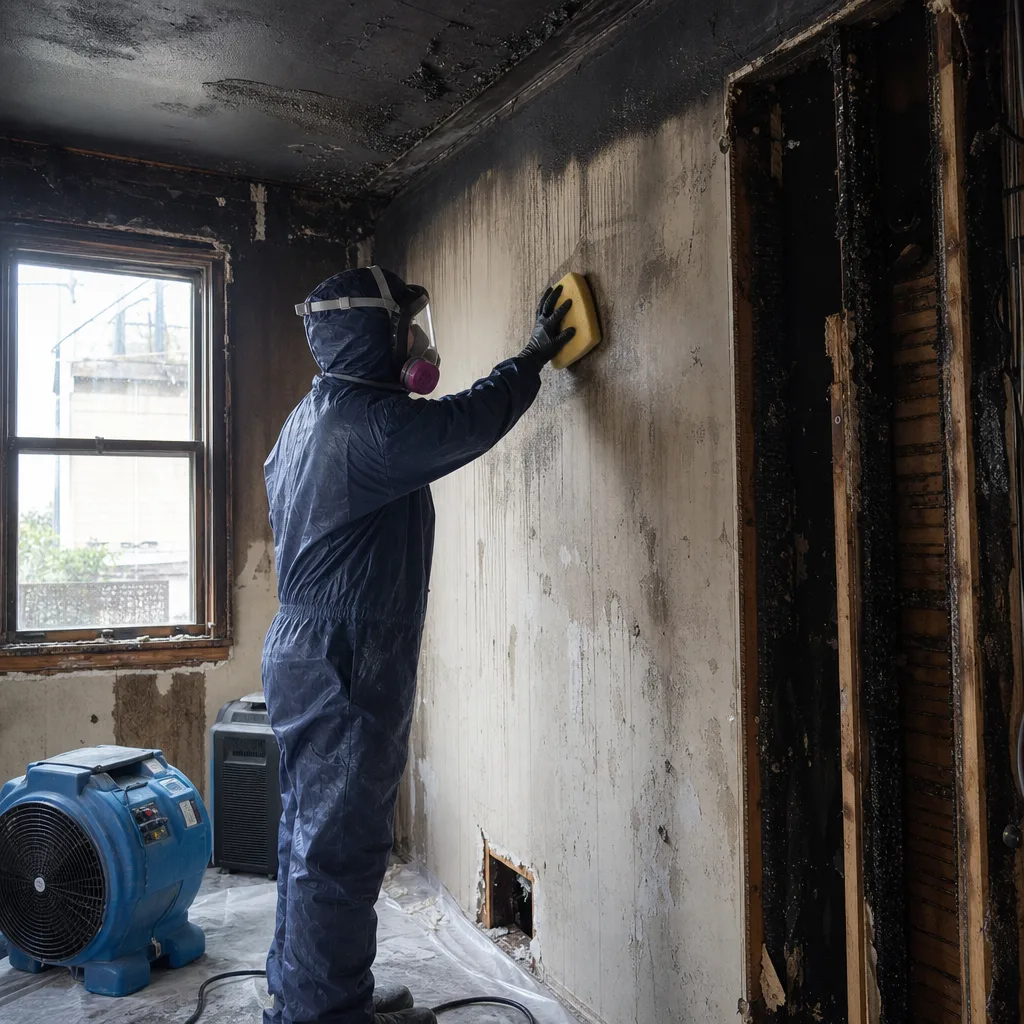
Moisture & Humidity Control
The long-term answer in this neighborhood is controlling moisture, not just killing mold. We measure basement humidity, recommend dehumidification that fits the space, and fix the drainage and grading problems that keep feeding water into your foundation. If the moisture source isn’t corrected, remediation is just a temporary fix.
What happens when you call
- 1
A real person answersNo phone trees - you reach a local pro.
- 2
You get an upfront price rangeHonest numbers before anyone is dispatched.
- 3
A background-checked tech heads outLicensed & insured, dispatched right away.
- 4
You approve before work beginsNothing starts until you say go.
Mold Remediation Costs in Richmond Hill, NY
Mold remediation in Richmond Hill runs about $1,800 to $3,200 for a contained 200-square-foot basement area, $3,500 to $6,500 when we’re opening walls and removing plaster in a larger finished space, and $7,000 to $15,000 or more if the job involves multiple rooms, shared party wall coordination, and full reconstruction. A mold inspection with air sampling typically costs $300 to $600, often credited toward remediation if you hire us. What moves the price: how far moisture wicked behind plaster, whether the affected space is finished, whether adjacent units need containment, and how much of the original plaster and lath needs to come out. Homeowners insurance covers mold remediation when it’s tied to a covered water event, but not when it’s from long-term humidity or neglect. The free visual inspection is the fastest path to a firm number, call (518) 872-6111 and we’ll come look.
We Also Serve Cities Near Richmond Hill
Our crews cover the blocks around Richmond Hill every day, and we regularly respond to mold calls in Forest Hills, Middle Village, Fresh Meadows, and Elmhurst. Same crews, same equipment, same 90-Day Done Right Promise. If you’re in any of these neighborhoods, you’re inside our service area.
Serving Richmond Hill, NY - Our Local Coverage Area
We’re based in the Richmond Hill area and know this community well. Use the map below to see our service coverage - if you’re nearby, we can almost certainly help.
Richmond Hill Mold Remediation Questions, Answered
How soon after a sewage backup in my Richmond Hill basement should I have mold remediation?
Within 48 hours, ideally the same day. Sewage water is Category 3, and mold colonization begins within two to three days of a backup in a warm, humid Richmond Hill basement. The longer it sits, the more plaster, drywall, and flooring you’ll lose, and the higher the remediation cost.
My Richmond Hill row house shares a party wall; do neighbors need to be involved in mold remediation?
Often, yes. Shared masonry party walls and continuous attic cavities in Richmond Hill’s attached row houses let moisture and spores travel between units. If our inspection finds moisture extending into the party wall or the neighbor’s side, we’ll coordinate with them directly so the remediation actually holds.
Does Richmond Hill’s older housing stock require lead or asbestos testing before mold removal?
In most cases, yes. Homes built before 1978 in 11418, which is nearly all of them, come under NYC DEP rules for lead and asbestos. If we’re demolishing plaster, drywall, or flooring that may contain these materials, testing comes before removal. It’s a legal requirement, not an upsell.
Why does my Richmond Hill basement keep getting mold after remediation?
Because the source wasn’t fixed. In Richmond Hill’s older homes, that usually means groundwater seeping through a rubble-stone or brick foundation, a failing cast-iron drain line, or chronic humidity from a missing vapor barrier. Our Mold Remediation in Richmond Hill includes moisture and humidity control so the problem doesn’t return next season.
Can a finished basement without permits in Richmond Hill affect my mold insurance claim?
Yes, and we see this constantly in Richmond Hill where ground-floor and basement spaces were converted into rental units or prayer rooms over decades, often without permits. Your carrier may dispute the claim or limit coverage if the finished space wasn’t disclosed. We document what’s actually there and work with your adjuster on what’s covered.
How long does mold remediation take in a Richmond Hill home?
Most single-room jobs finish in three to five days: one to two days for containment and removal, two to three for drying and air scrubbing, then repairs. Larger jobs in older row houses with significant plaster demolition can run one to two weeks, and we give you a written timeline before we start.
Can my family stay in the home during mold remediation?
For small, contained jobs, usually yes, as long as the affected area is sealed under negative air pressure and you don’t have respiratory sensitivities. For larger jobs involving black mold or multiple rooms, we recommend temporary relocation until clearance testing comes back clean.
What certifications do your mold remediation crews hold?
Our technicians are certified to IICRC standards including AMRT and WRT, and trained to RIA guidelines. They’re background-checked and uniformed, and they use professional-grade Dri-Eaz dehumidifiers, air movers, and HEPA scrubbers on every Richmond Hill job.
If you see mold, smell it, or just found a leak behind a wall in your Richmond Hill home, call (518) 872-6111 for a free visual inspection. We answer live, we show up when we say, and the estimate is free. The line the water left is where we start.
Written by Curt Bowman, Owner at Floodline Restoration Co., serving Richmond Hill and surrounding Queens neighborhoods since 2010.