
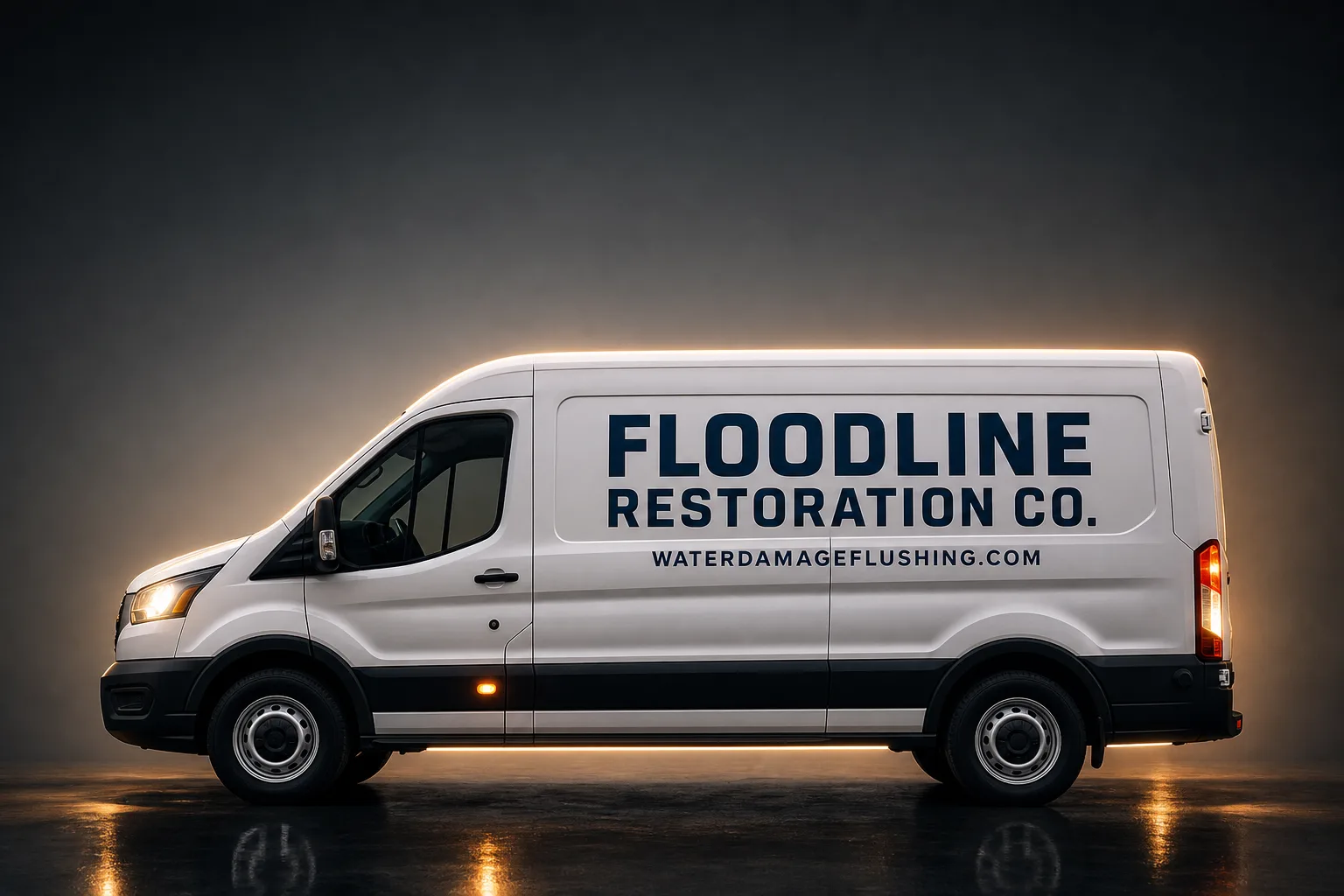
Free visual inspection and a written scope of work before any mitigation begins - photos, moisture readings, and drying logs go in your claim file
The scope we write is the scope we bill. Anything new gets shown to you, in writing, before we touch it.
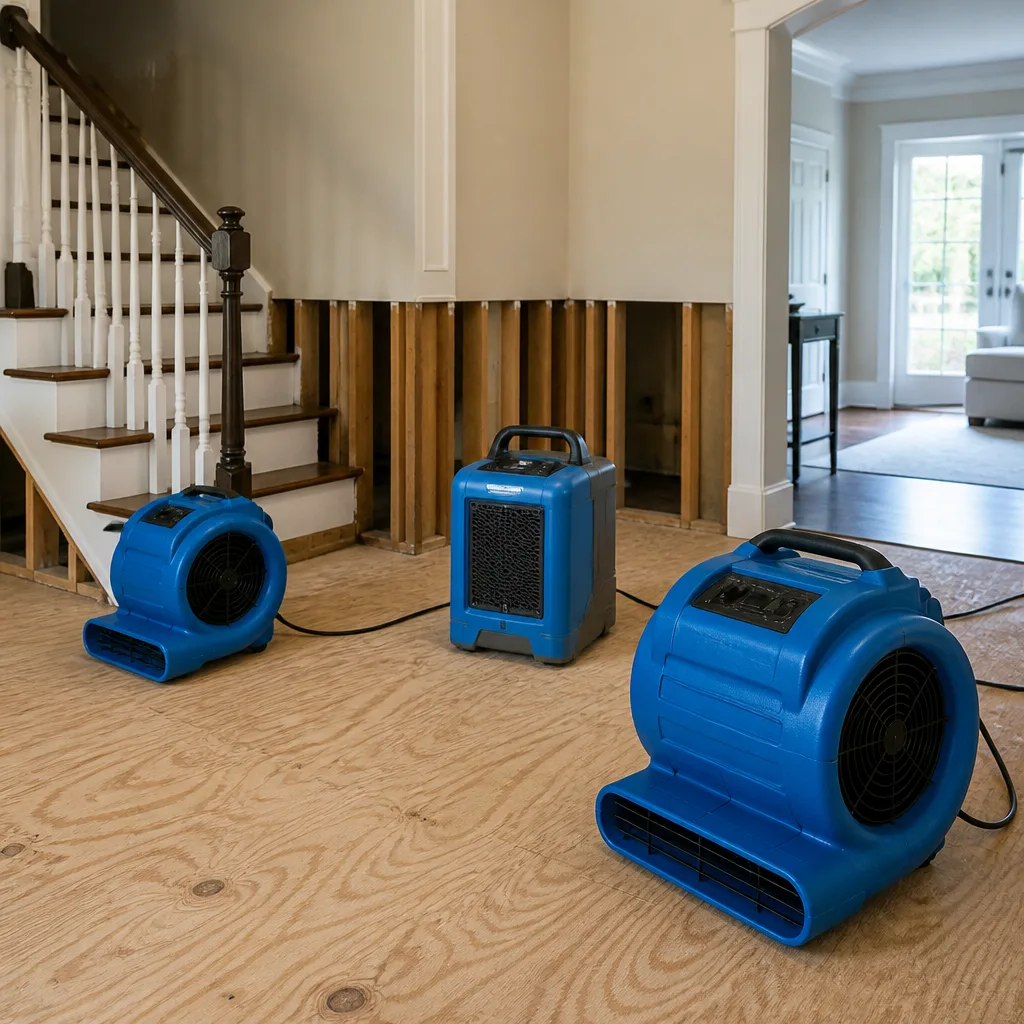
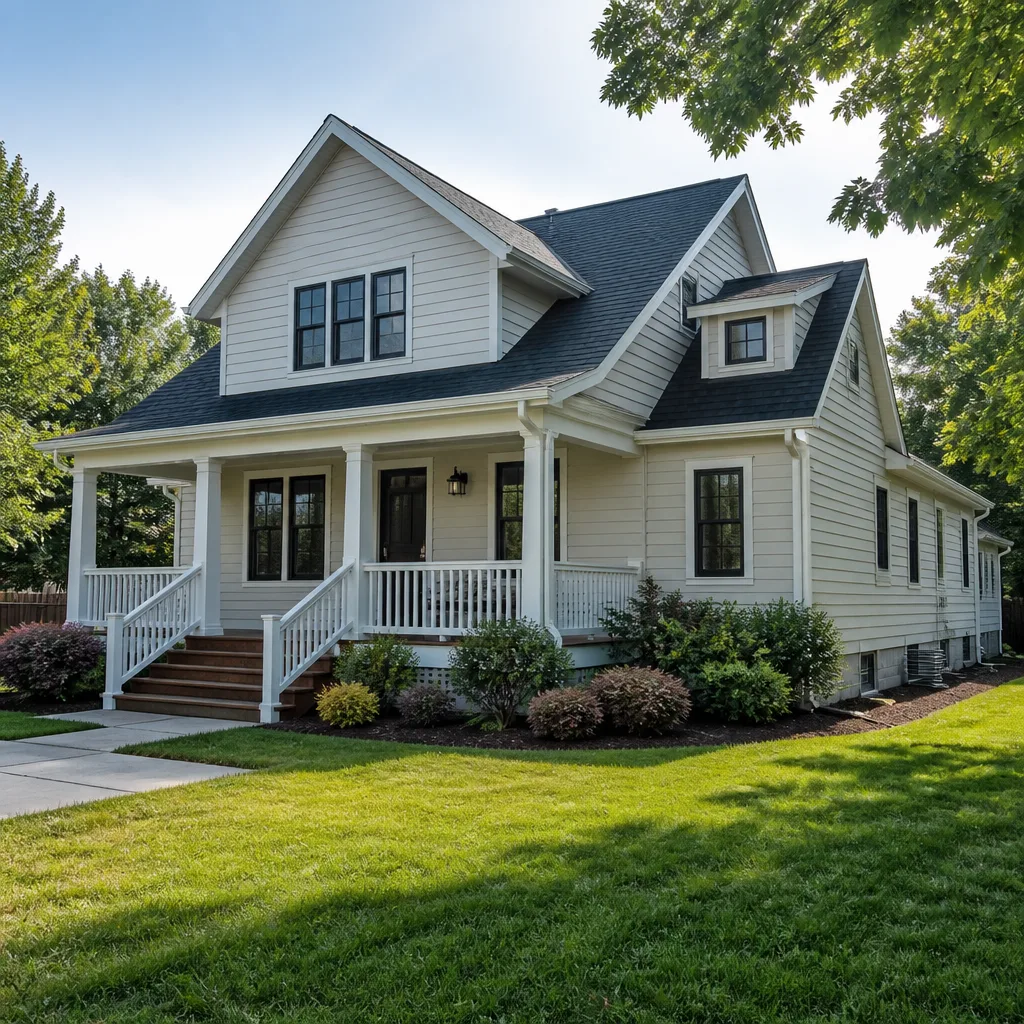
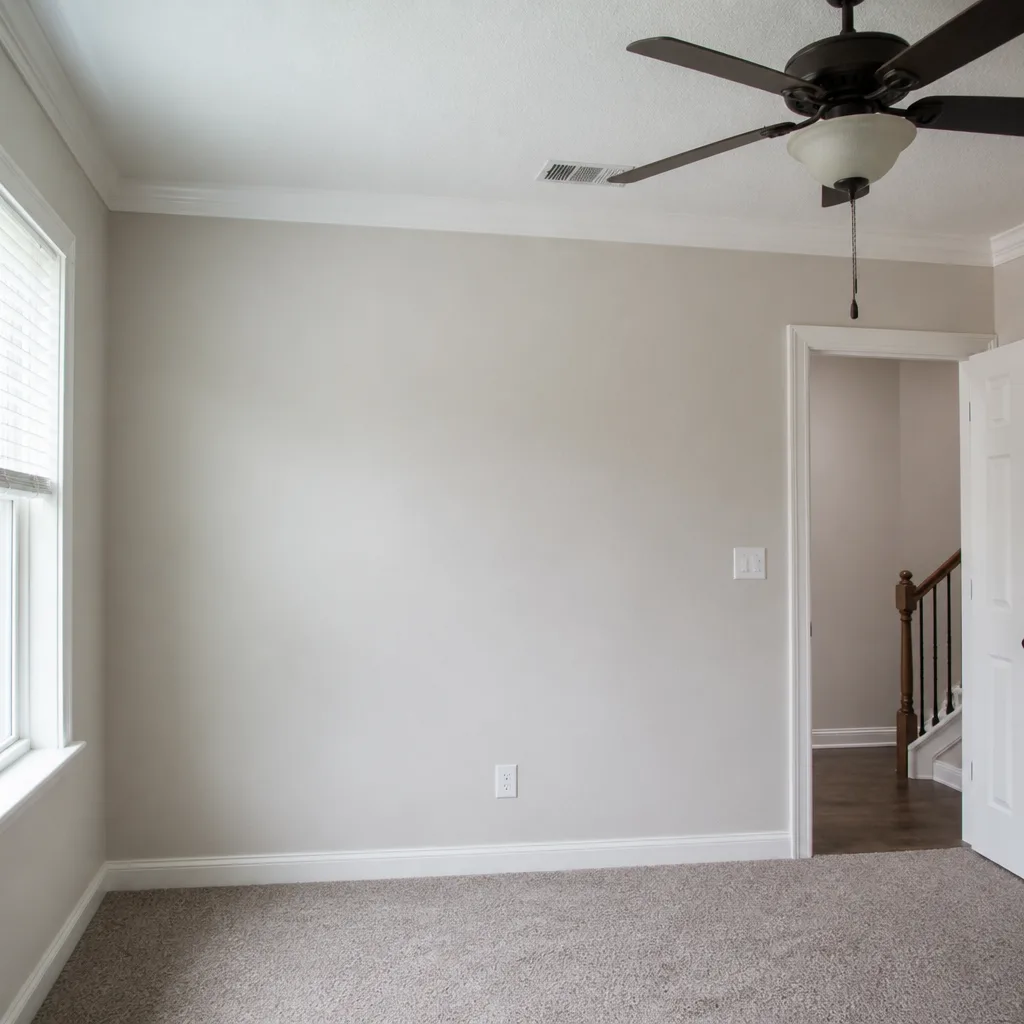
Storm responseSewage cleanup
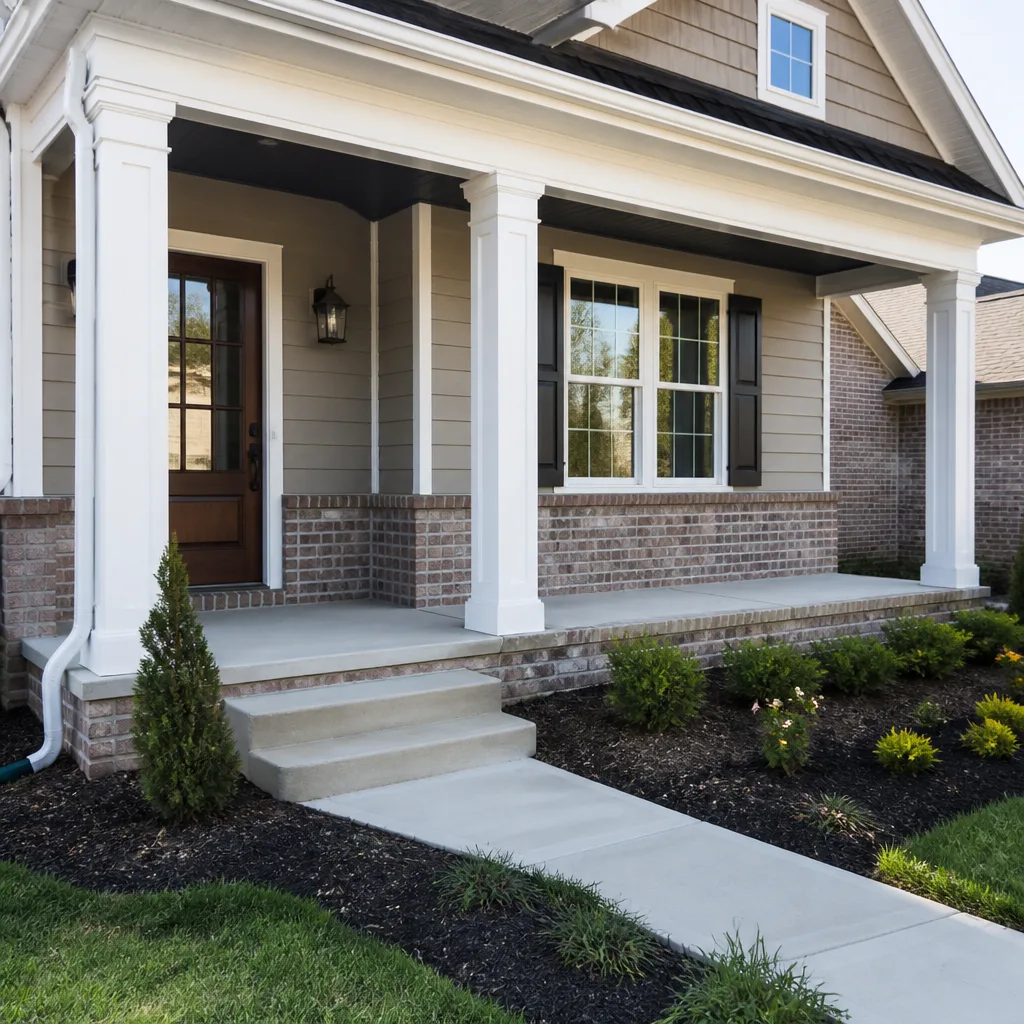
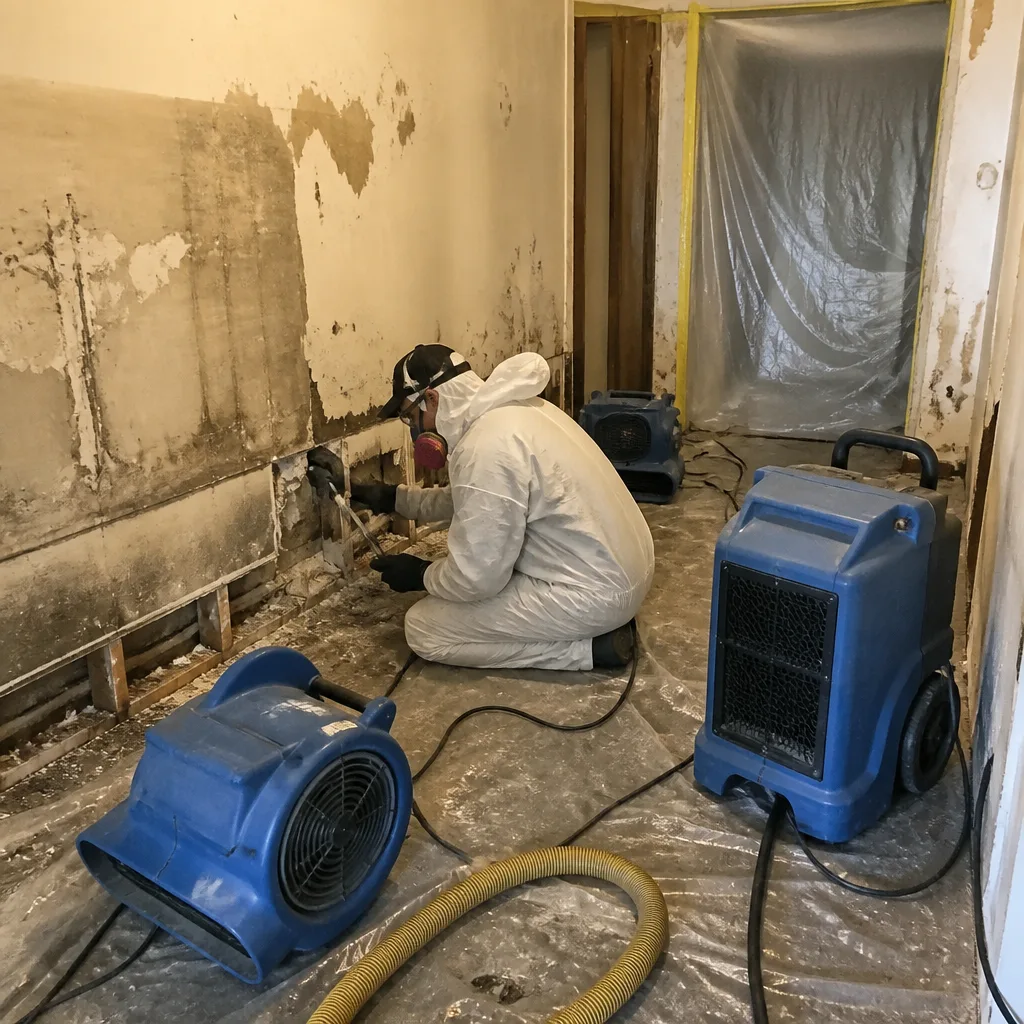 Before
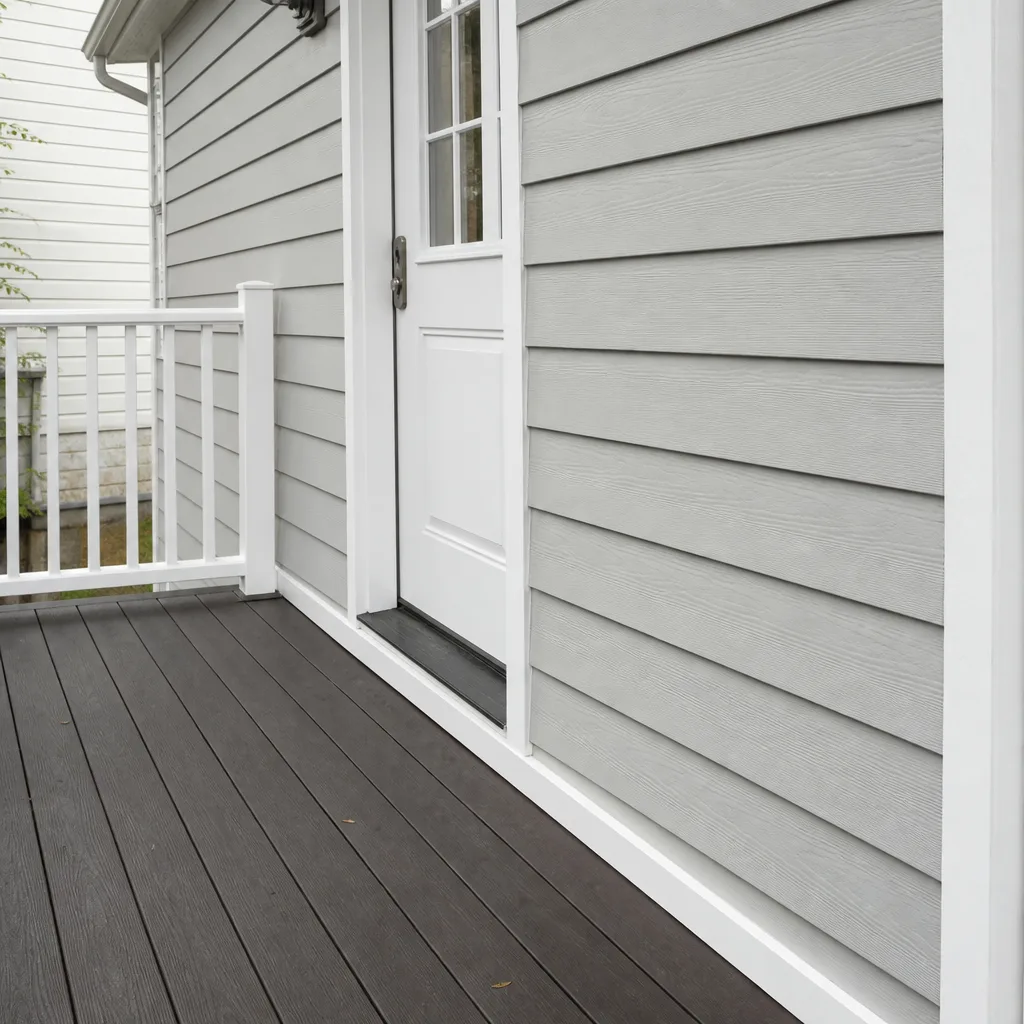 After
After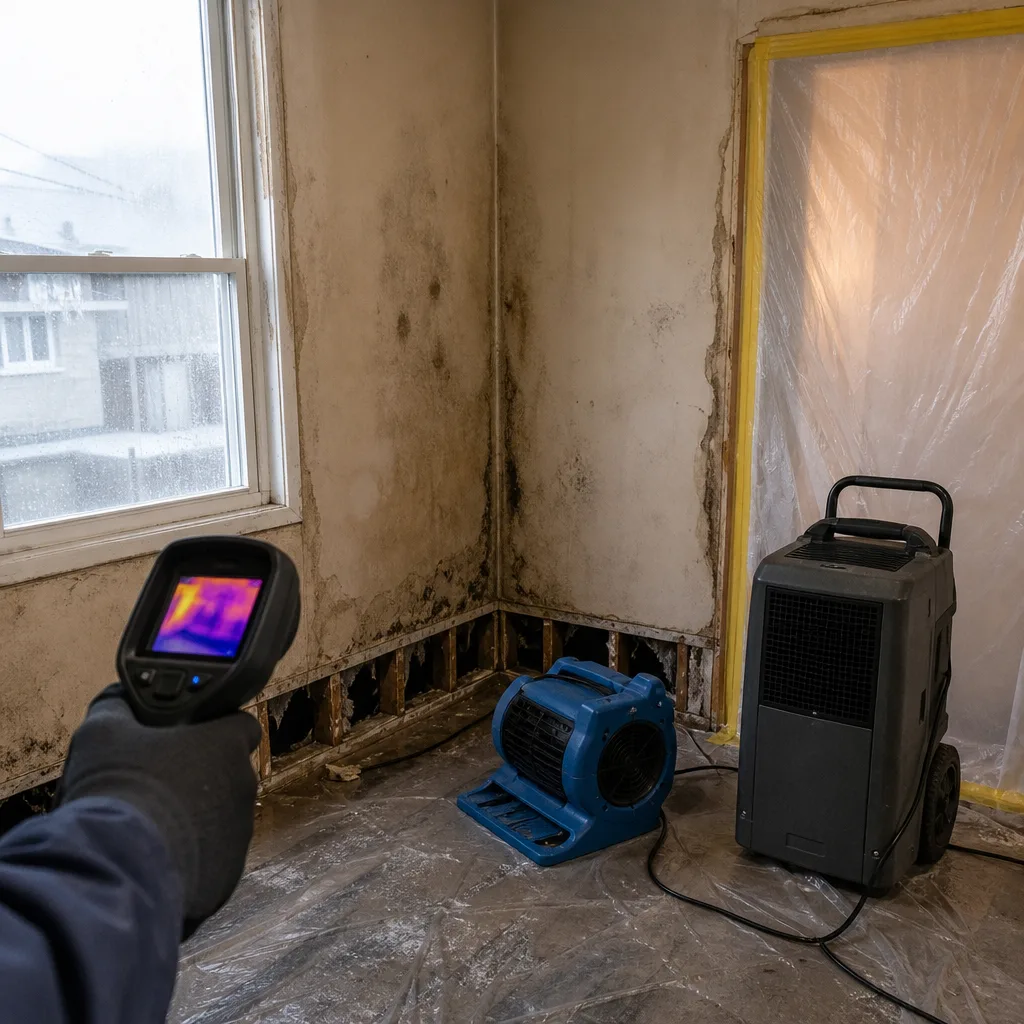 Before
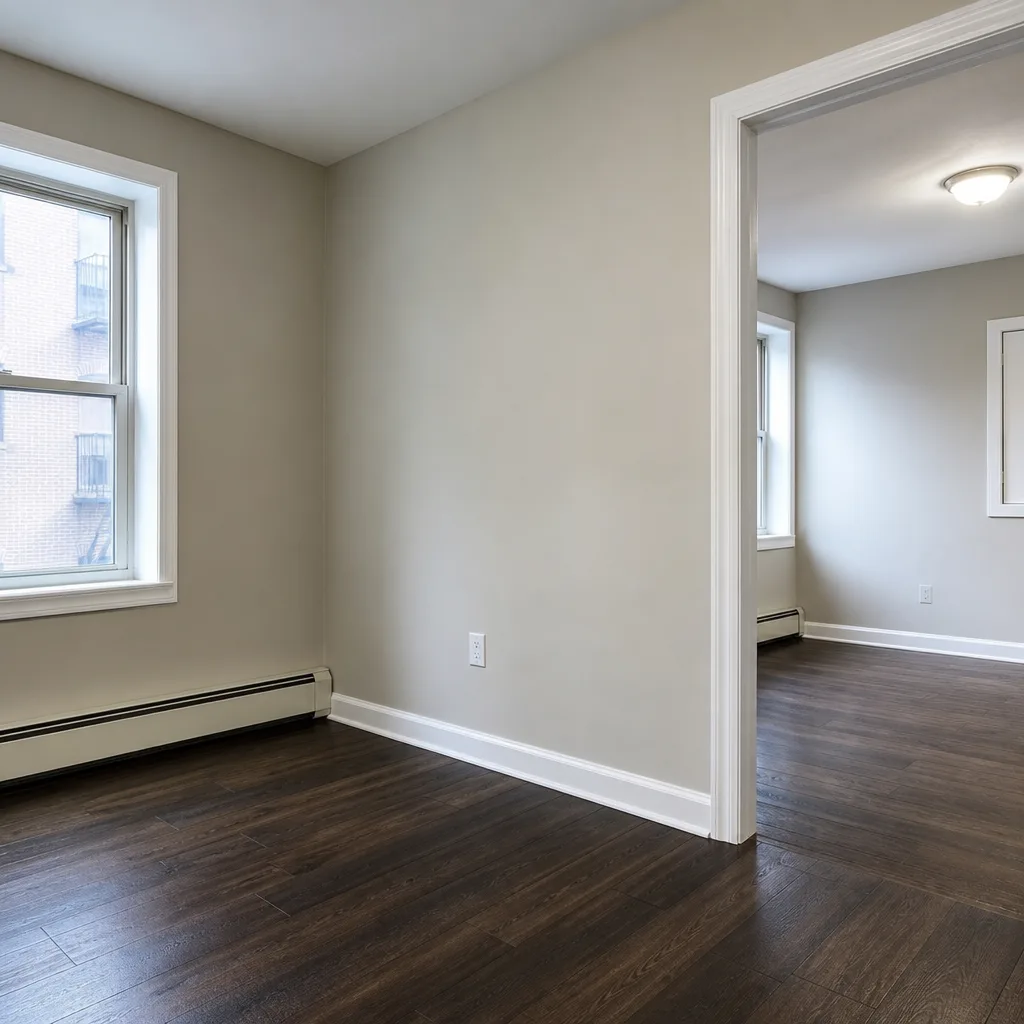 After
After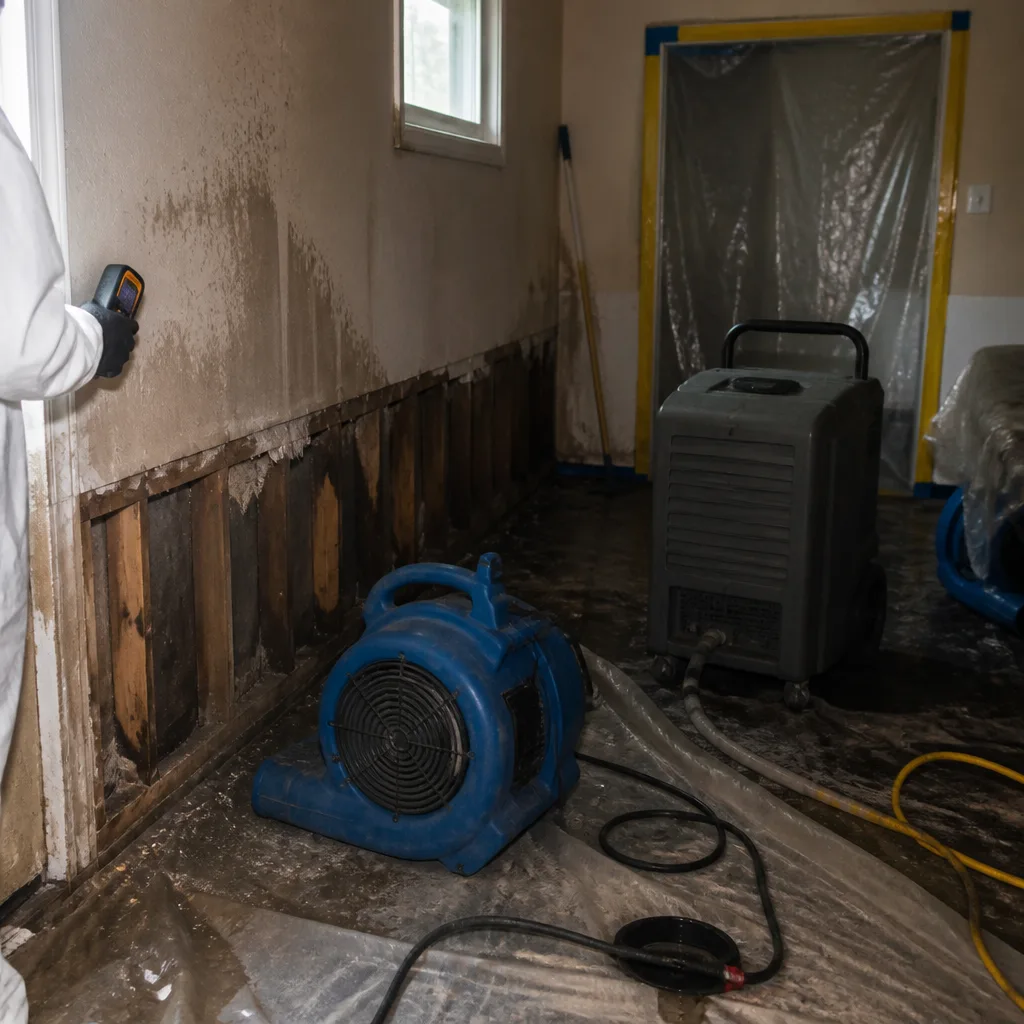 Before
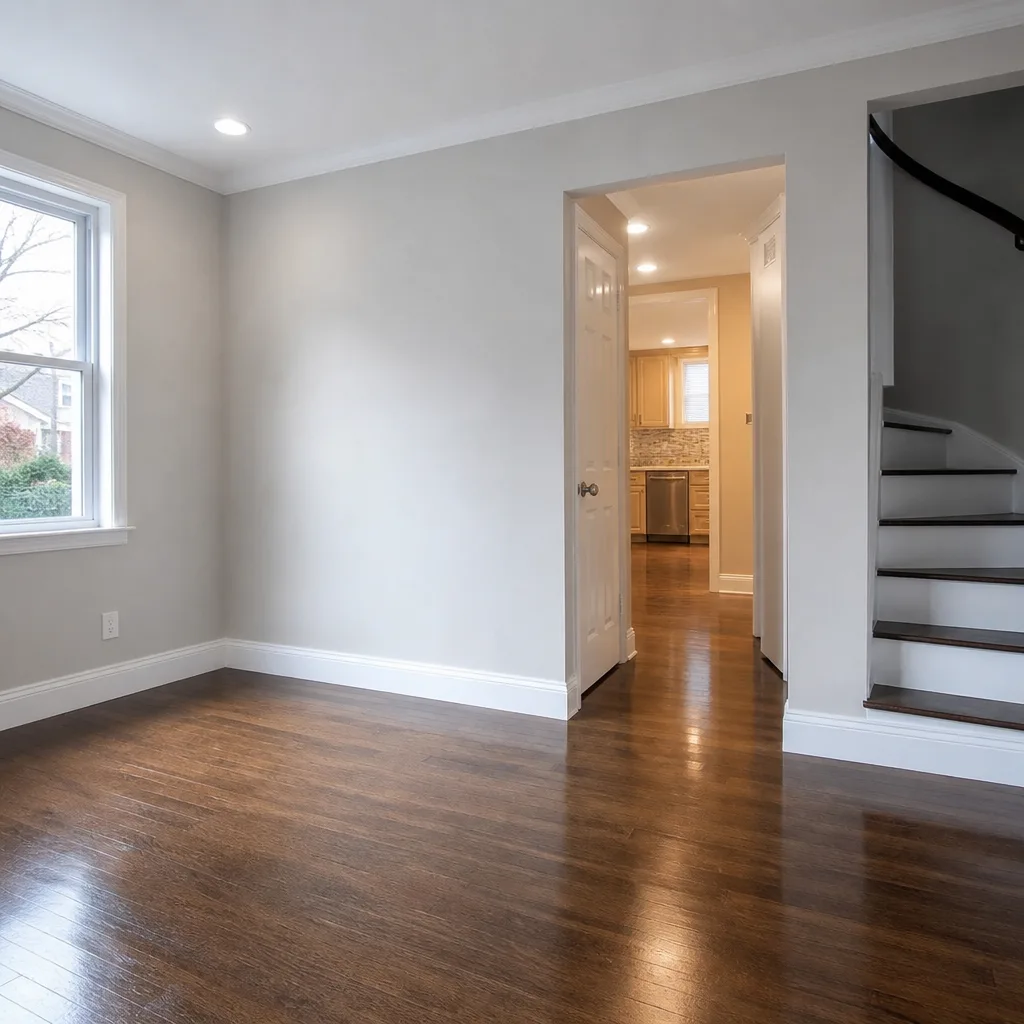 After
After24/7 Emergency Water Damage Restoration in Corona
Water damage in a Corona row house rarely stays in one room. When a sewer line backs up on 103rd Street or a supply line lets go on Northern Boulevard, the water moves through party walls, under finished basement floors, and into the neighboring unit before most homeowners even find the shutoff. We answer the phone at 2 a.m. with a live person, and a background-checked crew is dispatched into Corona within 45 minutes. The first call is free: (518) 872-6111. Extraction starts the same visit, because the window to stop Category 3 contamination and lateral moisture migration in pre-war brick construction is measured in hours, not days.
Understanding Water Damage Restoration Severity in Corona Properties
Water damage is classified by contamination level, and Corona’s housing stock makes the distinction matter more than anywhere else in Queens. Category 1 is clean water from a burst supply pipe. Category 2 carries some contamination, like a washing machine overflow. Category 3, what the trade calls black water, includes sewage, and it requires full containment, antimicrobial treatment, and removal of saturated porous materials. Here is the Corona-specific problem: the neighborhood sits on former wetland adjacent to Flushing Meadows-Corona Park, and its 1920s-1940s brick row houses share party walls without modern moisture breaks. When the combined sewer system overtops during heavy rain, the backup is almost always Category 3. That water saturates the common brick wall between two attached houses. Within 48 hours, elevated moisture readings show up in the neighboring unit, even if no water ever touched their floor. Technicians without a thermal imaging camera and a moisture map miss this entirely. We don’t.
Why Corona Property Owners Choose Floodline Restoration Co.
- 45-minute response commitment to any Corona address. We dispatch from a metro office minutes away, and the clock starts when you hang up.
- Live answer, every hour, every day. A dispatcher picks up. Not a recording. Not a callback service. A human being routes the crew and stays on the line with you until they arrive.
- IICRC, RIA, and IFA-certified crews. Our technicians carry water restoration, structural drying, and applied microbial remediation certifications. The codes matter on Category 3 jobs.
- Free visual inspection, always. We walk the property, take moisture readings, and tell you what we would do and what it costs before any work starts.
- Direct insurance billing. We prepare the line-item scope, attach the drying logs and photos, and deal with your adjuster directly. You don’t play messenger.
- One team from extraction to rebuild. The same certified crew that sets the containment on day one is still there when the baseboard goes back on. Floodline was founded in 2010 by Curt Bowman on that exact principle.
Our Water Damage Restoration Process
Inspection & Assessment
We start with thermal imaging and pinless moisture meters on every surface, including the party walls. In a Corona row house, we check the adjoining unit’s shared wall whether or not they think they have a problem.
Extraction & Stabilization
Dri-Eaz extraction units and truck-mounted vacuums pull standing water fast. On Category 3 jobs, we set negative-pressure containment before anything moves, so cross-contamination never reaches the rest of the house.
Drying & Dehumidification
Low-grain refrigerant dehumidifiers and XPOWER air movers run on a calculated layout, not scattered around the room. Daily moisture readings are logged against a drying goal and shared with you and your carrier.
Cleaning & Sanitization
Category 3 water means antimicrobial treatment and removal of saturated drywall, carpet pad, and any porous material that can’t be salvaged. We follow IICRC S500 standards, not guesswork.
Party Wall & Structural Drying
This is where Corona jobs separate the pros from the rest. We drill small, inconspicuous drying ports into wet party walls when needed, dry the cavity with Injectidry systems, and document every reading for the insurance file.
Repairs & Restoration
Floodline is a full-cycle restoration company. Once the structure hits dry standard, the same crew rebuilds what was removed: drywall, framing, trim, flooring. No mid-job handoff to a sub you’ve never met.
Need Emergency Water Damage Restoration in Corona Now?
Crews minutes away, answering live 24 hours a day. The sooner we start, the less it costs.
Working With Your Insurance Company
Most Corona water damage claims are covered, at least in part. The claims that get denied or underpaid are usually the ones where documentation was thin. We build the file from the first hour: photos of every affected room, thermal imaging captures, the initial moisture map, and a daily drying log that shows the structure hitting a defined dry standard. We write a line-item estimate in the format carriers recognize, and we talk to the adjuster directly. When the claim involves a multi-unit row house, we document each unit separately, including the party wall readings that prove the damage migrated. You get a copy of everything.
What We Provide Your Insurer
- Thorough documentation of the loss
- Photos of all damage, room by room
- Moisture readings and drying logs
- A detailed, line-item scope of work
- Direct coordination with your carrier
Built for Corona’s Loss Calendar
Corona’s water damage season never fully ends; it just changes character. January and February bring deep freezes that split supply lines in unheated rear extensions and basement utility rooms. March and April give us melting snow and the first heavy rains, when groundwater pushes up through old stone foundations on the low-lying blocks west of the Grand Central Parkway. July and August are the sewer backup season: sudden downpours overwhelm the combined sewer system that serves Flushing Meadows-Corona Park, and black water comes up through floor drains in finished basements. September and October bring nor’easter remnants, driven rain through aging brick facades, and flat-roof leaks on converted two-family homes. Every one of these failures is worse in a row house, because the water never has just one place to go. Our Water Damage Restoration team plans for each season, and we know what Corona’s buildings do when the water comes.
Water Damage Restoration Across Corona’s Neighborhoods
The blocks around 103rd and 104th Streets, between Roosevelt Avenue and 37th Avenue, are dominated by two-family row houses with finished basement apartments. Those are our hardest hit jobs: Category 3 sewer backups in tight rear alleys, with the water migrating into party walls before we arrive. North of Northern Boulevard, the housing flips to larger semi-detached brick homes with deeper lots; there we see more supply line bursts and groundwater seepage after heavy rain, but less sewage. Up near the Long Island Expressway and the Lefrak City towers, high-rise units have their own failure mode: a toilet overflow on 14 stories sends water down through stack chases and ceiling assemblies into a dozen apartments. And the blocks directly adjacent to Flushing Meadows-Corona Park sit lowest of all; when the park’s wetland hydrology presses the water table up during a wet spring, sump pumps run for weeks and basement slabs sweat. We serve all of ZIP 11368, and our response routes are built around these patterns.
Specialized Water Damage Restoration Services We Offer in Corona
Emergency Water Extraction
Standing water in a Corona basement needs to go now. We bring truck-mounted and portable Dri-Eaz extraction units small enough to fit through a 26-inch alley door, and we start pulling water within 45 minutes of the call. The faster the water leaves, the less it soaks into the slab and the party walls.
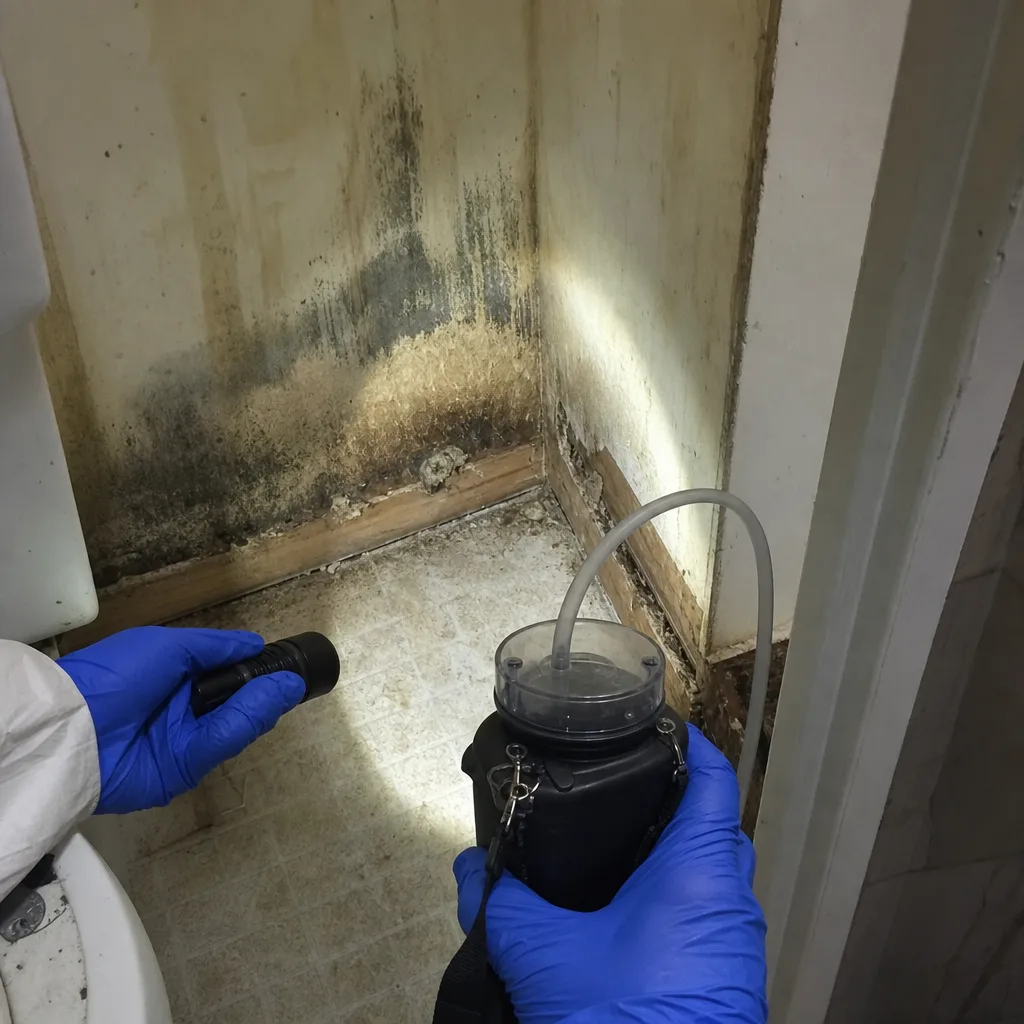
Structural Drying & Dehumidification
Drying a pre-war brick row house is different from drying a suburban frame house. Brick holds moisture in the wall cavity, and shared walls mean you cannot just dry your side. We run Injectidry drying systems into wall cavities, set low-grain refrigerant dehumidifiers, and take daily readings until every surface hits the dry standard. You get the log.
Flood Cleanup
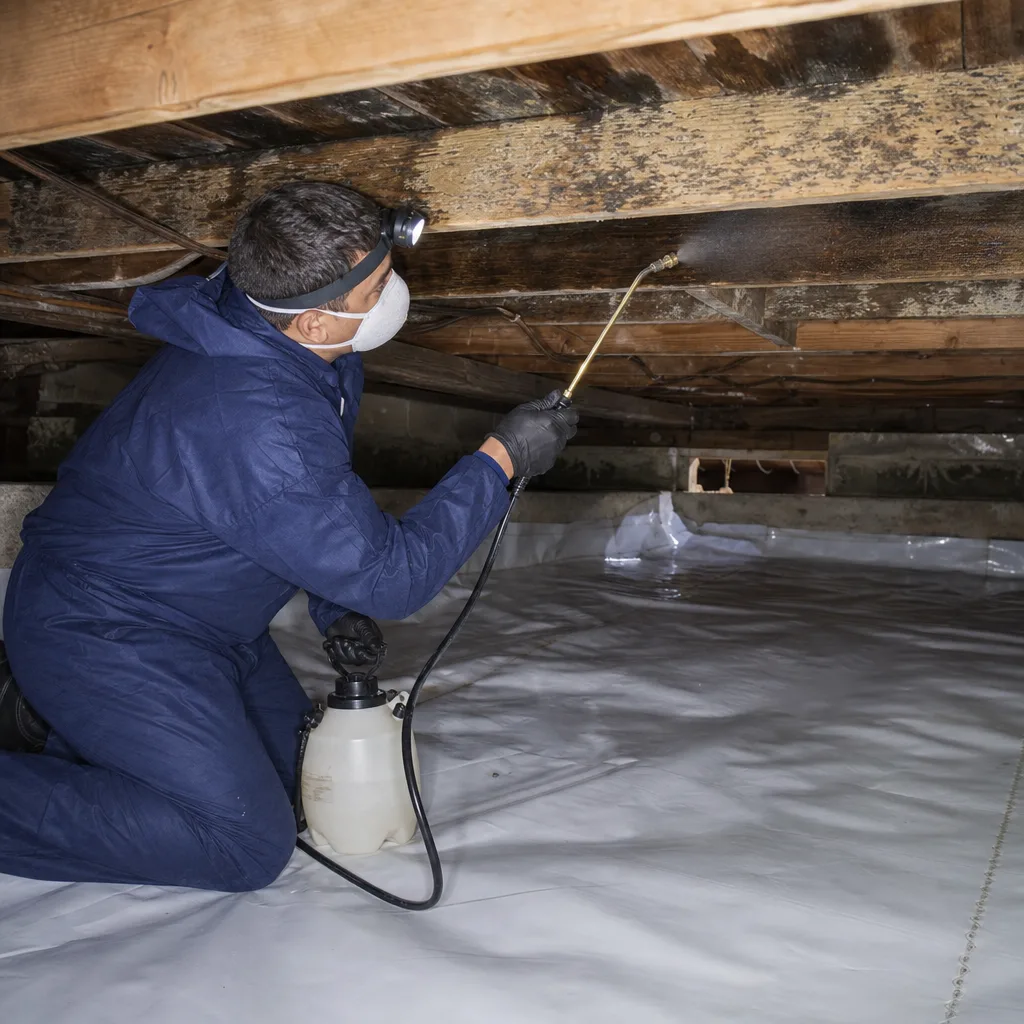
Stormwater flooding near Flushing Meadows-Corona Park often carries contamination. Even when it looks like clean rain, we test and classify the water before deciding what to remove and what to salvage. Flood cleanup in Corona usually means removing saturated drywall, treating for microbial growth, and drying the structure thoroughly.
Burst Pipe Restoration
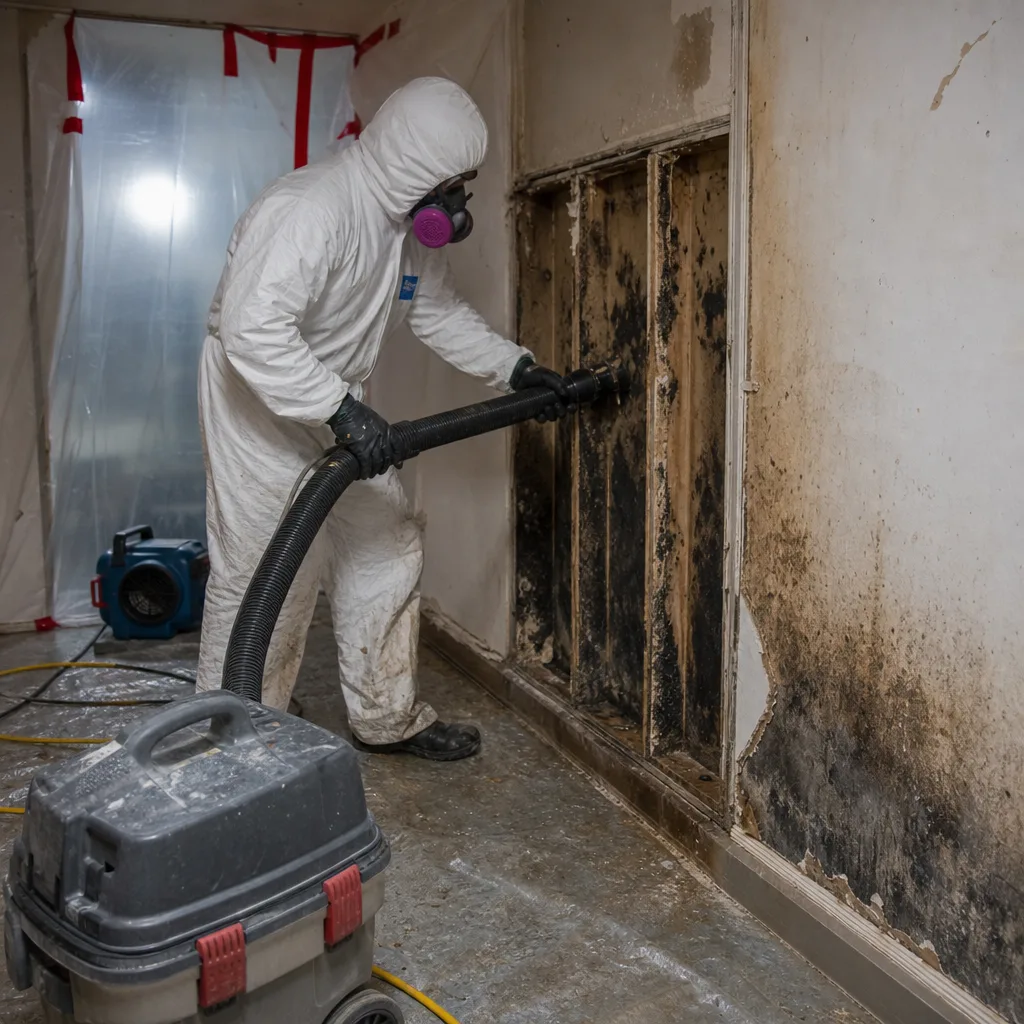
A frozen supply line in a rear kitchen extension can dump hundreds of gallons before the main is shut. We locate the break, extract the water, dry the affected rooms, and either repair the pipe or coordinate the repair through our reconstruction division. Same crew, start to finish.
Basement Water Removal
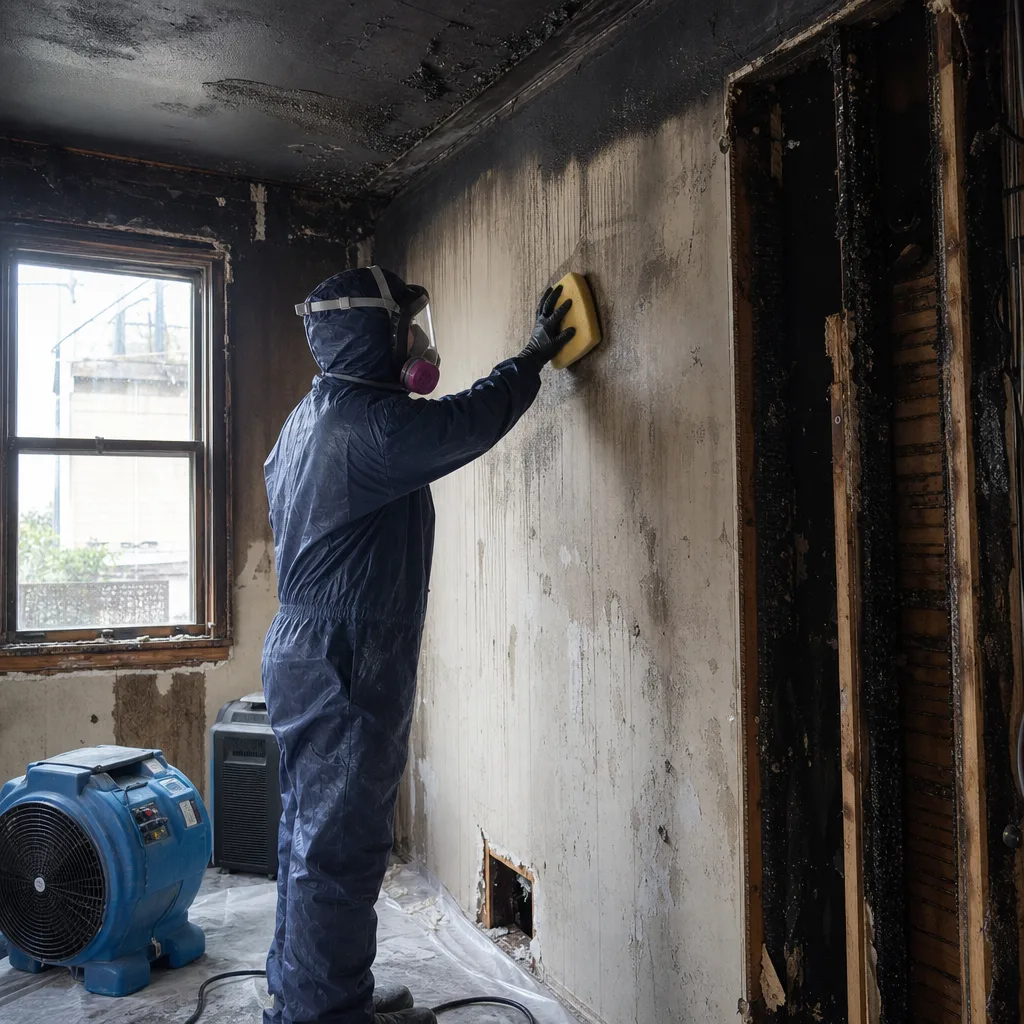
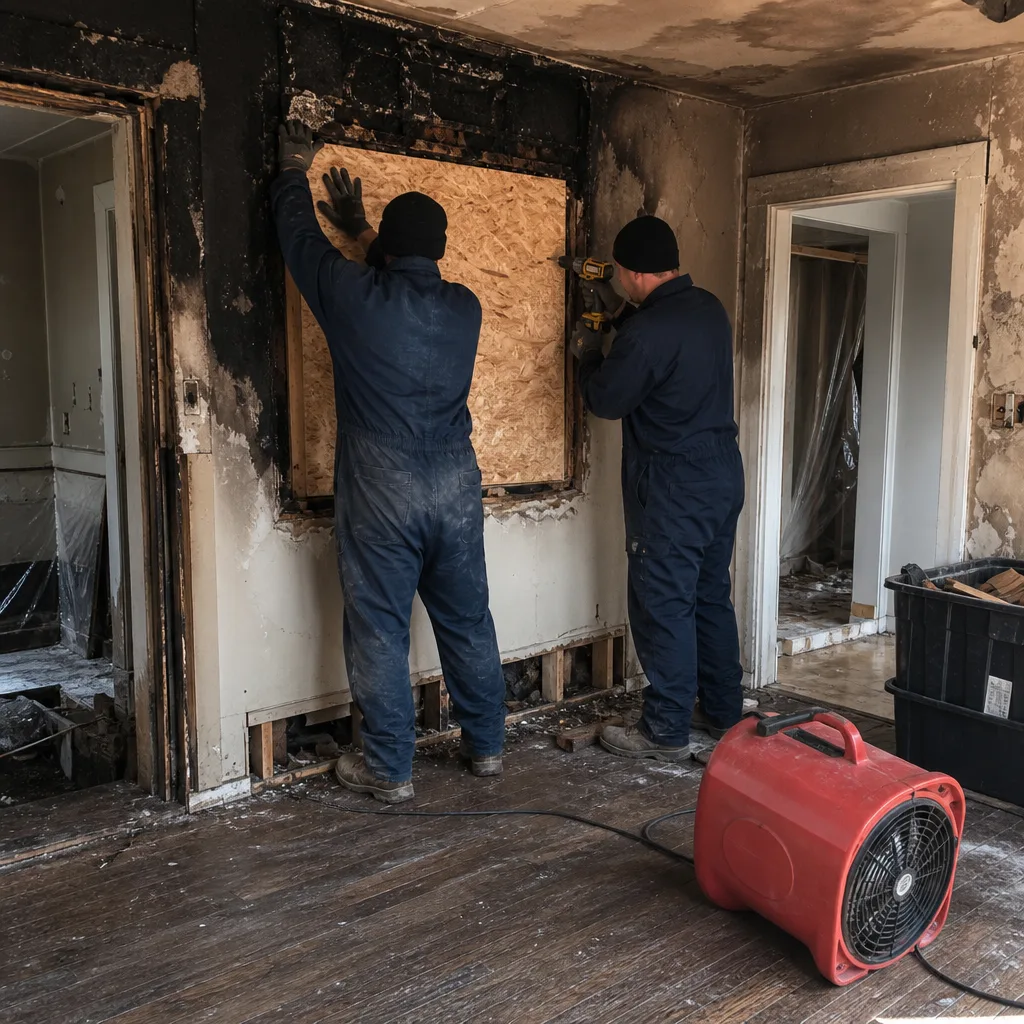
Corona has more finished basements than almost any neighborhood in Queens. And more of them flood. We handle the removal, the Category 3 protocols when sewage is involved, the structural drying, and the rebuild. If the basement was converted without permits, we still dry it safely and document everything for the insurance file.
What happens when you call
- 1
A real person answersNo phone trees - you reach a local pro.
- 2
You get an upfront price rangeHonest numbers before anyone is dispatched.
- 3
A background-checked tech heads outLicensed & insured, dispatched right away.
- 4
You approve before work beginsNothing starts until you say go.
Water Damage Restoration Costs in Corona, NY
No honest contractor prices water damage over the phone without seeing it, and we won’t either. But Corona homeowners want straight numbers, so here they are. Emergency water extraction alone typically runs $500-$1,200 depending on the square footage and how long the water has been sitting. Structural drying and dehumidification for a flooded basement usually lands between $1,800 and $4,500. A full Category 3 sewage backup in a finished basement, including containment, antimicrobial treatment, pack-out, drying, and rebuild, commonly runs $9,000-$25,000 in Corona’s row houses. Party wall drying adds $800-$2,500 per wall. What moves the price: the water category, how many materials need removal, whether the adjoining unit is affected, and how long the water sat before extraction started. Insurance covers most of these, minus the deductible. Call (518) 872-6111 for a free inspection and a firm, line-item scope before any work starts.
We Also Serve Cities Near Corona
Floodline Restoration Co. covers all of central Queens. If you live in Corona or nearby, you get the same 45-minute response live answer and free inspection. We serve Elmhurst, Jackson Heights, East Elmhurst, and Forest Hills with the same crews and the same written guarantee.
Serving Corona, NY - Our Local Coverage Area
We’re based in the Corona area and know this community well. Use the map below to see our service coverage - if you’re nearby, we can almost certainly help.
Corona Water Damage Restoration Questions, Answered
How do you handle sewer backups in Corona basements where the finished space was converted without permits?
We treat the water first. A finished basement with no permit history is still a living space, and Category 3 sewage requires containment, antimicrobial treatment, and removal of saturated porous materials regardless of what the Department of Buildings has on file. We document everything with photos and moisture readings, and we write the scope of work so your insurance carrier can process the claim. The lack of permits affects the rebuild phase, not the emergency extraction phase, and we work through both with you. Call (518) 872-6111 and we will walk the space with you and explain exactly what needs to happen.
How do you dry a basement in a Corona home with no exterior drainage or egress?
We dry from the inside. On a converted basement with no egress window and an alley-load door under 30 inches wide, we bring compact Dri-Eaz extraction units and low-profile XPOWER air movers that fit through the opening. We run Injectidry drying systems into wall cavities, place dehumidifiers on a calculated layout, and take daily moisture readings until the slab and walls hit the dry standard. The equipment leaves the same way it came in, and you get the drying log for your records. Call (518) 872-6111 for a free inspection.
What’s the difference between clean, grey, and black water in a Corona flood?
Clean water is Category 1, from a burst supply pipe or faucet. Grey water is Category 2, with some contamination, like a washing machine overflow or sump pump discharge. Black water is Category 3, and it includes sewage, storm sewer backup, and any water that has contacted fecal matter or pathogens. In Corona, the sewer backups from the combined system are almost always Category 3, which means full containment, removal of saturated porous materials, and antimicrobial treatment. Call (518) 872-6111 and we will classify the water correctly before anything gets removed.
How fast can mold start after water damage in a Corona basement during summer?
Mold colonization can begin in 24 to 48 hours in a Corona basement in July or August. The neighborhood’s pre-war row houses trap humidity, and the ambient dew point in a converted basement with poor ventilation accelerates growth. That’s why we start extraction the same visit, set containment when Category 3 water is present, and begin structural drying immediately. The mold remediation window is tight, and waiting a weekend is usually the difference between cleaning and full remediation. Call (518) 872-6111 the day you see the water.
Do you work with insurance for multi-unit water damage in Corona row houses?
Yes. Multi-unit row house claims are common in Corona, and we document each unit separately, including the party wall moisture readings that show lateral migration. We prepare a line-item scope for each affected unit, coordinate directly with the adjuster, and bill the carrier directly. You never have to play messenger between Floodline and the insurance company. Call (518) 872-6111 with your claim number and we will start the documentation from the first visit.
How fast can you get to a Corona address for a water emergency?
We commit to 45 minutes from your call to a crew at your door, 24 hours a day. A live dispatcher answers, routes the nearest certified crew, and stays on the line until they arrive. Most extraction jobs in Corona are underway within an hour of the first call, because we know exactly how to get through the neighborhood’s tight streets and alley-load doors. Call (518) 872-6111 and start the clock.
Will I need to leave my Corona home during restoration?
It depends on the water category and the extent of the damage. A clean Category 1 burst pipe in a single room usually allows you to stay, though the air movers and dehumidifiers run continuously and get loud. A Category 3 sewage backup in a finished basement usually means the basement is sealed off with containment, and we recommend staying out of that area while antimicrobial treatment and drying proceed. We will tell you honestly at the inspection what is safe and what the work requires. Call (518) 872-6111 for a free assessment.
What should I do in the first 30 minutes after I find water in my Corona home?
Call (518) 872-6111 first. Then, if you can do so safely, shut off the water main or the affected supply line, and switch off electricity to the wet area at the breaker. Do not walk through standing water if you suspect it is Category 3. Do not run a fan or a wet vac if sewage is present; you will aerosolize contaminants. Take photos of everything for your insurance file. Then wait for our crew, and we will handle the rest from extraction to rebuild. That’s the whole job, and we stand behind it in writing.
Written by Curt Bowman, Owner at Floodline Restoration Co., serving Corona, NY with certified water damage restoration and structural drying since 2010.