
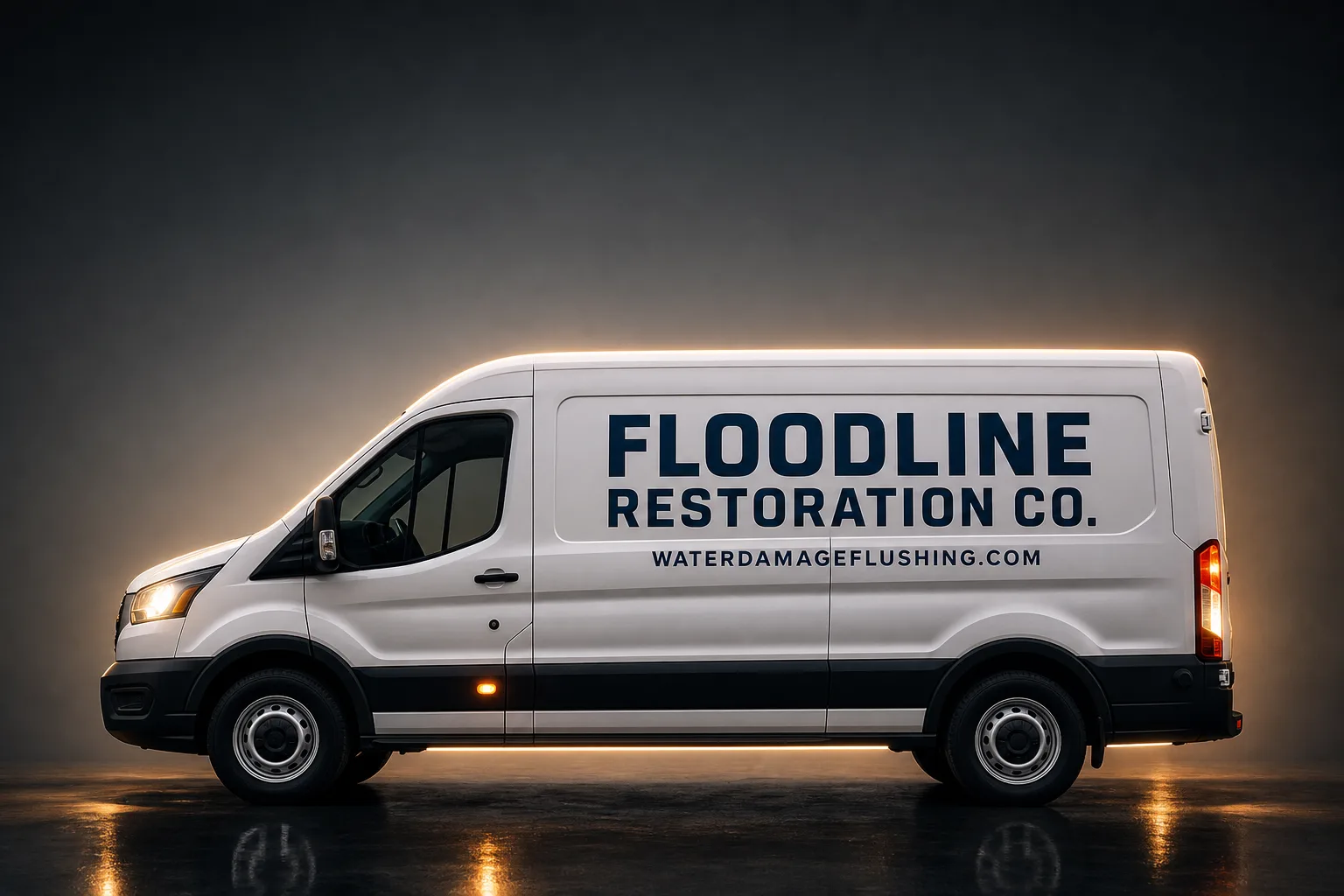
Free visual inspection and a written scope of work before any mitigation begins - photos, moisture readings, and drying logs go in your claim file
The scope we write is the scope we bill. Anything new gets shown to you, in writing, before we touch it.
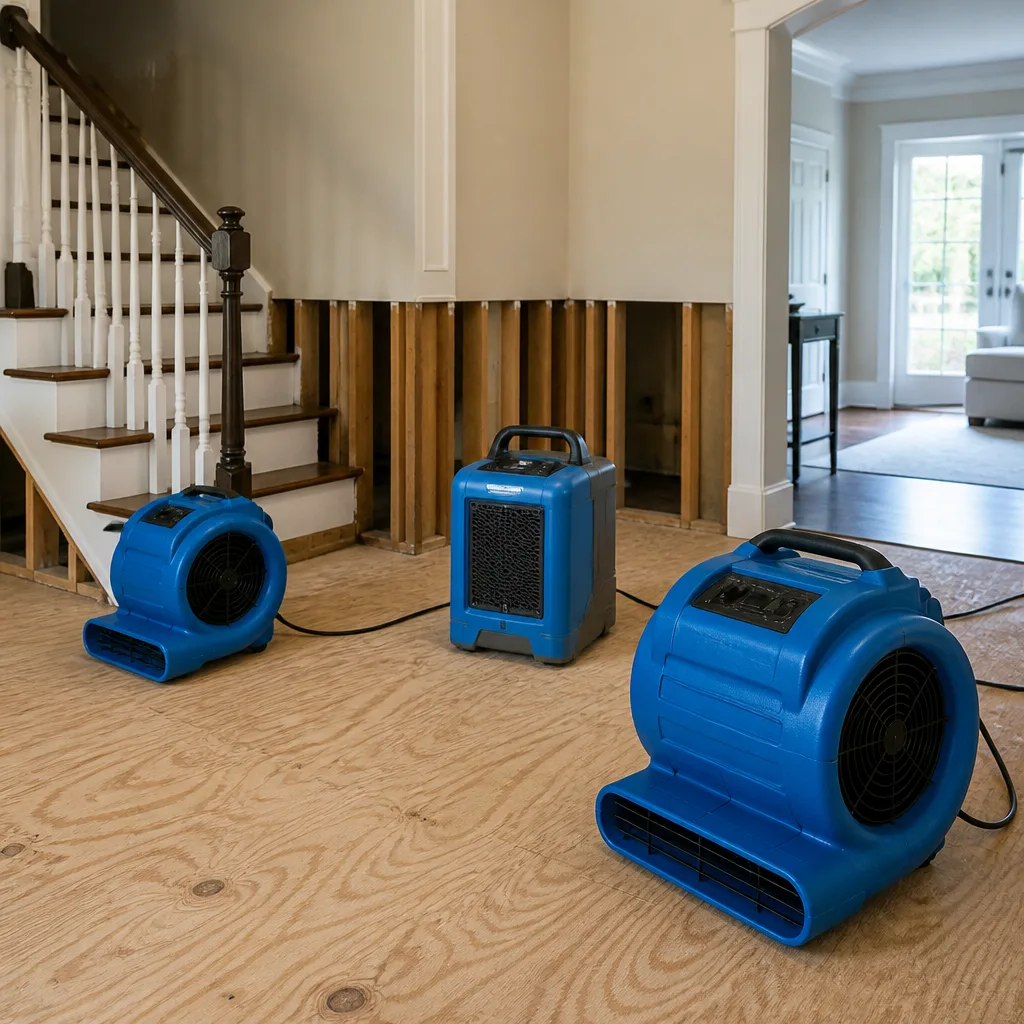
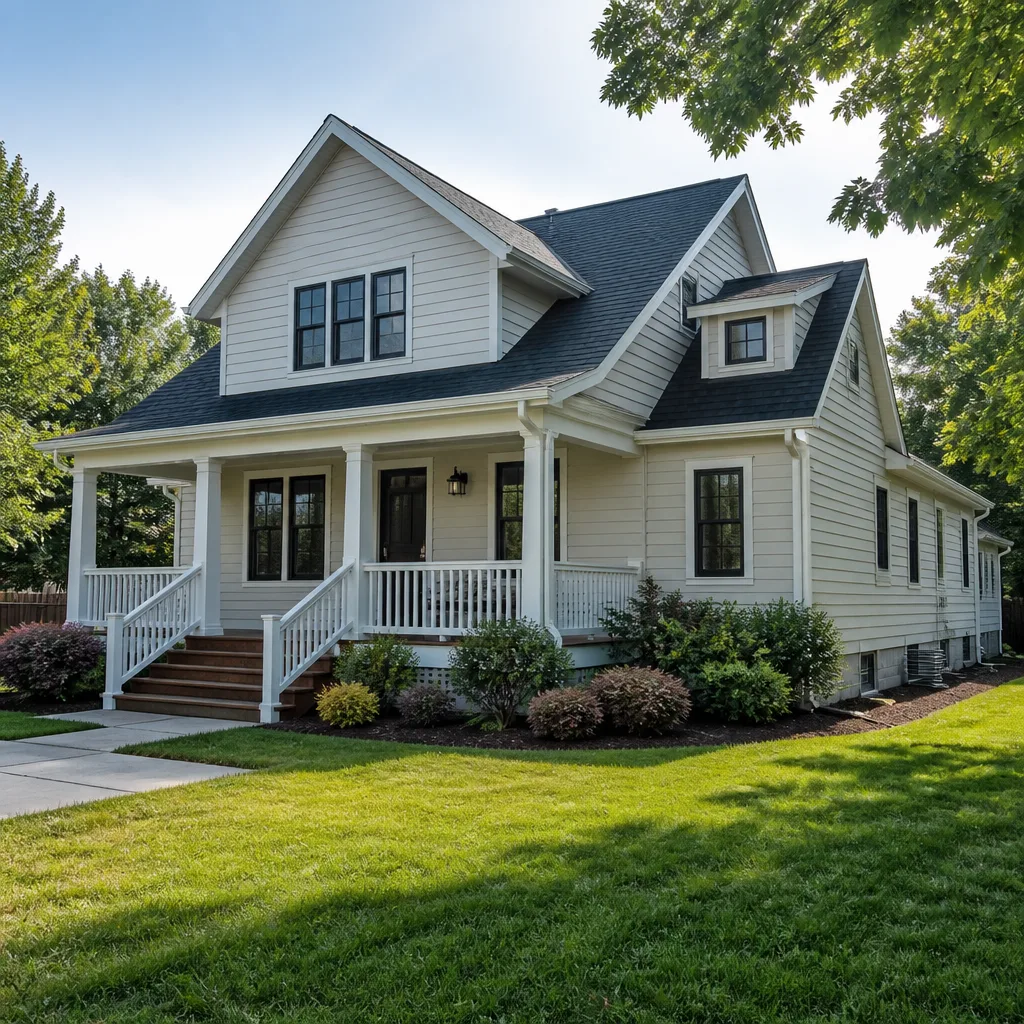
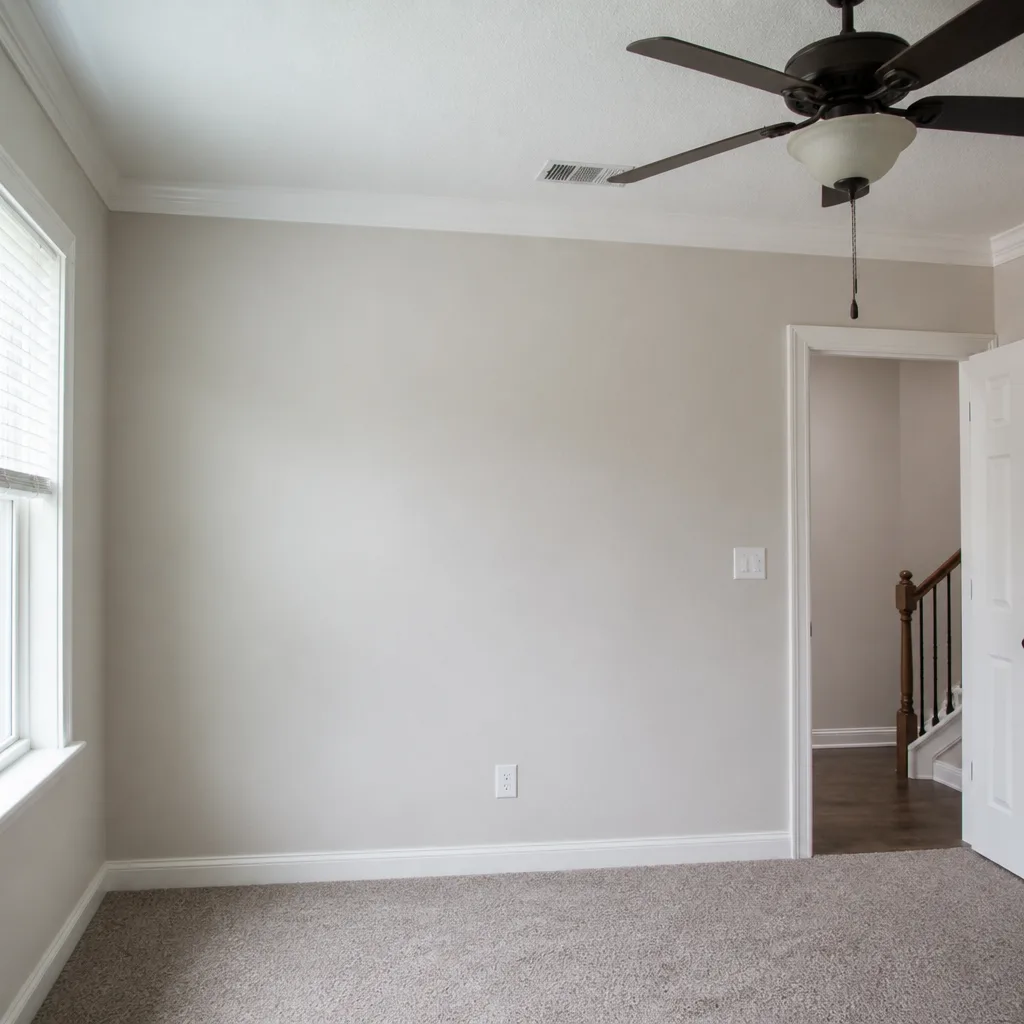
Storm responseSewage cleanup
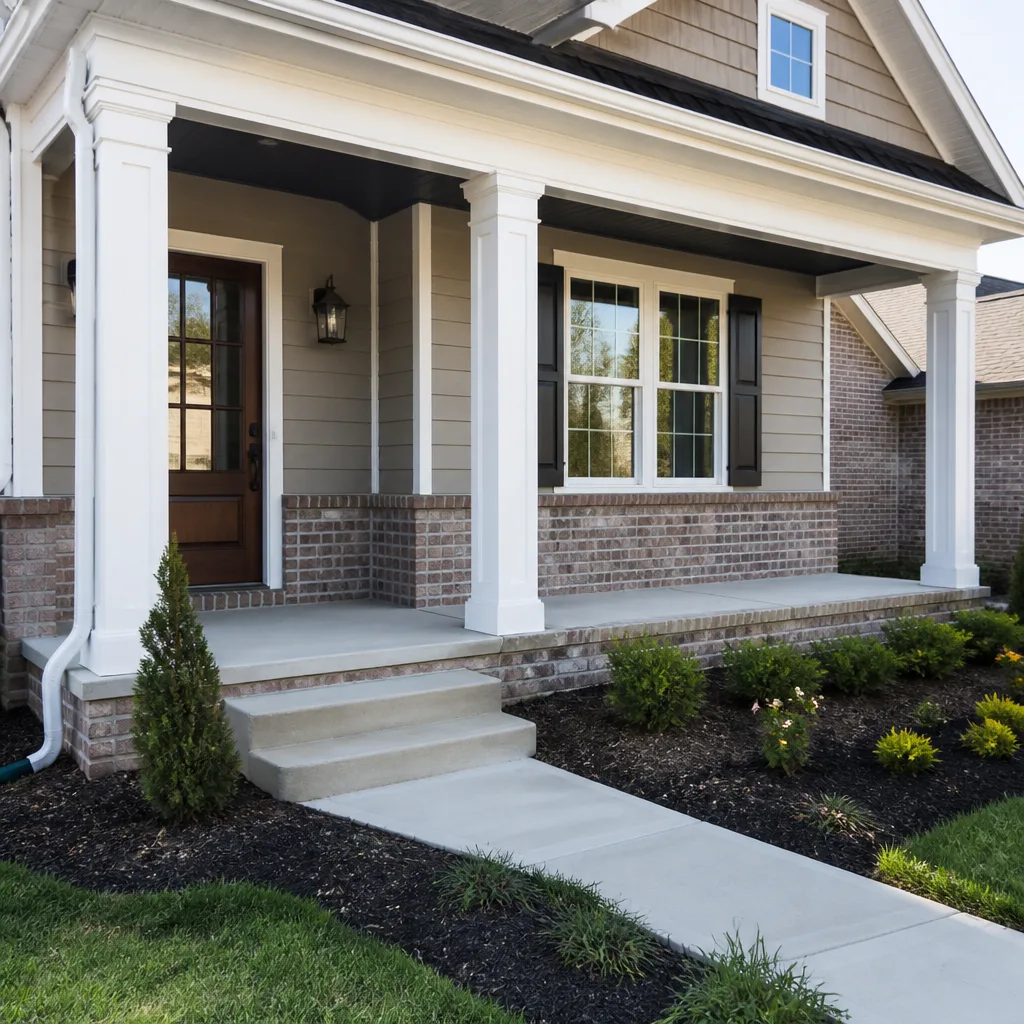
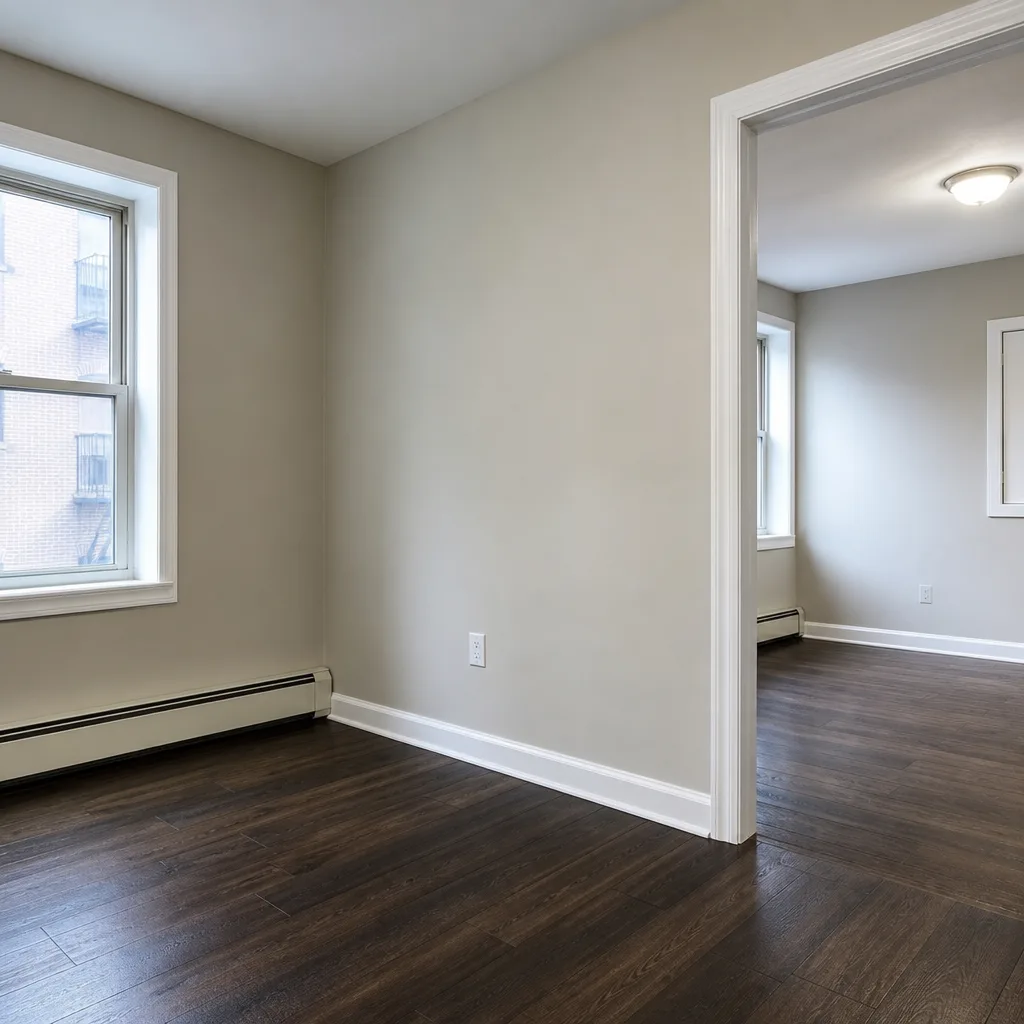
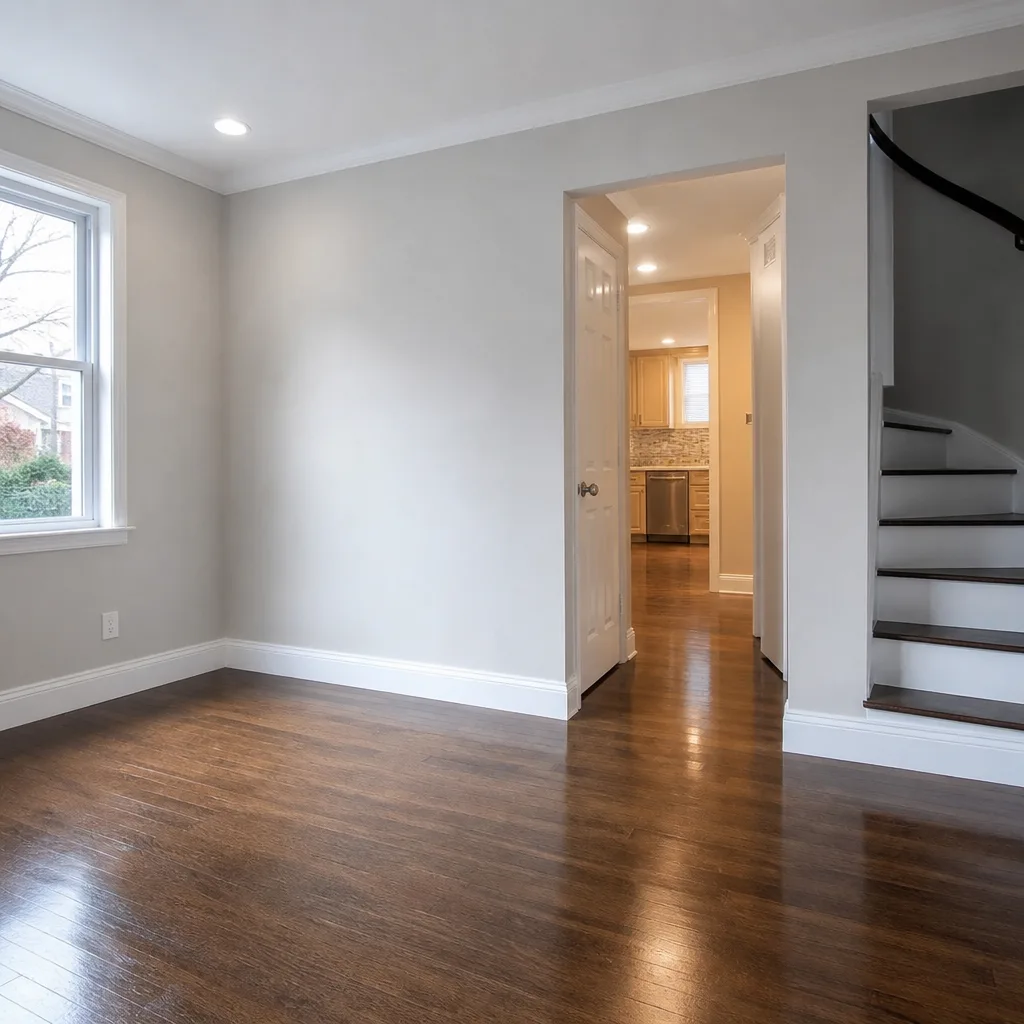
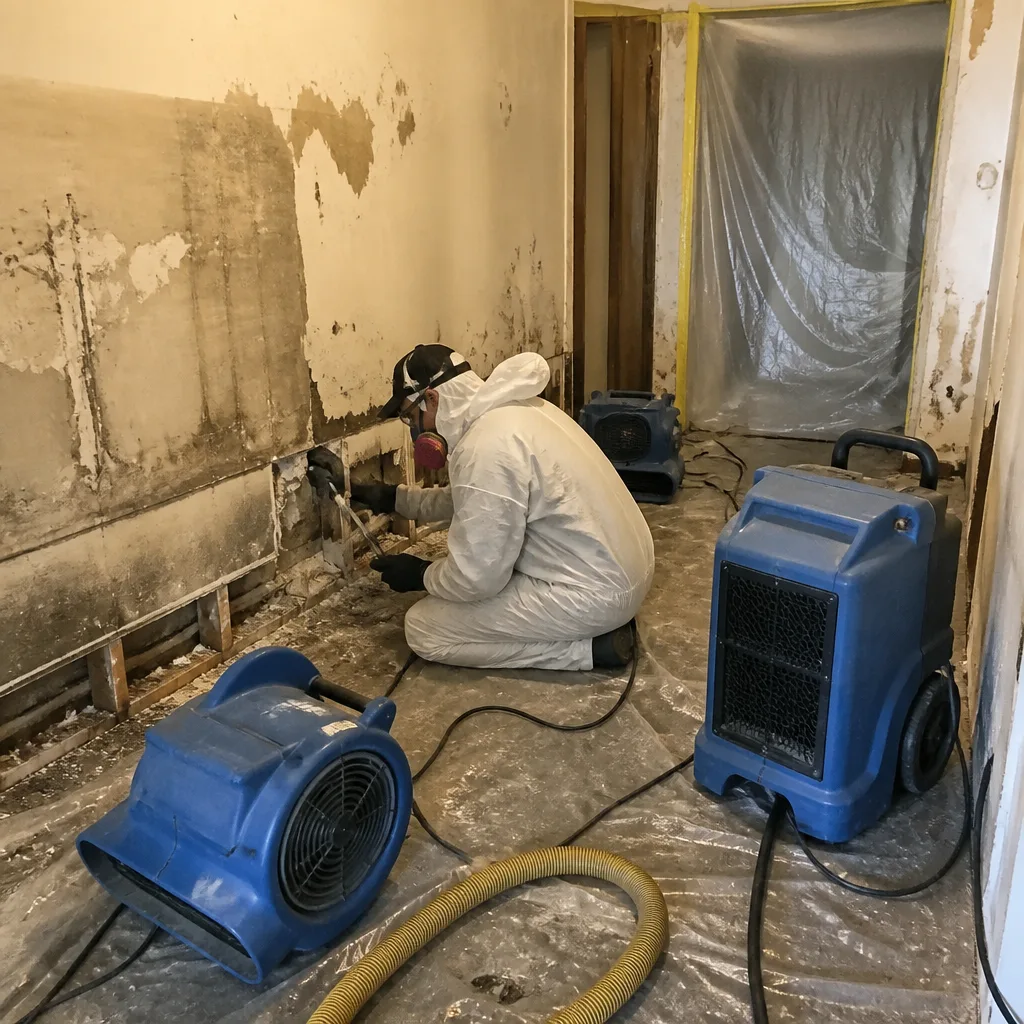 Before
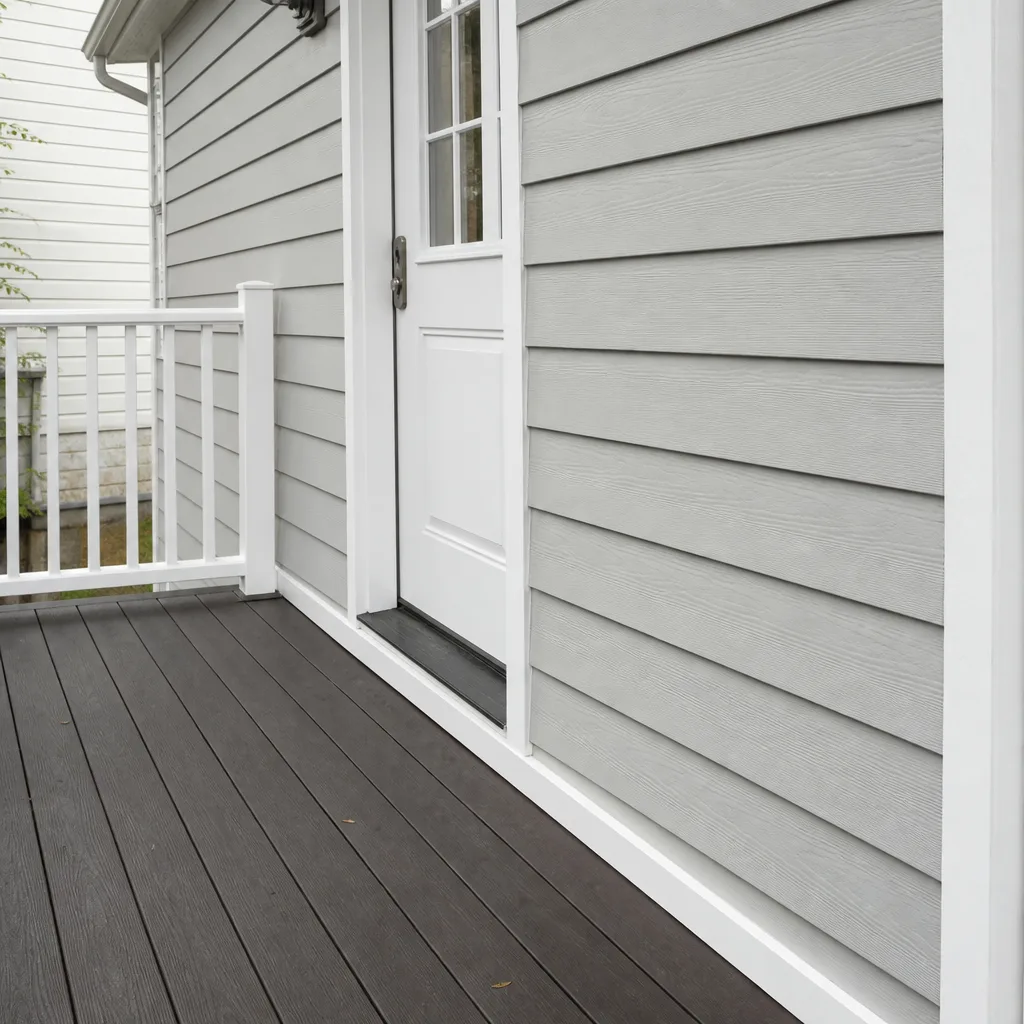 After
After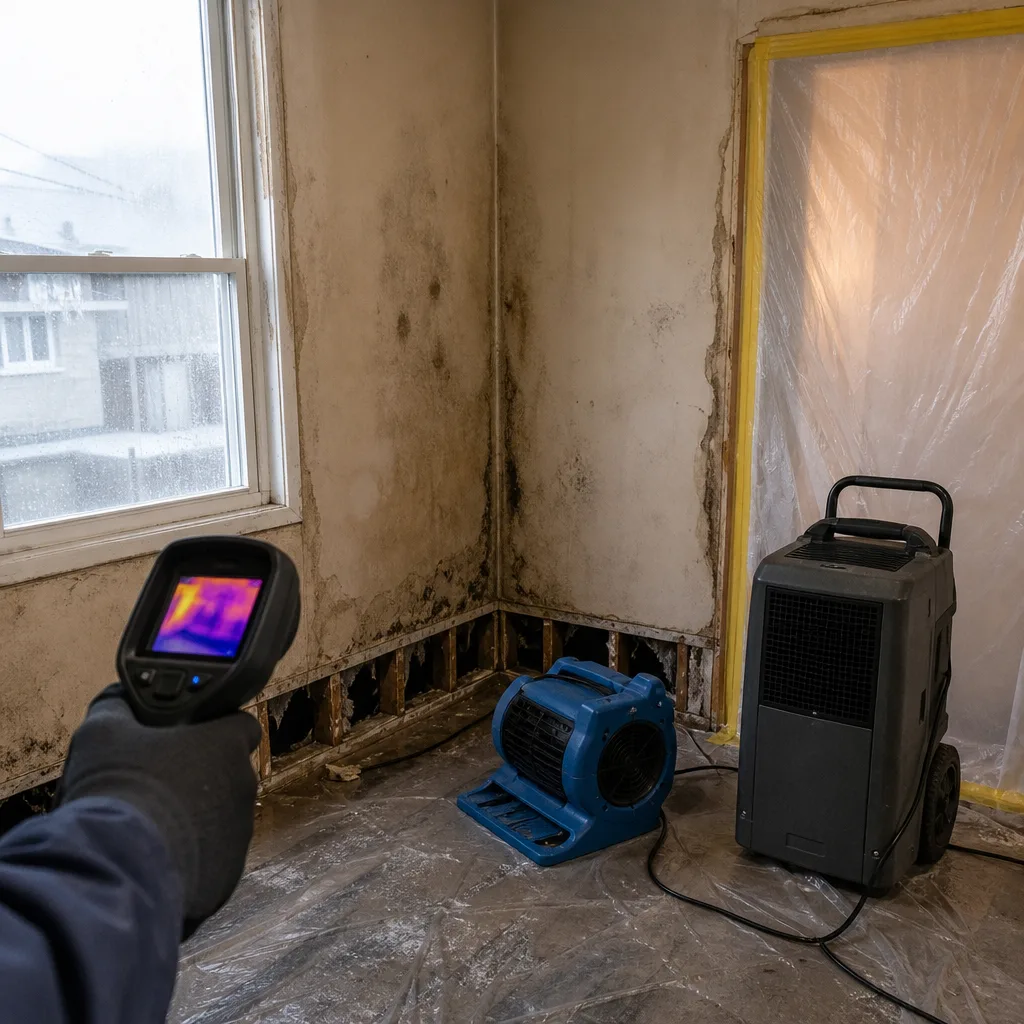 Before
 After
After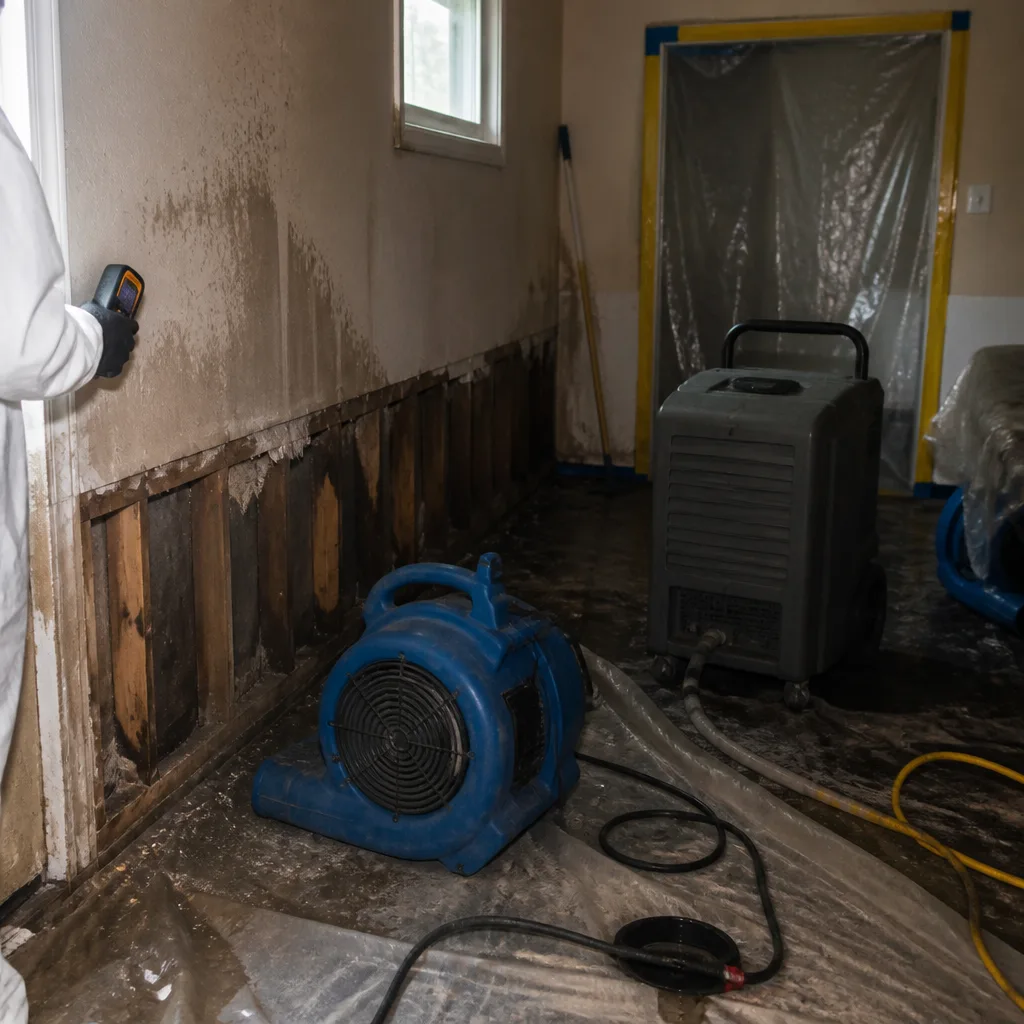 Before
 After
After24/7 Emergency Commercial Restoration in Bayside
Commercial water damage in Bayside moves fast, and so do we. Our crews reach Bay Terrace, Bell Boulevard, and the corridors along Northern Boulevard within 45 minutes of your call, with extraction equipment running the same visit. Call (518) 872-6111 and a live person answers, day or night, not a recording. The first hour after a commercial loss determines whether you’re dealing with cleanup or a full gut-and-rebuild, especially when a coastal surge or a surcharging combined sewer line is involved.
We start with a free visual inspection, a written scope before any work begins, and a moisture map of exactly what’s wet and what’s not. Flat-roofed commercial buildings along Bell Boulevard and the older brick storefronts near the Bayside LIRR station have their own failure points, and we know where to look first. Floodline Restoration Co. handles every phase of Commercial Restoration from first extraction to final rebuild, with one certified crew on the job from start to finish.
Understanding Commercial Restoration Severity in Bayside Properties
Not all water is the same, and in Bayside the distinction matters more than almost anywhere else in Queens. Category 1 water comes from a clean supply line, a burst pipe in a drop ceiling or a failed water heater in a mechanical room. Category 2 carries contaminants, the kind you see when a bathroom drain line leaks into a retail space below. Category 3 is black water, and in Bayside it appears more often than many property owners expect because the combined sewer system means sewage and stormwater share the same pipe underground.
When a nor’easter pushes storm surge into Little Neck Bay and the sewer system backs up through floor drains, a commercial basement that looks like it just flooded often contains Category 3 water requiring full containment, hazmat protocols, and antimicrobial treatment on every surface below the water line. We classify water by testing, not by assumption, because treating black water as grey water leaves a building unsafe for employees and customers. In Bayside’s older commercial stock, many built between the 1920s and 1960s with cast-iron laterals and full basements, moisture mapping is the difference between stopping a loss and chasing it for months.
Why Bayside Property Owners Choose Floodline Restoration Co.
- 45-minute response commitment to Bayside addresses. Our dispatch board shows exactly which crew is closest to your building on Bell Boulevard, Bay Terrace, or anywhere else in the neighborhood.
- A live person answers, 24/7. No automated phone tree. At 2 a.m. you’ll speak to a dispatcher who can send a certified crew to your property that same visit.
- IICRC-certified crews, trained in WRT, FSRT, and AMRT. Our technicians carry the certifications that matter for commercial water, fire, and mold work, and they perform daily moisture readings until the dry standard is met.
- Free visual inspection with a written scope before work starts. You’ll know exactly what we plan to do and what it costs before we bring one piece of equipment through your door.
- Direct insurance billing. We handle the carrier communication, the photo documentation, and the line-item estimates so you’re not the messenger between your insurer and the restoration crew.
- One team from extraction to reconstruction. The same crew that reads the moisture map on day one rebuilds the drywall and repaints the office at the end.
Our Commercial Restoration Process
Inspection & Assessment
We walk the entire affected area, test the water category, and use thermal imaging and hygrometers to map moisture in walls, flooring, and structural cavities. You get a written scope and a straight answer about cleanup versus reconstruction.
Extraction & Stabilization
Standing water comes out first with commercial-grade extractors. If the loss is Category 3, we set containment immediately, using XPOWER air movers to create negative air pressure so contaminants don’t migrate into unaffected spaces.
Drying & Dehumidification
Dri-Eaz and B-Air dehumidifiers run until pre-loss moisture readings are confirmed, not estimated. We log readings daily and hand the log to you and your carrier, in writing.
Cleaning & Sanitization
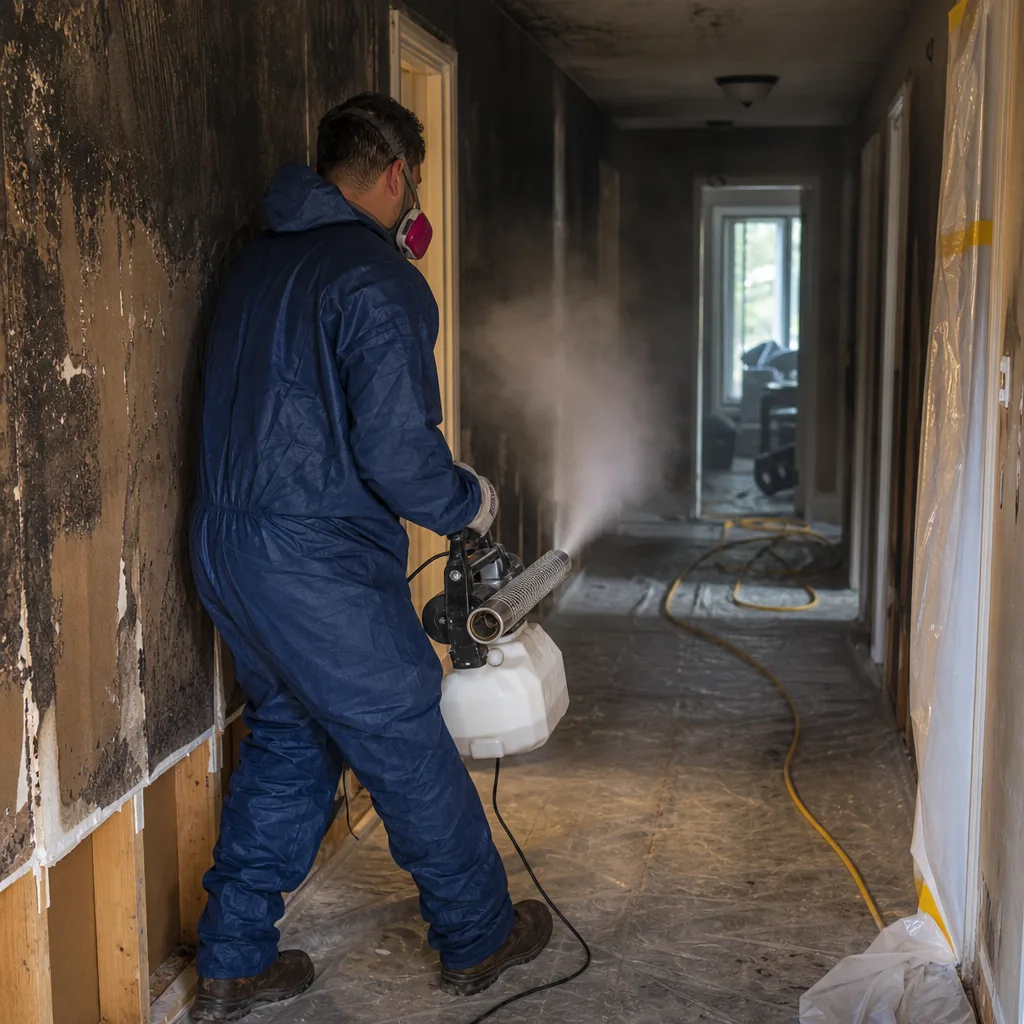
All affected surfaces get antimicrobial treatment appropriate to the water category. For salt-laden surge water, we test for chloride residues and address them before they cause spalling brick or efflorescence months later.
Specialty Treatment for Commercial Spaces
Document and inventory recovery, electronics assessment, and business interruption minimization. Where containment allows, we can sequence work so part of your operation stays open while we dry another.
Repairs & Restoration
The damaged materials come out and the rebuild begins. Our crews handle drywall, flooring, paint, and millwork in-house, which means the crew that dried your building is the same one that puts it back together.
Need Emergency Commercial Restoration in Bayside Now?
Crews minutes away, answering live 24 hours a day. The sooner we start, the less it costs.
Working With Your Insurance Company
Commercial claims in Bayside move faster when the documentation is airtight from the first hour. We photograph every affected area room by room, log moisture readings daily until the dry standard is met, and write a detailed, line-item scope of work that your adjuster can verify against the evidence. Our team communicates directly with your carrier, answers their questions, and provides the documentation they need to process your claim without delay. You’ll never play messenger between our crew and your insurance provider. Direct billing keeps the money moving where it belongs: toward getting your building back open.
What We Provide Your Insurer
- Thorough documentation of the loss
- Photos of all damage, room by room
- Moisture readings and drying logs
- A detailed, line-item scope of work
- Direct coordination with your carrier
Built for Bayside’s Loss Calendar
Bayside’s commercial damage season doesn’t follow one pattern; it follows three. January and February bring the deep-freeze bursts, copper supply lines splitting inside unheated mechanical rooms and above drop ceilings in older retail spaces that were never insulated for extended cold. March through May, thaw and spring rain push groundwater up against foundations, and Bayside’s older cast-iron laterals, already brittle with age, crack under the pressure and let groundwater seep into basements and storage areas.
Summer is the heaviest season here, and the most dangerous for classification errors. Nor’easters in late summer and fall push coastal surge from Little Neck Bay into the Bay Terrace waterfront section, while the combined sewer system simultaneously backs up from storm volume. That double vector, saltwater coming in from above and sewage pushing up from below, is what makes Bayside commercial restoration work different from inland Queens. We schedule crews accordingly, keeping extra capacity available during peak nor’easter season and summer thunderstorm months. When a storm hits Bayside, we’re already in the neighborhood.
Commercial Restoration Across Bayside’s Neighborhoods
Bell Boulevard is the commercial spine of Bayside, with its dense row of restaurants, bars, and retail storefronts sharing party walls and aging utility connections. A sewer backup in one restaurant basement quickly becomes a problem for the tenant next door, which is why containment and air sealing matter as much as extraction on Bell. Bay Terrace, sitting closest to Little Neck Bay, carries the highest coastal surge risk, and its shopping center parking and loading configuration requires restoration crews who can work in tight lanes without blocking deliveries.
The stretch of Northern Boulevard from the Cross Island Parkway through to the Flushing border holds a mix of auto shops, big-box retail, and older brick commercial buildings with flat roofs and parapet walls that channel rainwater into the building. Over by the Bayside LIRR station, several mid-century mixed-use buildings have retail on the ground floor and apartments above, which means any restoration plan has to protect both commercial and residential occupants, and often involve an HOA or a co-op board in the decision loop. In the quieter side streets off 35th Avenue and 48th Avenue, converted houses now used as medical offices and small professional suites carry residential construction methods that respond differently to water than modern commercial buildouts. Each of these Bayside segments has its own loss profile, and our crews adjust approach, equipment placement, and sequencing to match it.
Specialized Commercial Restoration Services We Offer in Bayside
Multi-Unit & HOA Restoration
Bayside’s co-ops, condos, and mixed-use buildings along Bell Boulevard and Northern Boulevard need restoration work that respects shared infrastructure and governing boards. We coordinate directly with property managers and HOAs, provide written scopes that boards can review, and sequence work so common areas and occupied units stay functional while we dry the affected space. A water loss on the third floor of a co-op becomes a four-floor problem fast; we contain it before it spreads.
Large-Loss Response
When a fire sprinkler discharge soaks an entire retail floor, or a nor’easter puts two feet of surge water through a Bay Terrace restaurant, you need more than a van and two techs. Floodline runs a large-loss response command structure with additional crews, equipment trailers, and a dedicated coordinator who communicates with ownership, tenants, and the insurer daily. Our Bayside dispatch board tracks every crew and every piece of equipment in real time, so no one’s waiting on a truck that never shows.
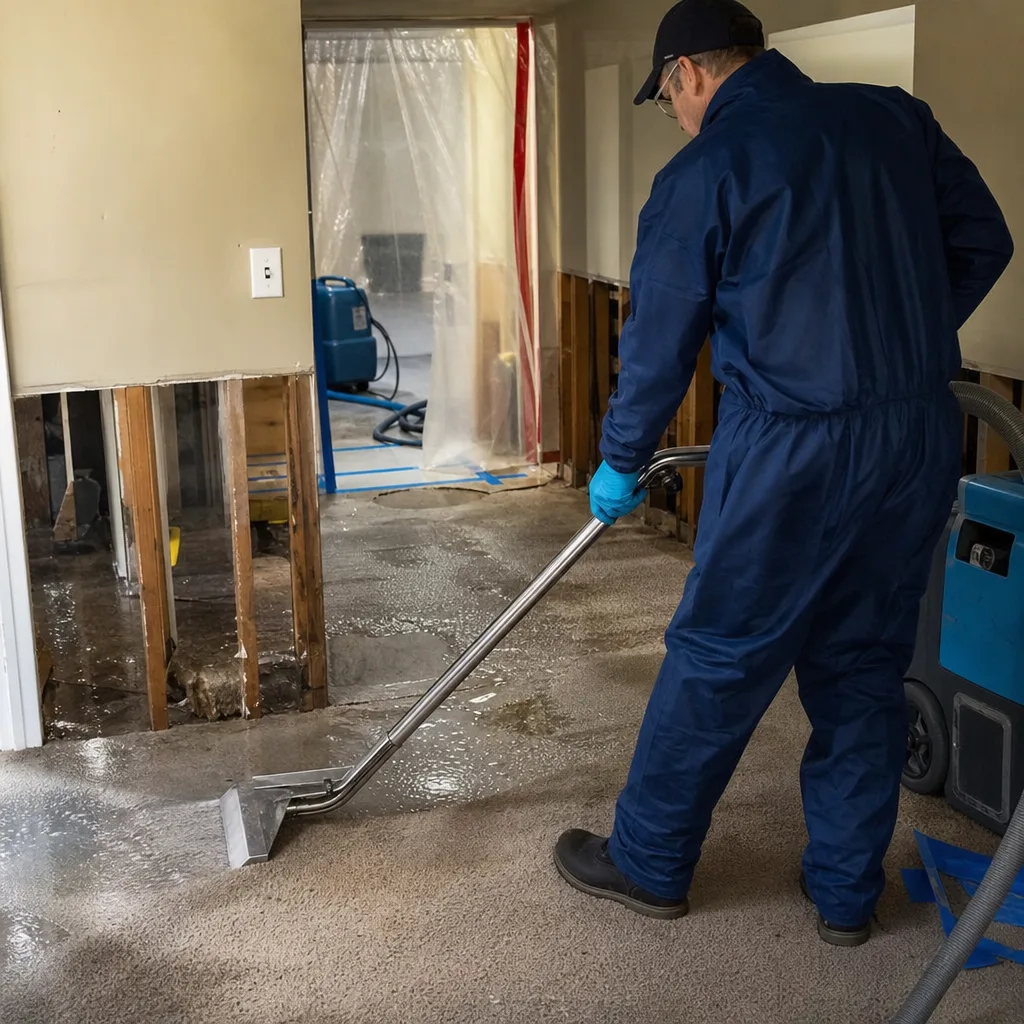
Business Interruption Minimization
Every day a Bayside storefront stays closed costs money that insurance rarely covers in full. We sequence restoration so that affected zones are contained while unaffected zones stay operational. In the Bay Terrace shopping center, we handled a commercial basement where a surcharging combined sewer main pushed Category 3 water through a floor drain in a restaurant’s dry-storage room. We set containment with XPOWER air movers, ran full hazmat protocols including antimicrobial treatment on every surface below the water line, and used Dri-Eaz dehumidifiers to hit pre-loss moisture readings within 72 hours, keeping the business open upstairs the entire time.
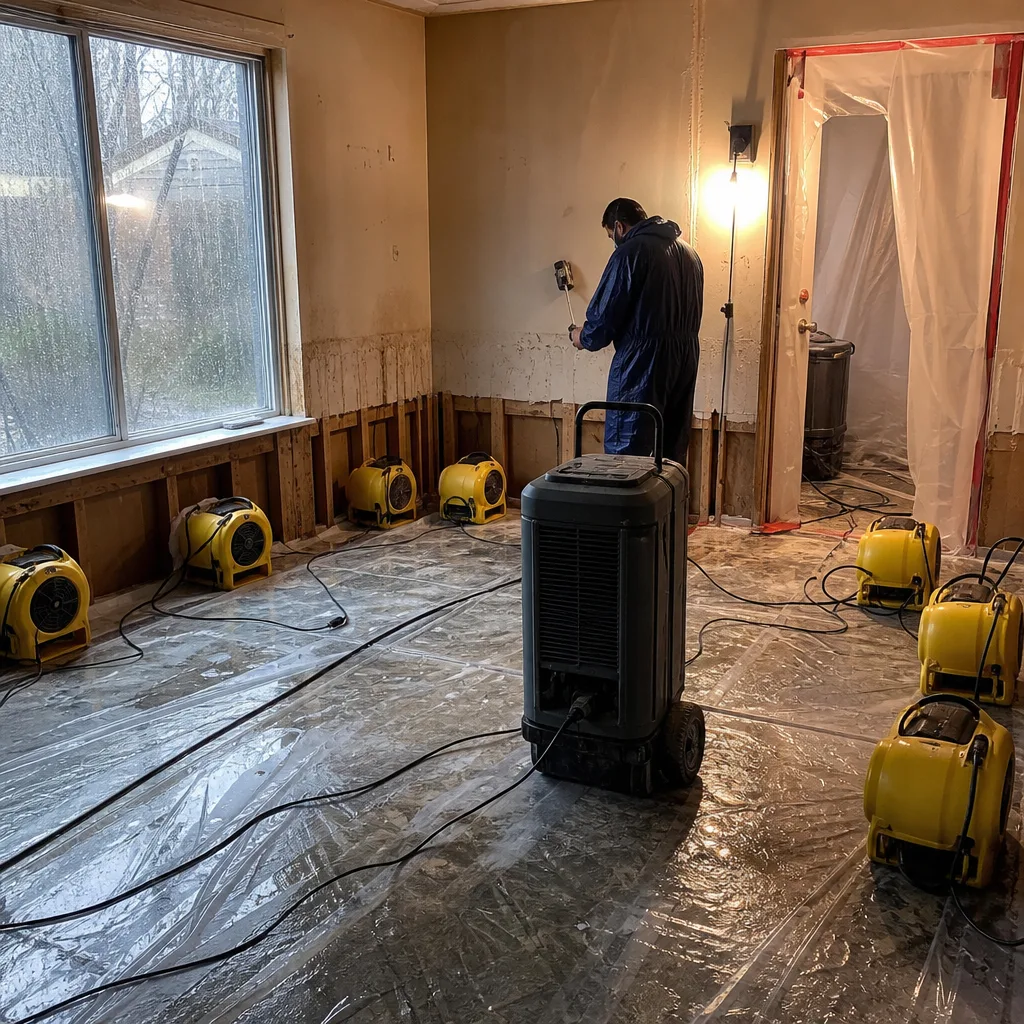
Office & Retail Restoration
Offices above retail spaces on Bell Boulevard and the medical offices in converted houses off Northern Boulevard deal with water damage that threatens patient records, client files, electronics, and finishes. We dry in place where possible, remove materials only where necessary, and prioritize the fastest path back to a usable workspace.
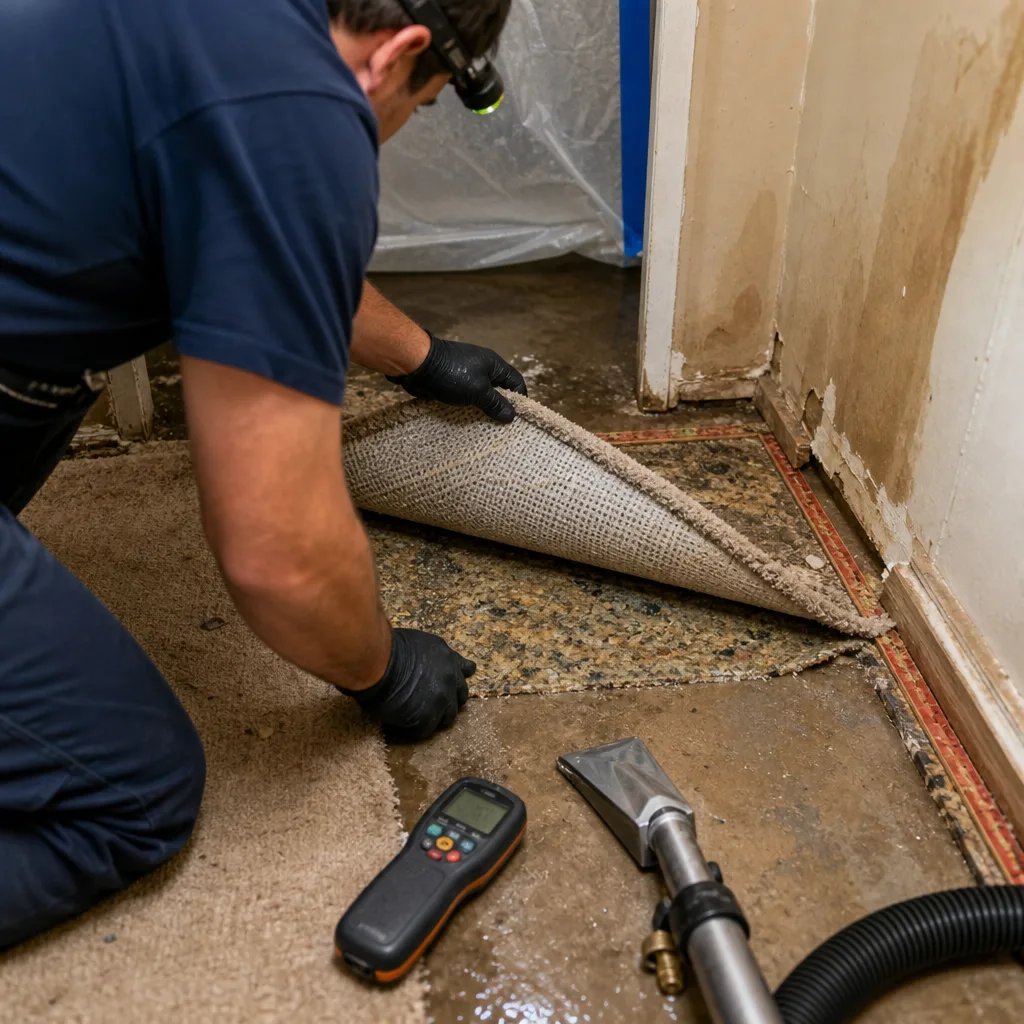
Industrial Facility Cleanup
Auto shops, warehouses, and light industrial buildings in Bayside, particularly along the Cross Island corridor and the industrial pockets near Crocheron Park, carry petroleum residues, chemical storage, and heavy equipment that complicate any water or fire loss. We’re trained to handle contaminated runoff, and we build the containment and disposal plan into the initial scope.
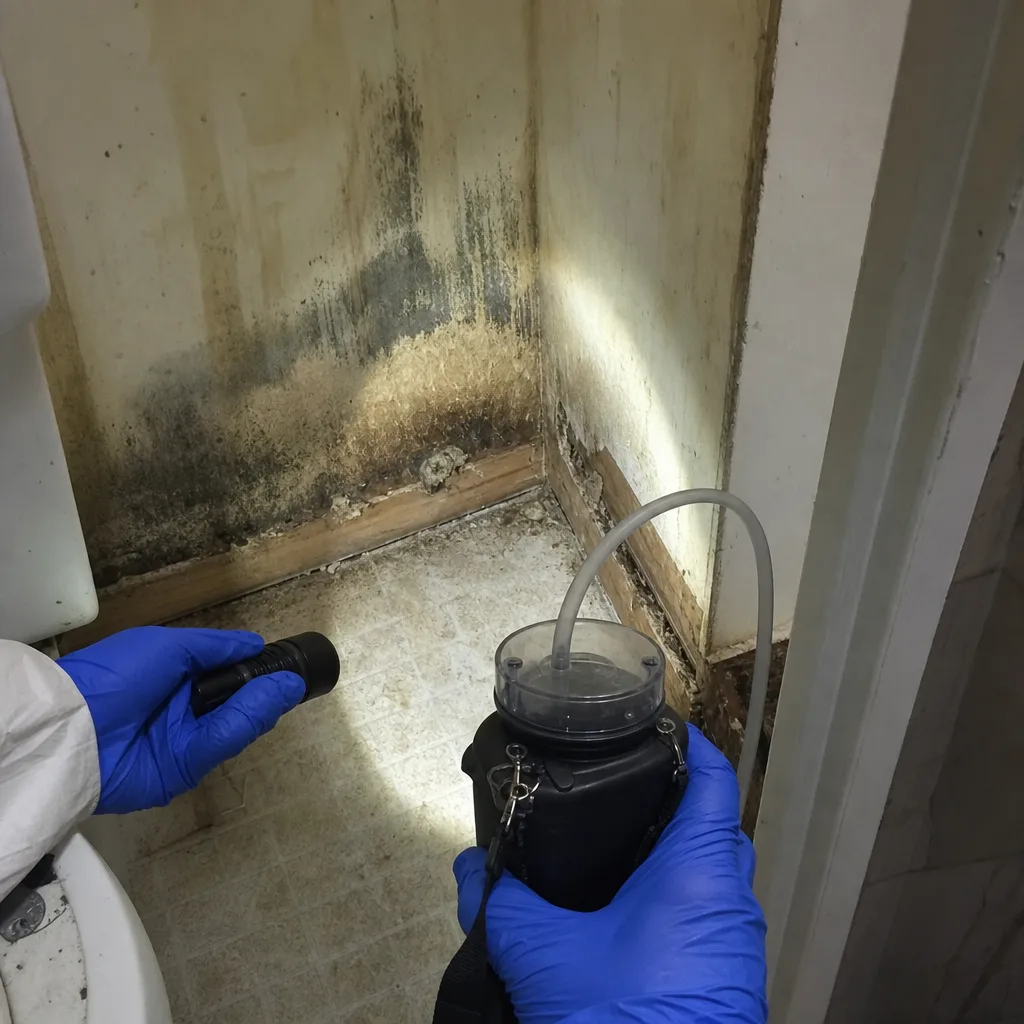
What happens when you call
- 1
A real person answersNo phone trees - you reach a local pro.
- 2
You get an upfront price rangeHonest numbers before anyone is dispatched.
- 3
A background-checked tech heads outLicensed & insured, dispatched right away.
- 4
You approve before work beginsNothing starts until you say go.
Commercial Restoration Costs in Bayside, NY
Commercial restoration pricing in Bayside is driven by water category, affected square footage, and the level of containment required. A small Category 1 clean-water loss in a storefront restroom generally runs $2,500 to $5,500 for extraction, drying, and minor repairs. A Category 2 loss involving a floor drain backup in a restaurant kitchen typically falls between $5,000 and $12,000 depending on whether cabinetry and flooring need replacement. Category 3 black-water contamination from a combined sewer surcharge or coastal surge runs higher, often $12,000 to $40,000 or more, because full containment, hazmat disposal, antimicrobial treatment, and often significant material removal are not optional.
The fastest way to get a firm number is the free visual inspection, which produces a written line-item scope with exact numbers, not ballpark ranges. Many Bayside commercial claims include coverage for these costs, and we bill your carrier directly. For out-of-pocket work, we offer the same written scope and the same 90-Day Done Right Promise: if it’s not done right, we make it right, in writing, no arguing.
We Also Serve Cities Near Bayside
Our commercial restoration crews cover Bayside and the surrounding Queens neighborhoods. We respond to commercial losses in Whitestone, Flushing, Oakland Gardens, and College Point with the same 45-minute commitment and the same written scopes. If your building is near the Bayside border, call and we’ll tell you exactly when a crew can be there.
Serving Bayside, NY - Our Local Coverage Area
We’re based in the Bayside area and know this community well. Use the map below to see our service coverage - if you’re nearby, we can almost certainly help.
Bayside Commercial Restoration Questions, Answered
What makes a commercial water intrusion in Bayside more likely to be Category 3 than in inland Queens neighborhoods?
Bayside’s combined sewer system, where stormwater and sanitary waste share a single underground pipe, means that a heavy-rain event can push sewage through floor drains even without direct flooding. Add in coastal surge from Little Neck Bay, and a commercial basement that looks like rainwater flooding is often Category 3 black water requiring hazmat protocols, containment, and antimicrobial treatment. We test every commercial loss in Bayside before classifying it, and we recommend property owners treat any floor-drain backup during a storm as Category 3 until proven otherwise.
How do you handle saltwater intrusion in a Bayside commercial building after a coastal surge from Little Neck Bay?
Saltwater intrusion requires a protocol that freshwater drying misses entirely. We test for chloride residues in affected masonry, framing, and finishes, because salt-laden water wicks deep into brick and mortar and causes spalling and efflorescence months after the visible water is gone. Our crews include salt-specific treatment in the scope when testing confirms chloride presence, and they document it in the drying log so it never becomes an overlooked callback. Call (518) 872-6111 after any coastal surge event, even if the water receded quickly.
Can you keep our Bay Terrace storefront open during a large-loss restoration?
In many cases, yes. We set containment barriers and negative air pressure so affected areas are isolated from customer and employee zones, and we sequence work around your operating hours. For the restaurant basement we restored in Bay Terrace, the business stayed open upstairs while we ran full Category 3 protocols below. Some losses require full closure, but we’ll tell you straight up in the initial scope whether partial operations are possible.
What’s the biggest difference between drying a commercial basement in Bayside versus a residential finished basement a few blocks away?
Commercial basements in Bayside typically carry larger floor areas, higher ceilings, and more interconnected mechanical systems than residential finished basements, which changes equipment counts, drying times, and containment needs. But the bigger difference is surface area of shared infrastructure: a commercial building on Bell Boulevard may share a sewer lateral or a party wall with neighboring businesses, so what started as one tenant’s problem becomes a shared containment project. We plan for that from the first inspection.
How fast can you respond to a sewage backup in a multi-unit building on Bell Boulevard in Bayside?
Within 45 minutes, often faster if a crew is already working nearby. Bell Boulevard is one of our most frequent dispatch zones in Bayside, and we keep equipment staged for combined-sewer backup calls during storm season. Category 3 sewage work cannot wait, so a live dispatcher will confirm your address and send the nearest certified crew immediately when you call (518) 872-6111.
Will my commercial insurance cover Category 3 water and mold remediation in Bayside?
Most commercial policies cover sudden and accidental water damage, including Category 3 sewage backups and storm surge, but exclusions can apply to long-standing moisture issues, flood damage under certain policy types, and mold caps. We document everything from the first hour and provide your carrier with the evidence they need to classify the loss correctly. Direct billing means we handle the paperwork while you focus on the building.
Do I need full mold remediation or just cleaning after commercial water damage?
The answer depends on water category, elapsed time, and the materials affected. Category 1 water that is extracted within hours and dried with commercial equipment rarely requires full mold remediation. Category 2 or 3 water, particularly in Bayside’s older commercial buildings with plaster walls and organic materials, often warrants professional mold assessment and possibly containment remediation. Our inspection includes moisture mapping and air quality testing where indicated, and we’ll tell you honestly whether full remediation is needed or a thorough cleaning is enough.
What should I do in the first 30 minutes after commercial water damage in Bayside?
Shut off power to affected areas if you can do so safely, stop the water source if it’s safe to access, and call us at (518) 872-6111. Do not use a wet-dry vacuum on Category 3 water, do not run your building’s HVAC if it’s pulling air from the wet area, and do not lift wet commercial carpeting without professional guidance, since trapped moisture and contaminants can spread. Document what you see with your phone. Then let our crew take over.
Written by Curt Bowman, Owner at Floodline Restoration Co., providing commercial restoration throughout Bayside and the surrounding Queens neighborhoods.