

Free visual inspection and a written scope of work before any mitigation begins - photos, moisture readings, and drying logs go in your claim file
The scope we write is the scope we bill. Anything new gets shown to you, in writing, before we touch it.
Storm responseSewage cleanup
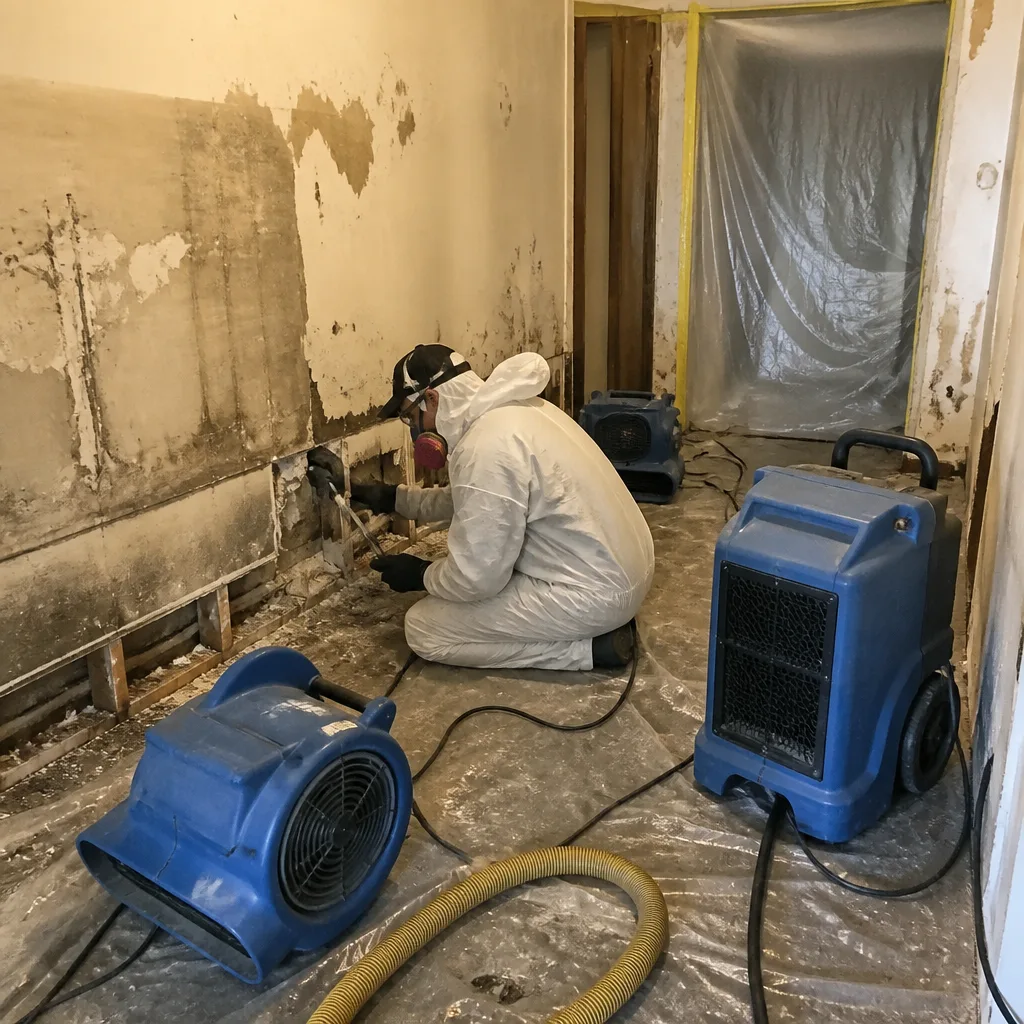 Before
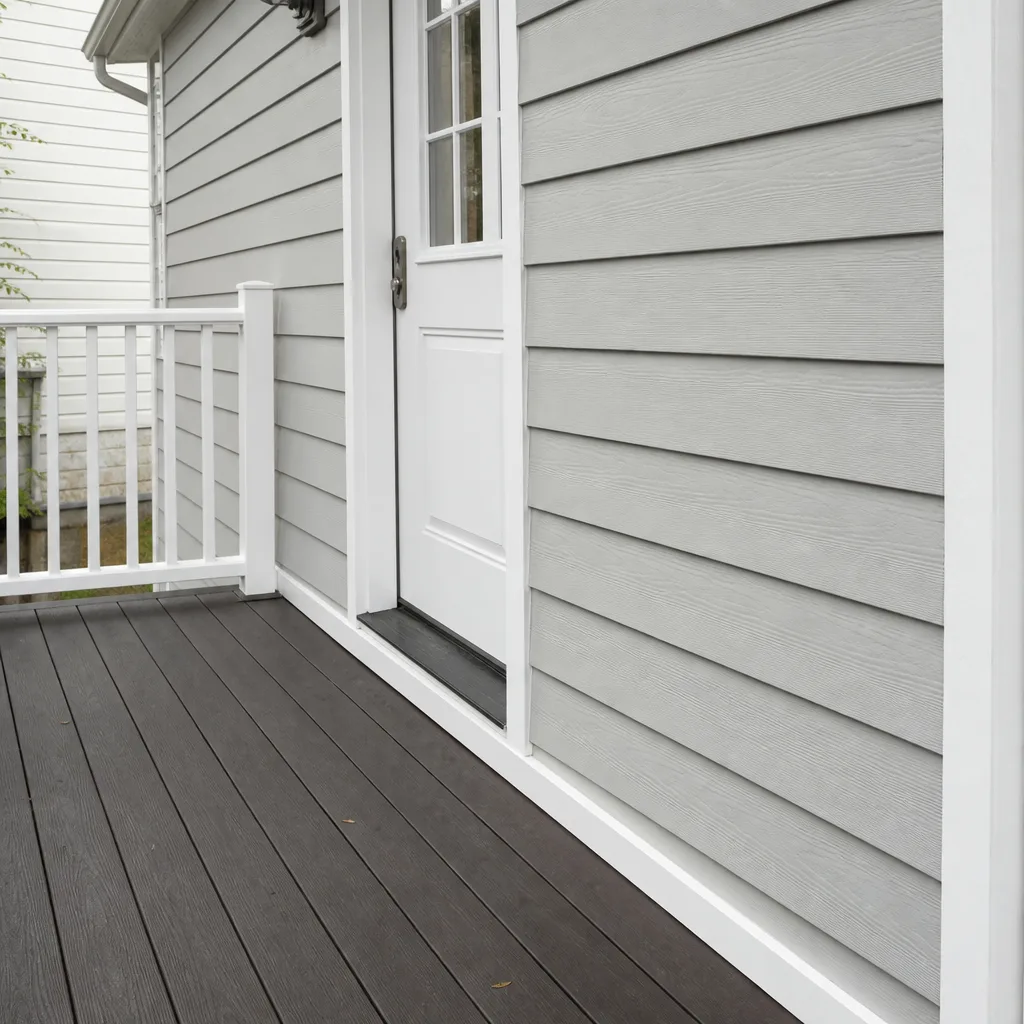 After
After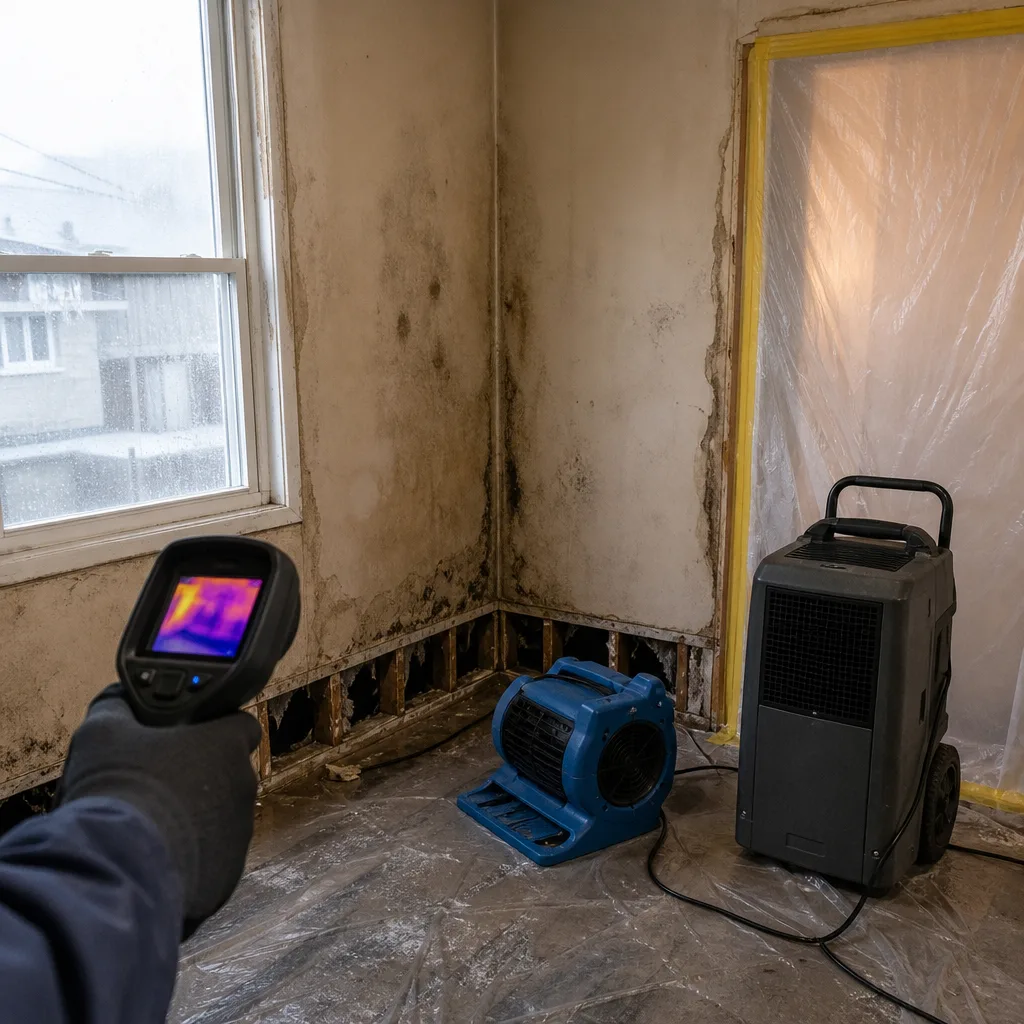 Before
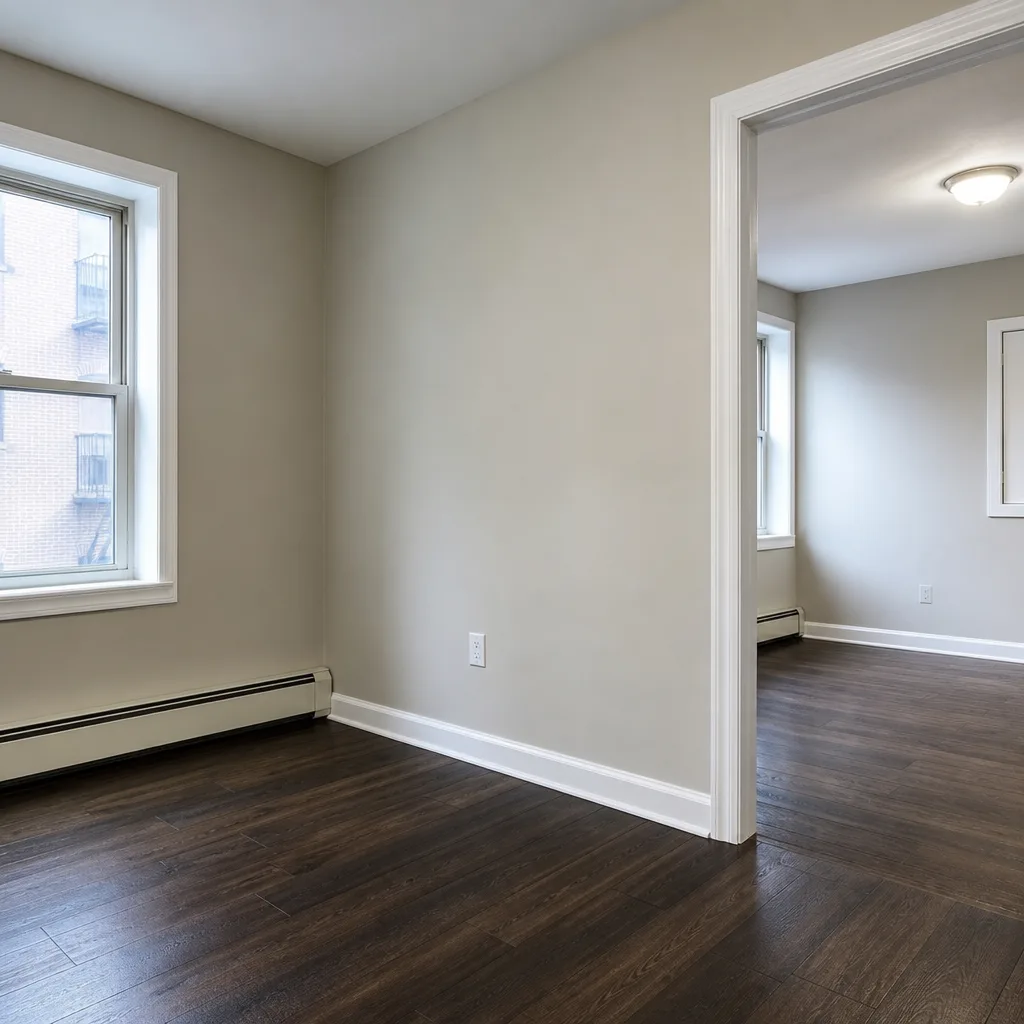 After
After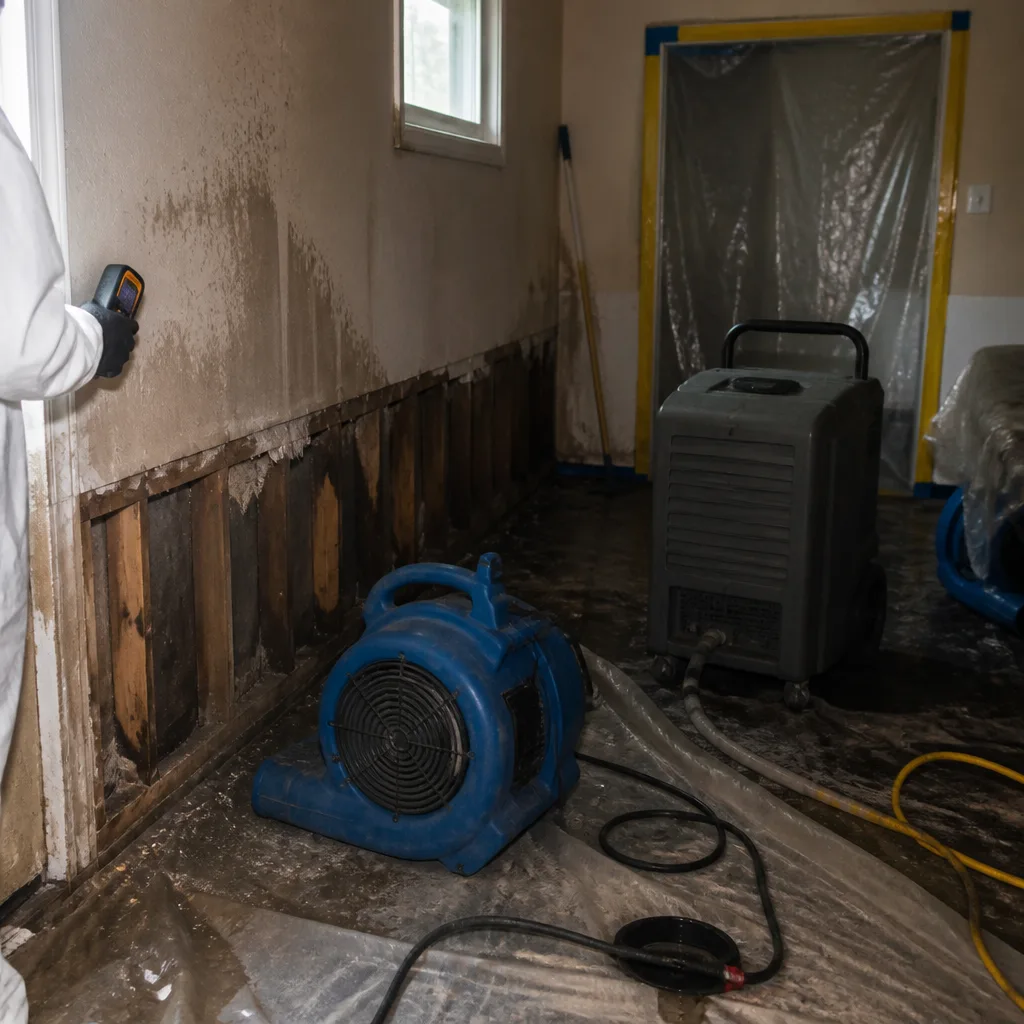 Before
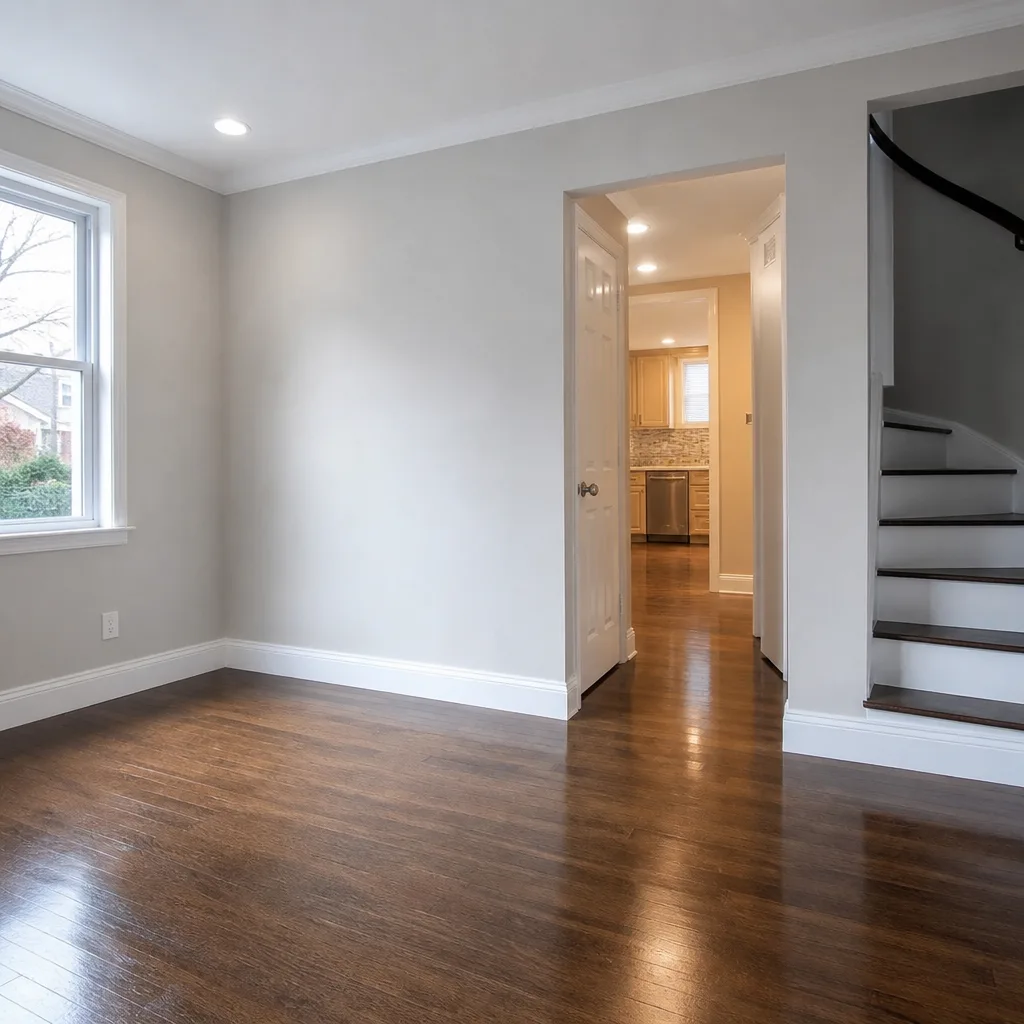 After
After24/7 Emergency Commercial Restoration in Whitestone
Commercial water, fire, or storm damage in Whitestone needs a response measured in hours, not days. Our crews answer live around the clock, seven days a week, and dispatch into Whitestone, Flushing, Bayside, College Point, and Fresh Meadows from our New York City office. When a 1950s brick storefront off 150th Street takes on three feet of tidal surge, or a restaurant kitchen off Cross Island Parkway loses a supply line at midnight, the first call should be to (518) 872-6111. We start with a free visual inspection, build a moisture map on the spot, and get extraction moving the same visit. The longer water sits inside thick masonry walls, the deeper the contamination wicks, and the more likely you’re facing a full gut rather than contained drying.
Understanding Commercial Restoration Severity in Whitestone Properties
Whitestone’s commercial stock runs heavily to mid-century brick offices, ground-floor retail in mixed-use buildings, and medical or dental suites inside 1940s-1970s colonials and Cape Cods. That construction changes how damage behaves. Brick wicks water laterally and vertically through mortar joints long after a surface mop-up looks complete. A Category 1 clean-water break from a supply line becomes a Category 3 black-water loss if it sits more than 48 hours, especially in basements at or near sea level where tidal saltwater and sewer backflow mix in. Moisture mapping shows us what eyes miss: moisture trapped behind baseboards, inside wall cavities, under vinyl flooring. Structural drying on masonry requires longer runtimes and different drying chamber setups than standard drywall-and-stud builds. Whitestone’s salt-laden waterfront air actively feeds corrosion and mold, so a building that tested dry at six weeks can still harbor hidden spore colonies behind brick facades if the initial drying targets were never met.
For mold specifically, we follow IICRC S520 containment protocols: negative air pressure, HEPA air scrubbers, and antimicrobial application rated for porous brick and mortar. Clearance testing confirms the job is done. And for fire losses, Whitestone’s older wiring in pre-1980 commercial panels means soot often travels deeper into wall cavities than a surface wipe would address.
Why Whitestone Property Owners Choose Floodline Restoration Co.
- 45-minute response commitment to Whitestone. Our dispatch board has crews staged across Queens so a certified technician reaches most 11357 and 11356 addresses within the hour, every day of the year.
- A live person answers, 24/7. No automated tree. At 2 a.m. you get a dispatcher who can authorize a crew and start the mitigation clock while you’re still on the phone.
- IICRC-certified crews. Our technicians hold WRT, FSRT, and AMRT certifications, and train to RIA and IFA standards. They’re background-checked and uniformed on every job.
- Free visual inspection, every time. We walk the building, read the moisture map with thermal imaging and hygrometers, and tell you straight what’s needed and what isn’t.
- Direct insurance billing. We work with your carrier from the first photo to the final scope, and you never play messenger on a claim.
- One team, start to finish. The same Floodline crew that extracts and dries reconstructs what’s damaged. No mid-job handoff to a third-party sub.
Our Commercial Restoration Process
Inspection & Assessment
We arrive, walk every affected area, and read the building with thermal imaging and moisture meters. This catches hidden damage inside Whitestone’s thick brick wall cavities that a visual check misses. You get a written scope and a straight answer about what’s actually needed.
Extraction & Stabilization
Professional-grade extraction rigs pull standing water fast. We set containment where needed, board up openings, and stabilize structural hazards. The goal in hour one is stopping the loss from spreading upward through wicking brick and mortar.
Drying & Dehumidification
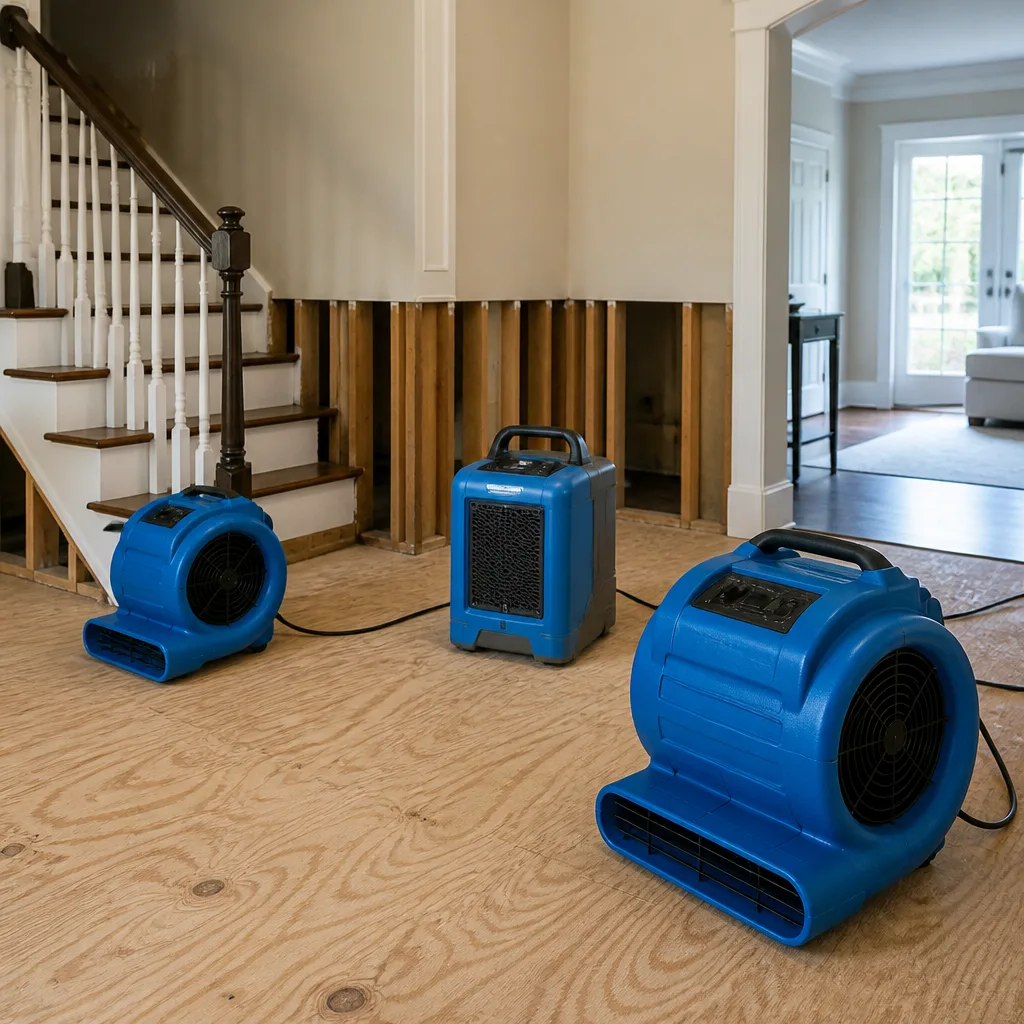
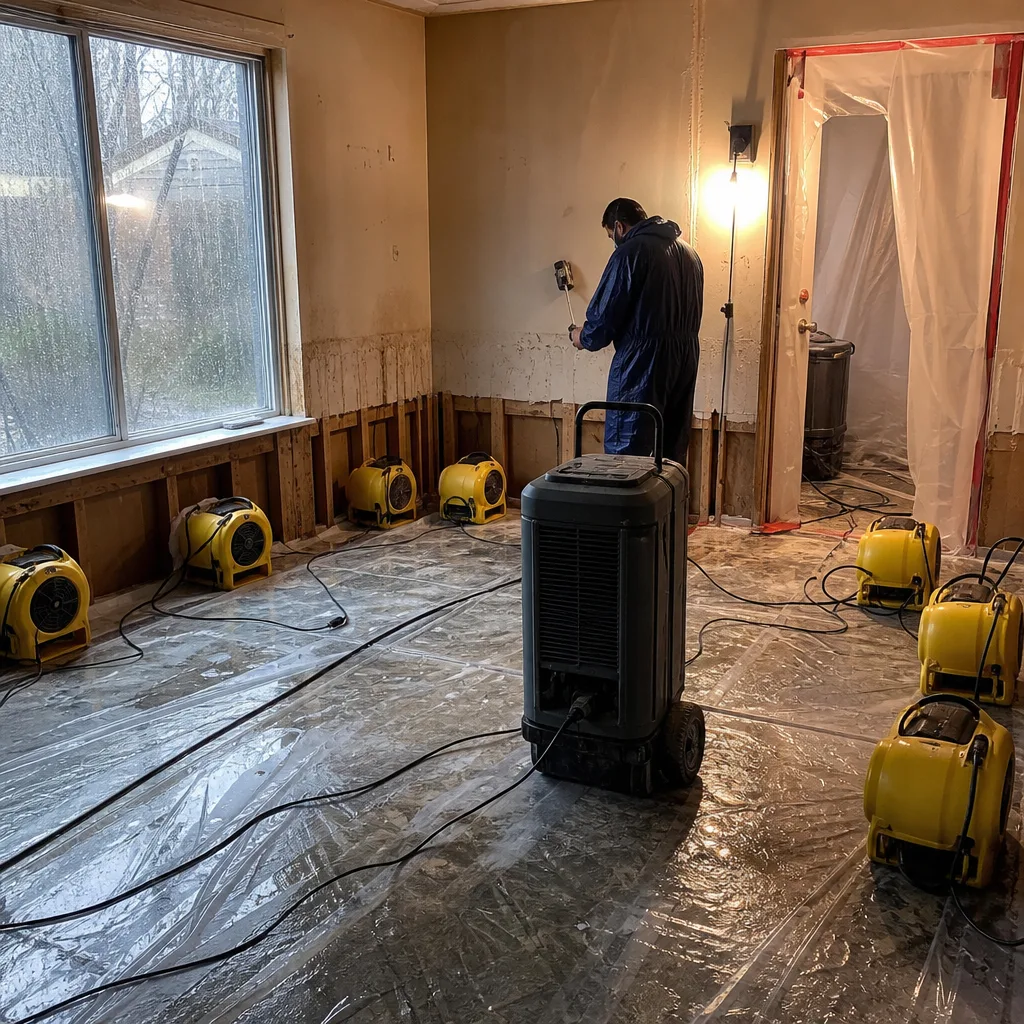
We place Dri-Eaz and Phoenix dehumidifiers with B-Air and XPOWER air movers in a drying configuration sized to your building’s square footage and wall construction. Daily moisture readings are logged in writing until masonry, framing, and finished surfaces all hit the dry standard.
Cleaning & Sanitization
HEPA air scrubbers run throughout the job. We remove contaminated materials, apply antimicrobial treatments to porous brick and mortar, and clean all salvageable contents. For sewage or Category 3 water, disposal follows IICRC protocols, full stop.
Mold & Corrosion Treatment
Whitestone’s salt-laden air reactivates mold behind brick faster than inland neighborhoods. We treat wall cavities with rated antimicrobials, inspect for hidden spore colonies behind patched drywall, and run clearance testing before we call it done.
Repairs & Restoration
The same crew rebuilds what was removed: drywall, flooring, cabinetry, trim, paint. We’re Commercial Restoration specialists from first extraction to final walkthrough, and the 90-Day Done Right Promise covers the whole job in writing.
Need Emergency Commercial Restoration in Whitestone Now?
Crews minutes away, answering live 24 hours a day. The sooner we start, the less it costs.
Working With Your Insurance Company
Flood, storm, fire, and water claims are slow if the paperwork isn’t right from day one. We document everything the moment we walk in: pre-existing conditions, moisture readings before and after drying, every room photographed and catalogued. Our estimates use industry-standard line-item pricing that adjusters recognize, and we communicate with your carrier directly so you don’t have to translate a drying log over the phone. When a Whitestone storefront owner files a claim after a nor’easter, the difference between a two-week and a two-month payout is the documentation file. We build that file for you from the first hour, including daily drying logs and a final scope that matches what we actually did, not what an app guessed.
What We Provide Your Insurer
- Thorough documentation of the loss
- Photos of all damage, room by room
- Moisture readings and drying logs
- A detailed, line-item scope of work
- Direct coordination with your carrier
Built for Whitestone’s Loss Calendar
Whitestone sits on a low-lying peninsula facing the East River and Flushing Bay. That geography writes a predictable loss calendar. Late summer through fall brings hurricane remnants and nor’easters that push storm surge into waterfront blocks off 149th Street and around Francis Lewis Park. January and February deep freezes burst uninsulated supply lines in older brick buildings, filling finished basements with Category 1 water that quickly worsens if nobody catches it. March and April thaw brings groundwater seepage through Whitestone’s aging foundation walls, and spring rains find every crack in old brick pointing. Summer brings thunderstorms that overwhelm combined sewers, backing Category 3 water into basement kitchens and utility rooms. The buildings most at risk are the 1940s-1970s brick commercial and mixed-use structures that hold moisture stubbornly once it gets inside. Planning a maintenance calendar around these seasonal threats is cheaper than rebuilding after them.
Commercial Restoration Across Whitestone’s Neighborhoods
Whitestone’s commercial landscape spans distinct pockets, each with its own loss profile. Along 150th Street and 14th Avenue, ground-floor retail in mixed-use buildings shares walls and sprinkler systems with apartments above; a second-floor supply line break floods the store below within twenty minutes. Around Francis Lewis Boulevard, medical and dental offices occupy converted brick colonials where patient records, diagnostics, and waiting rooms stack on top of wet basements. Waterfront blocks off 149th Street near the East River face recurring surge from nor’easters, and those buildings are often repeat calls. In the commercial strips near Cross Island Parkway, restaurants and auto-related businesses sit on slab foundations with buried drain lines, where a clogged main backs up Category 3 water through floor drains. The Beechhurst-adjacent blocks to the east have older strip centers with flat roofs that channel snowmelt and storm water straight into wall cavities. A restoration crew that treats Whitestone as one generic zone misses how different each block behaves; we don’t.
We serve Commercial Restoration in Whitestone with crews who know these streets. That means dispatch times stay short, and the tech arriving already understands the building type and likely failure mode before they open the door.
Specialized Commercial Restoration Services We Offer in Whitestone
Multi-Unit & HOA Restoration
Condos, co-ops, and multi-family buildings in Whitestone share one hard truth: a flood in unit 3B is a building-wide problem. We contain the affected unit, install drying chambers that respect neighbors’ need to keep living, and coordinate with property managers on security, elevator use, and tenant communication. Common areas like lobbies, stairwells, and basement laundry rooms get the same moisture mapping and drying log as a single-family job, and we bill the HOA or management company directly.
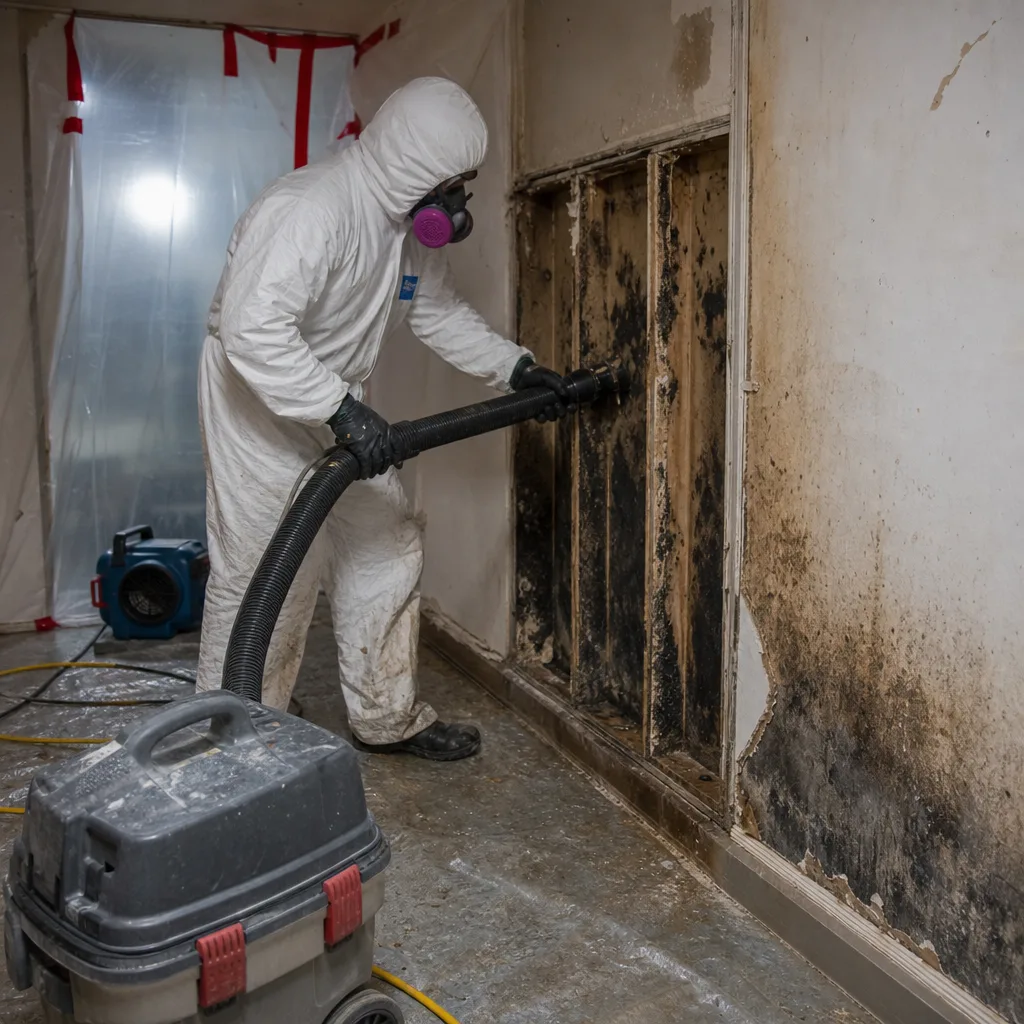
Large-Loss Response
When a Whitestone strip center, medical building, or industrial facility takes a major hit, the response has to scale fast. We can field multiple crews on one site, set up centralized drying chambers, and keep a single project lead accountable for the entire scope. Whitestone’s older masonry buildings mean large-loss drying requires careful zoning: interior drywall areas dry differently than brick perimeter walls, and forcing one drying strategy across a whole building is why so many commercial jobs fail six months later with mold.
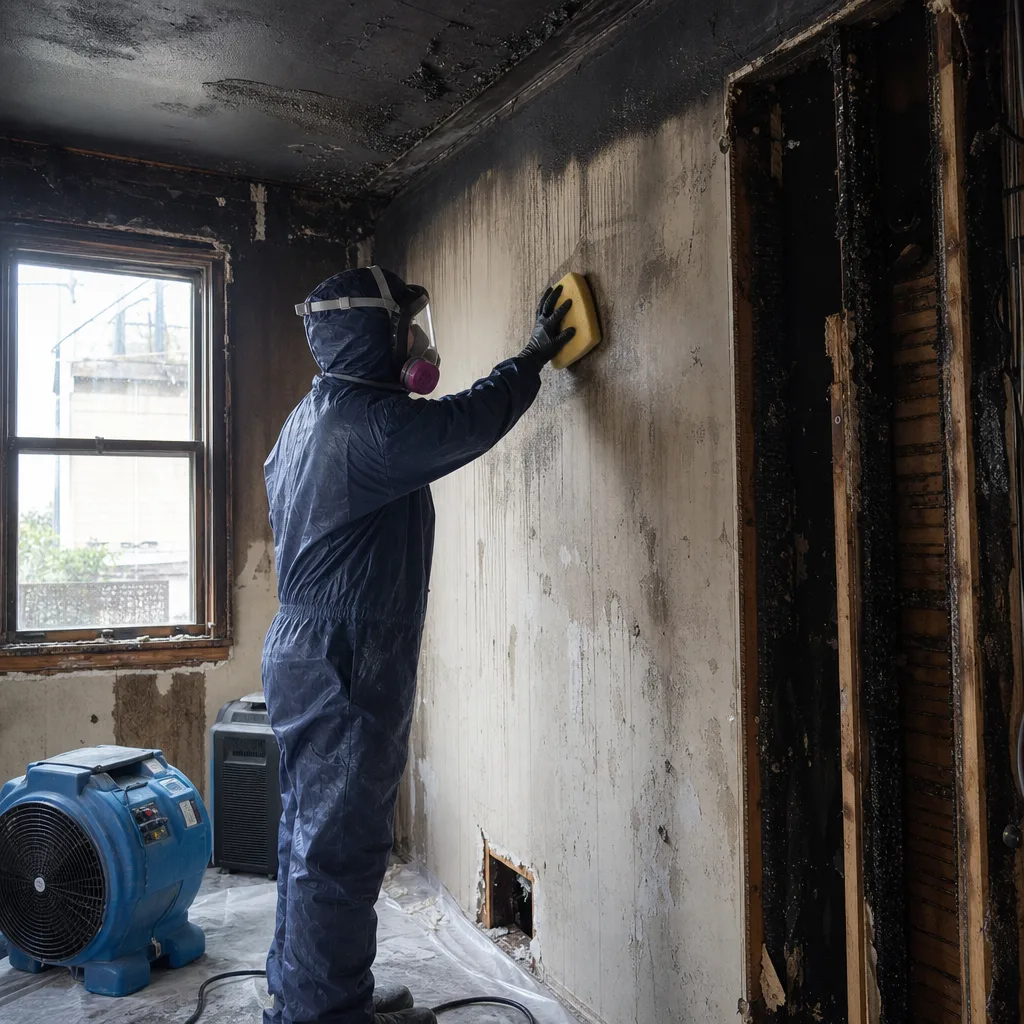
Business Interruption Minimization
Every day a Whitestone storefront stays dark is revenue you’ll never recover. We prioritize the spaces that generate income first: the retail floor, the kitchen, the checkout counter. The restoration path is built around reopening, not just drying. We’ll separate your building into zones, dry the revenue-critical areas on accelerated schedules with Dri-Eaz and Phoenix equipment, and document the timeline for your business interruption claim. Many Whitestone owners keep their doors partially open while we work behind containment.
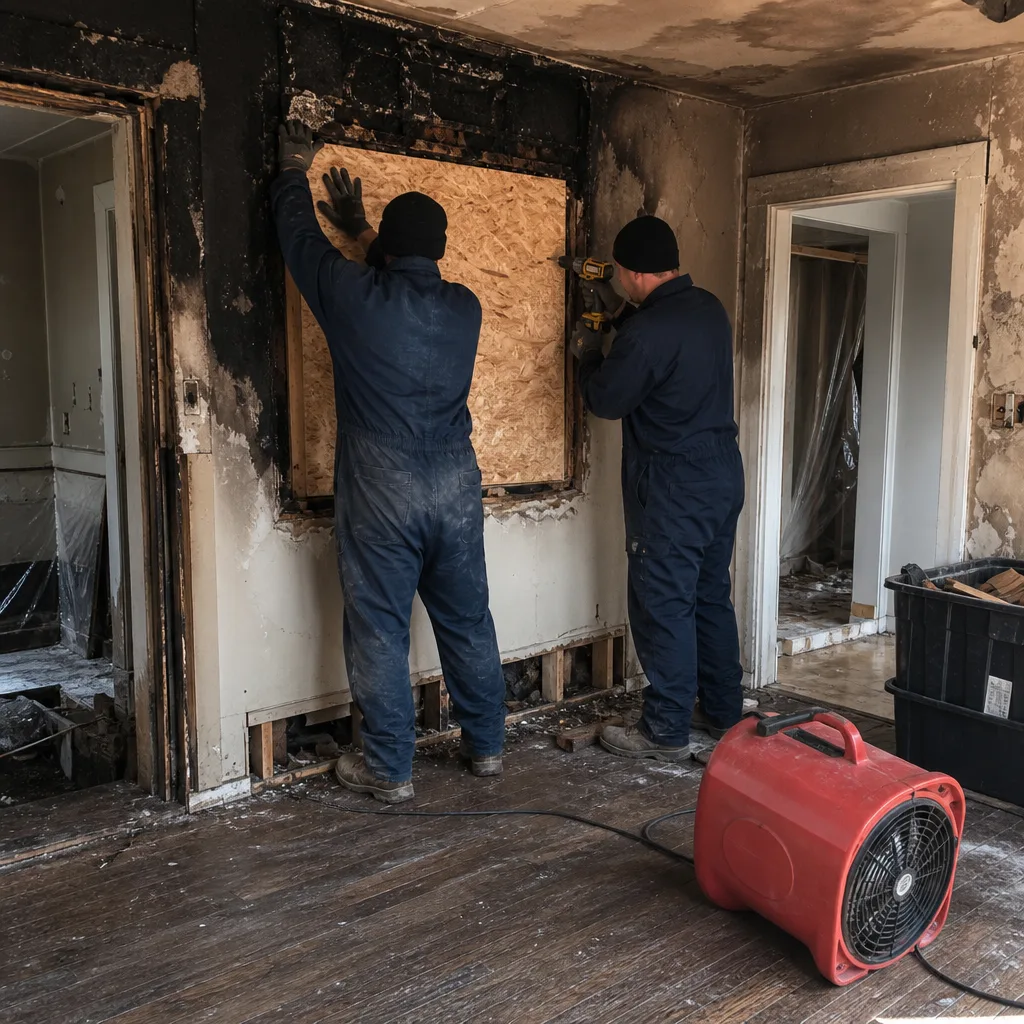
Office & Retail Restoration
Retail floors, office suites, and professional practices in Whitestone need damage control that doesn’t look like a construction site for six weeks. We’re mindful of ventilation, noise, and dust control, and we schedule work around business hours where possible. Document recovery, inventory cataloguing, and contents cleaning are part of the scope, and we’ll pack out and store what needs to leave the building.
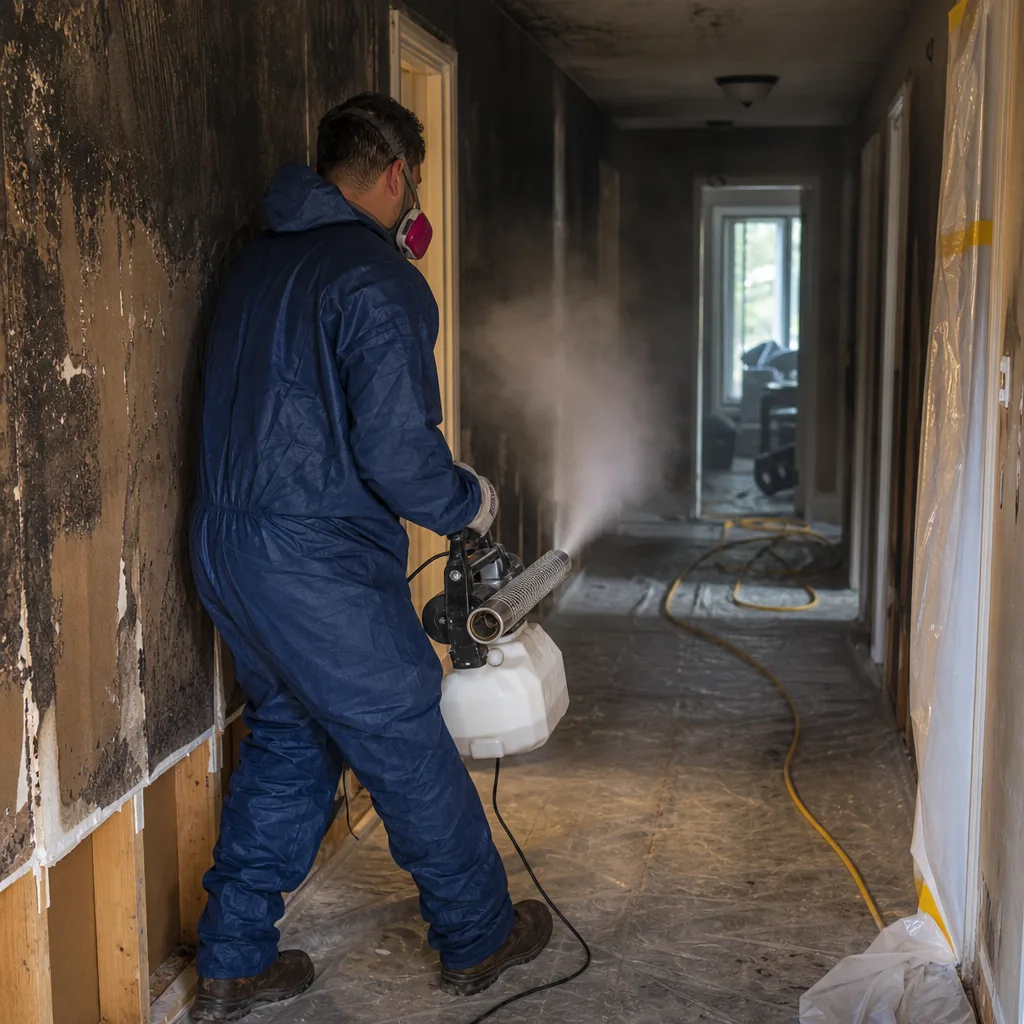
Industrial Facility Cleanup
Warehouse and light-industrial spaces in Whitestone’s eastern blocks face a different scale. High-bay drying, large-volume extraction, and heavy equipment access all matter here. We run bigger air movers, longer hose runs, and staggered shift schedules to keep drying continuous. Corrosion from Whitestone’s salt air is a real threat to exposed conduit, racking, and mechanical systems, so we treat metals and inspect seals as part of the scope.
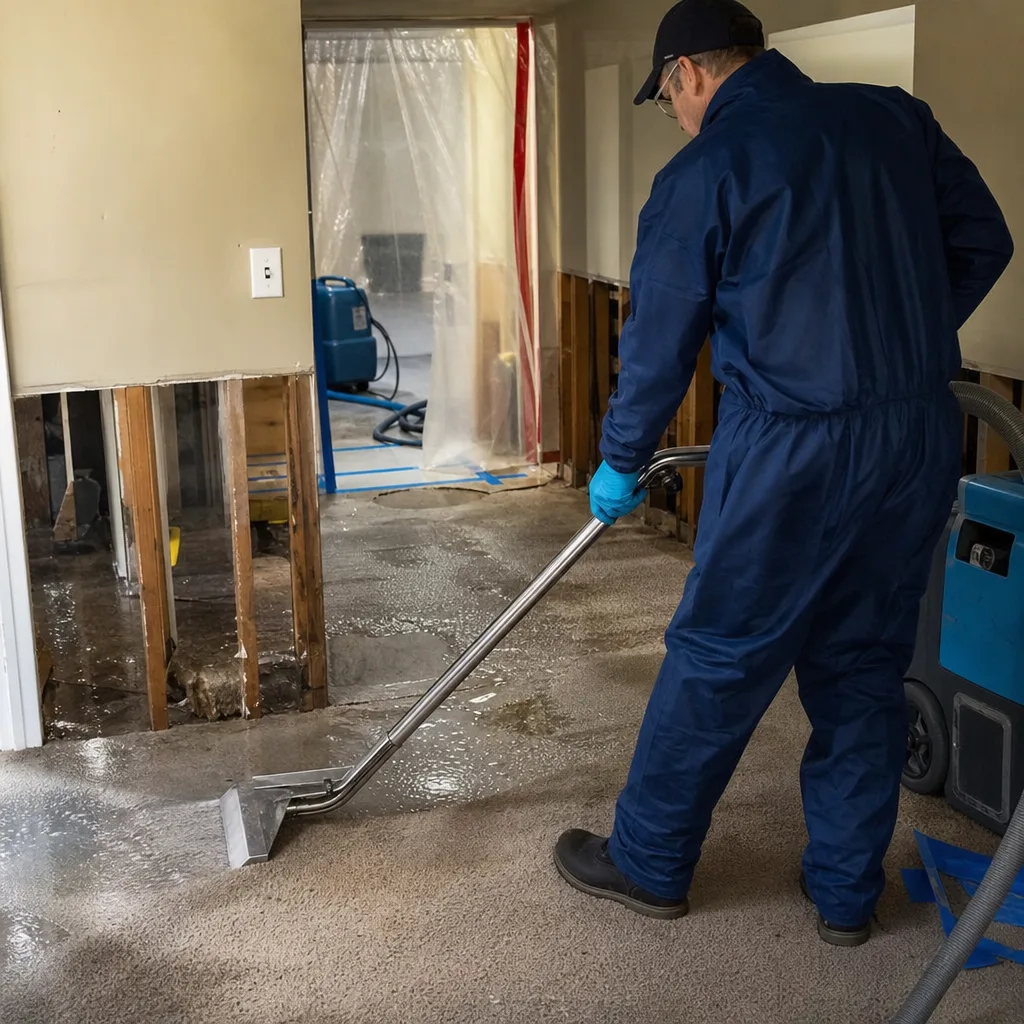
Document & Inventory Recovery
Whitestone medical and dental offices keep paper records, film, and physical files that water destroys fast. We recover and dry documents where possible, catalogue inventory for claims, and coordinate with your insurer on salvage versus loss. If the business interruption hinges on getting patient or client records back, we move that work to the front of the line.
What happens when you call
- 1
A real person answersNo phone trees - you reach a local pro.
- 2
You get an upfront price rangeHonest numbers before anyone is dispatched.
- 3
A background-checked tech heads outLicensed & insured, dispatched right away.
- 4
You approve before work beginsNothing starts until you say go.
Commercial Restoration Costs in Whitestone, NY
What you’ll actually pay depends on the size of the building, the water category, and how quickly you call. A small office flood with clean water from a burst supply line, caught the first day, typically runs $3,200 to $7,500 in Whitestone for extraction, drying, and basic repairs. A Category 3 tidal surge into a brick restaurant basement kitchen, with structural drying and rebuild, more often lands between $18,000 and $45,000. Mold remediation in a 1950s brick commercial building, with full containment and clearance testing, runs $4 to $8 per square foot of affected area. The biggest cost driver in Whitestone is delayed response: masonry holds water for weeks, and every day it sits, more demolition is required. We give a written scope before work starts, the estimate is free, and the final bill goes directly to your carrier where coverage applies. The (518) 872-6111 call costs you nothing and gives you a firm number.
We Also Serve Cities Near Whitestone
Our Whitestone crews also cover Flushing, Bayside, College Point, and Fresh Meadows. If your building sits near the border, you’re still getting the same team, the same 45-minute commitment, and the same written 90-Day Done Right Promise.
Serving Whitestone, NY - Our Local Coverage Area
We’re based in the Whitestone area and know this community well. Use the map below to see our service coverage - if you’re nearby, we can almost certainly help.
Whitestone Commercial Restoration Questions, Answered
How long does it take to properly dry a 1950s brick commercial building in Whitestone after a nor’easter surge?
Three to seven days is typical for structural drying in Whitestone’s thick brick buildings, sometimes longer if surge water wicked deep into masonry. The masonry itself can take weeks to fully release moisture, but we set daily readings and keep drying until walls, framing, and finished surfaces all hit the dry standard. Rushing this is why so many Sandy-era Whitestone buildings still show mold today.
What does FEMA flood-zone status mean for a Whitestone storefront restoration after a storm?
If your Whitestone commercial property sits in a FEMA Special Flood Hazard Area, flood insurance through NFIP is likely required, and restoration claims process differently than standard water damage. We document everything to NFIP standards, photograph the pre-loss condition, and coordinate directly with your flood adjuster. Coastal flooding from the East River and Flushing Bay is the main driver for Whitestone’s waterfront blocks.
Why do Whitestone basements keep developing mold even after a previous restoration company ‘fixed’ the leak?
Because thick brick and mortar hold moisture long after drywall looks dry. Whitestone’s 1940s-1970s brick buildings wick water into wall cavities, and if the previous crew just patched and painted without moisture mapping and structural drying, the mold reactivates within months. Salt-laden waterfront air speeds it up. The fix is removing the contaminated material, treating the cavity, and verifying the dry standard with readings, not a visual check.
Can you restore a Whitestone multi-family building’s common areas while tenants remain in place?
Yes. We set containment around the affected area, run HEPA air scrubbers to prevent cross-contamination, and schedule noisy work during reasonable hours. Common areas like lobbies and stairwells dry on an accelerated schedule with Dri-Eaz dehumidifiers sized for the square footage. Tenants keep access, and the building’s management gets a daily drying log.
What is a realistic timeline for reopening a Whitestone restaurant after a tidal flood in the basement kitchen?
If the flood was Category 3 tidal or sewer water, everything porous in the affected area goes: drywall, insulation, and any food contact surfaces. A basement kitchen in Whitestone typically takes two to four weeks to fully restore, including drying, demolition, treatment, and rebuild. We front-load the equipment and surfaces that get you passed for reopening, and we document every step for your business interruption claim.
How fast can you actually reach a Whitestone commercial property in an emergency?
Our standing commitment is 45 minutes to most Whitestone addresses. We stage crews across Queens so the dispatch radius stays tight, and a live person answers at (518) 872-6111 24/7 to start the clock immediately. In a Category 3 tidal surge, that first hour is the difference between a containment job and a gut job.
Will my insurance cover commercial restoration in Whitestone after a nor’easter?
Most commercial policies cover wind-driven water and storm damage, but flood coverage from tidal surge is separate and typically requires NFIP flood insurance in Whitestone’s FEMA flood zones. We work directly with your carrier, provide line-item documentation from the first hour, and never ask you to be the go-between.
What should I do in the first 30 minutes after water enters my Whitestone building?
Shut off the power if water is near outlets or panels, stop the source if you can do it safely, and call (518) 872-6111. Don’t open walls or use household fans, because moving air inside wet brick cavities spreads moisture and spores into spaces that were dry. Get a professional moisture map started instead.
Written by Curt Bowman, Owner at Floodline Restoration Co., serving Whitestone and the surrounding Queens communities. Since 2010, our crews have started every job at the floodline and stayed until the rebuild is done, with the 90-Day Done Right Promise in writing.