
Free visual inspection and a written scope of work before any mitigation begins - photos, moisture readings, and drying logs go in your claim file
The scope we write is the scope we bill. Anything new gets shown to you, in writing, before we touch it.
Storm responseSewage cleanup
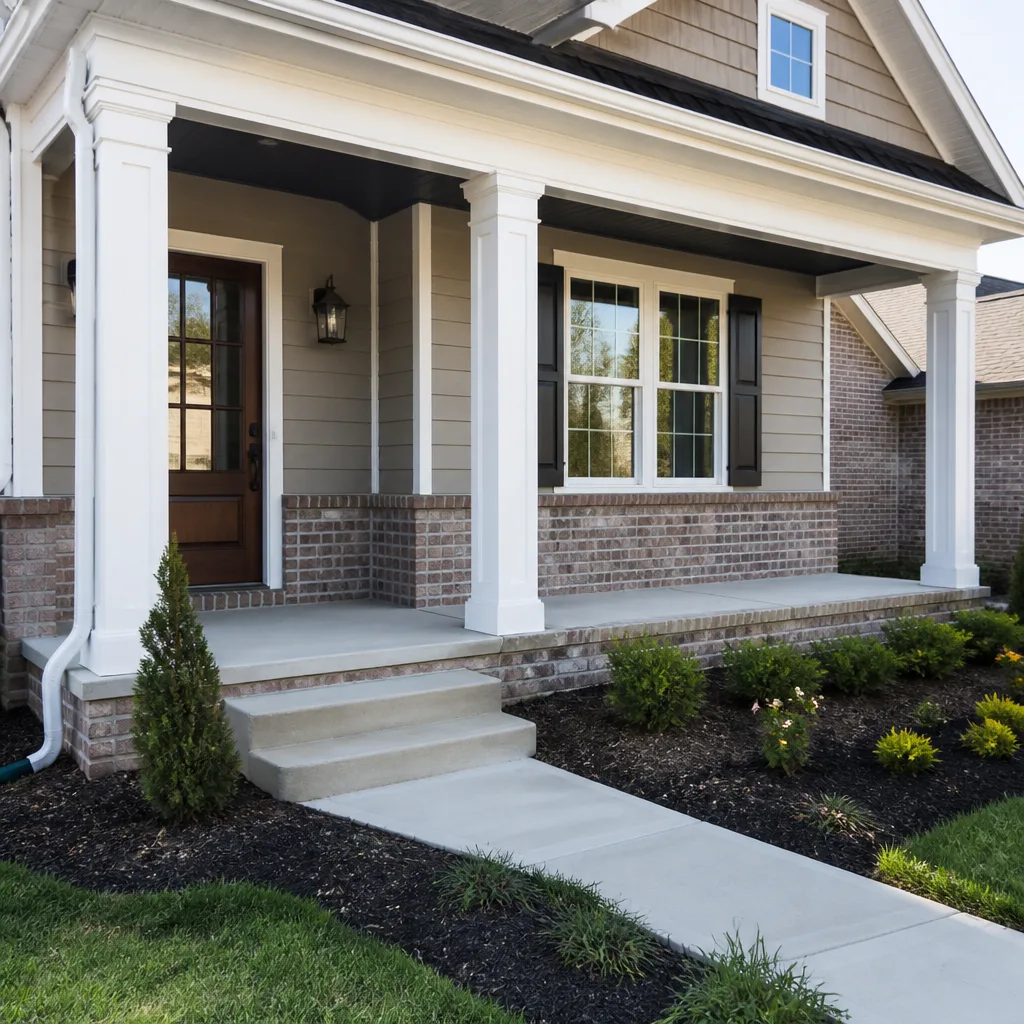
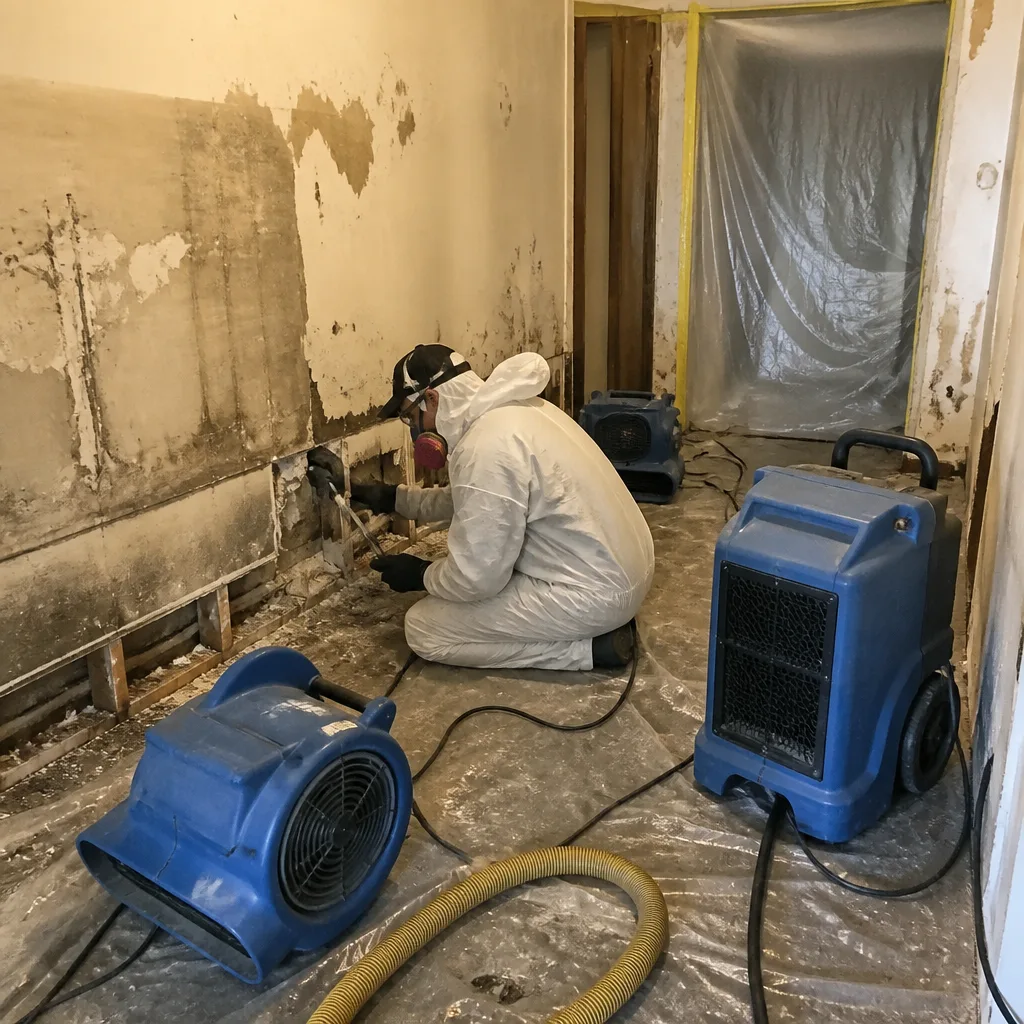 Before
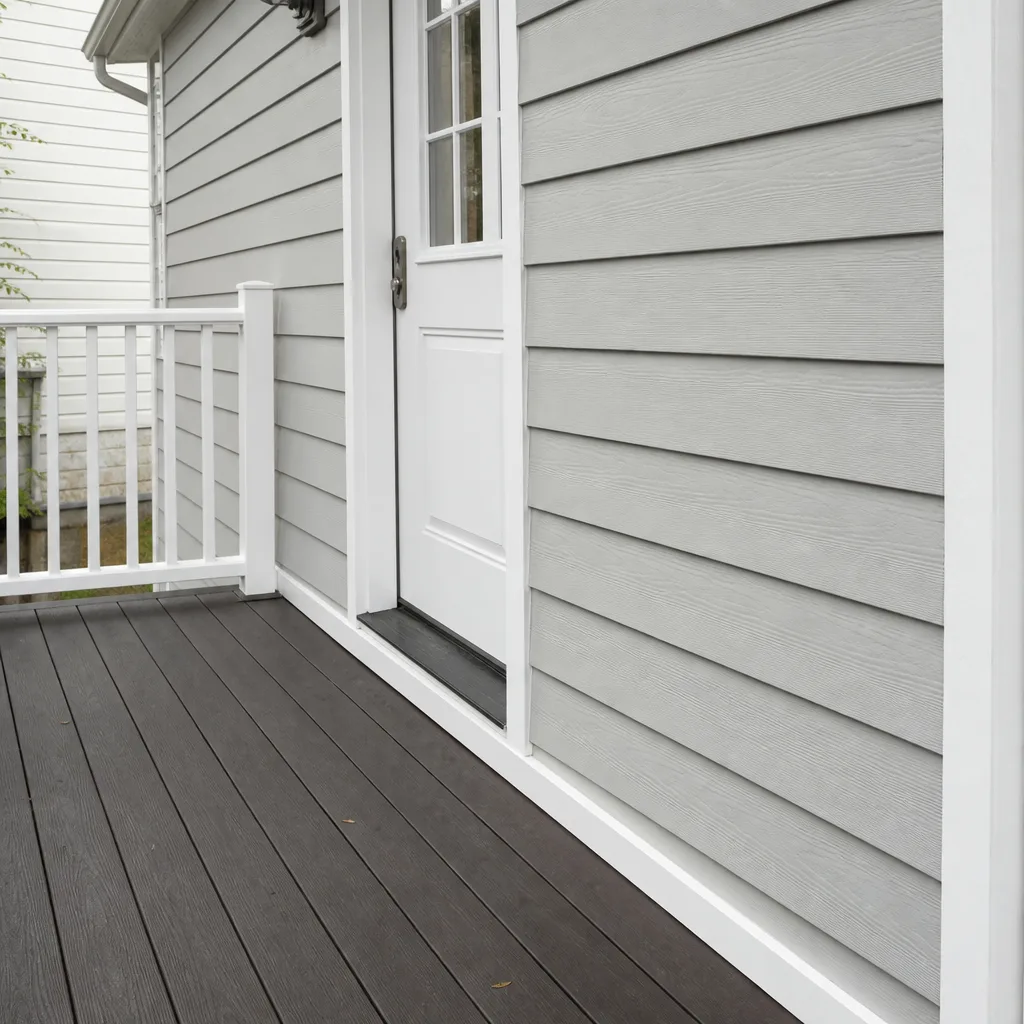 After
After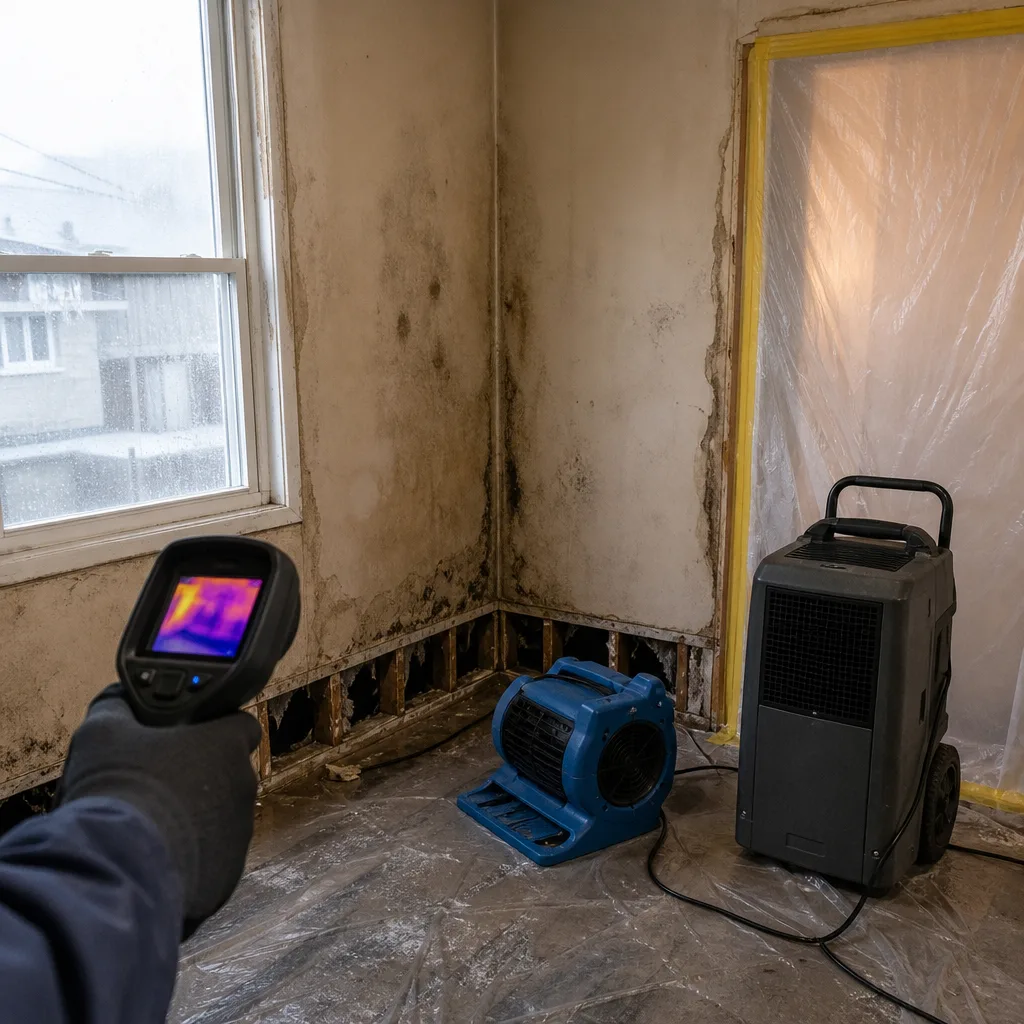 Before
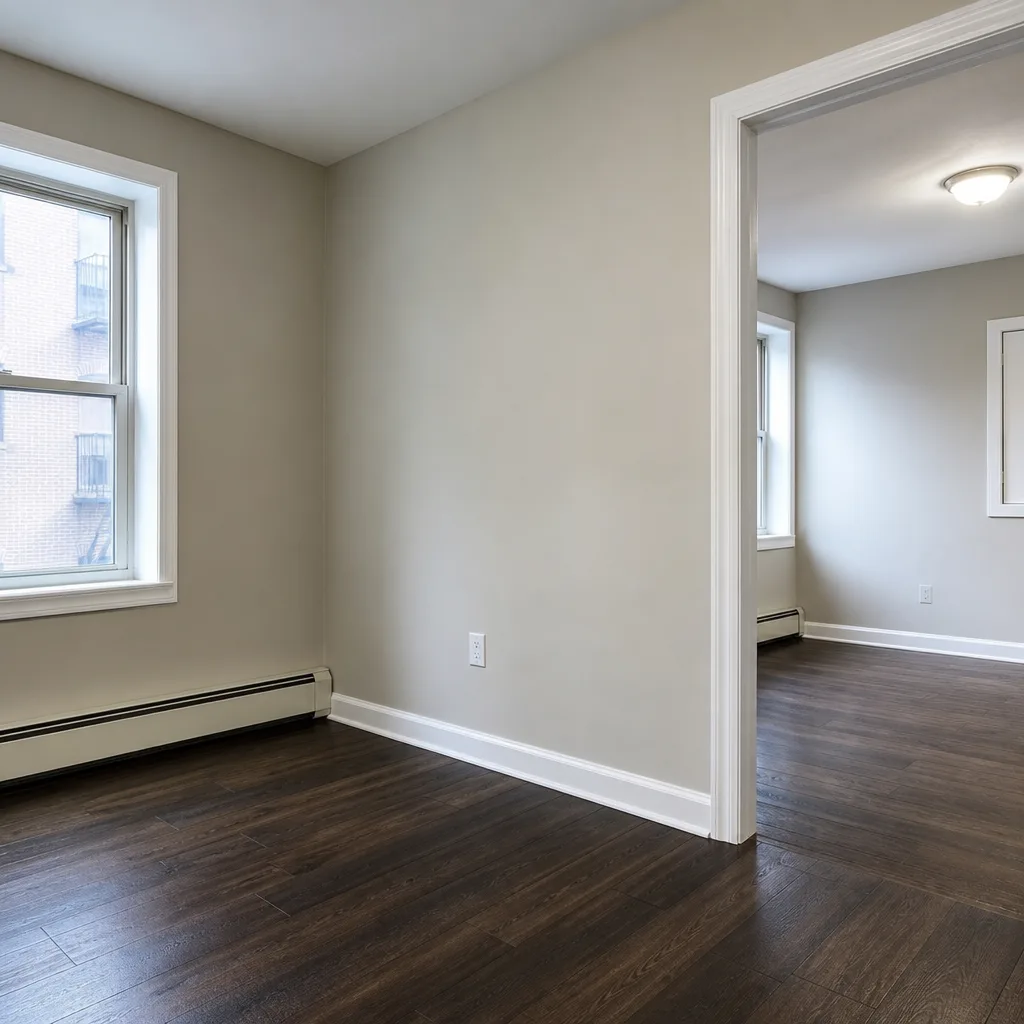 After
After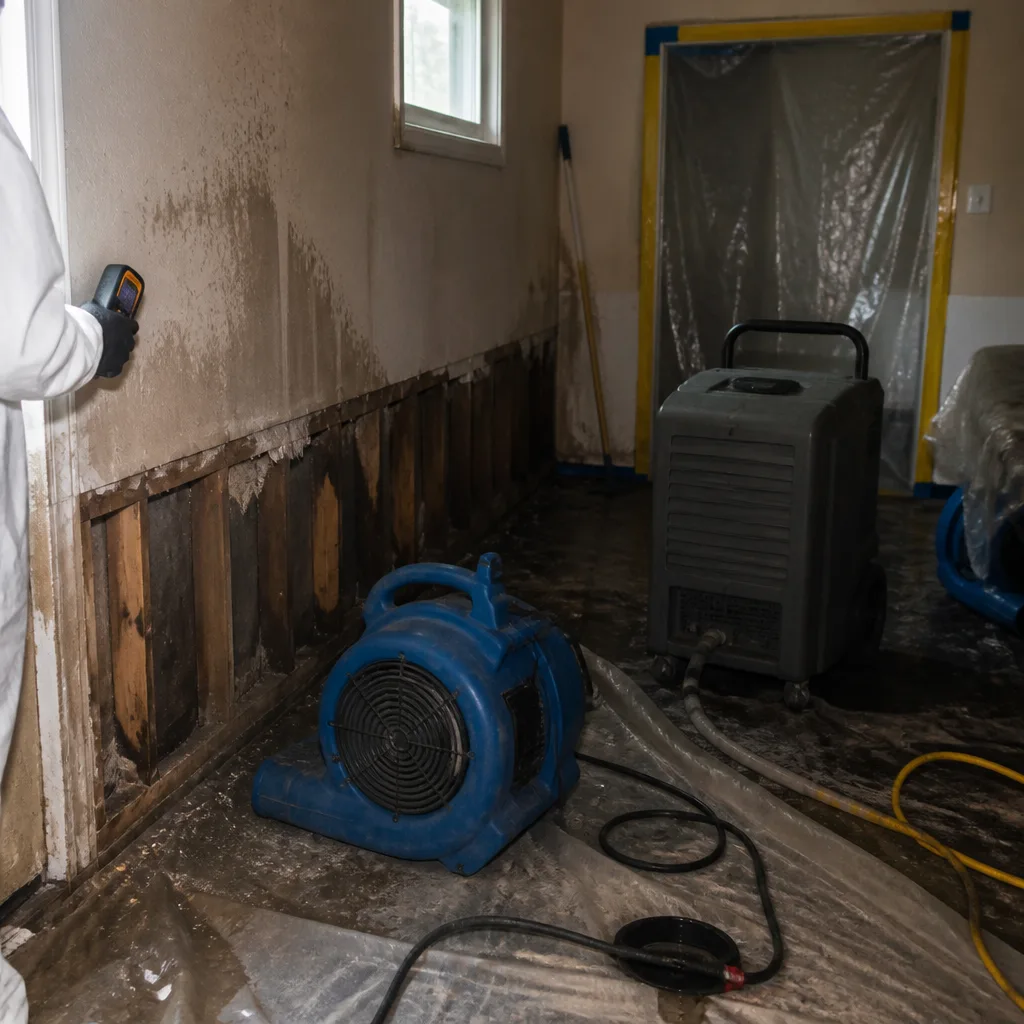 Before
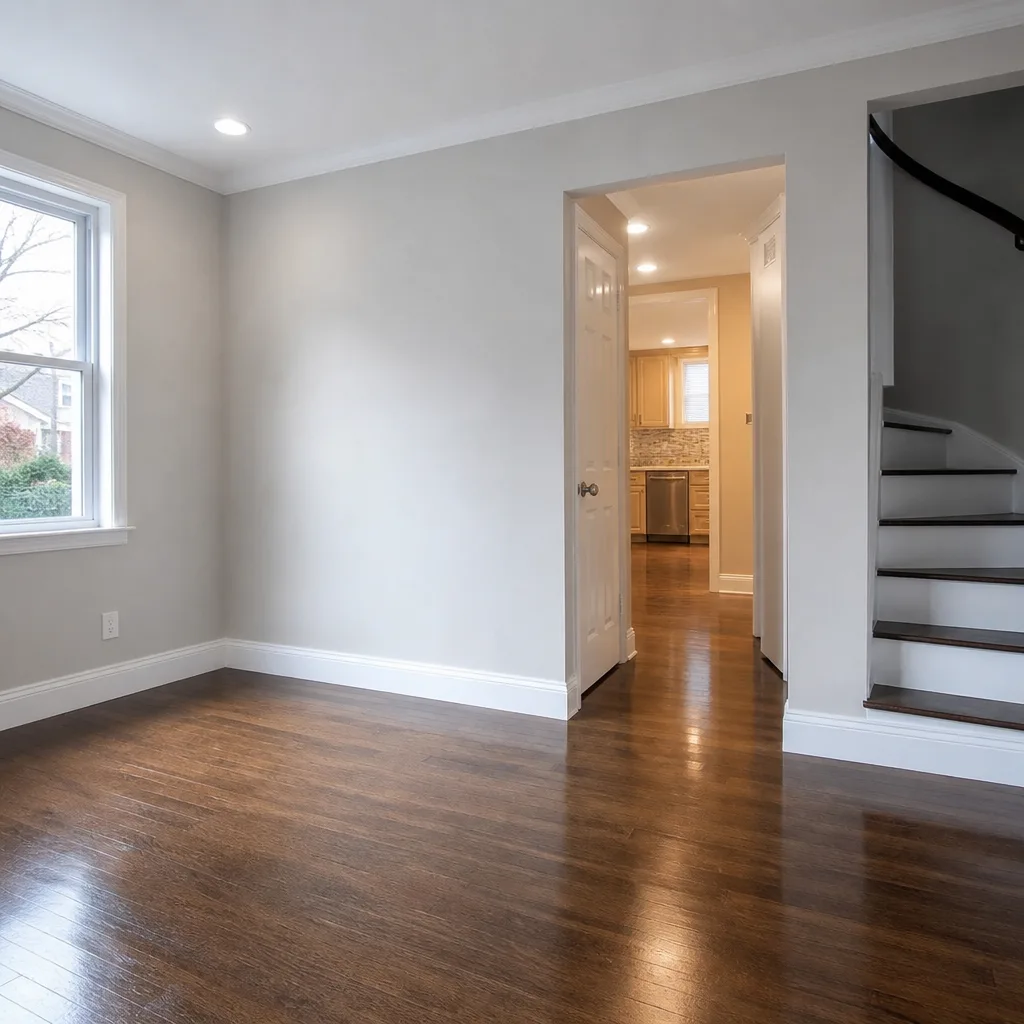 After
After24/7 Emergency Reconstruction & Cleanup in College Point
Reconstruction and cleanup after a flood in College Point almost always starts the same way: a Category 3 water event in a finished basement, with salt air already working against every piece of hardware between the street and the waterline. When that call comes in, we answer live, any hour, and a crew is dispatched into College Point within 45 minutes. Call (518) 872-6111 the moment you see water at the garage door or wicking up a basement wall. The first hour determines whether you’re drying framing or replacing it.
Understanding Reconstruction & Cleanup Severity in College Point Properties
College Point sits low, nearly surrounded by Flushing Bay and Powell’s Cove. That geography shapes every restoration call we take here. Homes in the neighborhood run heavily toward mid-century construction, 1920s through 1950s, with plaster-and-lath walls over cellulose insulation. Those materials hold water differently than modern drywall. They wick it, slowly and stubbornly, which extends the drying window and widens the mold risk.
Then there’s the water itself. Because Flushing Bay carries a long-documented history of combined sewer overflows and industrial runoff, floodwater entering College Point homes is almost always Category 3, meaning black water requiring full biohazard protocols rather than standard drying. We don’t treat a College Point basement flood as clean groundwater until lab results say it is. That’s the difference between a job done right and a job that smells right for six months. The category of water dictates everything downstream: containment, PPE, demolition depth, antimicrobial treatment, drying targets, and final clearance.
Why College Point Property Owners Choose Floodline Restoration Co.
- 45-minute response commitment. We dispatch from the New York City metro office, and College Point crews stage locally when tidal watches or severe weather are posted. We’re here before the second wave of damage sets in.
- A live person answers, 24/7. Not a recording, not a call-back service. At 2 a.m. you get a dispatcher who can send a crew. Curt Bowman built Floodline Restoration Co. around that board in 2010, and it still runs that way.
- IICRC-certified crews. Our technicians hold WRT, FSRT, and AMRT certifications through IICRC, plus RIA and IFA standards training. They’re background-checked and uniformed, and they carry the moisture meters and thermal imaging to see what walls are hiding.
- Free visual inspection. Before any work begins, before any invoice is written, you get eyes on the damage and a straight explanation of what’s needed and what isn’t.
- Direct insurance billing. We bill your carrier directly and talk to your adjuster ourselves. You don’t carry paperwork between us.
- One team from extraction to reconstruction. The same crew that reads the moisture map on day one handles daily readings, hands the log to you and your carrier, and rebuilds what needs rebuilding. No mid-job handoff to a stranger.
Our Reconstruction & Cleanup Process
Inspection & Assessment
We walk the property with moisture meters, thermal imaging, and a clear eye for what water did after it left the floor. In College Point, that means checking garage-door hardware, base plates, and the plaster line. We document everything before we touch anything.
Extraction & Stabilization
Standing water goes first, using truck-mounted extraction and submersible pumps. Then we stabilize: shore up what’s weak, secure openings, stop the intrusion. If a garage door is off its track or a spring has snapped from salt corrosion, we fix it now so nothing else comes in.
Drying & Dehumidification
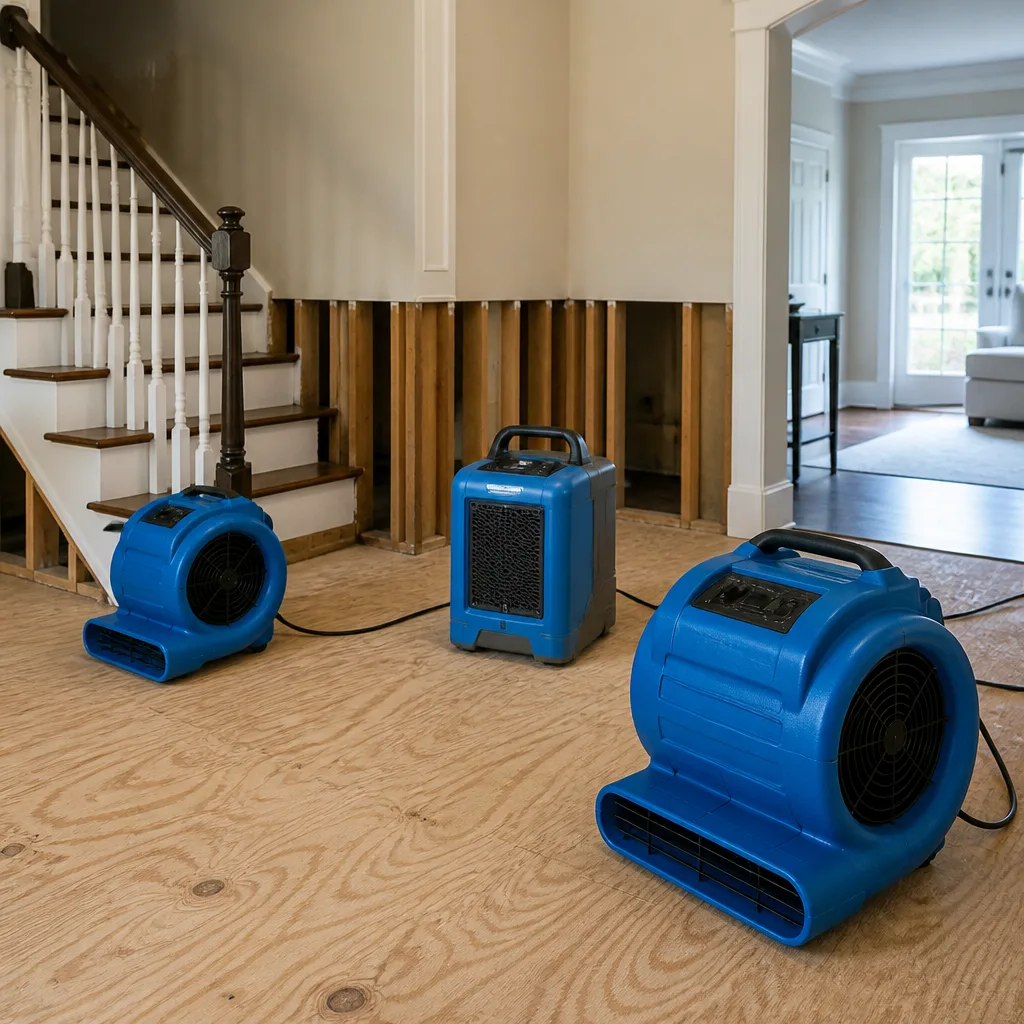
Professional-grade Dri-Eaz, Phoenix, and B-Air air movers and dehumidifiers run on a calculated layout. We place Injectidry systems into wall cavities when plaster-and-lath construction demands it. Daily moisture readings get logged until the dry standard is met, not until the clock says we’re done.
Cleaning & Sanitization
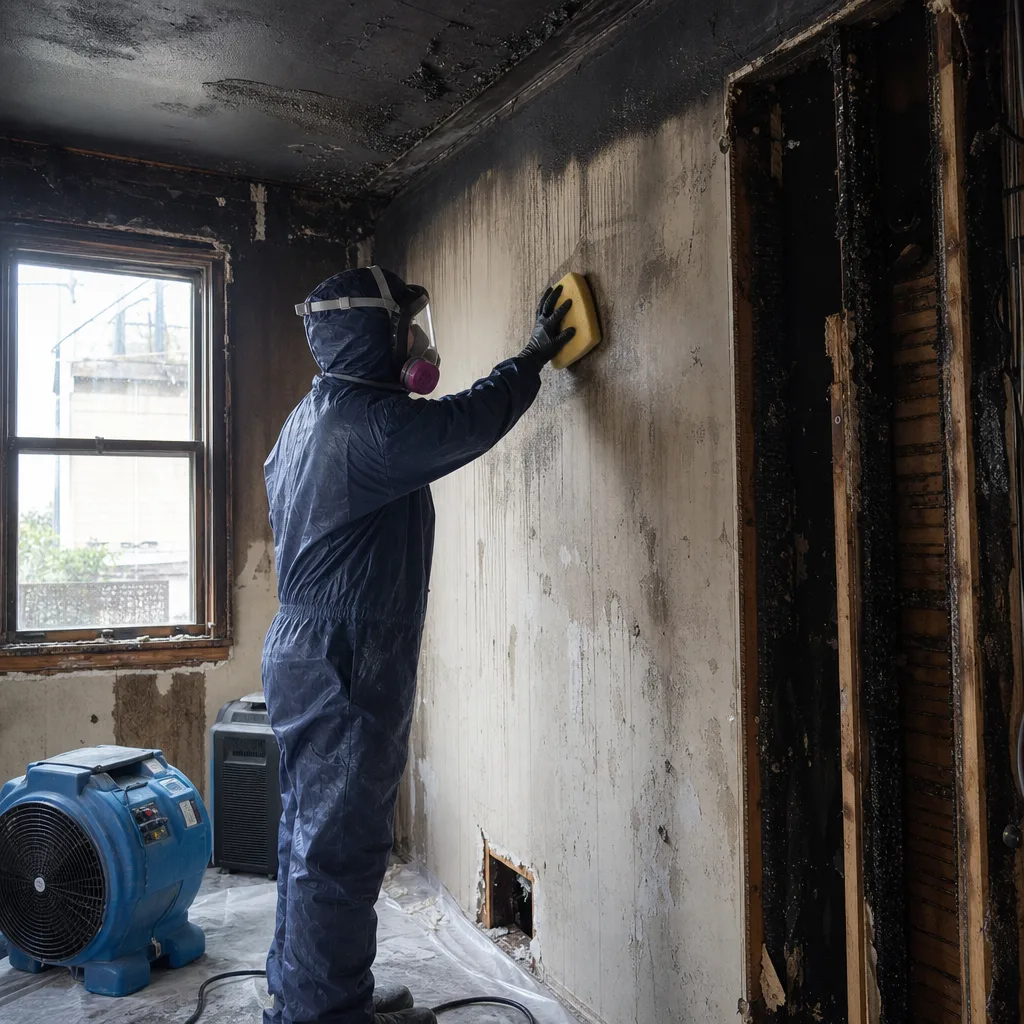
For Category 3 events, this is a contained process. HEPA air scrubbers run throughout. We remove contaminated drywall, treat framing with antimicrobial, and clean every salvageable surface. Contents that can be restored get cleaned, catalogued, and packed out if needed.
Contents Restoration & Pack-Out
Furniture, clothing, paperwork, keepsakes. We inventory, photograph, clean, and store everything that leaves the house. Our pack-out process is documented for your insurer and for you. Nothing disappears.
Repairs & Restoration
Drywall, flooring, trim, paint. The garage-door hardware gets replaced with galvanized or coated springs and stainless components where salt air demands it. We rebuild to pre-loss condition, and we stand behind it in writing with the 90-Day Done Right Promise.
Need Emergency Reconstruction & Cleanup in College Point Now?
Crews minutes away, answering live 24 hours a day. The sooner we start, the less it costs.
Working With Your Insurance Company
Insurance claims move on documentation, and the documentation starts the minute we arrive. We photograph everything, room by room, before and during the work. Our estimates follow industry-standard formats your adjuster recognizes, and we speak with them directly. You have enough on your plate without carrying messages between your carrier and your contractor.
For College Point specifically, we document the event clearly. A tidal backflow through a garage door gets classified as flood water, not gradually accumulated seepage. That distinction matters for coverage. We write it plainly and support it with the field evidence.
What We Provide Your Insurer
- Thorough documentation of the loss
- Photos of all damage, room by room
- Moisture readings and drying logs
- A detailed, line-item scope of work
- Direct coordination with your carrier
Built for College Point’s Loss Calendar
Winter in College Point brings deep freezes that burst supply lines in unheated garages and exterior walls. A failed pipe behind a 1940s plaster wall can saturate a room before anyone notices. Spring thaw, with the water table already high, drives hydrostatic pressure against foundation walls and finds every crack. Summer brings thunderstorms that dump inches in an hour, overwhelming storm drains on streets like College Point Boulevard. Nor’easters are the big ones. Storm surge from Flushing Bay and the East River corridor pushes tidal water back through storm drains and over bulkheads, flooding basements three, four, five feet deep. We dispatch for all of it, and we plan staffing ahead when the forecasts turn ugly.
Reconstruction & Cleanup Across College Point’s Neighborhoods
The homes along 14th Road and 15th Avenue sit close to the water, with finished basements near tidal grade. These are the first to take surge water through garage doors and foundation vents. We keep response routes mapped around College Point Boulevard and the streets feeding off it, because when the water comes, access gets tight and every minute counts.
Over near the older blocks by 18th Avenue and 123rd Street, we see more supply-line failures in aging plumbing systems. The homes here were built when copper met galvanized, and the joints are tired. North of 20th Avenue, toward Powell’s Cove, the combination of salt air and elevation means garage-door hardware corrodes even without a flood. Springs snap, rollers seize, and openers fail, leaving openings that invite the next storm in. Our Reconstruction & Cleanup team handles the full range, from water extraction to finished rebuild.
Specialized Reconstruction & Cleanup Services We Offer in College Point
Full-Service Reconstruction
When the basement shell is down to studs, we rebuild it. Framing, insulation, drywall, trim, paint, doors, and the garage-door components that salt air destroyed. We don’t hand you to a separate contractor. The crew that tore out the wet plaster is the crew that hangs the new drywall.
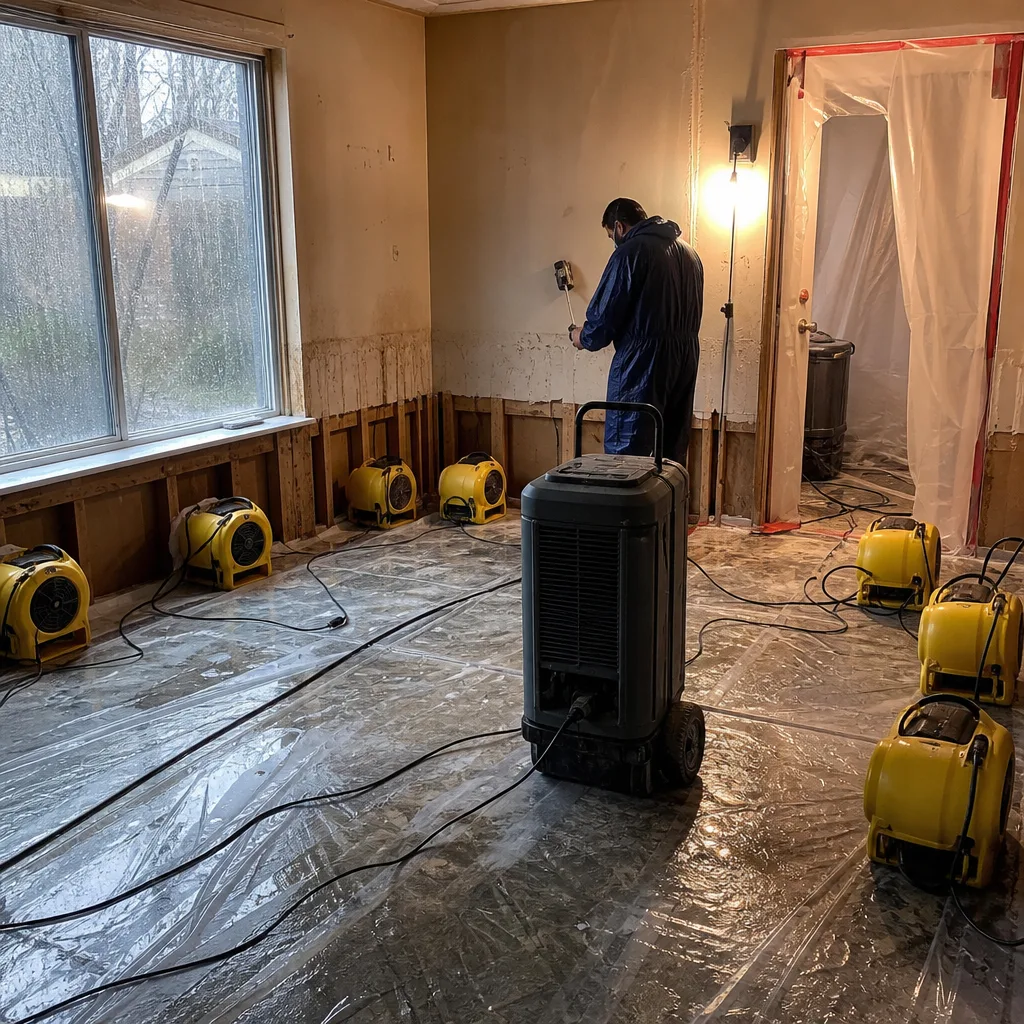
Drywall & Flooring Repair
Plaster-and-lath homes in College Point need careful matching when we repair sections. We don’t slap modern drywall over old plaster and call it done. The transitions get feathered properly, and flooring gets matched by material and wear, not just color.
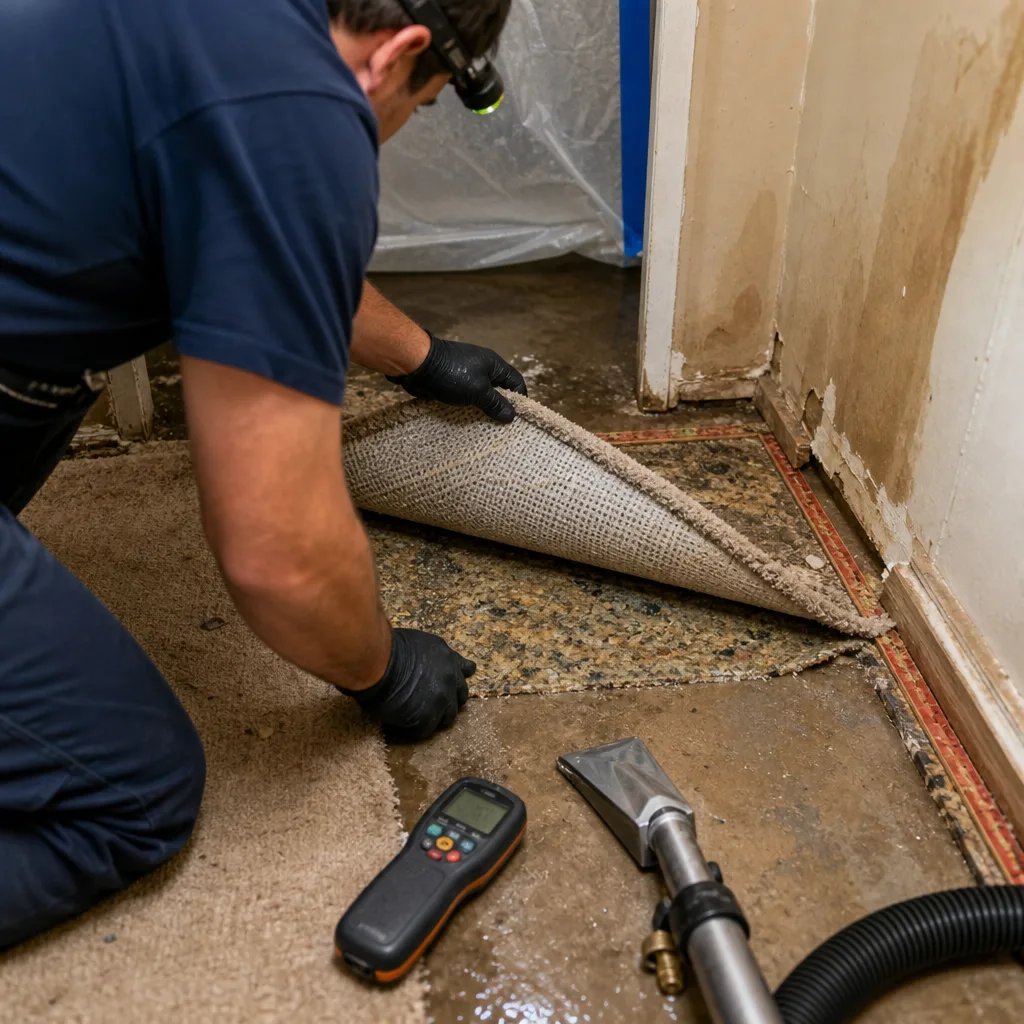
Insurance Claim Documentation
This is paperwork done right. Photos, moisture logs, line-item scopes, and direct adjuster calls. For tidal surge claims coming through a garage, we document the failure mode: the snapped spring, the rusted track, the waterline mark. Your carrier gets a file that supports the claim fully.
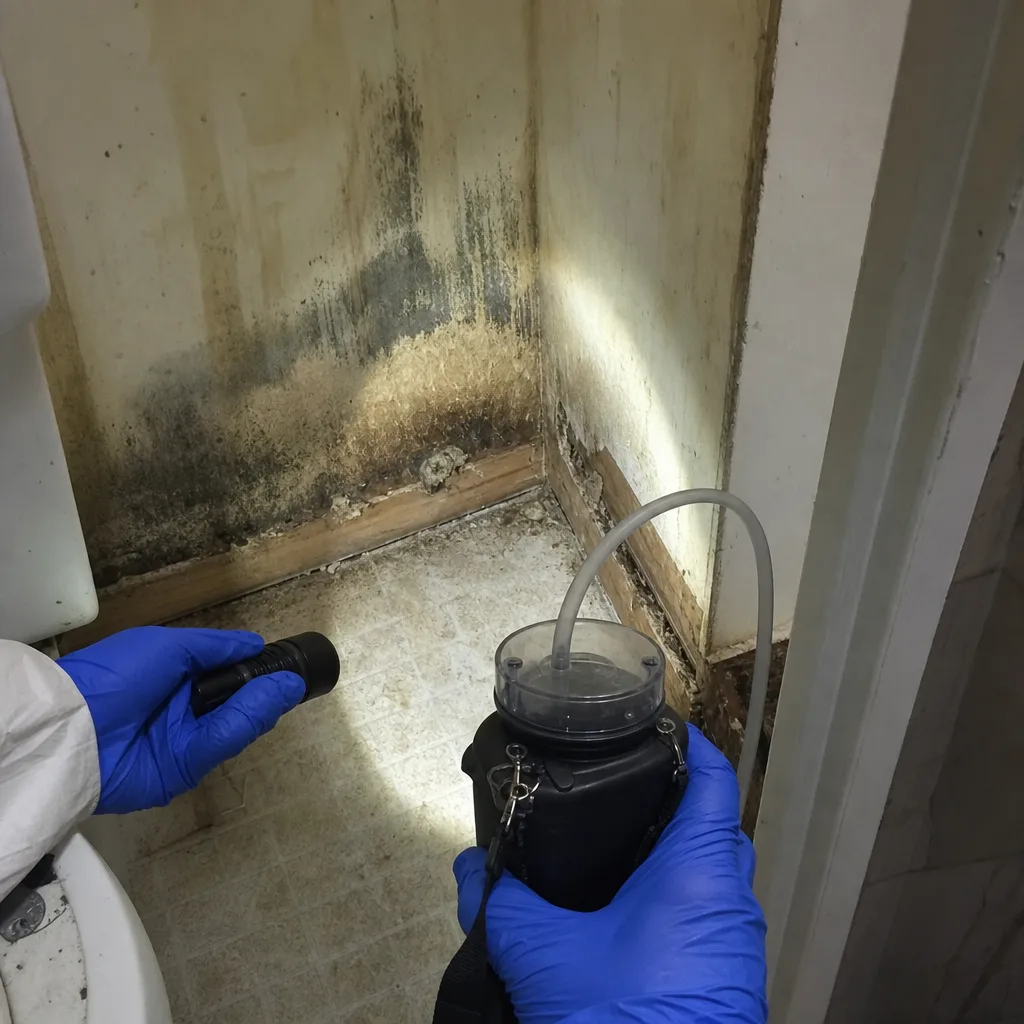
Contents Restoration & Pack-Out
Everything that survived gets cleaned, dried, and catalogued. What can’t be restored gets documented for replacement. We handle the inventory so your adjuster sees exactly what was lost.
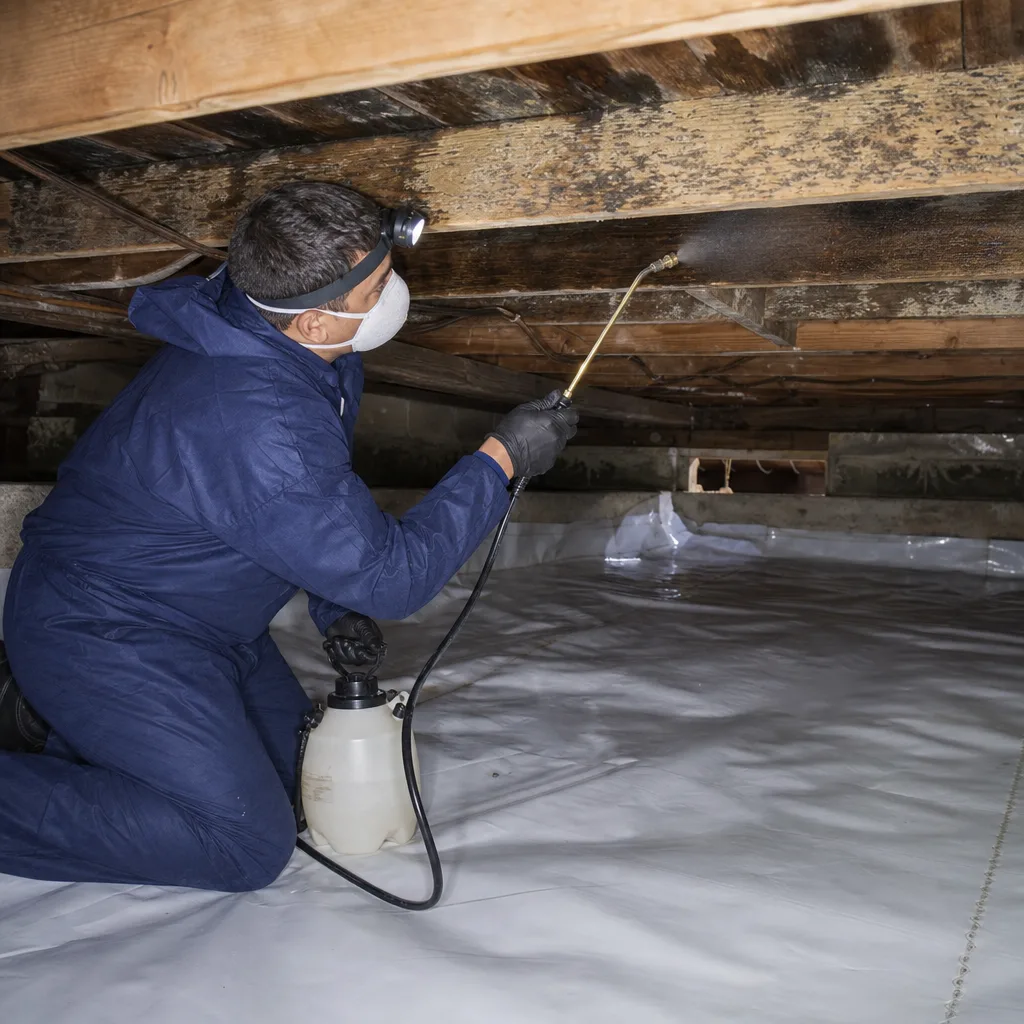
Carpet & Upholstery Cleaning
After a Category 3 event, carpet is usually a loss, but salvageable upholstery and area rugs get professional cleaning with the same care we give hardwood and tile. Salt water is brutal on fabrics; we clean before it sets.
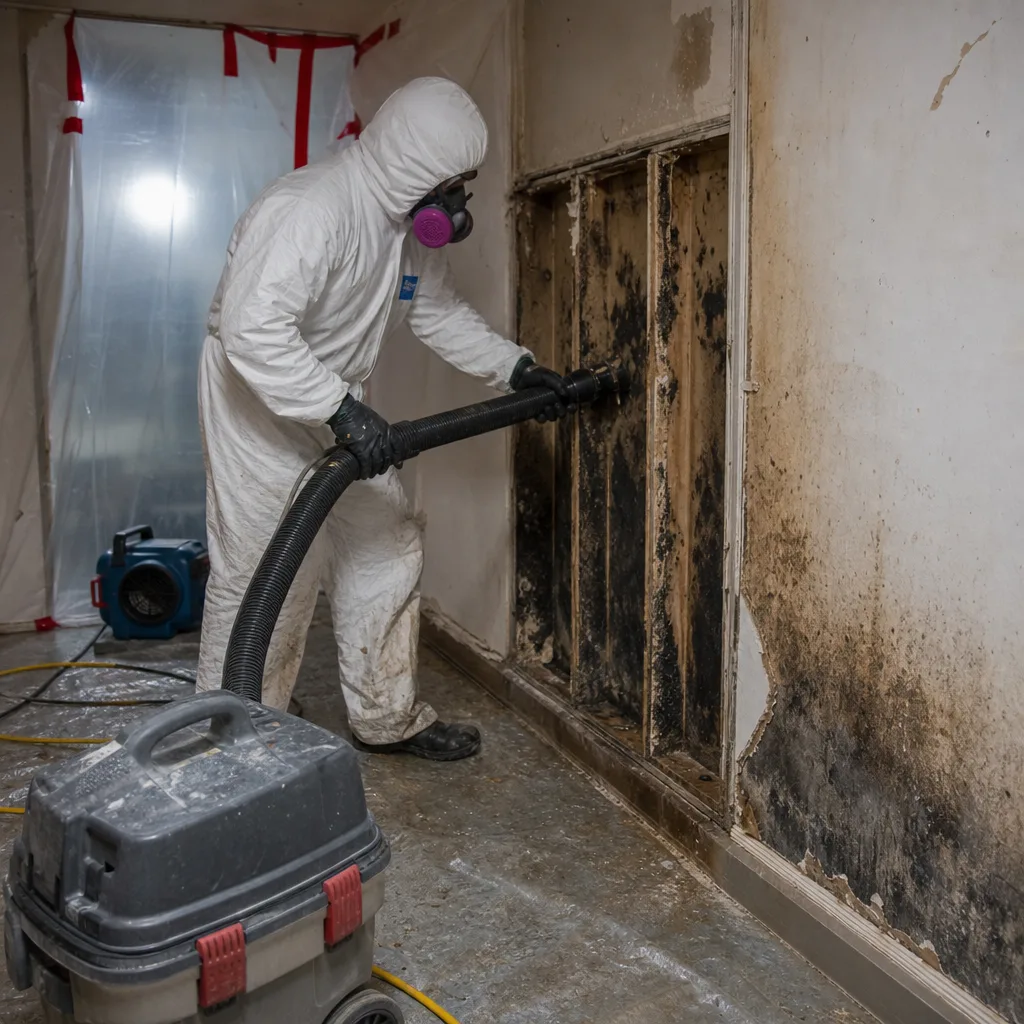
Post-Construction Cleanup
Dust from drywall work gets into everything. We leave the house clean enough to live in, not “contractor clean.” HEPA vacuums, wiped surfaces, clean floors. The job isn’t done when the paint dries; it’s done when we walk you through and you sign off.
What happens when you call
- 1
A real person answersNo phone trees - you reach a local pro.
- 2
You get an upfront price rangeHonest numbers before anyone is dispatched.
- 3
A background-checked tech heads outLicensed & insured, dispatched right away.
- 4
You approve before work beginsNothing starts until you say go.
Reconstruction & Cleanup Costs in College Point, NY
Straight numbers, because you should know before you call. Full basement flood reconstruction in College Point typically runs $8,000 to $25,000 depending on depth of water, wall material, and how far up the plaster wicked. Drywall and flooring repair after a smaller event runs $1,800 to $6,500. Garage-door hardware replacement, including galvanized springs and stainless rollers, adds $350 to $1,200 depending on door size. Contents pack-out and cleaning runs $800 to $3,500 depending on volume. Insurance covers most of this when the event is sudden and accidental; seepage claims are trickier. That’s why our free inspection matters. We tell you what you’re actually facing, in writing, before any work starts. No surprises on the bill, ever. Senior and veteran discounts apply, plus $50 off any repair over $250.
We Also Serve Cities Near College Point
Our crews also serve Flushing, Whitestone, East Elmhurst, and Corona. The same live dispatch, the same 45-minute response, the same 90-Day Done Right Promise. If you’re just outside College Point, call (518) 872-6111 and we’ll route the nearest available crew.
Serving College Point, NY - Our Local Coverage Area
We’re based in the College Point area and know this community well. Use the map below to see our service coverage - if you’re nearby, we can almost certainly help.
College Point Reconstruction & Cleanup Questions, Answered
Why do garage-door springs and rollers in College Point need replacement even when there’s no visible flood damage?
Salt air from Flushing Bay and Powell’s Cove corrodes garage-door hardware years faster than inland locations. Galvanized springs rust through and snap, rollers seize on rusted tracks, and opener chains stretch from corrosion wear. We replace them with galvanized or coated springs, stainless chains, and nylon rollers when we’re already on site for reconstruction. It’s cheaper than a snapped spring during the next nor’easter.
If my College Point basement floods from apparent groundwater seepage, why do you treat it as Category 3 water?
Flushing Bay’s combined sewer overflow history means even groundwater intrusion in College Point is frequently contaminated with sewage. We send post-flood water samples for coliform testing before treating any event as Category 1 or 2. The test results drive the scope: containment, PPE, demolition depth, and antimicrobial treatment. We don’t guess with your family’s health.
How does the age of my College Point home’s walls affect reconstruction after a flood?
Homes built in the 1920s through 1950s in College Point commonly have plaster-and-lath walls over cellulose insulation. Plaster absorbs water and holds it, wicking moisture upward far beyond the visible waterline. That means we cut higher, remove more, and dry longer than we would with modern drywall. Skipping that step leaves mold inside the wall cavity.
Can you document my reconstruction claim for a tidal surge that came through the garage?
Yes. We photograph the failure: the snapped spring, the rusted track, the waterline at the garage entrance, the moisture readings inside the adjacent living space. We write the scope with the cause clearly stated. Your adjuster gets everything needed to classify the loss correctly. We talk to them directly.
What’s different about drying a finished basement in College Point compared to higher-ground areas like Whitestone?
College Point’s water table sits high year-round, and the peninsula shape means the ground itself stays wetter. Drying takes longer, and the water is more likely to be contaminated. Whitestone’s elevation and distance from the Bay produce cleaner, shallower intrusion events. We set drying targets based on College Point’s actual conditions, not a generic standard.
How fast can you actually get to a College Point home?
We commit to a 45-minute response window in College Point. During tidal watches or severe weather, our crews stage locally so they’re even closer. A live dispatcher answers at any hour and sends the nearest available crew.
Will insurance cover this kind of reconstruction?
Sudden and accidental events, like a noreaster pushing tidal water through a garage door, are generally covered. Gradual seepage is often not. Our documentation and direct adjuster communication give you the best shot at proper classification. We’ll review your policy details with you at inspection.
What should I do in the first 30 minutes after a flood hits my College Point basement?
Call (518) 872-6111. Then, if you can safely reach the breaker panel without standing in water, cut power to the basement. Don’t wade through the water. Don’t open interior doors unless you have to; you’ll spread contaminated water into clean rooms. Document what you can with photos from the stairs. Then keep the path clear for our crew. We’ll handle the rest.
Written by Curt Bowman, Owner at Floodline Restoration Co., serving College Point and the surrounding Queens communities with a live answer and a written guarantee.