
Free visual inspection and a written scope of work before any mitigation begins - photos, moisture readings, and drying logs go in your claim file
The scope we write is the scope we bill. Anything new gets shown to you, in writing, before we touch it.
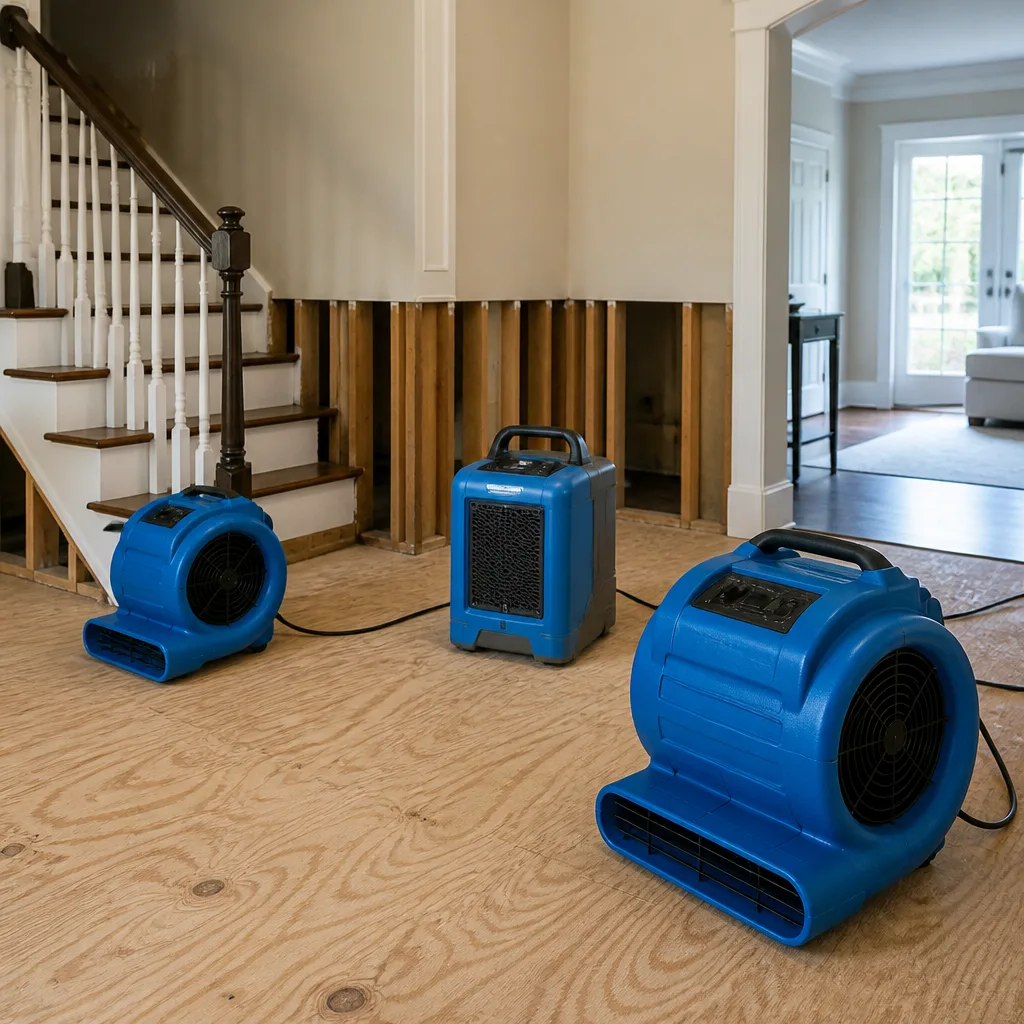
Storm responseSewage cleanup
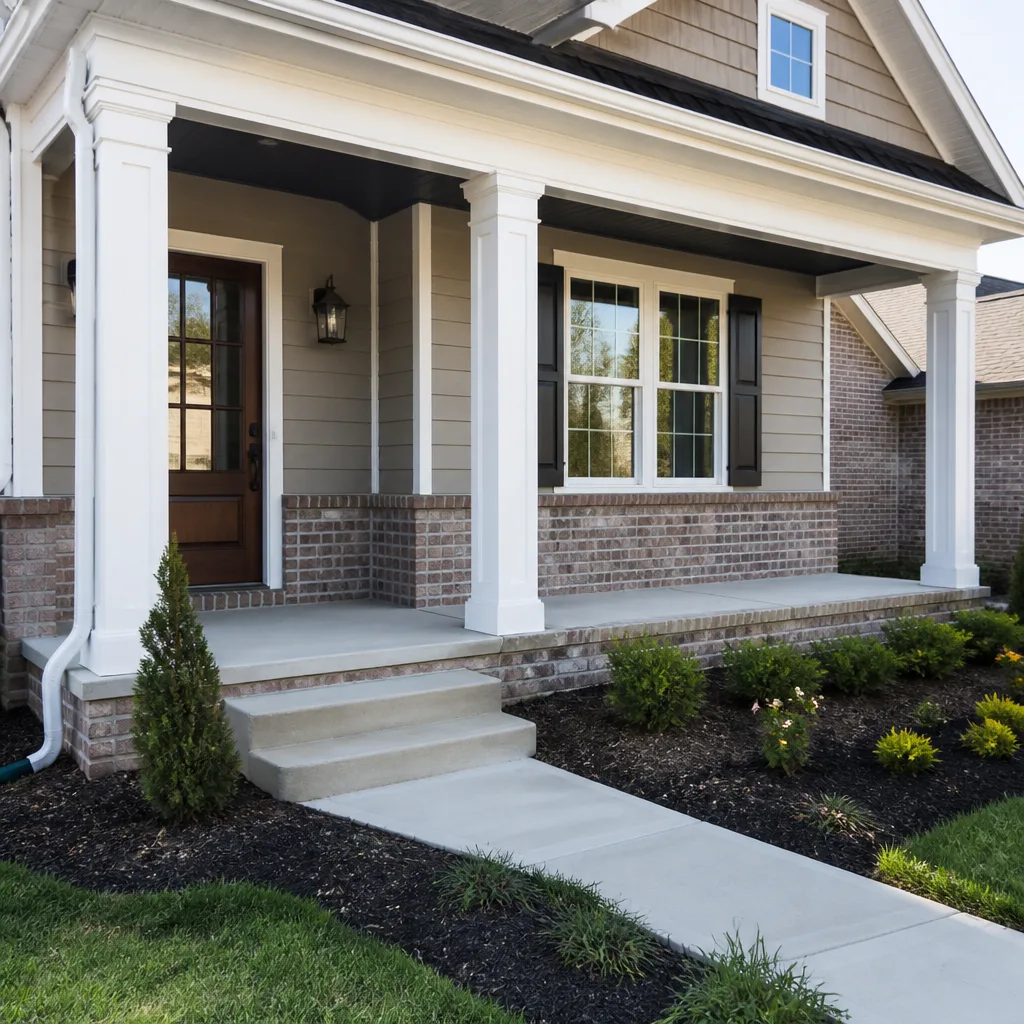
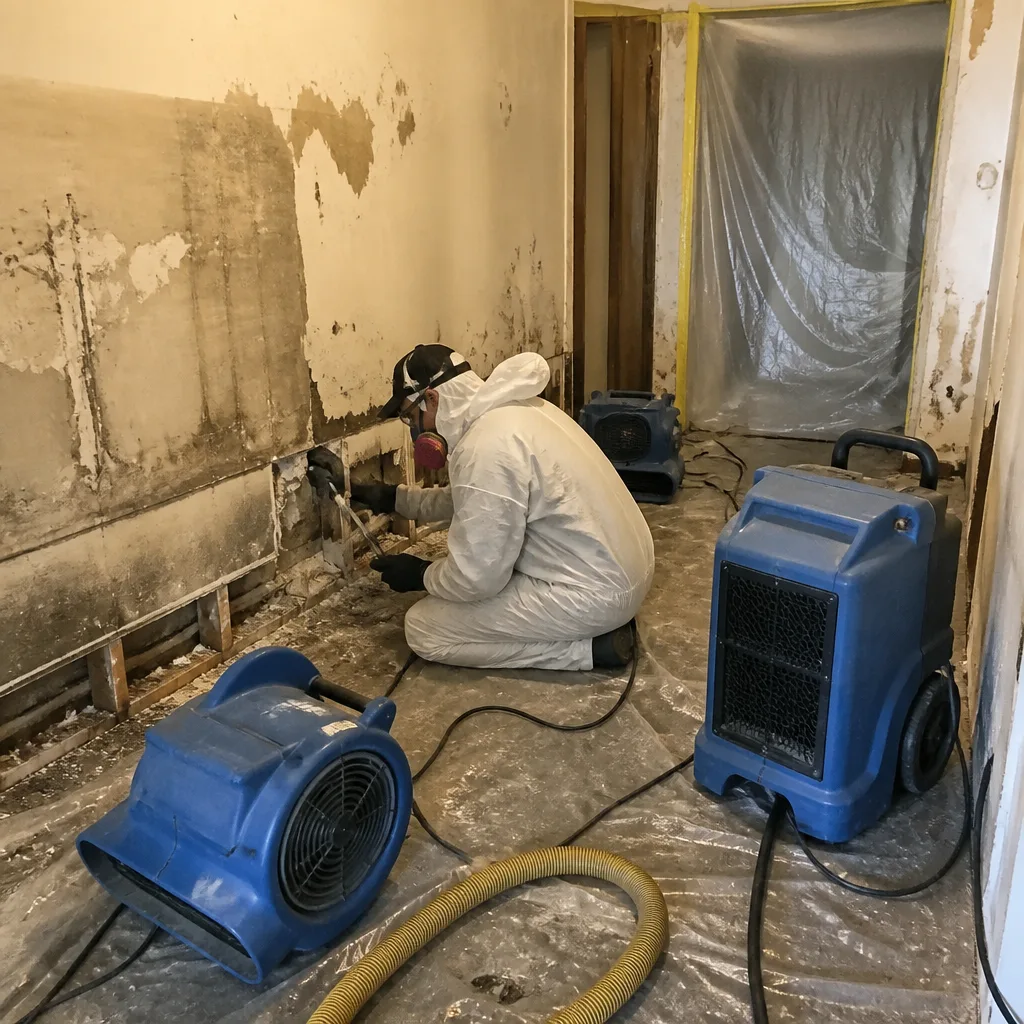 Before
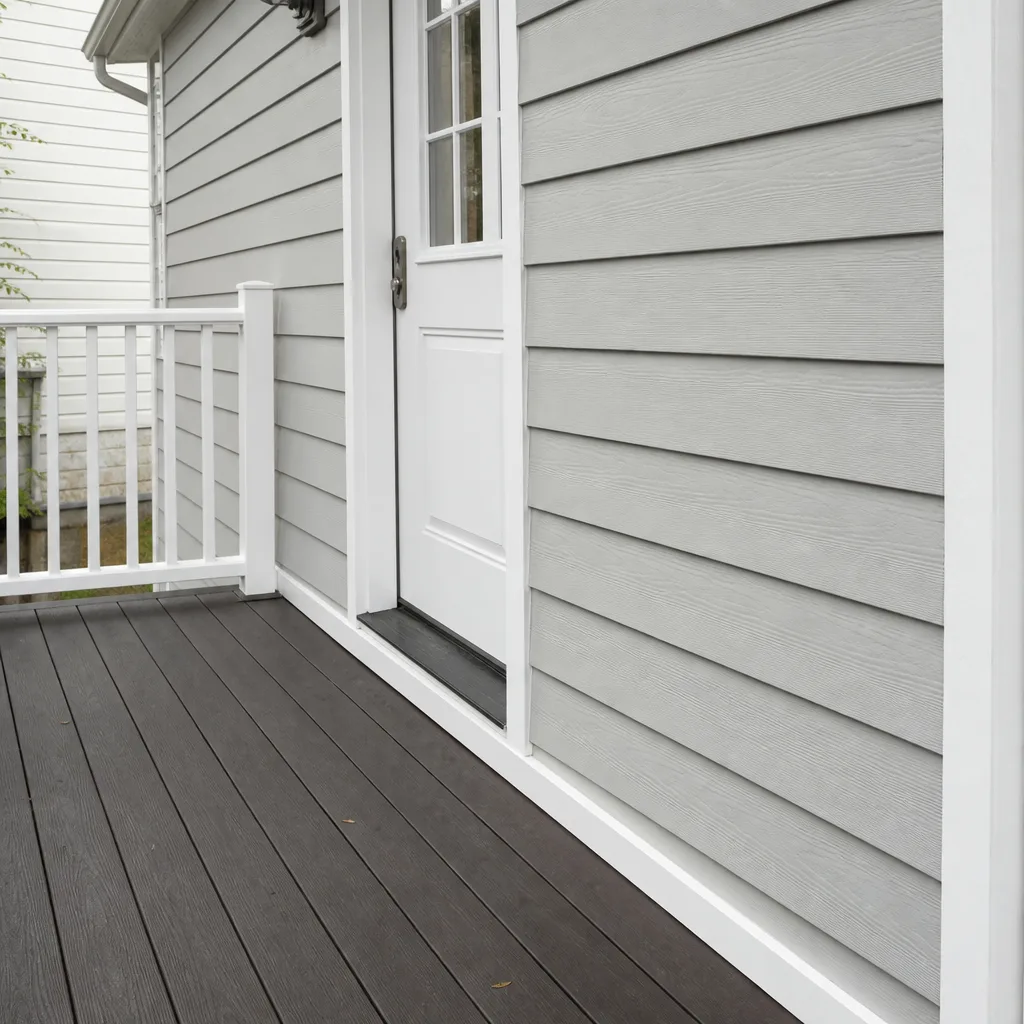 After
After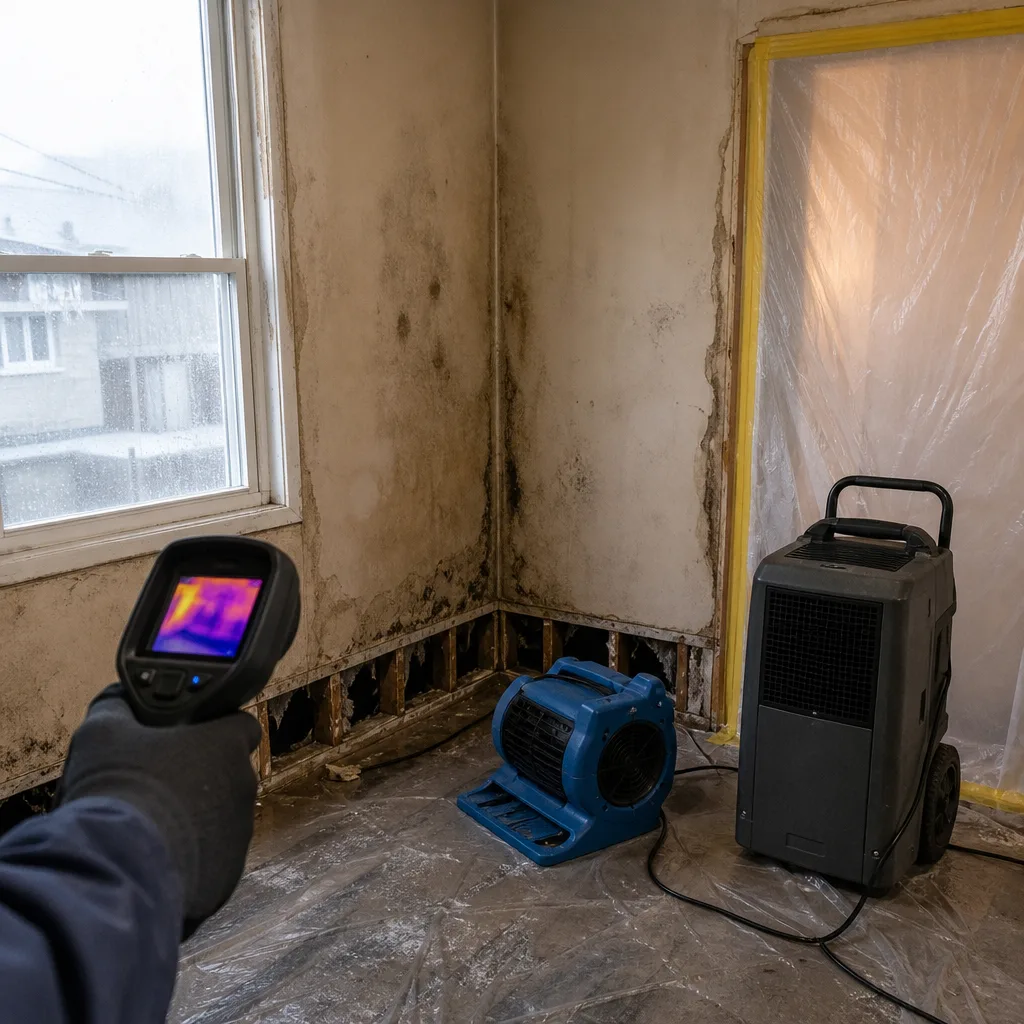 Before
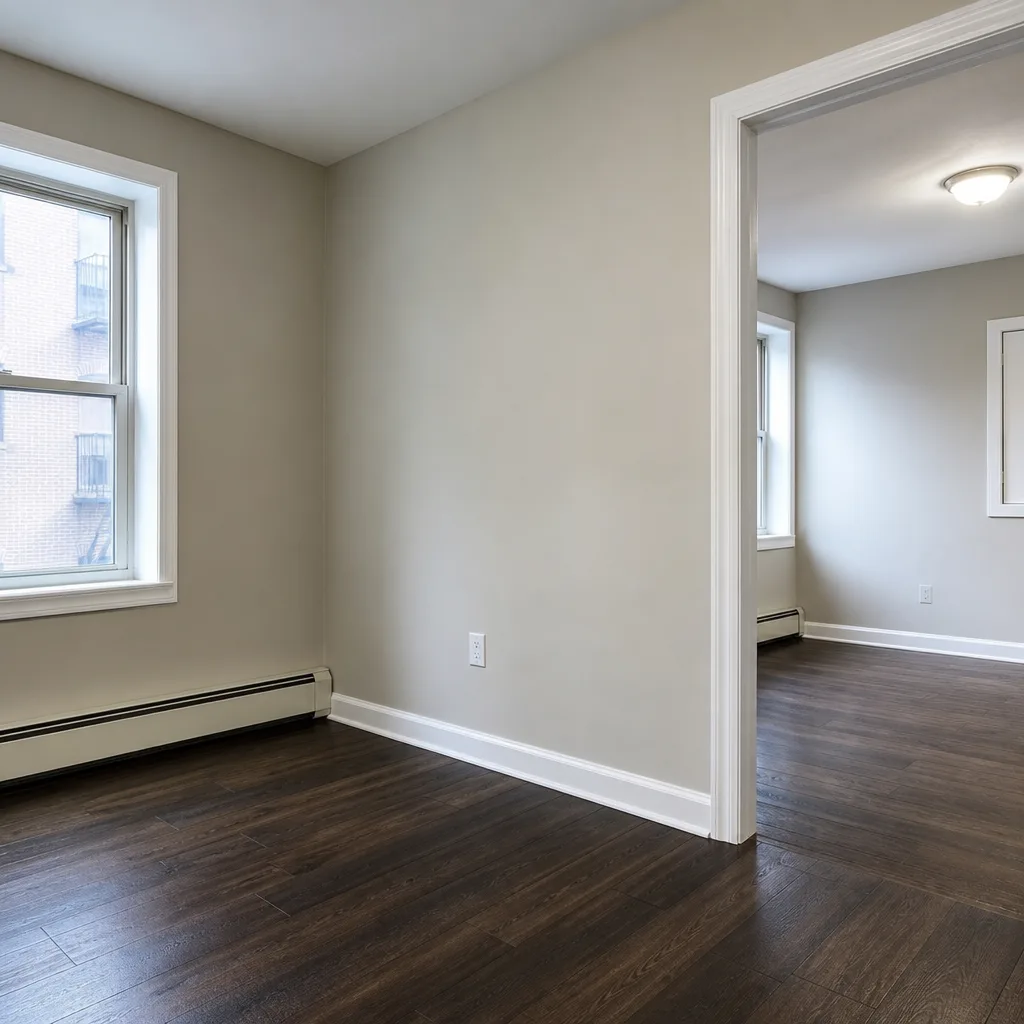 After
After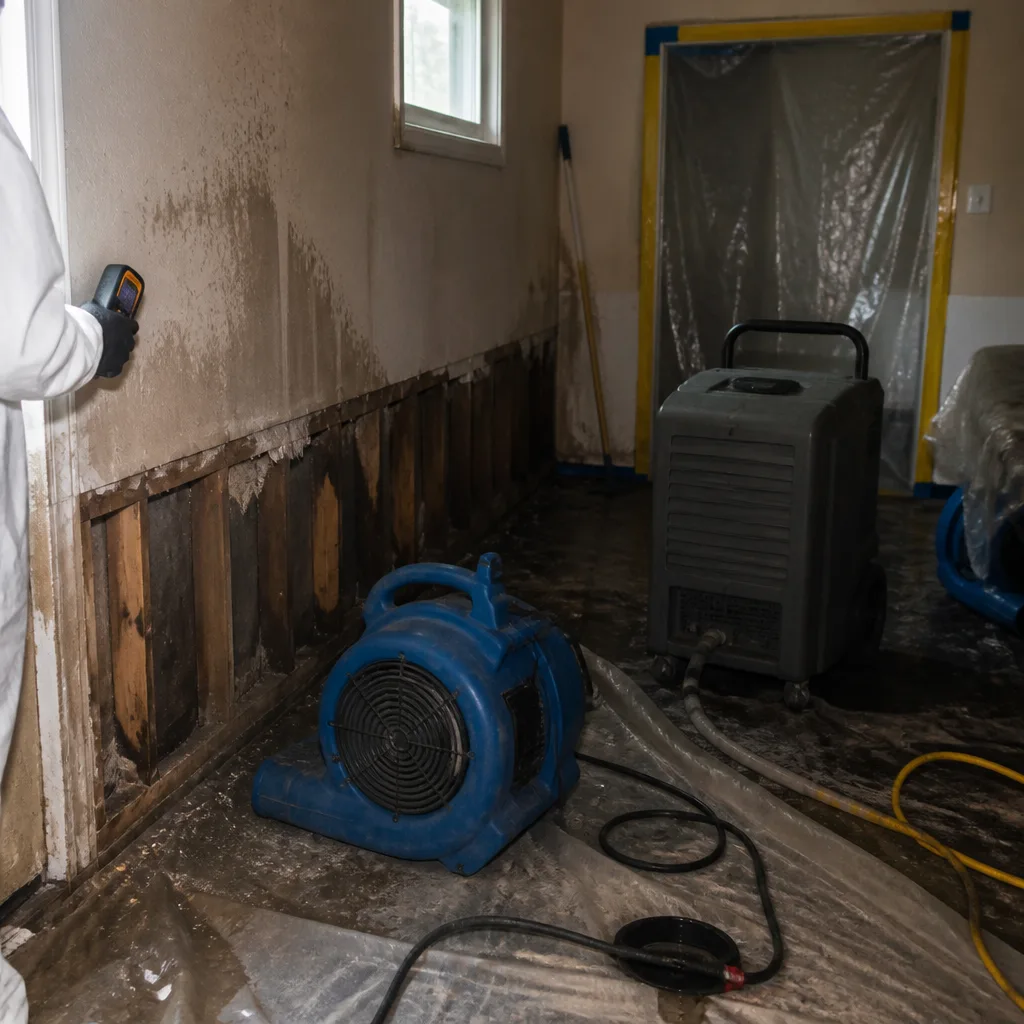 Before
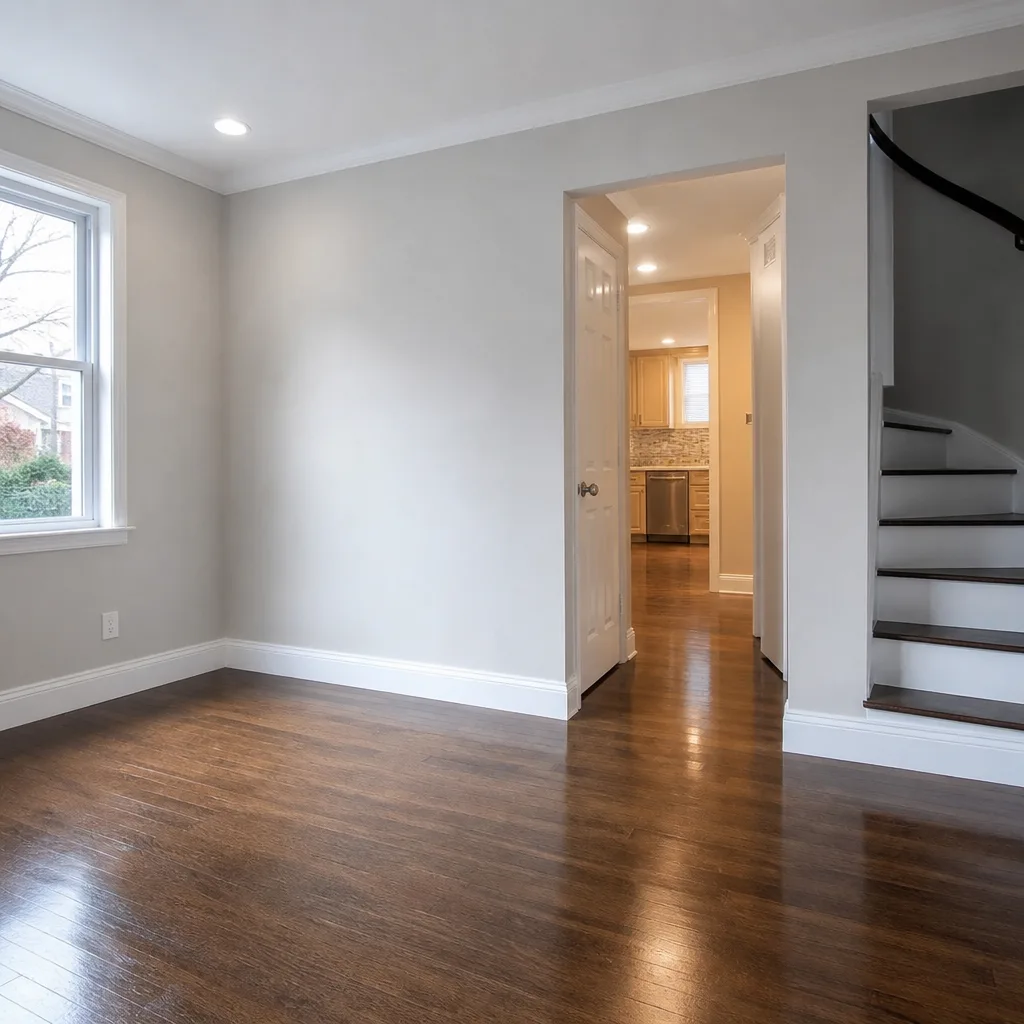 After
After24/7 Emergency Sewage Cleanup in Flushing
If sewage is backing up into your Flushing basement, call (518) 872-6111 right now and you’ll get a live dispatcher, not a recording. We keep crews staged across Queens so we can reach homes near Main Street, Kissena Boulevard, or Northern Boulevard inside of 45 minutes, day or night. The reason speed matters here more than in most neighborhoods: Flushing’s combined sewer system can push raw waste up through floor drains when Flushing Creek’s tide runs high, and that Category 3 black water starts growing mold on drywall inside 24 hours. A quick visual inspection is free, and we’ll tell you honestly whether you’re dealing with rainwater or sewage before any work is quoted.
Understanding Sewage Cleanup Severity in Flushing Properties
Not every basement backup is the same. The IICRC classifies water damage by contamination level, and in Flushing the classification often changes within the first hour of inspection. Category 1 is clean water, the kind from a burst supply pipe. Category 2 carries significant contamination, like dishwasher or washing machine discharge. Category 3 is what we call black water: raw sewage, floodwater that has picked up waste, or any water that has sat long enough to breed pathogens. In Flushing’s attached brick rowhouses built between the 1920s and 1950s, the telltale warning is floor-drain backflow on a high tide, which we’ve seen on blocks from Franklin Avenue east to Murray Hill. That’s not sump failure. That’s the city’s combined sewer surcharging, and it carries human waste, bacteria, and viruses into below-grade living spaces. If you wait a day, the Category 3 water soaks into drywall’s paper backing and wicks upward through the gypsum. By 48 hours, mold colonization is underway. By 72 hours, you’re likely looking at a full pack-out rather than a mitigation job. Older Flushing basements with finished guest suites or converted apartments make this worse, because the framing and insulation hold moisture behind the walls where you can’t see it.
Why Flushing Property Owners Choose Floodline Restoration Co.
- 45-minute response commitment to Flushing addresses. Crews stage near the Flushing Creek corridor so we’re not fighting midtown traffic while sewage sits in your basement.
- 24/7 live answer. You call, a person picks up, and that person can dispatch a crew. No automated tree, no callback wait at 2 a.m. when a nor’easter tide is pushing waste up through your drain.
- IICRC-certified crews trained for Category 3 black-water protocol, including WRT and AMRT standards for water damage and microbial remediation in confined below-grade spaces.
- Free visual inspection so you know the actual classification, scope, and cost before you sign anything. Written scope agreed before we start.
- Direct insurance billing. We document everything from the first hour, talk to your adjuster ourselves, and send the carrier the line-item scope, drying logs, and moisture readings.
- One team from extraction to rebuild. The same uniformed, background-checked crew that extracts the sewage is the crew that handles structural drying and puts the basement back together. No mid-job handoff.
Our Sewage Cleanup Process
Inspection & Assessment
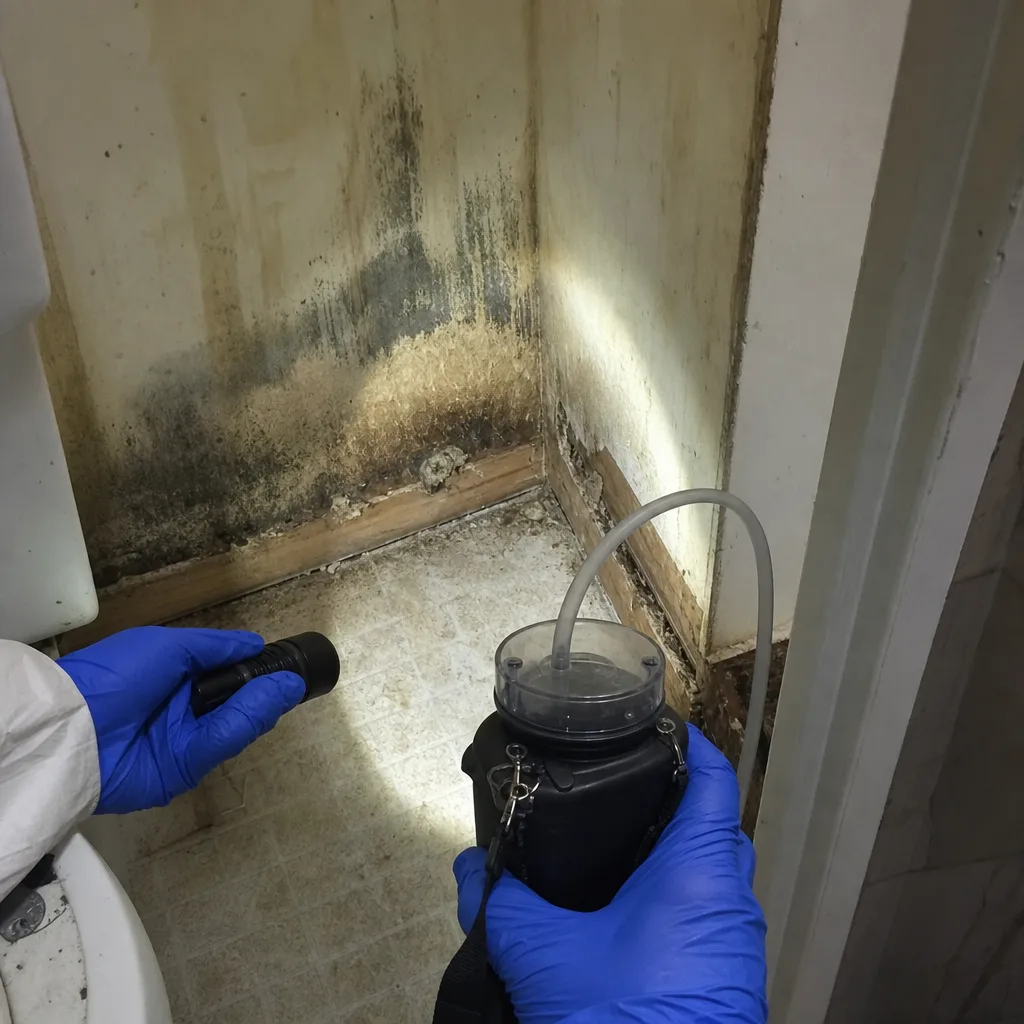
We arrive in Flushing, test the floor drain for tidal backflow, and classify the water by IICRC standard. Thermal imaging and moisture meters map how far the contamination has spread through the slab and lower walls.
Extraction & Stabilization
We set containment around the work area and extract black water using truck-mounted equipment like Dri-Eaz. Contaminated carpet, pad, and porous materials come out as regulated waste, not regular trash.
Structural Drying
Phoenix LGR dehumidifiers and XPOWER air movers run continuously, with daily moisture readings logged until we can prove the structure hit the dry standard. In Flushing’s humid summers, this stage gets every hour it needs.
Cleaning & Sanitization
We apply EPA-registered antimicrobials to all affected surfaces and clean what can be salvaged. Anything that cannot be properly sanitized gets cut out and written into the scope for reconstruction.
Sewage-Specific Treatment
This is where Flushing jobs differ from inland neighborhoods. We test for backflow on the city sewer side, document the tidal surcharge pattern, and treat the drain system itself so the next high tide doesn’t reintroduce contamination.
Repairs & Restoration
Once the space passes clearance testing, we rebuild what was removed: drywall, flooring, trim, baseboard. The same Floodline crew handles it, which means no calling a second contractor and no finger-pointing.
Need Emergency Sewage Cleanup in Flushing Now?
Crews minutes away, answering live 24 hours a day. The sooner we start, the less it costs.
Working With Your Insurance Company
Sewage backup claims in Flushing are common enough that carriers know the drill, but they still move only as fast as the documentation allows. From the first hour, we photograph every damaged area, log moisture readings room by room, and record the classification basis so the carrier sees exactly why the work was scoped the way it was. Curt Bowman built Floodline around a dispatch board, not a sales desk, which means the same project manager who walks your basement also talks to your adjuster. You won’t play messenger. We bill the carrier directly where your policy covers it, and the 90-Day Done Right Promise stands behind the rebuild, in writing, with no arguing.
What We Provide Your Insurer
- Thorough documentation of the loss
- Photos of all damage, room by room
- Moisture readings and drying logs
- A detailed, line-item scope of work
- Direct coordination with your carrier
Built for Flushing’s Loss Calendar
Flushing does not flood on a schedule. But after 42 years of restoration work, we can tell you when the phone rings. January deep freezes snap supply lines in uninsulated crawl spaces under 1920s rowhouses. Spring brings thaw and the first heavy rains, which reveal exactly where the foundation mortar has failed. Summer thunderstorms dump two inches in an hour, overwhelming the combined system and pushing sewage up through drains that were dry the week before. Autumn nor’easters are the worst, because they arrive on high tide and combine storm surge with precipitation. That’s when Flushing Creek’s tidal backpressure forces raw sewage through basement floor drains on blocks near the water, from College Point Boulevard east. We schedule crews around this calendar, which is why you should never hesitate to call on a gray November afternoon when the basement smells wrong.
Sewage Cleanup Across Flushing’s Neighborhoods
Flushing isn’t one building type, and the sewage work changes by block. Downtown near Main Street, you’re looking at six-story mixed-use buildings and converted above-store units where a backup in one line affects multiple residential floors. The blocks between Northern Boulevard and Flushing Bay, including Franklin Avenue and the streets feeding into the creek, are the highest tidal-backflow risk zone. These are attached and semi-detached brick rowhouses with cellars that sit only a few feet above the water table, and we’ve extracted Category 3 black water from finished basement rental units there more times than anywhere else in Queens. Murray Hill and the wedge north of 25th Avenue hold post-war brick homes with slightly better drainage but older private sewer laterals that fail over time. Kissena Park and the blocks around Queens College are further from the bay, so tidal backflow is rare there, but tree roots in century-old clay pipes still cause backups during heavy rain. Sewage Cleanup work in each of these areas starts with the same question: is this a private lateral failure or a combined-system surge? The answer dictates everything.
Specialized Sewage Cleanup Services We Offer in Flushing
Sewage Backup Cleanup
When waste comes up through a floor drain or basement toilet in Flushing, the first test is always backflow. If the city’s combined sewer is surcharging on a high tide, the remediation protocol changes: full PPE, containment, regulated disposal. We handle that classification from the first hour, not as a surprise discovered mid-job.
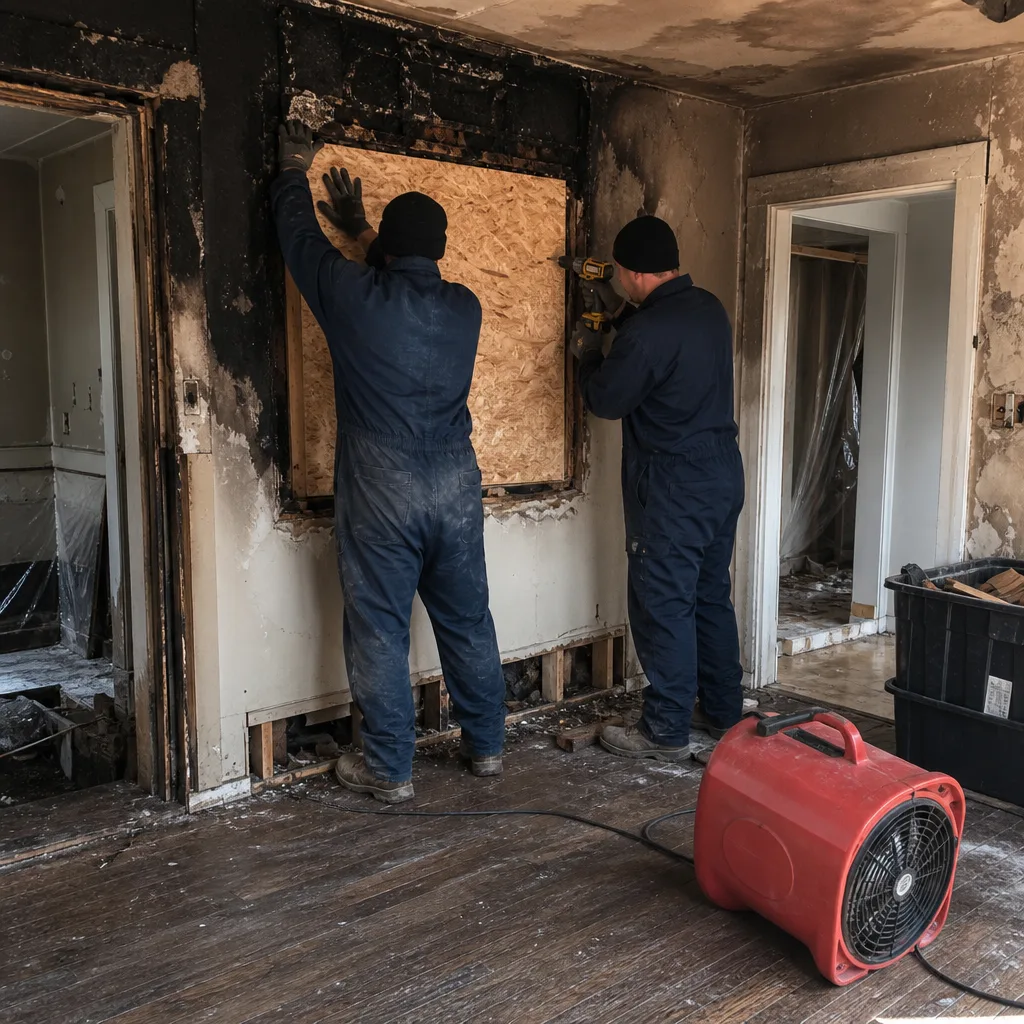
Black Water Extraction
Raw sewage demands extraction equipment that runs hard and fast. We bring truck-mounted and portable extraction units into tight Flushing cellars, pulling black water out of carpet, slab depressions, and the lower two feet of drywall that always wicks. This is Sewage Cleanup in Flushing at its most urgent: the window between extractable and teardown is measured in hours.
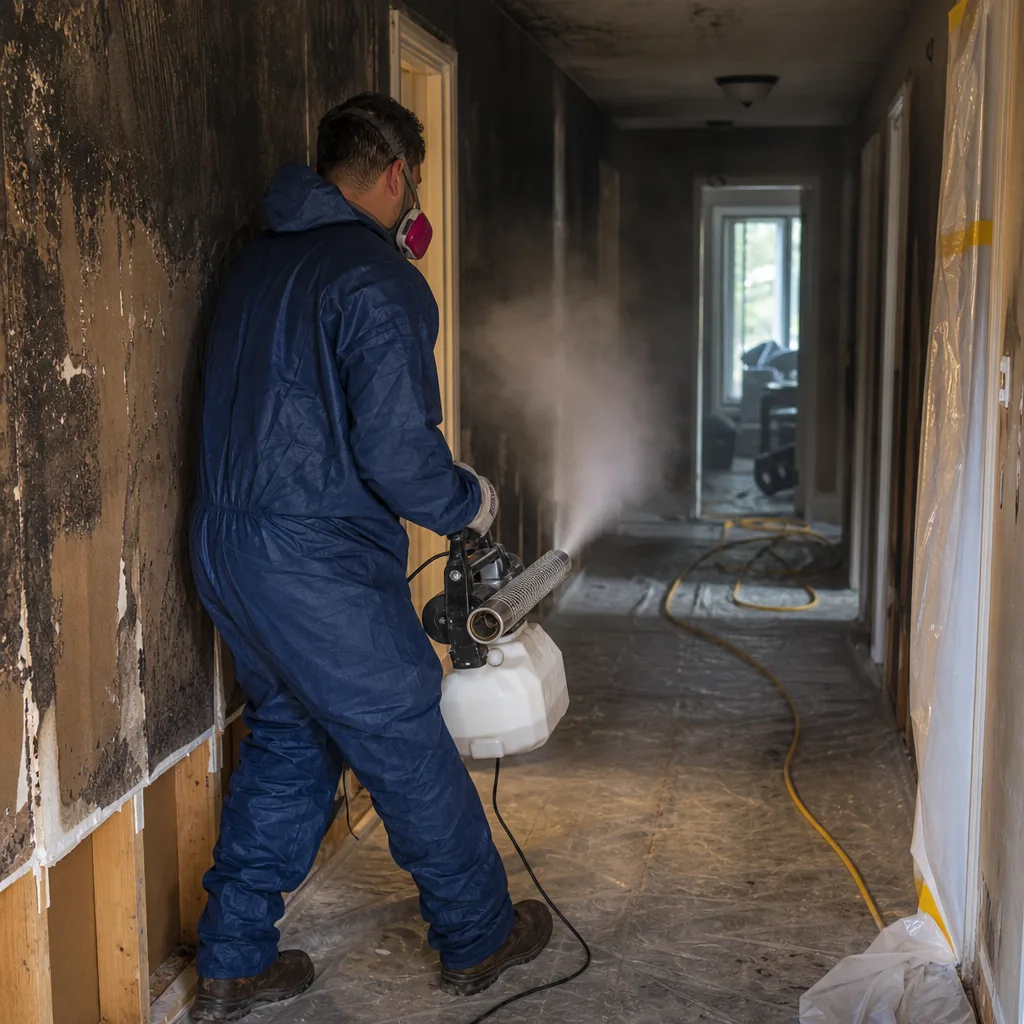
Toilet Overflow Cleanup
A toilet overflow in a Flushing basement bathroom is a Category 2 or 3 event depending on waste content, and in a converted basement apartment it becomes urgent fast. We remove the affected material, sanitize the surfaces, and check whether the overflow is a one-time blockage or a symptom of a backed-up building drain.
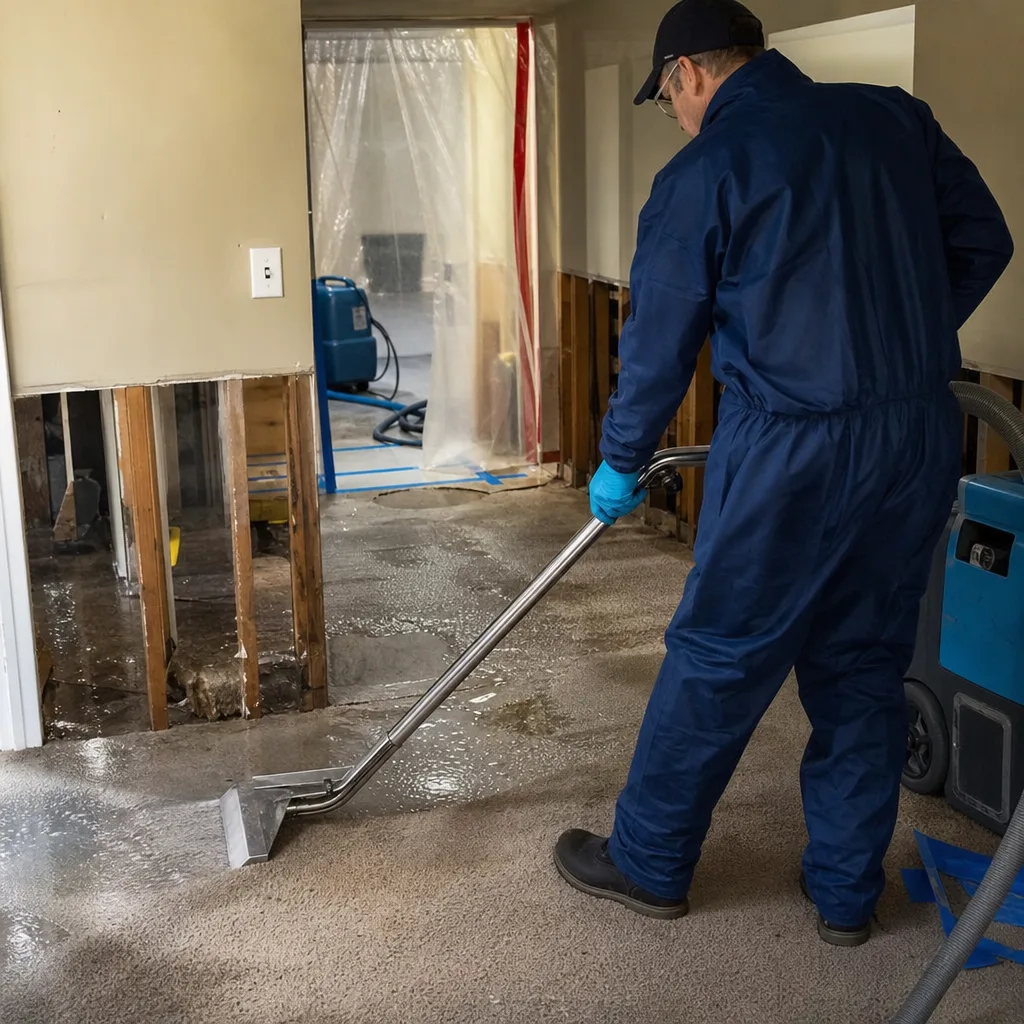
Septic Failure Cleanup
Outlying Flushing properties with private septic systems face a different failure mode: slow-draining soil, a saturated leach field, or a failed tank. We locate the point of intrusion, extract the contamination from below-grade spaces, and dry the structure while you address the system itself with a licensed plumber.
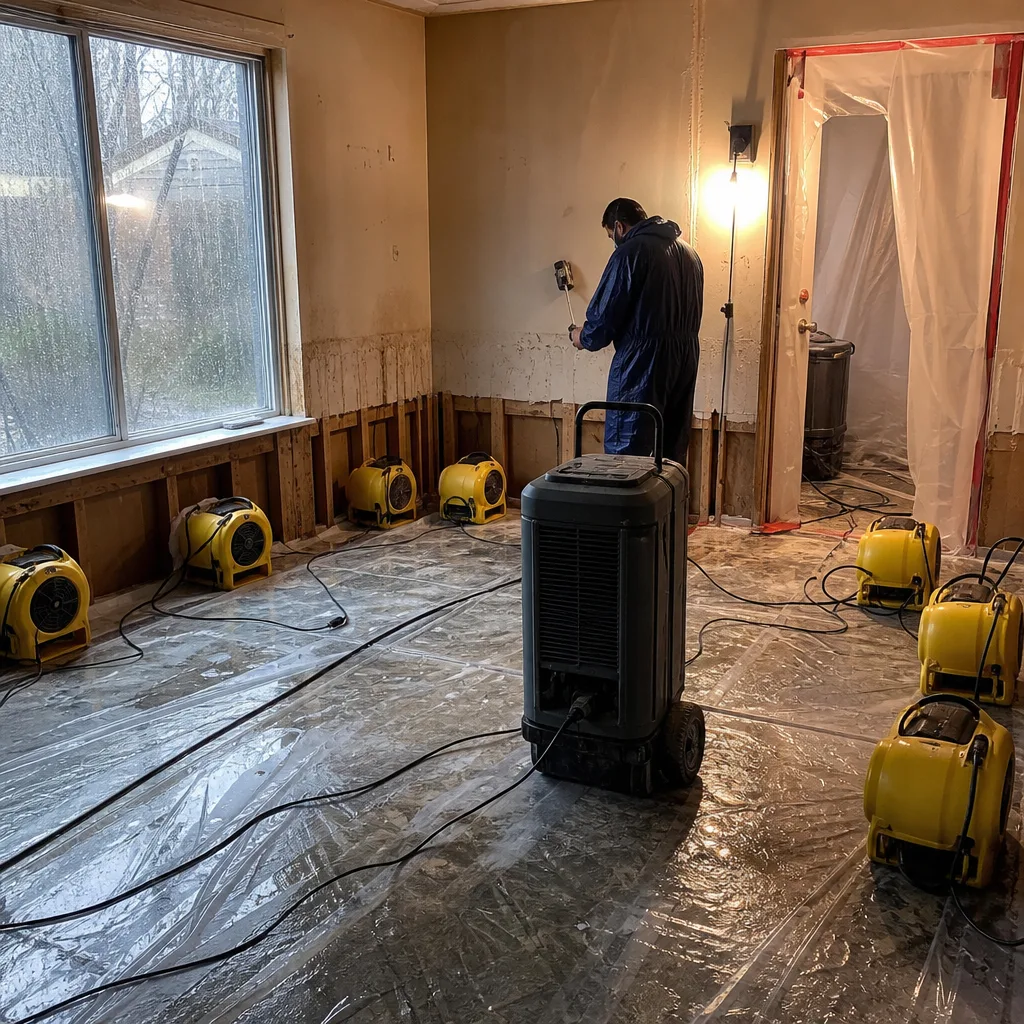
Sanitization & Disinfection
Extraction is step one. The biological risk remains on every surface the black water touched. We apply EPA-registered antimicrobials, run air scrubbers in the sealed containment zone, and document clearance so you know the basement is safe for your family again.
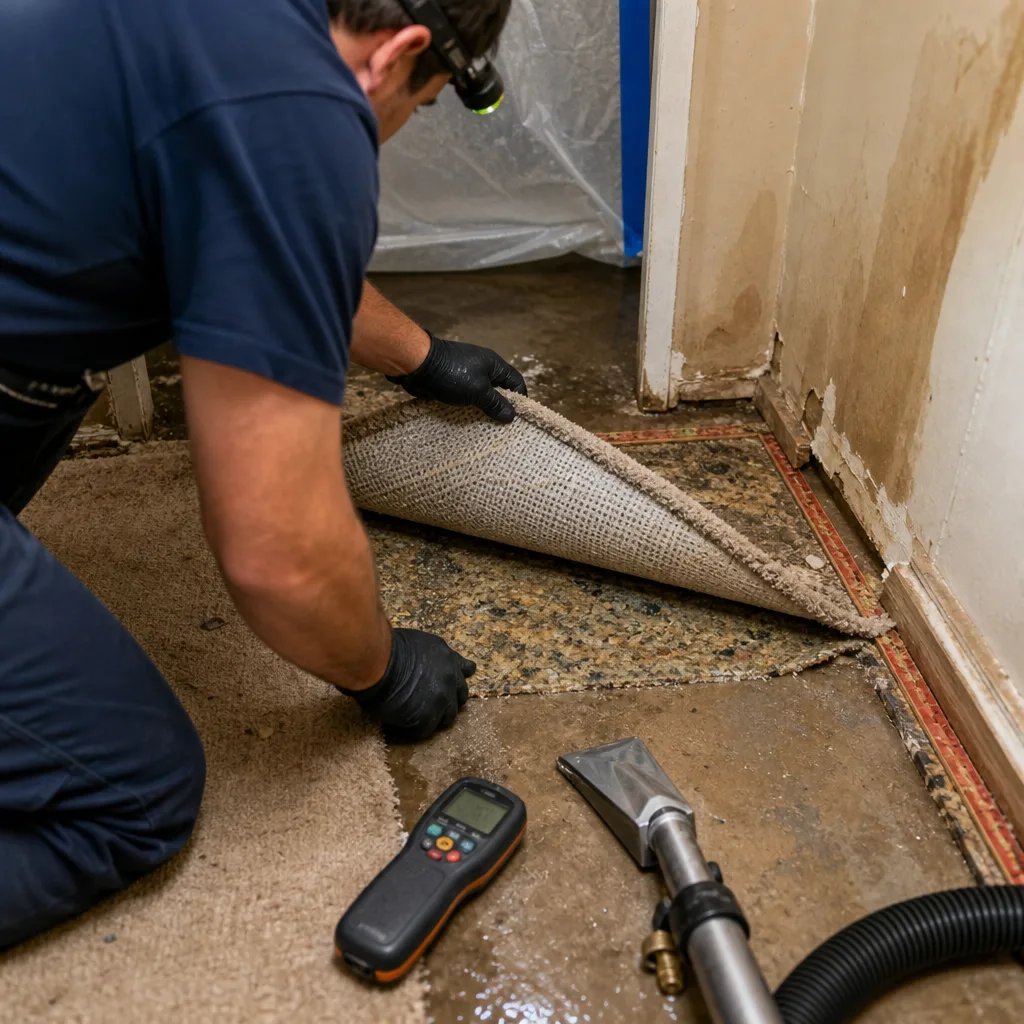
Crawl Space Sewage Removal
Flushing rowhouses often vent sanitary lines through low crawl spaces, and when those lines fail, raw sewage pools in a space nobody checks. We suit up, extract from the crawl, remove saturated insulation, and treat the framing so rot and mold don’t follow the sewage.
What happens when you call
- 1
A real person answersNo phone trees - you reach a local pro.
- 2
You get an upfront price rangeHonest numbers before anyone is dispatched.
- 3
A background-checked tech heads outLicensed & insured, dispatched right away.
- 4
You approve before work beginsNothing starts until you say go.
Sewage Cleanup Costs in Flushing, NY
A straightforward toilet overflow in a Flushing basement runs $800 to $1,500 when caught quickly, including extraction, sanitization, and drying of a contained area. A full Category 3 sewage backup from tidal surcharge in a finished rowhouse basement runs $4,000 to $9,000, more if the contamination migrated through a shared party wall into a neighbor’s unit. Black water extraction alone typically runs $1,200 to $2,800 in Flushing depending on square footage and access. What moves the price: how far the sewage traveled, whether carpet and pad come out, whether walls were open or finished, and whether the mold window was breached. Most Flushing homeowners with a standard policy carry some sewer-backup endorsement, and we work that directly with your carrier. The free visual inspection gives you a firm scope before anything is authorized.
We Also Serve Cities Near Flushing
Our Flushing crews regularly run calls to College Point, Whitestone, East Elmhurst, and Corona. If your block is on the edge of Flushing and you’re not sure which office reaches you fastest, call (518) 872-6111 and the dispatcher will route the nearest available team immediately.
Flushing Sewage Cleanup Questions, Answered
Why do Flushing basements flood with sewage even when it hasn’t rained much?
Because Flushing Creek is tidal, and the city’s combined sewer system drains toward it. When a nor’easter or even a king tide pushes water up the creek, the sewer line can’t discharge, so waste backs up through the lowest opening in your house: usually a basement floor drain. That’s why we test for backflow immediately on every Flushing sewage call. Rain isn’t the only trigger; the tide is.
How fast does mold start after a sewage backup in a Flushing basement?
Mold colonization begins within 24 to 48 hours on drywall and other porous materials soaked in warm, humid conditions. Flushing’s summer heat and chronically damp basements accelerate that timeline. If sewage touched the walls, assume the clock started the moment the water rose. Call (518) 872-6111 the same day to beat the 48-hour line.
What’s the difference between rainwater flooding and sewage backup in Flushing?
Rainwater flooding is typically Category 1 or 2 contamination, depending on what the water picked up. Sewage backup from the combined system is Category 3 black water: it carries human waste, bacteria, and pathogens that require full PPE, containment, and regulated disposal. In Flushing the two look identical at first. The difference is discovered by testing the floor drain and checking tide tables, which our crews do on arrival.
Can sewage backup spread to my neighbor’s attached townhome in Flushing?
Yes. Flushing’s attached and semi-detached rowhouses share party walls, and sewage water that penetrates one side of a wall can wick laterally into the neighbor’s basement framing. That means containment has to account for the shared wall, and sometimes the scope of work changes mid-job. We document that with a signed scope update before expanding any work.
Do I need special protection when cleaning up a toilet overflow in my Flushing basement?
Yes. Any toilet overflow that includes solid waste is Category 3 black water. Touching it without the right gloves, boots, and respirator is a serious health risk, and so is the airborne spray from scrubbing. We use full PPE, containment, and air scrubbers on every Category 3 job, and we handle the disposal as regulated waste.
How fast can a crew actually get to my house in Flushing?
Our target is 45 minutes from your call. We stage crews across Queens, including near the Flushing Creek corridor and along Kissena Boulevard, so we’re not crossing the borough at rush hour. When you call at 2 a.m. on a high-tide nor’easter, a live person answers and starts dispatch immediately.
Will insurance cover sewage cleanup in Flushing?
Most homeowner policies cover sudden sewage backup if you carry a sewer-backup endorsement, which is common in Queens. The bigger variable is documentation. We provide photos, moisture logs, drying charts, and a line-item scope directly to your carrier, and we can bill them directly where coverage applies. Call (518) 872-6111 and we’ll walk through your policy scenario on the phone.
What should I do in the first 30 minutes after a sewage backup in Flushing?
Don’t flush, don’t run water, and don’t walk through the contaminated area more than absolutely necessary. Turn off electricity to the basement if the panel is accessible and safe to reach. Move people and pets upstairs. Then call (518) 872-6111 so we can test the backflow, classify the water, and start extraction before the mold window opens.
Serving Flushing, NY - Our Local Coverage Area
We’re based in the Flushing area and know this community well. Use the map below to see our service coverage - if you’re nearby, we can almost certainly help.
Get Sewage Cleanup in Flushing Started Now
Sewage backups get worse by the hour, and in Flushing the tide does not wait. Call (518) 872-6111 for a free visual inspection and a straight answer about what you’re dealing with. A live dispatcher answers, a certified crew is on the way, and the work is backed by the 90-Day Done Right Promise, in writing, with no surprises on the bill. Serving Flushing from the Flushing Creek corridor to Kissena Park, including all surrounding neighborhoods. Floodline Restoration Co. is licensed, insured, and ready when you are.
Written by Curt Bowman, Owner at Floodline Restoration Co., serving Flushing and Queens with certified crews and a written guarantee on every job.