

Free visual inspection and a written scope of work before any mitigation begins - photos, moisture readings, and drying logs go in your claim file
The scope we write is the scope we bill. Anything new gets shown to you, in writing, before we touch it.
Storm responseSewage cleanup
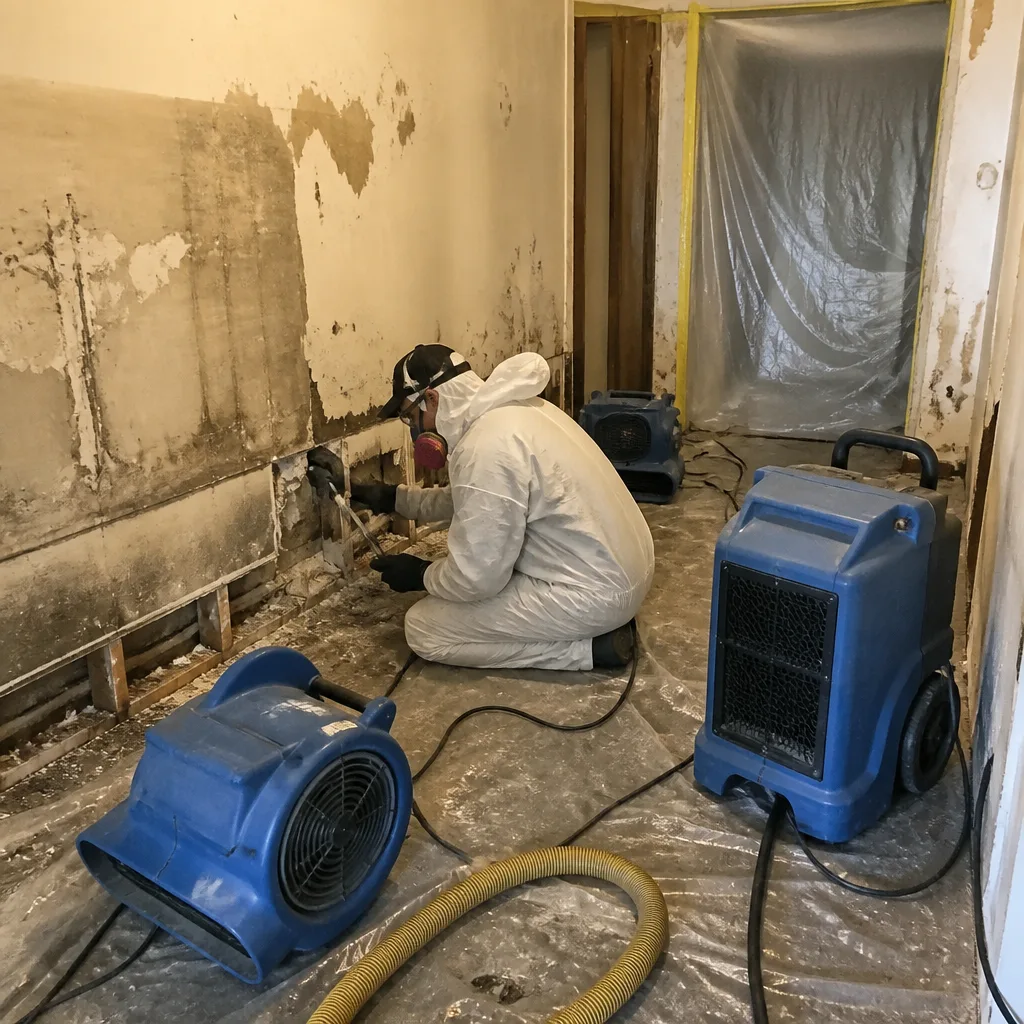 Before
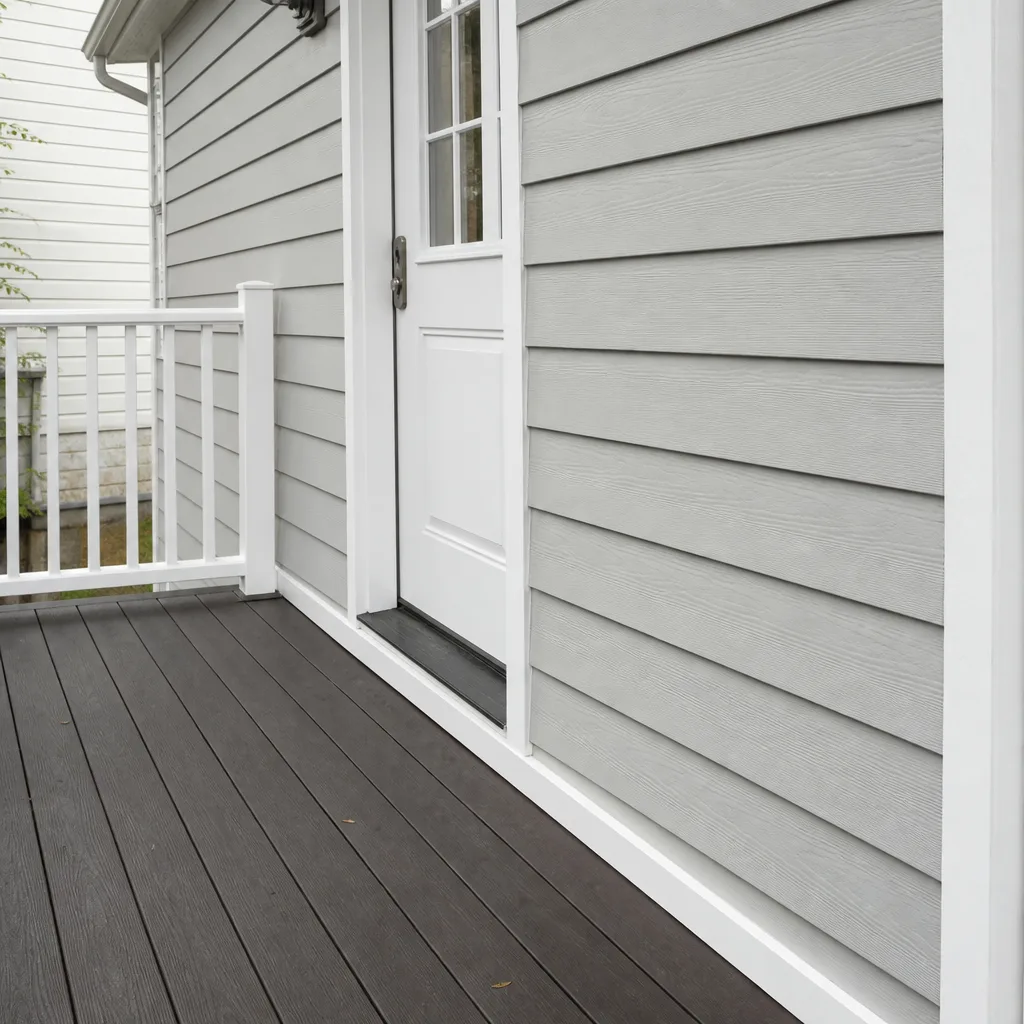 After
After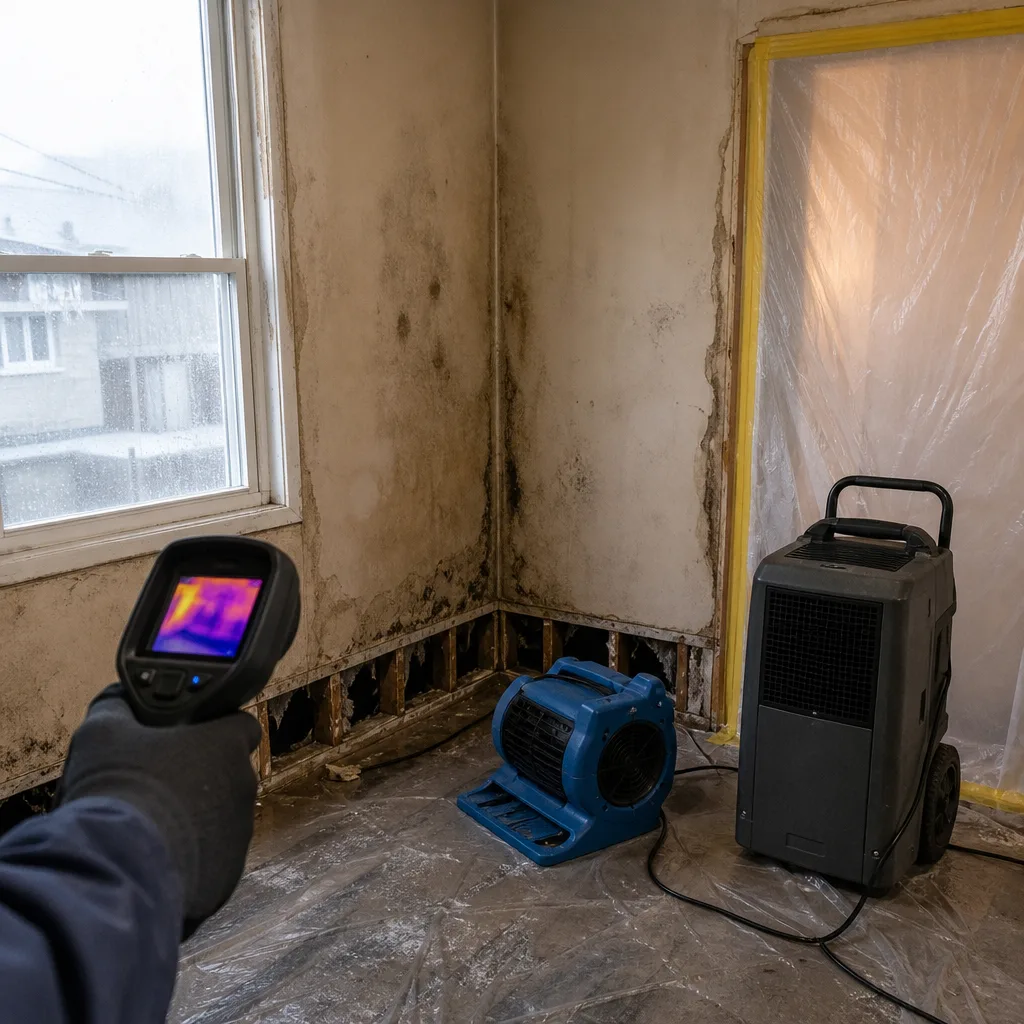 Before
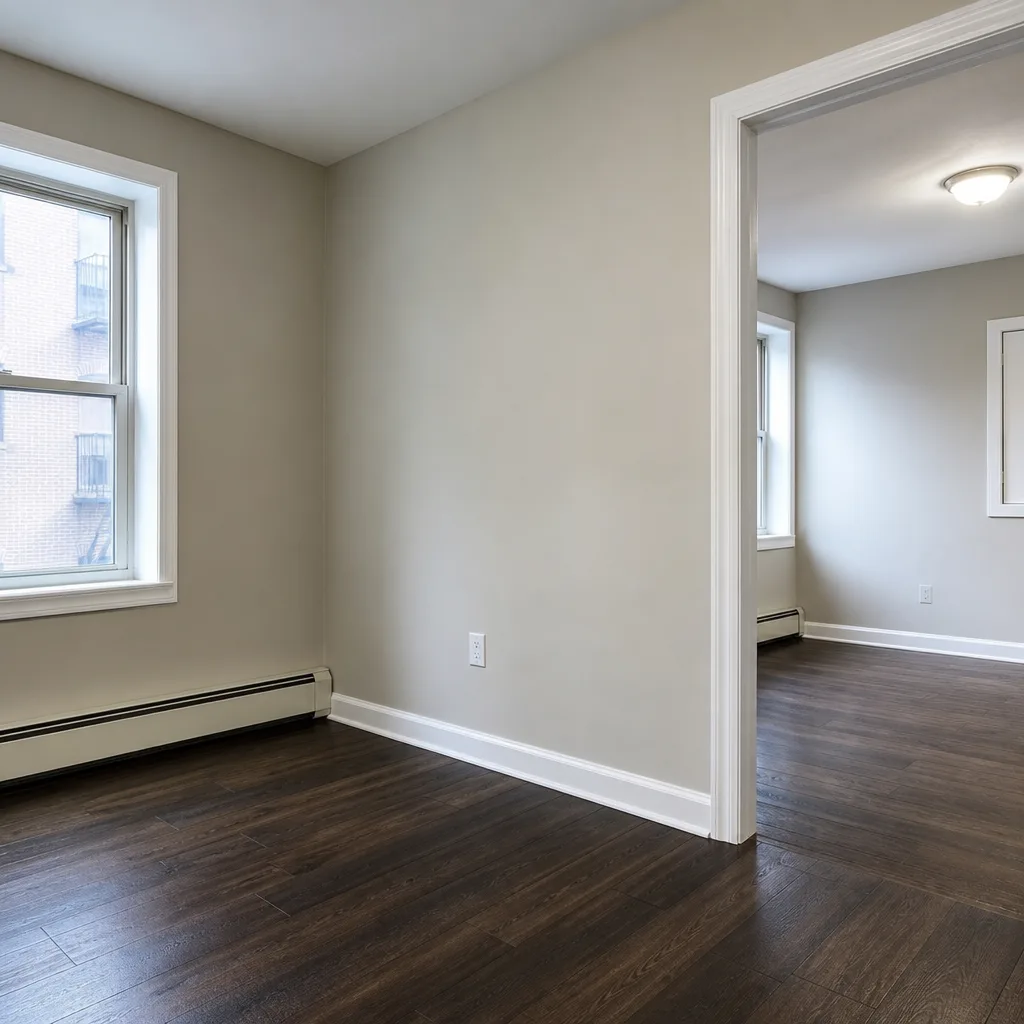 After
After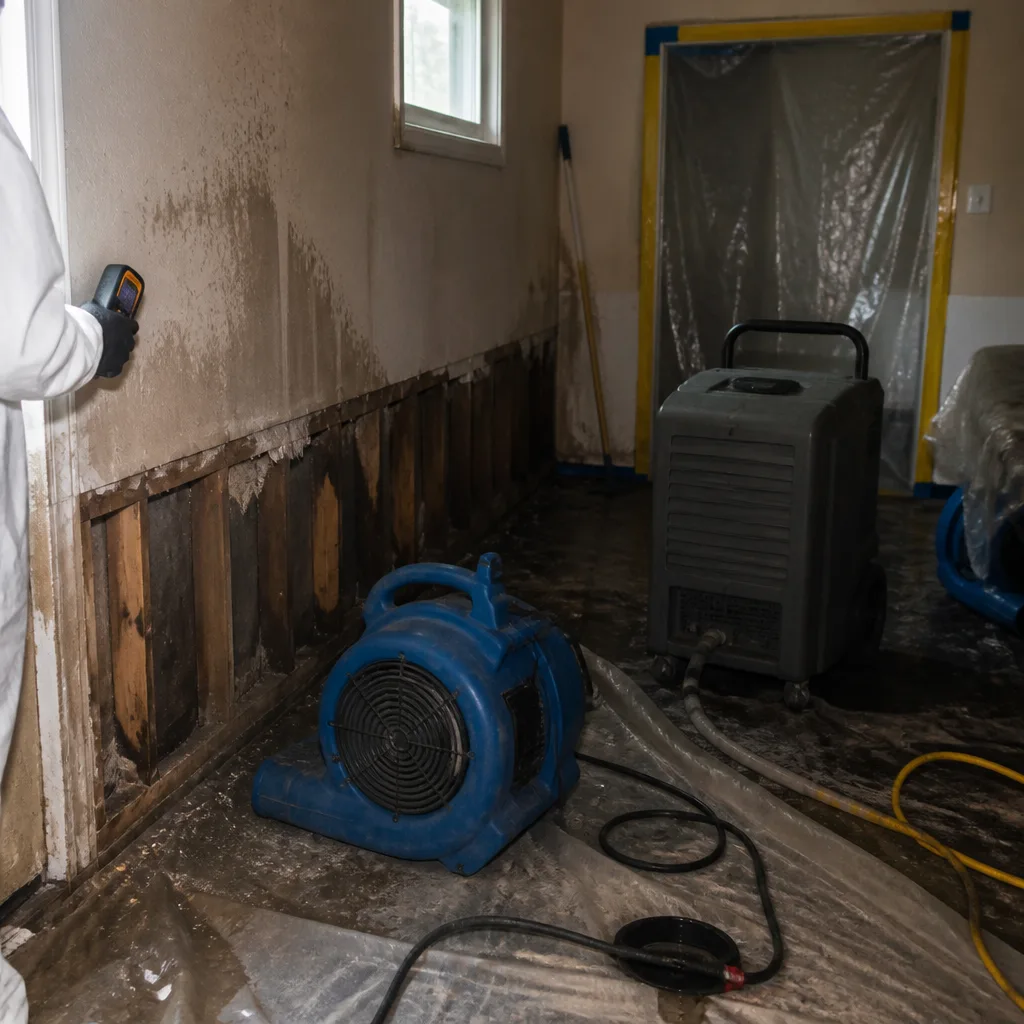 Before
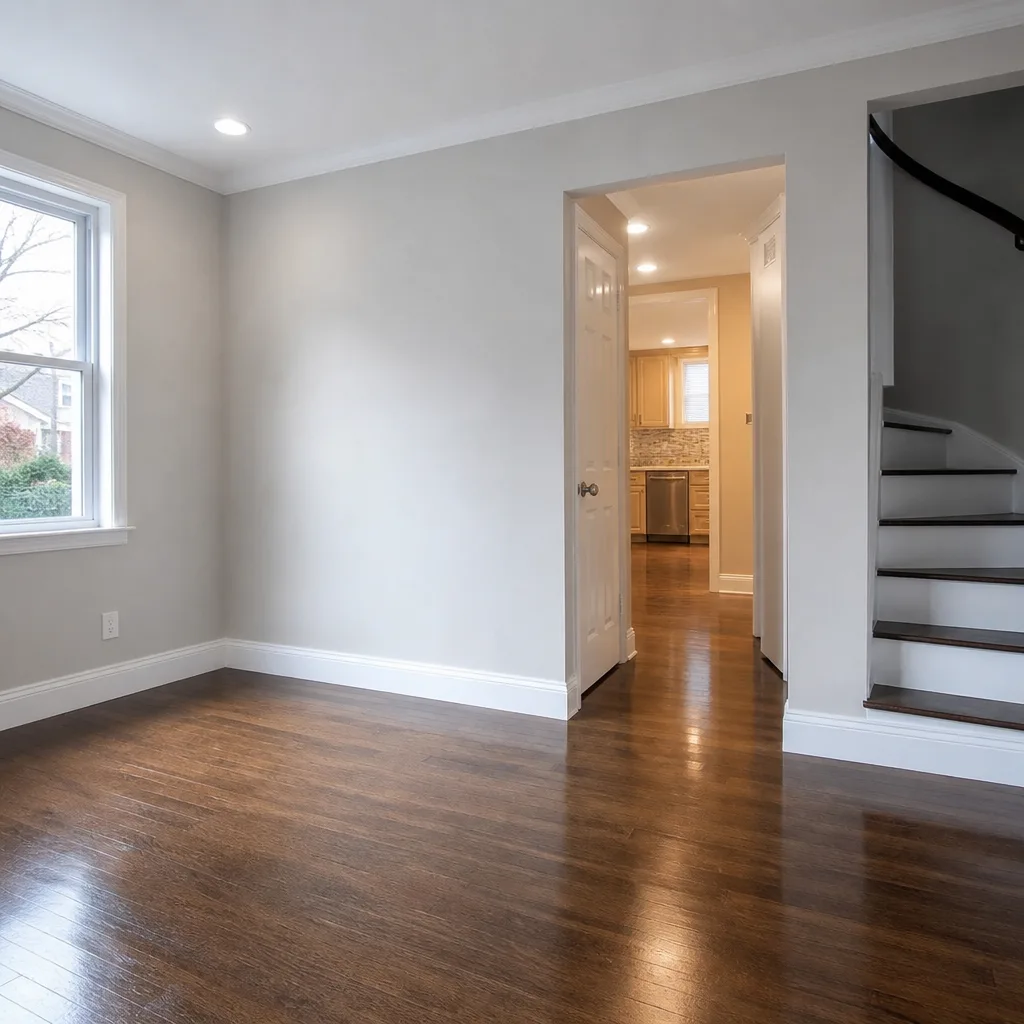 After
After24/7 Emergency Water Damage Restoration in Kew Gardens Hills
A burst pipe in a Kew Gardens Hills rowhouse rarely stays in one home. Water travels through shared masonry party walls faster than most homeowners expect, and within 24 hours you’re not dealing with a wet floor anymore - you’re dealing with saturated wall cavities, buckling floors, and the first signs of mold in two or three attached units. That’s why our crews answer live at (518) 872-6111 twenty-four hours a day, seven days a week, and dispatch to Kew Gardens Hills immediately. The first hour after a pipe splits or a sewer backs up is when extraction makes the difference between a three-day dry-out and a three-week rebuild. We arrive with professional-grade extraction and drying equipment on the truck, do a free visual inspection, and start pulling water out the same visit. The line the water left is where we start.
Understanding Water Damage Restoration Severity in Kew Gardens Hills Properties
Water damage gets classified into three categories, and the distinction matters more in Kew Gardens Hills than in most Queens neighborhoods because of the combined sewer system. Category 1 is clean water - a supply line split, an overflowing tub, a radiator leak. Category 2 is grey water, meaning it carries soap, detergent, or mild contaminants - think washing machine overflow or a dishwasher discharge. Category 3 is black water: sewage, ground seepage through cove joints, or anything that has touched the combined sewer. Here’s what homeowners often get wrong: that basement backup during a summer thunderstorm is almost never Category 1. When the NYC combined sewer surcharges, sewage-laden water pushes up through floor drains and basement toilets. Classifying it wrong means leaving pathogens in the slab and drywall, and that’s how a “cleanup” becomes a health problem months later. In attached 1940s-1960s brick rowhouses, we moisture-map not just the affected room but the party wall itself. Readings spike on both sides of a shared masonry wall within hours. We use thermal imaging and penetrating moisture meters to find what the eye can’t - water trapped in wall cavities, under original oak flooring, inside the channels between joists.
Why Kew Gardens Hills Property Owners Choose Floodline Restoration Co.
- 45-minute response commitment. When you call with standing water in a finished basement on 72nd Road or 144th Street, we tell you exactly when the crew arrives - and we keep that time.
- A live person answers, 24/7. No answering service, no “leave a message.” A dispatcher picks up at 2 a.m. and starts the process immediately.
- IICRC-certified crews. Our technicians hold WRT (Water Restoration Technician), FSRT (Fire & Smoke), and AMRT (Applied Microbial Remediation) certifications - not just a company certificate, an individual credential for the person in your home.
- Free visual inspection. We assess the damage, show you the moisture readings, and give you a written scope before any work begins. No pressure, no surprises.
- Direct insurance billing. We document everything from the first hour and bill your carrier directly. You don’t play messenger between us and the adjuster.
- One team, extraction to reconstruction. The same crew that extracts the water handles the drying, the demolition, and the rebuild. No mid-job handoff, no inherited strangers.
Our Water Damage Restoration Process
Inspection & Assessment
We map the affected areas with thermal imaging and penetrating moisture meters, classify the water category, and document every reading. For attached Kew Gardens Hills rowhouses, this includes checking both adjoining units’ party walls before we cut anything.
Extraction & Stabilization
Submersible pumps and truck-mounted extractors pull standing water out of basements, crawl spaces, and wall cavities. We stabilize the structure immediately - bracing where water has compromised framing, and setting containment wherever black water or mold is present.
Drying & Dehumidification
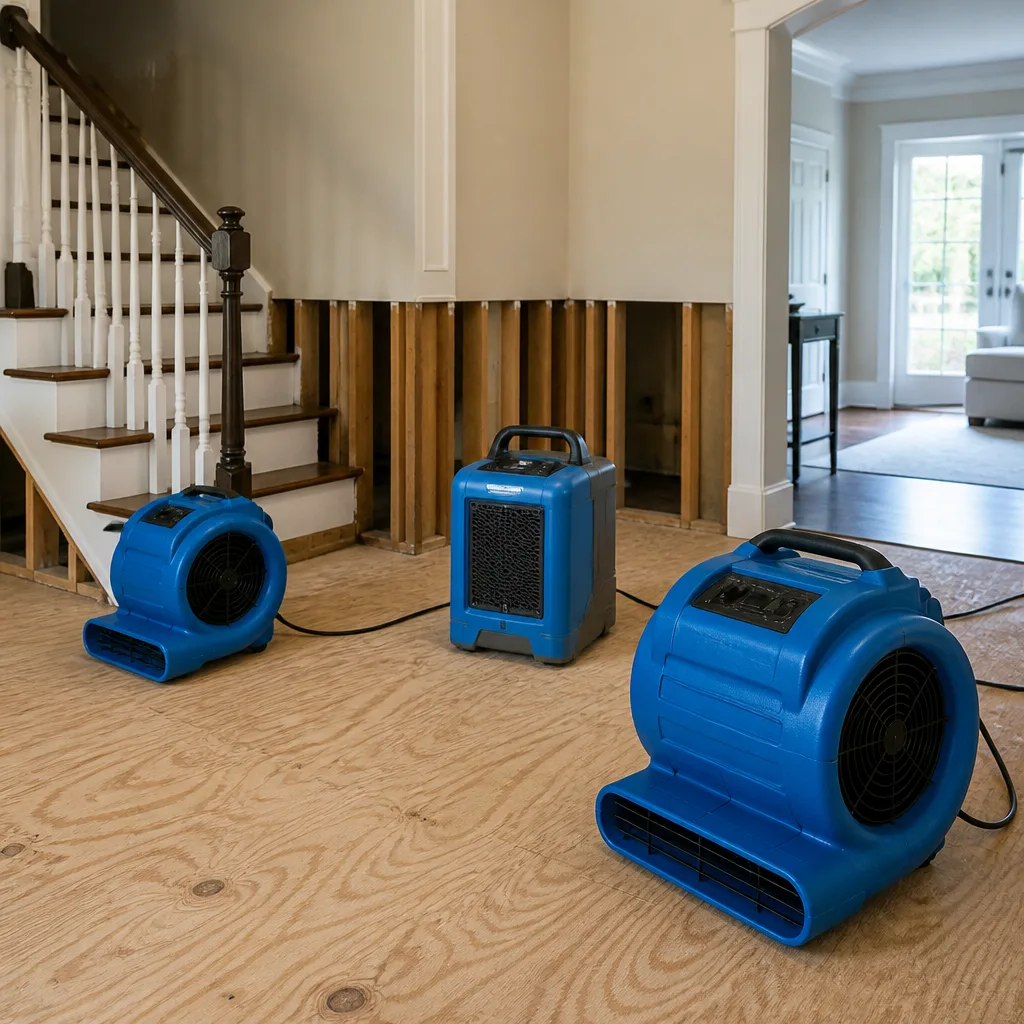
Dri-Eaz and Phoenix air movers, LGR dehumidifiers, and Injectidry floor systems run continuously until moisture readings hit the dry standard. We check daily and log every reading - moisture log goes to you and your carrier.
Cleaning & Sanitization
HEPA air scrubbers remove airborne particulates and mold spores. We sanitize all affected surfaces with EPA-registered antimicrobials appropriate to the water category, and clean salvageable contents on site where possible.
Mold Prevention Treatment
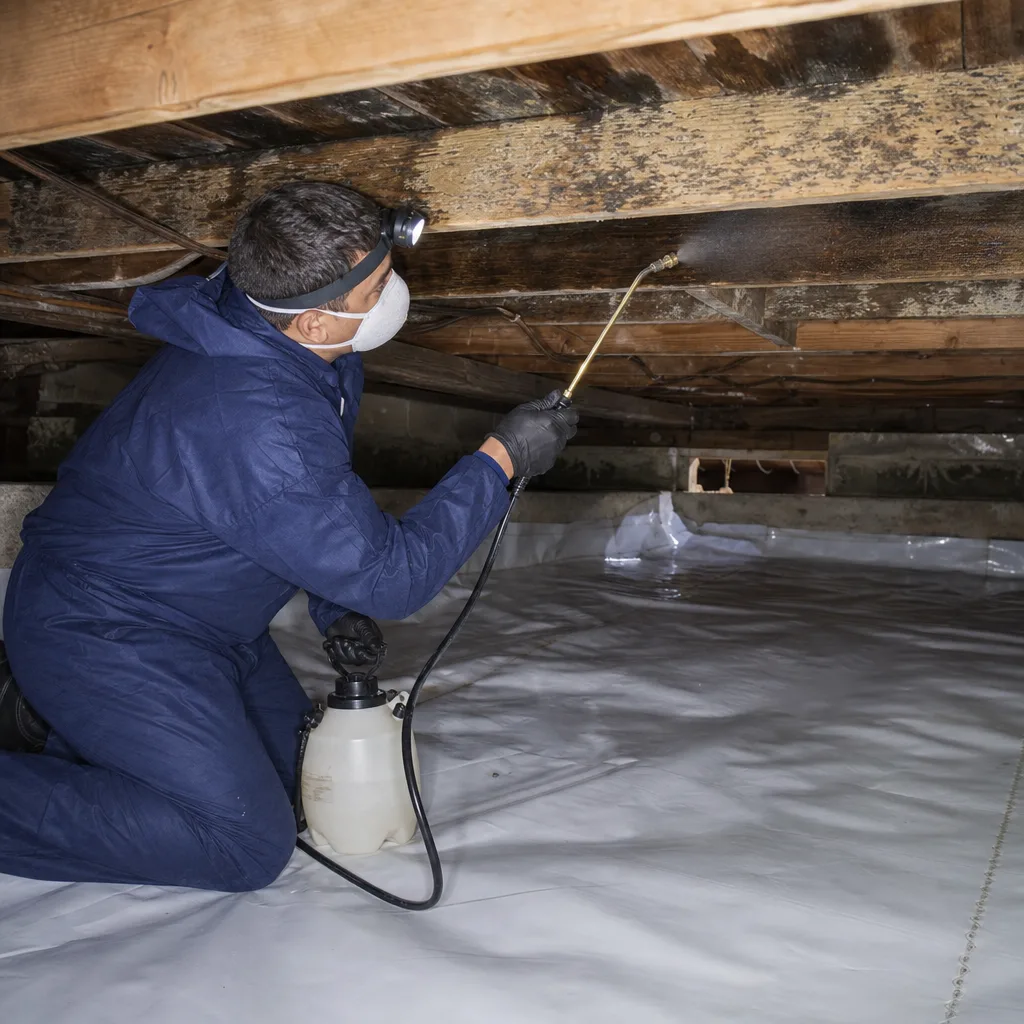
Because Kew Gardens Hills basements sit close to the water table and attached rowhouses share wall cavities, we apply antimicrobial treatments to the full affected area, not just visible surfaces. This is where preventing a Category 1 job from becoming a mold job happens.
Repairs & Restoration
We replace drywall, flooring, trim, and structural elements to a rebuilt, finished condition. Original lath-and-plaster ceilings, oak floors, and 1950s basement finishes are restored or rebuilt correctly - documented, permitted where required, and backed by our 90-Day Done Right Promise.
Need Emergency Water Damage Restoration in Kew Gardens Hills Now?
Crews minutes away, answering live 24 hours a day. The sooner we start, the less it costs.
Working With Your Insurance Company
Most Kew Gardens Hills homeowners have never filed a water damage claim and don’t know that the first 48 hours of documentation determines how smoothly the claim goes. We’ve sat across the table from adjusters for over four decades. What we’ve learned: carriers don’t question thoroughness. They question gaps. That’s why we photograph every affected room room-by-room, log every moisture reading, and submit a line-item scope that matches the actual loss, not a rounded-up guess. We communicate with your adjuster directly, in the language insurance companies use. You stay informed, you make the final decisions, but you don’t have to translate between us and your carrier.
What We Provide Your Insurer
- Thorough documentation of the loss
- Photos of all damage, room by room
- Moisture readings and drying logs
- A detailed, line-item scope of work
- Direct coordination with your carrier
Built for Kew Gardens Hills’s Loss Calendar
Kew Gardens Hills sees predictable water damage patterns through the year, and we plan our dispatch around them. January and February bring hard freezes that split galvanized supply lines and burst pipes in uninsulated exterior walls and crawl spaces - the older brick stock on streets like 72nd Road and 147th Street is especially vulnerable. March and April mean spring thaw: groundwater rises, cove joints weep, and basements that stayed dry all winter start seeping. June through August is thunderstorm season, and the combined sewer system surcharges during heavy convective storms, pushing black water up through floor drains in finished basements across the neighborhood. September through November bring nor’easter remnants, and the aging tar roofs on mid-century garden apartments and rowhouses start leaking into top-floor units, saturating original lath-and-plaster ceilings. We don’t guess what’s coming. We’ve been doing Water Damage Restoration long enough to know the calendar.
Water Damage Restoration Across Kew Gardens Hills’s Neighborhoods
Kew Gardens Hills isn’t one flat grid - it’s a patchwork of housing types packed tightly together, and each pocket fails differently. The rowhouse blocks south of Main Street and east of Kissena Boulevard are dense attached brick homes from the 1940s and 1950s, and when one center-unit pipe bursts, we typically set containment in two or three units before moisture mapping even starts. Over near Queens College and along Jewel Avenue, you find more mid-century garden apartment complexes with flat tar roofs that fail silently into top-floor units; by the time the tenant notices the ceiling stain, the shared masonry below has been wicking water for weeks. The blocks around Pomonok and along 73rd Avenue hold semi-detached two-families where finished basement apartments are common - and those basements sit close to the water table, making sewer backup and groundwater intrusion the highest-frequency calls we answer in that pocket. Down toward Vleigh Place and the Kew Gardens Hills Library corridor, the original cast-iron supply lines are still in service in many homes, and freeze-thaw cycles find every weak thread joint. Response routes differ, but one thing stays the same: we’re inside the neighborhood, not coming in from a distant depot.
Specialized Water Damage Restoration Services We Offer in Kew Gardens Hills
Emergency Water Extraction
Standing water in a Kew Gardens Hills basement doesn’t wait. Every hour it sits, it migrates deeper into concrete, into the bottom plates of finished walls, into the fibers of original hardwood flooring. We run truck-mounted and portable extractors to pull the bulk water out fast, then follow with Injectidry mats and extraction wands for wall cavities and under-floor spaces. The goal is simple: get the water out before it finds a neighbor’s unit.
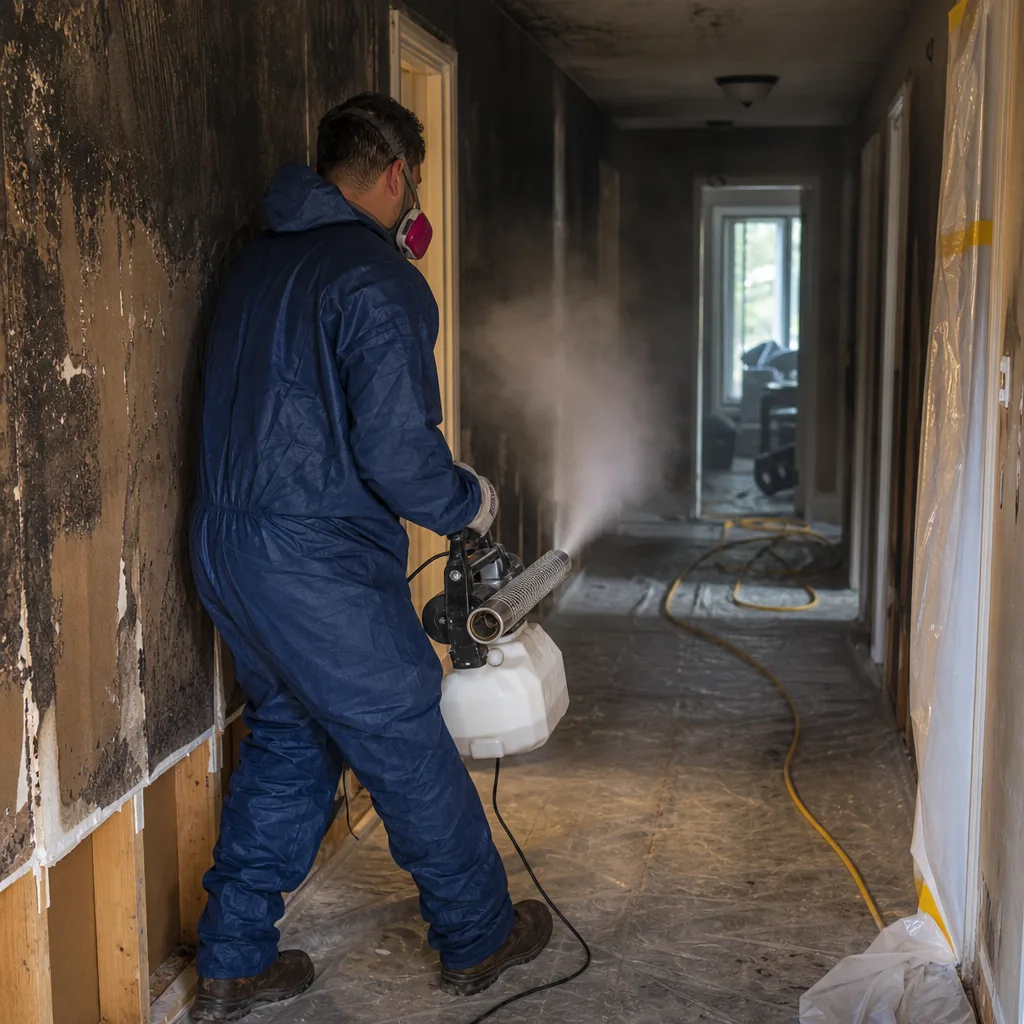
Structural Drying & Dehumidification
Attached brick rowhouses dry slower than detached homes because masonry holds moisture and there’s no exterior wall exposure on the party sides. We run Dri-Eaz and Phoenix air movers with LGR dehumidifiers sized to the cubic footage, and we check daily readings until the dry standard is met - not just until the surface feels dry. For Kew Gardens Hills homes with original plaster, Injectidry systems pull moisture from behind plaster without tearing it out unnecessarily.
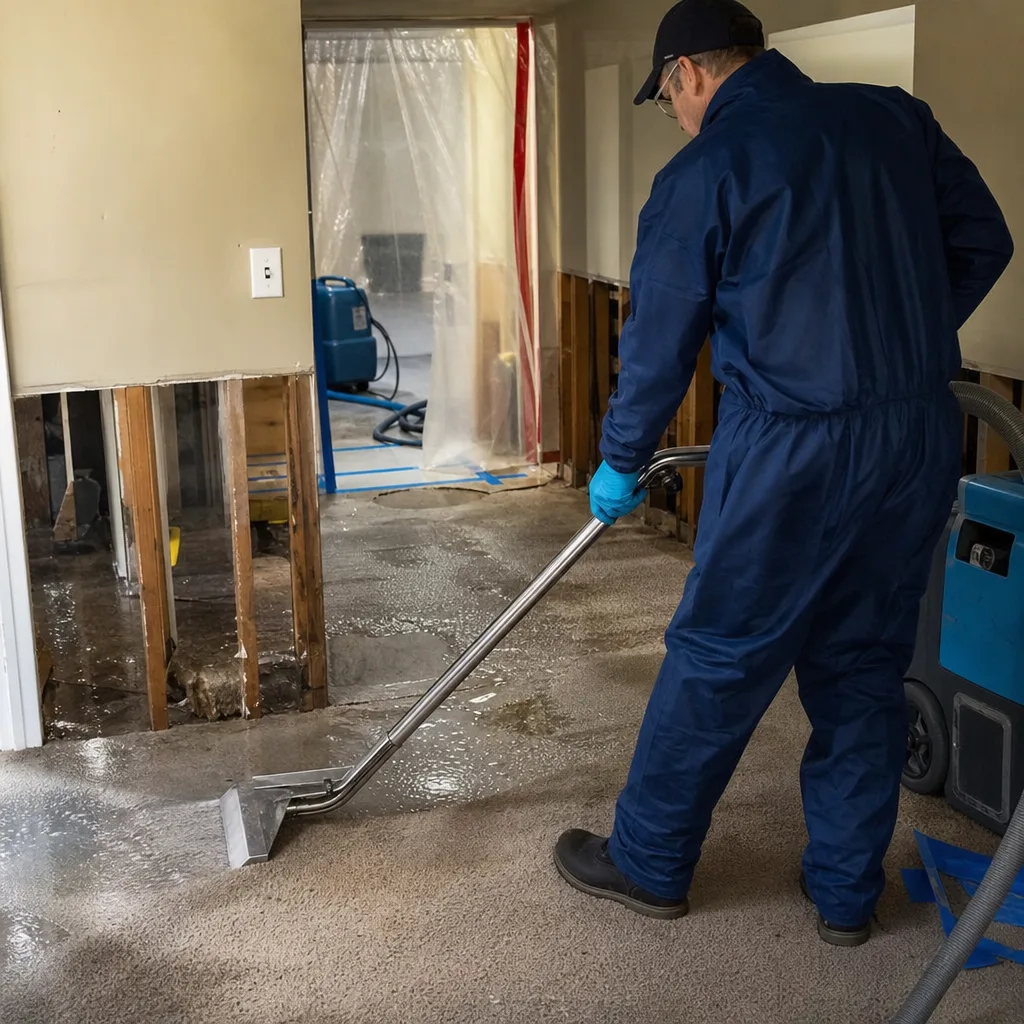
Flood Cleanup
Summer thunderstorms overwhelm the combined sewer system in this part of Queens, and when the drains back up, it’s Category 3 water. That means full containment, HEPA air scrubbing, and antimicrobial treatment - not just mopping and fans. We treat every Kew Gardens Hills basement backup as a potential black water event until proven otherwise, because in this neighborhood that’s almost always the truth.
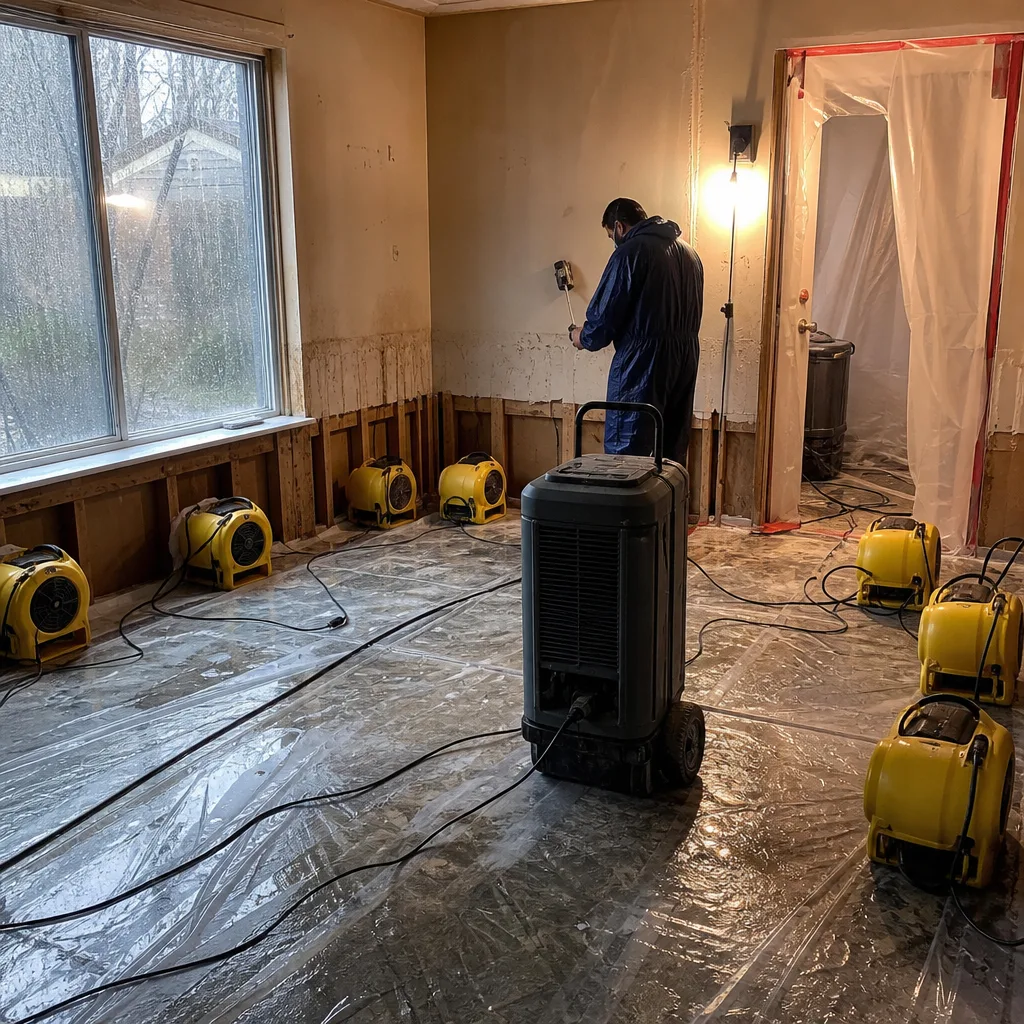
Burst Pipe Restoration
A galvanized or cast-iron supply line splits in an exterior wall, and within minutes water is running through wall cavities, under floors, and into the shared party wall. We shut the water at the main, open the wall only where moisture mapping says it’s necessary, and dry the cavity itself - not just the room. For center-unit rowhouses, that means checking the neighbor’s side of the wall before we ever cut drywall.
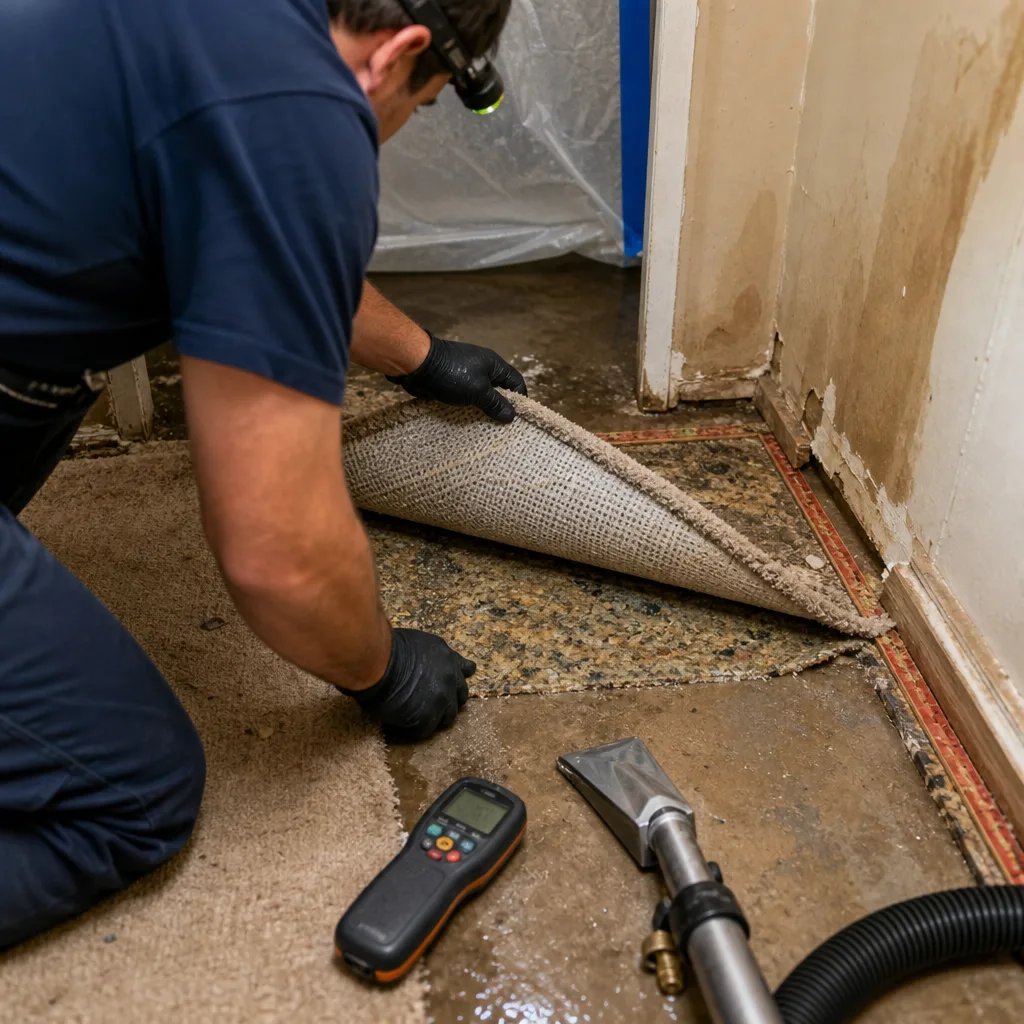
Basement Water Removal
Finished basements here are common, and they’re usually finished with materials that love water: carpet over concrete, wood paneling, vinyl tile, drywall on furring strips. We pull water out of every layer, not just the top. Where salvaging original 1950s finishes makes sense, we dry in place. Where it doesn’t, we tell you plainly and scope the rebuild correctly from the start.
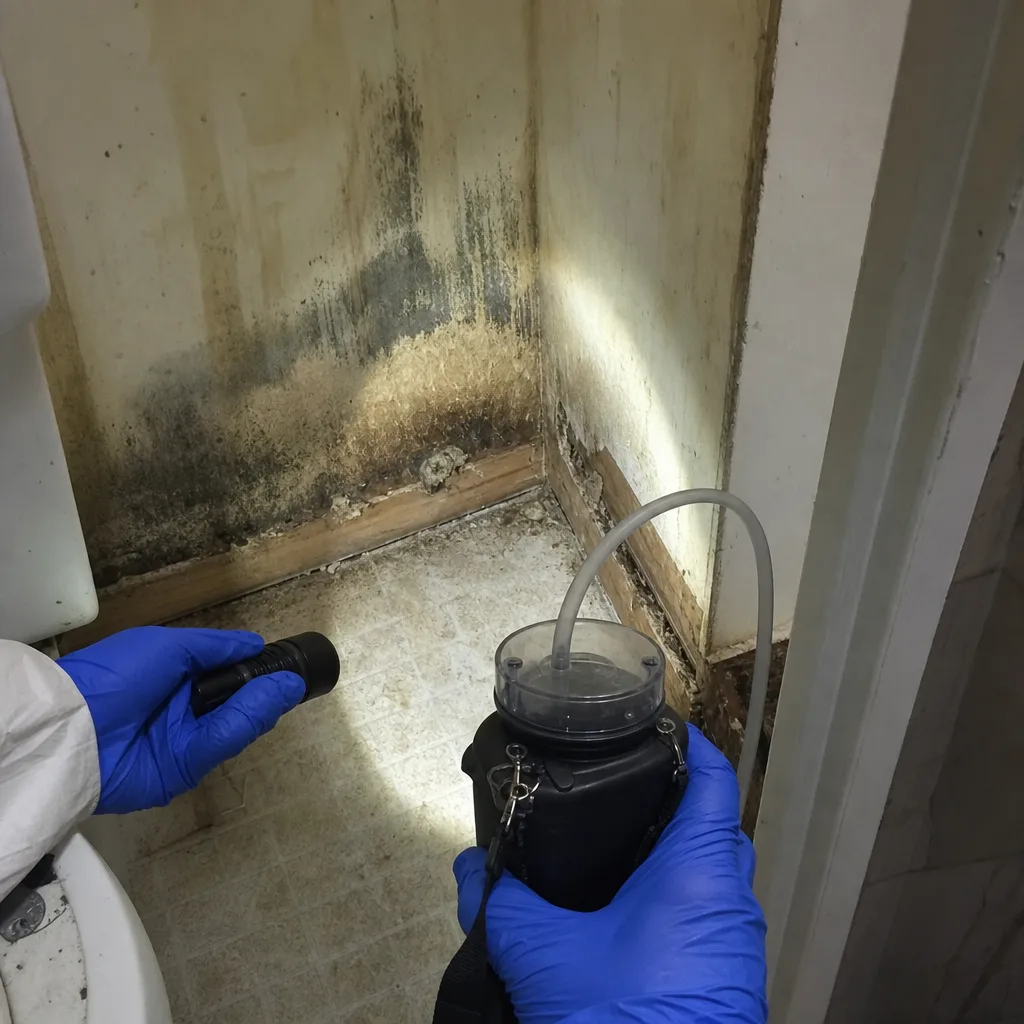
Ceiling & Roof Leak Water Damage
Flat and low-pitch tar roofs on Kew Gardens Hills garden apartments and rowhouses leak slowly, often for months before anyone sees the water. By then, the top-floor ceiling cavity is saturated and the shared masonry below is damp. We dry the ceiling cavity with Injectidry panels that sit against the surface and pull moisture out without demolishing the original ceiling - when the plaster can be saved. If it can’t, we remove only what’s needed, treat the structure, and rebuild to match.
What happens when you call
- 1
A real person answersNo phone trees - you reach a local pro.
- 2
You get an upfront price rangeHonest numbers before anyone is dispatched.
- 3
A background-checked tech heads outLicensed & insured, dispatched right away.
- 4
You approve before work beginsNothing starts until you say go.
Water Damage Restoration Costs in Kew Gardens Hills, NY
Straight numbers, because that’s how we do business. A typical burst pipe extraction and dry-out in a Kew Gardens Hills rowhouse runs $2,200 to $5,800, depending on how far the water traveled and how many rooms are affected. Basement sewer backup cleanup and sanitization - which almost always means Category 3 water here - runs $3,500 to $9,500 when full containment, HEPA scrubbing, and antimicrobial treatment are done correctly. Ceiling and roof leak dry-out on a top-floor unit starts around $1,800 and goes up with the size of the affected ceiling and whether lath-and-plaster can be saved. Structural drying for a multi-unit party wall event, where three rowhouse owners are involved, typically lands between $6,000 and $14,000 total across all units. Most of these costs are covered by insurance when the cause is sudden and accidental - burst pipes, roof leaks, sewer backups - and we bill your carrier directly for the covered portion. The free visual inspection gives you a written scope before anything gets demolished, so you’ll know the number before we start. Call (518) 872-6111 for an exact quote on your specific situation.
We Also Serve Cities Near Kew Gardens Hills
Beyond Kew Gardens Hills, our crews are stationed to reach Flushing, Bayside, College Point, and East Elmhurst quickly. Same 24/7 live dispatch, same 45-minute response commitment, same full-cycle restoration approach.
Serving Kew Gardens Hills, NY - Our Local Coverage Area
We’re based in the Kew Gardens Hills area and know this community well. Use the map below to see our service coverage - if you’re nearby, we can almost certainly help.
Kew Gardens Hills Water Damage Restoration Questions, Answered
How quickly do you respond to a burst pipe in a Kew Gardens Hills attached brick rowhouse?
We commit to a 45-minute response time for water damage calls in Kew Gardens Hills, and our crews are stationed close enough to hit that on streets across the neighborhood. A live dispatcher answers at any hour, and extraction equipment is on the truck when we arrive - not ordered after we see the damage.
Do you coordinate with neighbors when water damage crosses a shared wall in a semi-detached two-family?
Yes. This is everyday work in Kew Gardens Hills, where party walls carry water between attached homes. We set containment on both sides of the dividing wall, run moisture readings in each unit, and coordinate with each owner and their insurance carrier separately so everyone gets their own documentation and scope. We’ve handled hundreds of multi-owner claims under one roof line.
Can you restore my original 1950s finished basement after a sewer backup, or does it all need to come out?
It depends on what the water touched and how long it sat. If the backup was caught quickly and the water didn’t penetrate behind paneling or under flooring, drying in place is often possible. If Category 3 water got under original tile or into furred-out walls, that material has to come out. We’ll tell you which path applies after the moisture mapping, and we’ll show you the readings that back it up.
How do you dry a low-pitch tar roof leak in a top-floor Kew Gardens Hills apartment without tearing out the original ceiling?
We use Injectidry panels on the ceiling surface and inside the cavity, pulling moisture out through negative air pressure and evaporation without cutting the plaster unless it’s unsalvageable. The key is catching it before saturation destroys the plaster keys. If the ceiling has been wet for weeks, removal may be unavoidable - but the Injectidry system gives us the best chance at saving original work.
What does your moisture mapping cover when a pipe bursts inside a shared masonry wall?
We map the affected room, the wall cavity itself, both sides of the party wall, the floor assembly, and the adjoining unit on the other side of the masonry. Penetrating moisture meters and thermal imaging show us exactly where the water went, so we only open walls where drying or removal is necessary - not just where it’s convenient.
Will my homeowners insurance cover water damage restoration in Kew Gardens Hills?
For sudden and accidental events - a burst pipe, a roof leak from a storm, a sewer backup with the proper endorsement - most Queens homeowners policies cover the restoration work. We document everything from the first hour, provide your carrier with drying logs and line-item scopes, and bill them directly for the covered portion. Call (518) 872-6111 and we’ll walk through your specific coverage.
How long does structural drying take in an attached brick rowhouse?
Three to five days is typical for a single-room event. A multi-unit party wall situation with saturated masonry can take seven to ten days. We monitor daily and don’t pull equipment until the dry standard is met on the moisture readings, not when the surface feels dry to the touch.
What should I do in the first 30 minutes after water damage in my Kew Gardens Hills home?
Shut off the water at the main if it’s a plumbing failure. Kill the power to the affected area if water is near outlets. Move small valuables out of the water. Then call (518) 872-6111 - a live dispatcher answers, and we’ll have a crew on the way while you’re still standing in the water.
Written by Curt Bowman, Owner at Floodline Restoration Co., providing water damage restoration across Kew Gardens Hills since 2010.