

Free visual inspection and a written scope of work before any mitigation begins - photos, moisture readings, and drying logs go in your claim file
The scope we write is the scope we bill. Anything new gets shown to you, in writing, before we touch it.
Storm responseSewage cleanup
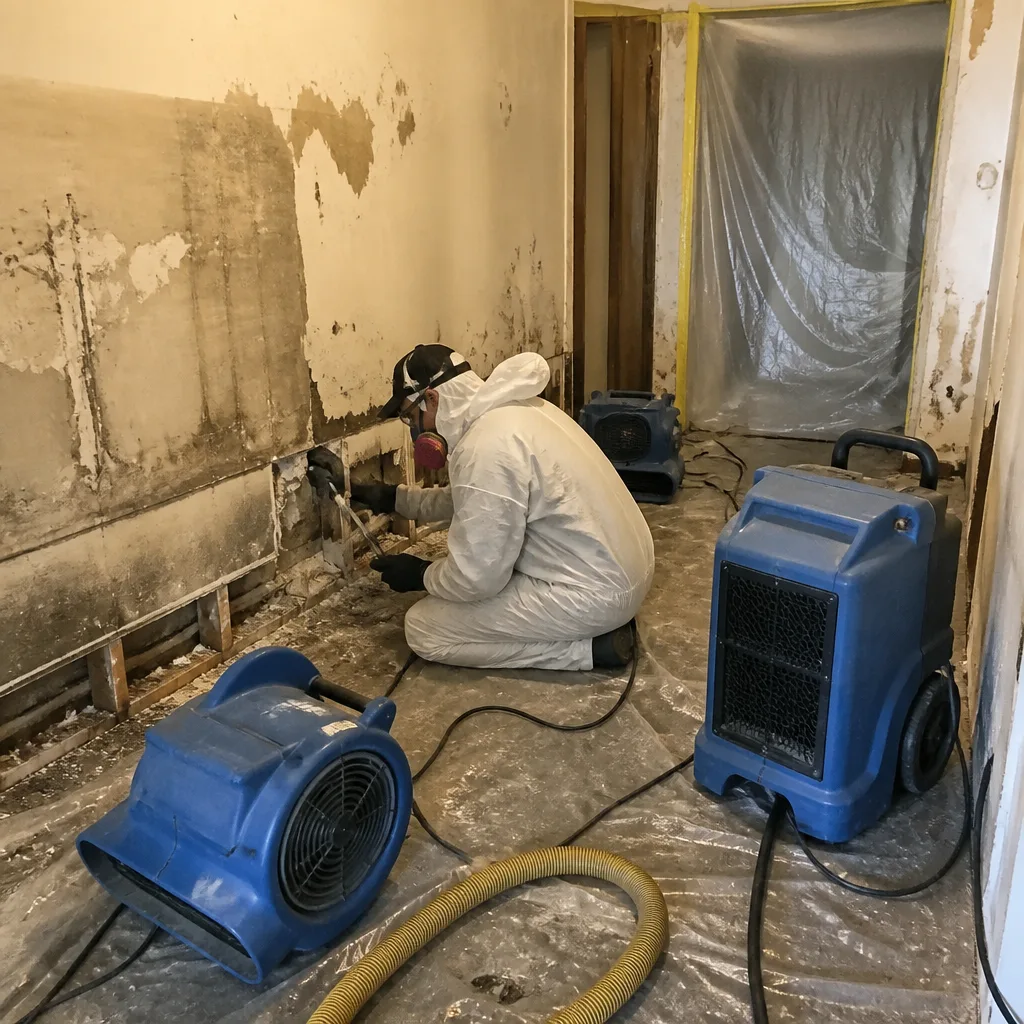 Before
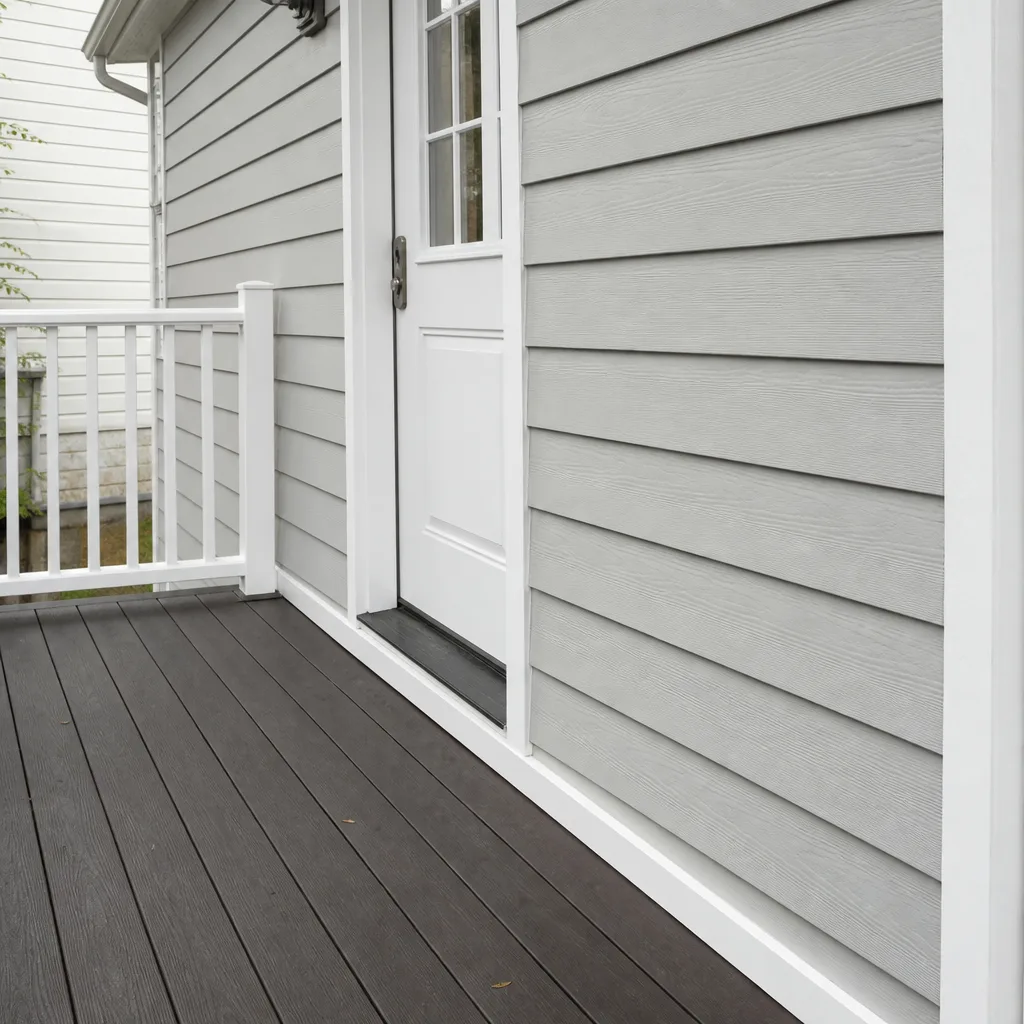 After
After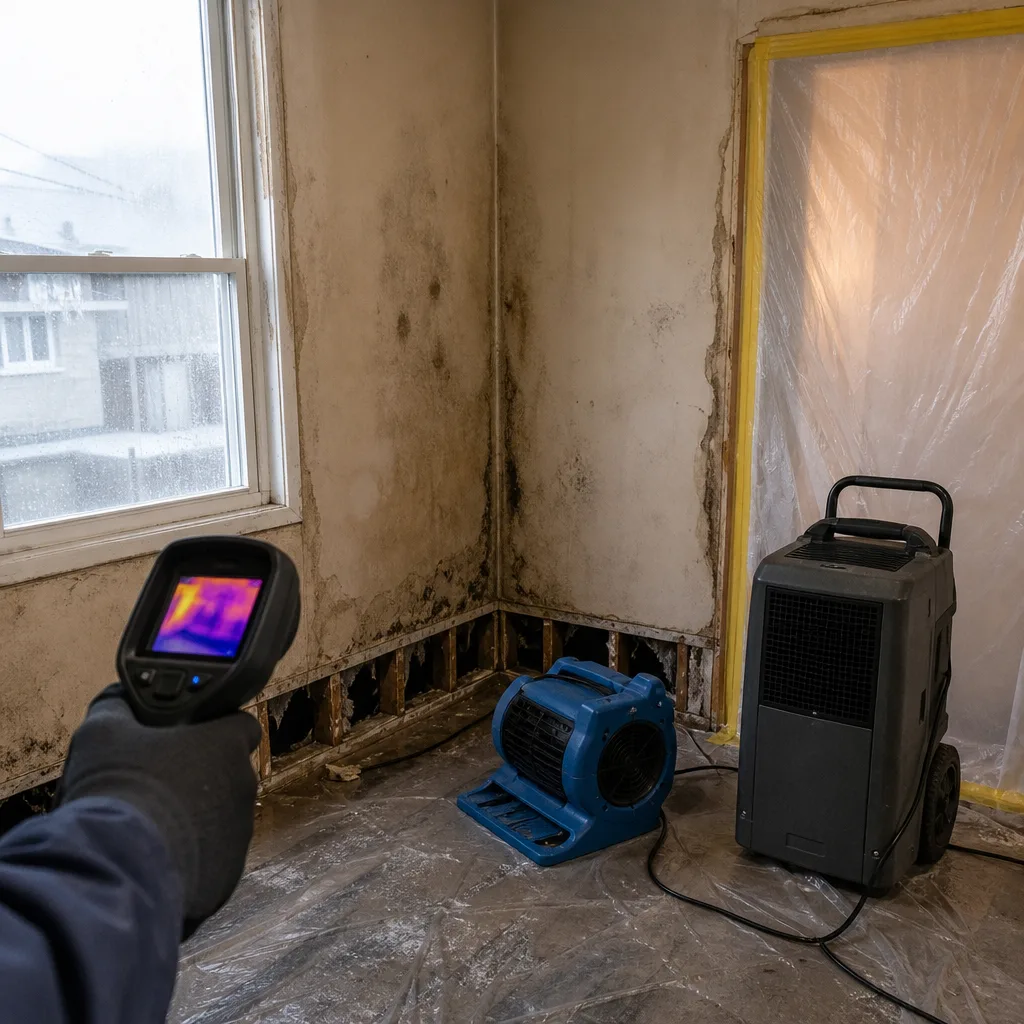 Before
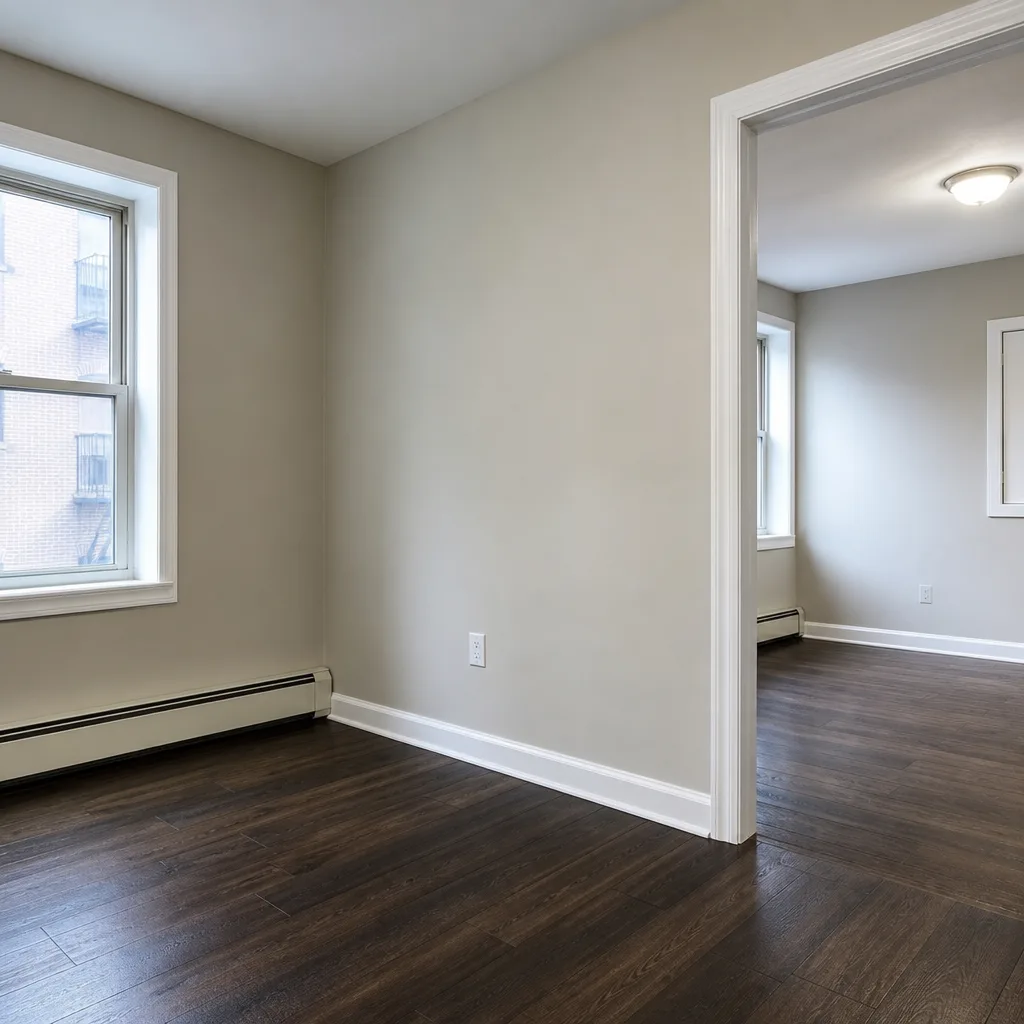 After
After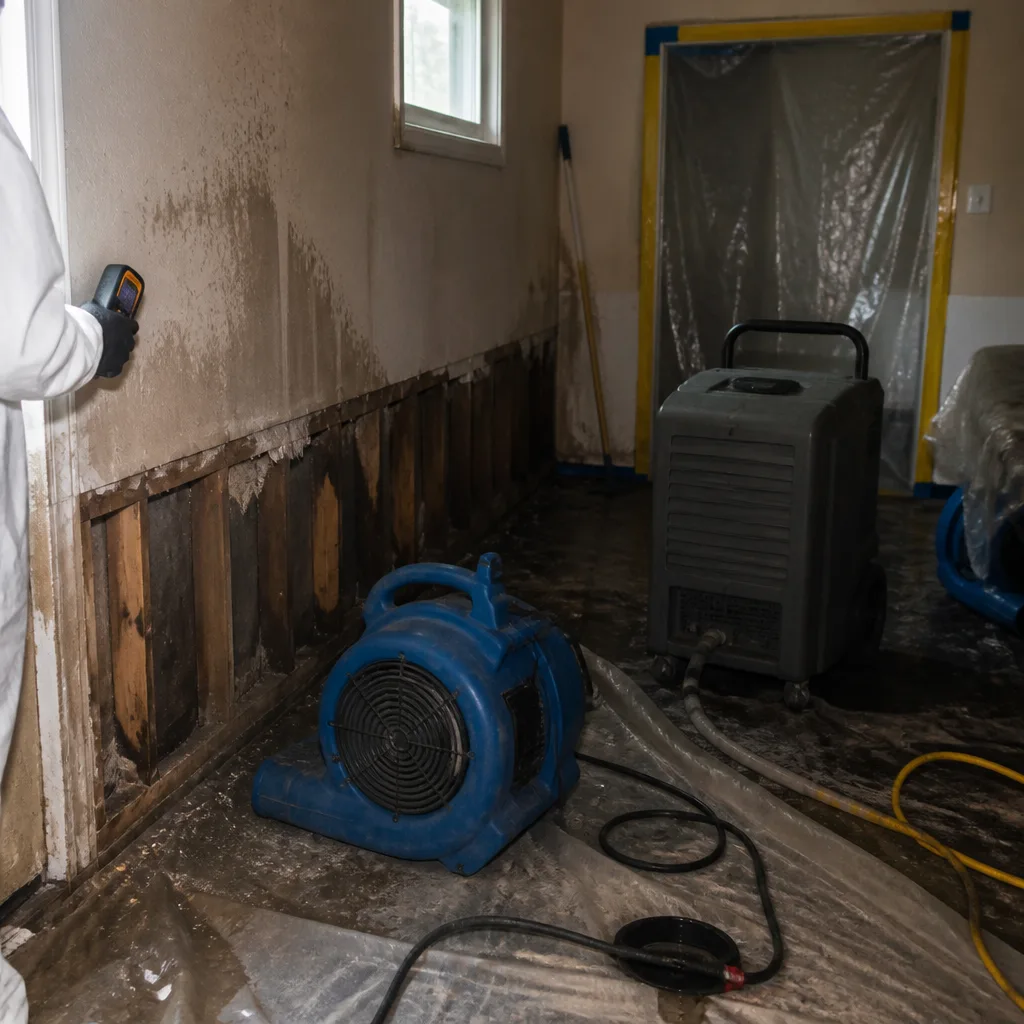 Before
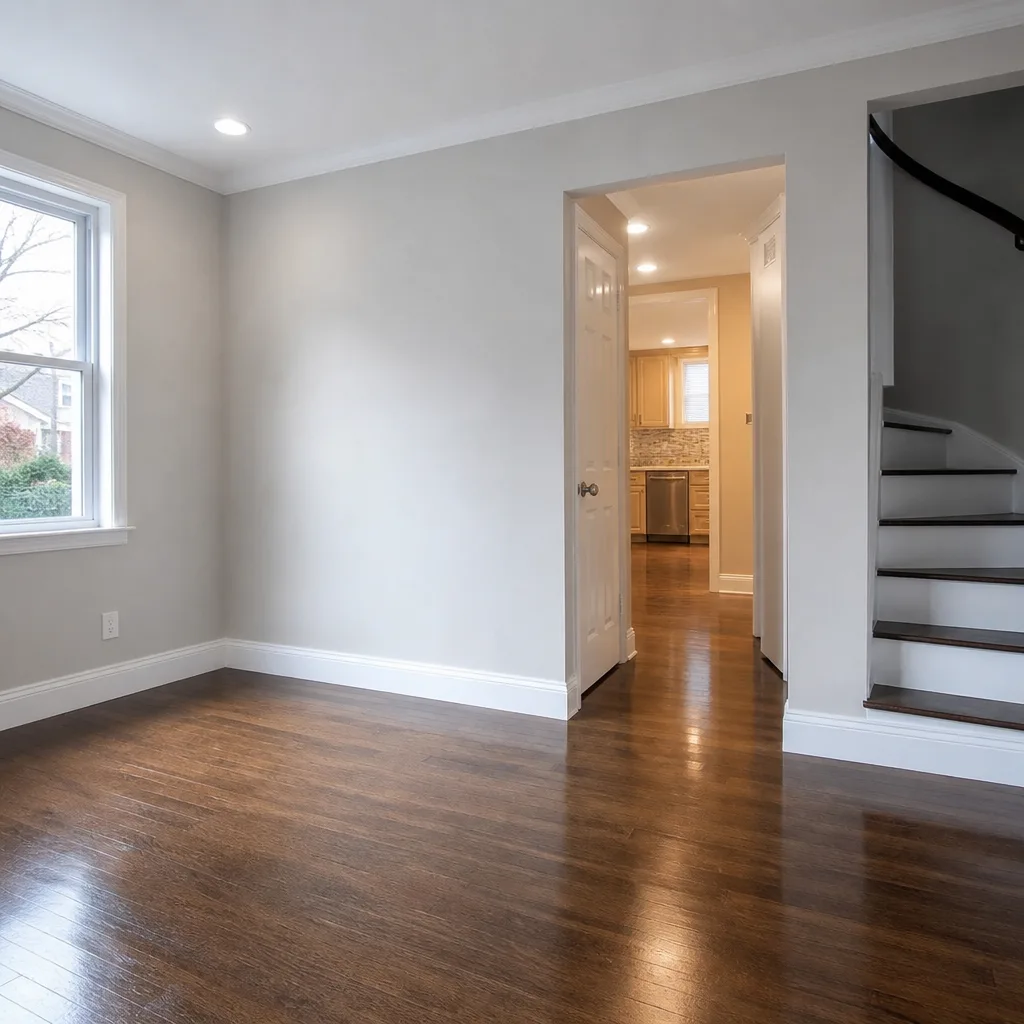 After
After24/7 Emergency Water Damage Restoration in Throgs Neck
Water damage restoration in Throgs Neck starts with a live answer, any hour of the day or night. Call (518) 872-6111 and a dispatcher picks up, asks what you’re seeing, and gets a crew moving. In this part of the Bronx, the first hour after a surge or a burst pipe matters more than it does inland. Saltwater from the East River or Long Island Sound starts attacking mortar joints, drywall, and framing immediately, and a finished basement on Pennyfield Avenue or Lawton Avenue can turn from wet to colonized faster than a homeowner expects. We run emergency water damage restoration service across Throgs Neck with free visual inspections and no charge for the call itself.
Understanding Water Damage Restoration Severity in Throgs Neck Properties
Water damage is classified in three categories, and Throgs Neck sees all three. Category 1 is clean water from a burst supply line or an overflowing tub. Category 2 carries contaminants, like washing machine discharge or sump overflow. Category 3 is grossly contaminated water: storm surge, sewage, or Long Island Sound backflow. That last one is the one this peninsula knows too well, and it changes the entire restoration scope. A Category 3 loss means containment, full removal of saturated porous materials, antimicrobial treatment, and extended structural drying until moisture mapping shows the brick party wall and subfloor have hit dry standard. Too many homeowners in this area have watched a restoration crew treat saltwater like freshwater, skip cavity-wall readings, and call the job done while moisture sat trapped behind finished drywall. That’s how mold comes back six months later. We moisture-map every affected surface with thermal imaging and hygrometers, and we log daily readings until the structure proves it’s dry, not until the surface looks dry.
Why Throgs Neck Property Owners Choose Floodline Restoration Co.
- 45-minute response commitment: For emergency water damage restoration in Throgs Neck, our nearest certified crew is dispatched and moving toward your street within 45 minutes of the call, because every hour of standing saltwater worsens drywall wicking and mortar saturation.
- 24/7 live answer, always a person: We do not use automated answering services. A dispatcher answers at 2 a.m. on a holiday and starts triage while the crew loads out. Call (518) 872-6111 and you’ll talk to a human who can start the process.
- IICRC-certified crews: Our flood damage restoration technicians hold IICRC Water Damage Restoration (WRT), Fire and Smoke Restoration (FSRT), and Applied Microbial Remediation (AMRT) certifications. They’re background-checked, uniformed, and trained on saltwater intrusion protocols specific to this shoreline.
- Free visual inspection: We assess the full scope of damage, take moisture readings, and walk you through what needs replacement versus what can be dried and saved. No charge for the visit, no obligation to proceed.
- Direct insurance billing: We bill your carrier directly, handle adjuster communication, and provide photo documentation and line-item estimates in industry-standard format. You don’t play messenger between us and the insurance company.
- One team from extraction to reconstruction: The same certified crew that extracts water and sets drying equipment also handles the rebuild. No handoff to a third-party general contractor, no inherited crew you’ve never met. Floodline handles the whole job under our Water Damage Restoration team.
Our Water Damage Restoration Process
Inspection & Assessment
We arrive, walk the property with you, and inspect every affected room, including the mechanical closet and the cavity behind finished walls. Thermal imaging, moisture meters, and humidity readings give us a full picture before we touch anything. You get a written scope and a firm price before extraction begins.
Extraction & Stabilization
Standing water comes out first. We run truck-mounted extraction units and submersible pumps, moving 500 to 1,200 gallons per hour on a typical Throgs Neck basement job. Once the bulk water is gone, we stabilize the structure, shut off compromised electrical, and set containment if the water is Category 3.
Drying & Dehumidification
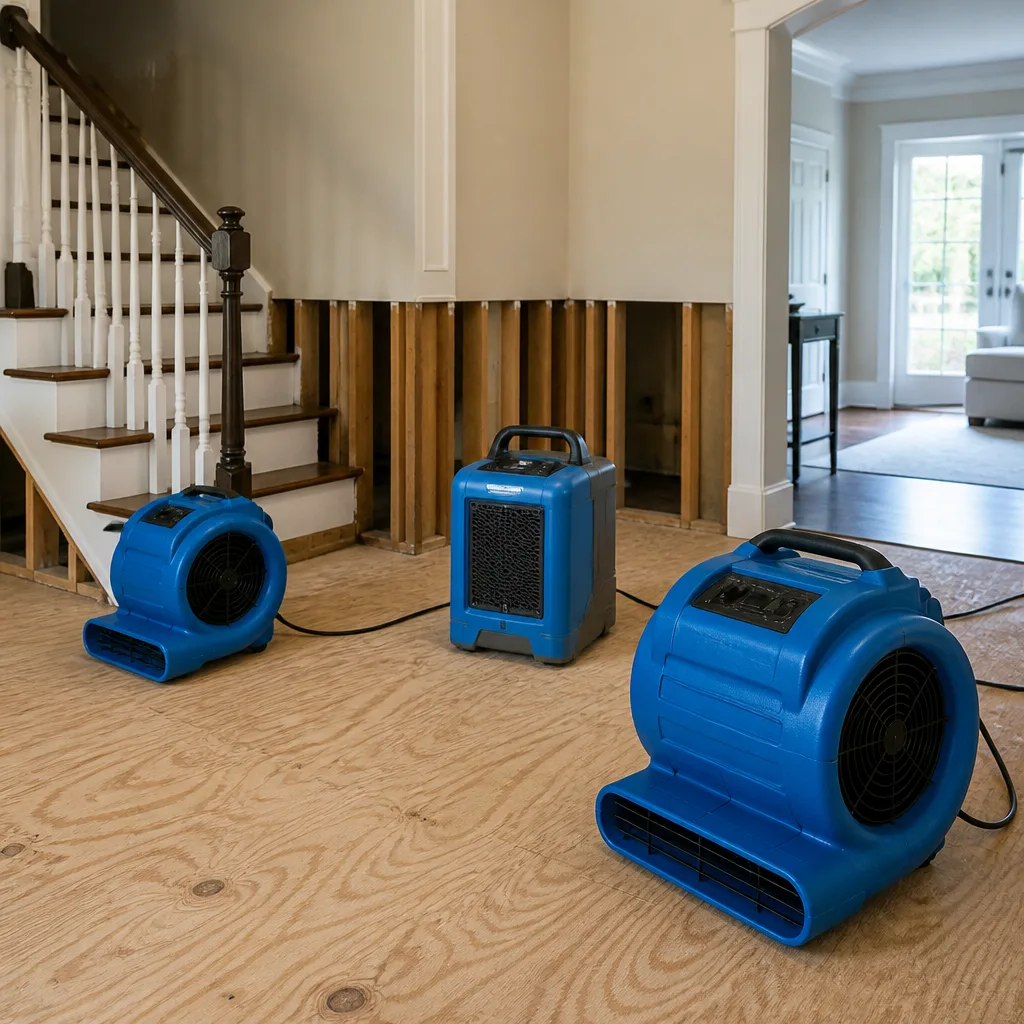
Dri-Eaz dehumidifiers, XPOWER air movers, and B-Air equipment go in based on a calculated drying chamber layout. We watch the psychrometric readings daily. On a saltwater job in a brick rowhouse, this phase often runs six to ten days, because the masonry holds moisture long after the drywall reads dry.
Cleaning & Sanitization
Every Category 3 job gets full antimicrobial cleaning, including fogging in wall cavities, scrubbing of exposed framing, and sanitization of any salvageable contents. The salt content in floodwater means standard cleaning is insufficient; we treat every porous surface with salt-specific antimicrobial protocols.
Specialty Treatment for Throgs Neck Structures
Brick party walls get cavity drying, not just surface treatment. We drill access ports where needed, inject dry air or desiccant, and confirm with in-cavity moisture probes. Corroded cast-iron drains and galvanized supply lines found behind flood-soaked walls are replaced before the wall is closed, because leaving them in place means the next surge turns a dried basement into a Category 3 mess again.
Repairs & Restoration
We rebuild to pre-loss condition or better: drywall, insulation, trim, paint, and any flooring. Finished basements on Lawton Avenue or East Tremont Avenue get restored to the same footprint and finish level. A moisture log documenting the dry standard goes to you and your insurer. The job isn’t complete until you sign off.
Need Emergency Water Damage Restoration in Throgs Neck Now?
Crews minutes away, answering live 24 hours a day. The sooner we start, the less it costs.
Working With Your Insurance Company
Floodline Restoration Co. deals with insurance carriers directly. That means when you call us about water damage restoration in Throgs Neck, we do not hand you a pile of paperwork and wish you luck. From the first hour of the claim, we photograph everything: the standing water, the wicking line on the drywall, the wet contents, the source of the leak, and the condition of the framing once we open the wall. Our office prepares a line-item scope of work in industry-standard format, with labor codes and material allowances that adjusters recognize. We communicate directly with the adjuster, answer their questions, and provide the documentation they request. You signed the policy; you shouldn’t have to become a claims expert to use it. Every flood damage restoration job we do in Throgs Neck includes this documentation as a standard part of the work, not an add-on.
What We Provide Your Insurer
- Thorough documentation of the loss
- Photos of all damage, room by room
- Moisture readings and drying logs
- A detailed, line-item scope of work
- Direct coordination with your carrier
Built for Throgs Neck’s Loss Calendar
Throgs Neck runs on a coastal loss calendar, not a typical Bronx one. The year starts with January deep freezes that burst supply lines in 1950s and 1960s semi-detached homes where original galvanized piping has thinned to the point of failure. February and March bring nor’easters; these don’t just bring rain, they push Long Island Sound water up into low-lying streets off East Tremont Avenue and near Trinity Avenue. April thunderstorm season tests sump systems that haven’t run since fall. August and September are the hurricane season window: tropical systems track up the coast and push surge from both the East River and the Sound simultaneously, which is Throgs Neck’s defining vulnerability. All year long, our emergency water extraction and structural drying service stays busy. When a nor’easter hits, we hear from homeowners whose basements took on surge water. When a deep freeze hits, we hear from homeowners standing in water that’s been spraying from a broken pipe for two hours. Each season has its own damage signature, and each one calls for a different drying and restoration approach.
Water Damage Restoration Across Throgs Neck’s Neighborhoods
We run water damage restoration calls throughout the whole Throgs Neck peninsula. The blocks around Pennyfield Avenue and Strebel Avenue lean heavily on post-WWII brick semi-detached houses with finished basements at or near grade. Those basements are the first room to take on water in any surge, and they’re also where we most often find original cast-iron drains that have corroded behind finished walls. Over off East Tremont Avenue, owners of single-family brick homes built in the fifties and sixties deal with a different failure mode: original galvanized supply lines that finally split during a hard freeze. The area near Schurz Avenue and Bicentennial Veterans Memorial Park sees more wind-driven rain getting past old window wells and door thresholds. And the blocks closest to the shoreline feel every nor’easter twice; water pushes in from the East River and Long Island Sound simultaneously during a major storm. Each of these areas responds differently to floodwater, and we know which drying strategy fits which construction type. That local knowledge is what makes a Throgs Neck-specific restoration crew different from a generic one.
Specialized Water Damage Restoration Services We Offer in Throgs Neck
Flood Cleanup
Flood cleanup in Throgs Neck is not a mop-and-bucket job. Storm surge off the Sound or the East River brings salt, silt, and often sewage into your basement or crawl space. We run full Category 3 protocols: containment, removal of saturated porous materials, antimicrobial treatment of every exposed surface, and structural drying to dry standard. The salt is the real problem. It wicks into brick, corrodes metal, and feeds mold growth for months after the water is gone if the cleanup is incomplete.
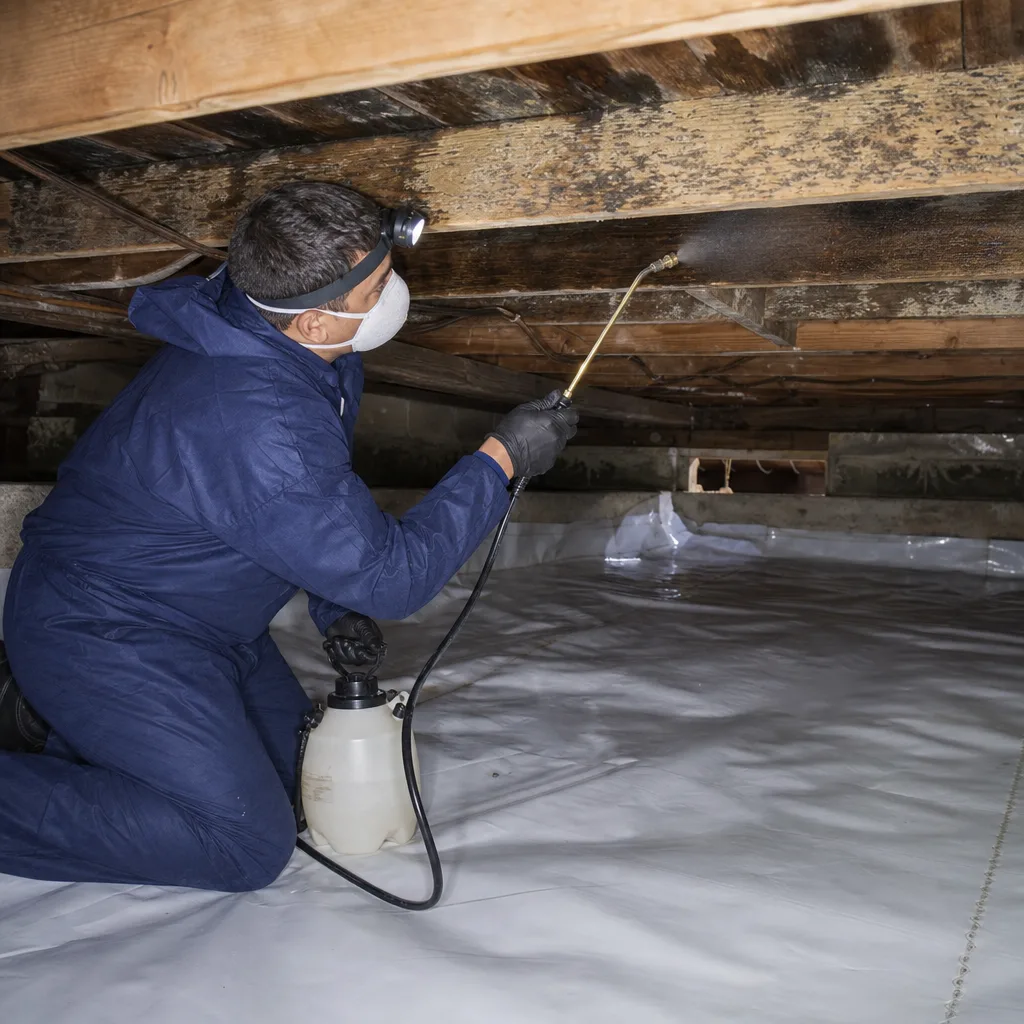
Structural Drying & Dehumidification
In a brick house, the wall itself is a sponge. A 6-inch brick wythe can hold gallons of water behind a finished wall that reads dry on the surface. Our structural drying process uses Dri-Eaz dehumidifiers, XPOWER air movers, and in-cavity drying equipment from Injectidry. We monitor daily with moisture meters and log everything. On a Throgs Neck saltwater job, we expect structural drying to run longer than a freshwater job, sometimes 7 to 10 days, because the masonry holds moisture and the salt content slows evaporation. We don’t call it done until the cavity probes agree.
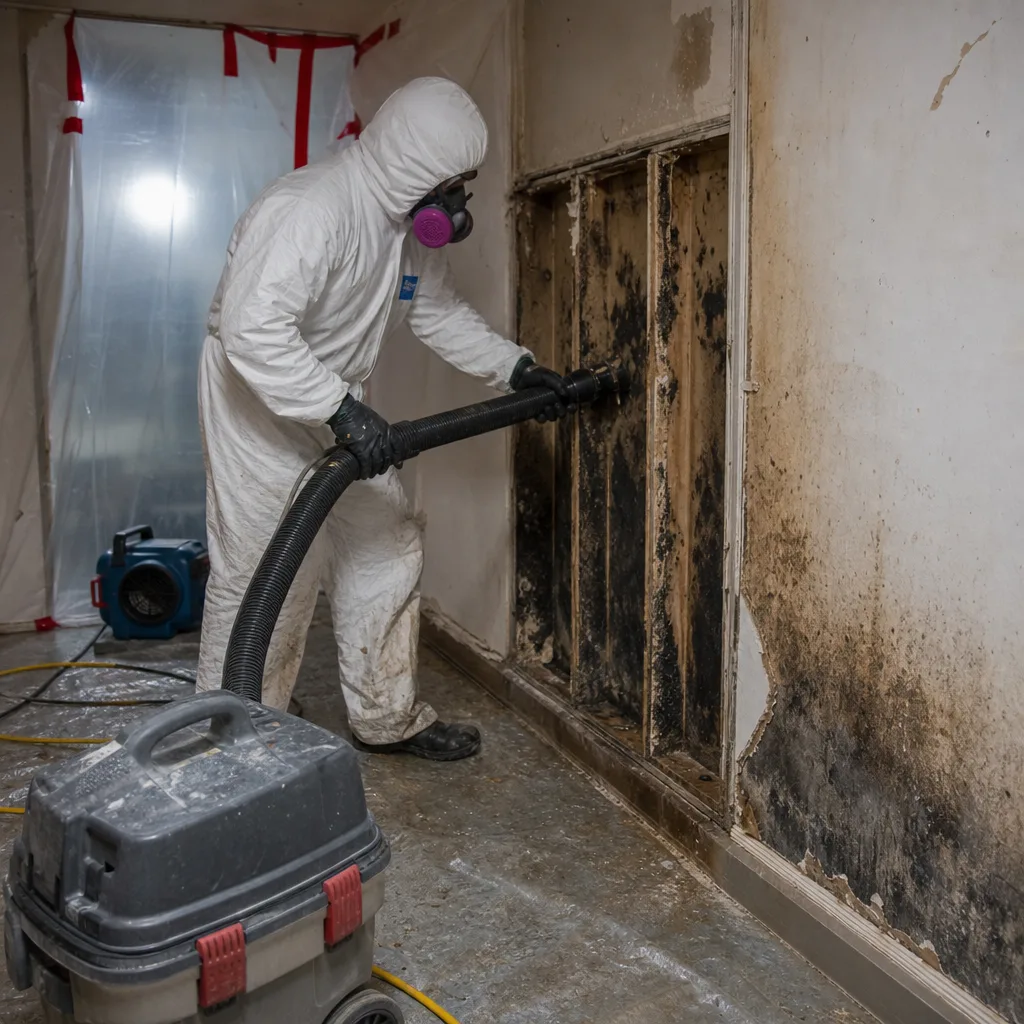
Basement Water Removal
Most Throgs Neck basements are finished living spaces, not storage pits. When water enters, it soaks drywall, carpet pad, laminate underlayment, furniture, and personal items. We extract first, then inventory and set anything salvageable for drying while we handle the structure. For basements with original cast-iron drain stacks, we inspect the plumbing behind the wet walls. Replacing a corroded stack is more invasive than just drying the wall, but skipping it means the next flood turns a dry basement into a sewer backup. We include that inspection in every basement water removal on the peninsula.
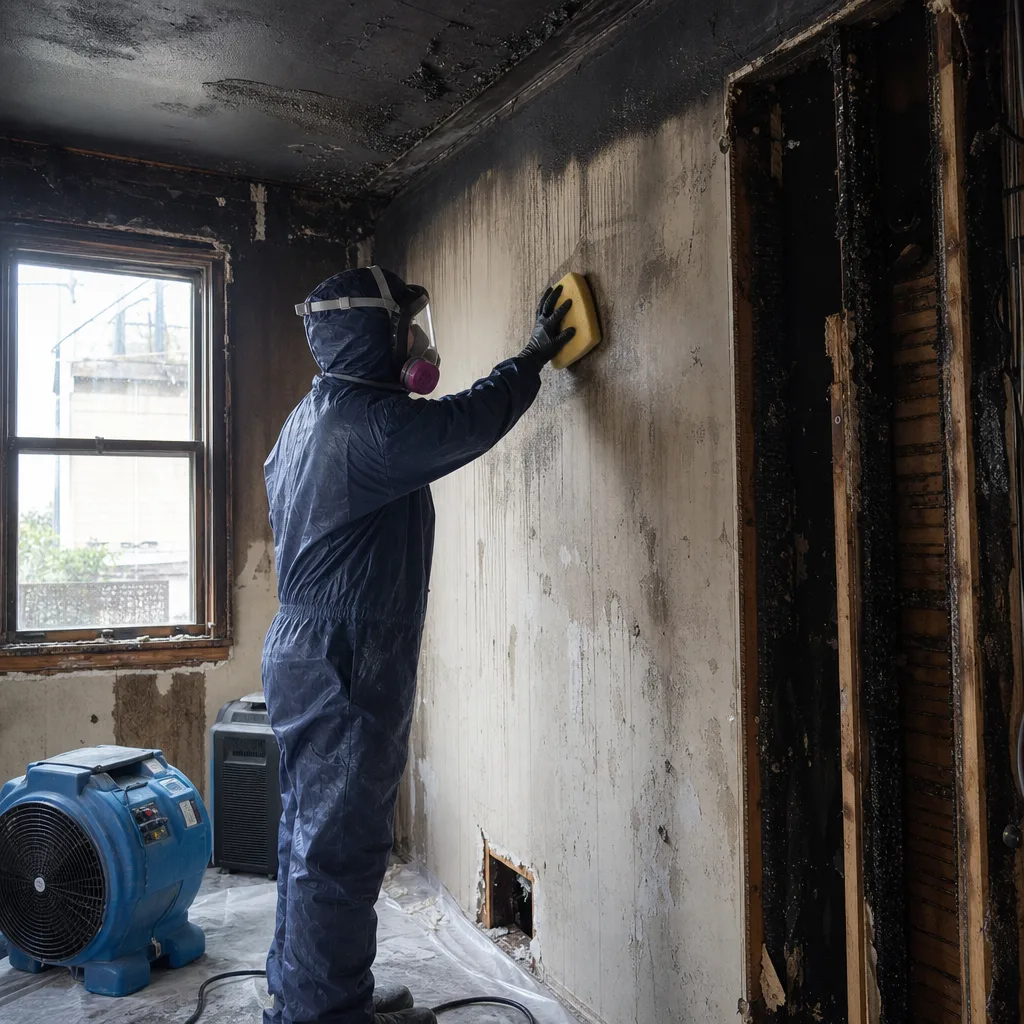
Emergency Water Extraction
Standing water from a burst pipe is doing damage every minute it sits. Our emergency water extraction service gets a truck to your Throgs Neck address fast, usually within 45 minutes of receiving the call. We run truck-mounted extraction units and submersible pumps, then move into drying and dehumidification once the bulk water is out. The same crew that extracts your water stays with the job through the drying phase and the rebuild. That’s the Floodline way: one crew from start to finish, no handoffs.
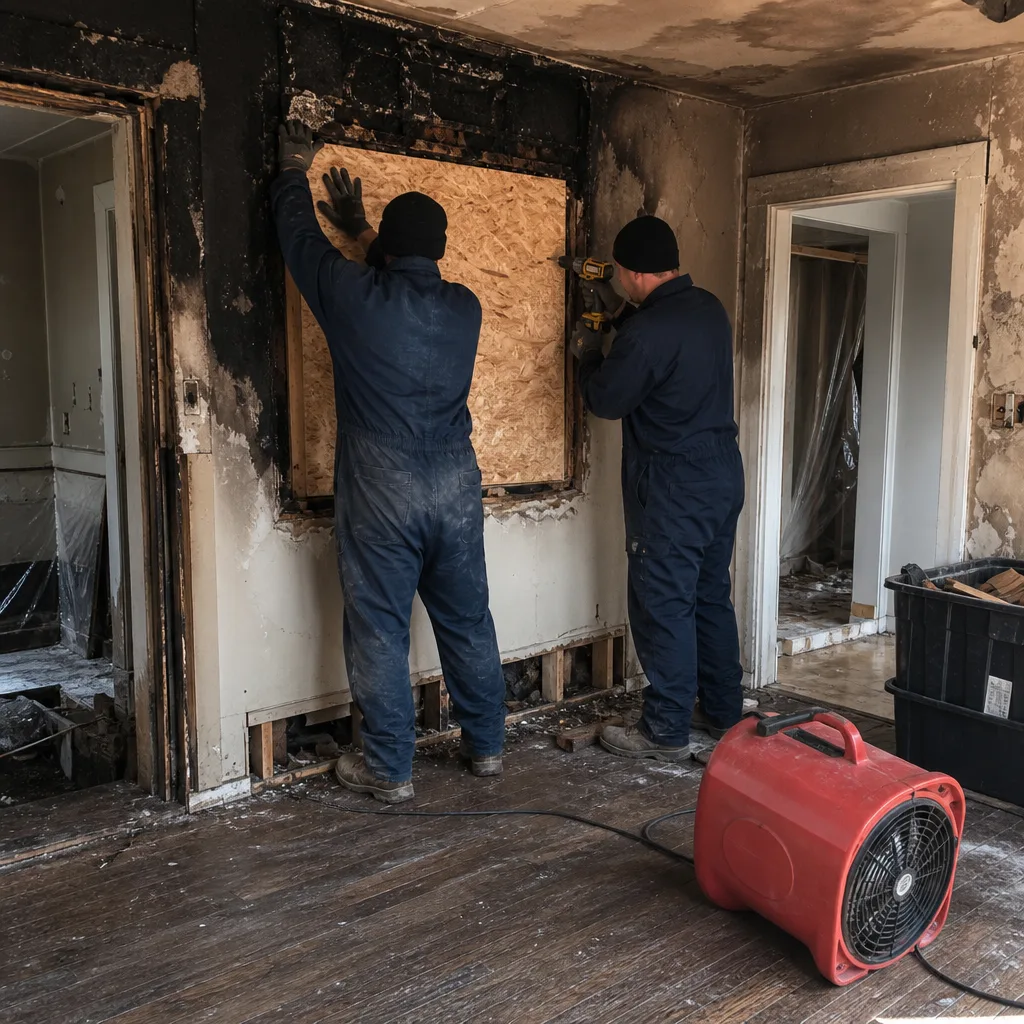
Burst Pipe Restoration
A January freeze on the peninsula can split a supply line behind a kitchen wall or above a finished basement ceiling. By the time you notice, water has been running for an hour and the drywall, insulation, and subfloor are wet. We locate the source, shut off the supply, extract the water, and cut only what must be cut. The drywall around the broken pipe comes out; insulation is removed and replaced; the pipe gets repaired or replaced. Then we dry the remaining structure to manufacturer specifications and handle the insurance documentation. A square deal: no unnecessary demolition, no surprises on the bill.
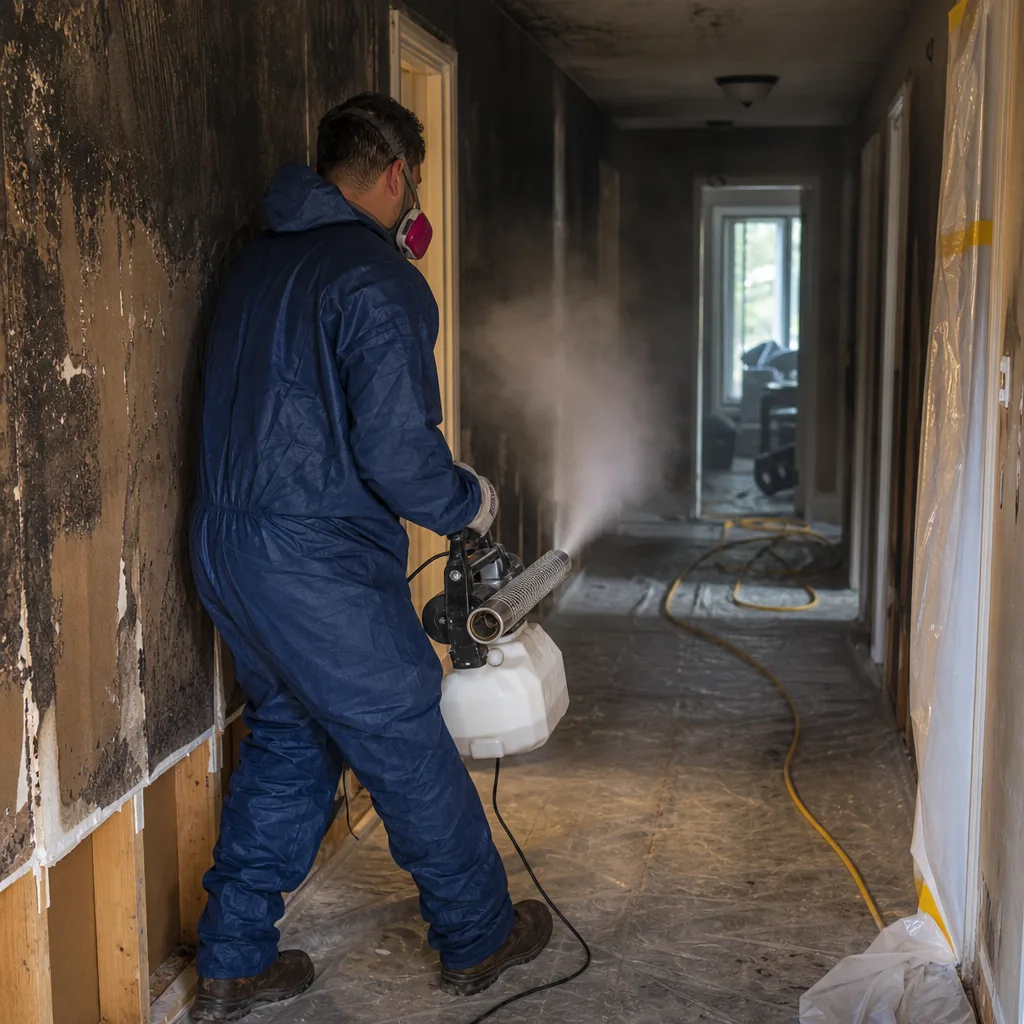
What happens when you call
- 1
A real person answersNo phone trees - you reach a local pro.
- 2
You get an upfront price rangeHonest numbers before anyone is dispatched.
- 3
A background-checked tech heads outLicensed & insured, dispatched right away.
- 4
You approve before work beginsNothing starts until you say go.
Water Damage Restoration Costs in Throgs Neck, NY
Water damage restoration in Throgs Neck runs on a range determined by the category of water, the square footage affected, and the construction type. A small clean-water loss, like a burst supply line in a single room, typically costs $1,800 to $3,500 for extraction, controlled demolition, drying, and repair. A finished basement flood with Category 1 water usually lands between $3,500 and $8,000. Category 3 saltwater surge damage, the signature call in Throgs Neck, starts around $7,000 and can reach $15,000 or more when you account for containment, full removal of saturated materials, antimicrobial treatment, extended structural drying, and rebuild. Factors that move the number: whether we’re drying a finished basement versus an unfinished crawl space, whether cast-iron plumbing behind the walls needs replacement, how much drywall and insulation was saturated, and what the moisture mapping shows inside brick party walls. Most homeowner’s insurance policies cover sudden and accidental water damage from burst pipes and wind-driven rain, though flood insurance is a separate policy for actual surge damage. We handle the claim documentation and bill the carrier directly. The free visual inspection gives you a firm written scope before any work starts.
We Also Serve Cities Near Throgs Neck
Floodline Restoration Co. provides Water Damage Restoration to homeowners across the eastern Bronx and nearby Queens. If you live in Flushing, Bayside, College Point, or East Elmhurst, our emergency water damage crews serve those neighborhoods too. All of these areas share the same coastal flood exposure and aging housing stock, and we bring the same certified, one-crew approach to every job. Call (518) 872-6111 and we’ll have someone on the way.
Throgs Neck Water Damage Restoration Questions, Answered
Why does Throgs Neck get water in basements even when it’s not raining?
Throgs Neck sits on a narrow peninsula between two tidal bodies, the East River and Long Island Sound, so groundwater pressure is constant. During lunar tides, storms, or any sustained wind out of the east, this groundwater pushes up through floor cracks, cove joints, and older foundation walls. You see water in your basement because the water table under the peninsula is high, and finished basements here are built at or below that level. We dry the space and then identify how water is entering, so the repair addresses the source, not just the symptom. Call (518) 872-6111 for a free inspection.
How do you dry a brick cavity wall in a Throgs Neck basement after saltwater flooding?
A brick cavity wall can’t be dried by pointing an air mover at the surface. We drill small access ports into the wall cavity, run in-cavity drying equipment such as Injectidry tubes, and monitor the moisture content with probes placed inside the wall itself. The process takes longer than surface drying, often 7 to 10 days, because the salt content slows evaporation and the masonry holds enormous water volume. When the probes read dry standard, we seal the ports and confirm with a final reading log for your insurer.
What is ‘post-Sandy re-remediation’ and do I need it?
Post-Sandy re-remediation is a term local Throgs Neck restoration crews use for homes that were dried and rebuilt after Hurricane Sandy in 2012 but still have saltwater moisture trapped inside brick cavity walls today. The original drying was surface-level only; the inside of the brick stayed wet, and every humid nor’easter since has reactivated the mold colonies. You may need re-remediation if your basement smells musty before every storm, if you see recurring efflorescence or staining on basement walls, or if you’ve had repeated surface mold despite previous cleanup. Call us and we’ll do a cavity-wall inspection with thermal imaging.
Do you replace the old cast-iron pipes behind flood-soaked basement walls?
Yes. We inspect every cast-iron drain stack and galvanized supply line found behind a flood-soaked wall in Throgs Neck. This housing stock was built in the 1950s and 1960s, and sixty or seventy years of age plus saltwater exposure means those pipes are often corroded, cracked, or paper-thin. We replace anything that won’t hold pressure or drain properly before we close the wall. Leaving a failing cast-iron stack in place inside a dried, rebuilt wall just sets you up for a sewer backup or a burst pipe the next time the peninsula floods.
How fast after a surge do I need water extraction in Throgs Neck before mold starts?
In Throgs Neck’s warm, humid coastal air, mold colonization can begin within 24 to 48 hours of water exposure, and saltwater accelerates that timeline. The salt in Long Island Sound surge wicks into brick, mortar, and drywall and supports mold growth even as the surface dries. Extraction within the first hours is the difference between drying a space and replacing it. Our emergency water extraction crews respond within 45 minutes anywhere on the peninsula. Call (518) 872-6111 immediately if water has entered your home.
Will my homeowner’s insurance cover water damage restoration in Throgs Neck?
Most standard homeowner’s policies cover sudden and accidental water damage from burst pipes, appliance failure, or wind-driven rain. Flood damage from storm surge or Long Island Sound rising requires a separate flood insurance policy, typically through FEMA’s National Flood Insurance Program. We document every loss thoroughly from the first hour, provide line-item scopes and photo logs, and communicate directly with your adjuster. Whether you file through your standard policy or a flood policy, we handle the paperwork with you.
How long does full water damage restoration take in a Throgs Neck brick home?
For a straightforward Category 1 loss with no structural complications, extraction and drying typically take 3 to 5 days, with repairs following immediately. For a saltwater Category 3 loss in a brick home with cavity-wall saturation, drying alone runs 7 to 10 days, and the full restoration including rebuild can run 2 to 4 weeks. The brick construction common in Throgs Neck extends the drying timeline because masonry holds moisture long after the drywall reads dry. We give you a written timeline at the start and update it daily as our readings come in.
What should I do in the first 30 minutes after discovering water damage?
Shut off your water supply if you can safely reach it. Move small valuables and electronics out of the water. Do not enter standing water if it could be electrically charged; if you’re unsure, flip the breakers to the affected area. Take photos of the water line, the source, and everything wet. Then call Floodline at (518) 872-6111. A live dispatcher will answer, start triage, and get a certified crew to your Throgs Neck home fast. We handle the rest.
A Throgs Neck Signature: The Post-Sandy Re-Remediation Call
There is a call we get in Throgs Neck that restoration crews in most of the Bronx never hear, and it starts like this: a homeowner calls because the basement smells musty before every nor’easter, and the smell won’t go away no matter how many times they bleach the floor. The house was dried and rebuilt after Hurricane Sandy in 2012. The insurance claim was closed. The crew said it was dry. The problem is, it wasn’t. On a dead-end block off Pennyfield Avenue, our crew pulled Category 3 saltwater out of a 1960s semi-detached basement where the original cast-iron drain stack had corroded behind the finished wall. We cut containment, ran XPOWER air movers and Dri-Eaz dehumidifiers for six days, and did antimicrobial treatment on the brick party wall before replacing the rotted bottom plates and re-scoping the job to match pre-loss condition. That home had been dried on the surface and rebuilt while the wall cavity stayed wet. Every humid storm since then reactivated the mold. We re-dried the wall, this time with in-cavity probes and salt-specific antimicrobial protocols, and we logged every reading. The homeowner now has a moisture log and a house that is dry all the way through. If your basement was “dried” after Sandy and the smell keeps coming back, call us. We know what to look for.
Why Saltwater Changes Everything in Throgs Neck
Most water damage restoration work in the Bronx is the same as anywhere else: a burst pipe, a failed water heater, a sump pump that gave out. Throgs Neck is built on a narrow peninsula almost entirely encircled by the tidal confluence of the East River and Long Island Sound, and a significant share of its residential blocks sit within FEMA-designated flood zones. That means the water here is not the water in the rest of the city. When a nor’easter or tropical system pushes water in from two directions at once, what ends up in a basement is saltwater: salt-laden floodwater that attacks the brick, mortar, and finished basements this neighborhood is built from. Salt corrodes metal fasteners, degrades mortar joints, and accelerates mold colonization dramatically. Drying cycles run longer. Antimicrobial treatment has to be salt-specific. The drying logs have to include cavity readings, not just surface readings. A generic water damage crew that treats this like a freshwater job will hand you a house that looks dry and smells like mold in two weeks. We are a Water Damage Restoration company that has built the saltwater protocol into every Throgs Neck job, because this neighborhood fails differently than the rest of the Bronx.
Serving Throgs Neck, NY - Our Local Coverage Area
We’re based in the Throgs Neck area and know this community well. Use the map below to see our service coverage - if you’re nearby, we can almost certainly help.
Free Estimates and a Written Scope
Before any work begins at your Throgs Neck home, you get a written scope and a firm price. No surprises on the bill. No hidden add-ons. Our free visual inspection gives you a full picture: what’s wet, what can be dried, what needs replacement, and what it all costs. We’ll walk you through it in plain language. If you’d like, we’ll also review your insurance policy and explain what’s likely covered before you commit to anything. Floodline Restoration Co. was founded in 2010 by Curt Bowman, and we built this company around a dispatch board, not a sales desk. Our 90-Day Done Right Promise means if it’s not done right, we make it right. In writing. No arguing. Call (518) 872-6111 for a free estimate on water damage restoration in Throgs Neck.
Written by Curt Bowman, Owner at Floodline Restoration Co., serving Throgs Neck and the surrounding area.